






























































































































































































































































































































































































































































































































































































































































































































































































































































































































































































































































































































































































































































































































































































































































































































































































































































































































































































































































Why Your Hair Changes at Menopause—and What You Can Do About It

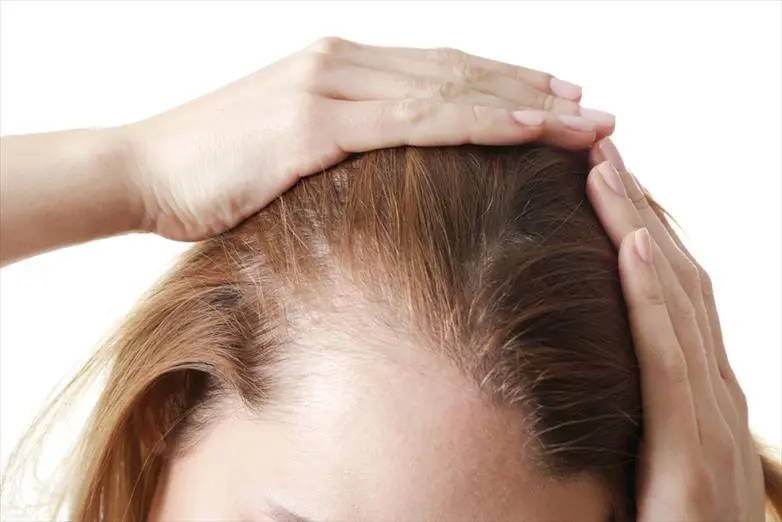
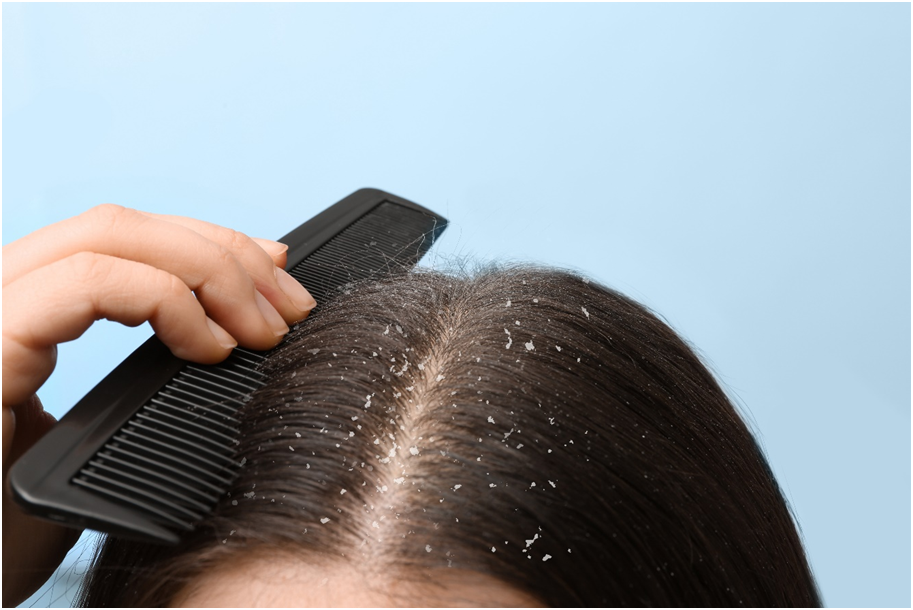
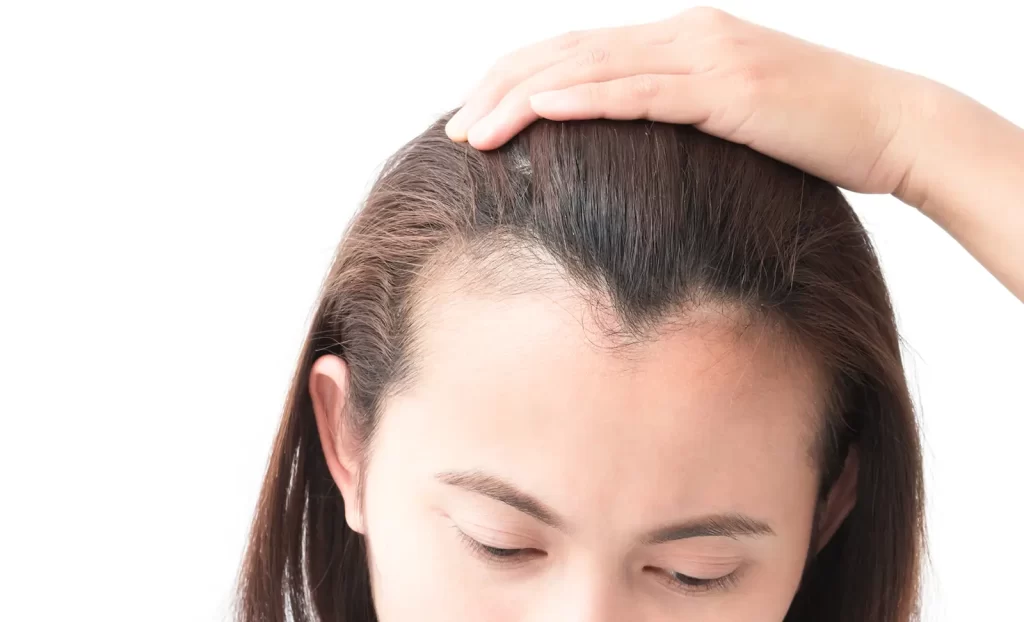
Thinning hair may be “normalized” in older men, but women are often less prepared for it. Studies show that about 52% of women over 50 experience “female pattern hair loss,” a condition that can affect their self-esteem and confidence. If you are over 50 and in perimenopause or post-menopause, know that thinner or weaker hair isn’t something that simply “has to be accepted.” Instead, many strategies can help slow hair loss or even restore growth.
Declining Estrogen Levels
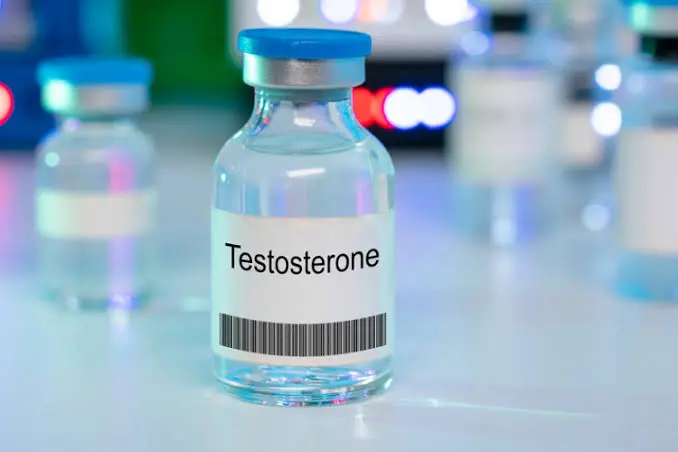
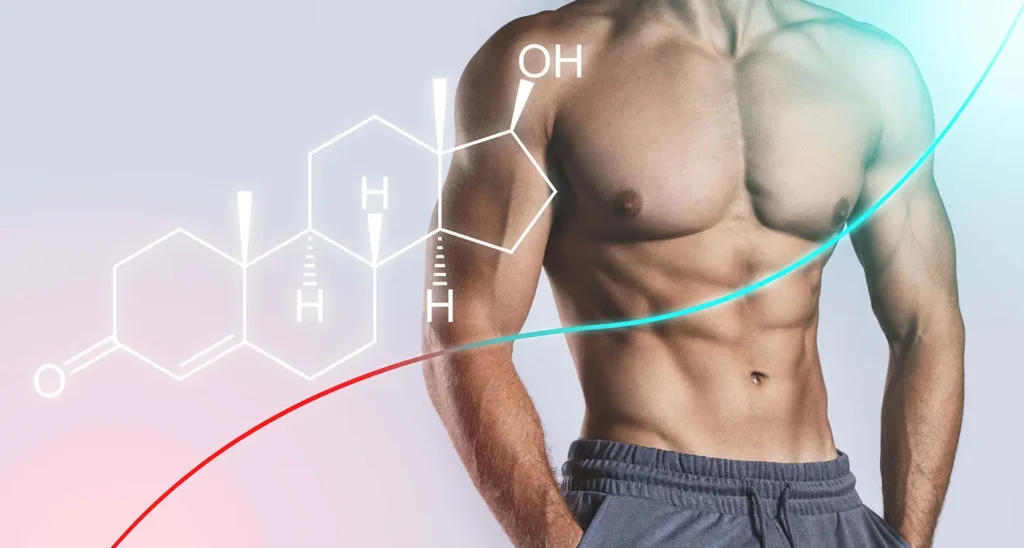
The main cause of hair loss during menopause is the significant shift in hormone levels that occurs during this transitional stage of life. First, estrogen, a hormone that keeps hair in the anagen (growth) phase longer and promotes thicker hair, declines. As estrogen declines, hair spends more time in the resting phase, leading to shorter, thinner strands and a greater chance of shedding. Additionally, the ratio of androgens (male hormones) to estrogen increases. These hormones, particularly DHT (dihydrotestosterone), can shrink hair follicles, leading to smaller, finer hair strands. In time, follicles can stop producing hair altogether, particularly in the crown and temple areas.
Reduced Progesterone Levels
Another hormone whose levels decline during menopause is progesterone, which serves as a counterweight to androgens and estrogen. A drop in progesterone allows androgens to have a stronger effect on the scalp. Like estrogen, progesterone also helps keep hair follicles in the anagen phase for longer. When levels decline, hair can shift prematurely into the resting and shedding phases.
Additional Reasons for Hair Loss
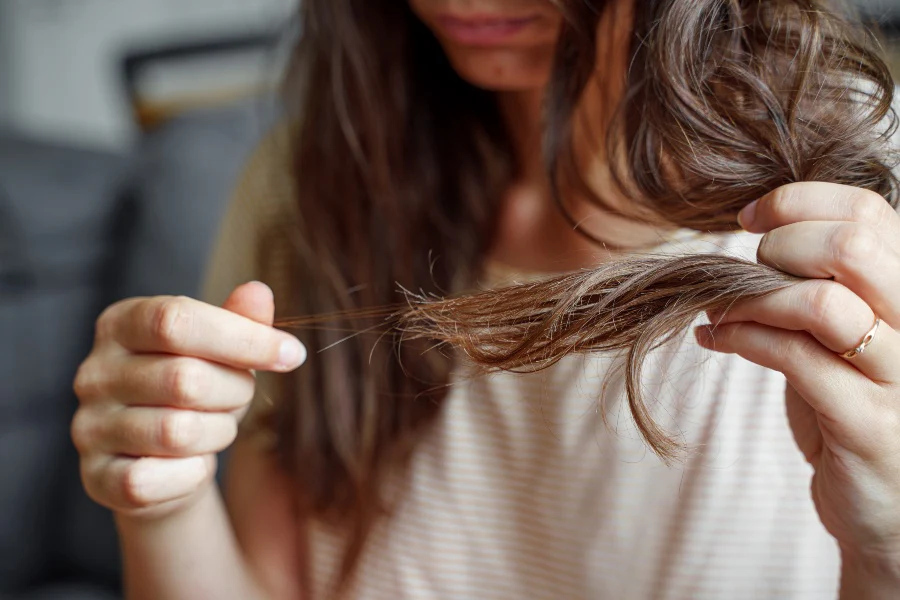
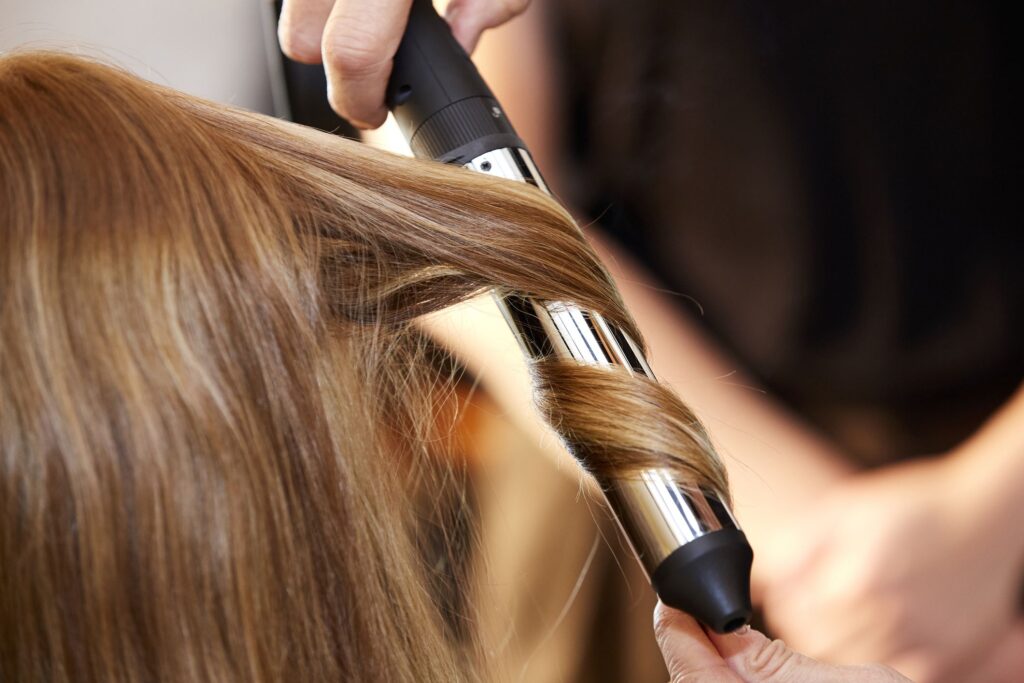
Hormones may be the main culprit behind hair loss, but other factors also contribute, including the natural aging of the scalp. As we grow older, scalp circulation decreases, so hair follicles receive fewer nutrients and oxygen. The scalp and hair also produce less sebum, which results in more brittle hair that is more prone to breakage. Daily habits can also wreak havoc on hair over time. For instance, frequent UV exposure, pollution, heat styling, and chemical treatments can weaken hair shafts and accelerate hair thinning. Aging additionally increases oxidative stress—the process in which free radicals damage cells, including those in hair follicles. Collagen and elastin production also declines, reducing support for the scalp and hair, and causing hair follicles to thin and weaken.
Tackling Hair Loss During Menopause
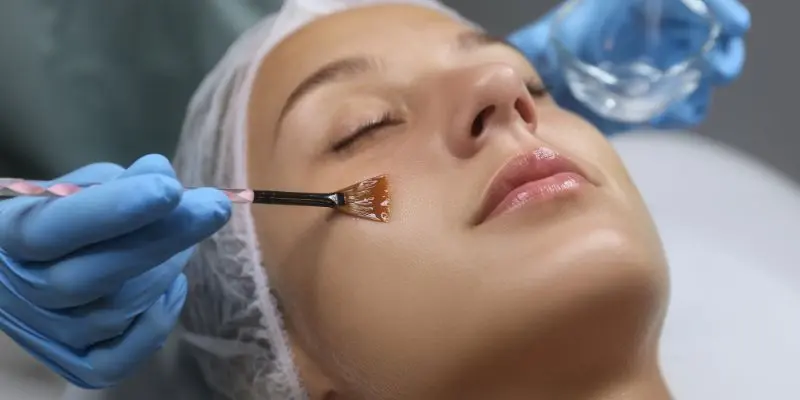
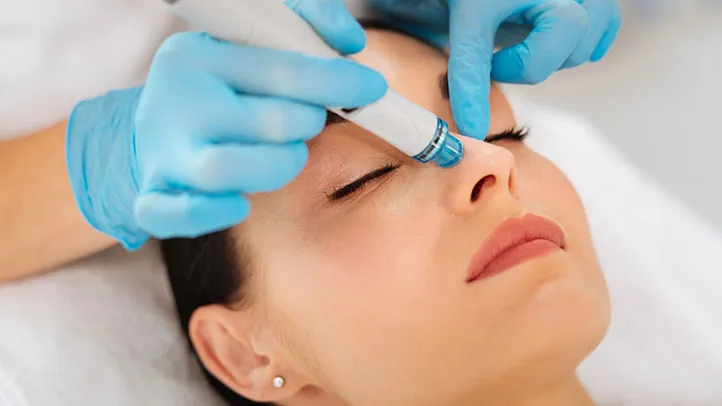
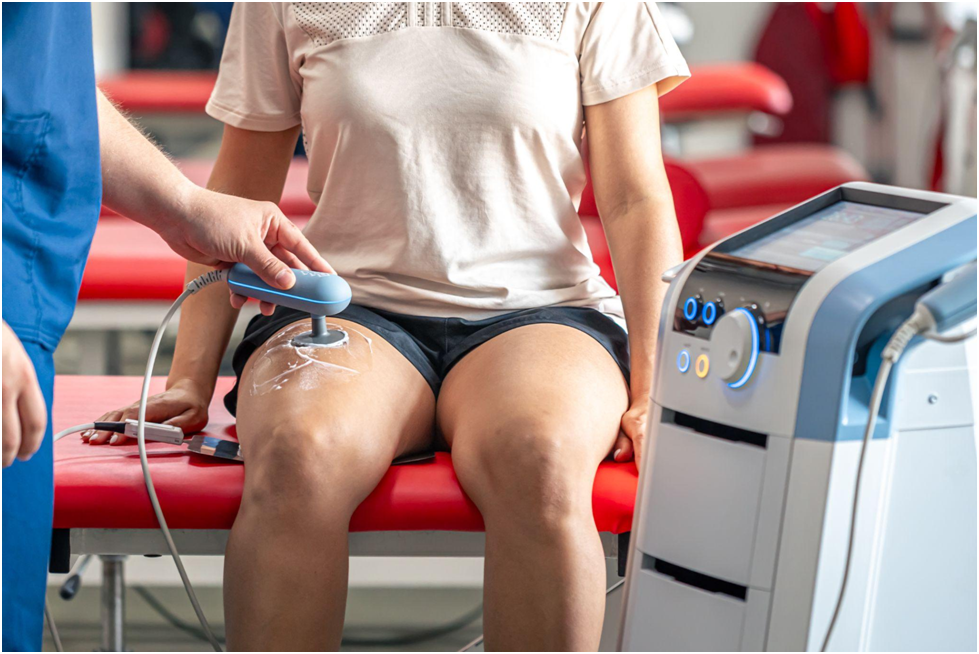
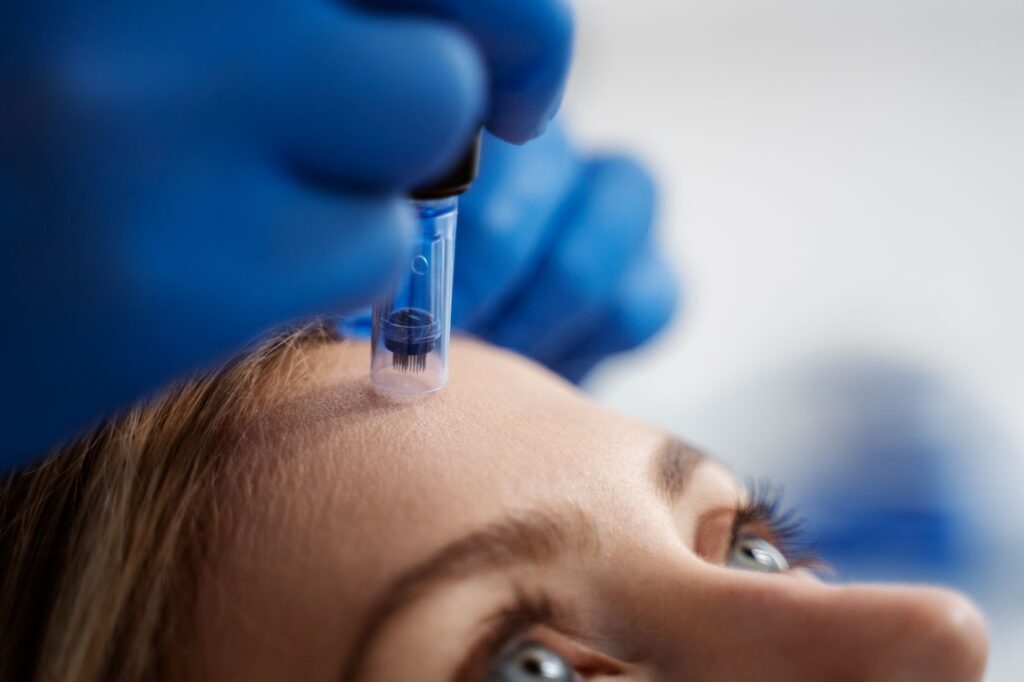
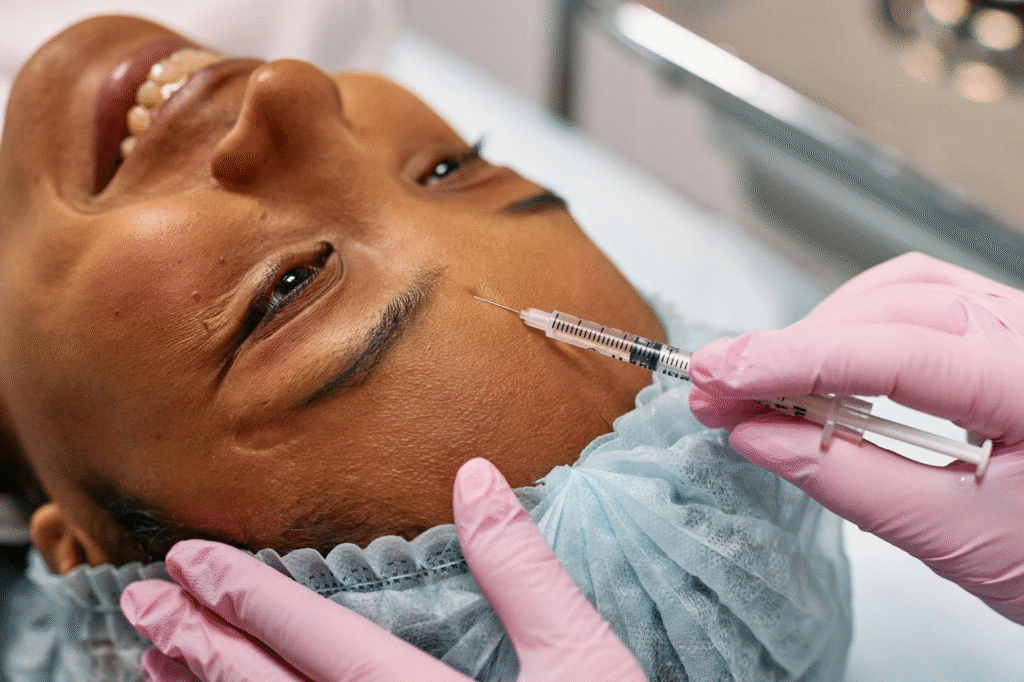
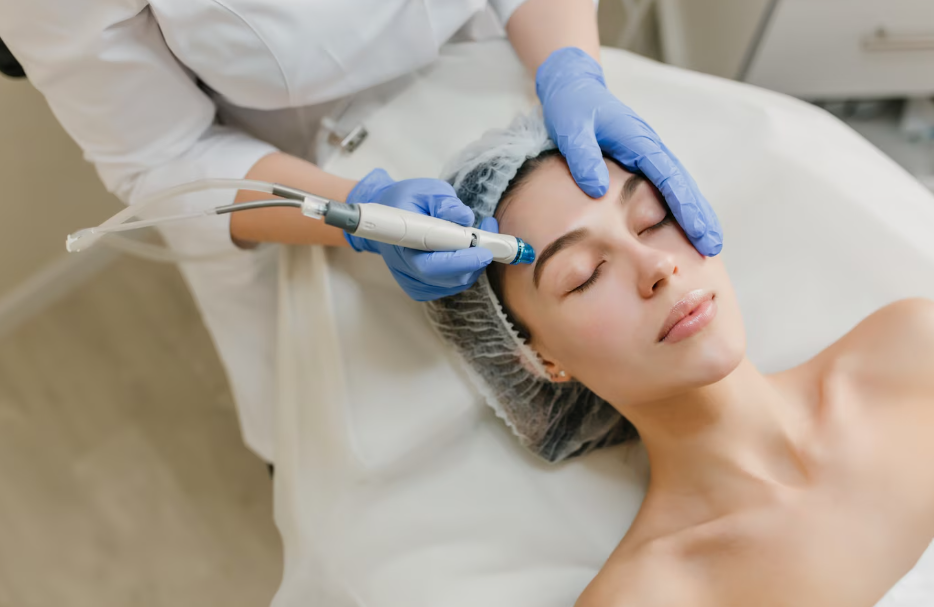
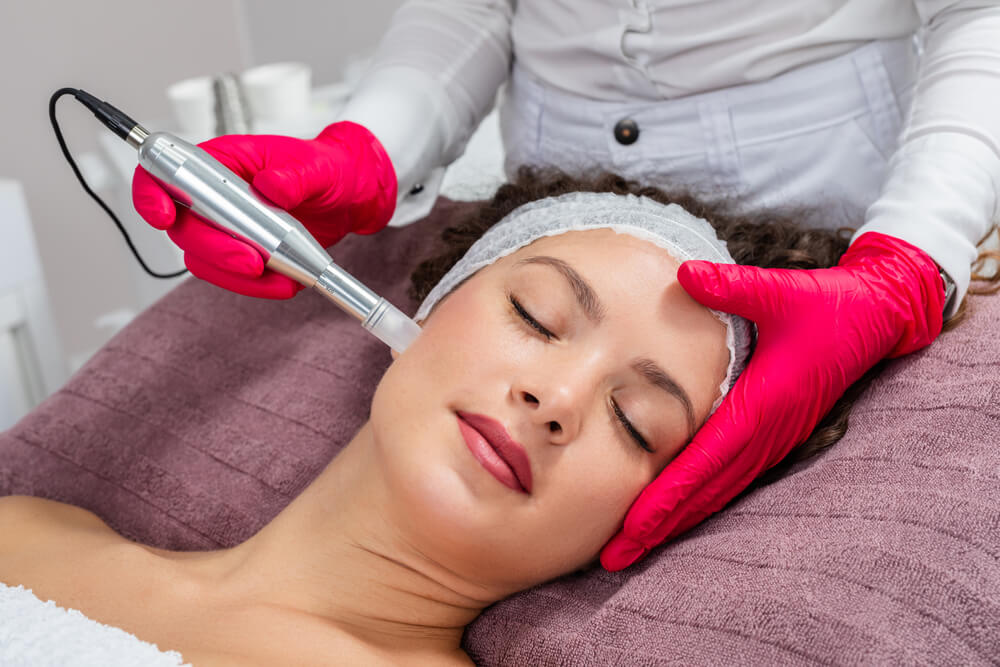
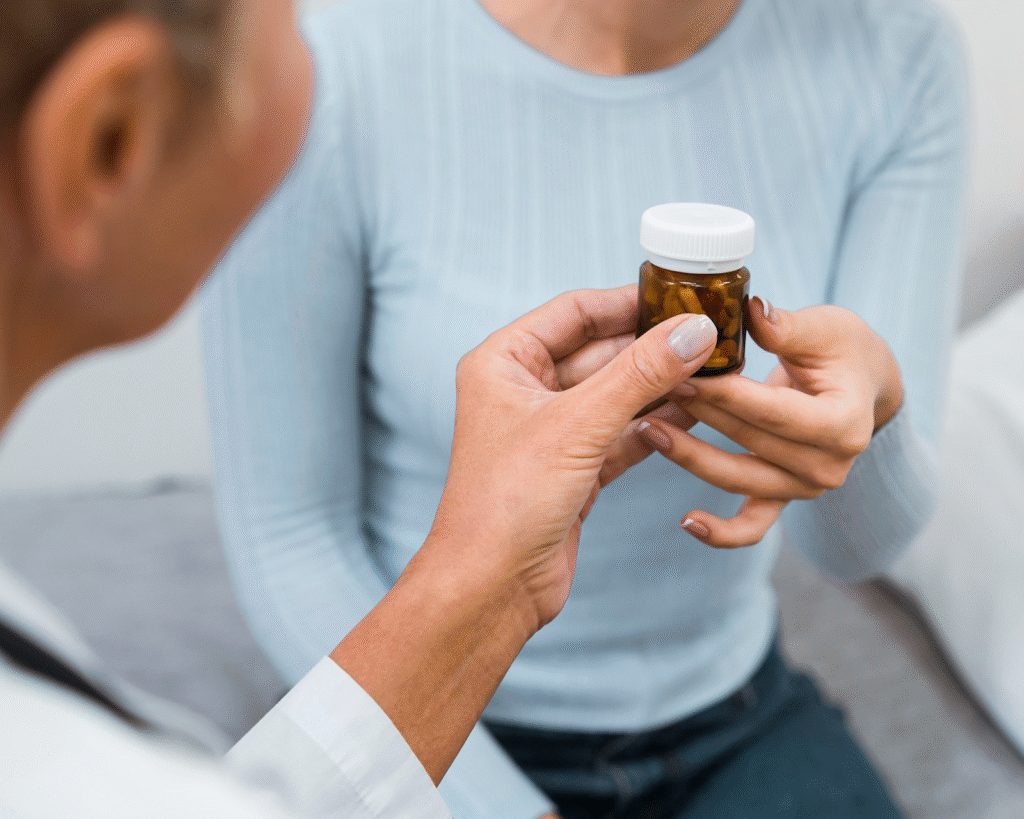
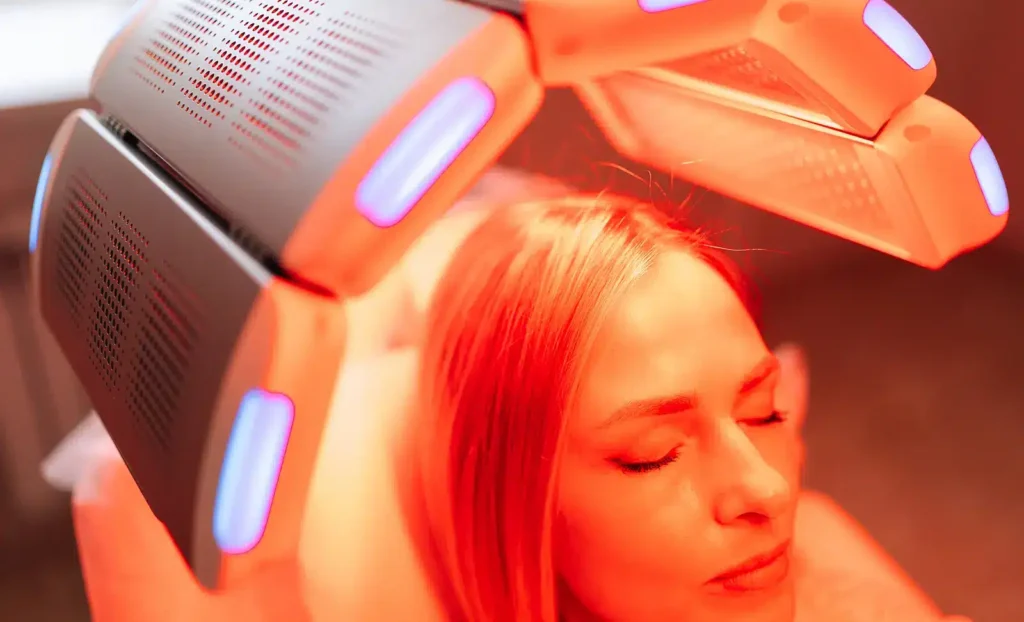
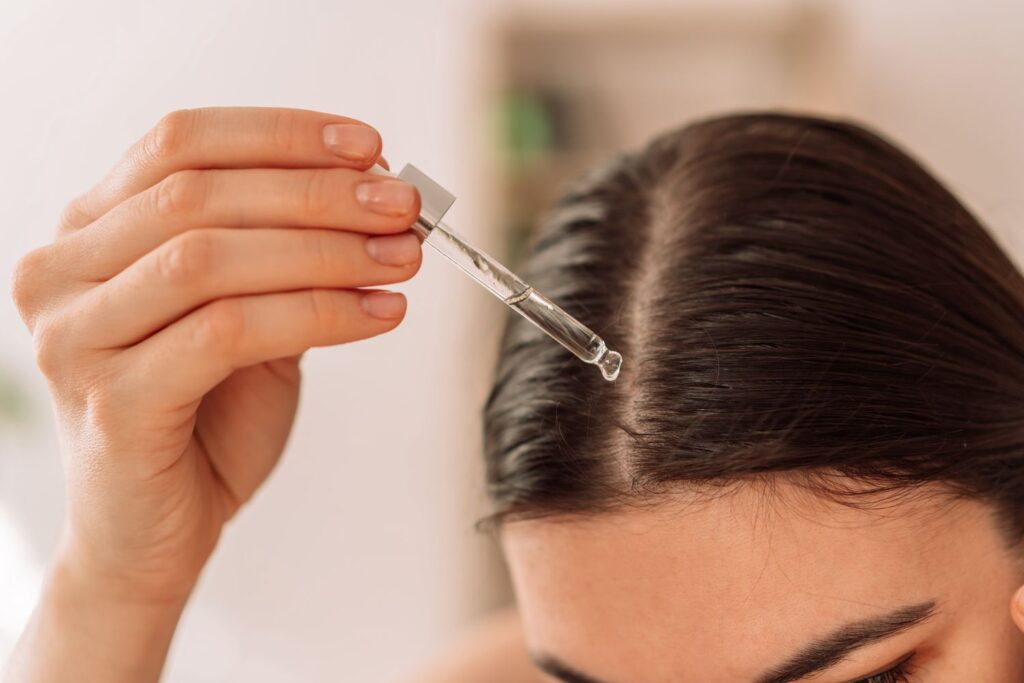
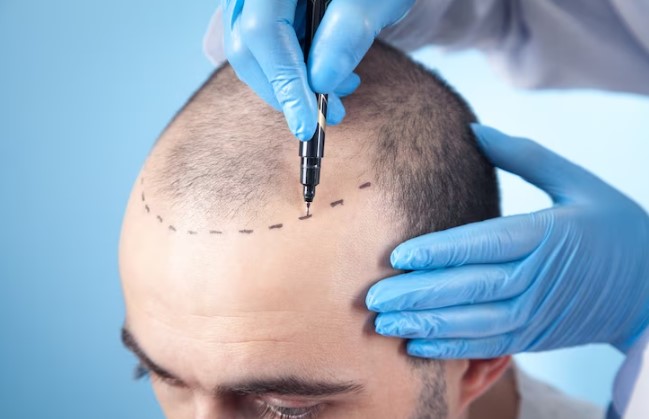
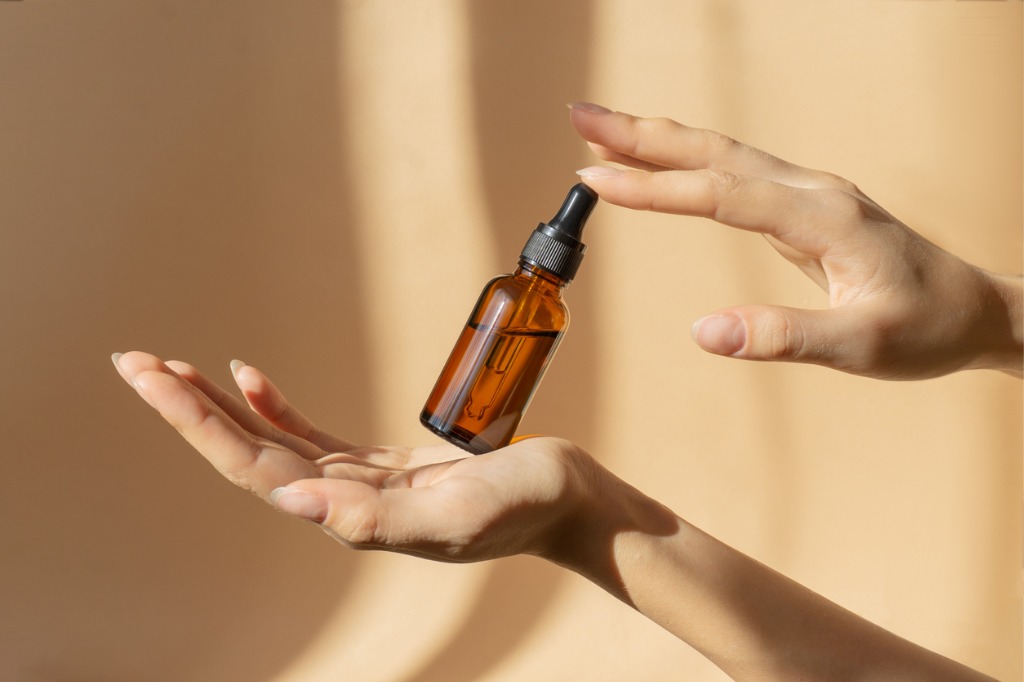
If you are over 50 and notice your hair becoming visibly thinner, it is vital to identify the causes and take a multifaceted strategy to address hair loss. Hair loss specialists can help identify the specific causes affecting you, including genetics, stress, hormonal changes, autoimmune conditions, scalp infections, and skin disorders. Depending on the cause of your hair loss, they may recommend a combination of pharmaceutical treatments, therapies, topical solutions, and supplements. More than one approach may work best to regrow thicker, healthier hair. Some treatments improve scalp circulation and hydration, while others focus on stimulating collagen and elastin production. Post-menopausal hair loss may improve with hormone replacement therapy (HRT), while treatments like platelet-rich plasma (PRP) may be recommended for those experiencing early-to-moderate hair loss. To determine the best approach for you, the specialists will typically run a few tests to rule out other issues such as thyroid disorders, iron deficiency, or autoimmune-related hair loss.
Dietary Approaches
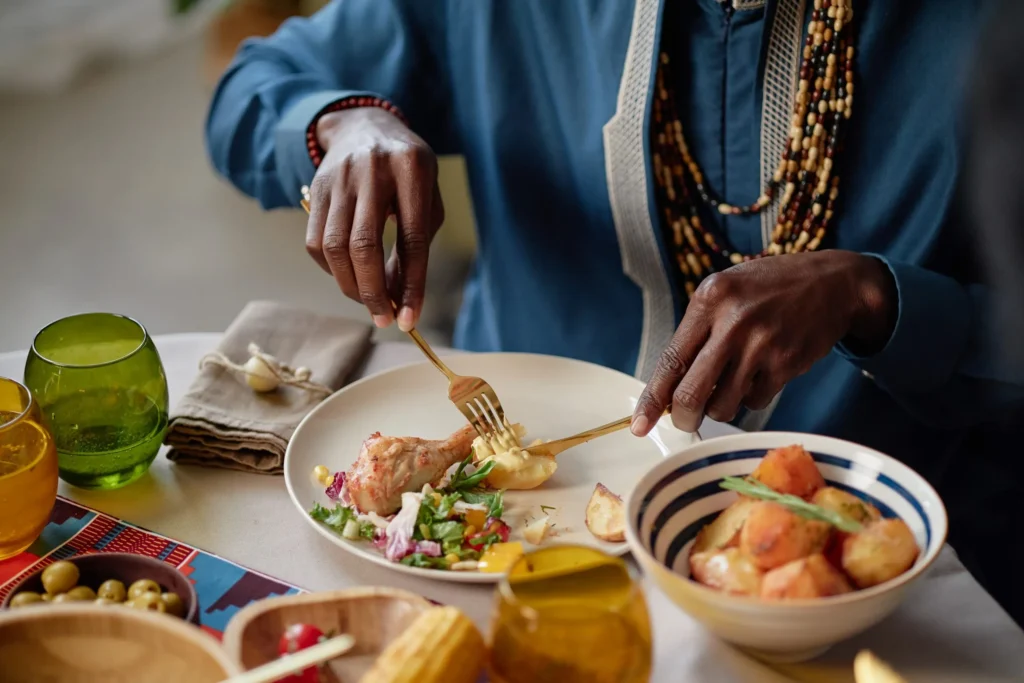
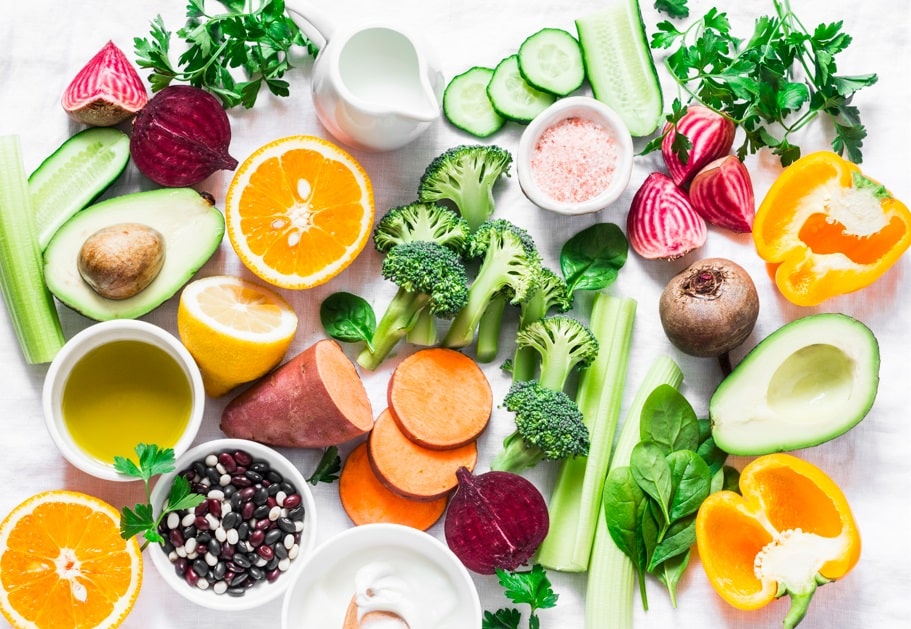
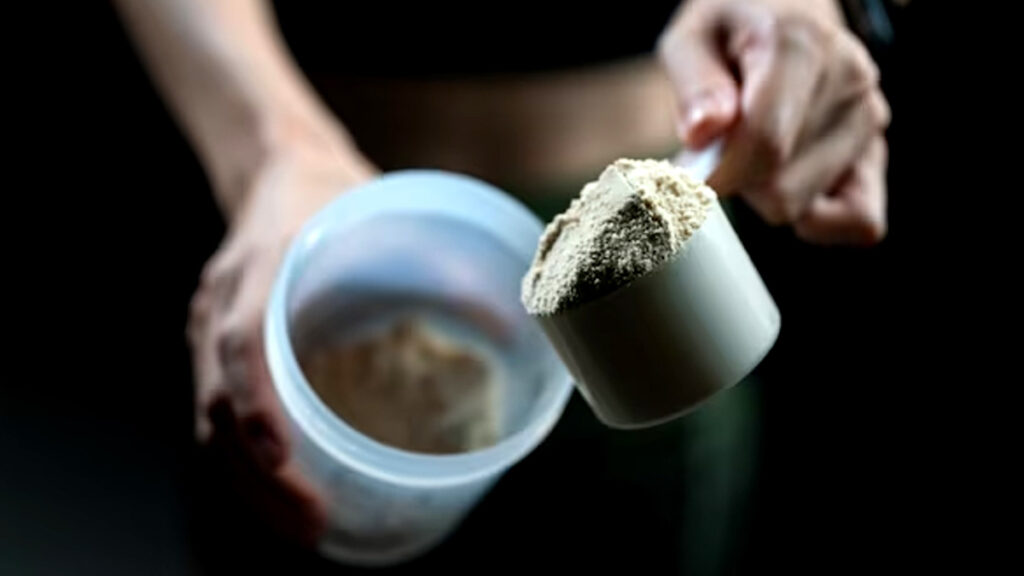
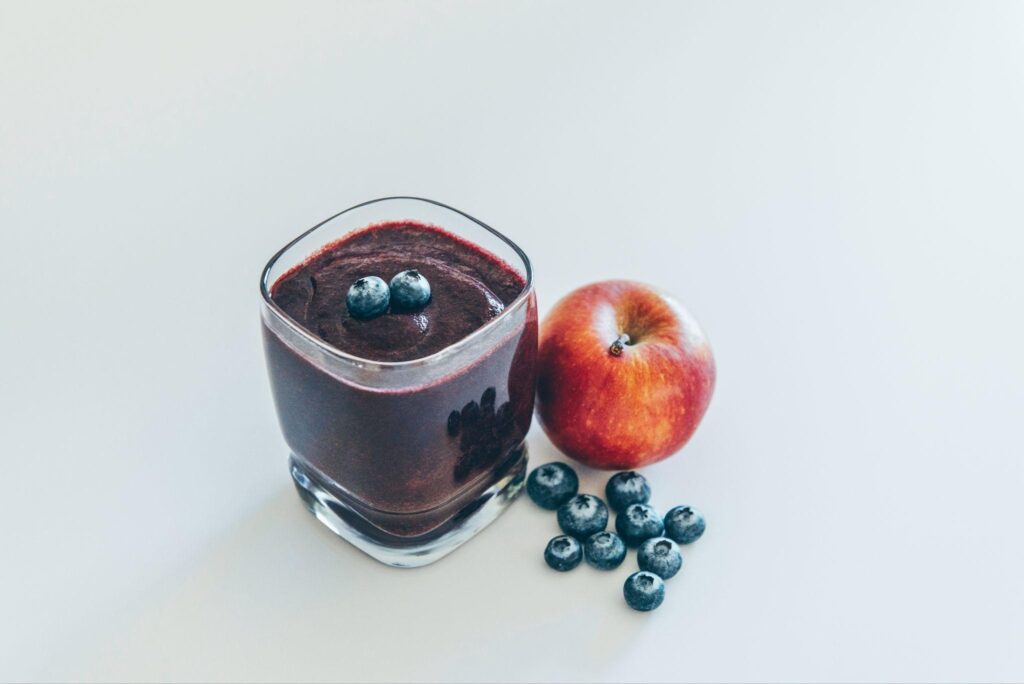
A specialist may also recommend improving your diet with foods rich in antioxidants, iron, zinc, protein, and vitamins such as B12, D, and biotin. Consuming enough protein is also vital, since hair is made of the protein keratin, and a lack of it can lead to thinner roots and more shedding. To boost your antioxidant intake, try foods such as cruciferous vegetables (such as broccoli and cauliflower) and berries, and avoid sugar-sweetened beverages and alcohol, which can increase hair loss risk due to inflammation. Embrace a Mediterranean-style diet, which focuses on whole foods and limits ultra-processed items. Pair iron with vitamin C-rich foods such as citrus fruits, bell peppers, and strawberries, which help boost iron absorption from plant foods.
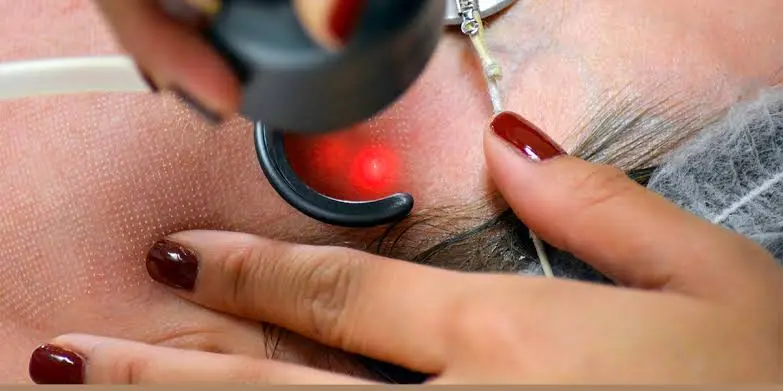
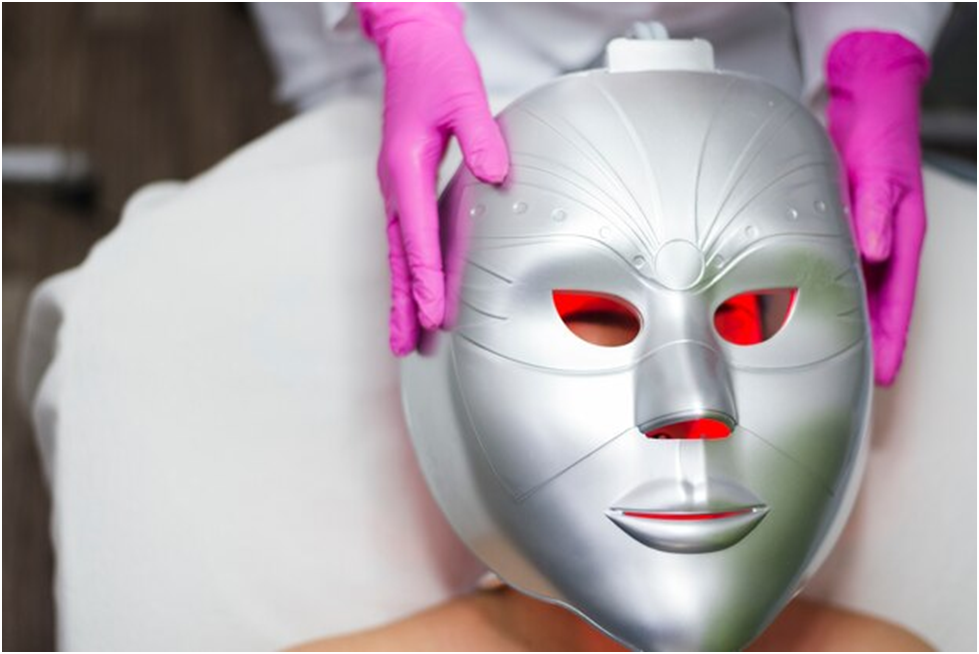
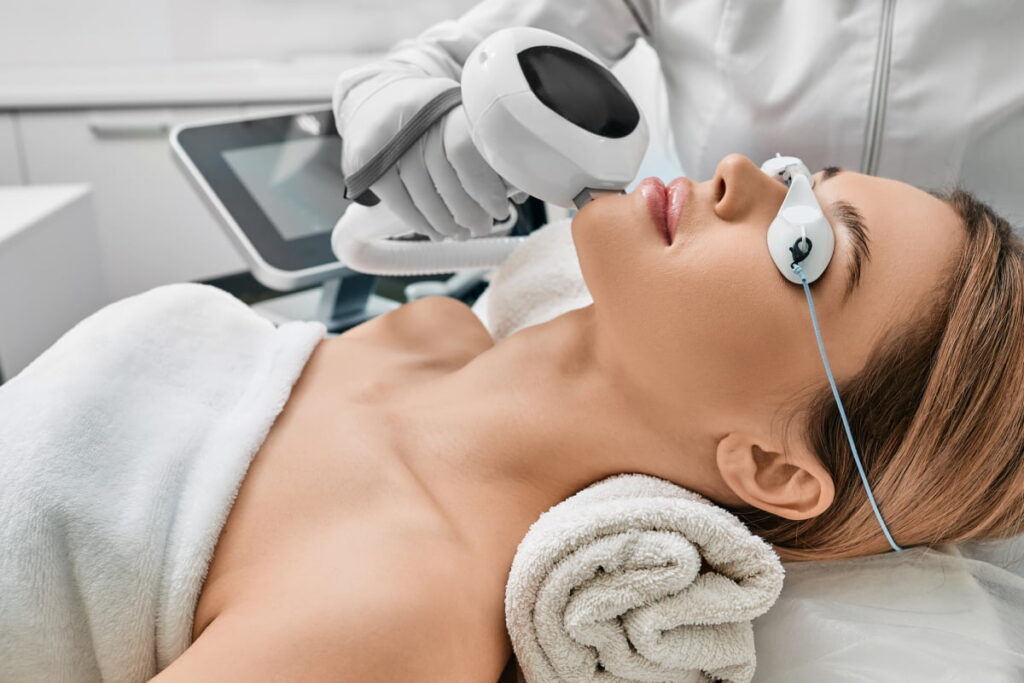
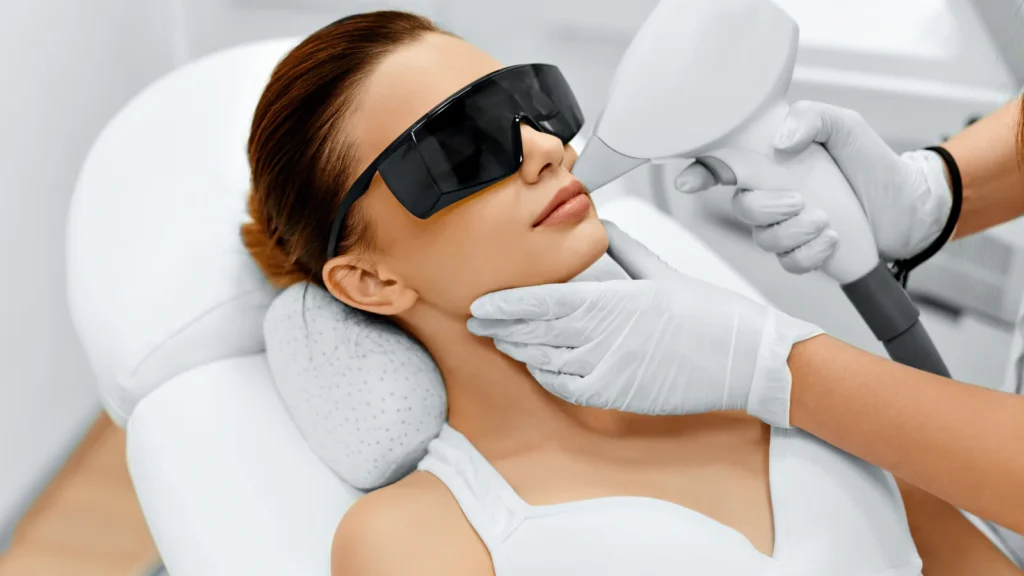
Hair loss may be more common during the menopausal years, but it doesn’t have to be accepted in silence. If you notice hair thinning, consider seeing a specialist who can address the issue early by first identifying possible causes and prescribing the right treatment. From laser treatment to PRP and dietary changes, many approaches can help you achieve healthier, lusher, more beautiful hair.