

























































































































































































































































































































































































































































































































































































































































































































































































































































































































































































































































































































































































































































































































































































































































































































































































































Not Sure Which Jewelry Color Suits You? Here’s How to Decide

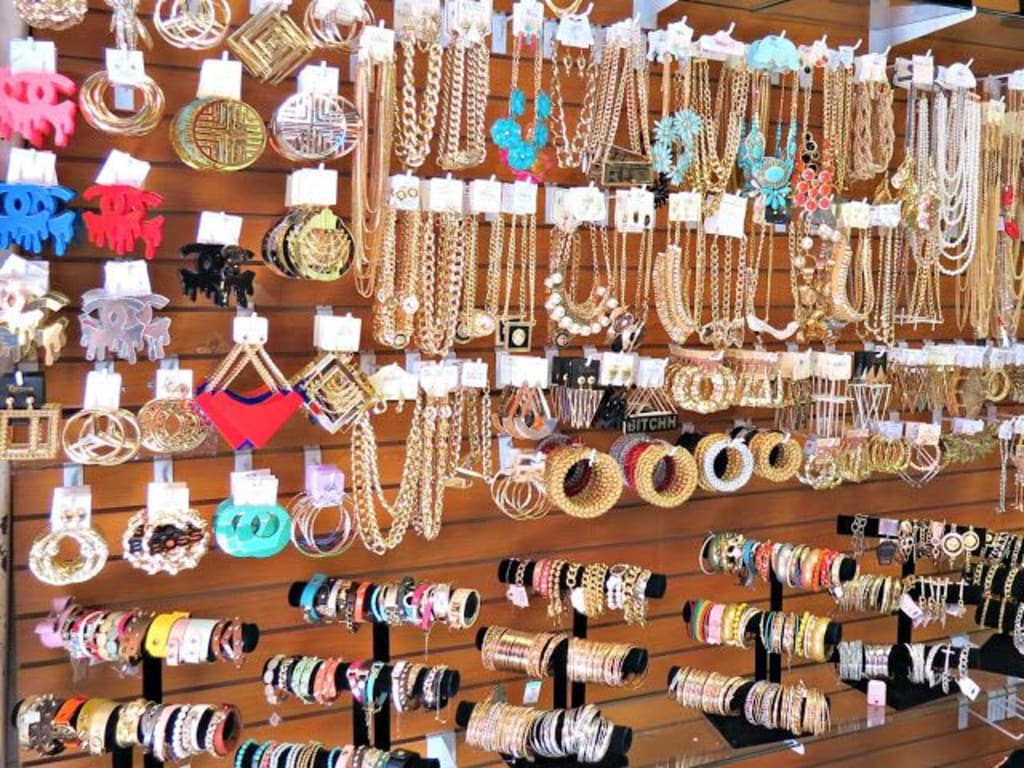
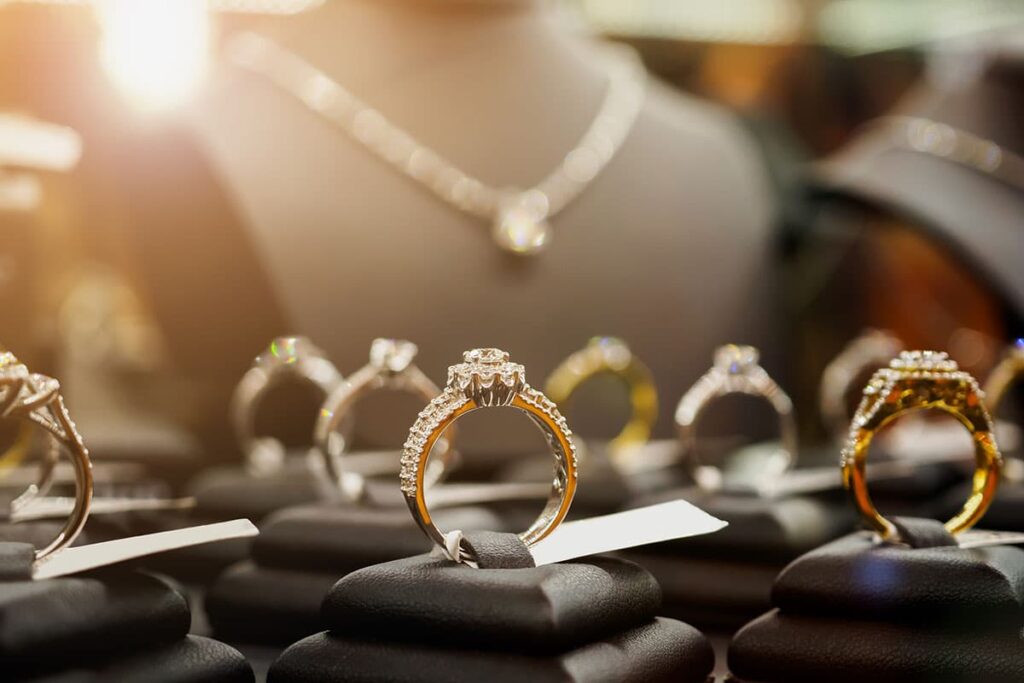
You’re standing at the jewelry counter again, holding a gold bracelet in one hand and a silver one in the other, no closer to an answer than five minutes ago.
Here’s the good news: you don’t need a stylist or a color theory degree to figure this out. Your skin has already decided for you. You just haven’t checked yet.
Why Jewelry Color Isn’t Just About Personal Taste
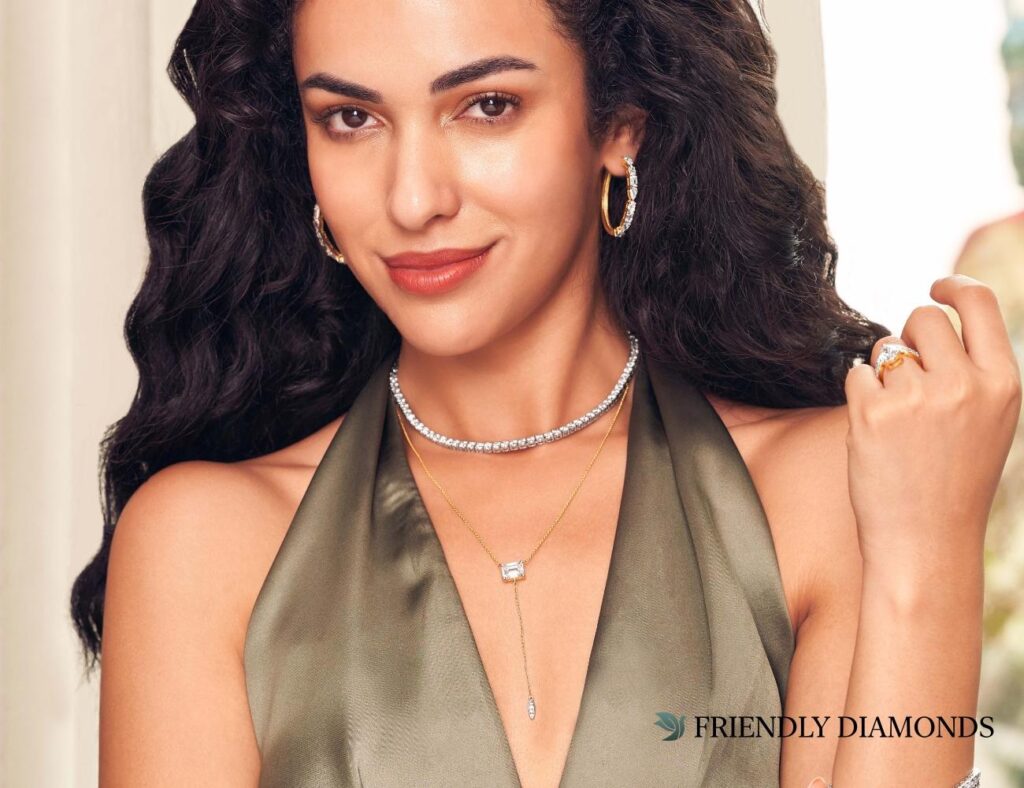
Some people put on gold and instantly look sun-kissed and warm. Others put on the exact same gold and look a little washed out, like the metal is fighting their skin instead of working with it. Same piece, completely different result.
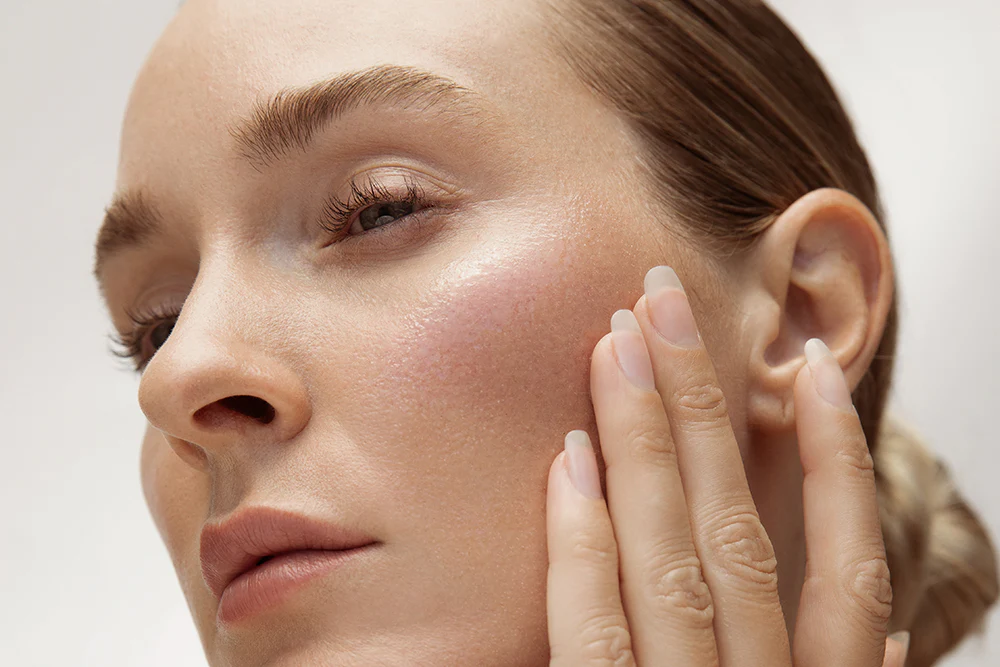
That’s not random. It comes down to your undertone, the subtle color underneath your skin that stays constant no matter how tan or pale you get. Once you know it, choosing between gold, silver, and rose gold stops being a guessing game.
The 60 Second Undertone Test
Skip the online quizzes. These two checks take a minute, and you can do them right now.
The Vein Test
Look at the veins on the inside of your wrist in natural light. Greenish veins usually mean a warm undertone. Blue or purple veins point to cool. If you genuinely can’t tell, or you see a mix of both, you’re likely neutral.
The White Paper Test
Hold a plain white sheet of paper next to your face. If your skin looks yellow, peachy, or golden by comparison, that’s warm. If it looks pink, rosy, or bluish, that’s cool. Skin that looks like it blends into the white without a strong pull either way is neutral.
Once you have your answer, everything else on this list gets a lot easier.
Warm Undertones: Your Best Jewelry Colors
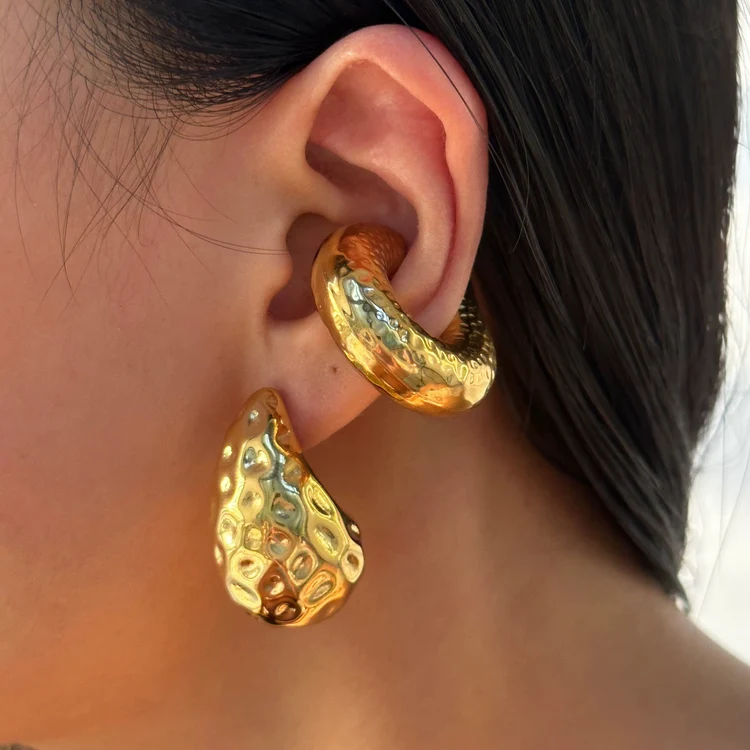
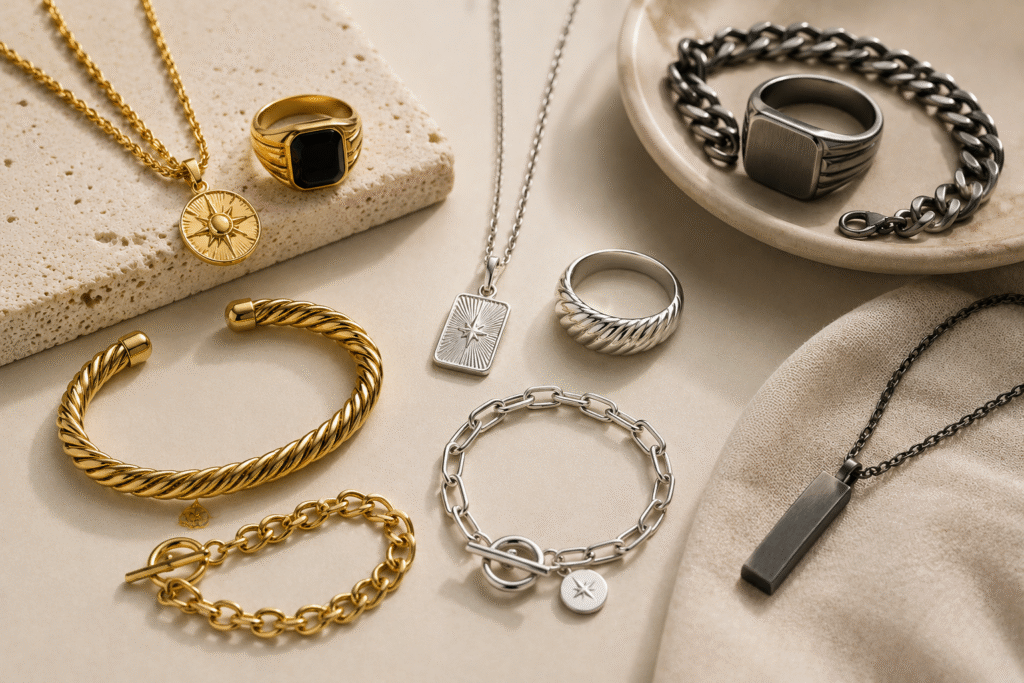
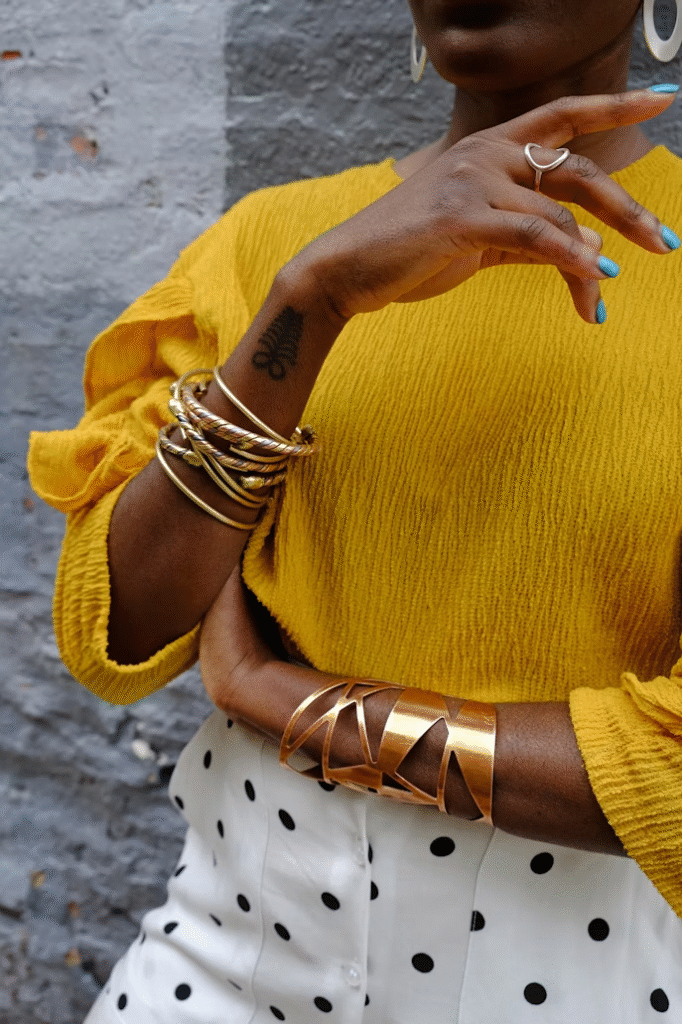
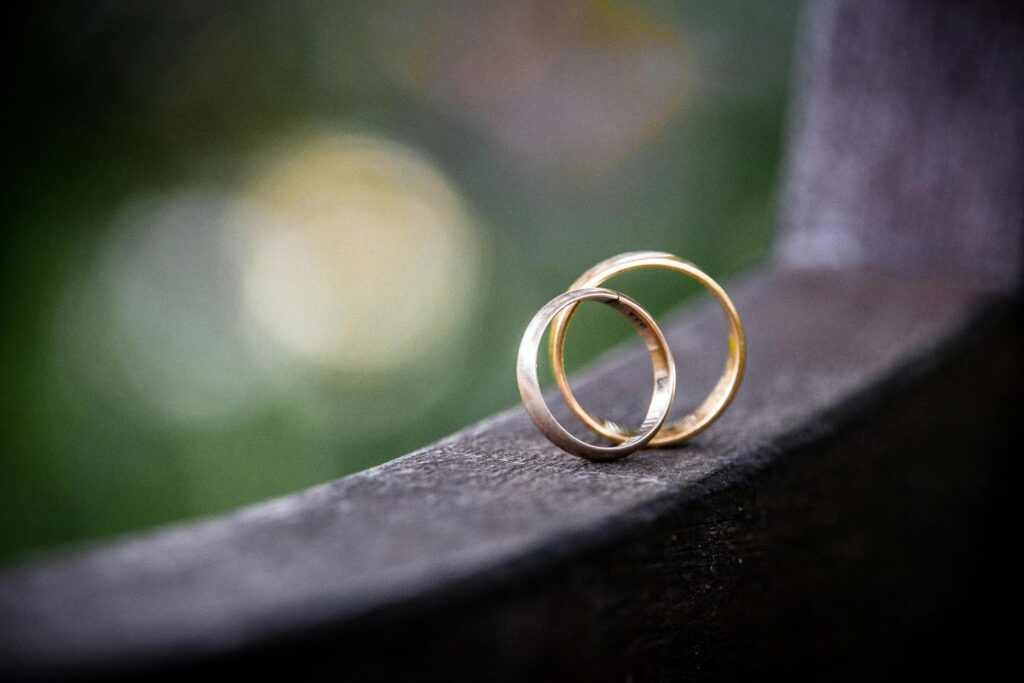
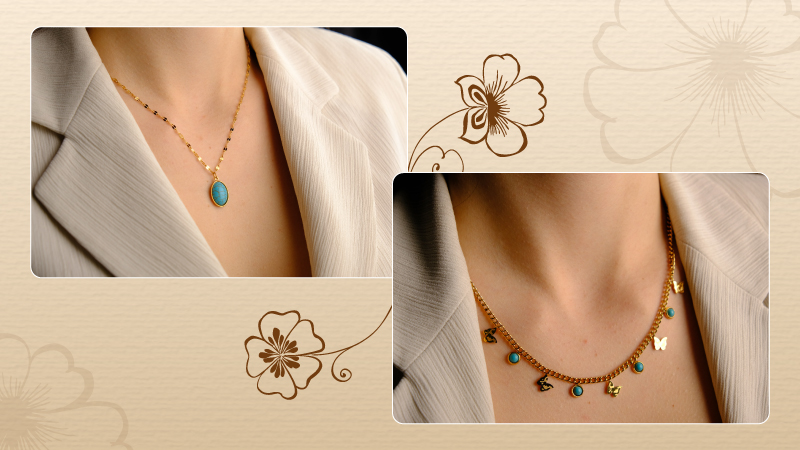
If your veins lean green and the white paper made you look golden, gold is your friend. Yellow gold, brass, copper, and antique gold finishes all sit beautifully against warm skin. They tend to make the skin look brighter and healthier instead of dulling it down.
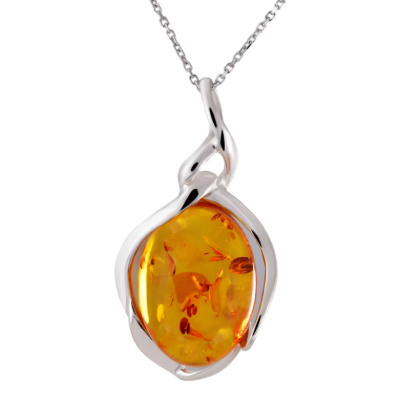
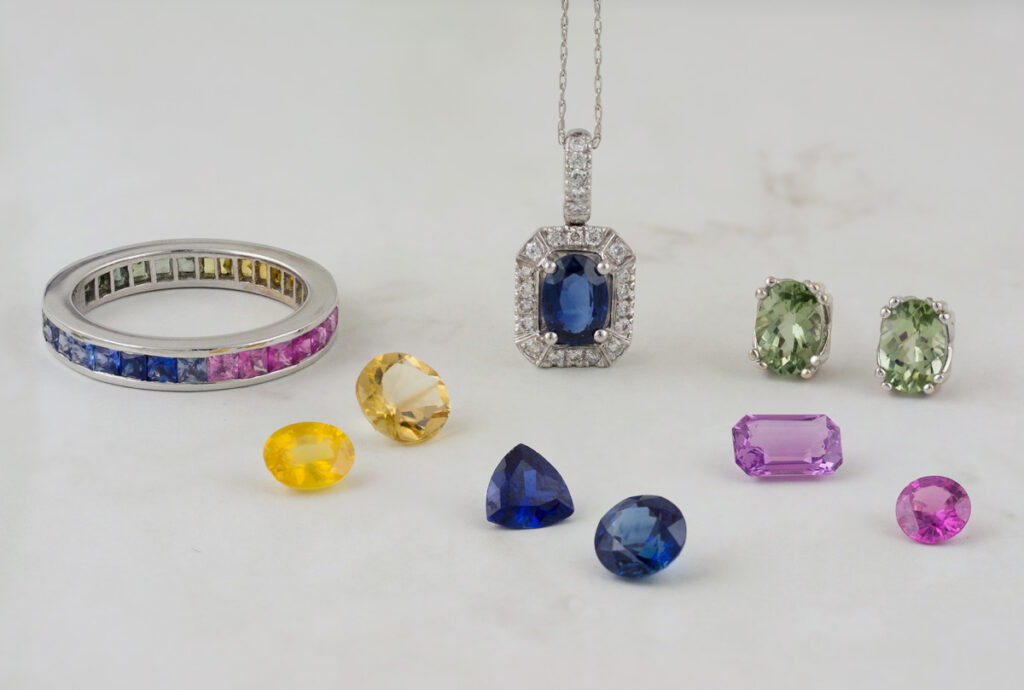
Gemstones follow the same logic. Citrine, amber, warm topaz, and coral will feel like an extension of your skin rather than a contrast to it.
Cool Undertones: Your Best Jewelry Colors
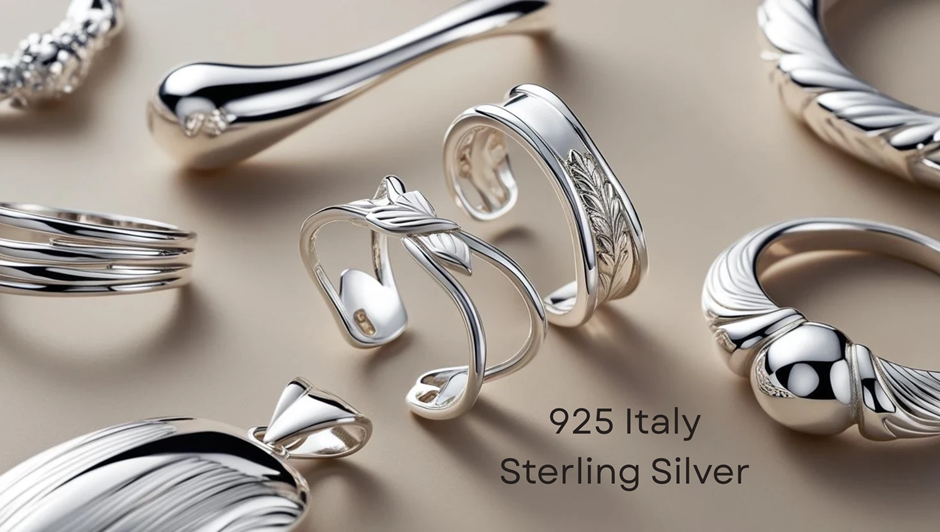
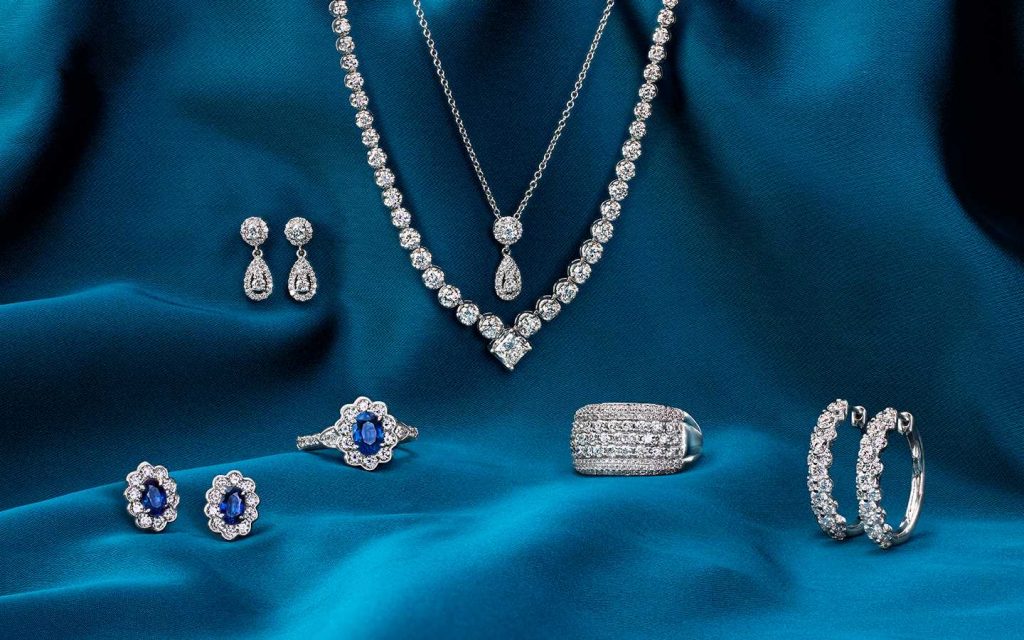
Blue or purple veins and a pink or bluish tone under white paper mean silver is doing you favors that gold never will. Sterling silver, white gold, and platinum bring out clarity in cool skin instead of competing with it.
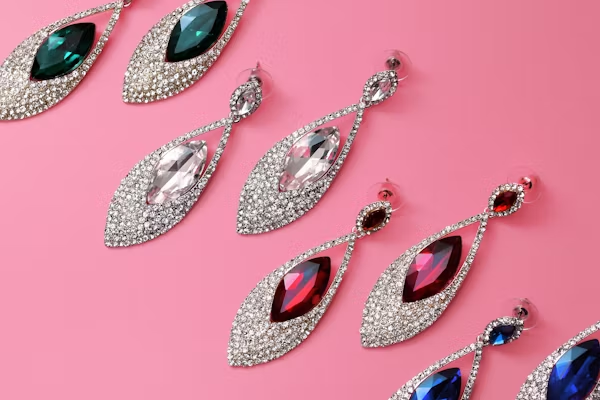
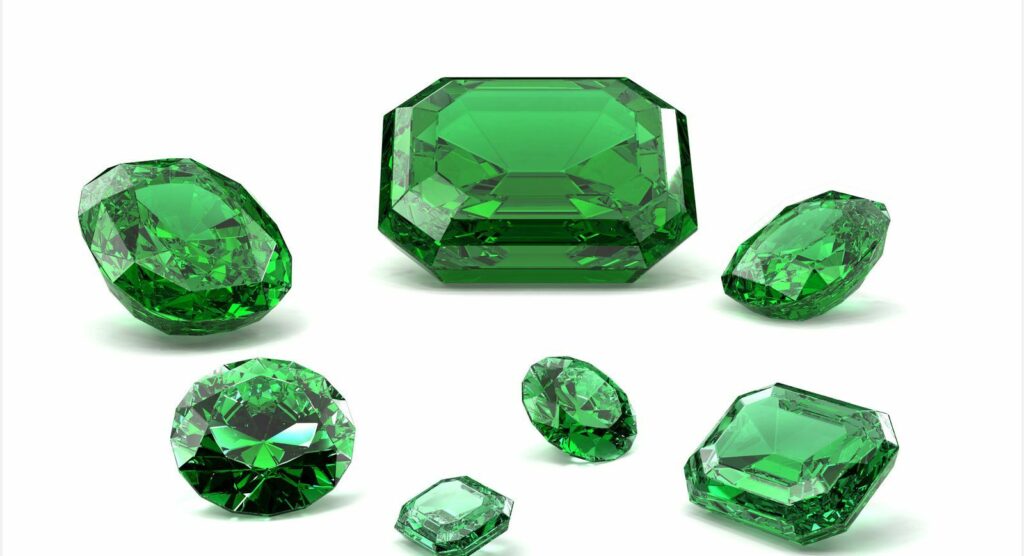
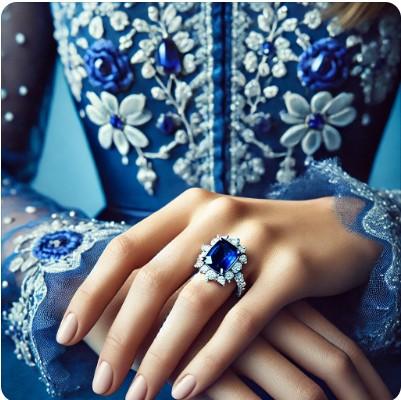
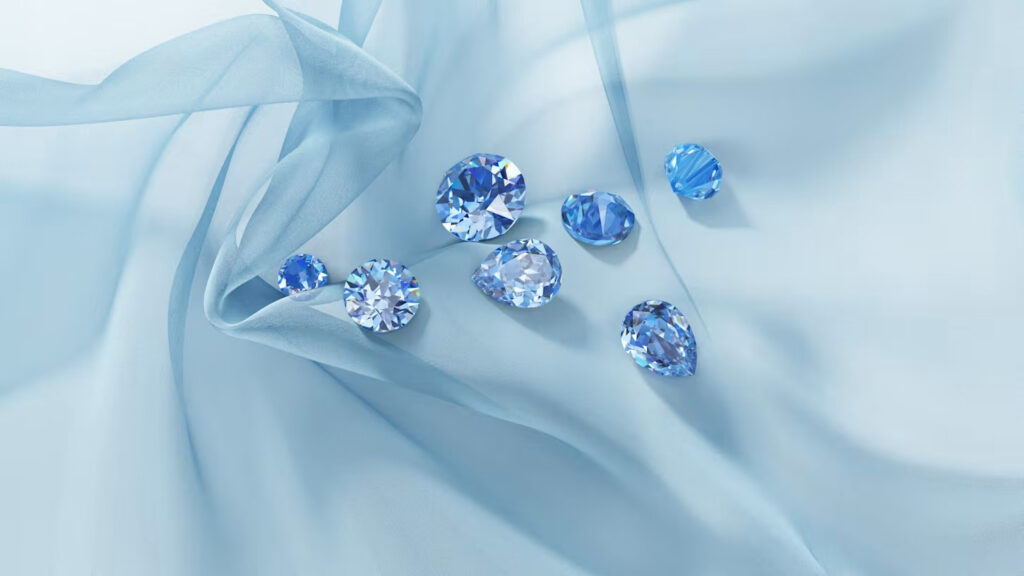
For stones, think sapphire, amethyst, and emerald. These colors have the same cool base as your skin, so they read as polished rather than mismatched.
Neutral Undertones: Why You Get to Break the Rules
If your test results came back mixed, congratulations, you have the most flexible skin at the counter. Neutral undertones can wear gold, silver, or a mix of both without either one looking off. This is genuinely a good problem to have.
The only real risk for neutrals is playing it too safe and never experimenting. You have the freedom, so use it.
What About Rose Gold?
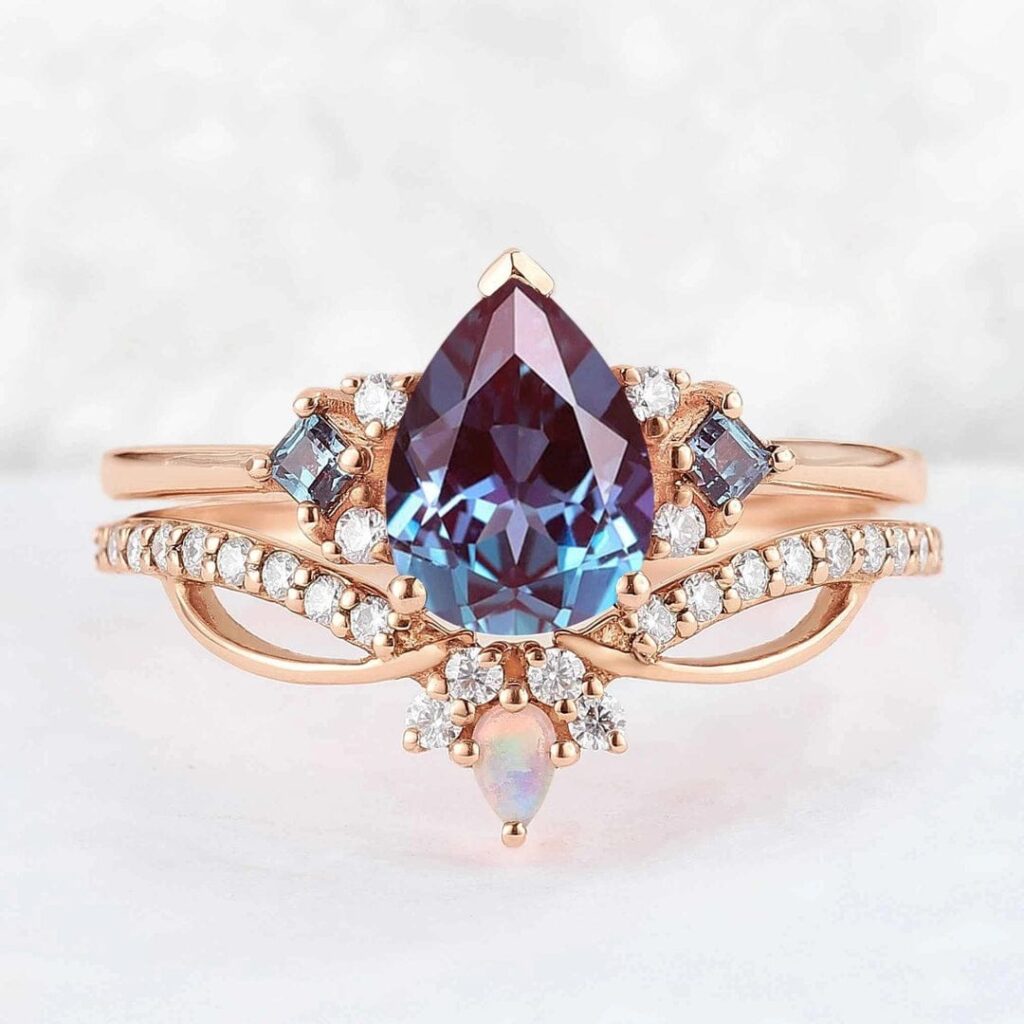
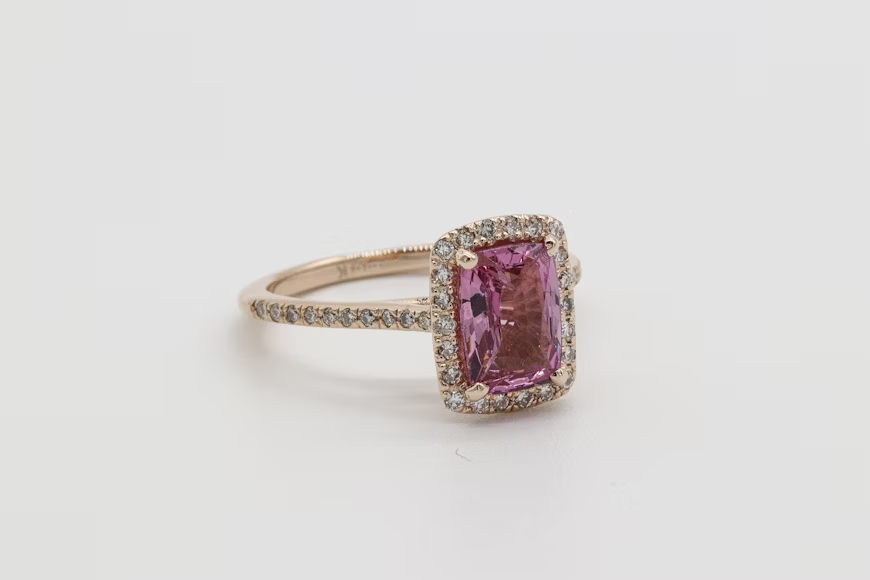
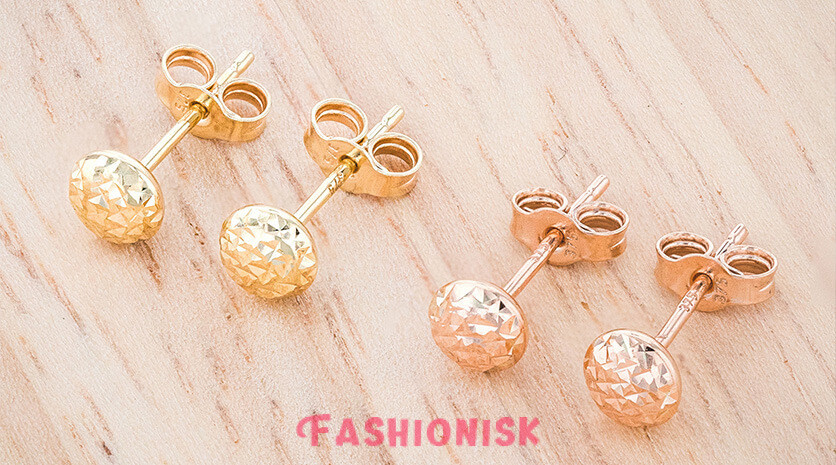
Rose gold is the metal that quietly ignores the rulebook. Its pink and copper base gives it a warmth that flatters cool undertones almost as much as warm ones, which is why it’s become the go-to “safe bet” for gifts when you don’t know someone’s preference. Neutral undertones tend to love it outright. Warm undertones usually do too. Cool undertones can still wear it, just expect a slightly different effect than pure silver.
Matching Jewelry Color to the Occasion
Your undertone tells you what flatters you. The occasion tells you what to actually put on.
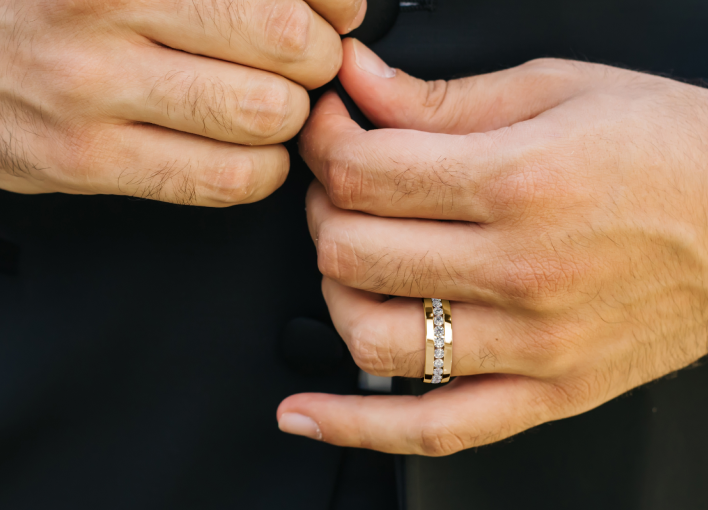
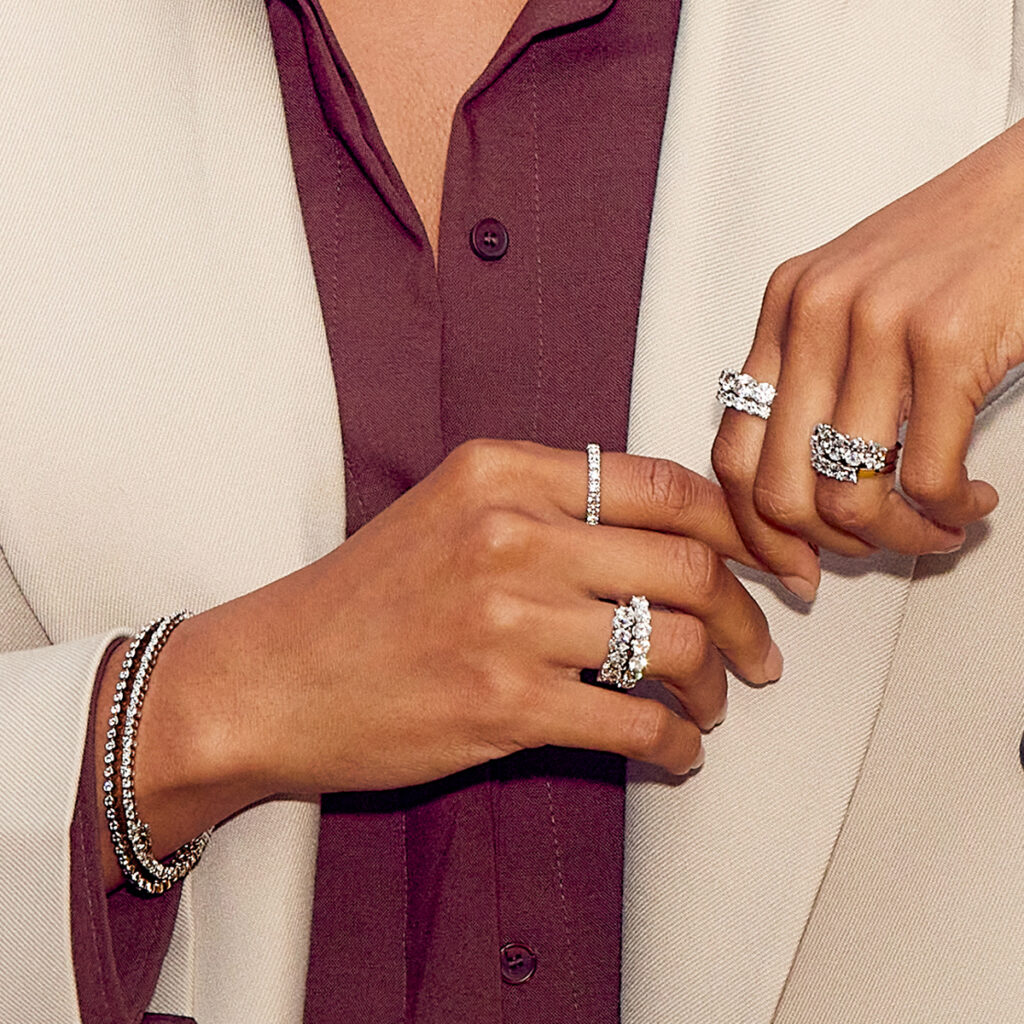
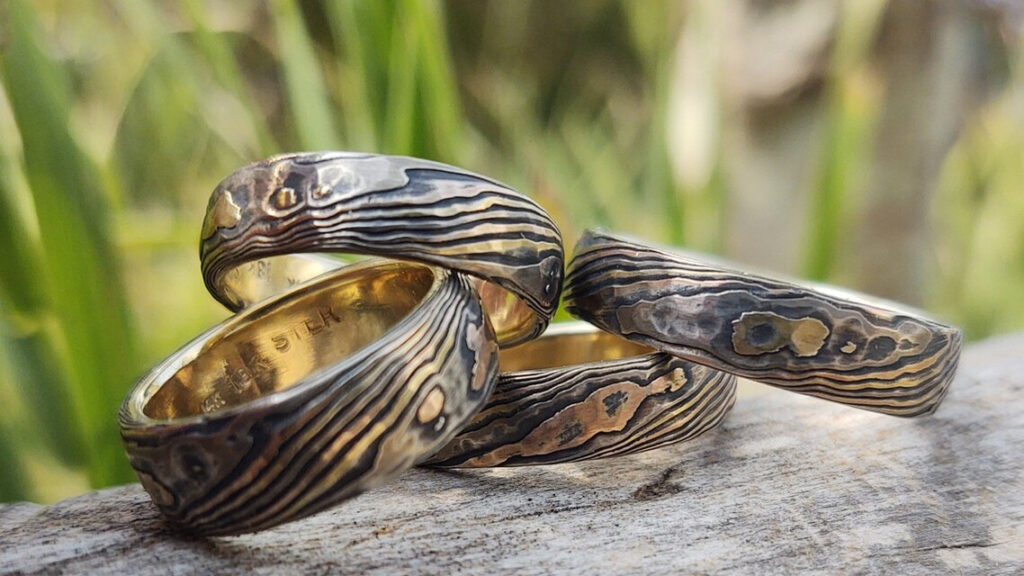
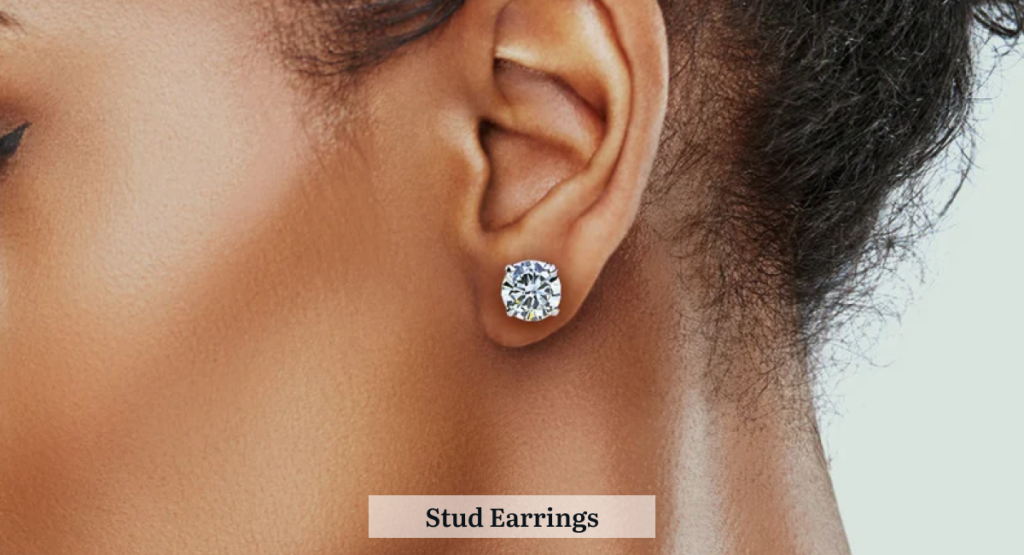
For everyday wear, pick one dominant metal and stay consistent so your rings, watch, and earrings don’t visually clash. For work, cleaner and simpler tends to photograph and present better on video calls, so a single thin bracelet or stud beats a stack. For weddings or formal events, this is where mixed metal pieces earn their keep, since they let you match whatever the rest of your outfit is doing without needing three separate jewelry boxes.
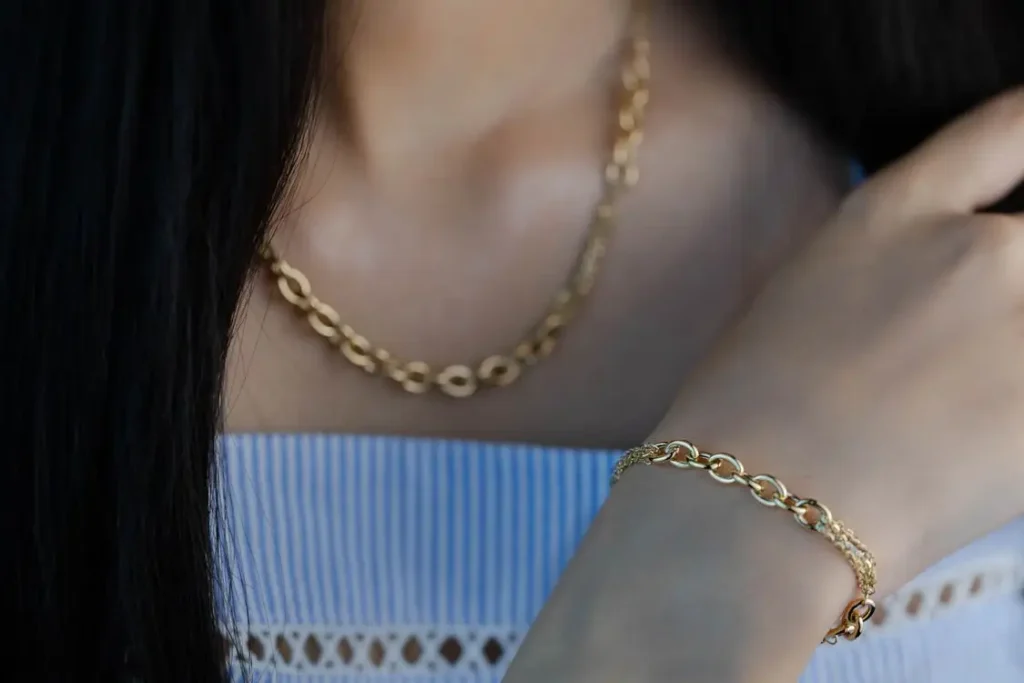
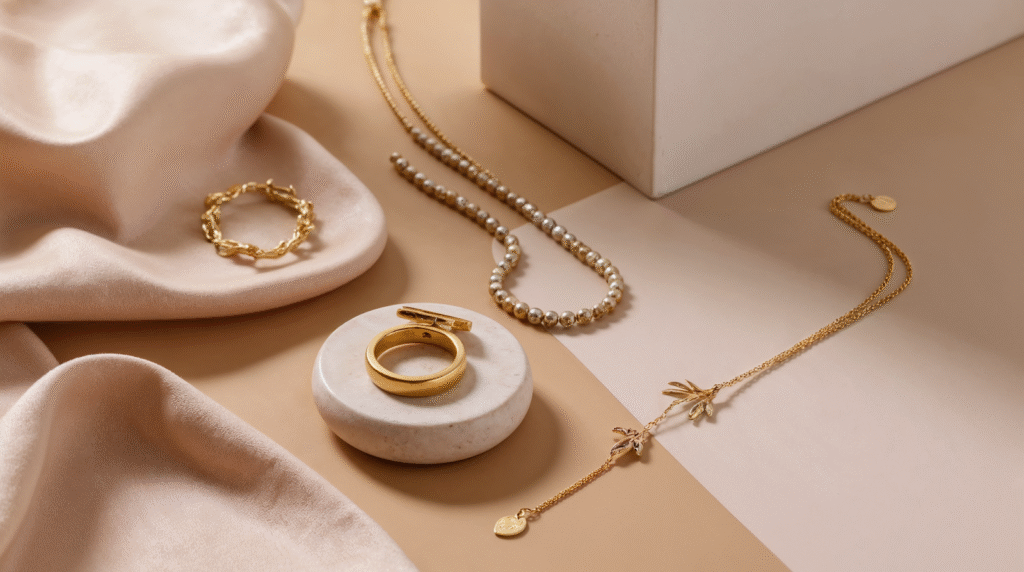
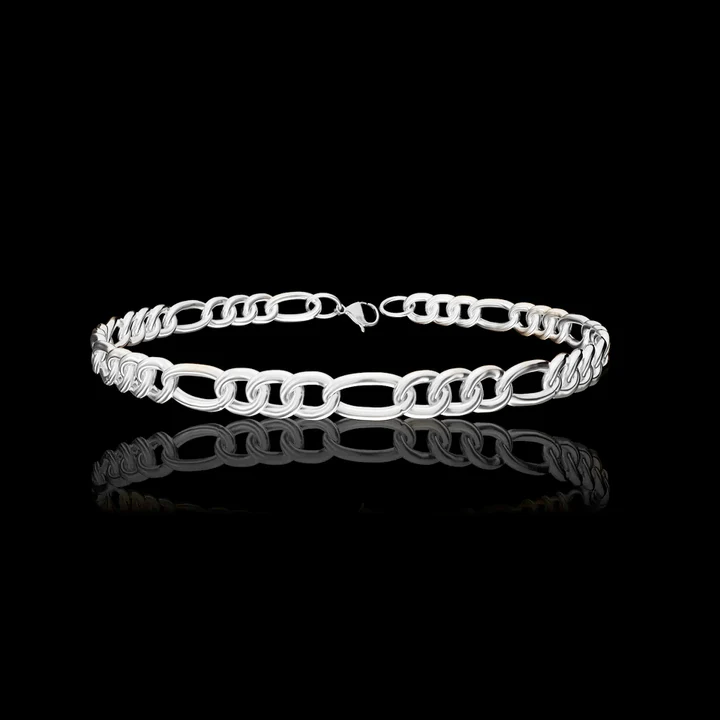
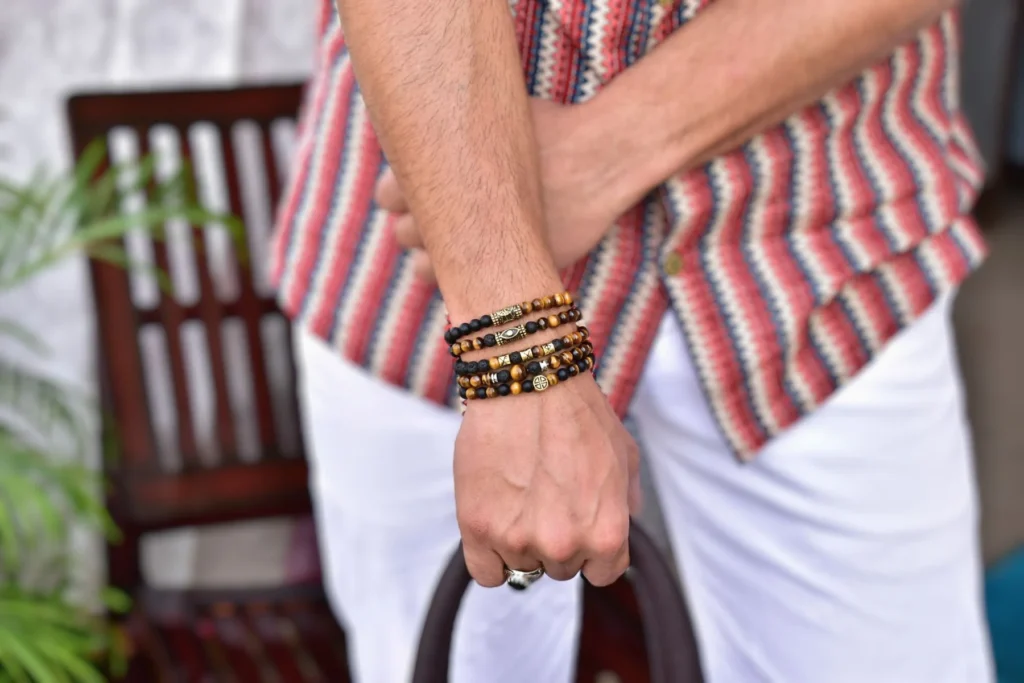
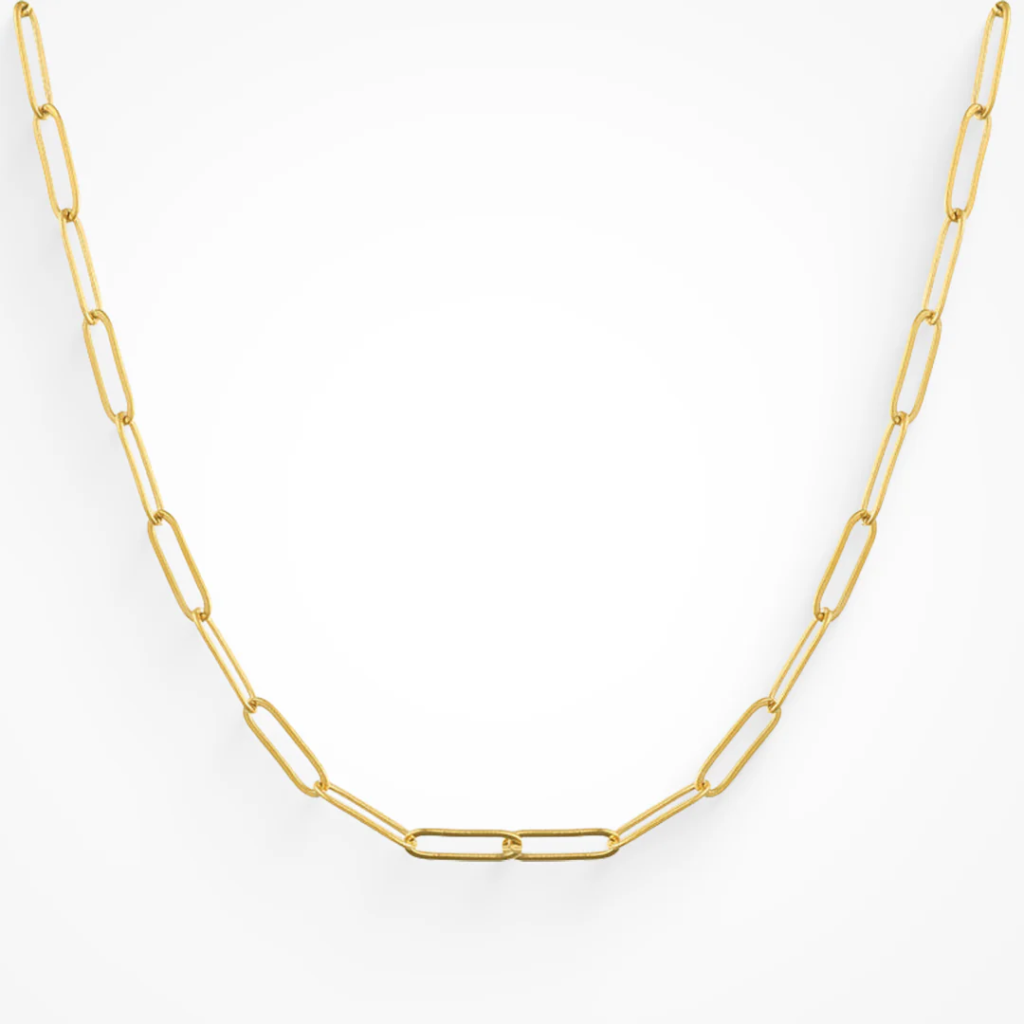
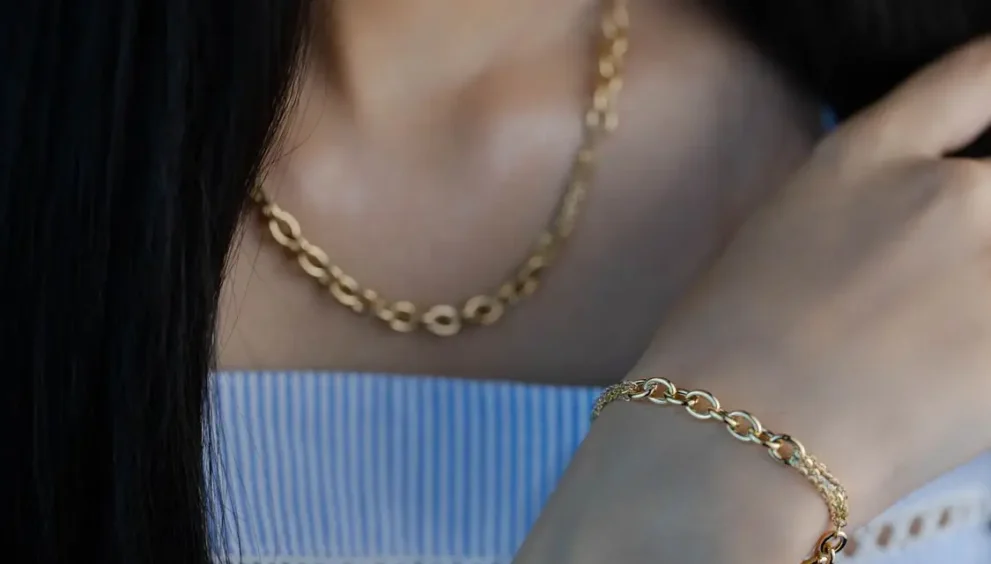
If you’re building a piece that works across all three, look for something like a Tricolor Gold Oval Link Bracelet. Combining yellow, white, and rose gold in one piece means it pairs with almost anything already in your jewelry drawer, which solves the “what metal am I even wearing today” problem for good.
When to Ignore All of This
Undertone rules are a starting point, not a law. If you’ve been wearing gold since you were sixteen and you feel like yourself in it, that matters more than any vein test. Jewelry is supposed to make you feel like you, not pass an exam.
Use the tests to understand your options. Use your gut to make the final call.
Frequently Asked Questions
Can I wear gold and silver together?
Yes, and it’s more accepted now than it’s ever been. The key is intention. Mix them deliberately in one piece, like a tricolor bracelet or a two tone watch, rather than randomly combining a gold necklace with a silver bracelet and hoping it works.
Does my skin tone change which gemstone colors suit me?
It affects the impression more than the rule. Warm undertones tend to get the most glow from warm-toned stones like citrine or amber, while cool undertones often look sharpest in sapphire or amethyst. That said, gemstone choice comes down to personal taste far more than metal choice does.
What if my veins look both blue and green?
That’s the classic sign of a neutral undertone. It means you can wear gold, silver, or rose gold and all of them will look intentional on you.
Is rose gold suitable for cool undertones?
Yes. It won’t have quite the same crisp effect that pure silver or white gold gives you, but rose gold’s pink base still reads well against cool skin, especially in smaller pieces like studs or thin rings.
Does hair or eye color matter more than skin tone?
Skin undertone is still the strongest factor, since it’s what your jewelry sits directly against. Hair and eye color can support the decision, for example darker hair often pairs well with bold, deeper-toned metals, but they’re a secondary consideration, not the starting point.