




































































































































































































































































































































































































































































































































































































































































































































































































































































































































































































































































































































































































































































































































































































































































































































































































































































































































































































































































































Yellow, White or Rose: How to Pick the Gold That Actually Suits You

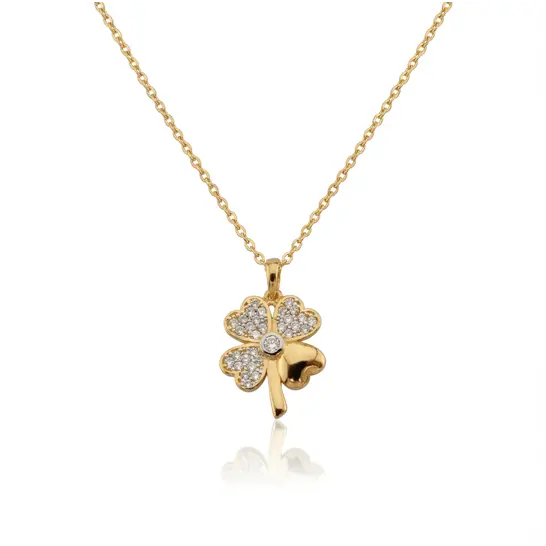
Most people choose a gold tone the way they choose a coffee order: once, early, without much thought, and then for the rest of their lives. Which is a shame, because the three tones behave completely differently against skin, against clothes and against each other — and the one you defaulted to at twenty may not be the one that suits you now.
Here’s how to actually decide.
They’re all the same gold
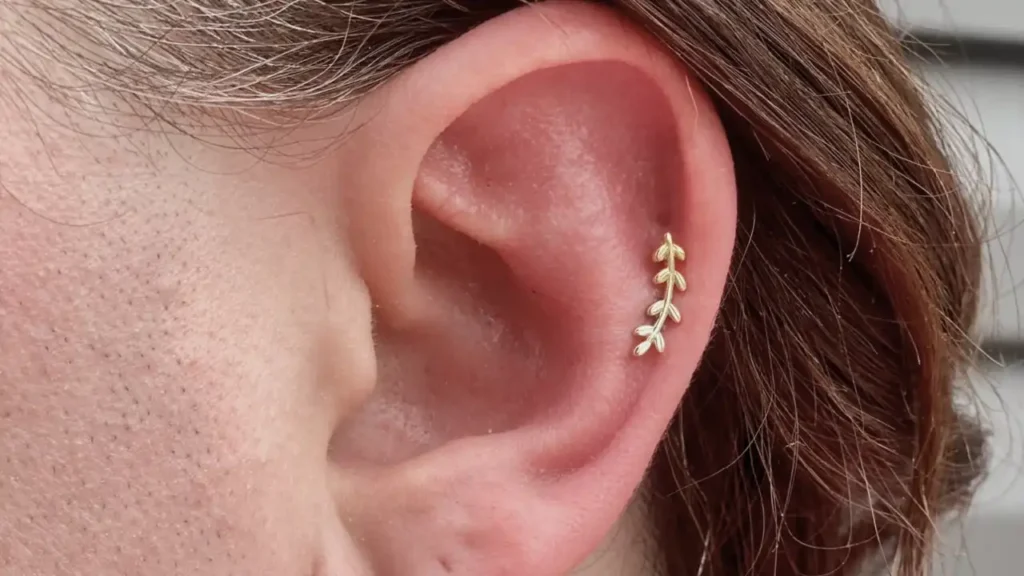
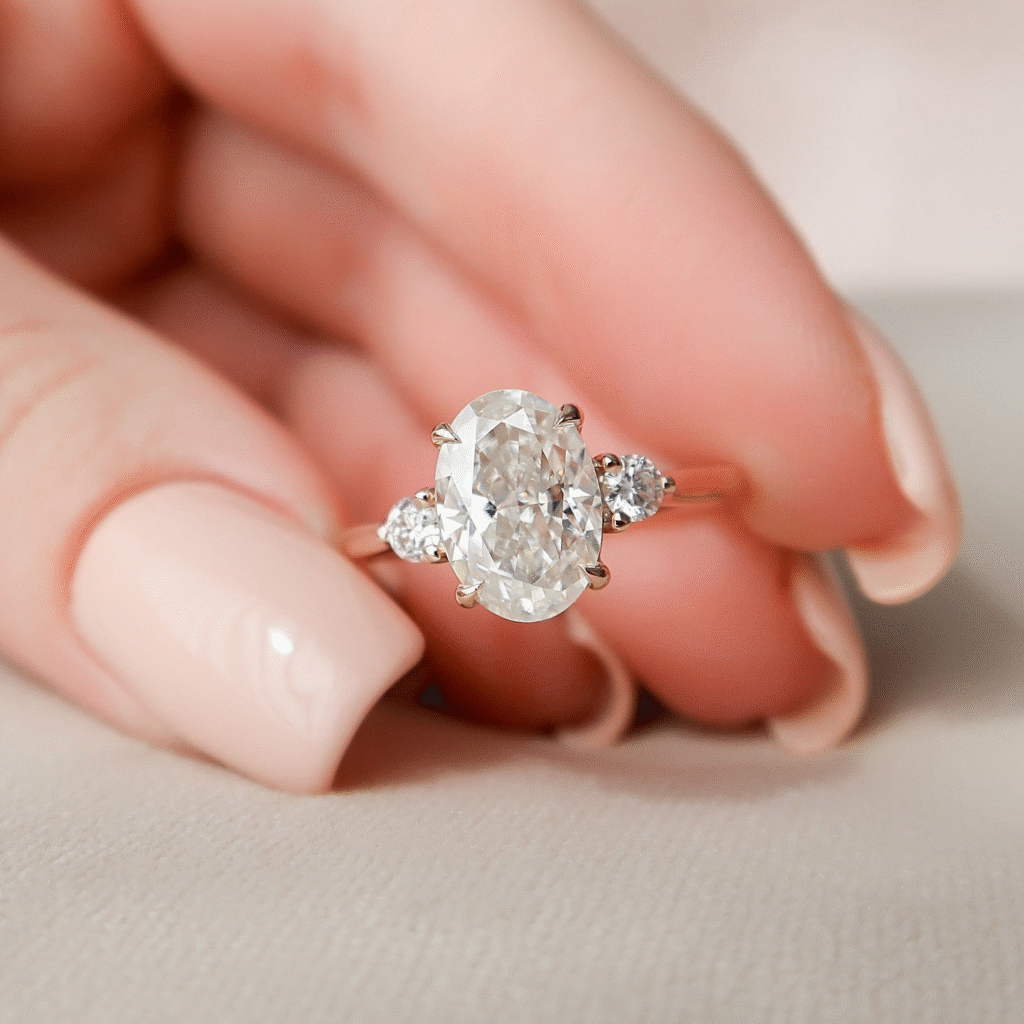
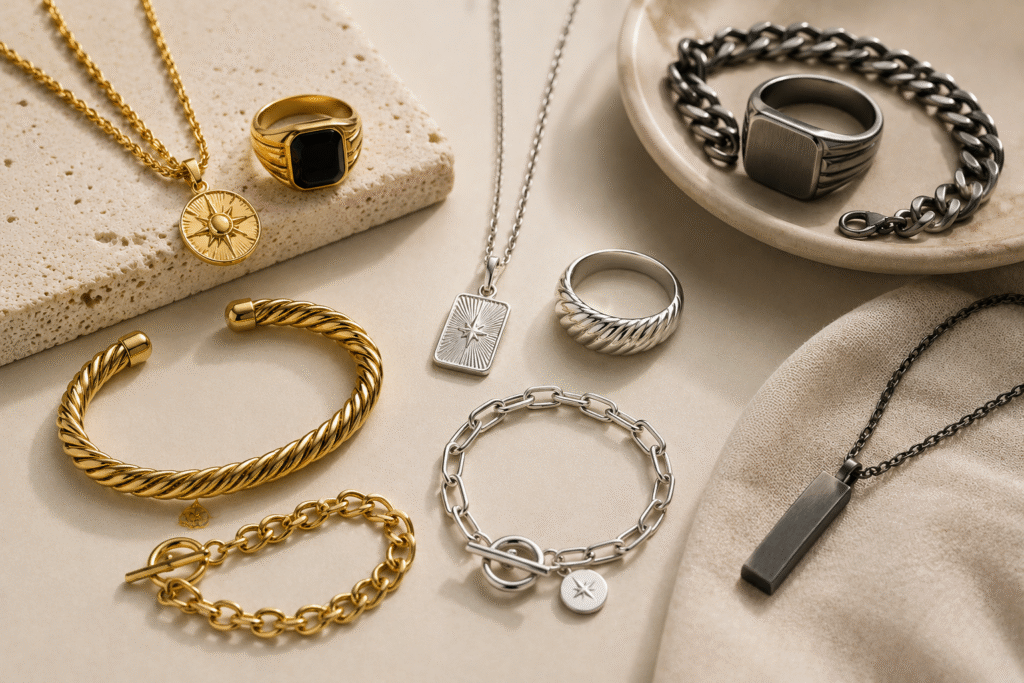
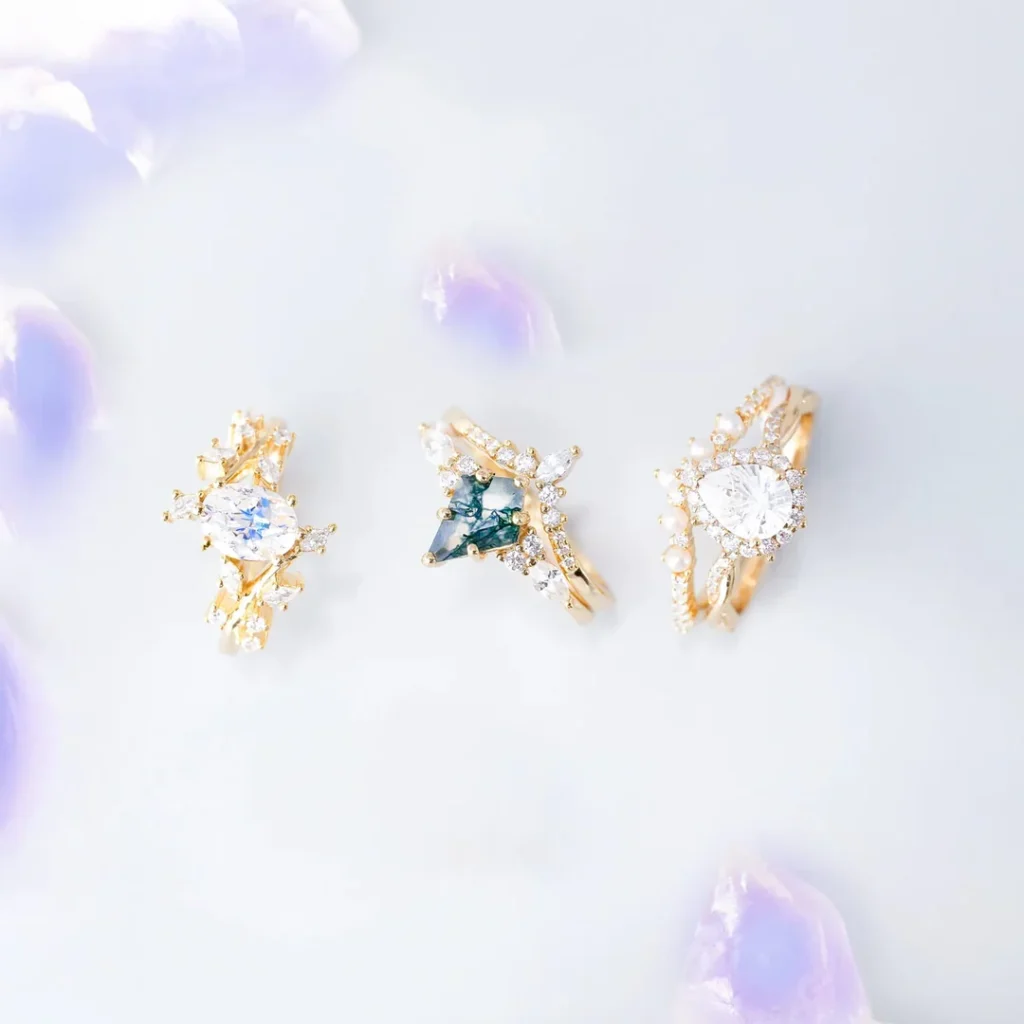
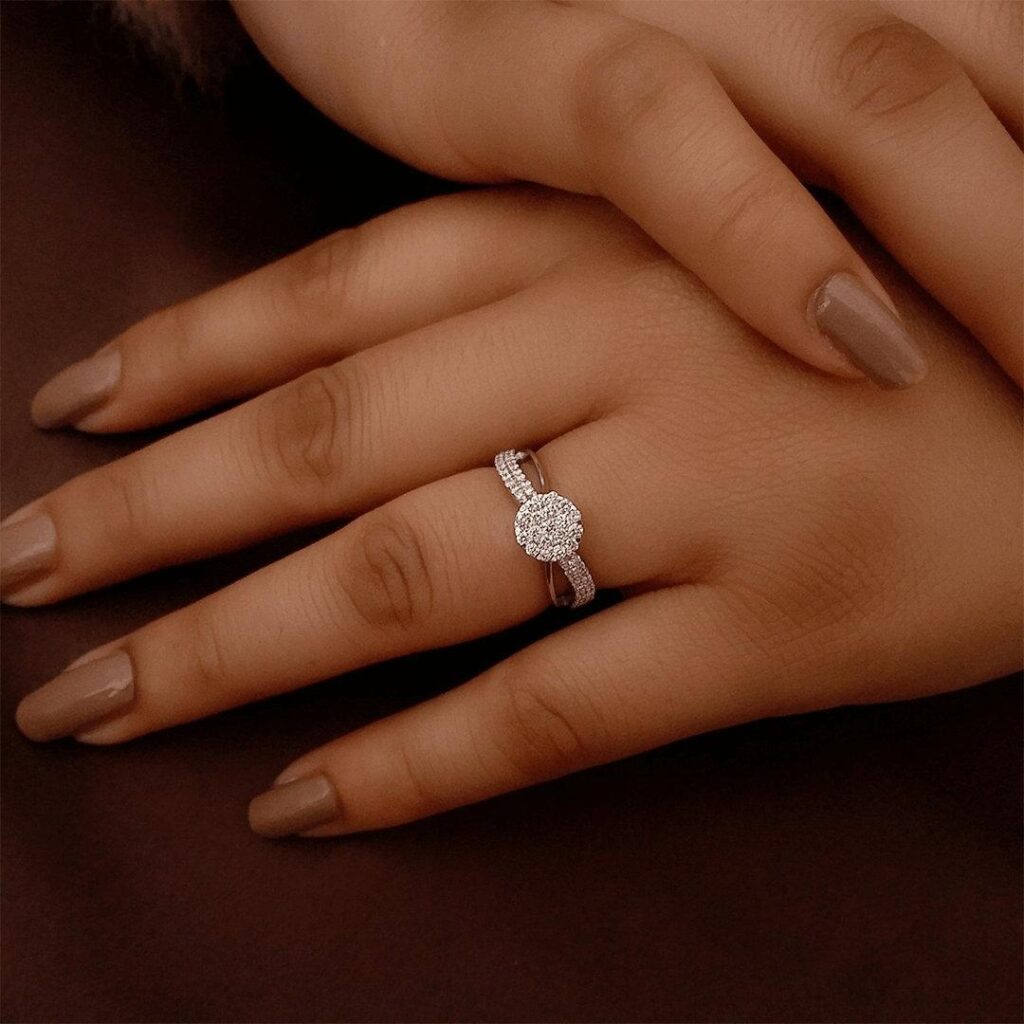
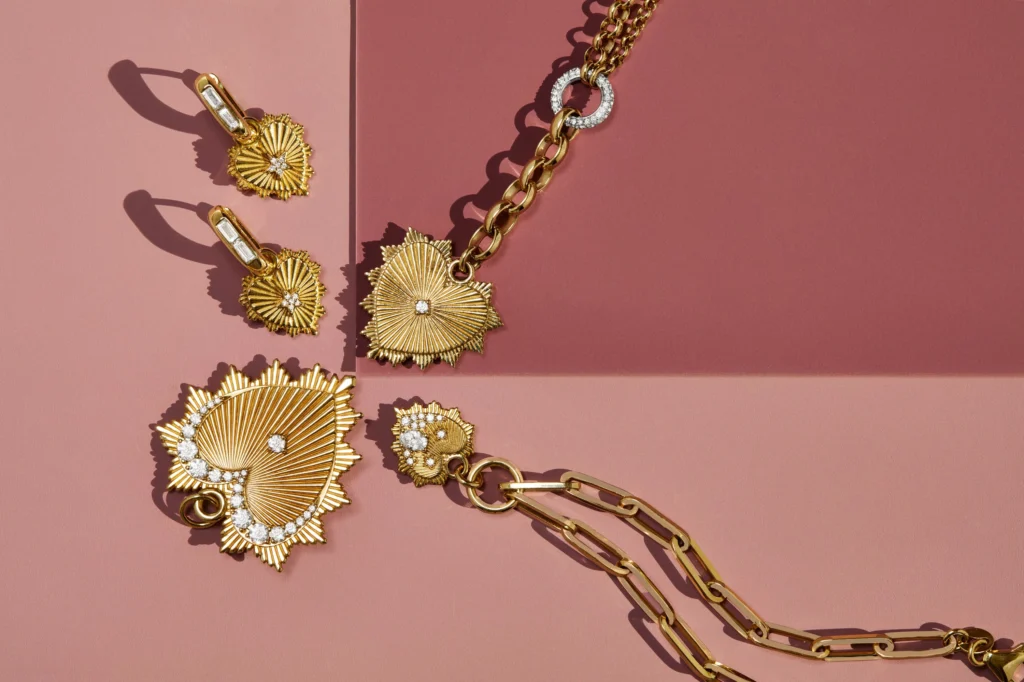
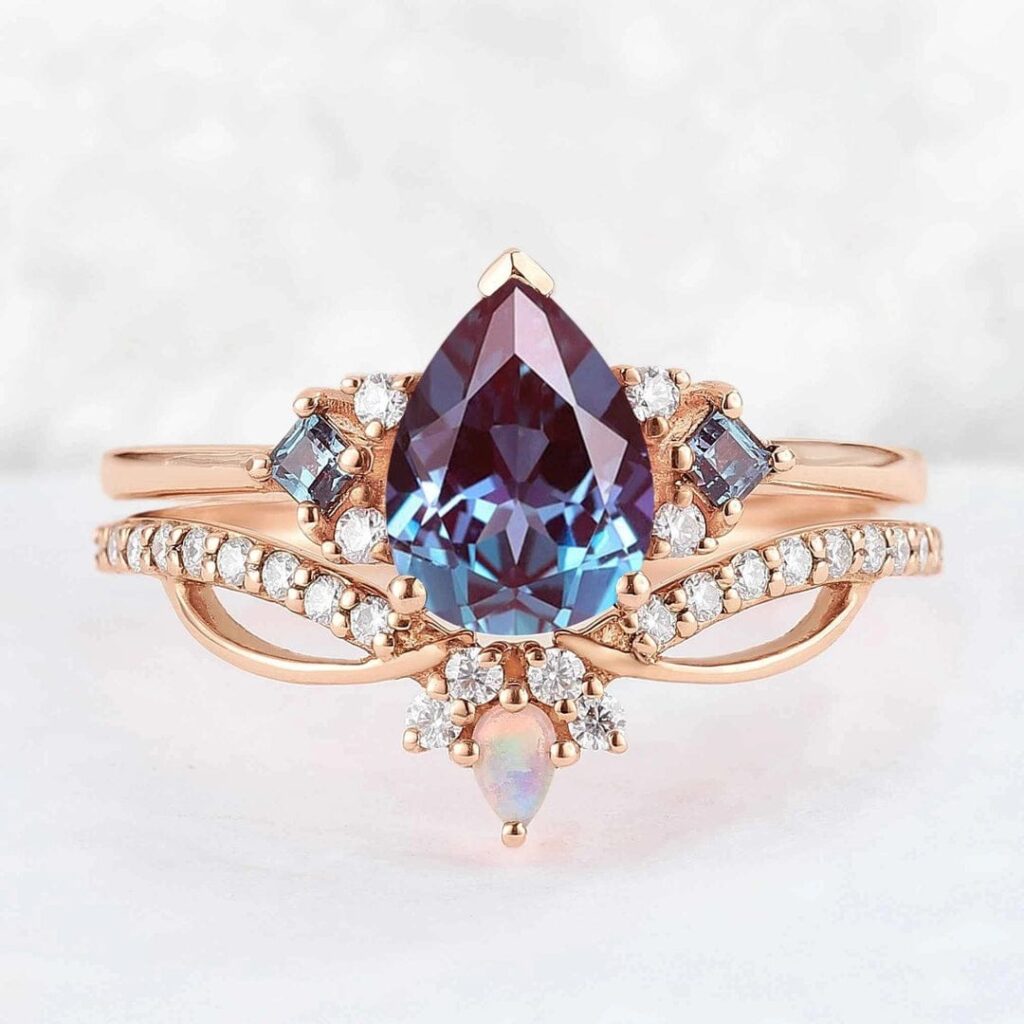
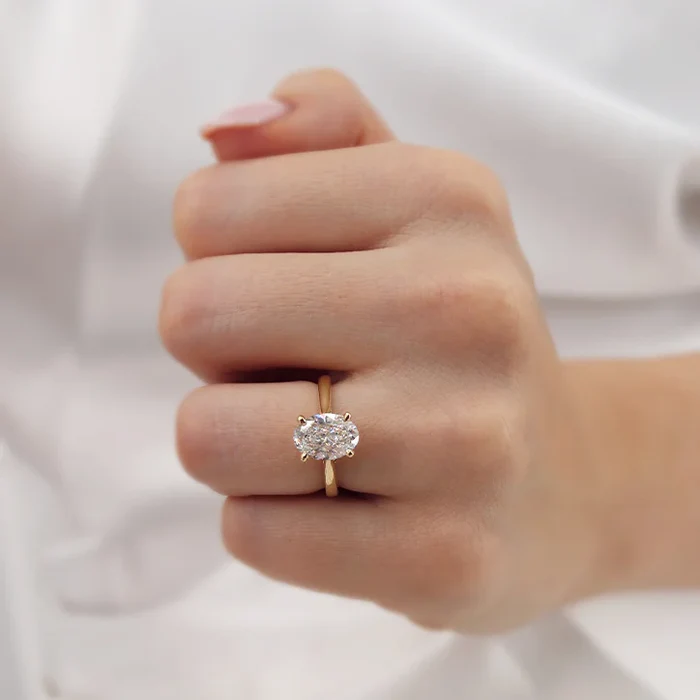
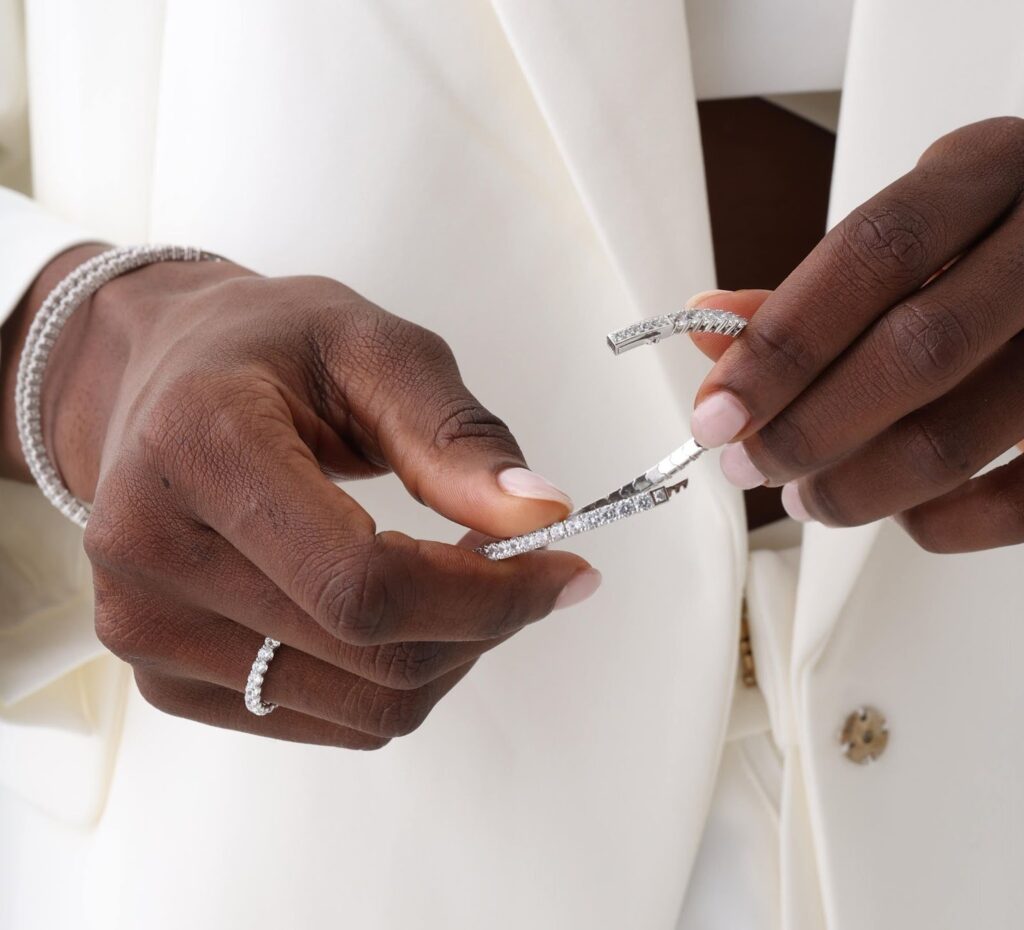
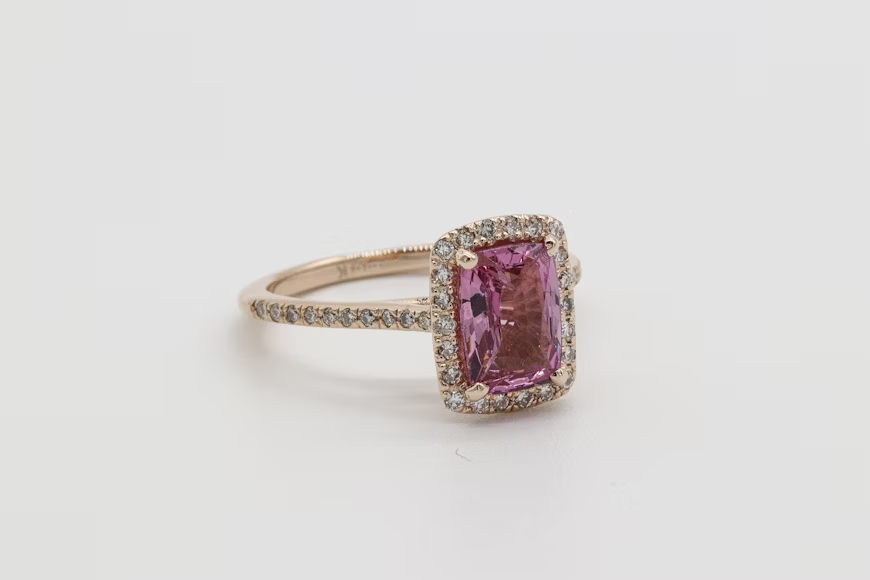
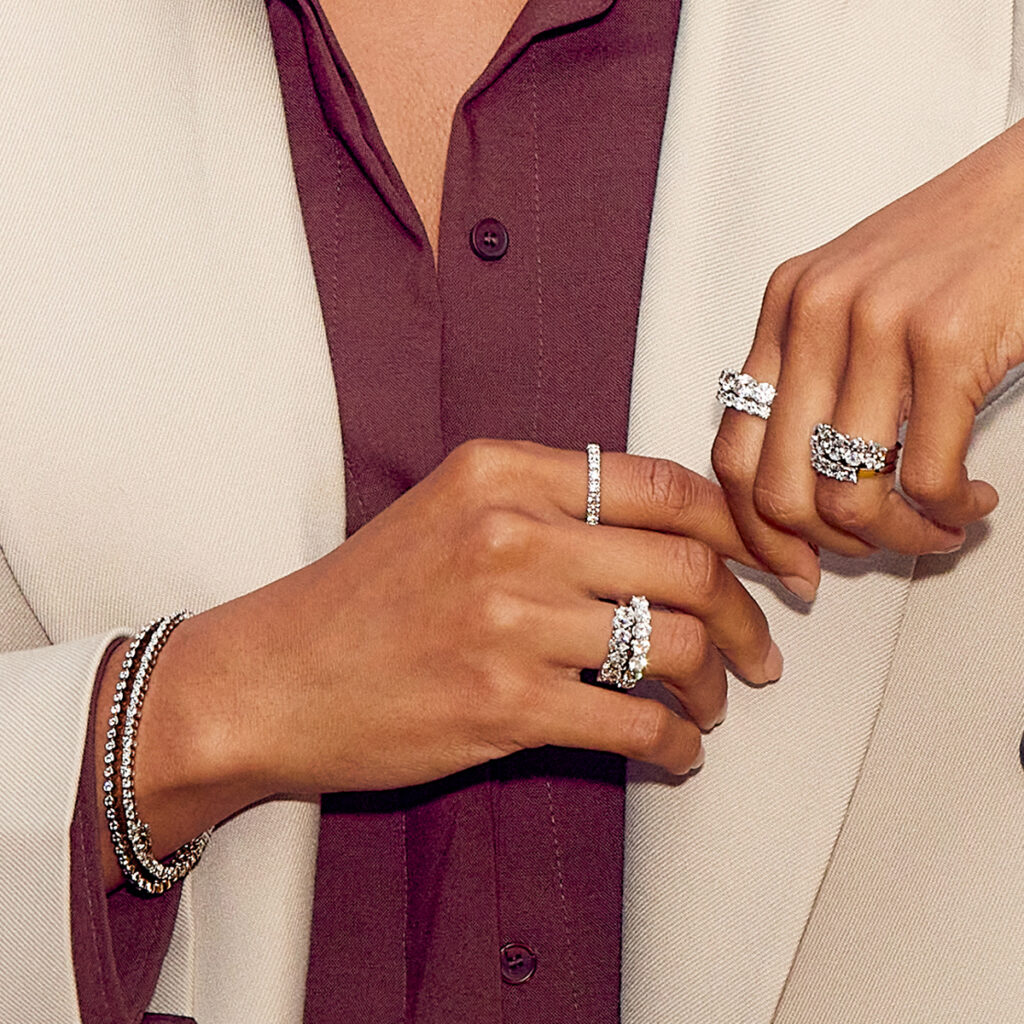
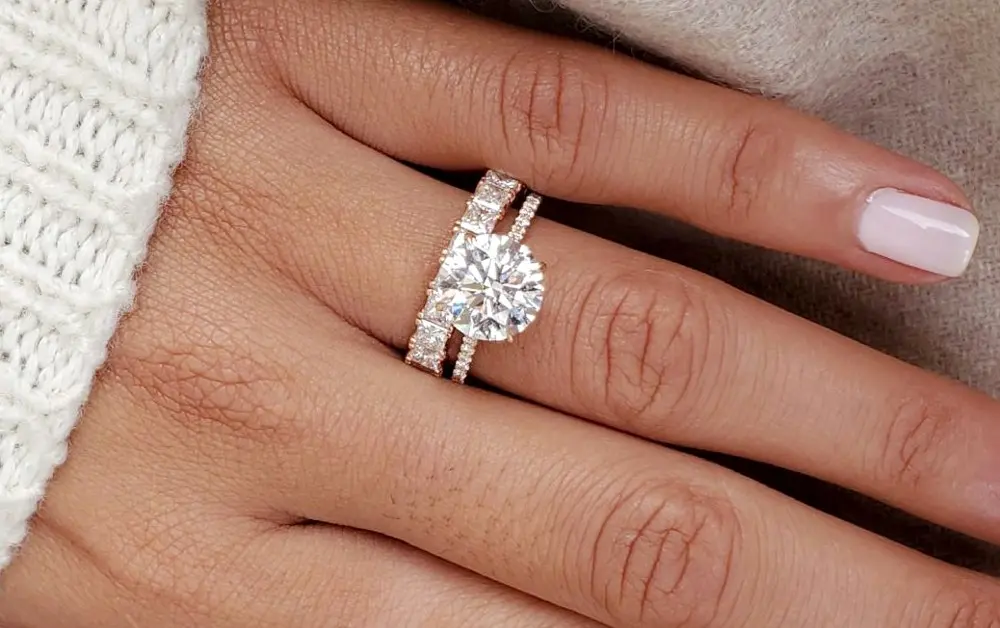
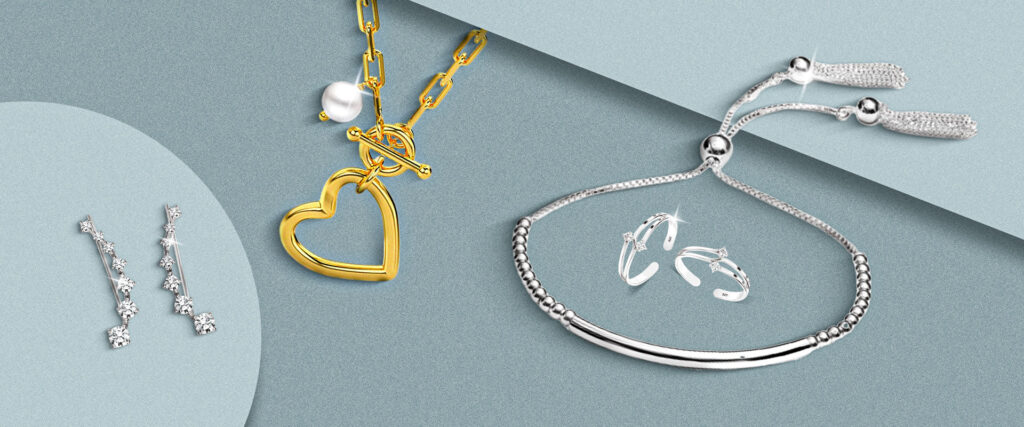
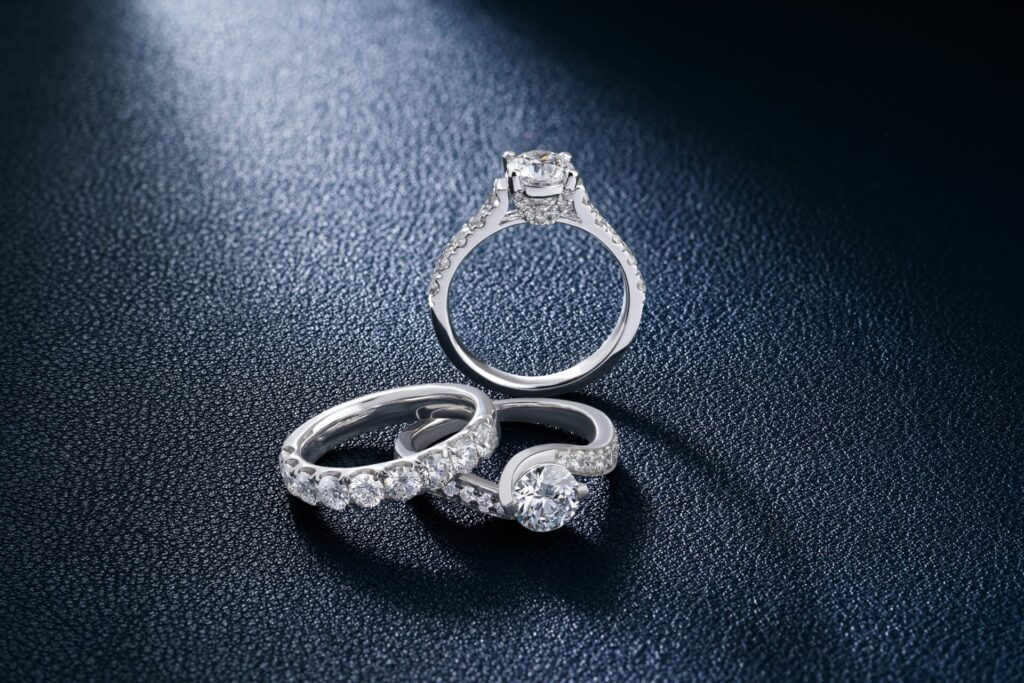
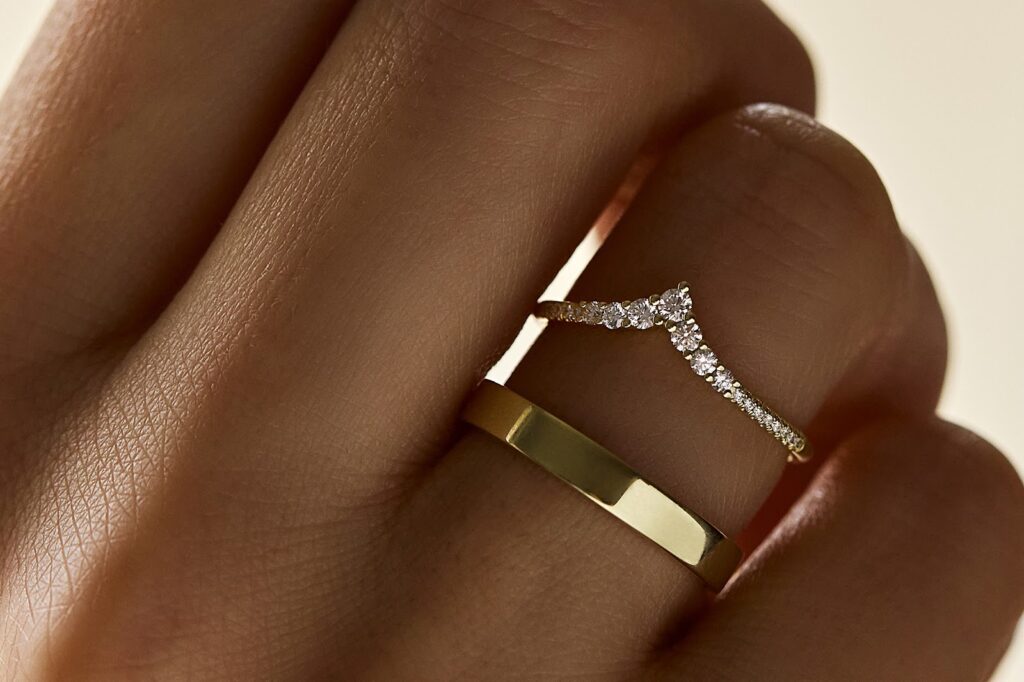
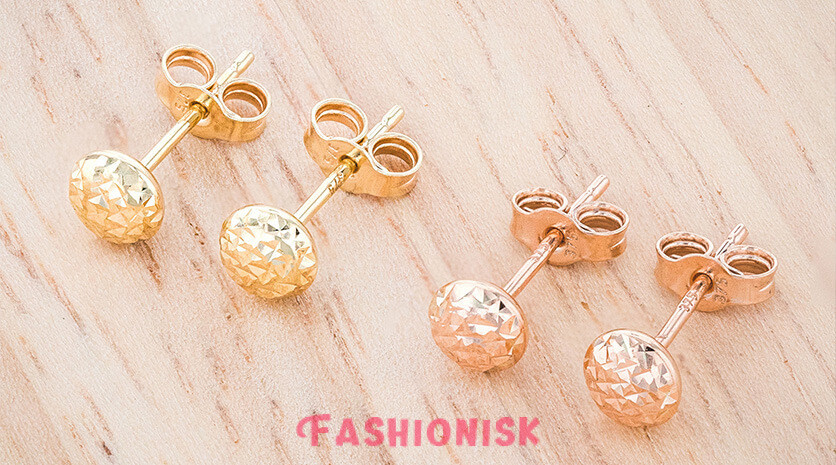
The same design is made in yellow, white and rose 14K gold. Golden Planet Jewelry.
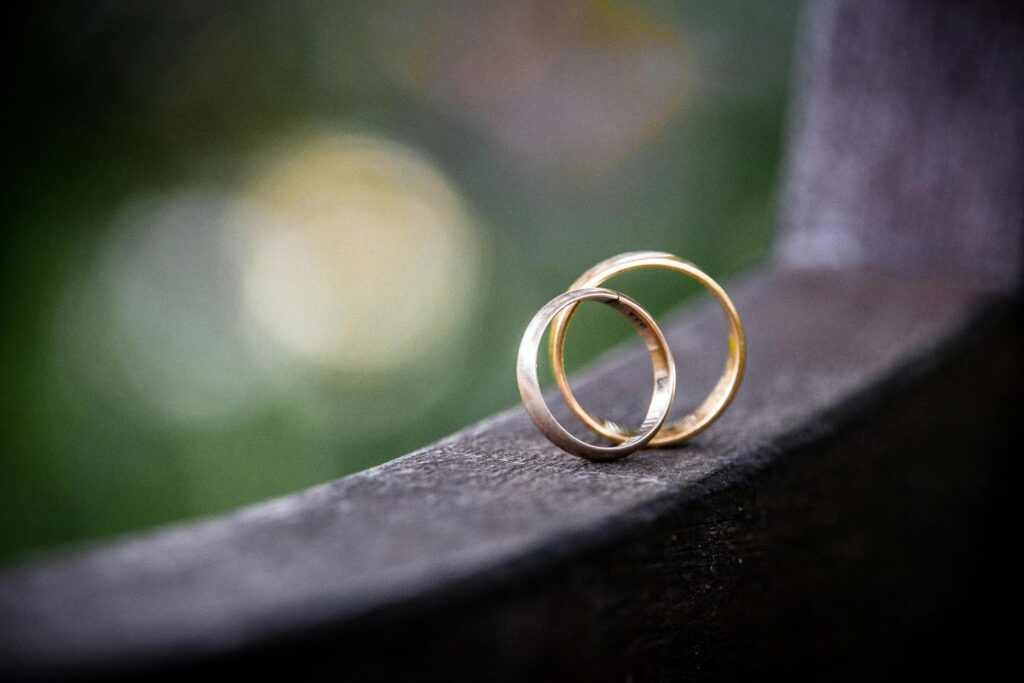
First, the thing that surprises people: yellow, white and rose 14K gold contain exactly the same amount of gold. Fourteen karat means 58.5% pure gold by weight — that’s what the 585 stamp refers to — and the remaining 41.5% is alloy. The tone comes entirely from what’s in that 41.5%.
More copper gives you rose. More silver and palladium gives you white. A balance of copper and silver gives you the classic yellow. So choosing a tone isn’t choosing more or less gold; it’s choosing which alloy you prefer to look at.
One practical footnote: white gold is usually finished with a thin rhodium plating to give it that bright, cool white. Rhodium isn’t gold — it’s a separate metal used as a surface finish — and it does wear over years, which is why white gold pieces are sometimes re-finished. Worth knowing before you commit to white for something you’ll wear daily.
Start with your veins, not your skin
The old advice is “warm skin, yellow gold; cool skin, white gold”, and it’s roughly right but badly explained. The easier version:
Turn your wrist over in daylight. If the veins read green, your undertone is warm — yellow and rose gold will look like they belong. If they read blue or purple, your undertone is cool, and white gold sits more naturally. If you genuinely can’t tell, you’re neutral, which is the easiest possible outcome: everything works.
This has nothing to do with how light or dark your skin is. Warm and cool undertones appear across every complexion.
What each tone actually does
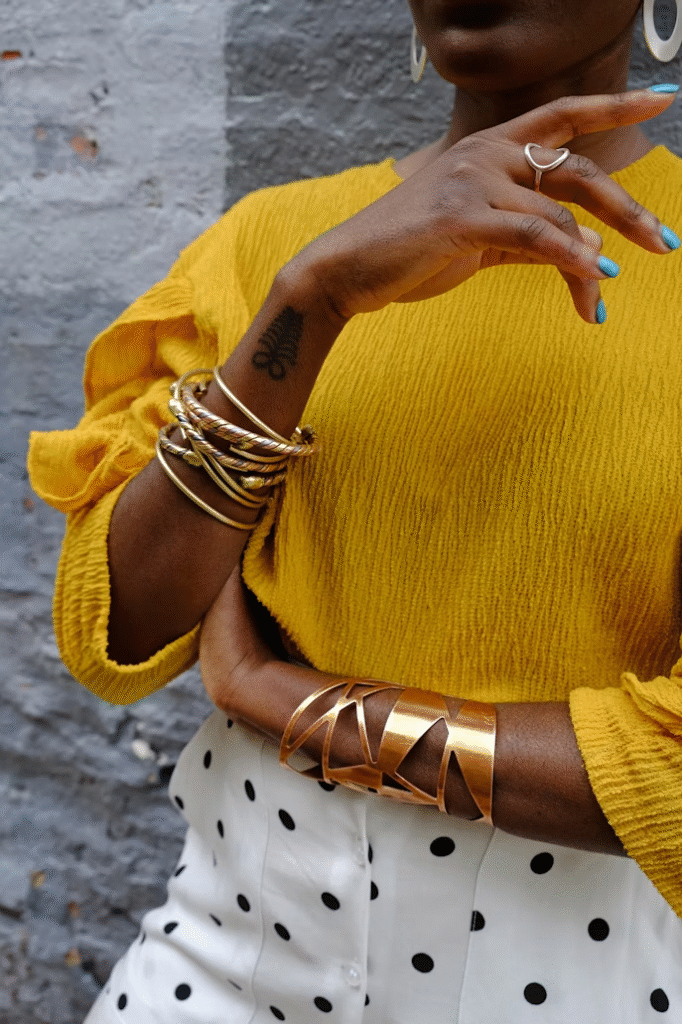
Yellow is the one that reads unmistakably as gold from across a room. It’s the most forgiving against warm and olive skin, it photographs well, and it doesn’t need any surface finishing — the colour goes all the way through. If you want jewelry that looks like jewelry, this is it.
White disappears more. Against cool skin it reads as light rather than as metal, which is why it works so well for people who want to wear something every day without it being A Thing. It’s also the most flattering setting for clear stones, because there’s no warm cast bouncing into them.
Rose is the wildcard. The copper content makes it warmer than yellow and much softer against pale and pink-toned skin. It also ages beautifully — copper darkens slightly with time, so a rose gold piece you’ve worn for a decade looks lived-in rather than worn out.
If you want the full breakdown of how the three compare on durability, stone pairing and long-term wear, Golden Planet’s guide on yellow vs white vs rose gold goes considerably deeper than there’s room for here.
Mixing them is fine — do it on purpose
The rule against mixing metals died about a decade ago and nobody should mourn it. Mixed tones look deliberate when there’s a bridge piece: one item that contains two of the tones, worn alongside single-tone pieces. Without a bridge, mixing can read as accidental.
The reliable formula is two tones, not three, with one clearly dominant. Yellow and rose is the easiest pairing because both are warm. Yellow and white is the sharpest. Rose and white is the hardest to pull off and the most interesting when it works.
Choose for your wardrobe, not just your skin
One thing the undertone advice misses entirely: you wear jewelry against clothes, not against a blank background.
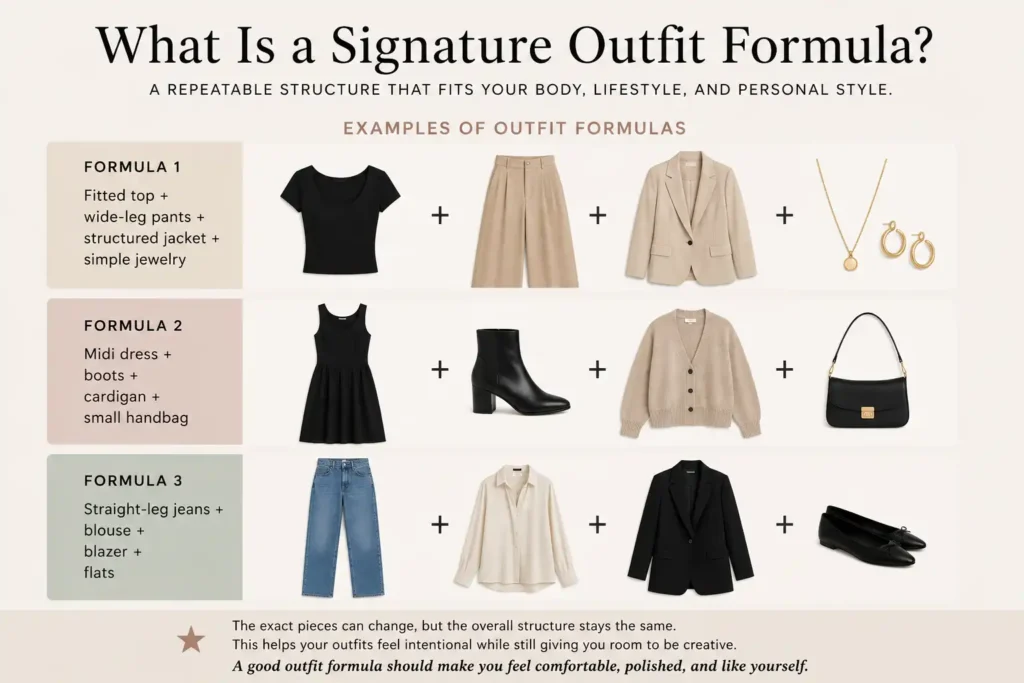
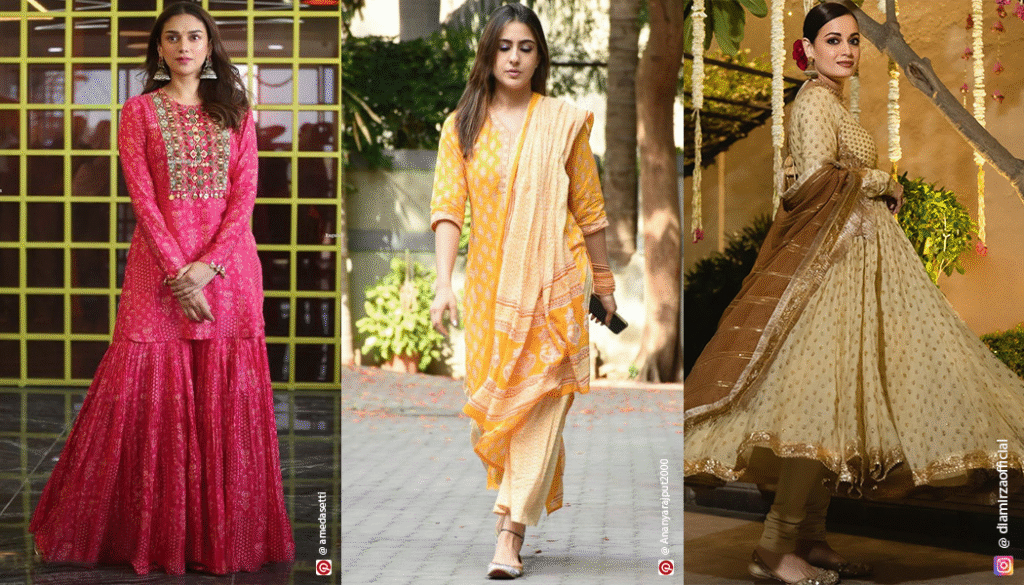
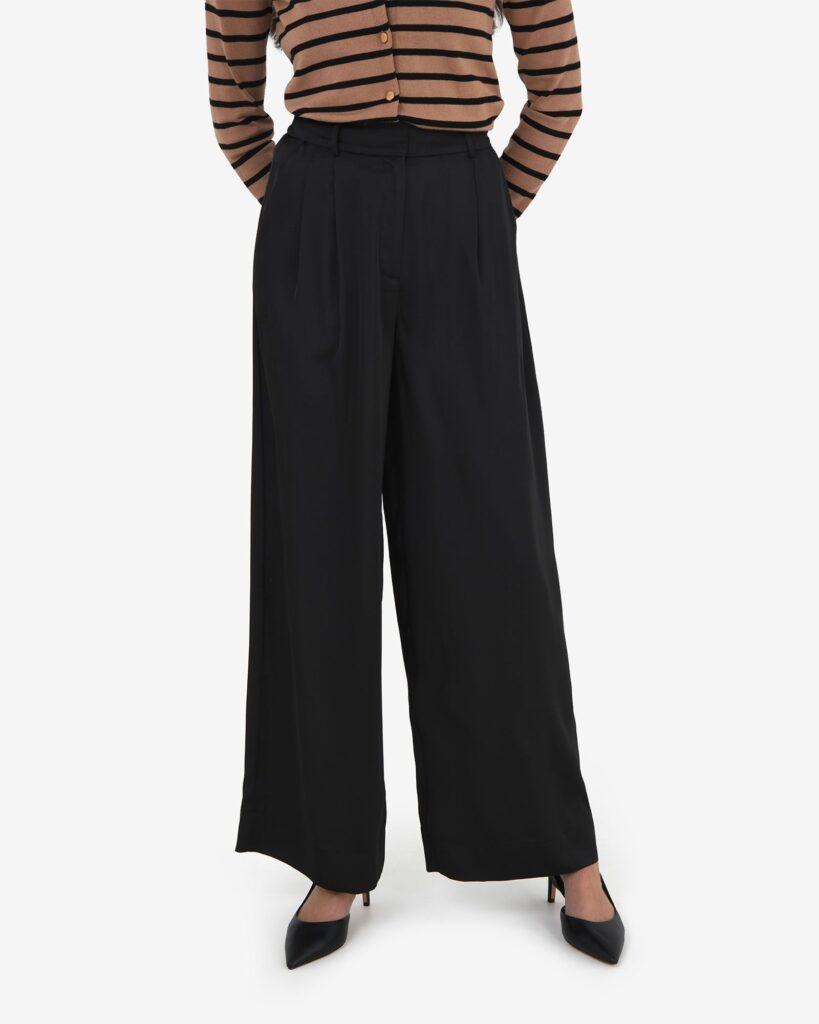
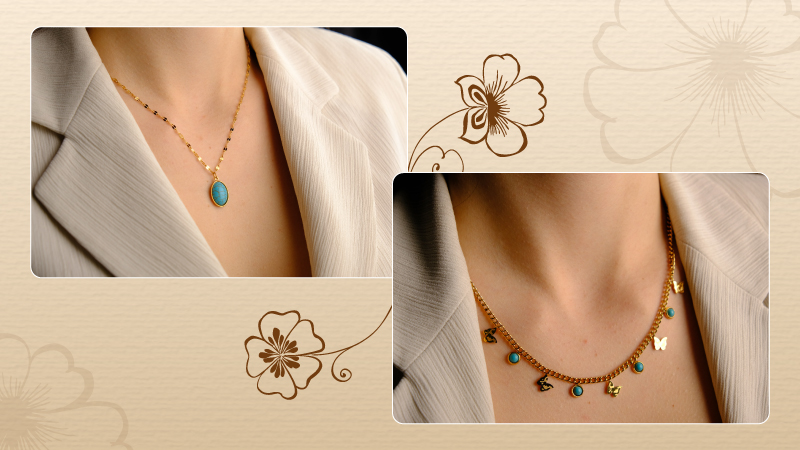
If most of what you own is cream, camel, olive and denim, yellow gold will look correct nine days out of ten. If your wardrobe is black, grey, navy and white, white gold integrates more cleanly and yellow will always announce itself. Neither is wrong — but it’s worth noticing which one your closet has already voted for.
Buy the metal, not the finish
Whichever tone you land on, the thing that determines whether you still like the piece in five years isn’t the colour — it’s whether the colour is the metal or a coating on top of it.
A plated piece in any tone will eventually show the base metal through at the clasp and the high points. Solid 14K gold in any of the three tones won’t, because there’s no layer to wear through. This is the entire argument, and it applies equally to yellow, white and rose.
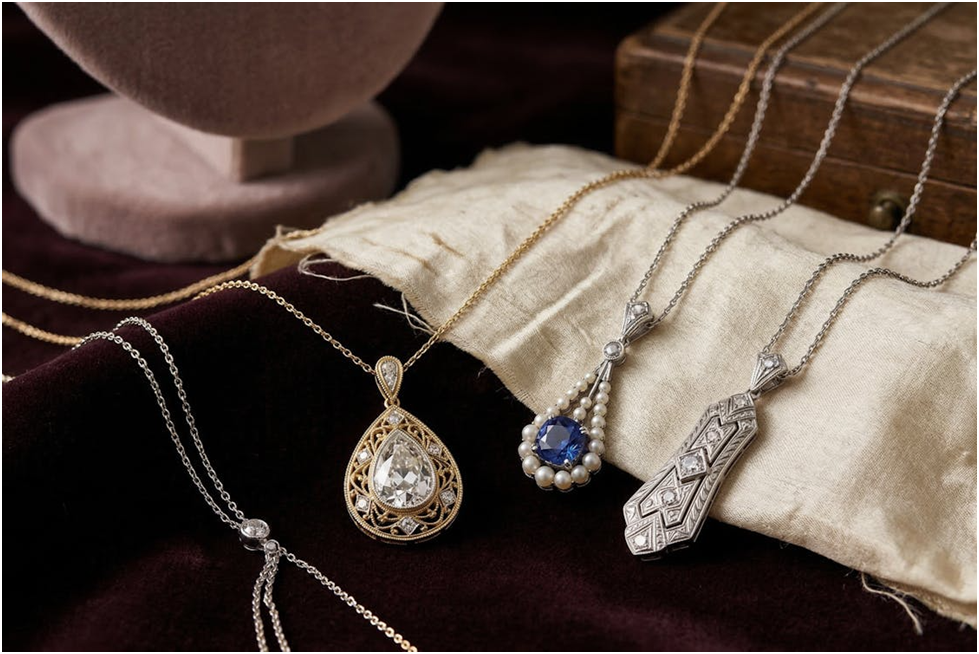
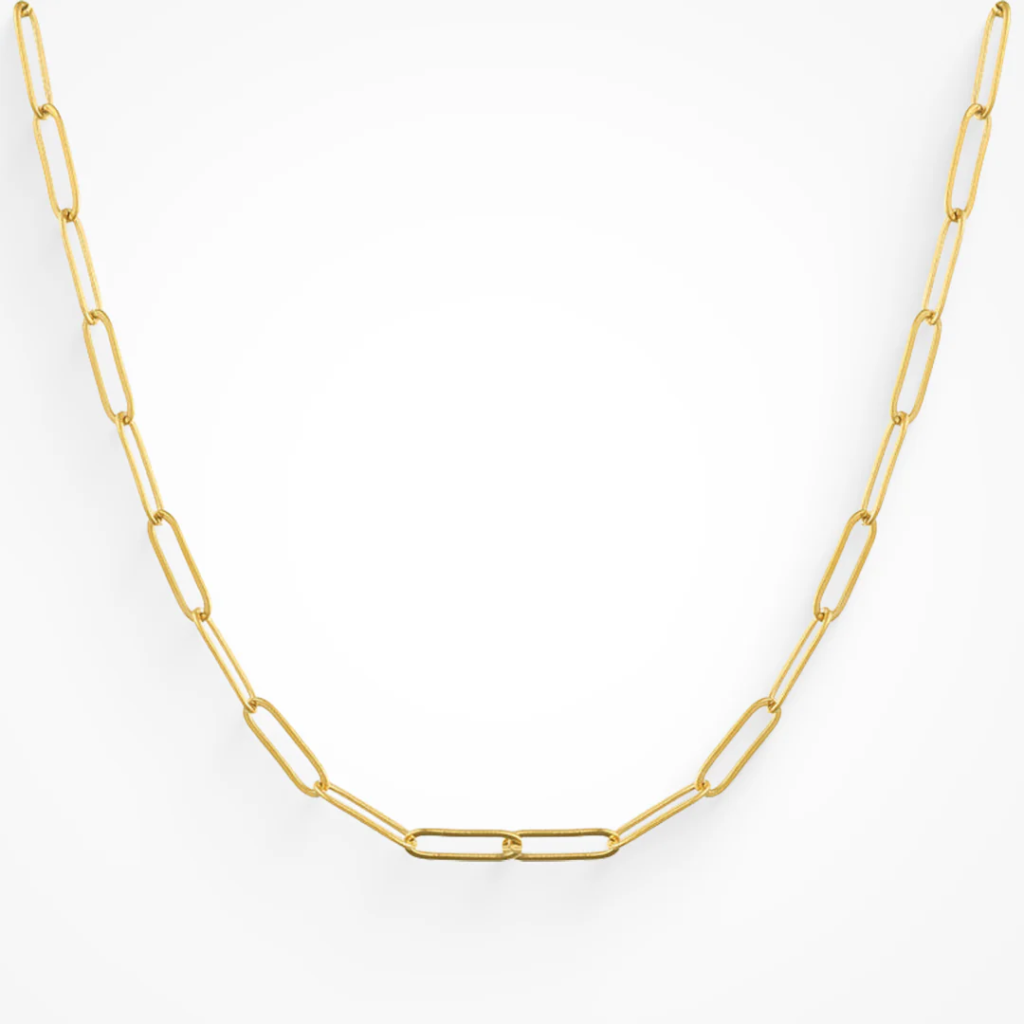
Golden Planet works in 14K solid gold across all three tones — never plated, never gold-filled, stamped 585 or 14K, made to order in New York. Their gold necklace collection is a good place to see the tones side by side, which is genuinely the only way to choose. Photographs lie about gold colour more than about almost anything else, and the difference between yellow and rose in person is far more obvious than it is on a screen.
Pick the one you keep looking at. That’s the whole test.