































































































































































































































































































































































































































































































































































































































































































































































































































































































































































































































































































































































































































































































































































































































































































































































































How Is Sustainable Leather Changing the Fashion Industry Today?

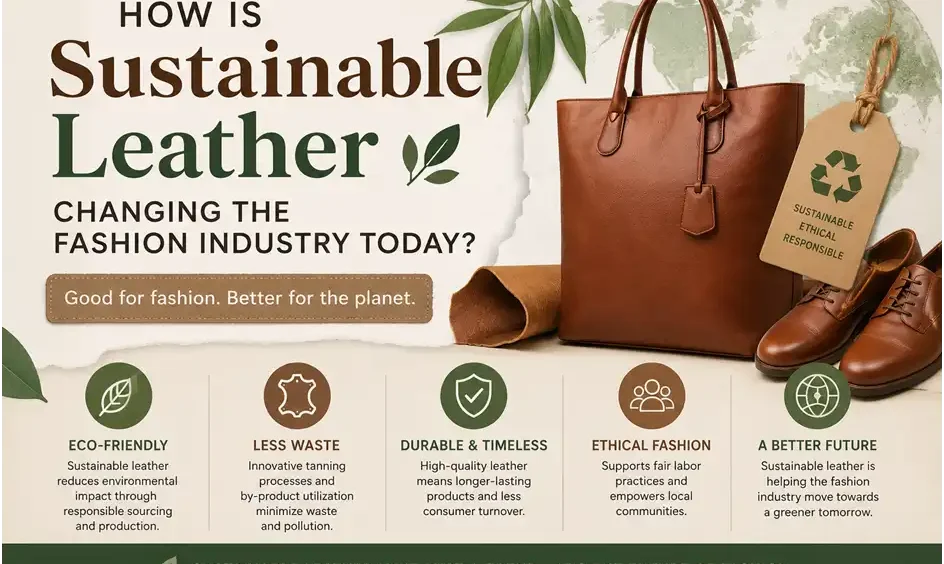
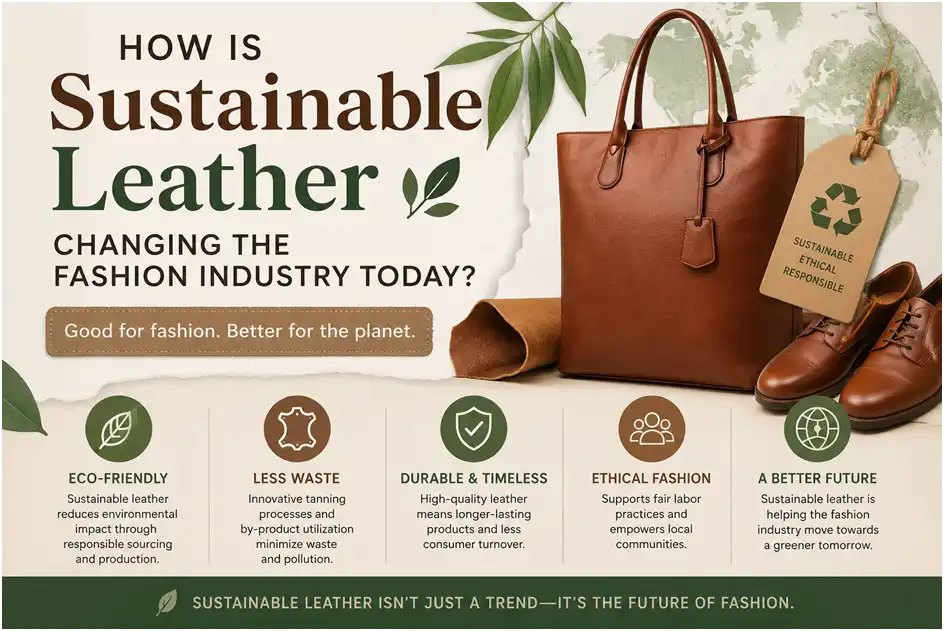
Fashion has a waste problem, and leather used to be part of it. Overproduction, chemical-heavy tanning, and a throwaway mindset toward “fast fashion” leather goods left a mark the industry is only now starting to clean up. There is a real change in the way leather is manufactured, sourced and sold, though, in the past few years, not driven by marketing but by actual change. This is what sets it apart and why it’s more important than you think.
Tanning Finally Caught Up with the Times
For decades, chrome tanning was the preferred method because it was quick and cost-effective, but it resulted in pollutants entering the rivers and streams near the tannery. The use of vegetable tanning and low-impact chrome alternatives has become commonplace and has reduced chemical usage by a large amount, yet the resulting hide is still of excellent quality and durability. This transformation has revolutionized the way responsible brands approach production, from scratch.
Certifications Alone Aren’t Solving the Trust Problem
Eco labels and sustainability certifications have multiplied fast, but so has buyer skepticism toward them. When a tag is stamped, that’s not how to tell anyone exactly what leather it was tanned with, where it came from or how it was made, and many buyers have figured that out. What is taking the place of blind faith in a logo is a need for real information: which tannery, what process, how the hides were actually sourced, etc. Certifications are still important, but not the final word.
Traceability Stopped Being Optional
Today, buyers are asking where the leather is from, and brands that can’t answer are falling behind. The full-chain traceability from farm to tannery to finished product is no longer simply a nice-to-have but it’s a real differentiator. The transparency is driving established makers to demonstrate their craftsmanship before they can claim it, and it’s compelling an entire industry that previously hid its supply chain to come out of the woodwork, one purchase at a time.
Waste Leather Isn’t Being Thrown Away Anymore
A more subtle change is that as much leather as possible is no longer being wasted on offcuts and leather scrap. Small parts, trims and accessories are sourced more and more from material that was previously destined to get sent to landfill 10 years ago. It is a little design element that makes a big difference, and it’s transforming production efficiency and cost without sacrificing quality.
Slower Production Is Becoming a Selling Point, Not a Weakness
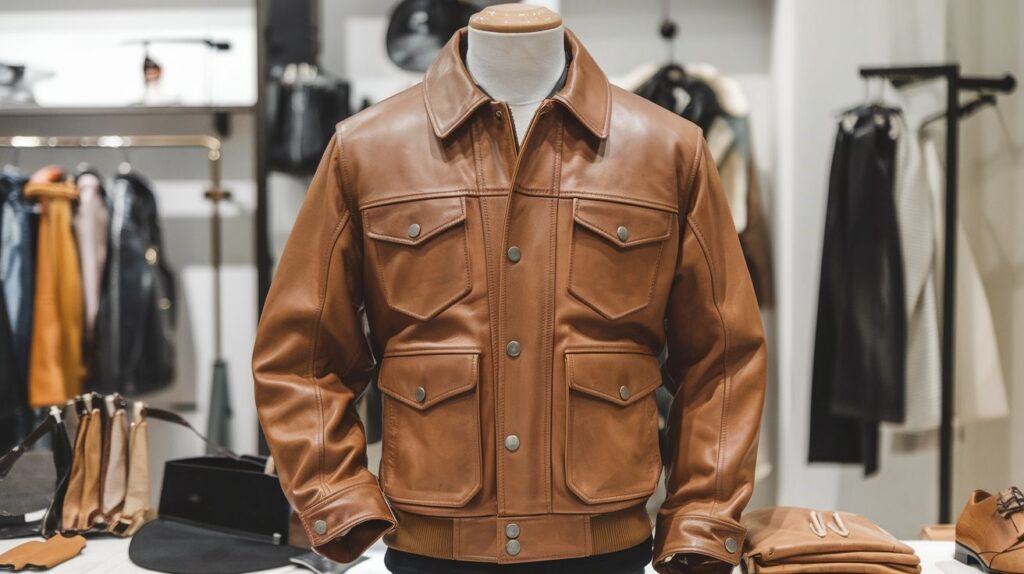
While fast fashion insisted that items be bought and returned quickly, leather goods are challenging that trend with some success. Brands that invest the time and resources in manufacturing a quality item that will last a long time are discovering that “slower but better” is all that a customer will want in a product that doesn’t need replacing every year. This is probably the biggest cultural change – durability is being sold again, rather than hidden in the end of an endless stream of new releases.
Regional and Small-Batch Sourcing Is Having a Real Moment
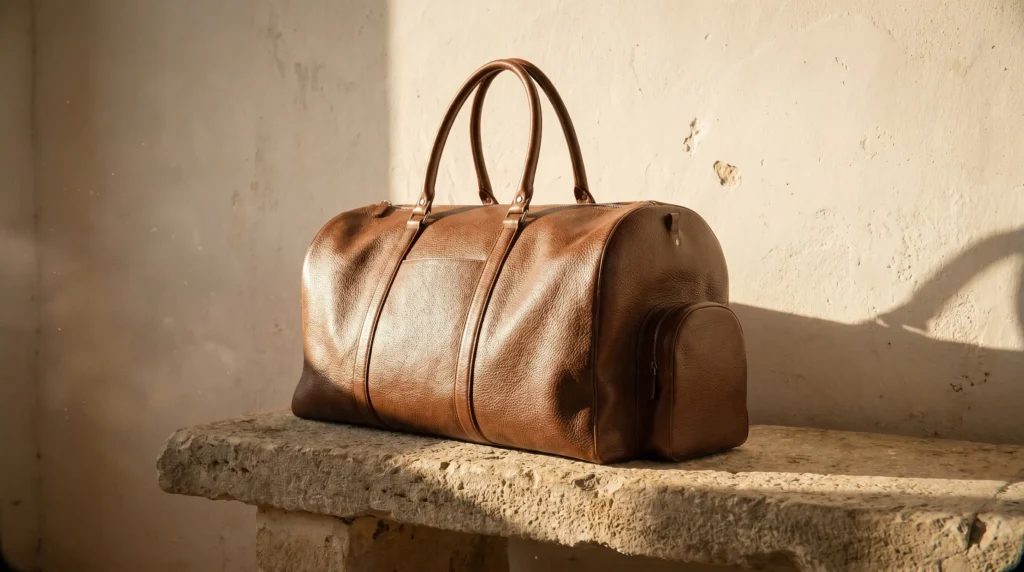
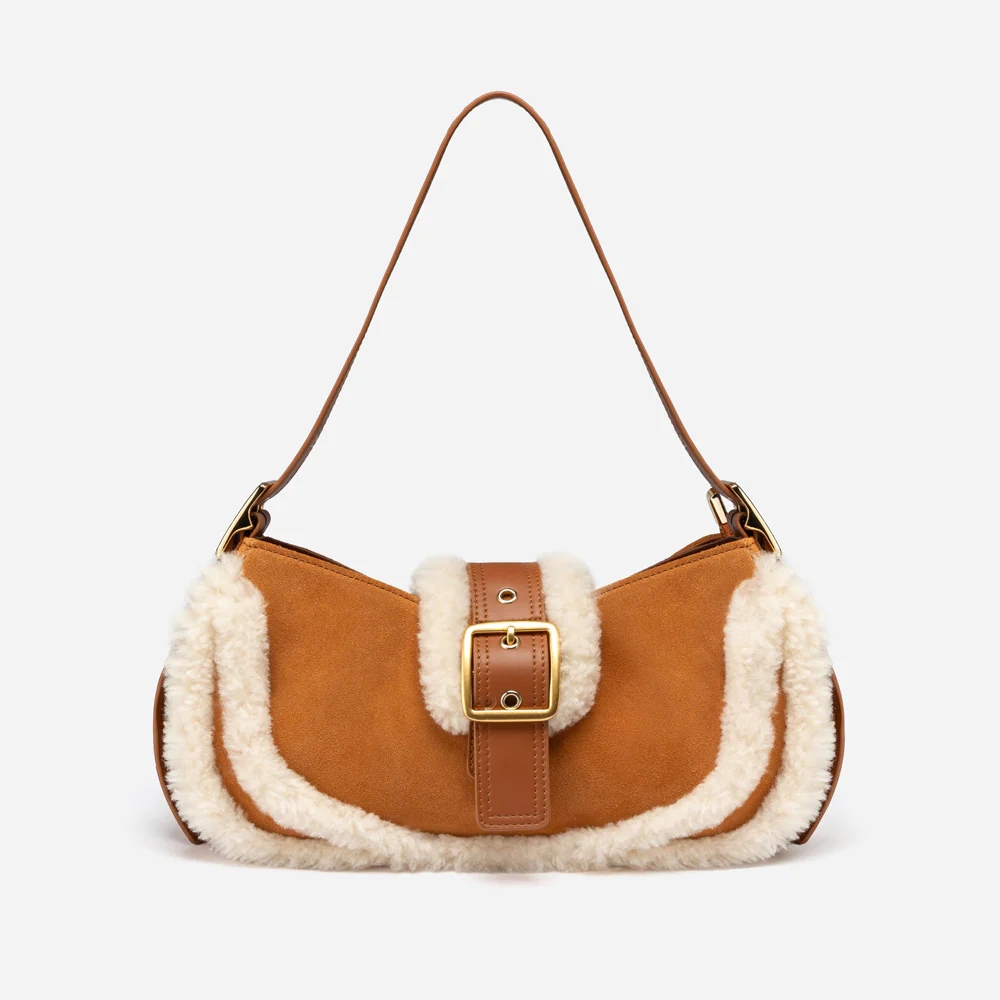
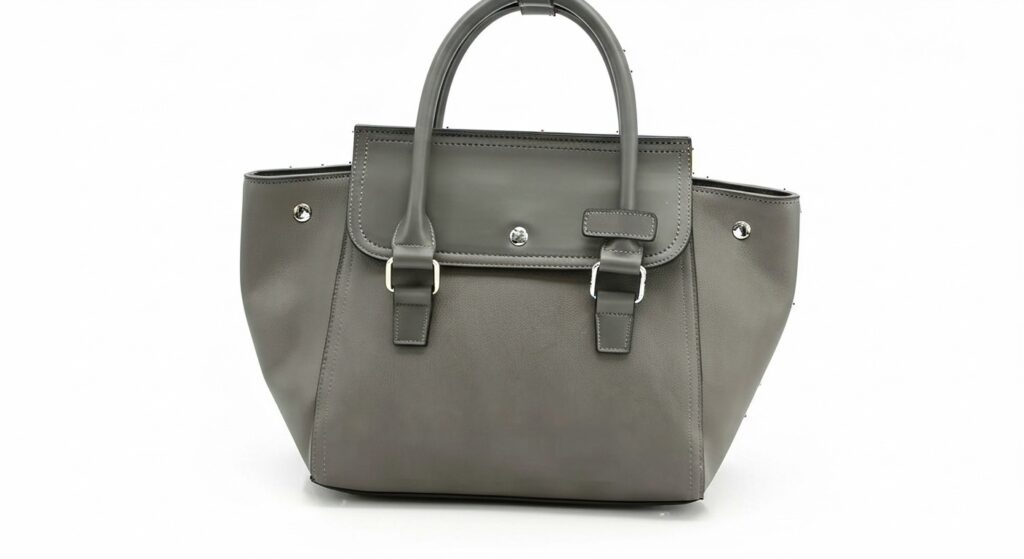
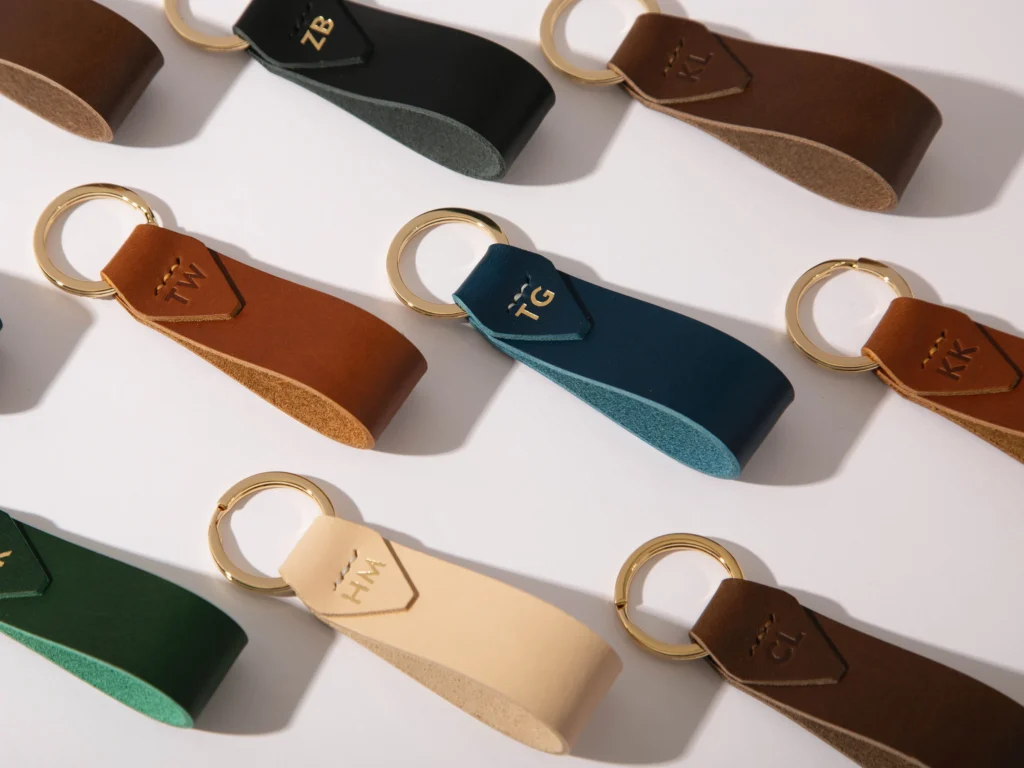
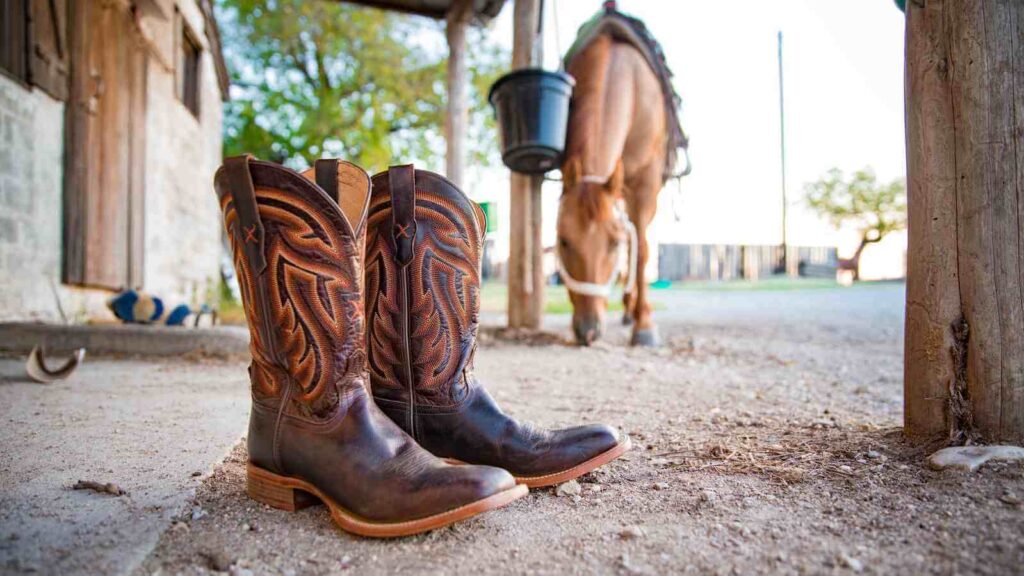
Buyers increasingly want to know not just that leather is real, but where it specifically comes from and who specifically made it. This has put smaller, skilled regional producers back in the spotlight after years of being overshadowed by mass manufacturing. A brand built around Alaskan leather bags, for instance, benefits directly from this shift; buyers actively seek out smaller-batch, traceable sourcing over anonymous factory output, and they’re willing to prioritize it when shopping.
The Price Conversation Is Finally Getting Honest
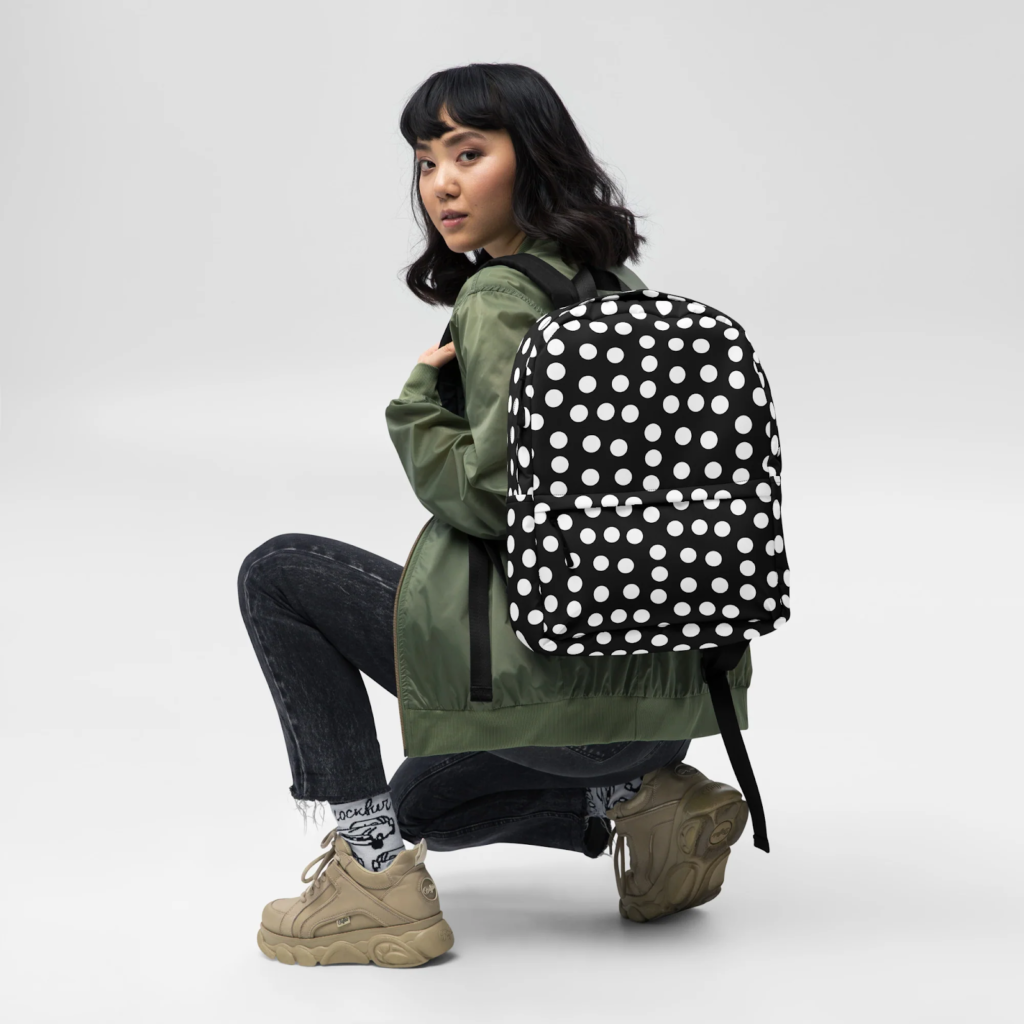
For years, “sustainable” was code for “expensive,” and that reputation kept a lot of buyers away. That’s changing too. As responsible sourcing becomes more standard rather than a luxury add-on, the cost gap is shrinking. Cutting unnecessary retail markup, not the material, is proving to be the real lever brands can pull to make ethically produced leather actually accessible. A well-made custom leather backpack USA workshops built to order shouldn’t cost more just because it’s responsibly sourced; the responsible part should be the baseline, not the premium.
What This Means for Buyers Right Now
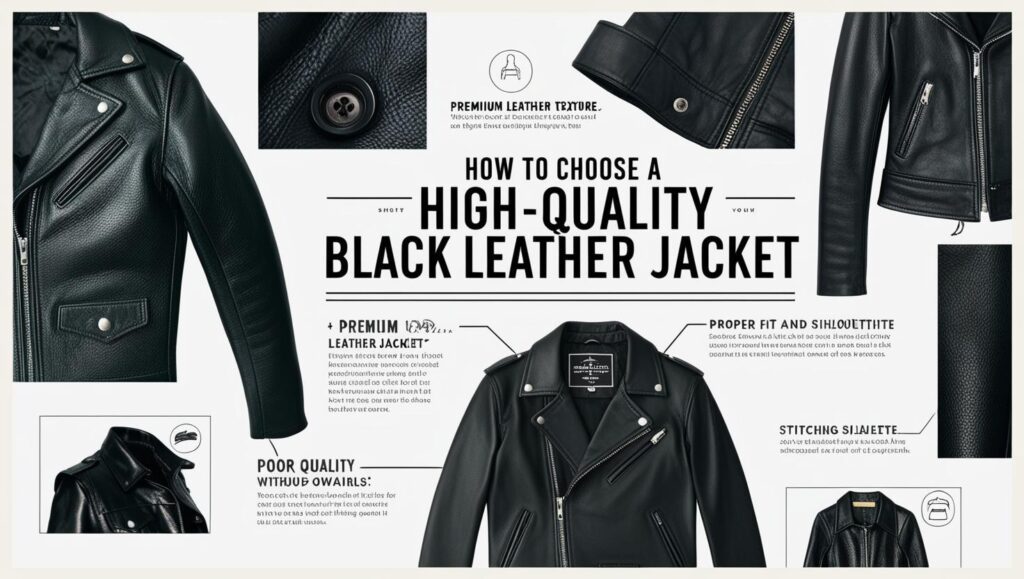
If you’re shopping for leather today, the smartest move is looking past flashy sustainability claims and asking practical questions: who made it, how long is it built to last, and what happens to the material at the end of its life. Trusted brands with consistent production excellence will answer these clearly. Vague, feel-good language without specifics is usually a sign there’s nothing concrete behind it.
Circularity Is Becoming Part of the Design Process
A newer shift worth watching is how brands are starting to design leather goods with their end-of-life already in mind, using components that can be repaired, reconditioned, or partially rebuilt rather than discarded entirely once a strap or lining wears out. This kind of forward planning wasn’t common a decade ago, when most leather goods were designed purely around the point of sale. Building longevity into the design itself, not just the material, is quickly becoming a mark of a genuinely responsible brand.
Where This Is Headed Next?
The direction is clear: leather production is becoming smaller-batch, more transparent, and more accountable, without necessarily becoming more expensive. Ten years ago, this was not a realistic mix, but, fortunately, it’s a reality today, and the customers are no longer buying “sustainable” and “unaffordable” simultaneously. The only brands that will still be around in a decade or so are the ones that have embraced that expectation, and the ones that haven’t are already beginning to fall behind.