













































































































































































































































































































































































































































































































































































































































































































































































































































































































































































































































































































































































































































































































































































































































































































































































































































































































































































































































































































How to Choose the Right Tattoo Removal Laser: 5 Essential Questions You Must Ask

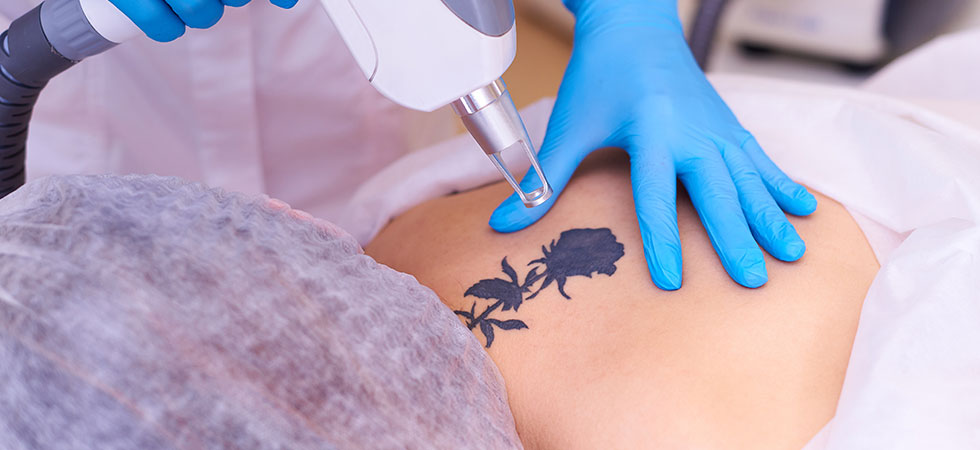
Tattoo removal laser technology has advanced dramatically over the past decade — but with that advancement has come a bewildering array of options. Q-switched Nd:YAG, picosecond, alexandrite, ruby, and combination systems all promise effective tattoo clearance, but they are not interchangeable. Choosing the wrong laser for a specific tattoo means slower clearance, more sessions, higher cost, and greater risk of scarring or pigmentation change. Here are the 5 key questions that determine which tattoo removal laser is right for your situation.
Question 1: What Ink Colors Does the Tattoo Contain?
This is the single most important question — because no single laser wavelength removes all tattoo ink colors. Each wavelength is absorbed by specific ink pigments while passing through others. Choosing a laser without accounting for ink colors guarantees incomplete results.
Wavelength-Color Matching:
| Ink Color | Best Wavelength | Laser Type |
| Black, dark blue | 1064nm | Nd:YAG, picosecond Nd:YAG |
| Red, orange, yellow | 532nm | KTP (frequency-doubled Nd:YAG) |
| Green, teal | 694nm / 755nm | Ruby / Alexandrite |
| Blue, purple | 694nm / 755nm | Ruby / Alexandrite |
| Multi-color tattoos | Multiple wavelengths needed | Combination or multi-wavelength system |
Clinical implication: A basic 1064nm Q-switched Nd:YAG can remove black tattoos effectively but will barely touch green or teal ink. Multi-color tattoos require a system with at least 1064nm, 532nm, and a third wavelength (694nm or 755nm) for complete clearance. Clinics treating professional multi-color tattoos need a multi-wavelength platform.
Question 2: Picosecond or Q-Switched Nanosecond — Which Is More Effective?
Both are pulsed lasers that shatter tattoo ink via the photoacoustic effect — but they differ significantly in pulse duration and the size of ink particles they produce.
Q-Switched Nanosecond Lasers:
- Pulse duration: 5–10 nanoseconds (billionths of a second)
- Mechanism: Photothermal — creates heat that shatters ink into particles
- Particle size: Larger fragments — requires more sessions for lymphatic clearance
- Sessions typically needed: 8–15 for professional black tattoos
- Cost: Lower equipment cost; established technology with decades of clinical data
Picosecond Lasers:
- Pulse duration: 450–750 picoseconds (trillionths of a second) — 100x faster than Q-switched
- Mechanism: Photoacoustic — pressure wave shatters ink into microscopic dust particles
- Particle size: Much smaller — cleared by the lymphatic system faster
- Sessions typically needed: 4–8 for equivalent professional tattoos
- Additional benefit: Effective on previously treated (“ghost”) tattoos resistant to Q-switched
- Cost: Higher equipment and per-session cost; significantly fewer sessions required
Bottom line: Picosecond lasers clear tattoos in approximately half the sessions of Q-switched systems, with lower risk of textural changes to the skin. For clinics treating high volumes of professional tattoos, picosecond systems produce faster client outcomes and better retention. Q-switched systems remain clinically effective and offer a lower entry cost for lower-volume practices.
Question 3: What Is the Patient’s Skin Type (Fitzpatrick Scale)?
Skin type determines which wavelength and pulse duration can be used safely — and directly affects the risk of post-inflammatory hyperpigmentation (PIH) or hypopigmentation (lightening of the surrounding skin).
- Fitzpatrick I–III (light skin): All wavelengths safe at appropriate settings. Lowest PIH risk. All laser types suitable.
- Fitzpatrick IV: 1064nm Nd:YAG preferred — less melanin absorption reduces PIH risk. 532nm should be used conservatively. Picosecond generally safer than Q-switched at equivalent fluence.
- Fitzpatrick V–VI (dark skin): 1064nm only for black ink. Do NOT use 532nm, 694nm, or 755nm — these wavelengths are absorbed by epidermal melanin and risk permanent hypopigmentation. Extended intervals between sessions (8–12 weeks) to allow full melanin recovery.
Clinical rule: For dark skin types, the 1064nm Nd:YAG picosecond laser is the safest option. Never use shorter wavelengths (532nm, 694nm, 755nm) on Fitzpatrick V–VI skin regardless of ink color — the risk of permanent pigmentation damage is unacceptable.
Question 4: Is the Tattoo Amateur or Professional?
Tattoo density, ink depth, and ink concentration vary significantly between amateur and professional tattoos — and this affects session count and treatment approach.
Amateur Tattoos:
- Ink is often uneven — deposited at varying depths, sometimes superficially
- Single colors (usually black)
- Typically requires fewer sessions — 3–6 for complete clearance
- Respond well to both Q-switched and picosecond lasers
Professional Tattoos:
- High-density ink deposited uniformly at consistent dermal depth
- Multiple colors common
- Requires more sessions — 8–12 for Q-switched, 4–8 for picosecond
- Older tattoos may have ink migration into deeper dermis — harder to clear
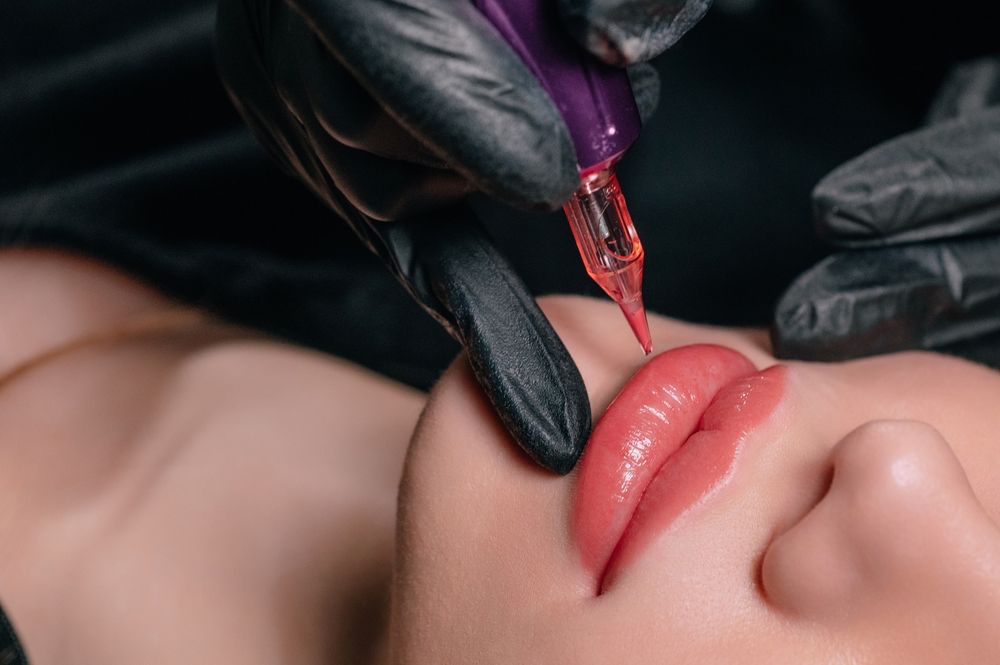
Cosmetic Tattoos (Permanent Makeup):
- Often contain iron oxide pigments that can paradoxically darken when first treated
- Require patch testing before full treatment
- Use conservative settings and assess reaction before proceeding
Question 5: What Machine Specifications Matter for Clinic ROI?
For clinics evaluating tattoo removal laser equipment, the key specifications that determine clinical outcomes and ROI are:
- Pulse duration: Picosecond (<750ps) vs. Q-switched nanosecond (5–10ns) — determines session count and patient satisfaction
- Available wavelengths: 1064nm essential; 532nm for reds; 755nm or 694nm for greens — multi-wavelength systems cover all tattoo types
- Energy output: Minimum 500–800mJ for black tattoos; higher fluence needed for professional tattoos
- Repetition rate: Higher Hz rates enable faster treatment of large tattoos
- Spot size range: Variable spot sizes (2–10mm) allow precise targeting of small details and efficient coverage of large areas
Professional-grade tattoo removal laser systems with multi-wavelength capability (1064nm + 532nm + 755nm) and picosecond pulse technology are available from specialist aesthetic equipment suppliers. See this guide to professional tattoo removal laser machines for current specifications and pricing.
Putting It Together: Choosing the Right System
| Scenario | Recommended System |
| Black tattoos only, light skin, low volume | Q-switched 1064nm Nd:YAG |
| Multi-color tattoos, light-medium skin | Picosecond multi-wavelength (1064 + 532 + 755nm) |
| Dark skin types (IV–VI), black ink | Picosecond 1064nm Nd:YAG only |
| High-volume clinic, all tattoo types | Picosecond combination system (3+ wavelengths) |
| Adding removal to existing aesthetics clinic | Dual-wavelength Q-switched (1064 + 532nm) as entry point |
Final Thoughts
The “best” tattoo removal laser doesn’t exist in isolation — it only exists relative to the ink colors being treated, the patient’s skin type, and the treatment volume a clinic needs to justify the equipment investment. For most full-service aesthetic clinics, a multi-wavelength picosecond system represents the best long-term investment: fewer sessions per patient, broader case coverage, and better outcomes for the resistant cases that referral-based growth depends on. For clinics just adding tattoo removal as an ancillary service, a quality dual-wavelength Q-switched system covers the majority of cases at significantly lower capital cost.