





















































































































































































































































































































































































































































































































































































































































































































































































































































































































































































































































































































































































































































































































































The Duffle Bag That Gets Better With Age

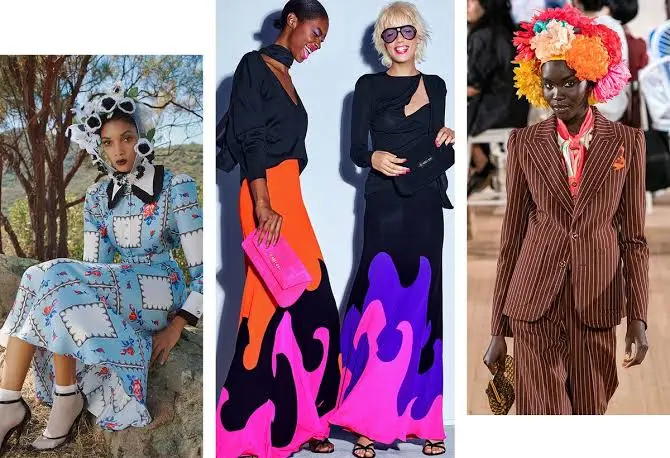
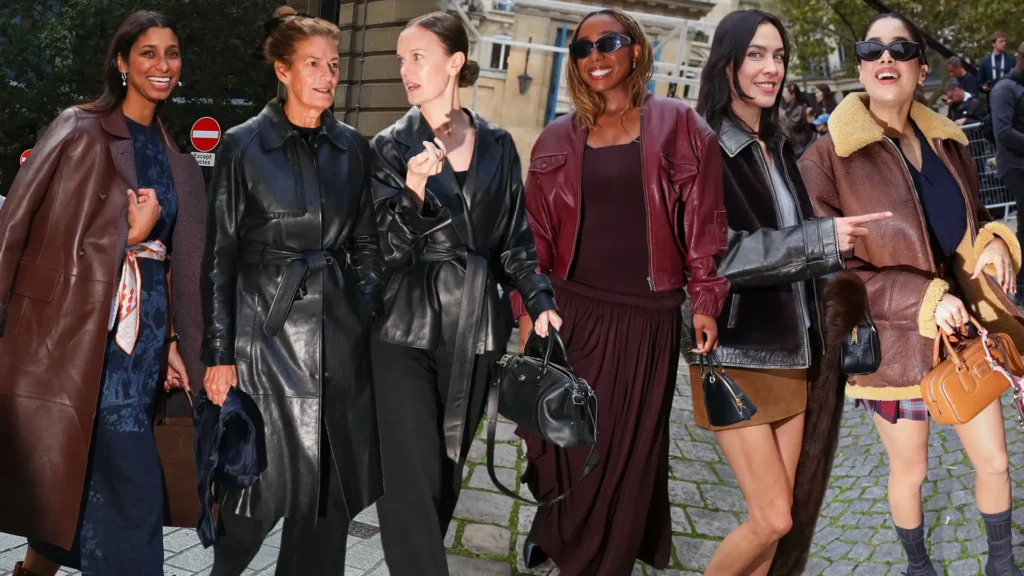
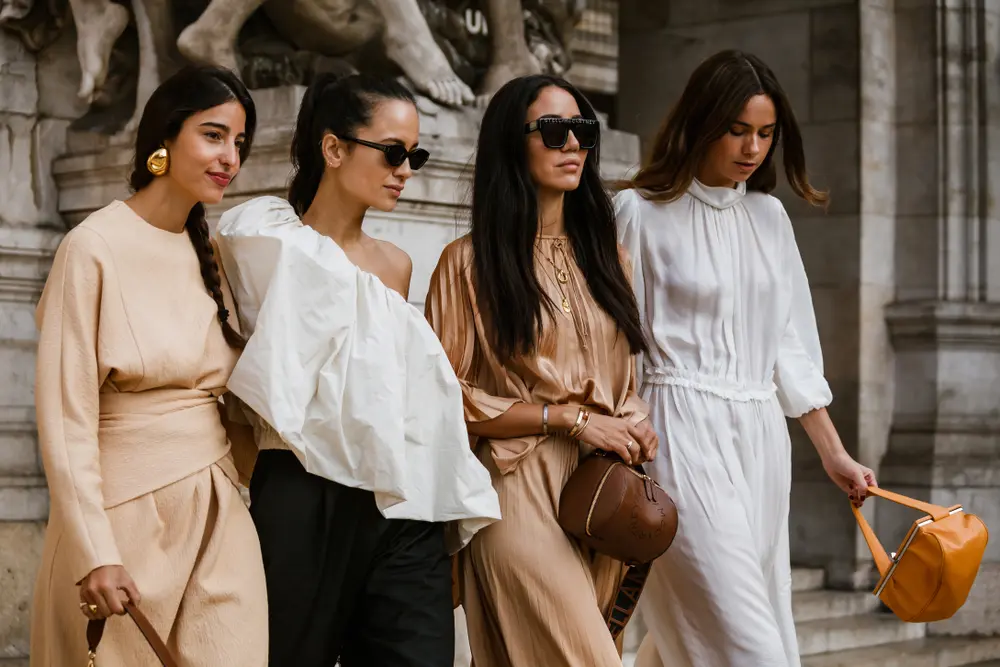
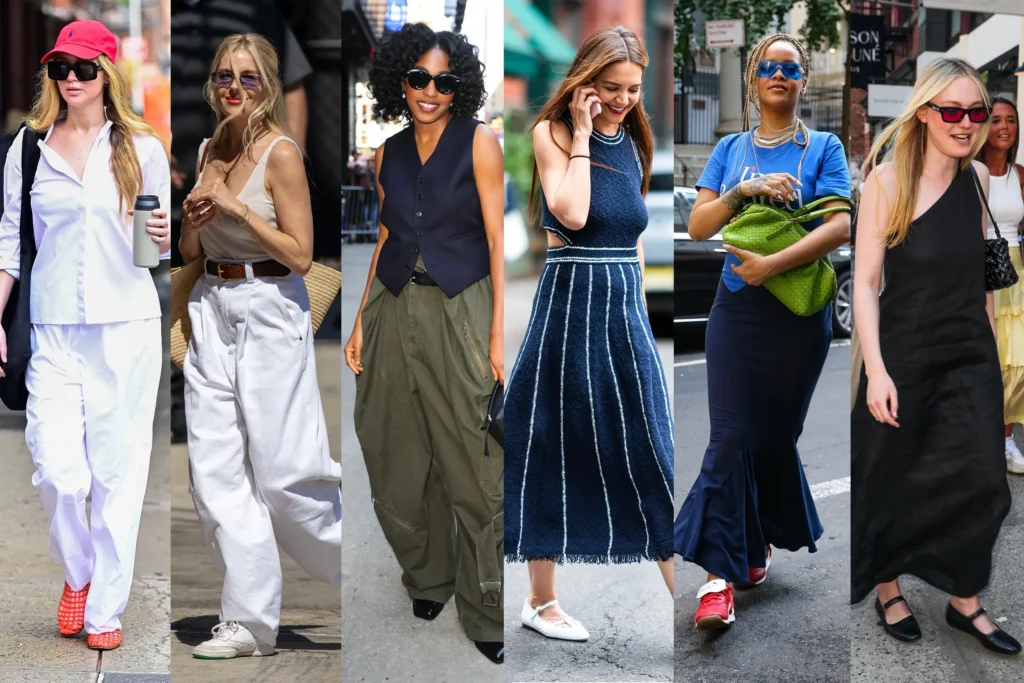
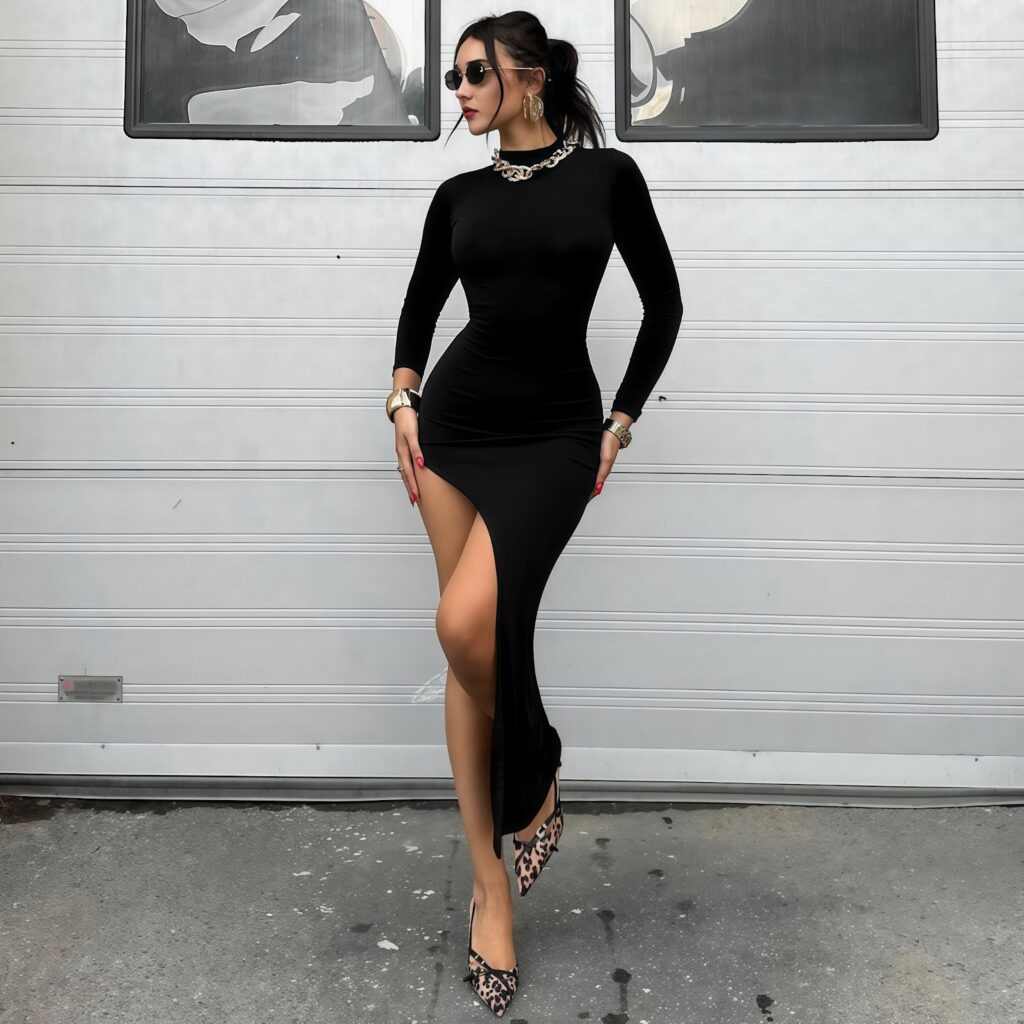
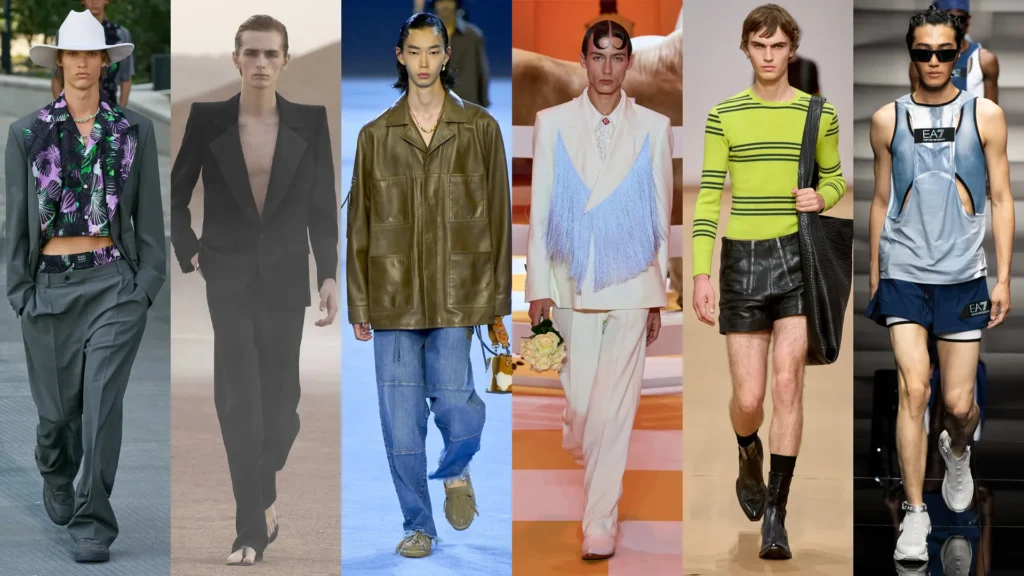
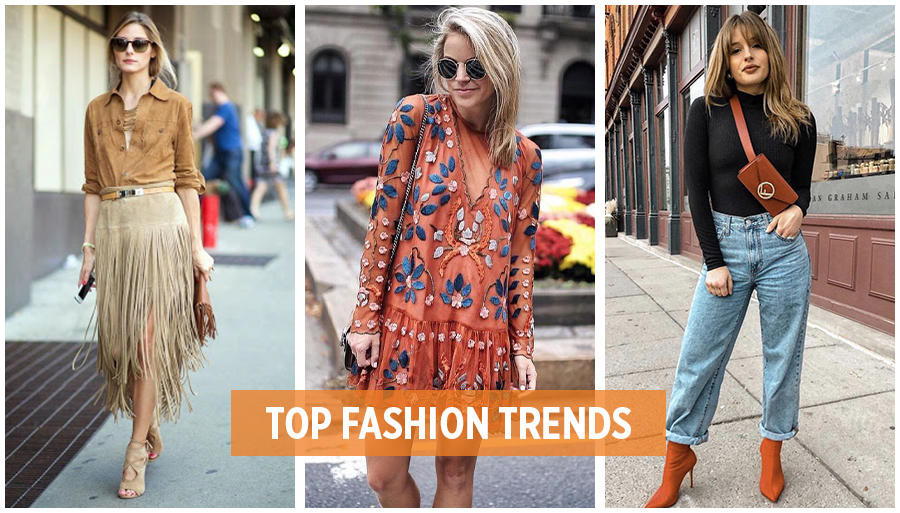
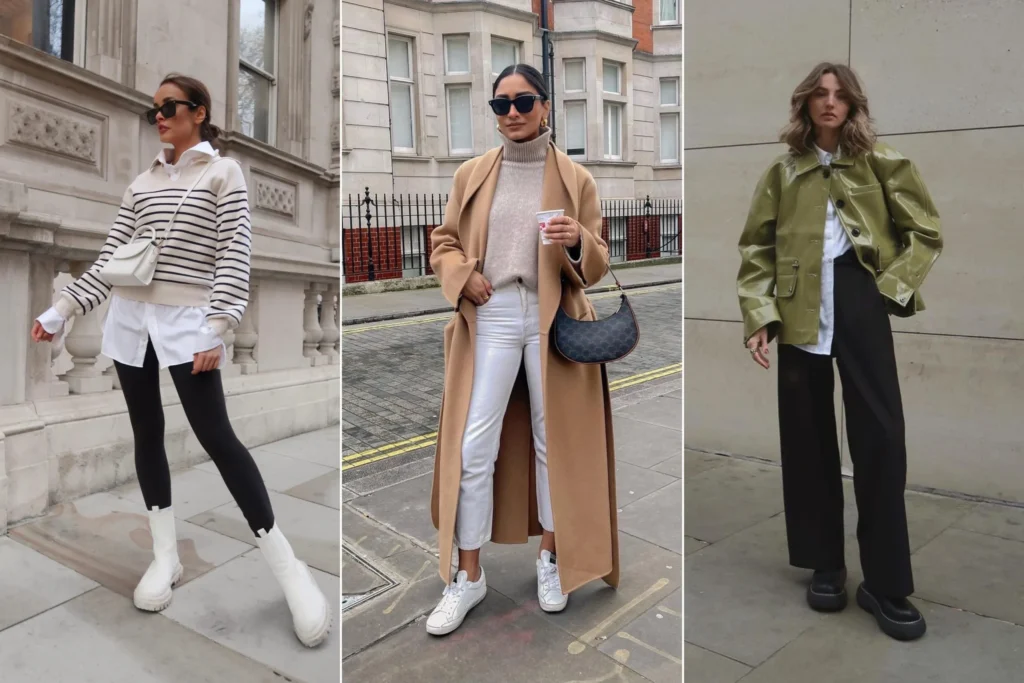
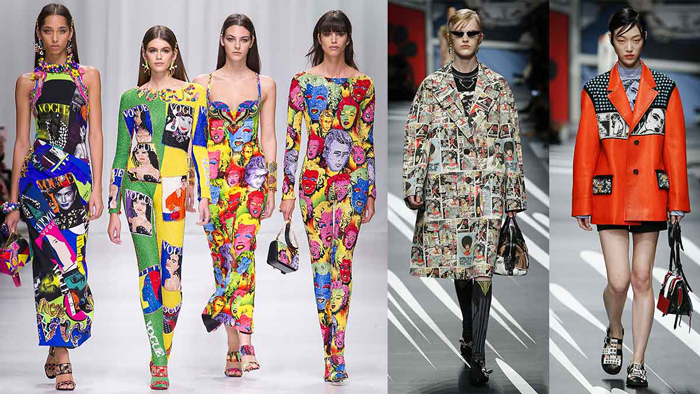
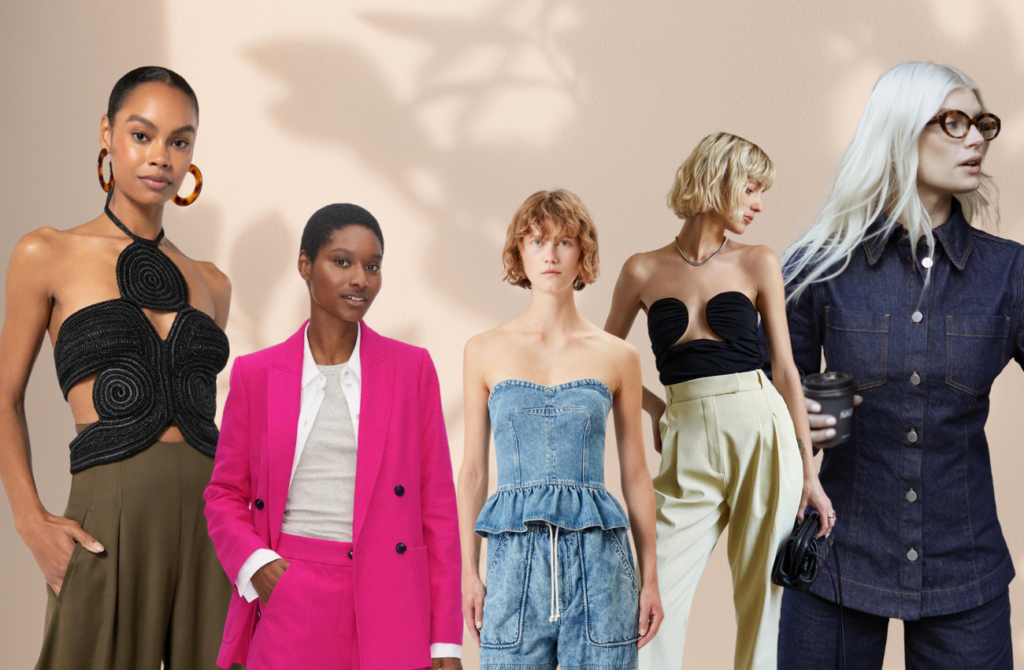
Fashion trends have never moved this fast. A look becomes popular online, sells out in stores, and feels outdated a few weeks later; trend analyst Mandy Lee, speaking on NPR, describes these short waves as pieces that “reach peak and obsolescence very, very quickly.” There is nothing wrong with any of this. Trying new looks is part of the fun of fashion. But when the trendy part of a wardrobe changes every month, the few items you keep for years become the purchases that matter most. A bag can be one of those items on one condition: it has to be built for it. Two things decide whether it is, and this article walks through both: the craft that constructs the bag, and the leather it is cut from.
Craft decides how long a bag lives
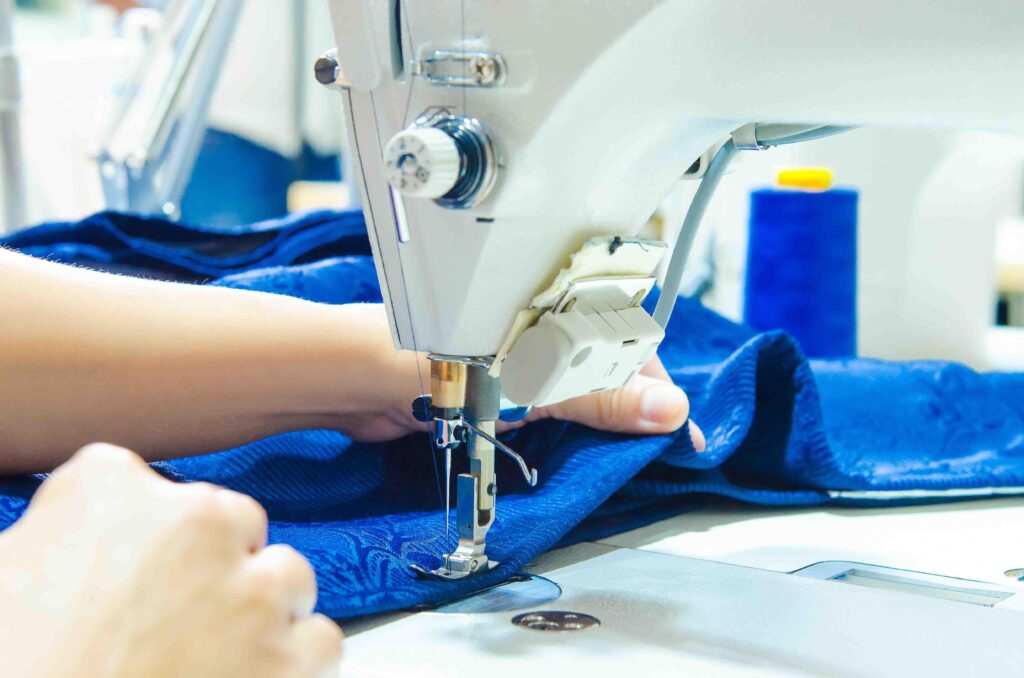
Craft comes first, because on a bag it is usually the construction, not the leather, that gives out first. The clearest example is the edge. Almost every leather bag has its cut edges sealed under a layer of paint, and that paint cracks as the bag flexes with use; once the edges crack, the whole bag looks tired, no matter how good the hide is. A crafted bag solves this at the construction stage instead of the repair stage: the maker thins the leather at the edge and folds it back on itself, so the edge is not a painted cover but the same leather as the rest of the bag, aging at the same pace as everything around it. Work like this takes many times the hours of the industrial shortcut, which is why it is rare. It also explains something practical about shopping: the length of the written guarantee. A maker whose construction contains no layer that fails within a few years can afford to promise decades in writing; a maker relying on paint cannot. On a bag built to last, craft is not decoration. It is the engineering.
The right leather: vegetable-tanned aniline
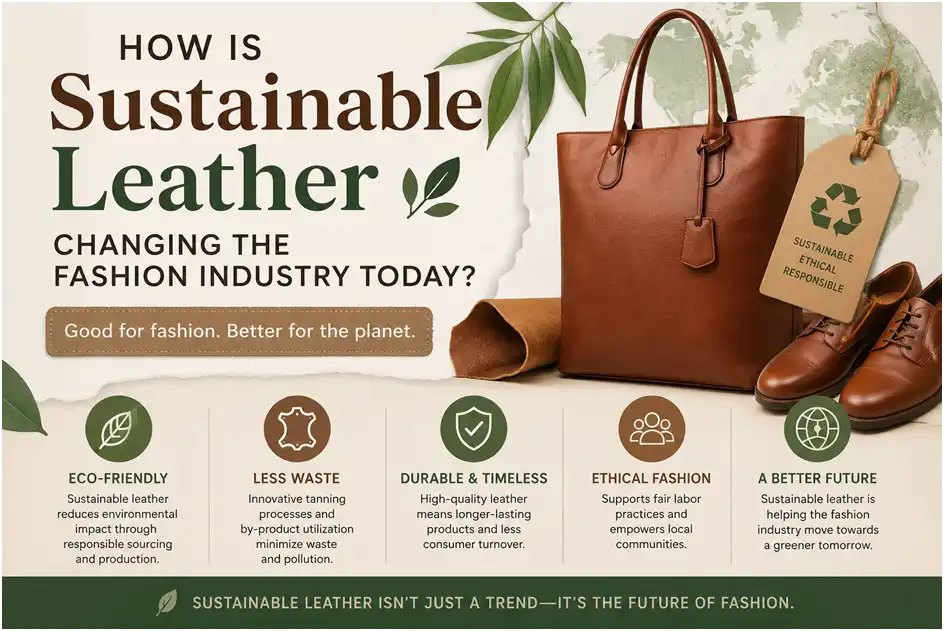
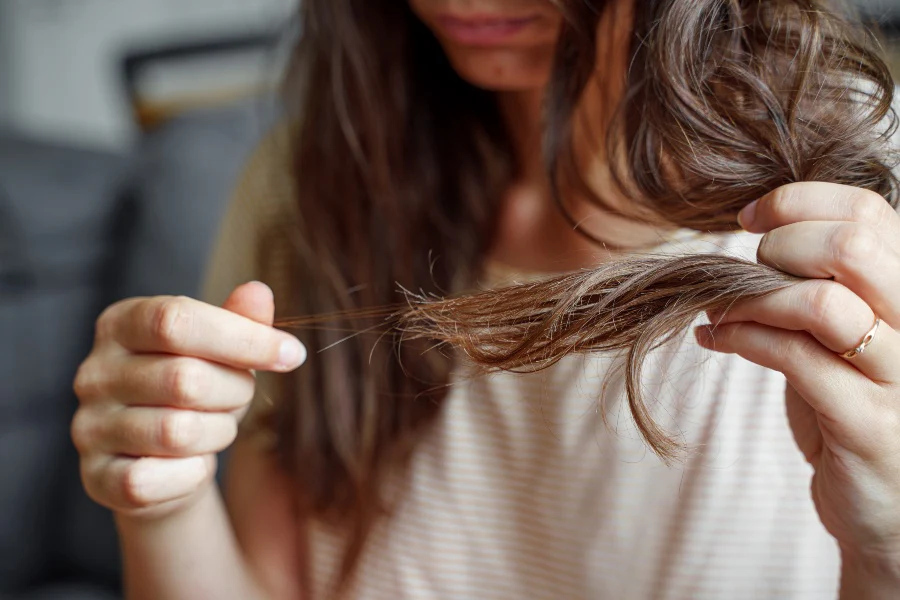
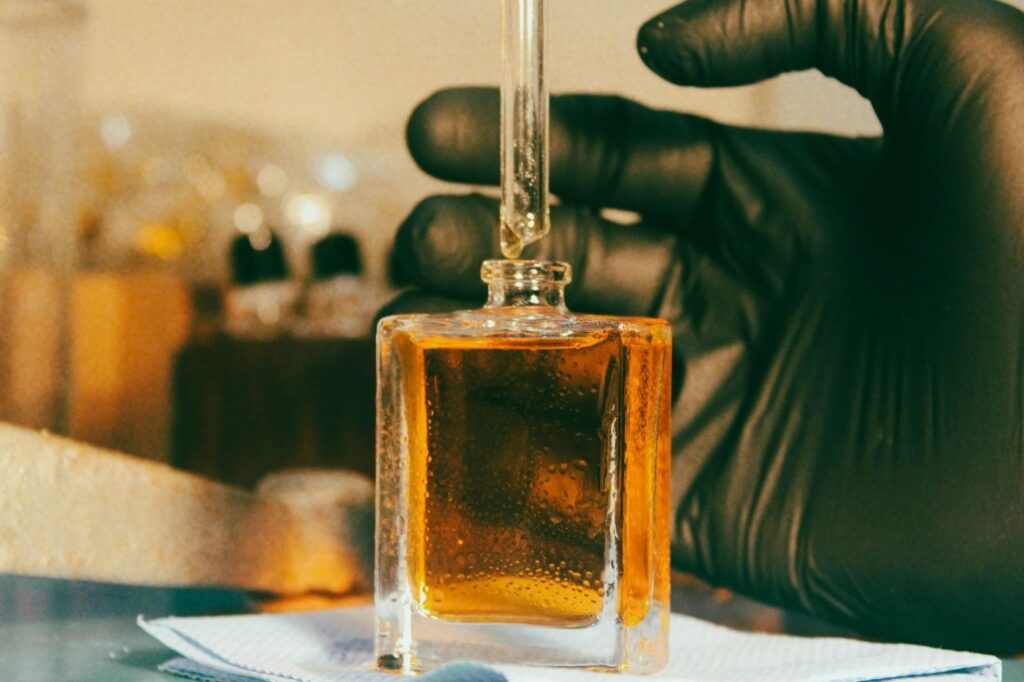
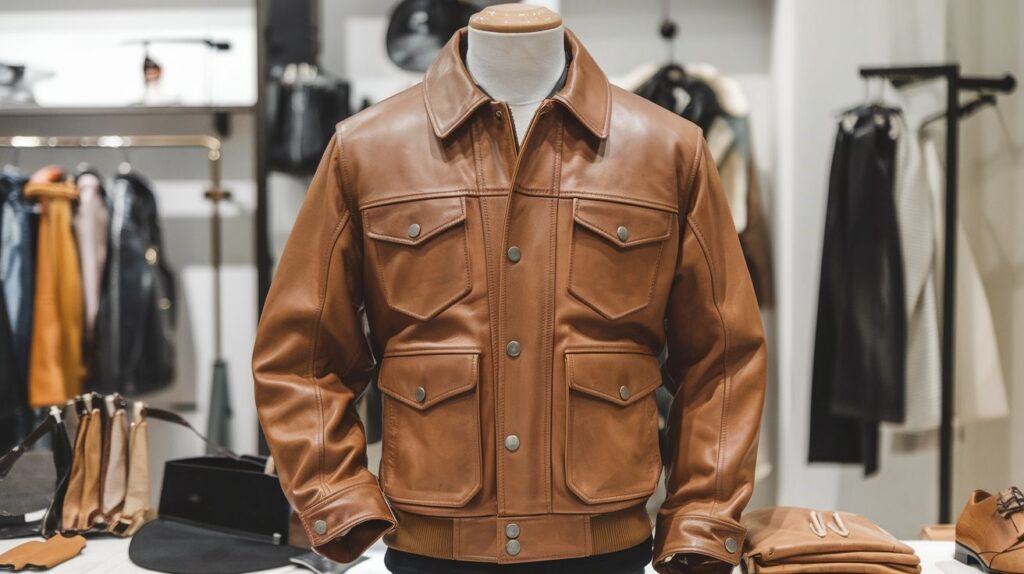
The leather comes second, and the hierarchy here is widely misunderstood. What separates a bag that improves from a bag that merely wears out is not the grade stamped on the hide; it is how the leather was tanned and how it was finished. Tanning first: most leather made today is chrome-tanned in a matter of hours, while vegetable tanning, the older method, takes weeks of work with plant extracts, and it is what gives leather the capacity to keep deepening for decades. Finish second: most leather is then coated with pigment, a sprayed layer of color that seals the surface, while an aniline finish dyes the leather all the way through and leaves the natural grain open to the hand. That one choice decides how the bag ages. A pigment coat cannot absorb care and cracks with time; aniline leather drinks in conditioner, warms in the light, polishes under handling, and slowly builds the rich, glowing surface called patina. A factory can reproduce a trending design in weeks; nobody can reproduce ten years of your own hands on your own bag. So the words to look for on a bag built to last are exactly these: vegetable-tanned, aniline.
A shape that was never a trend
The duffle is the right shape for such a bag, because the duffle was never a trend to begin with. The name is older than fashion media itself: duffel was a woolen cloth sold from the town of Duffel, in Brabant, since the 1670s, and “duffel bag” entered American English in 1915, according to the Online Etymology Dictionary. Soldiers carried duffles through the Second World War, and the design that came home with them is, in essence, the design still sold today: a soft cylinder, a wide opening, a strap. It is one of the few silhouettes a person can buy at thirty and carry at seventy without the bag ever looking like a year.
Built to reward the years
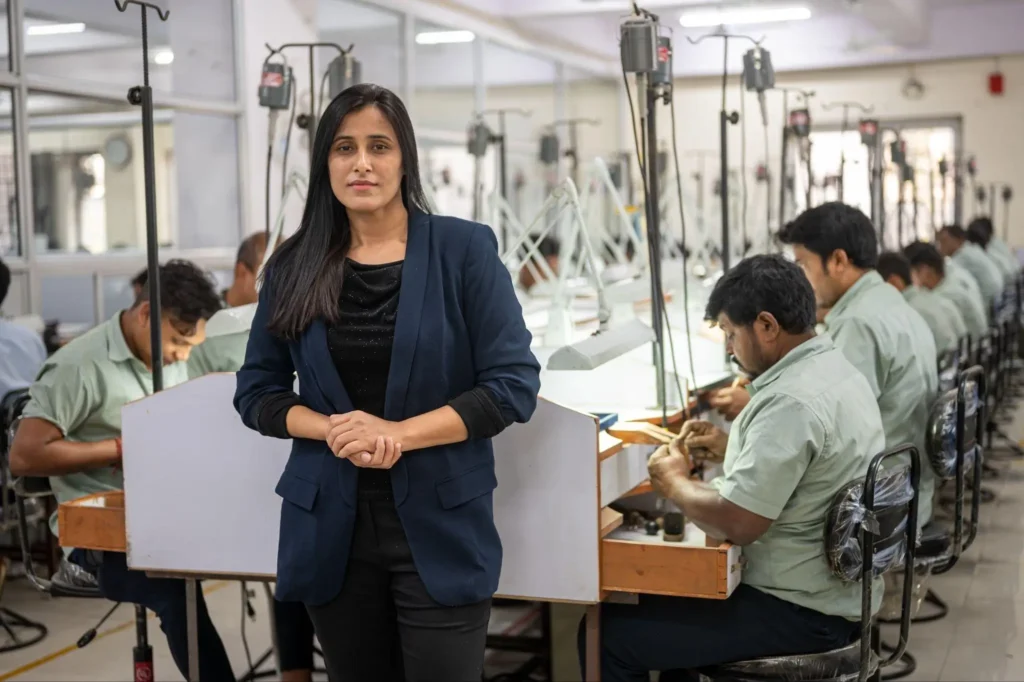
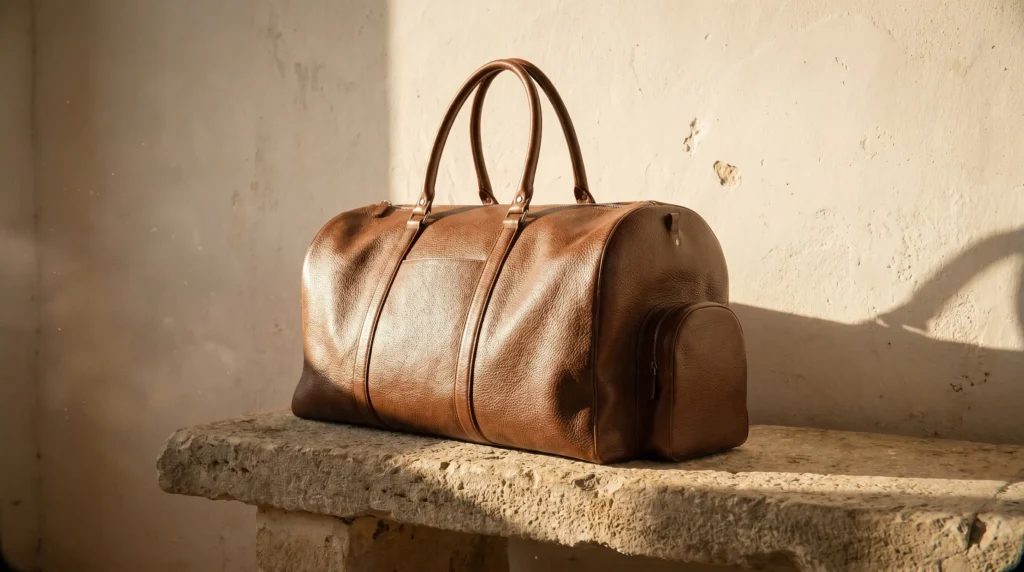
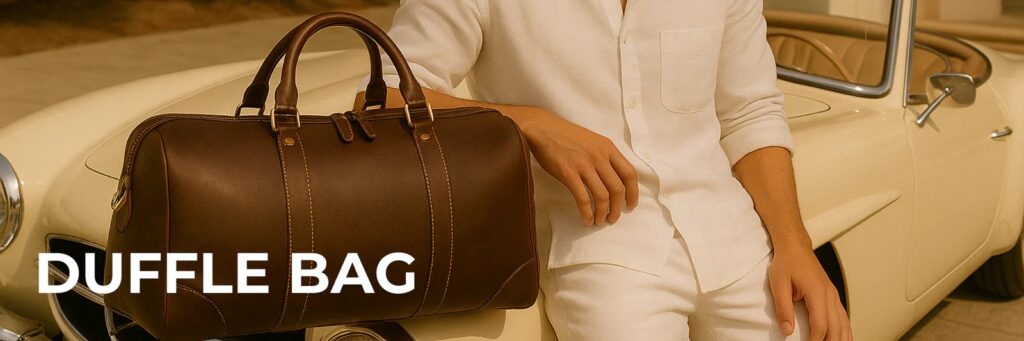
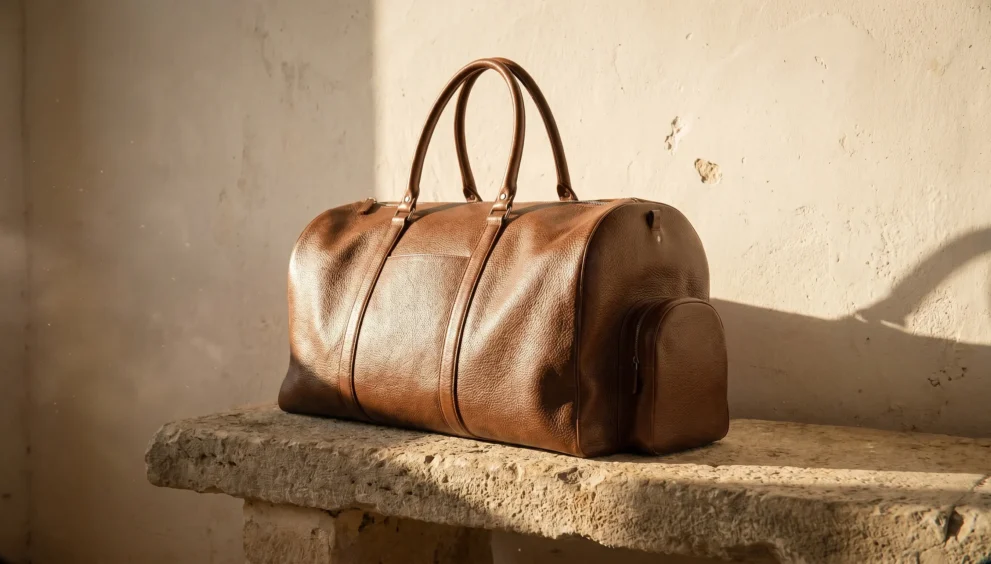
For the fullest version of all three ideas in one object, look at the Estate Duffle, a leather duffle bag by Lunburg. The craft leads. Every edge is executed in rempliage, the folded edge described above, in the hands of the Fes masters who refined it: the grain flows, unbroken, around every line of the bag, and no edge paint exists anywhere to crack or peel. Laid end to end, the folded edgework on a single Duffle runs some twenty-three meters. The bag takes shape over wooden forms through 385 hand operations, carried out in Fes by a master whose experience spans four decades. The leather follows the hierarchy exactly: vegetable-tanned for forty days in Tuscany, finished in uncoated aniline so the Deep Mahogany tone warms and polishes the longer it is carried, and tumbled to a gently pebbled grain that wears the small marks of daily life gracefully. The travel details stay quietly practical: a soft silhouette scaled, as the house puts it, for the overhead compartment, a goat-leather lining, strap hardware engineered to make no sound. And the construction carries its own proof: a written fifty-year structural warranty with repair as the standing policy, a promise that is only possible because the craft removed everything with a shorter life than the leather itself.
Made in the capital of the craft
Where the bag is made is part of what it offers. Fes is the world capital of luxury leathercraft, and it earned the title over twelve centuries. As Morocco’s imperial capital, the city spent 1,200 years filling royal commissions, manuscript bindings, instrument cases, folios for scholars, all of it held to the same standard as palace architecture. When Granada fell in 1492, the master leatherworkers of Al-Andalus fled to Fes and brought nine hundred years of refinement with them: the ability to skive leather to fractions of a millimeter, to fold and stitch with the accuracy of surgery. Alongside them stood Al-Qarawiyyin, founded in 859 and the world’s oldest university, which made geometry part of an artisan’s training. The word on fine-leather boutique doors from Paris to Milan records where all of this began: maroquinerie means Moroccan work. And rempliage was perfected in Fes; almost no atelier outside the city can execute it at scale. A bag made there stands in twelve centuries of unbroken practice.
The anchor piece
Trends will keep arriving, and enjoying them is part of the pleasure of fashion. The anchor piece simply runs on a different clock, set by its makers rather than by the feed. Everything else in the closet is newest on day one; a bag built by hand from vegetable-tanned aniline leather is plainest on day one and richer every year after. Buy it once, carry it everywhere, and let time deepen the leather. Ten years from now, most of what surrounds it will have been replaced. The duffle will just be arriving at its best.