









































































































































































































































































































































































































































































































































































































































































































































































































































































































































































































































































































































































































































































































































































































































































































































































































































































































































Selling a Family Heirloom: What to Know Before You Let Go of Estate Jewelry

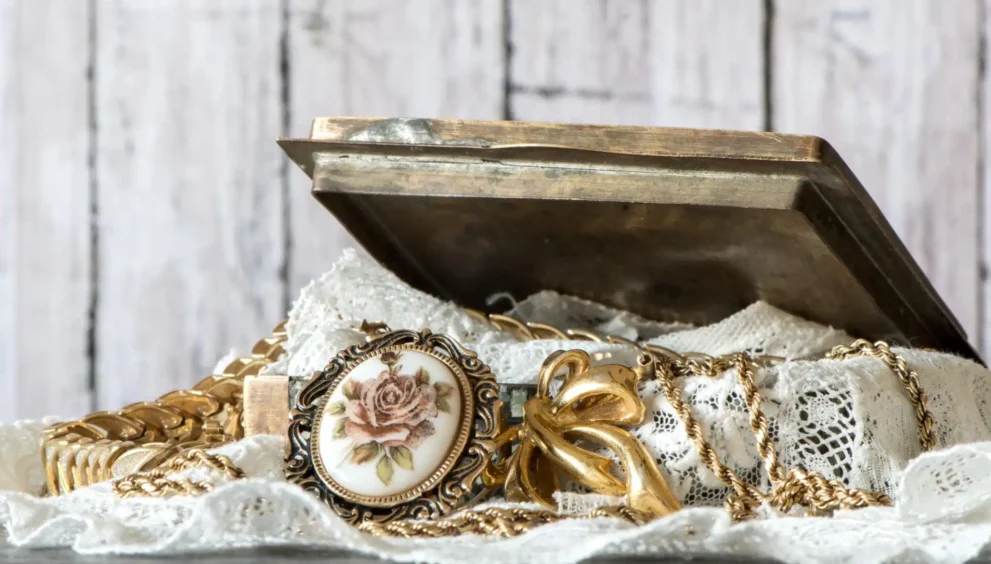
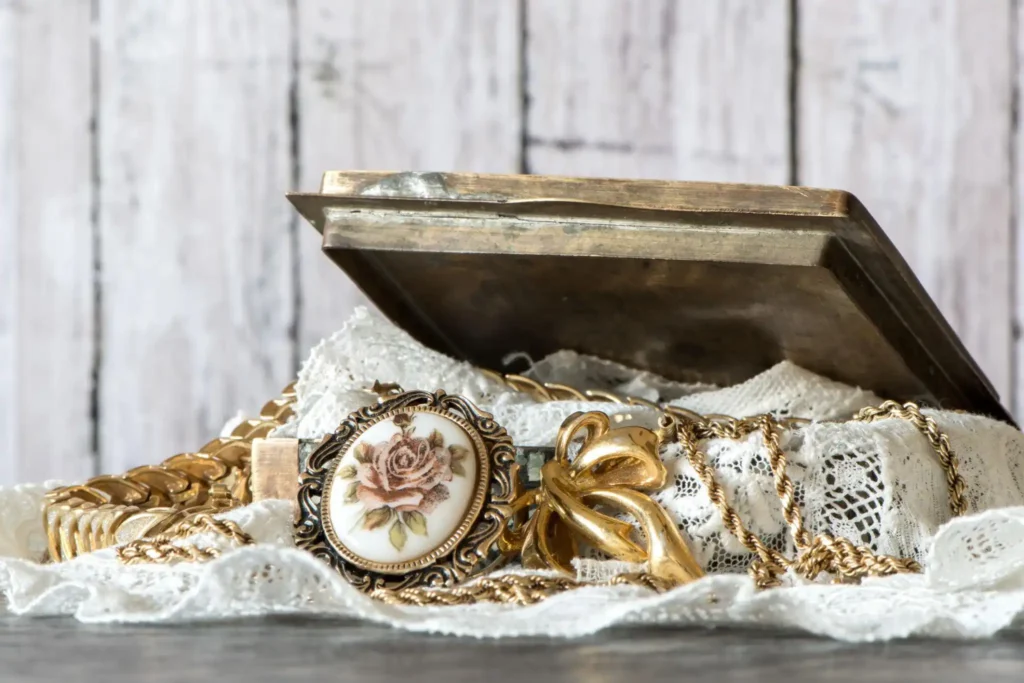
Selling a family heirloom can feel very different from selling an ordinary piece of jewelry. The item may carry memories, family history, or emotional meaning that cannot be measured by its market value.
Before making a decision, take time to understand what the jewelry is, what it may be worth, and whether other family members are interested in keeping it. A careful process can reduce regret and help you avoid accepting an unfair offer.
Separate Emotional Value From Market Value
An heirloom may feel priceless because of the person who owned it, but buyers usually focus on materials, craftsmanship, condition, rarity, and current demand. The story behind the piece may matter to your family without significantly increasing its resale price.
Ask yourself whether you are ready to part with the item permanently. Taking photographs and recording its history may help preserve the family connection even if you decide to sell.
Confirm Who Owns the Jewelry
Before selling, make sure you have the legal right to do so. Jewelry from an estate may be mentioned in a will, assigned to a beneficiary, or shared among several heirs.
Keep copies of documents showing how the item came into your possession. When ownership is unclear, resolve the issue with the executor or other family members before approaching buyers.
Identify What You Have
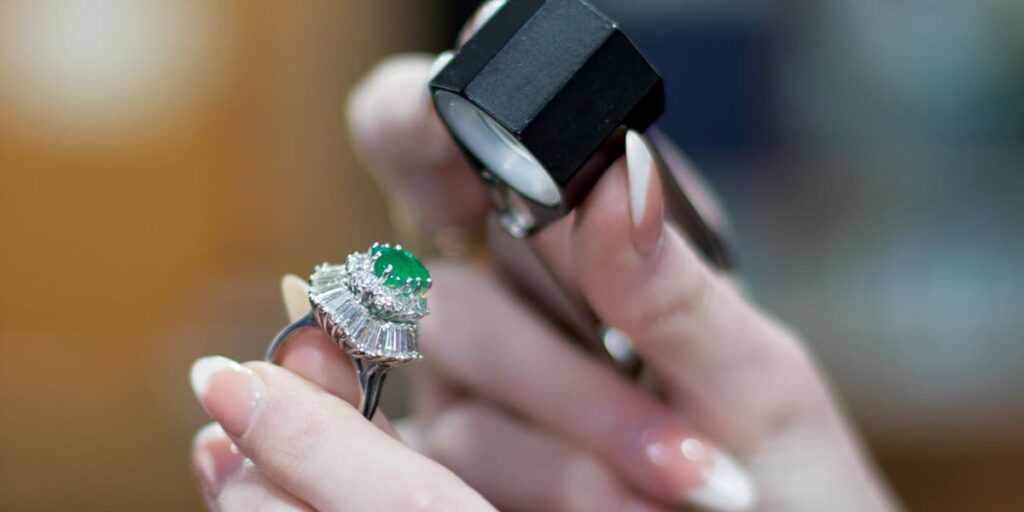
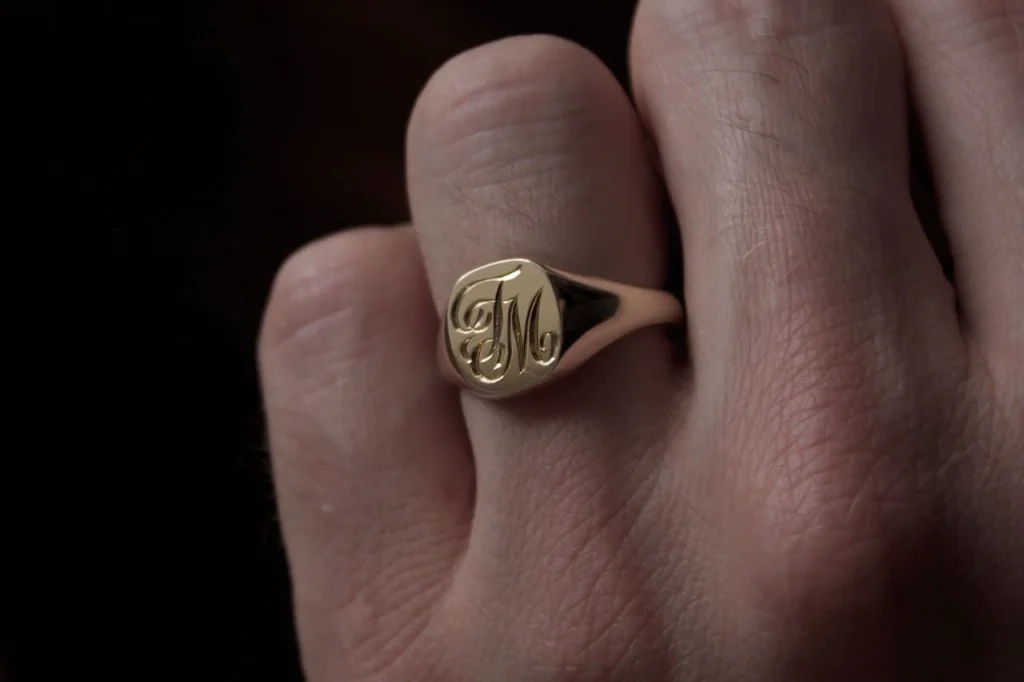
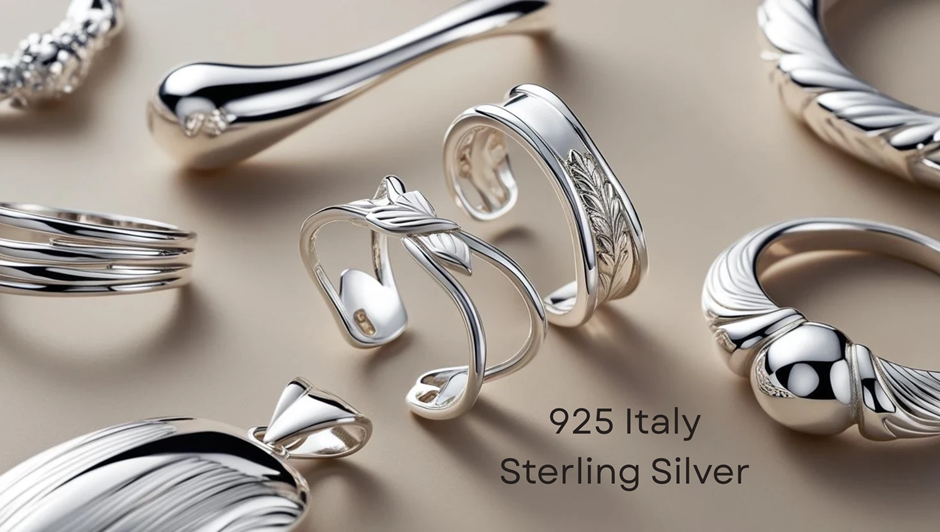
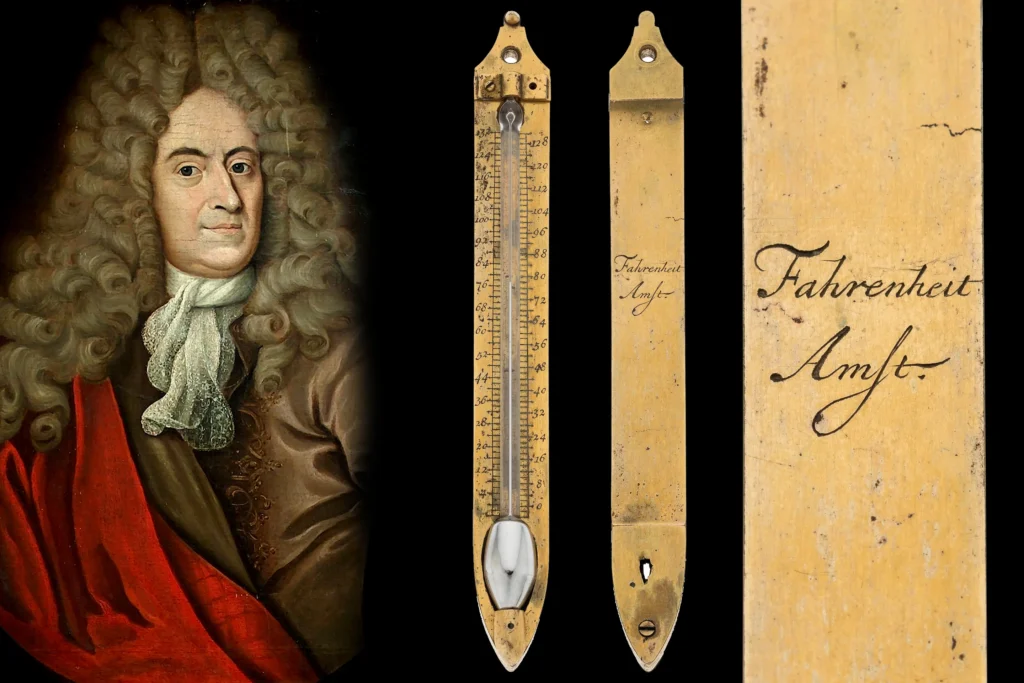
Look for maker’s marks, metal stamps, signatures, serial numbers, and gemstone certificates. These details may reveal the designer, the approximate age, the metal purity, or the collection.
Gather any available supporting materials, including:
- Original receipts
- Previous appraisals
- Certificates
- Insurance records
- Boxes or branded packaging
- Repair or service documents
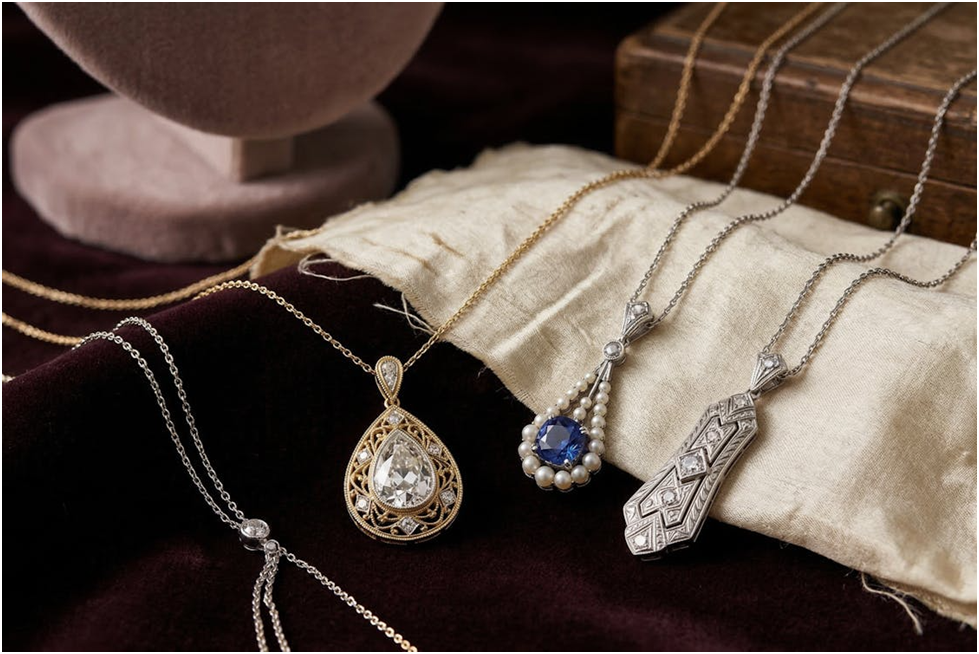
Do not assume an old piece is highly valuable simply because of its age. Some antique and vintage jewelry is collectible, while other pieces are valued mainly for their metal and stones.
Get an Independent Appraisal
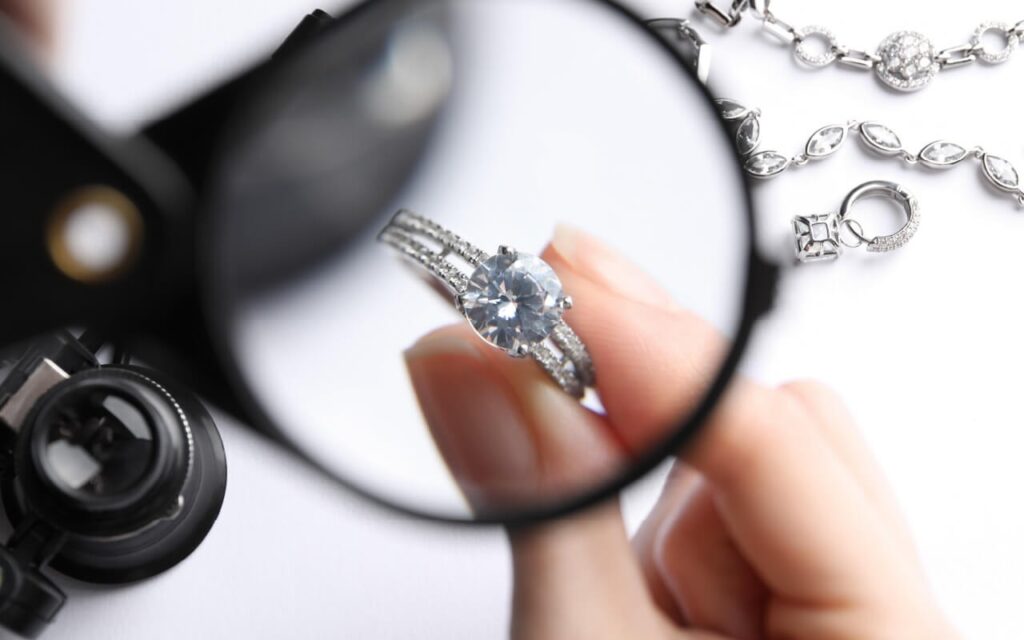
An appraisal can help you understand the jewelry before you request purchase offers. It may identify the metal, gemstones, construction, age, and estimated replacement or market value.
Remember that an appraisal figure is not always the amount a buyer will pay. Retail replacement value, auction value, and immediate resale value can differ significantly.
Avoid Cleaning or Altering the Piece
Do not polish, resize, repair, or replace stones before receiving professional advice. Heavy cleaning can remove the original finish, damage delicate settings, or reduce the appeal of vintage jewelry.
Keep loose stones, removed links, old clasps, and damaged components. Original parts may be important to collectors or future buyers.
Compare Different Selling Options
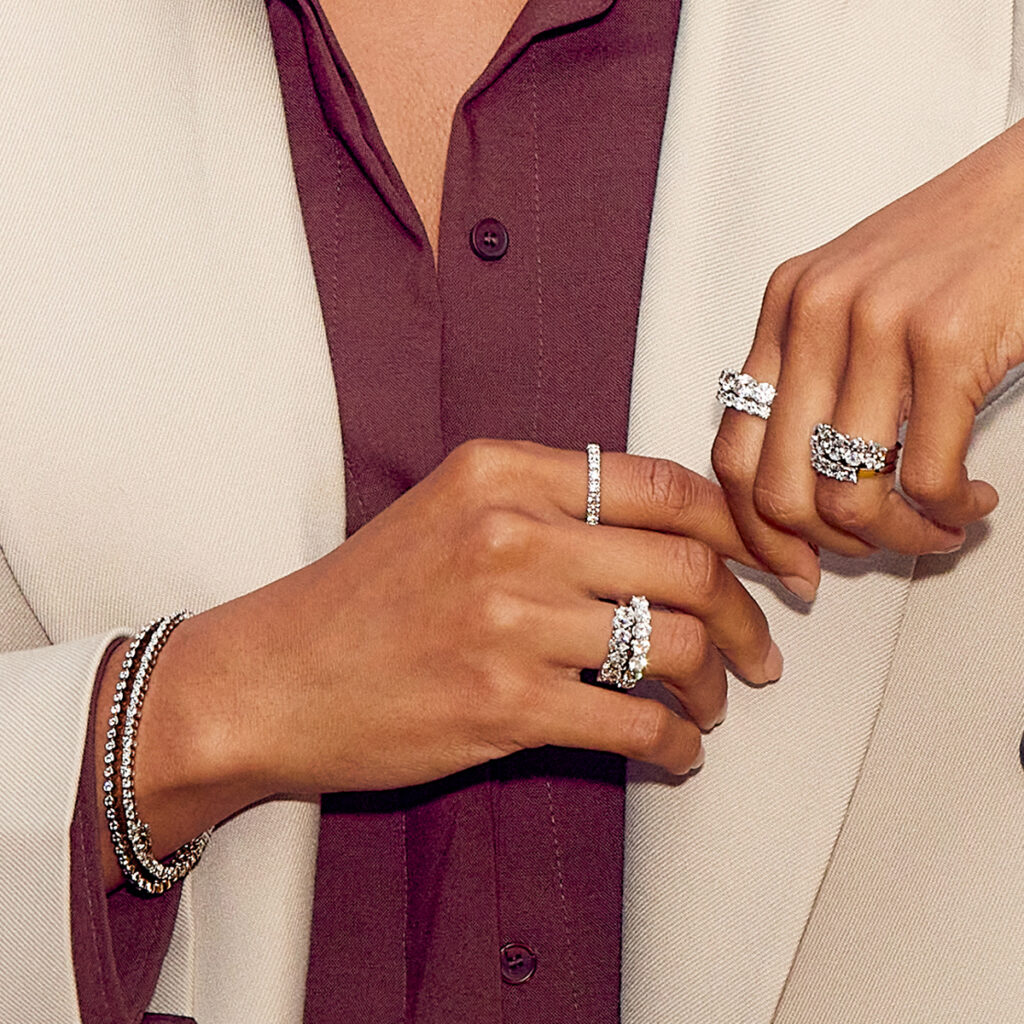
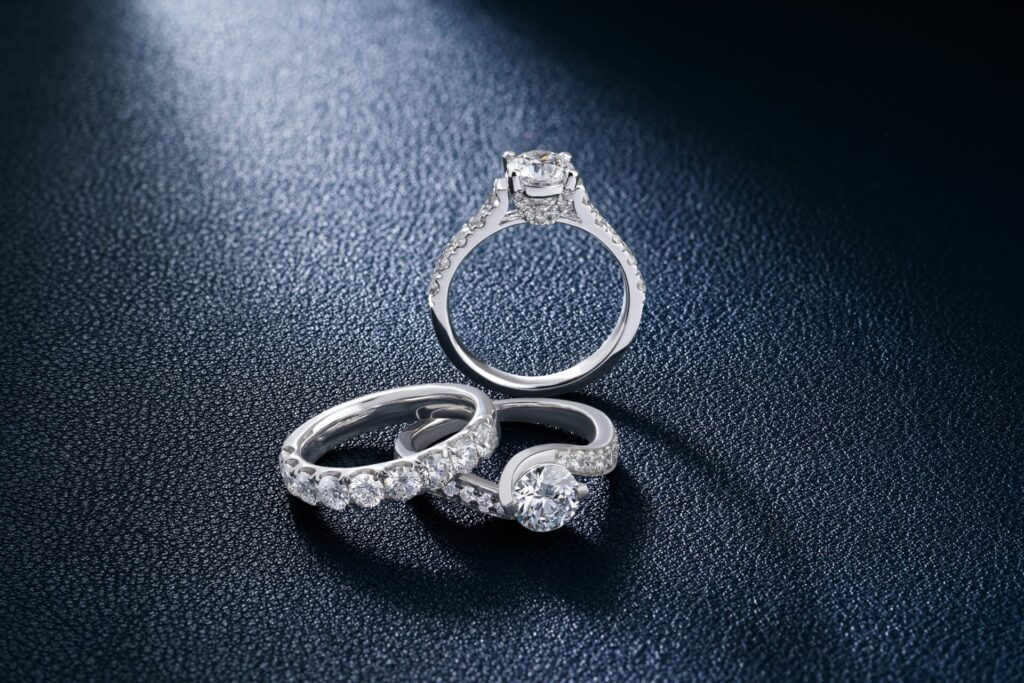
People preparing to sell estate jewelry can approach specialist jewelry buyers, auction houses, consignment companies, estate dealers, or online platforms. Each option offers a different balance of speed, convenience, fees, and possible selling price.
A direct buyer may pay quickly but offer less than a successful auction or consignment sale. Auctions and consignment services may reach more buyers, but the process can take longer and include commissions.
Review Every Offer Carefully
When you sell inherited jewelry, request more than one written offer whenever possible. Compare the actual payment after commissions, appraisal charges, shipping costs, insurance, and other deductions.
Ask how long the offer remains valid and whether you can decline it without a fee. For online transactions, confirm that shipping is insured and that the jewelry will be returned safely if you reject the final offer.