












































































































































































































































































































































































































































































































































































































































































































































































































































































































































































































































































































































































































































































































































































































































































































Why the Umbrella Is the Most Underrated Accessory a British Man Can Own

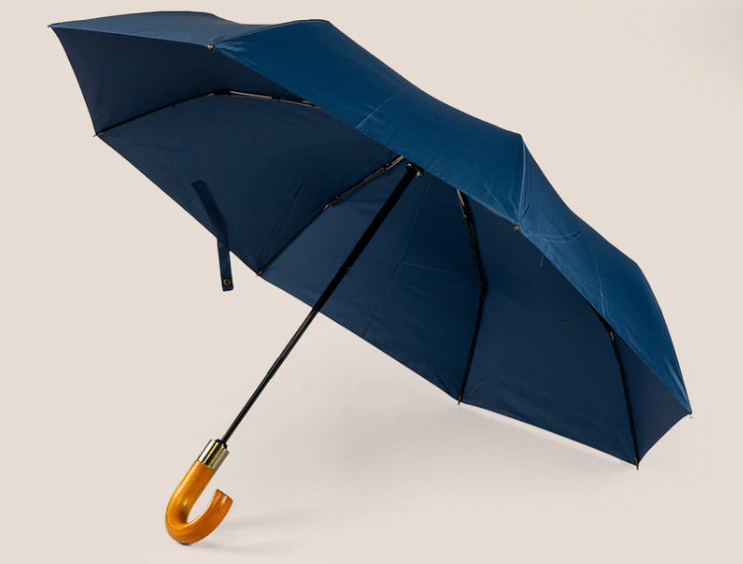
Every British man has stood in the rain with wet shoulders, ruined shoes, and the quiet, simmering regret of having left his umbrella at home. Again. It is a profoundly national experience. Britain has been producing this particular brand of damp frustration for centuries, and yet somehow the umbrella remains an accessory that most British men treat as optional, seasonal, or simply someone else’s concern. That is a mistake, and it is one worth correcting.
The umbrella is not a prop for the overly cautious. It is not something reserved for commuters in the City or older gentlemen in Mayfair. Used well, it is one of the most quietly powerful things a man can carry. It signals that he came prepared. That he has thought ahead. That he is not the sort of person who arrives somewhere looking like he swam. In a country where the weather is never more than an hour away from making its presence known, that kind of preparedness is not just practical. It is a form of self-respect.
An Ancient Tool With a Surprisingly Sophisticated History
The umbrella’s story begins far from the grey skies of Britain. Evidence of early umbrella-like structures appears in the ancient civilisations of Egypt, China, Greece, and Rome, where they were used primarily as sun shades rather than rain protection. In these cultures, the canopied shade was a symbol of power and status. Egyptian pharaohs were accompanied by servants holding large ceremonial umbrellas. In ancient China and India, layered umbrella canopies indicated the rank of the person beneath them. The more layers, the higher the standing. It was portable architecture built around a person.
The rain-repelling version came later. Waterproofed umbrellas appeared in China around the eleventh century, where oiled paper was stretched over bamboo frames to create something genuinely useful in wet weather. The idea spread slowly westward through trade and cultural exchange, arriving in Europe during the sixteenth and seventeenth centuries. Even then, it was largely considered a female accessory. Respectable men of the period were expected to manage the elements without such obvious assistance.
That began to change in the eighteenth century, largely thanks to one persistent Englishman.
Jonas Hanway and the Man Who Made It Acceptable
The name Jonas Hanway is not widely known today, but he deserves considerable credit for the umbrella’s place in British life. A traveller and philanthropist, Hanway is widely credited as the first British man to carry an umbrella publicly and regularly through the streets of London, beginning around 1750. He reportedly endured years of mockery for it. Coachmen jeered. Passersby stared. The very act of sheltering yourself from the rain was considered, by certain sections of society, as weakness or affectation.
Hanway carried his umbrella regardless. He carried it for thirty years. And gradually, the attitude shifted. By the end of the eighteenth century, umbrellas were becoming more common among British men, and by the Victorian era they were not merely acceptable but expected. The gentleman’s umbrella, tightly rolled, carried under the arm or hooked over the wrist, became one of the defining images of the properly turned-out British man. It appeared in cartoons, in novels, in portraits. It became shorthand for a certain kind of composed, unflappable Britishness that the rest of the world found both admirable and faintly amusing.
The Cultural Weight of Carrying an Umbrella Well
There is something in the British relationship with the umbrella that goes beyond weather management. The tightly furled umbrella of the City gent is a piece of theatre as much as a practical object. It says that its owner understands ritual, that he appreciates things done properly, and that he is the kind of man who arrives at things on time and in reasonable condition.
The umbrella has appeared throughout British cultural life in ways that reinforce this reading. From the bowler-hatted figures of post-war London to the sharp-suited characters of British spy fiction, the umbrella has consistently signalled a particular combination of authority and composure. Even when used for comic effect, as it often has been, the humour depends on that underlying assumption of dignity. The umbrella is inherently formal. That is what makes it useful and what makes its absence, in the right context, slightly telling.
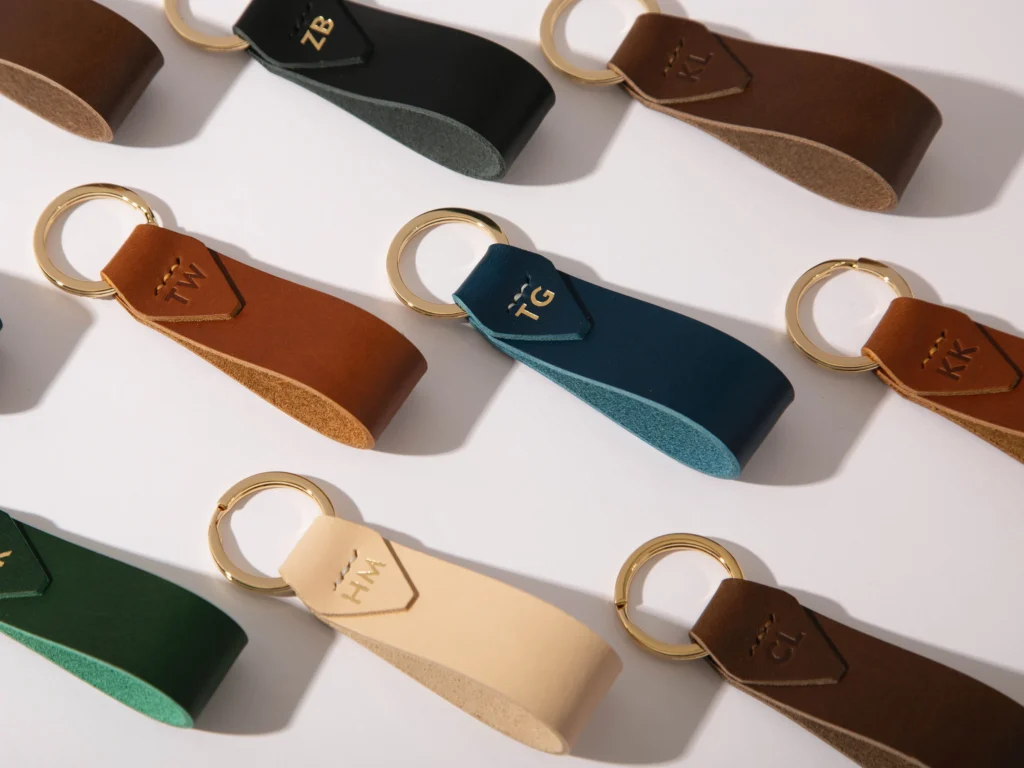
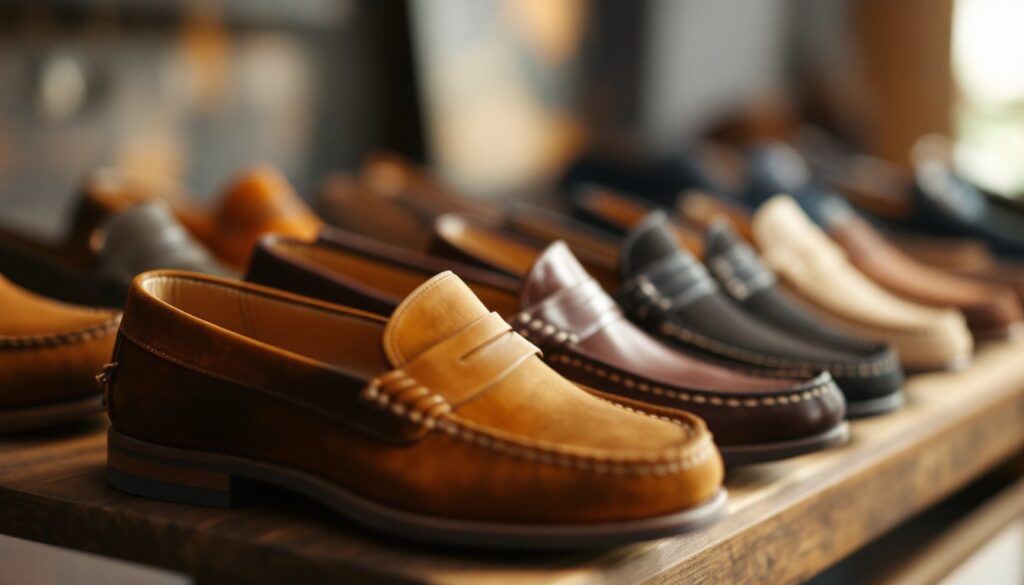
Carrying a quality umbrella well is a small but real part of how a man presents himself. It belongs to the same set of choices as a good pair of shoes, a considered coat, or a personalised wallet for men that sits neatly in an inside pocket rather than bulging out of a back trouser pocket. These are details. They are also signals. The man who has thought about each of them is the man who has thought about how he wants to move through the world.
Choosing the Right Umbrella: Why Quality Makes the Difference
Most British men have owned a bad umbrella. Usually it was bought in haste from a newsagent during an unexpected downpour, cost very little, and inverted itself impressively the first time it met any actual wind. It lasted one season at best, spent most of its life broken in a bin bag, and put the man carrying it in a worse position than if he had simply got wet.
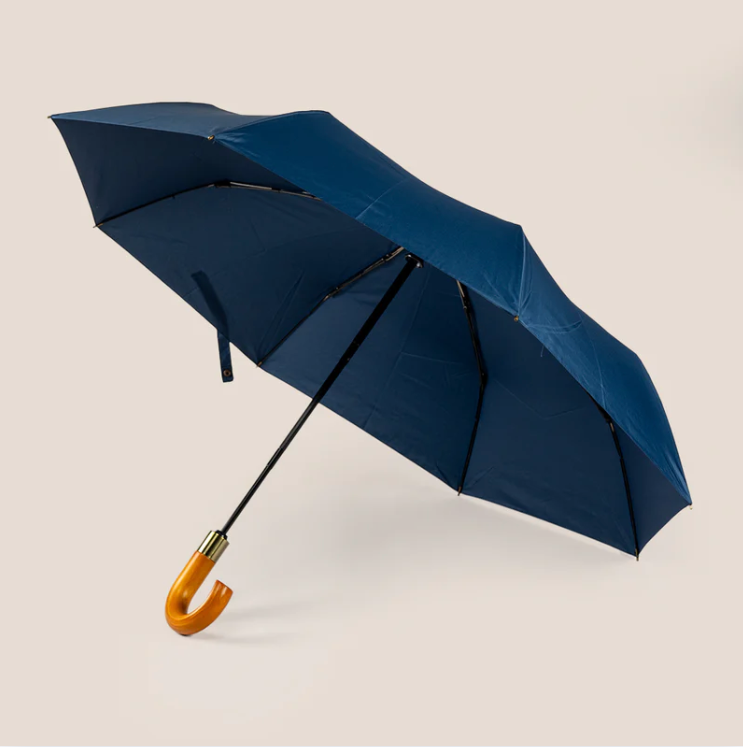
A quality umbrella is an entirely different experience. The frame is the critical factor. Fibreglass or flexible steel ribs make a substantial difference to longevity and performance. A well-made windproof umbrella is constructed to flex rather than break under pressure, with a canopy that snaps back into position rather than turning inside out at the first suggestion of a gust. In Britain, where wind and rain frequently arrive together, a genuine windproof umbrella is not a luxury upgrade but a basic functional requirement.
The handle matters too. A solid wooden or leather-wrapped handle feels completely different from the plastic grip of a cheap model. It sits better in the hand, it holds its condition over years rather than months, and it contributes to the overall impression the umbrella makes when carried. A well-balanced umbrella with a quality handle is a pleasure to carry. A cheap one is just a burden.
Size is worth considering as well. A full-length umbrella, carried under the arm or hooked at the wrist in the traditional manner, makes a stronger visual statement and offers better coverage. A compact folding model fits in a bag and travels more easily. Both have their place, though the full-length version carries more of the cultural authority that the umbrella has built up over three centuries of British use.
The Umbrella and the Broader Picture of How a Man Carries Himself
The umbrella does not exist in isolation. It is one piece of a broader picture that includes everything a man wears and carries on any given day. An excellent umbrella paired with a crumpled coat and broken shoes is a study in contradictions. The point of owning good things is that they work together to create a consistent impression of care and intention.
Think about what a man typically carries into a meeting, onto a train, or into a restaurant on a weekday in Britain. His coat. His bag or briefcase. His phone. His keys. And his wallet. Each of these items is seen, handled, and noticed. A personalised wallet for men, made from quality leather and chosen with the same thought given to the umbrella, completes the picture in a way that a battered supermarket loyalty card holder simply cannot. The details accumulate. They always do.
Investing in the things you use every day is not indulgence. It is a sound approach to the long-term economics of getting dressed. Good things last. They improve with use. They save money over time by not needing constant replacement. And they make the daily business of life, including walking through British rain, a slightly more dignified experience.
Conclusion: Carry the Umbrella and Mean It
Jonas Hanway endured thirty years of public mockery to establish the umbrella as a legitimate part of the British male wardrobe. Subsequent generations refined its meaning until it became one of the most recognisable symbols of composed, capable British masculinity. That history is worth honouring, and the practical argument for carrying a well-made umbrella in Britain is, if anything, even more straightforward than the cultural one.
A quality windproof umbrella, chosen carefully and maintained properly, will serve a British man well for years. It will keep him dry, keep him presentable, and keep him from standing on a pavement in a wet coat regretting his choices. Pair it with the other things worth investing in, good shoes, a considered coat, a personalised wallet for men that reflects the same standard of craftsmanship, and the effect is cumulative. Each good choice reinforces the next.
Brands like Oswin Hyde are built around exactly this philosophy, that the things a man carries and wears every day are worth making properly. The umbrella is underrated only by the men who have never owned a good one. Own a good one, and carry it with the same quiet confidence that Hanway managed all those years ago on the streets of London. The rain has not improved since his time. The argument for being prepared has only got stronger.