















































































































































































































































































































































































































































































































































































































































































































































































































































































































































































































































































































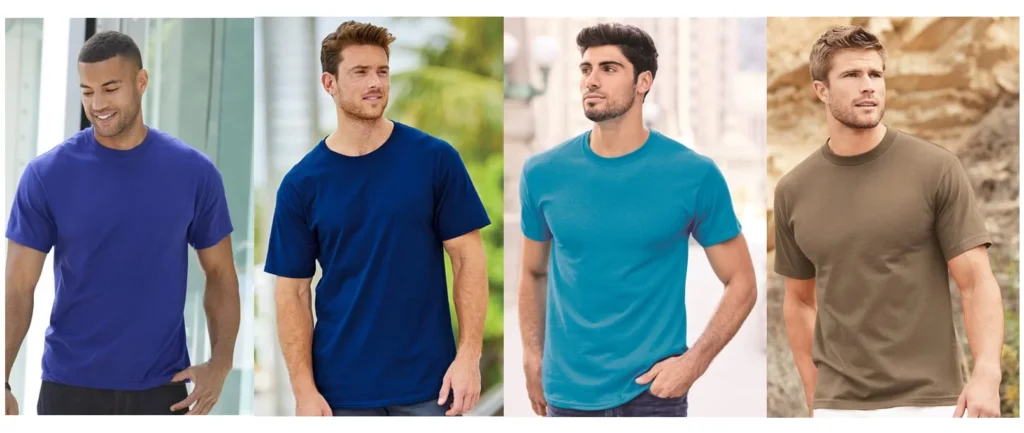





















































































































































































































































































































































































































































































































T-Shirt Manufacturer China: What Buyers Should Know Before Sourcing


Choosing a reliable China t-shirt manufacturer requires more than comparing unit prices. Buyers should verify fabric composition and GSM, minimum order quantities, sampling procedures, production capacity, quality control, and shipping support before placing a bulk order.
For clothing brands sourcing from China, clearly documented specifications are essential. Confirming the fabric, measurements, artwork, labels, packaging, and production schedule before manufacturing helps reduce revisions and maintain consistency across future reorders.
Quick Answer: What Should You Look For in a China-Based T-Shirt Manufacturer?
A reliable China t-shirt manufacturer should provide clear MOQs, documented fabric composition and GSM, physical samples, realistic production timelines, and a defined quality-control process. Buyers should also confirm how printing, embroidery, private labels, packaging, and shipping are managed before placing a bulk order.
Why China Remains a Major Manufacturing Hub for Apparel
China’s established apparel supply chain gives buyers access to a wide range of fabric weights, blends, trims, printing methods, embroidery, washing processes, and packaging options.
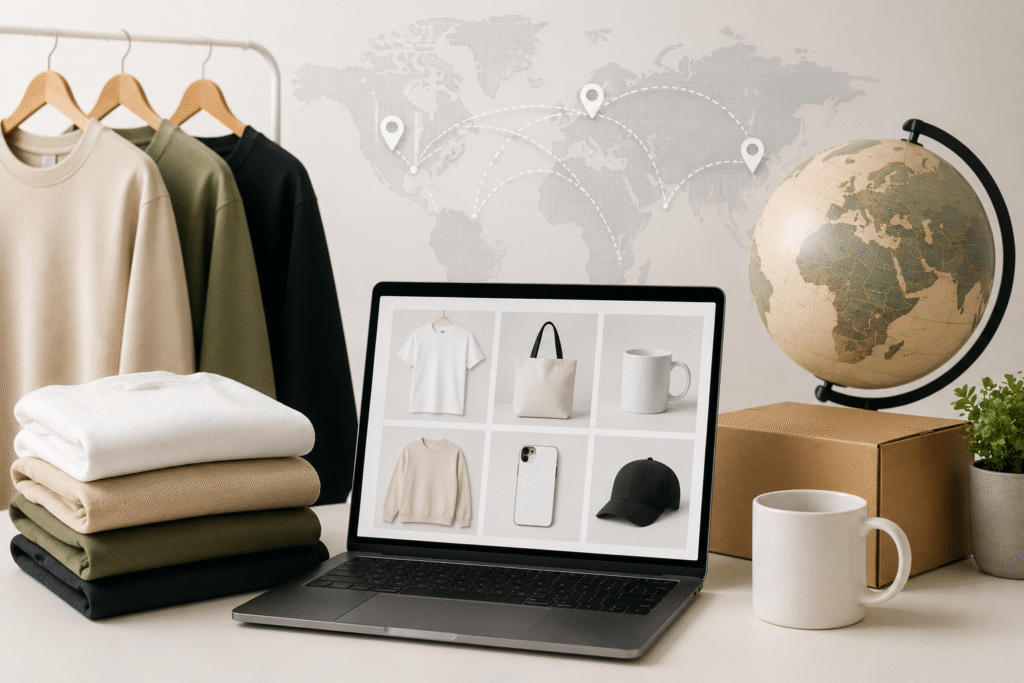
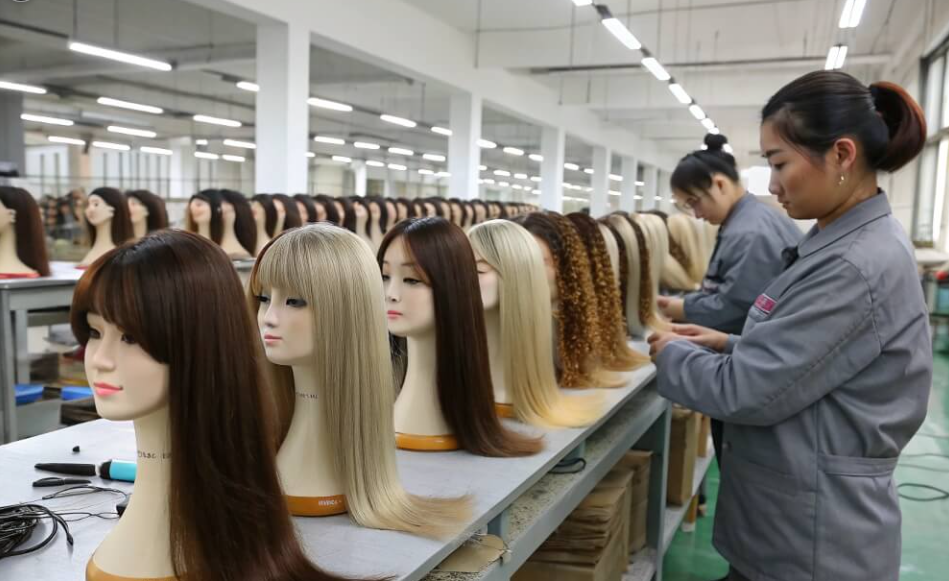
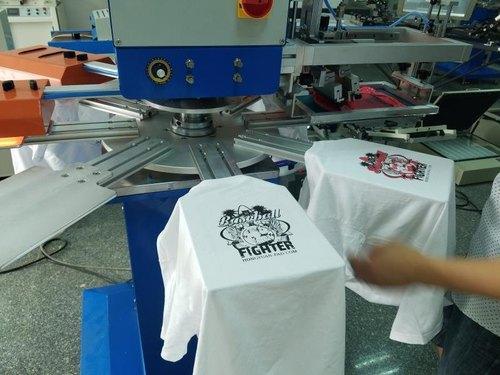
An experienced China t-shirt manufacturer can coordinate garment production and decoration through nearby fabric mills, trim suppliers, printing facilities, and logistics providers. This can shorten sampling time and reduce communication gaps between different stages of production.
That said, scale alone doesn’t guarantee quality. Buyers still need to vet individual factories carefully, since the same region that houses excellent manufacturers also includes plenty of inconsistent ones.
Key Benefits of Sourcing From China
Wide fabric and style variety. Established supply chains mean access to a broad range of cotton weights, blends, and specialty fabrics within a single sourcing relationship.
Competitive pricing at scale. Manufacturing infrastructure built around high-volume production tends to keep per-unit costs lower than smaller, regional factories elsewhere.
Faster sampling and iteration. Proximity between fabric mills, trim suppliers, and printing facilities often shortens the time between design approval and physical sample.
Flexibility across order sizes. Many factories accommodate both smaller test orders and large-scale production runs, which suits brands at different growth stages.
Buying Guide: What to Look For
Not every manufacturer delivers the same reliability. Here’s what actually separates a dependable sourcing relationship from a frustrating one.
| Factor | Why It Matters |
| Factory certifications | Look for recognized quality and compliance certifications relevant to your target market |
| Sample turnaround | A manufacturer willing to produce a sample quickly signals organized production capacity |
| Minimum order quantity | Confirm MOQs align with your actual order volume before committing |
| Communication responsiveness | Slow or unclear communication early on often predicts issues once production starts |
| Fabric sourcing transparency | Ask where raw materials come from and whether specs are documented clearly |
| Shipping and logistics support | Confirm whether the manufacturer handles freight forwarding or expects you to arrange it separately |
| Payment terms | Understand deposit requirements and what protections exist before full payment is released |
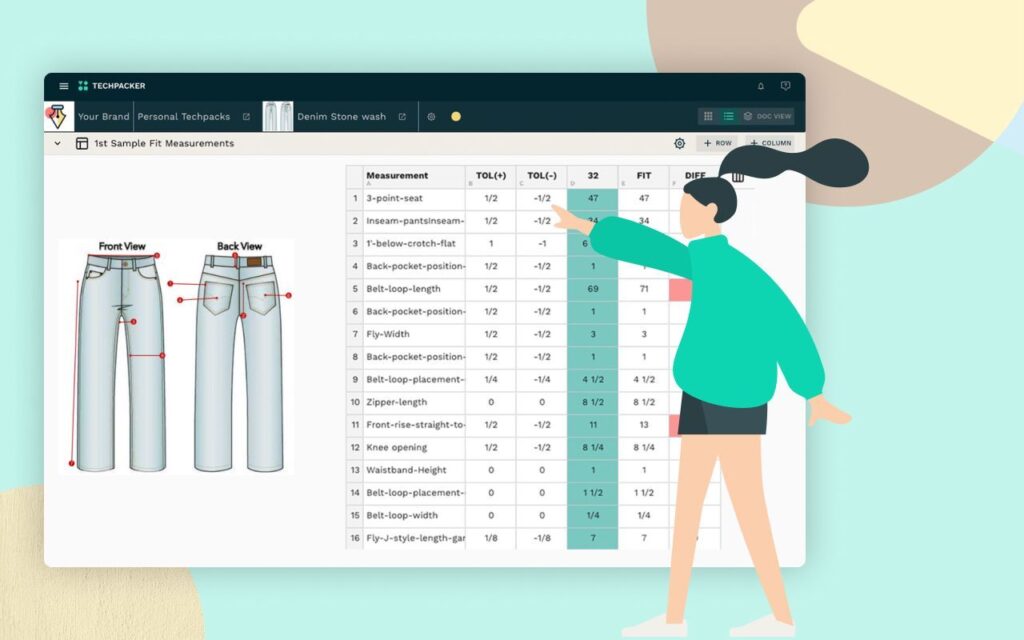
Before requesting a quotation, prepare the total quantity, size and color breakdown, preferred fabric composition and GSM, measurement chart or tech pack, artwork files, decoration positions, private-label requirements, packaging details, and delivery destination. Complete specifications make quotations easier to compare and reduce revisions during sampling.
If you’re sourcing for the first time, working through a sourcing agent or verified marketplace can add a layer of vetting that’s difficult to replicate on your own.
Common Mistakes to Avoid
Skipping the sample stage. Approving a full production run without a physical sample is one of the most common and costly mistakes in overseas sourcing.
Choosing based on price alone. The lowest quote per unit doesn’t always account for defect rates, slow communication, or hidden shipping costs that surface later.
Ignoring factory verification. Not every listing represents an actual manufacturing facility. Some are trading companies reselling factory output at a markup without disclosing it.
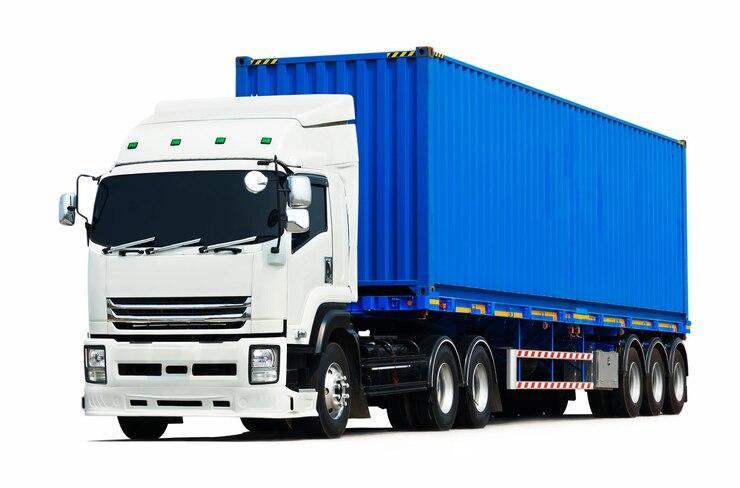
Underestimating shipping timelines. Ocean freight from overseas factories takes significantly longer than domestic shipping, and this needs to factor into launch planning early.
Expert Tips
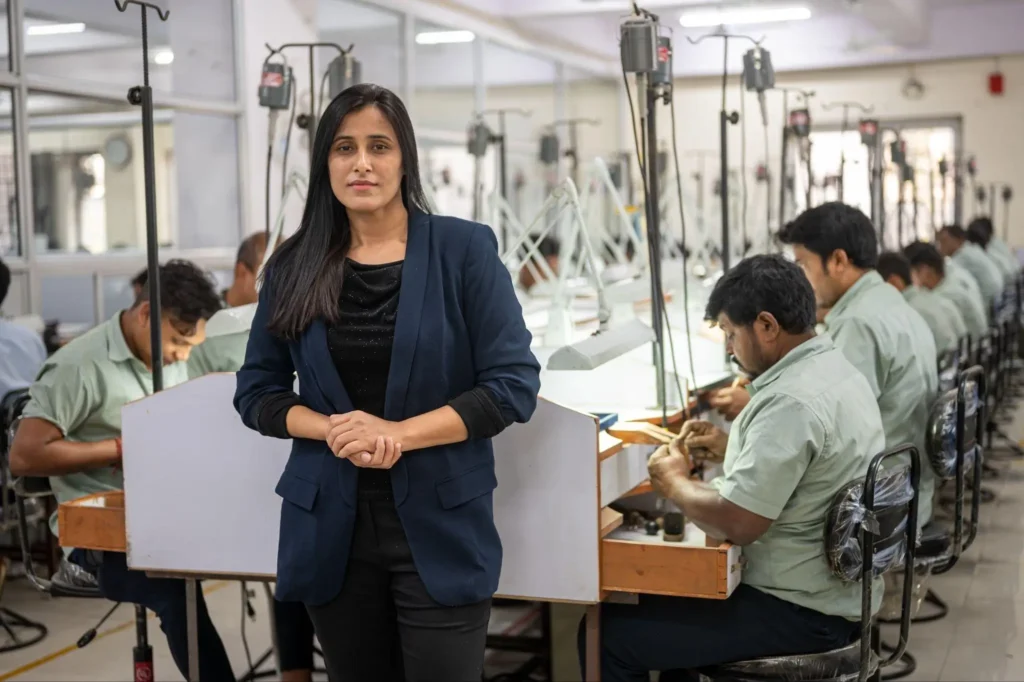
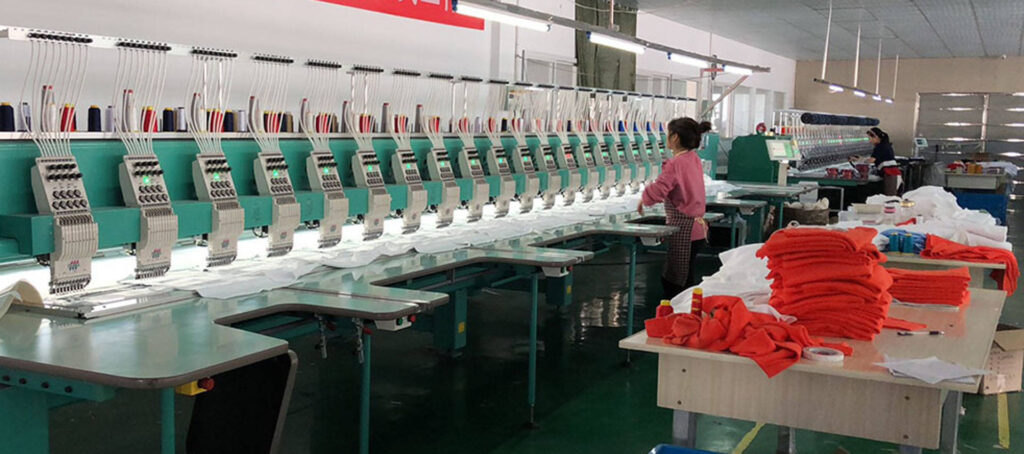
Request video calls or factory photos before placing a first order. A manufacturer willing to show its actual production floor is generally more trustworthy than one relying only on stock imagery.
Ask directly whether you’re working with a factory or a trading company. Both can be legitimate sourcing paths, but pricing and communication dynamics differ between them.
Build a buffer into your timeline for customs clearance and unexpected shipping delays, especially for a first order where the process is still unfamiliar.
Featured Category: Custom T-Shirts
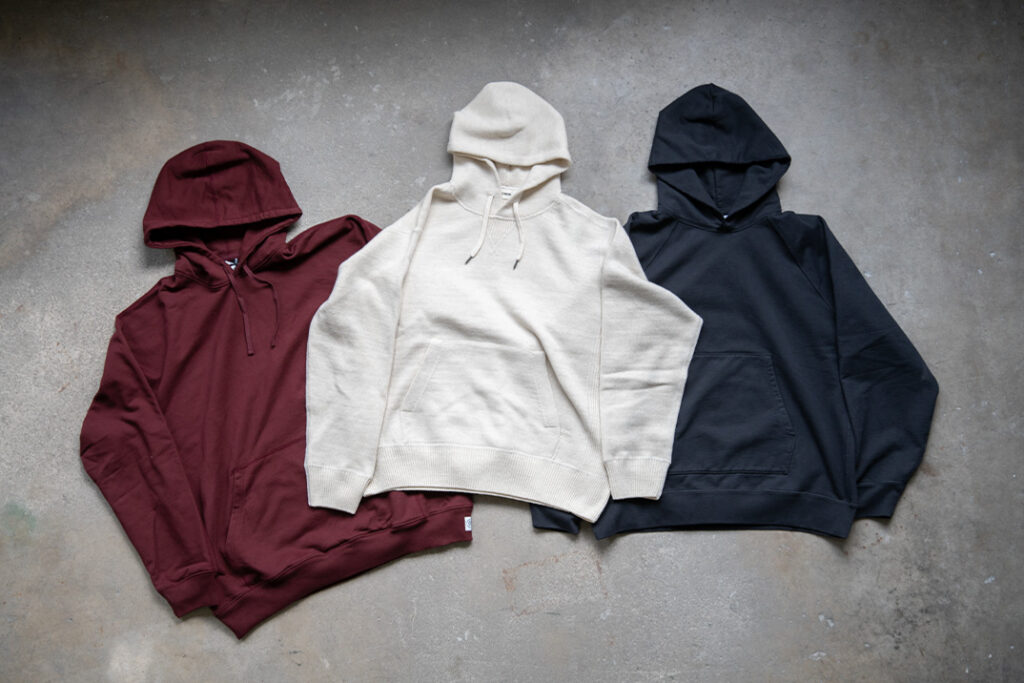
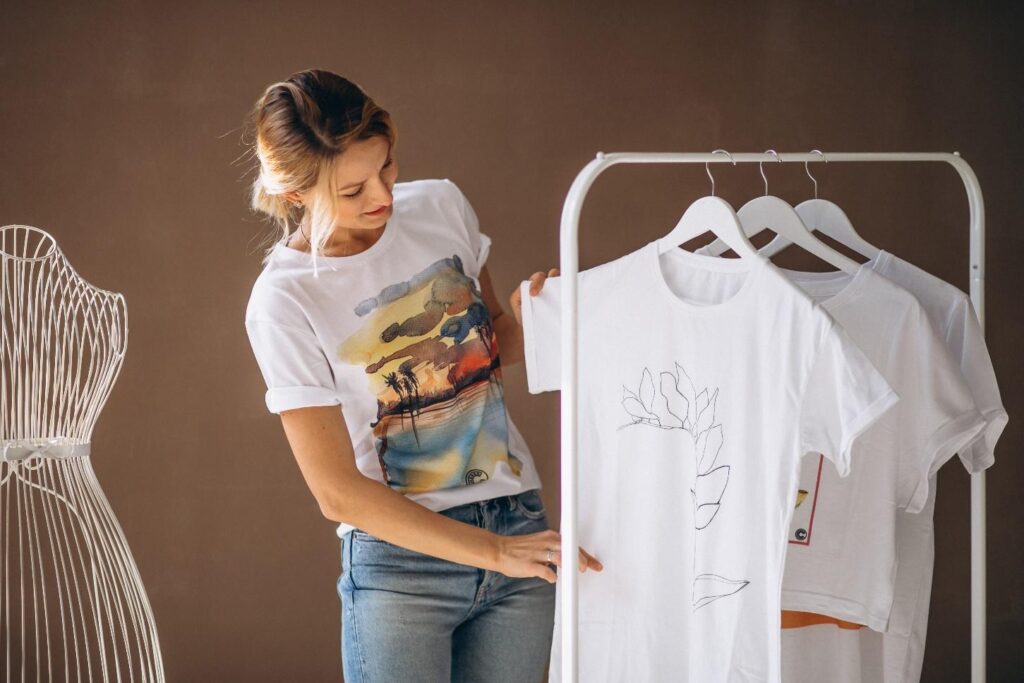
For buyers comparing sourcing options directly, Unit Hundred’s custom t-shirts category reflects the kind of fabric variety and production flexibility associated with an established t‑shirt manufacturer China relationship. The lineup covers a range of fabric weights and printing methods suited to both smaller test orders and larger bulk production runs.
Reviewing this category is a reasonable starting point for buyers trying to match fabric quality and order volume to their sourcing needs.
Why Choose Unit Hundred
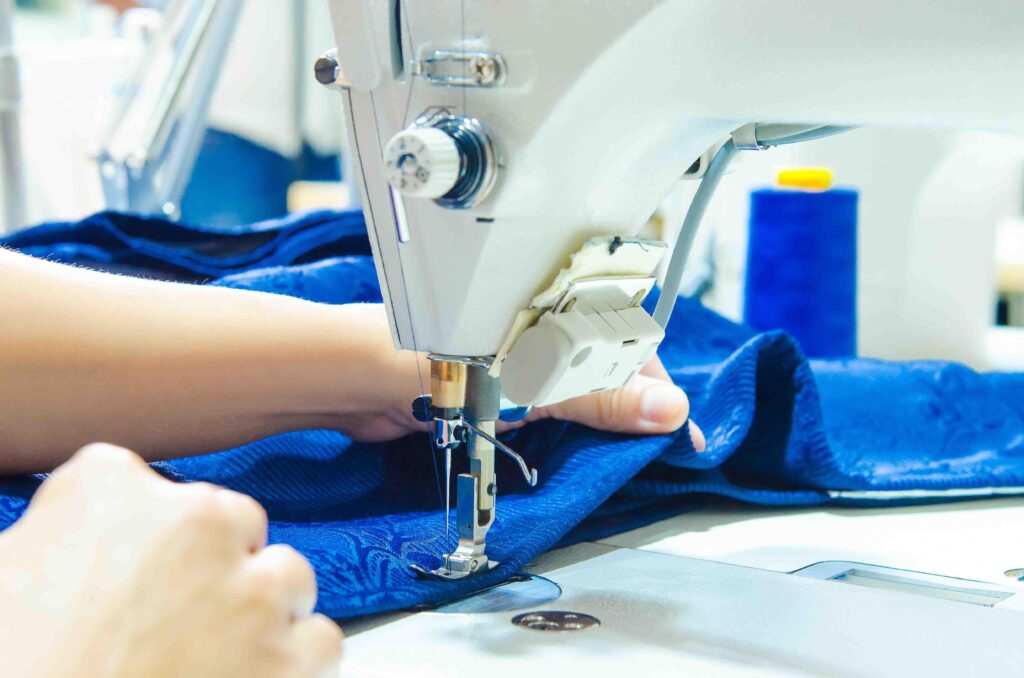
Unit Hundred has been involved in apparel manufacturing since 2001, with production support covering cutting, sewing, screen printing, embroidery, packaging, and quality control. Coordinating these stages through one production workflow helps reduce communication gaps and maintain more consistent results.
Ready-made garments customized with printing or embroidery can generally start from 50 pieces, while fully customized styles typically start from 100 pieces per style. Standard samples usually take 3–7 working days, and bulk production generally takes 7–20 working days after sample approval, depending on fabric availability and customization requirements.
FAQs
How do I verify a legitimate t-shirt manufacturer in China?
Request factory videos, certifications, physical samples, production photos, and information about the manufacturer’s quality-control process.
What’s a typical minimum order quantity when sourcing from China?
Ready-made garments with printing or embroidery can generally start from 50 pieces. Fully customized styles typically start from 100 pieces per style.
How long does shipping typically take from a China-based manufacturer?
Ocean freight generally takes several weeks depending on destination, while air freight is faster but more expensive. Confirm timelines directly with your supplier.
Should I request a sample before placing a bulk order?
Yes. A pre-production sample is one of the most effective ways to catch fabric, sizing, or print issues before committing to a full production run.
What’s the difference between a manufacturer and a trading company?
A manufacturer manages production facilities directly, while a trading company coordinates orders through partner factories. Both can be legitimate, but buyers should confirm who controls sampling, production, and final inspection.
Are payment terms different when sourcing internationally?
Often yes. Many manufacturers require a deposit before production begins, with the balance due before or upon shipment, so confirm terms clearly upfront.
Can I source smaller test orders before committing to bulk production?
Many manufacturers accommodate smaller test runs, though pricing per unit is typically higher than standard wholesale minimums.
How long do sampling and bulk production usually take?
Standard samples usually take 3–7 working days. Bulk production generally takes 7–20 working days after sample approval. Shipping time is calculated separately.
What GSM should I choose for custom t-shirts?
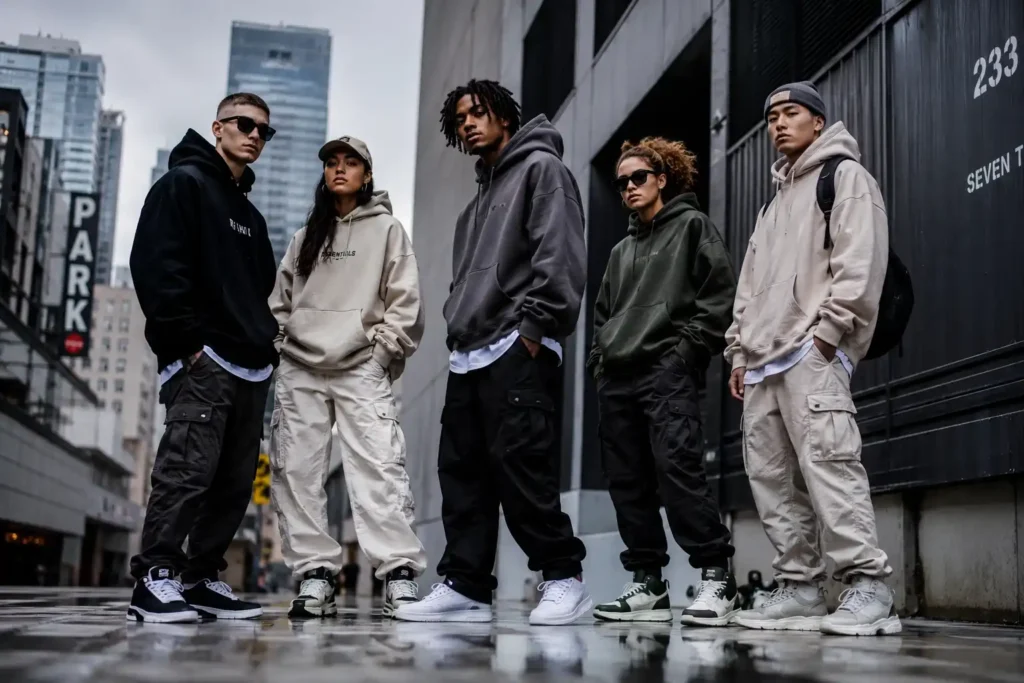
180–220 GSM is commonly used for everyday t-shirts, while 240–300 GSM is more suitable for heavyweight, oversized, or streetwear styles.
Can a China t-shirt manufacturer provide private labels and custom packaging?
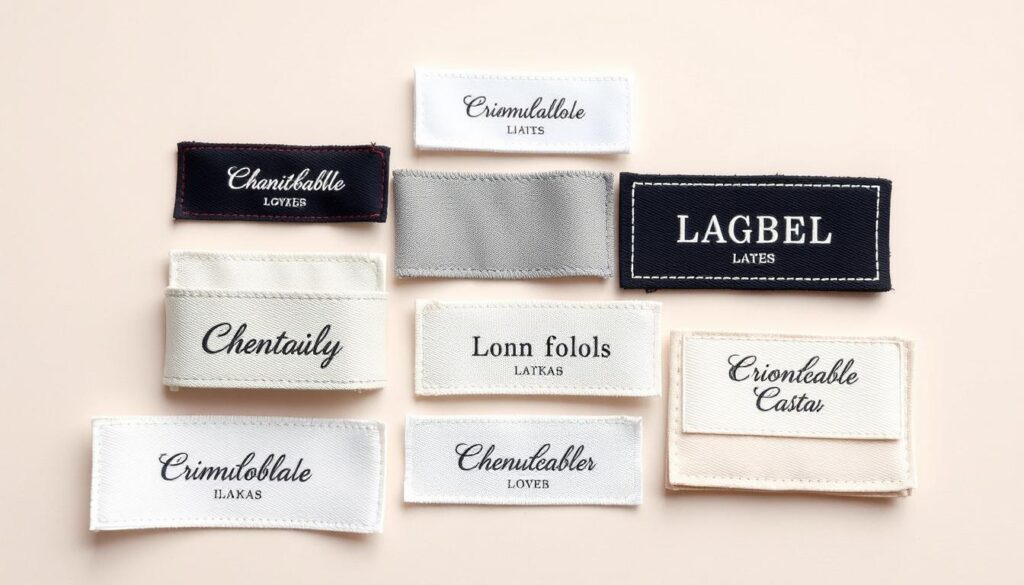
Yes. Orders can include neck labels, care labels, size labels, hangtags, branded polybags, barcode stickers, and custom cartons.
Conclusion
Finding the right t‑shirt manufacturer China
Choosing the right China t-shirt manufacturer depends on verified fabric specifications, reliable sampling, production transparency, and consistent communication. Buyers should evaluate manufacturers based on quality control and repeat-order consistency, not price alone.