










































































































































































































































































































































































































































































































































































































































































































































































































































































































































































































































































































































































































































































































































































































































































































































































































































































































Tennis Bracelets Explained: Diamond Quality, Craftsmanship, and Smart Buying Decisions

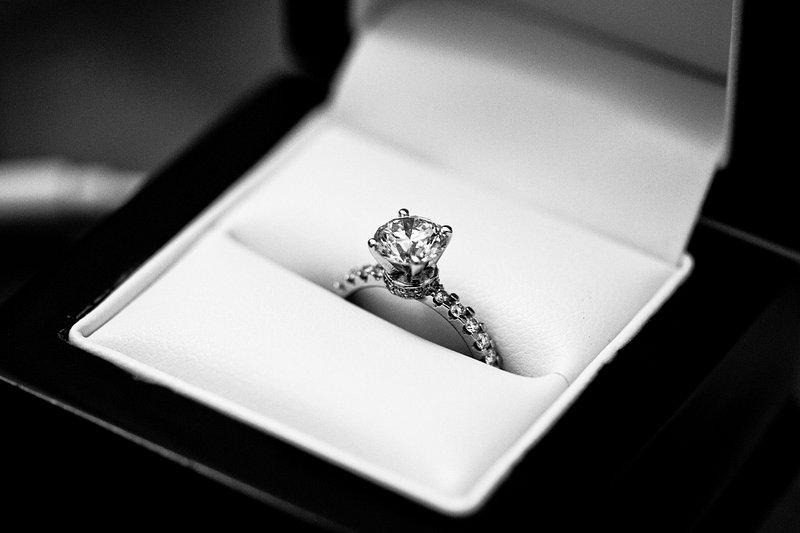
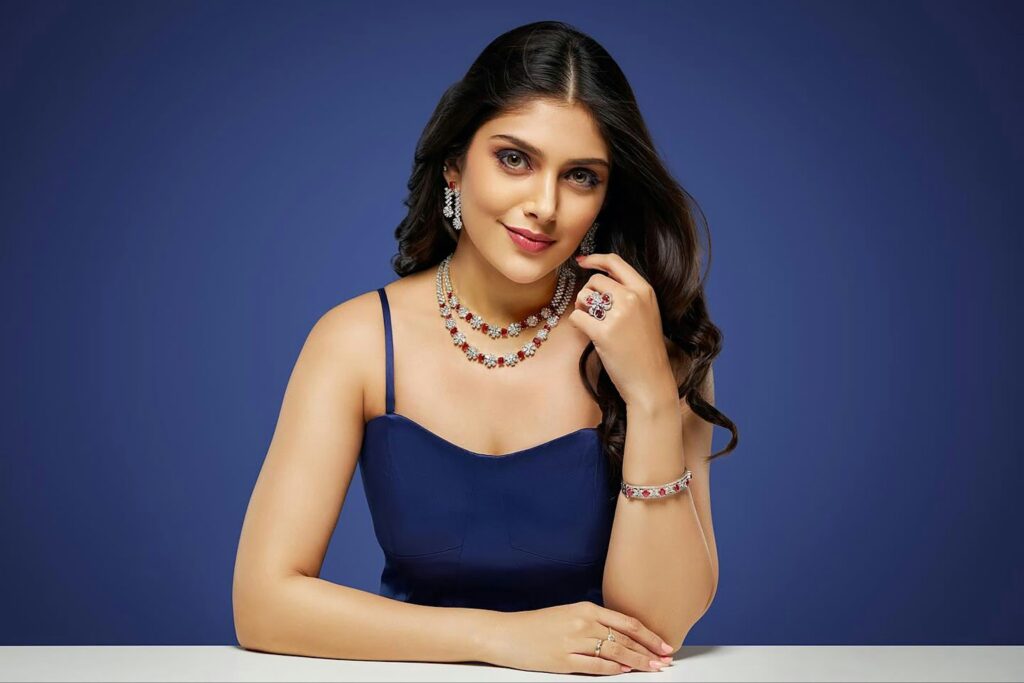
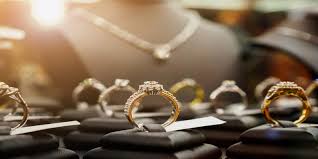
Tennis bracelets are among the most enduring forms of diamond jewelry, valued for their balance of elegance and wearability. Characterized by a continuous line of diamonds set in a flexible band, they offer a refined look that adapts easily to both formal and everyday settings. Despite their delicate appearance, the quality behind a well-made tennis bracelet is rooted in precise craftsmanship and thoughtful diamond selection.
For buyers, understanding what defines a high-quality tennis bracelet goes beyond visual appeal. Each component—from the diamonds themselves to the engineering of the links—plays a role in how the bracelet performs over time. A closer look at these details reveals why informed decisions are essential when selecting a piece intended for regular wear.
The Structure and Function of a Tennis Bracelet
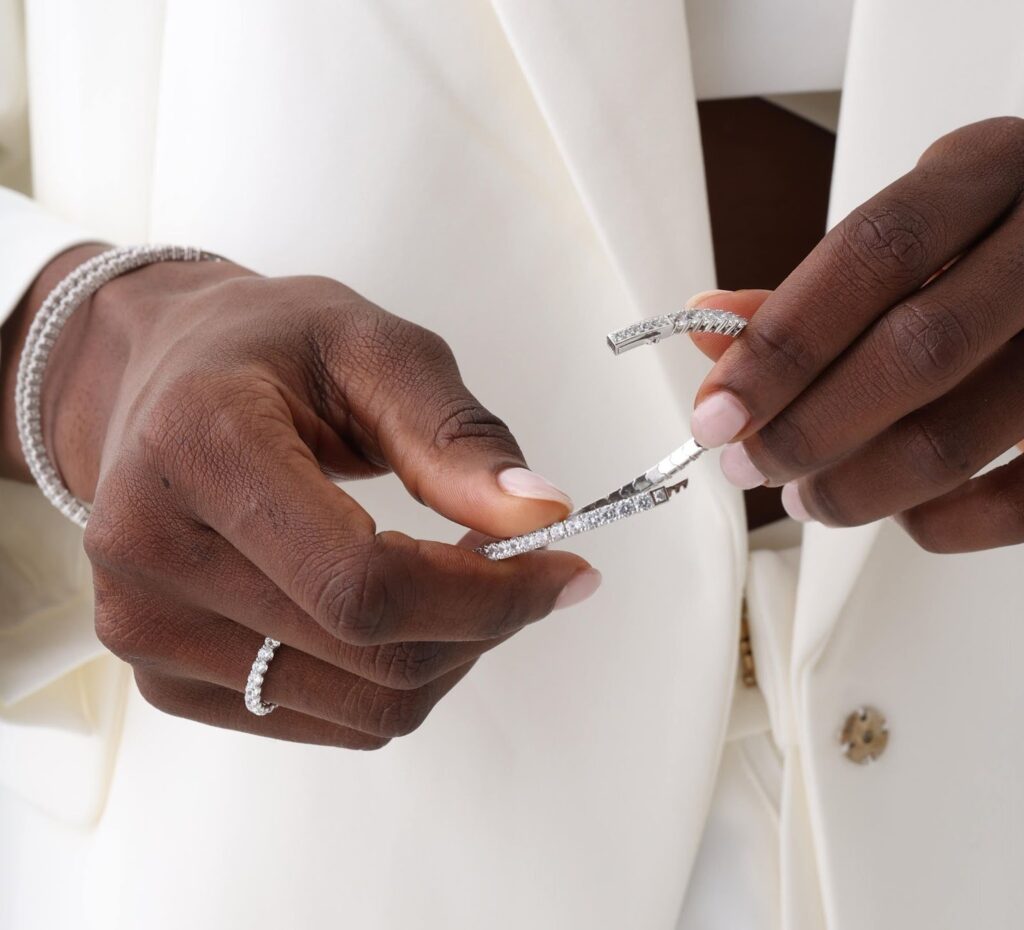
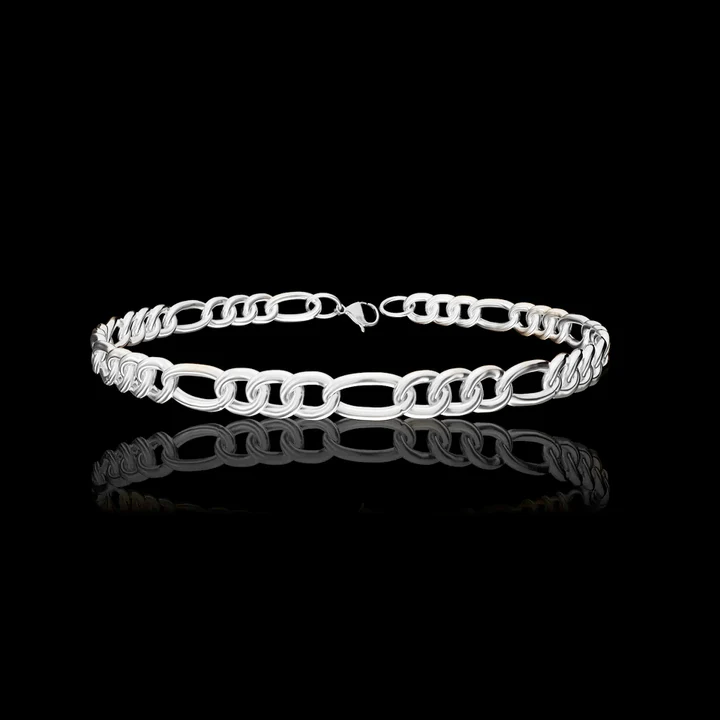
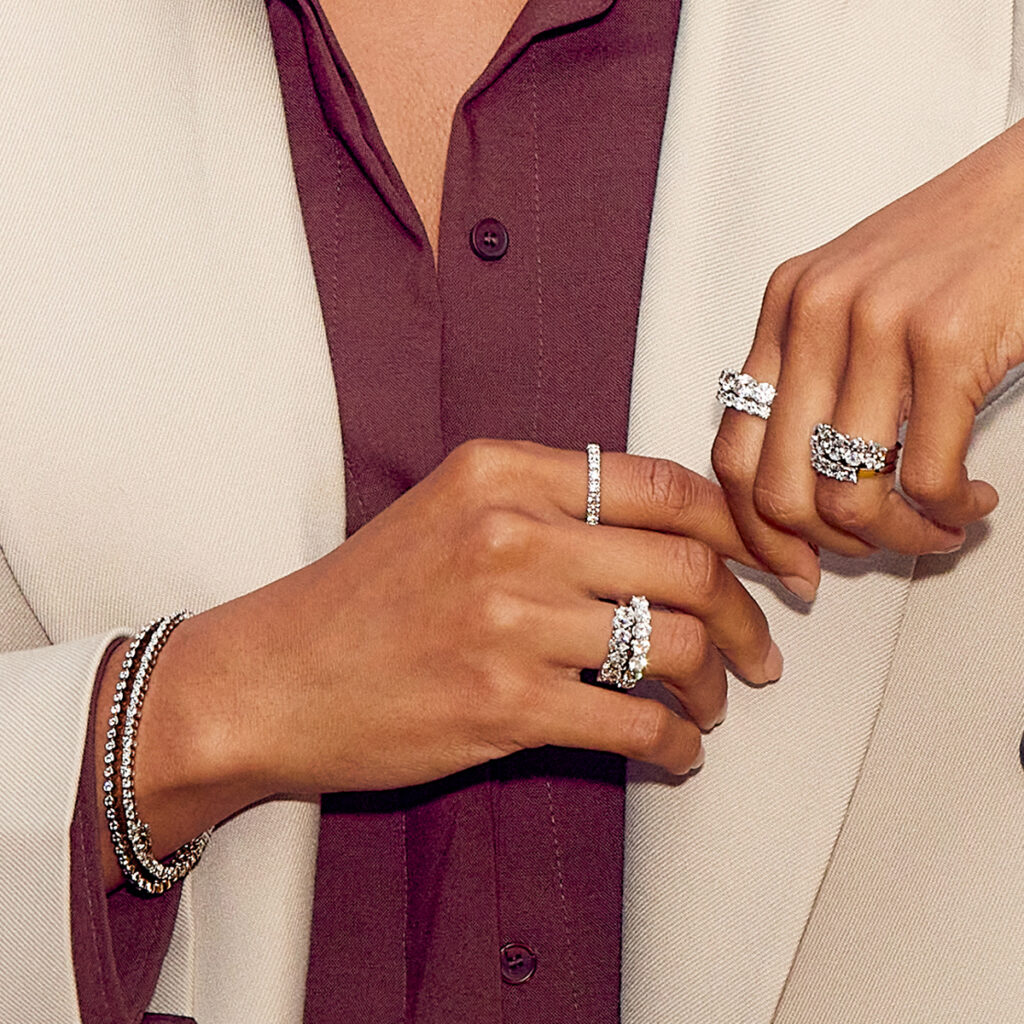
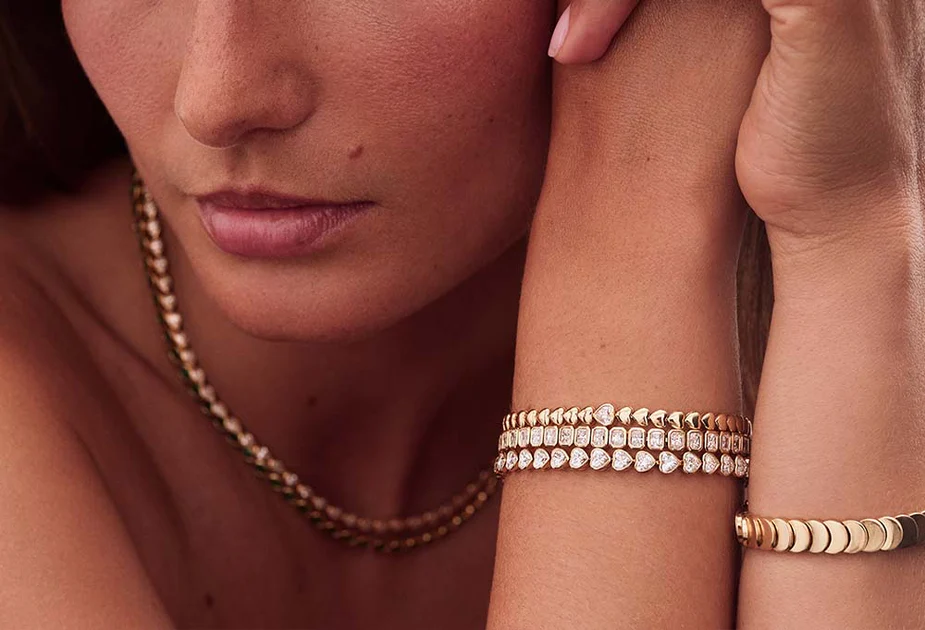
A tennis bracelet is constructed from a series of individually set diamonds connected by small, flexible links. This design allows the bracelet to move naturally with the wrist, creating a fluid and comfortable fit. The uniform arrangement of diamonds is central to its aesthetic, requiring careful matching in size, shape, and quality.
Flexibility must be balanced with strength. Each link is engineered to provide movement without compromising durability, ensuring that the bracelet maintains its integrity over time. This combination of comfort and resilience is what distinguishes well-crafted pieces from those produced with less attention to detail.
Clasp Design and Security
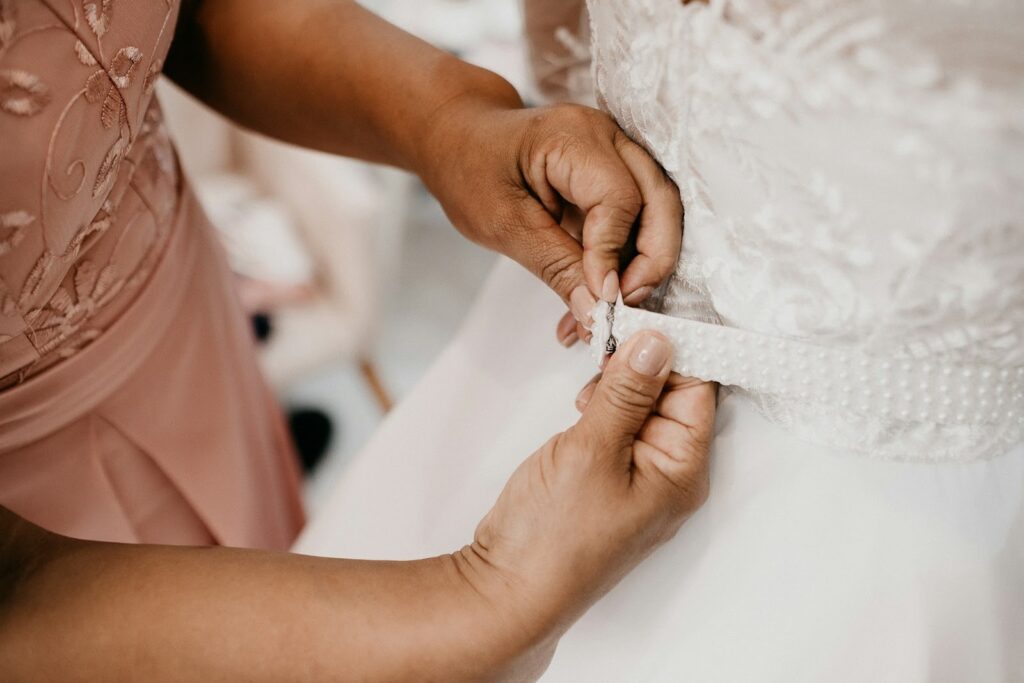
The clasp is one of the most important yet often overlooked elements of a tennis bracelet. A secure clasp prevents accidental loss while maintaining ease of use. Many high-quality bracelets incorporate safety latches or double-lock mechanisms, adding an extra layer of protection.
A well-designed clasp should feel sturdy without being difficult to operate. Its integration into the overall design also contributes to the bracelet’s seamless appearance, allowing the line of diamonds to remain uninterrupted.
Diamond Selection in Multi-Stone Jewelry
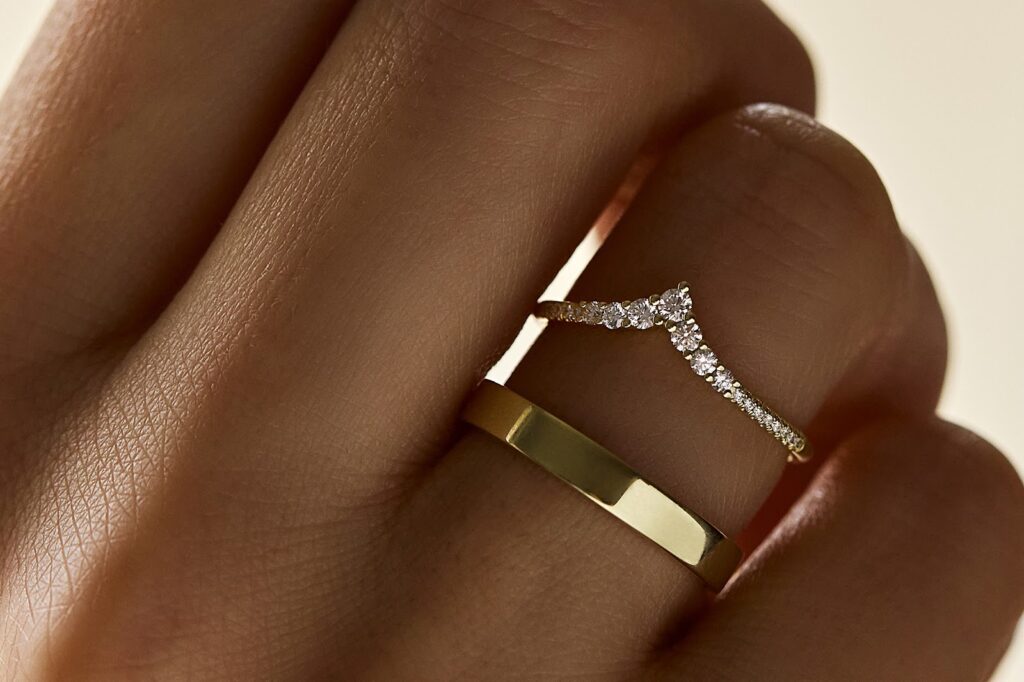
Unlike solitaire pieces, tennis bracelets rely on the collective appearance of multiple diamonds. This shifts the focus from individual perfection to overall consistency. Each stone must align closely in cut, color, and clarity to create a cohesive visual effect.
Cut quality is particularly important, as it determines how light is reflected across the bracelet. Even small variations can disrupt the uniform sparkle, making precise cutting essential. Color and clarity are typically chosen within a narrow range to ensure that no single diamond stands out or appears mismatched.
Total carat weight (TCW) is often used to describe the bracelet’s size and presence. While this figure provides a general sense of scale, it should be considered alongside the quality of the diamonds and the craftsmanship of the setting.
Metal Choices and Their Influence
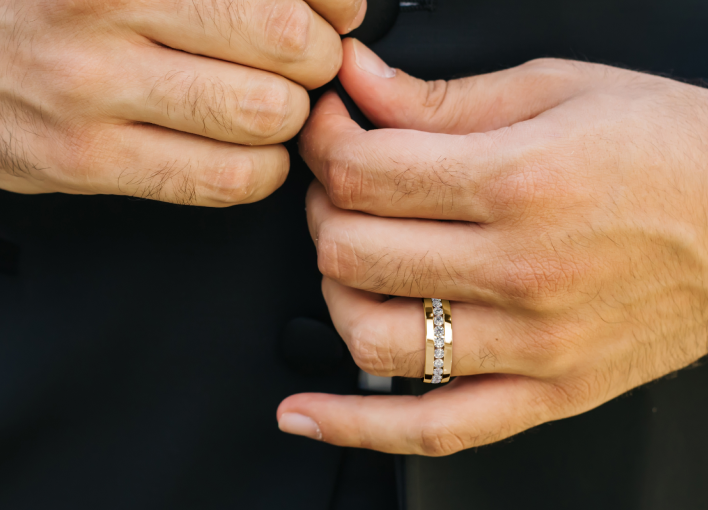
The metal used in a tennis bracelet affects both its durability and visual character. White gold and platinum are popular for their ability to enhance diamond brilliance, offering a neutral backdrop that emphasizes sparkle. Yellow gold introduces warmth, creating a softer contrast that appeals to traditional preferences.
Platinum is known for its strength and resistance to wear, making it a practical option for pieces intended for frequent use. White gold, while slightly lighter and more affordable, requires periodic maintenance to preserve its finish. The choice of metal should align with both aesthetic goals and lifestyle considerations.
Craftsmanship as a Defining Factor
The quality of a tennis bracelet is often revealed in its craftsmanship. Precision in setting ensures that each diamond is securely held while remaining properly aligned. Smooth link connections allow the bracelet to drape naturally, enhancing both comfort and appearance.
Subtle details, such as the symmetry of the settings and the polish of the metal, reflect the level of expertise involved in its creation. Established jewelers, including those known for their attention to fine jewelry standards, often emphasize these elements as part of their design philosophy.
For buyers seeking a deeper understanding of construction techniques and selection criteria, reviewing a detailed tennis bracelet buying guide can provide valuable insight into how different features contribute to overall quality.
Authenticity and Diamond Verification
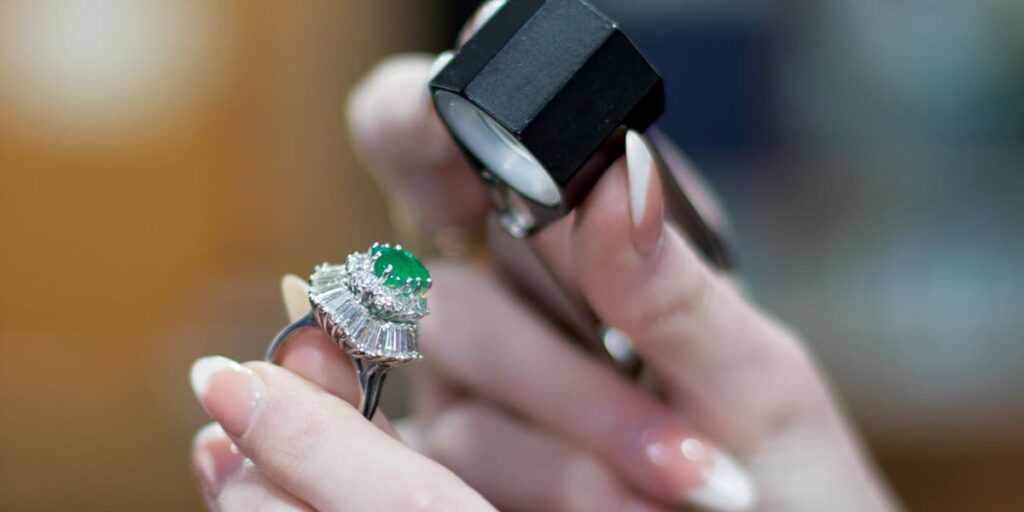
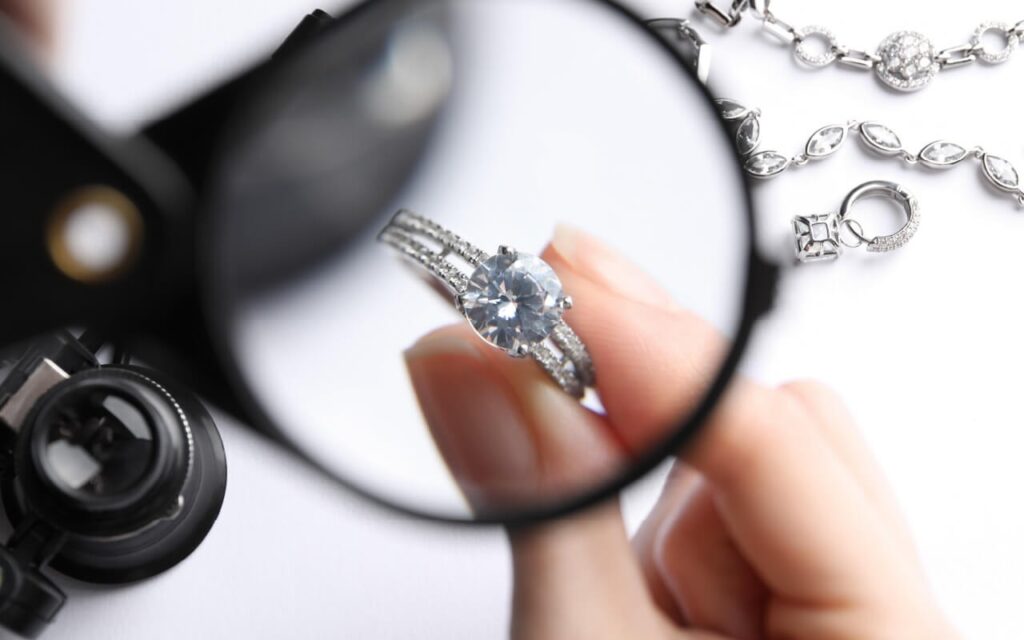
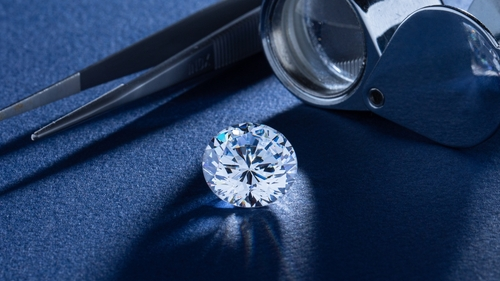
Ensuring the authenticity of diamonds is a critical step in the purchasing process. Certification from recognized gemological laboratories provides information about a diamond’s characteristics, including its cut, color, clarity, and carat weight. This documentation offers transparency and helps buyers make informed comparisons.
Understanding how professionals verify diamonds can further enhance confidence. Resources such as this explanation of diamond verification methods outline the tools and techniques used to assess authenticity and quality.
The Broader Perspective of Diamond Expertise
Developing an appreciation for fine jewelry often involves exploring the broader context of diamond knowledge. From grading standards to market dynamics, a deeper understanding allows buyers to recognize value beyond surface appearance. Educational resources, including this overview of becoming a diamond connoisseur, provide insight into how expertise is cultivated within the industry.
This perspective encourages a more thoughtful approach to purchasing, where decisions are guided by both technical understanding and personal preference.
Wearability and Everyday Use
Tennis bracelets are designed to be worn regularly, making comfort and durability essential considerations. A well-fitted bracelet should rest securely on the wrist without feeling restrictive. The flexibility of the links allows for natural movement, reducing strain on individual components.
Regular maintenance, including cleaning and periodic inspections, helps preserve the bracelet’s appearance and structural integrity. These practices ensure that the piece remains both beautiful and functional over time.
A Balanced Approach to Selection
Choosing a tennis bracelet involves more than selecting a visually appealing design. It requires an understanding of how diamonds, metal, and craftsmanship interact to create a cohesive piece. By considering these elements together, buyers can identify bracelets that offer both aesthetic appeal and lasting value.
The process becomes less about navigating countless options and more about recognizing quality where it matters most. With the right knowledge, a tennis bracelet can serve as a lasting example of refined design and careful craftsmanship.
Enduring Elegance Through Expertise
Tennis bracelets continue to hold their place in fine jewelry because of their simplicity and precision. Each diamond contributes to a unified expression of light, supported by thoughtful engineering and skilled craftsmanship. For those who take the time to understand these details, the result is a piece that reflects both personal style and enduring quality.
By approaching the selection process with clarity and insight, buyers can appreciate not only the beauty of a tennis bracelet but also the expertise that brings it to life.