


































































































































































































































































































































































































































































































































































































































































































































































































































































































































































































































































































































































































































































































































































































































































































































































































































































































































































































































































































































































































































































































































































































Cannabis Safety Education: Understanding Tolerance and Limits


Cannabis use is everywhere now. Stores pop up in cities, and folks talk about it openly. But with this boom comes a real need to learn the basics of safety. You might wonder about building tolerance, how to set your own limits, and that big question: can you die from weed? This guide digs into those topics. It goes past basic tips to cover how your body reacts and ways to cut risks. Whether you’re new to cannabis or have used it for years, these facts help you make smart choices.
Defining Cannabis Tolerance: Why Consistency Matters
Tolerance to cannabis grows when you use it often. Your body gets used to the effects, so you need more to feel the same buzz. This happens fast for some people. Understanding it keeps your sessions enjoyable and safe.
The Science Behind Tolerance Development
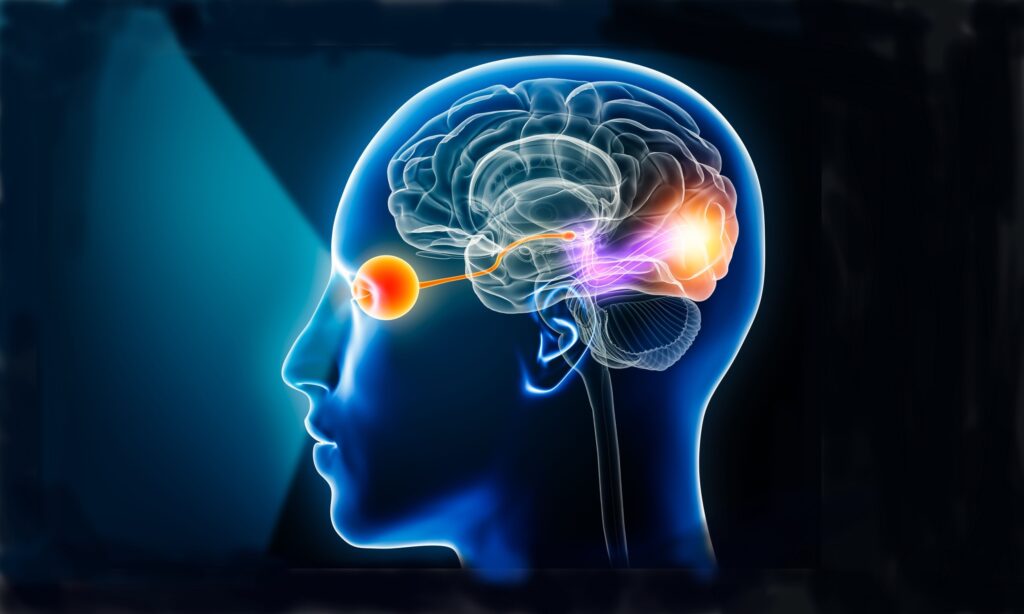
Your body has cannabinoid receptors, called CB1 and CB2. They sit in your brain and other spots. THC, the main active part in weed, binds to these. When you use cannabis a lot, these receptors slow down. They get less sensitive. So, you chase the high with bigger doses.
This is physical dependence, not full addiction. Dependence means your body adapts to the substance. Addiction involves craving and hard-to-control use. Tolerance fits into dependence. It can lead to higher risks if you push too far. Studies show this process starts after just a few days of regular use.
Factors Influencing Individual Tolerance Levels
Many things affect how fast tolerance builds. Your weight plays a role; heavier folks might process THC slower. Metabolism speed matters too. If you burn energy quick, effects fade faster.
Past use counts. If you’ve smoked high-potency strains often, your tolerance climbs. Potency means the THC strength. Your endocannabinoid system varies by person. Some have more natural cannabinoids, so they handle weed better.
Tolerance breaks, or T-breaks, help reset this. Stop using for a week or more. Sensitivity returns. One study found a 48-hour break cuts tolerance by half for light users. Longer breaks work even better. Try it if effects feel weak.
Recognizing Signs of Developing High Tolerance
Watch for clues your tolerance rises. You grab stronger products, like concentrates over flower. Effects last shorter than before. Maybe you smoke more to relax, but it barely touches anxiety.
Other signs include using daily without planning. Or you feel off without cannabis. Track your habits to spot this. Note dosage, time, and product type in a journal. Apps make this easy.
- Dose today: 10mg THC edible.
- Felt mild after 30 minutes.
- Usually, it hits harder.
This log shows changes. Adjust early to avoid trouble.
Setting Personal Limits: Dosage, Potency, and Consumption Methods
Limits keep cannabis fun, not overwhelming. Know your dose and method. Potency tricks new users. Start small to find what works for you.
Understanding Potency Metrics: THC vs. CBD Ratios
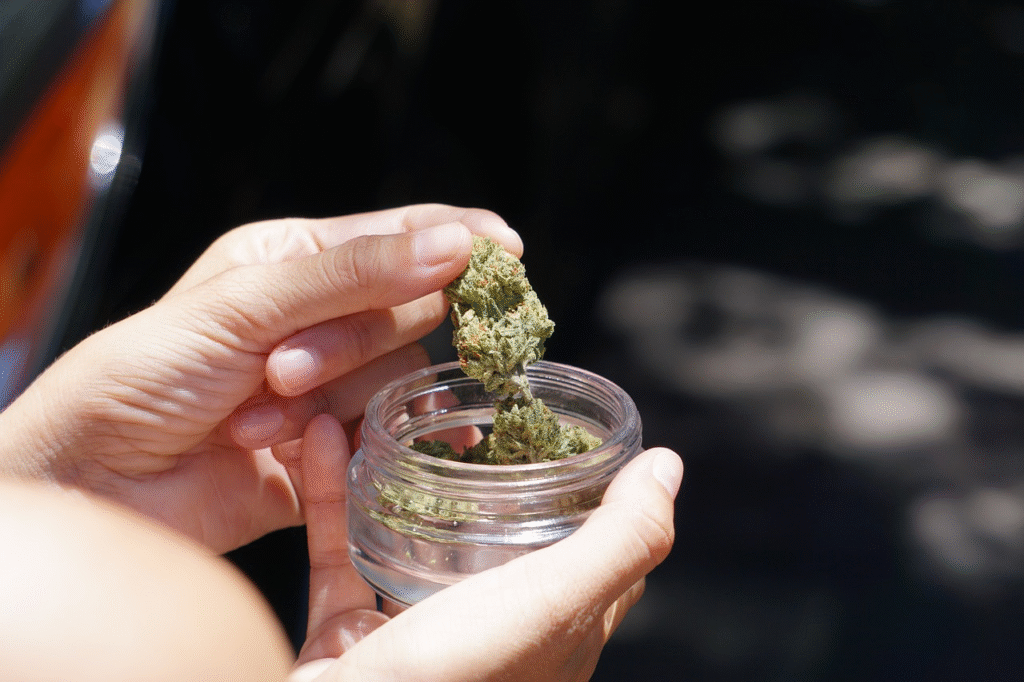
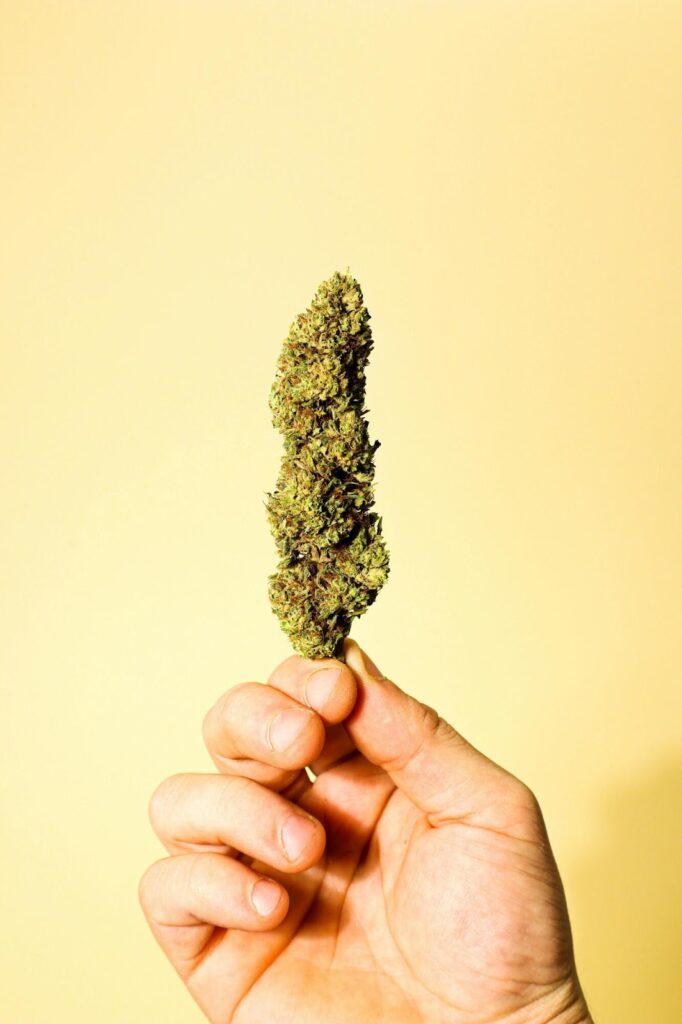
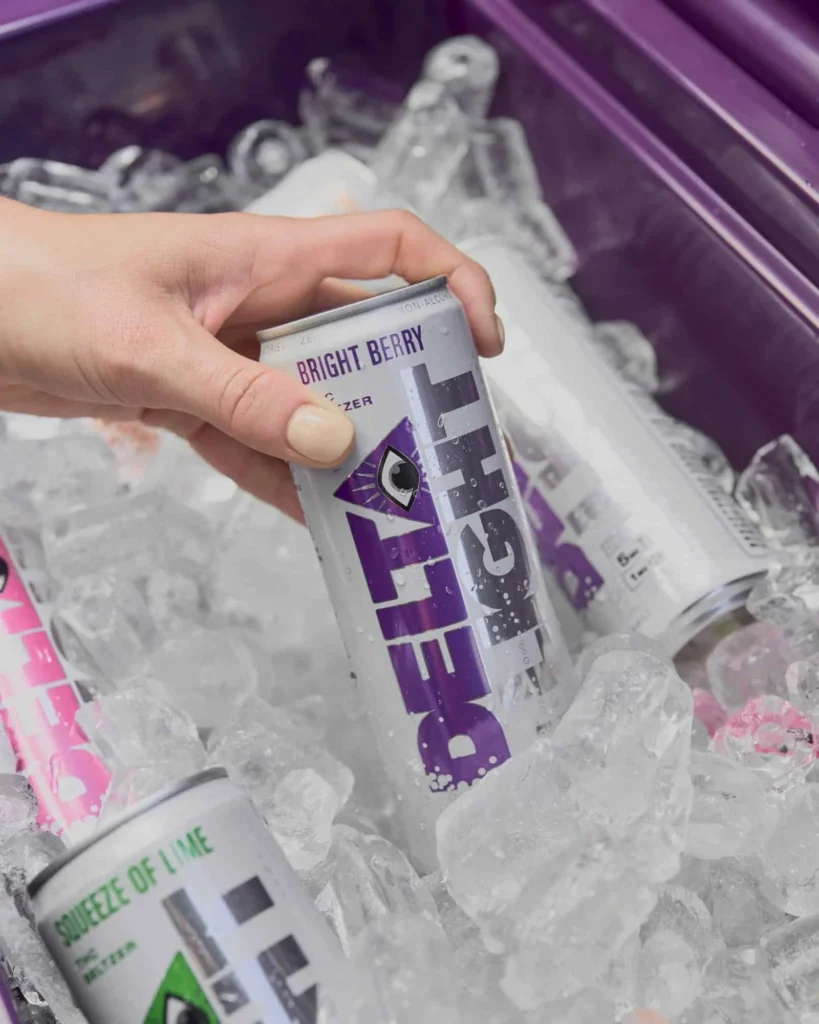
THC is the stuff that gets you high. Labels show it as a percentage in flower or oils. A 20% THC strain means 20mg per gram. Edibles list mg per serving, like 5mg THC gummy.
CBD balances THC. High CBD lowers the intense high. Ratios matter; a 1:1 mix calms more. Novices stick to low THC, under 10%. Read labels on store-bought stuff. Regulated products list exact amounts. This avoids surprises.
High THC hits hard for beginners. It can cause fast heartbeats or worry. Check ratios to match your needs.
The First-Pass Effect: Ingestion vs. Inhalation Kinetics
Smoking or vaping works quick. Effects start in minutes. Peak hits in 10-30 minutes. It lasts 1-3 hours.
Edibles go through your liver first. That’s the first-pass effect. Onset takes 30-90 minutes. Peak comes at 2-3 hours. Duration stretches to 4-8 hours. This delay tempts stacking doses.
Picture this: You eat a brownie at a party. Nothing after 20 minutes, so you eat another. Boom—double effects hit late. Users often overdo it this way. Wait full time before more. Inhalation suits quick relief; edibles for long sessions.
Acute Risks: When Use Exceeds Limits
Push past limits, and things get rough. Acute risks mean short-term issues from too much. Most pass, but they scare. Learn to spot and handle them.
Identifying and Managing Acute Cannabis Intoxication
Overdoing it causes intoxication. You feel anxious or paranoid. Dry mouth worsens. Heart races. Some get temporary confusion, like mild psychosis.
This is “greening out.” Stop use right away. Sit in a quiet spot. Breathe deep. Drink water. Symptoms fade in hours.
Unlike alcohol, no blackouts common. But panic feels real. Tell a friend if it hits. They help ground you.
The Role of Setting and Set (Psychological Safety
Your mindset, or set, shapes the trip. Stressed? Weed amps worry. Relaxed? It soothes.
Setting means place. Crowded party? Bad vibes grow. Cozy home? Better flow. High-potency weed boosts this.
Experts link anxiety disorders to bad sets. A study in the Journal of Anxiety Disorders notes context doubles risks. Pick calm times and spots. It cuts negative reactions.
Drug Interactions and Contraindications
Cannabis mixes bad with some meds. Blood thinners like warfarin clash; THC slows clotting. Sedatives add drowsiness.
Alcohol worsens impairment. Talk to your doctor first. They know your health history.
Pregnant? Skip it. Heart issues? Extra caution. Interactions raise risks, so check labels and ask pros.
The Lethality Question: Can You Die From Weed?
The big fear: death from weed. Let’s clear it up. Direct overdose kills? Almost never. But other dangers lurk. Facts ease minds.
Analyzing LD50 Data and Human Overdose Thresholds
LD50 means dose killing 50% in tests. For THC, it’s high—1,500mg per kg in rats. A 150-pound human would need 40,000mg. That’s a room full of weed.
Humans can’t smoke or eat that much. Therapeutic index is wide; safe doses far below deadly. No recorded THC-only deaths.
Compare to opioids; their LD50 is closer to use levels. Weed’s margin keeps it safe.
Real Causes of Death Associated with Cannabis Use
Deaths tie to side risks, not poison. Impaired driving causes crashes. Like drunk driving, but with weed.
Vulnerable folks face heart attacks. High doses stress the system. Kids or pets eat edibles by mistake. They get sick fast.
One case: A teen drove after vaping, hit a tree. Coroner ruled accident, not overdose. Another: Elderly man with heart disease panicked, had a stroke. These show indirect paths. Store edibles locked.
Differentiating Psychological Distress from Physical Death
Extreme highs bring distress. Paranoia leads to rash acts, like jumping from fear. But THC doesn’t stop breathing like pills.
No organ failure from pure weed. Clinical reports show zero such cases. Distress passes; seek help if suicidal thoughts hit.
Focus on mental safety. It prevents worst outcomes.
Harm Reduction Strategies for Safer Consumption
Cut harms with smart steps. These tips build safe habits. They fit any user level.
Recognizing and Responding to Impairment
Spot impairment: Slurred words, red eyes, slow moves. Help the person chill. Offer water, snacks.
Breathe with them: In for four, out for four. Move to safe space.
Call 911 for chest pain or long confusion. Better safe than sorry.
- Stay calm.
- Hydrate.
- Monitor symptoms.
The Importance of Legal Compliance and Product Purity
Black-market weed hides dangers. Pesticides, metals, fake adds. Legal spots test products.
Look for lab stamps. They show clean THC levels. In 2026, most states require this.
Legal buys cut risks. Purity means no surprises.
Conclusion: Informed Choice Through Education
Cannabis safety starts with knowledge. Tolerance builds quick, so track it. Set limits with low doses and wait times. Direct death from weed overdose? Negligible—LD50 way out of reach. But ignore limits, and acute effects or accidents bite.Education empowers you. Stay safe, enjoy wisely. Share this info help others too.