

























































































































































































































































































































































































































































































































































































































































































































































































































































































































































































































































































































































































































































































































































































































































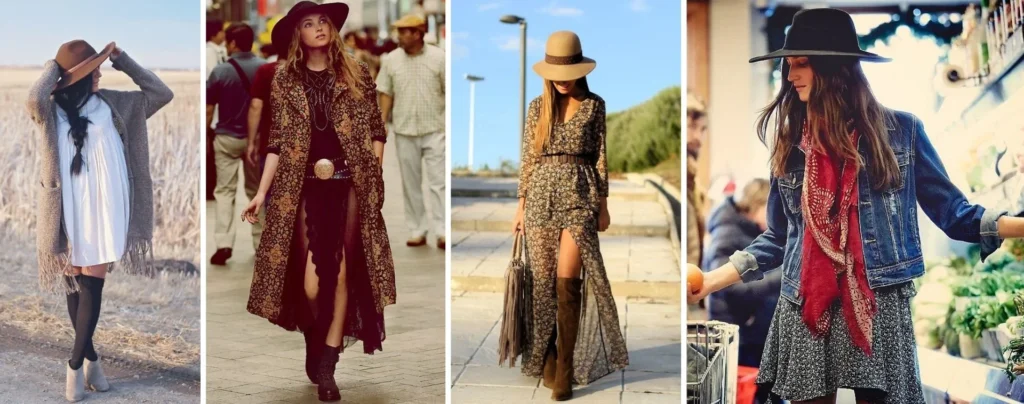












































































































































































































































































































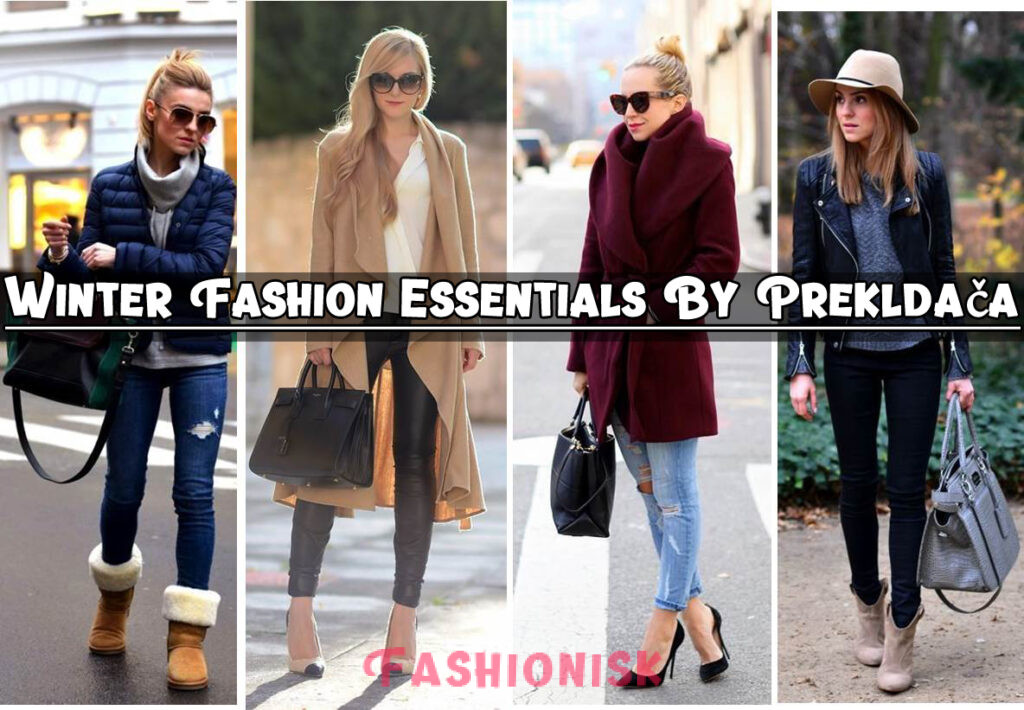




















































































































How to Layer for Winter Without Losing Your Style: A Women’s Jacket and Coat Guide


You know the feeling. You leave the house, and you look fairly well put together; then you look in a shop window 3 hours later, and you see a walking laundry pile. The way between the front door and the market, the outfit lost its “chosen” appearance.
It’s due to the fact that winter dressing here is a moving target. Mornings are properly cold and foggy. By afternoon the sun is out and you are carrying half your clothes. Then you go inside a room with tiled floors and no heat, and there it’s even colder than outside. You are not dressing for one temperature. You’re dressed for four, and the majority of the dressing for layers only considers the first.
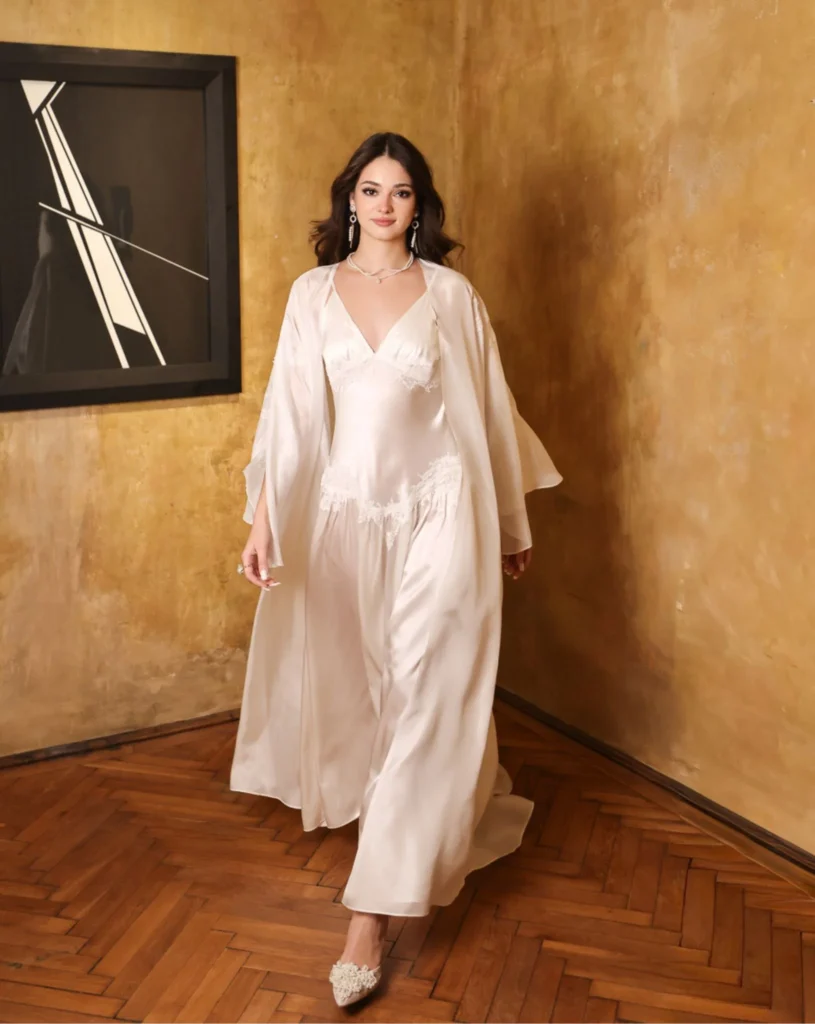
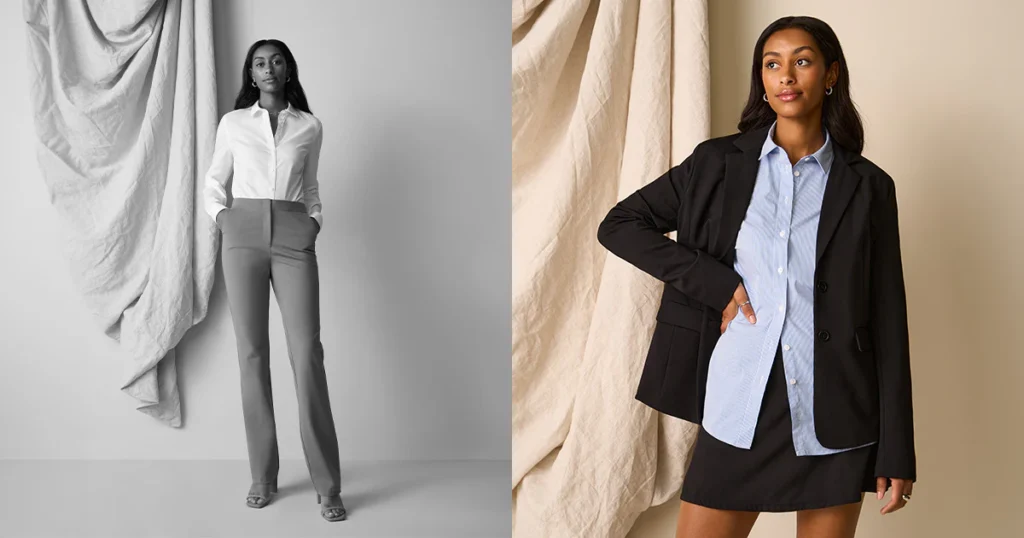
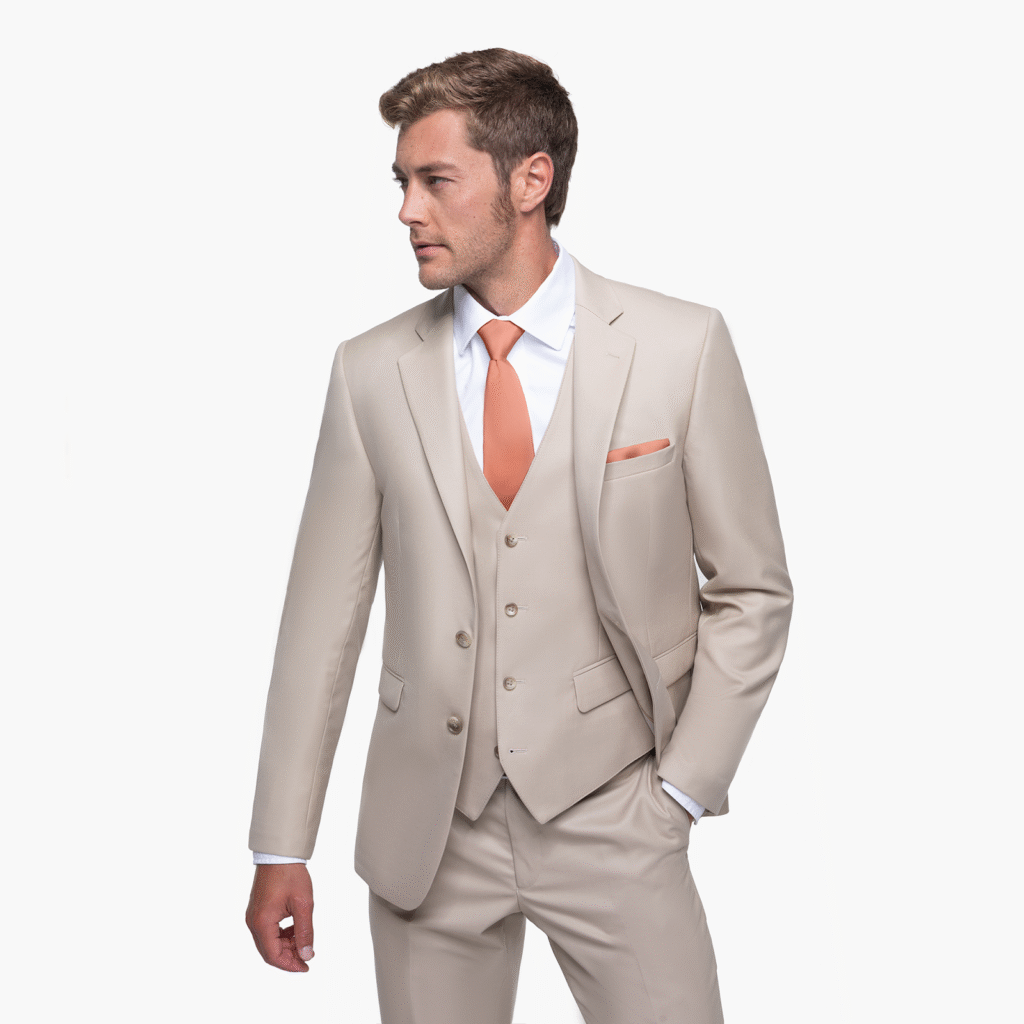
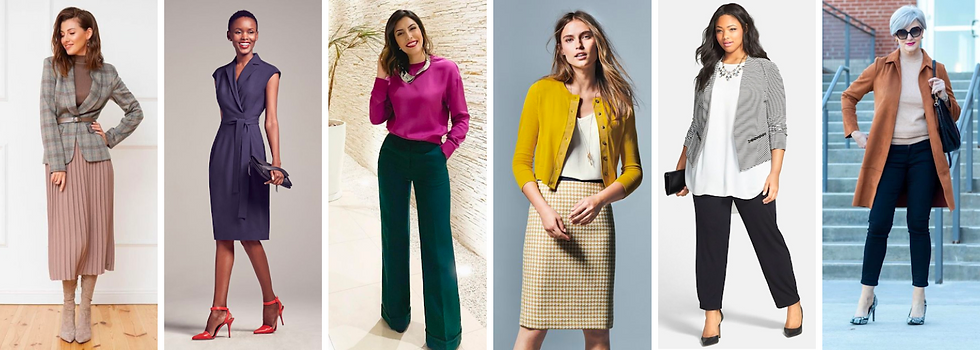
The fix is not fewer clothes. It’s picking out items that will look good on their own, and the outfit will still look great with the coat removed.
Try this before you leave. Remove your coat. Take off mid layer clothing. Does what remains still read as an outfit? If not, you have not built layers. You’ve got one outfit and two layers on top of it.
Layer One: A Base That Can Stand Alone
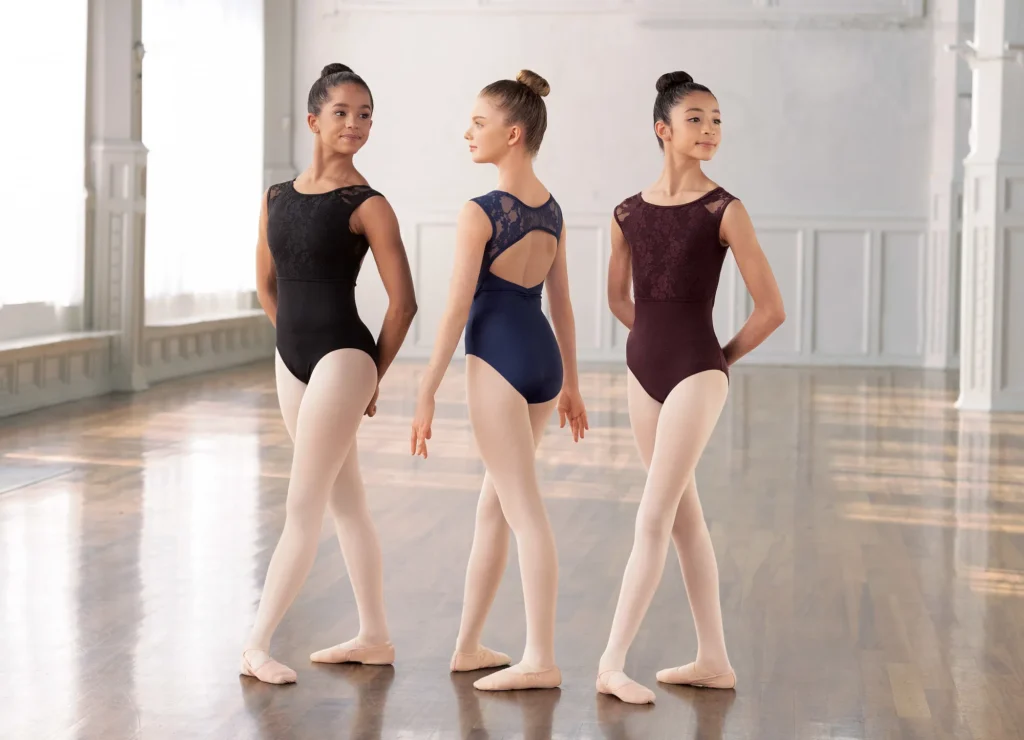
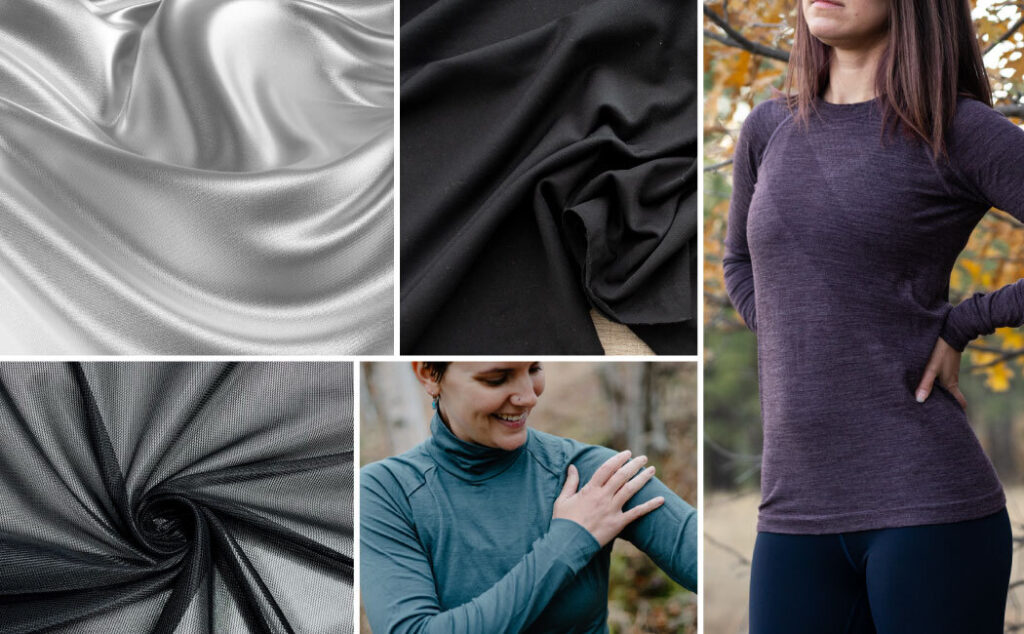
Your base layer is closest to your skin and controls moisture and provides no bulk. That’s the nuts and bolts. The styling brief is that it has to look deliberate on its own by three in the afternoon.
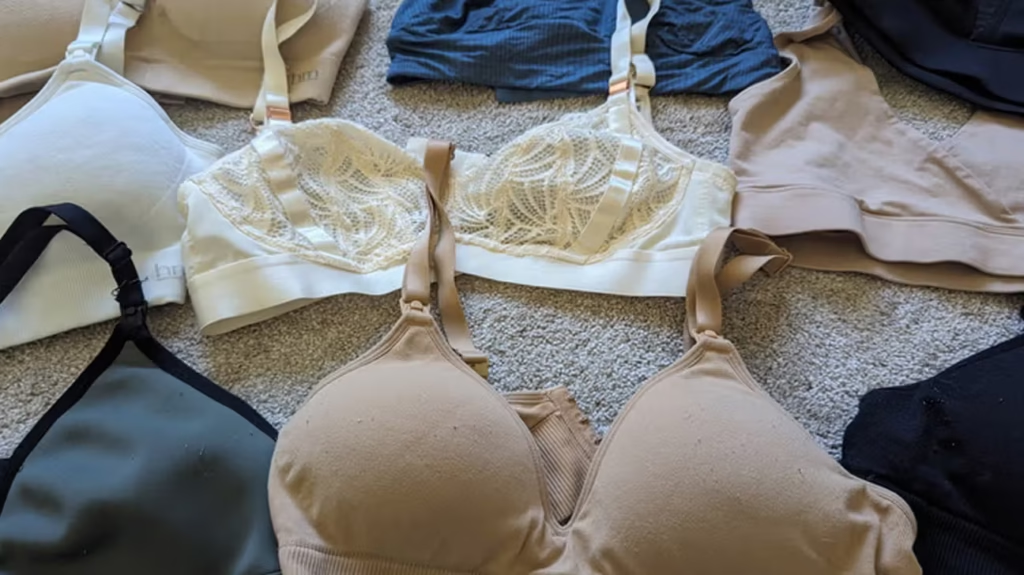
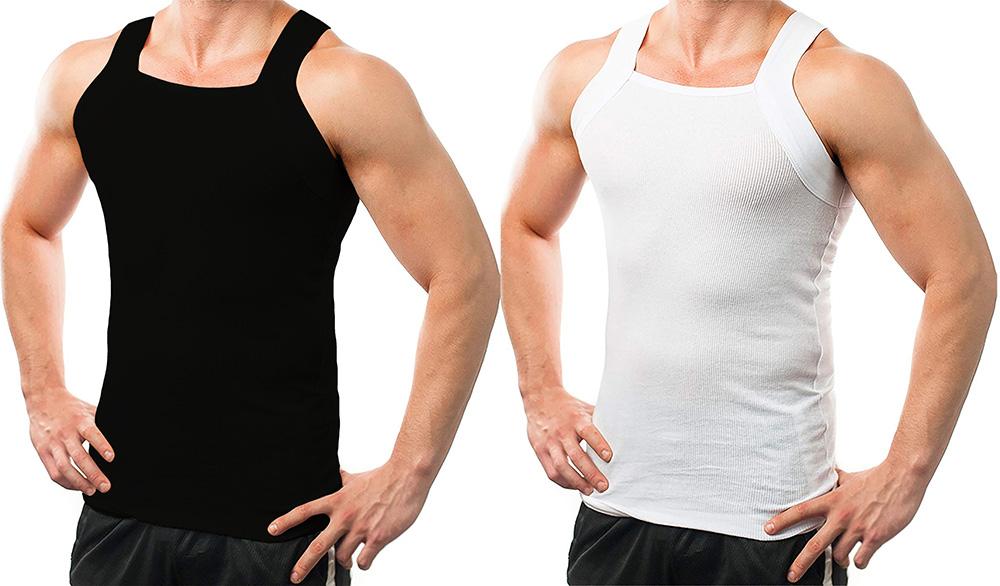
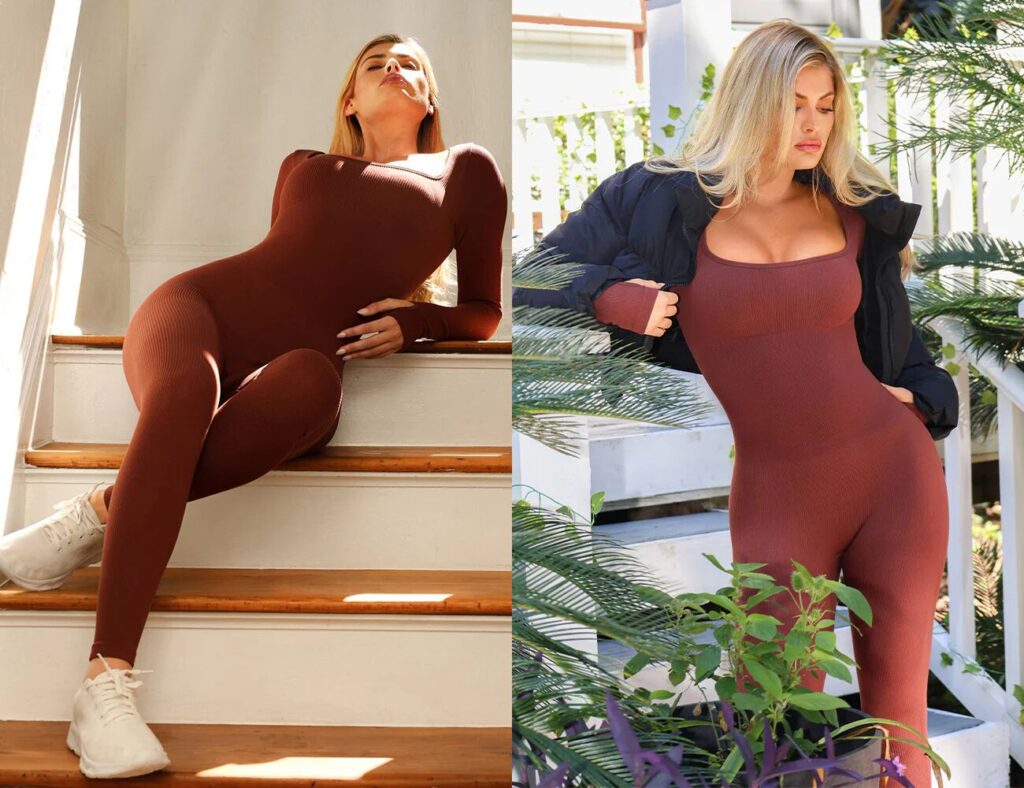
Both a ribbed mock neck and fine merino long sleeve or a well cut cotton top do this. Fit matters more than thickness. A base sitting even slightly loose bunches under everything above it, and those ridges show through a fitted coat. Close to the body, not compressed.
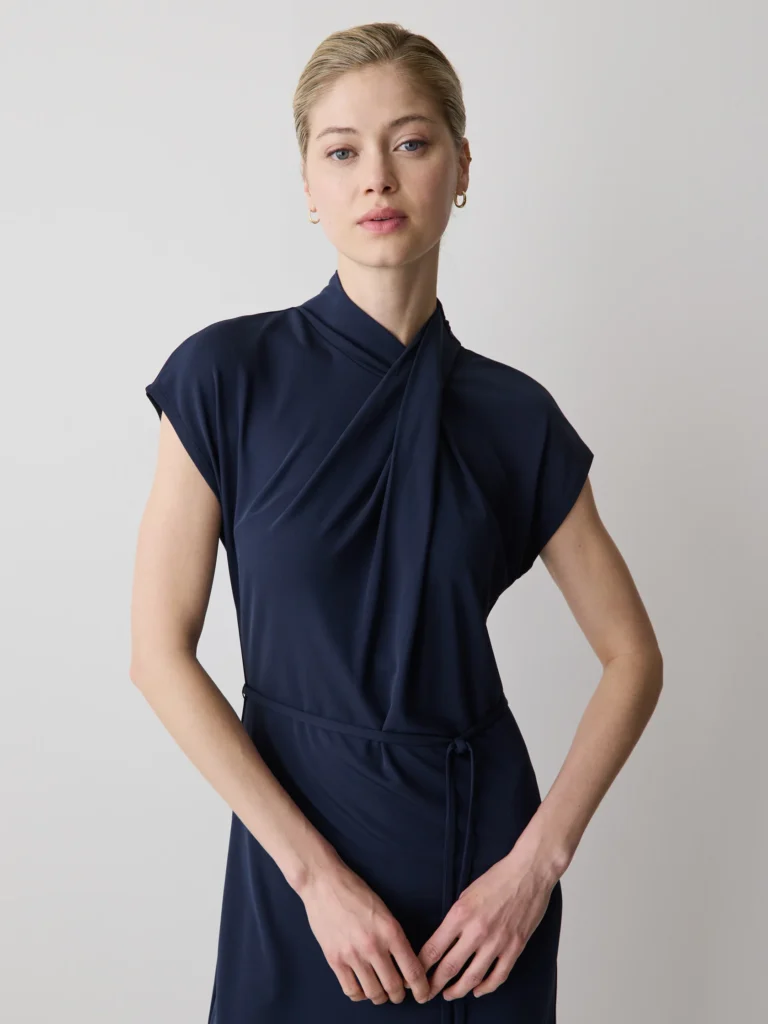
Your neckline does the most work here. A mock neck completes the look at the top, eliminating the need for a scarf altogether, which helps; a big scarf and a wide collar fight for space in the middle, and end up swallowing your neck.
Layer Two: Where the Warmth Actually Lives
The middle layer provides most of your warmth and is the one you will be putting on and off all day long. It has to look intentional in both states.
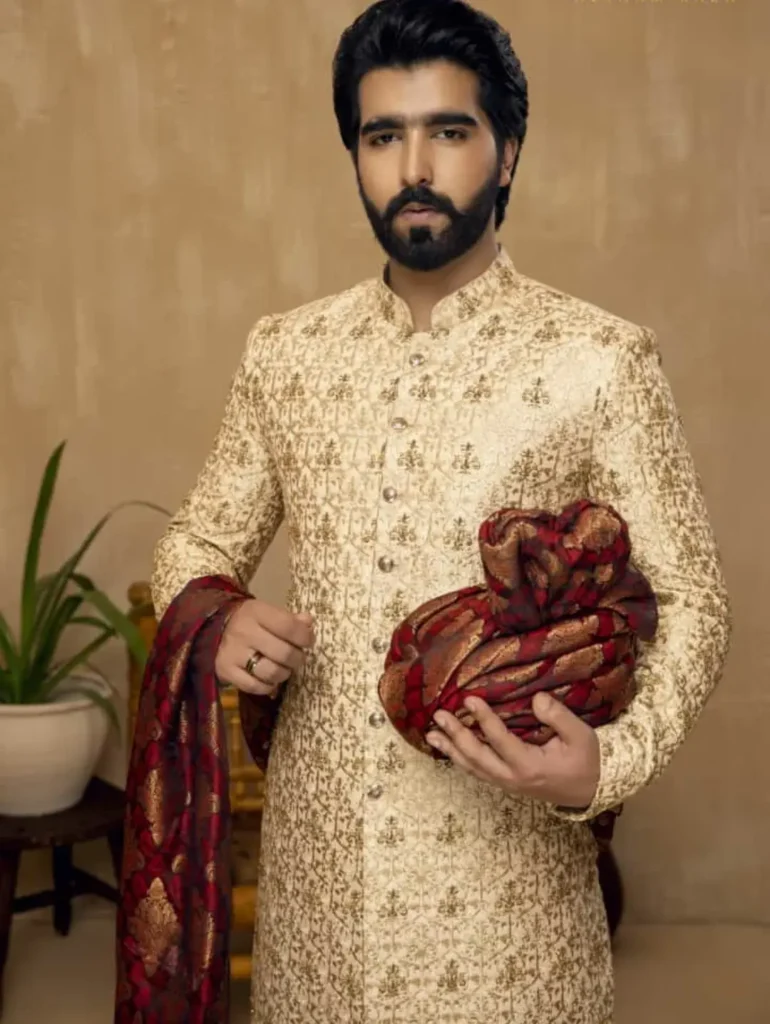
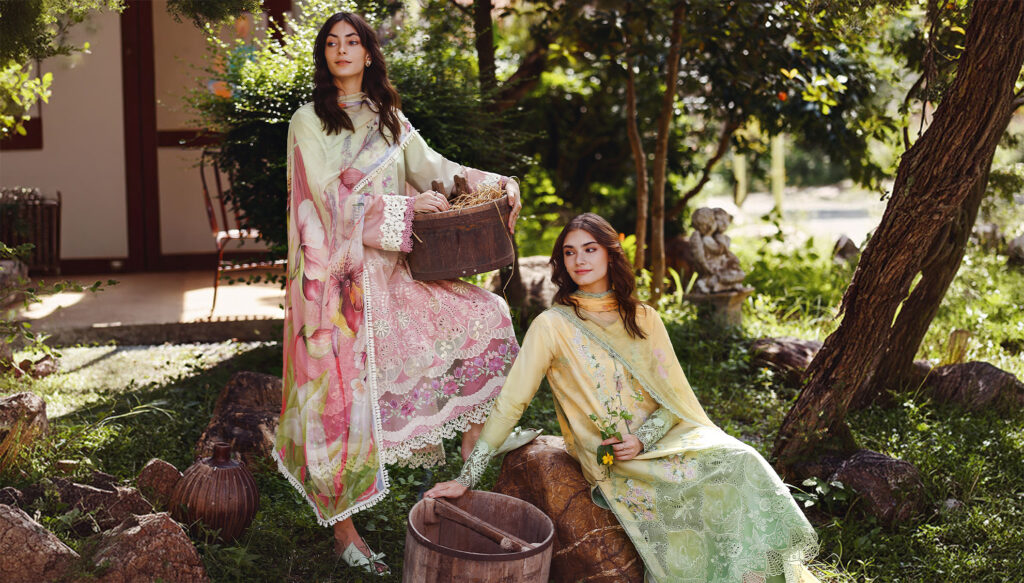
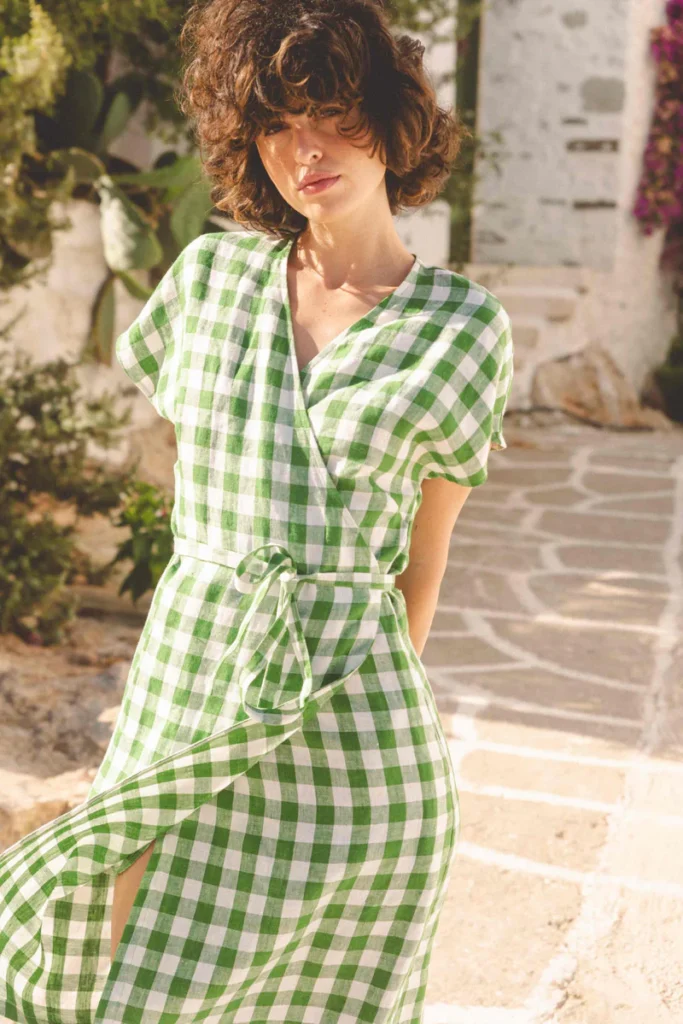
A knitted cardigan is the best item in a woman’s closet to handle those. When open, it creates a long, vertical line down the body which makes just about everyone appear taller. Closed, it functions as a jumper. With it slung over your shoulder, it’s still a choice.
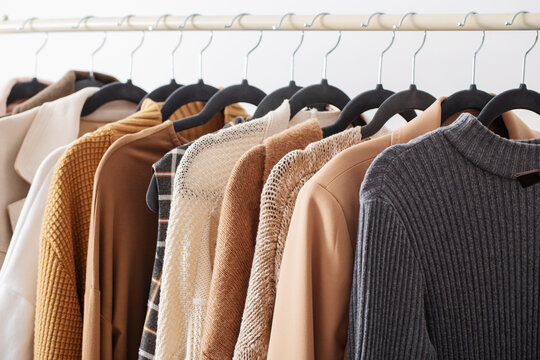
The specification to consider is gauge. A chunky knit is great for warmth, but it will add excess bulk within your coat and give you that bulk that you were seeking to avoid. In the end, fine gauge merino or a wool blend will provide the same warmth in less bulk.
This is where the local brands stand out from imported winter gear which is typically designed for colder weather in Europe and it is quite a bit heavier than what we need in our winter. Labels working in lighter weights are simply more useful here. Attir’s range of knitted cardigans sits in that category, cut fine enough to disappear under a coat rather than fight it.
Layer Three: Choosing the Right Jacket or Coat
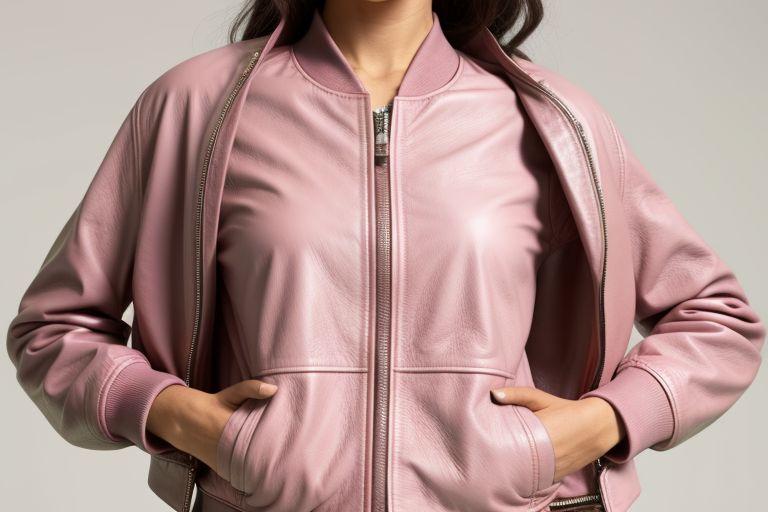
The outer layer determines your silhouette, so select it not only for warmth, but for shape as well.
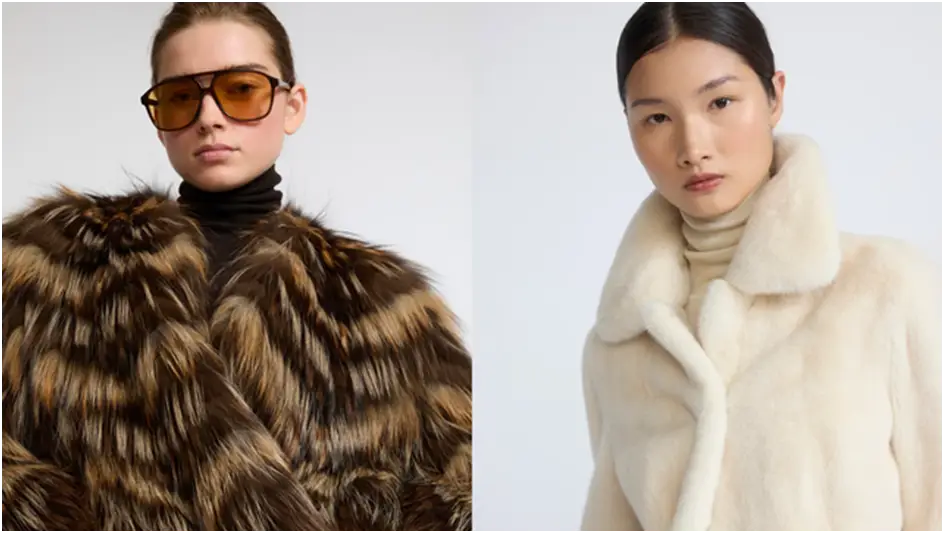
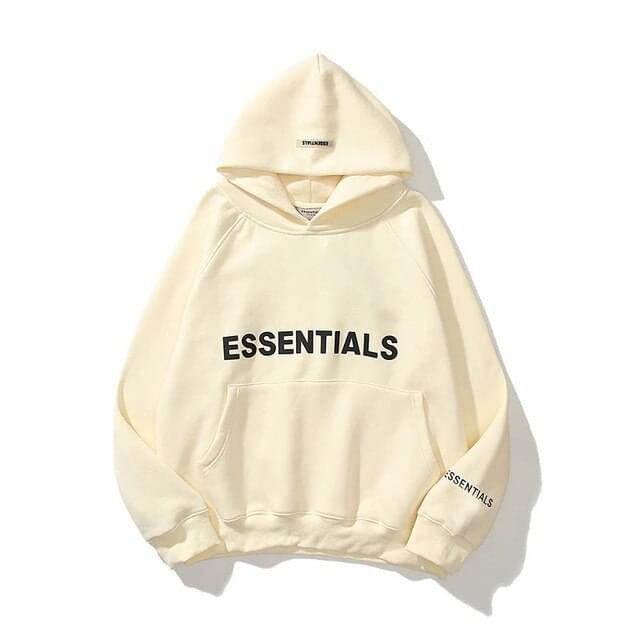
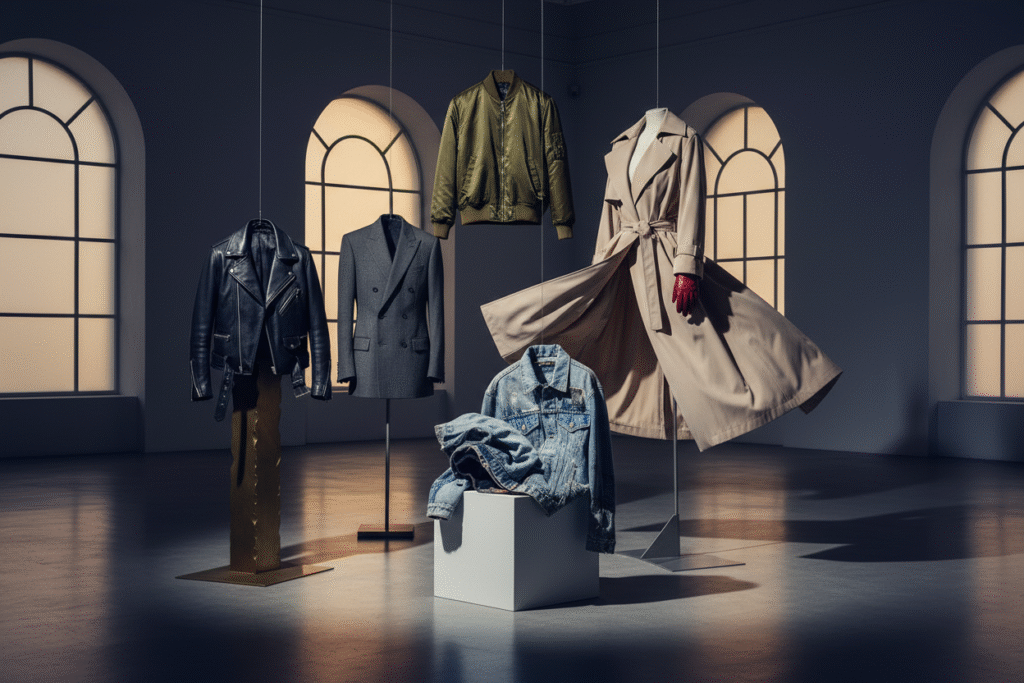
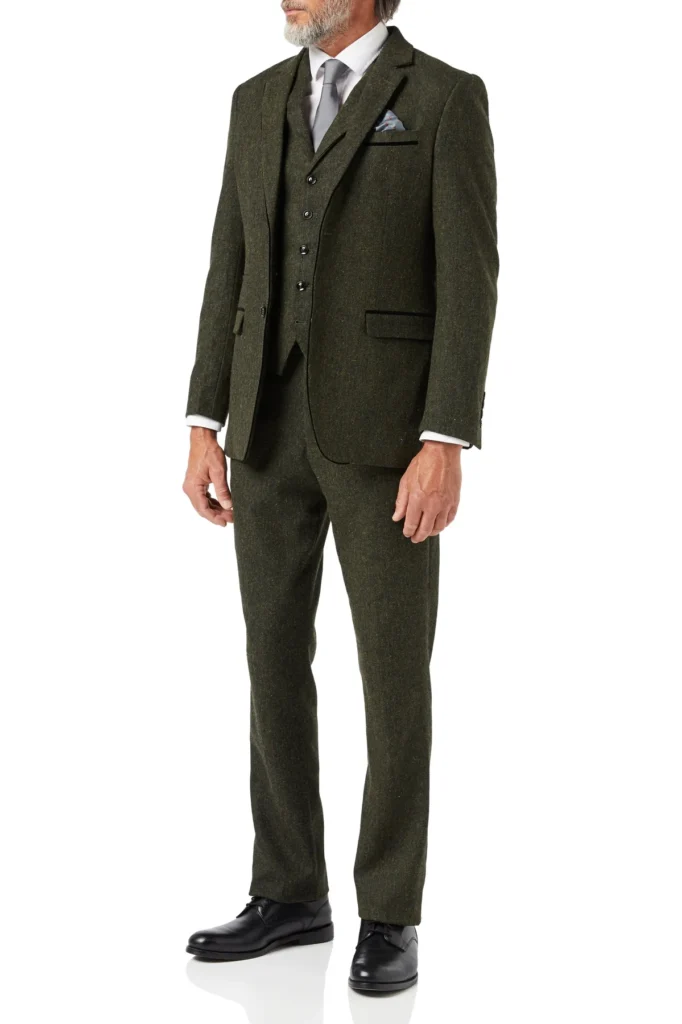
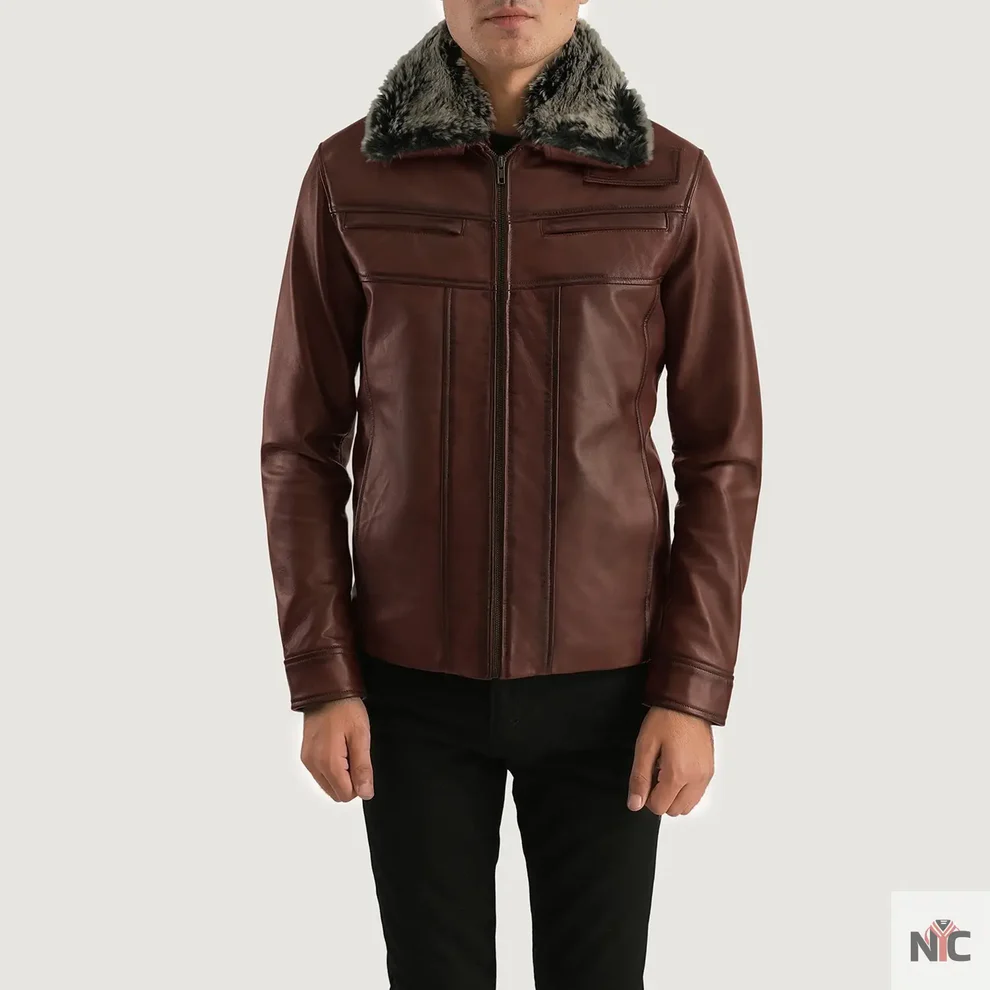
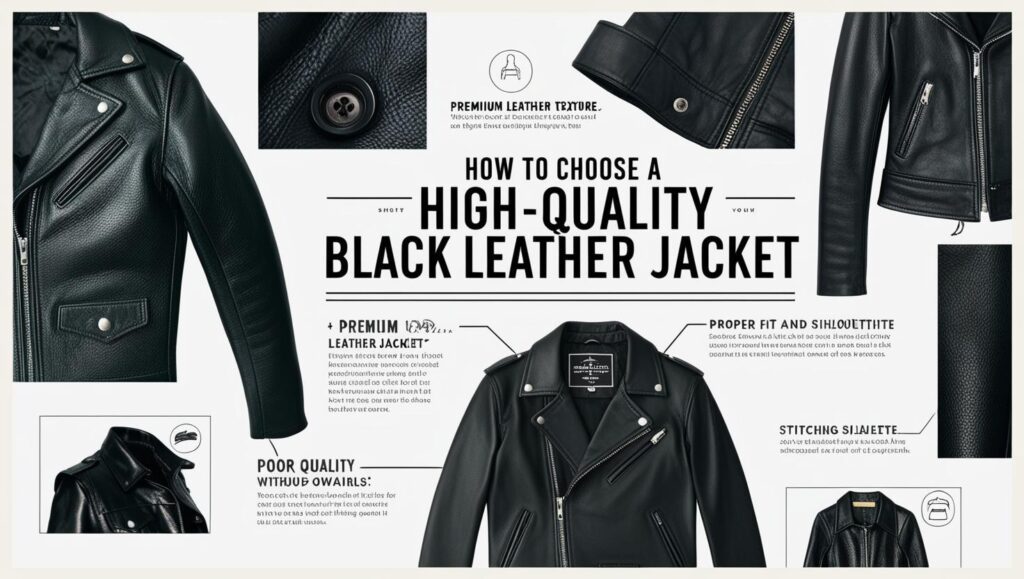
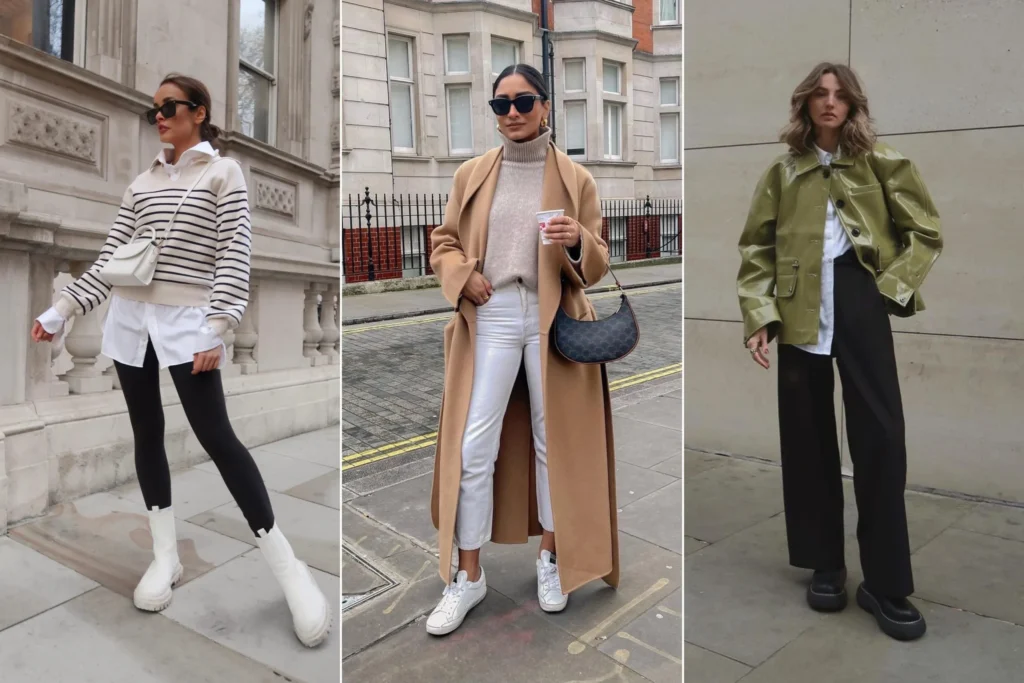
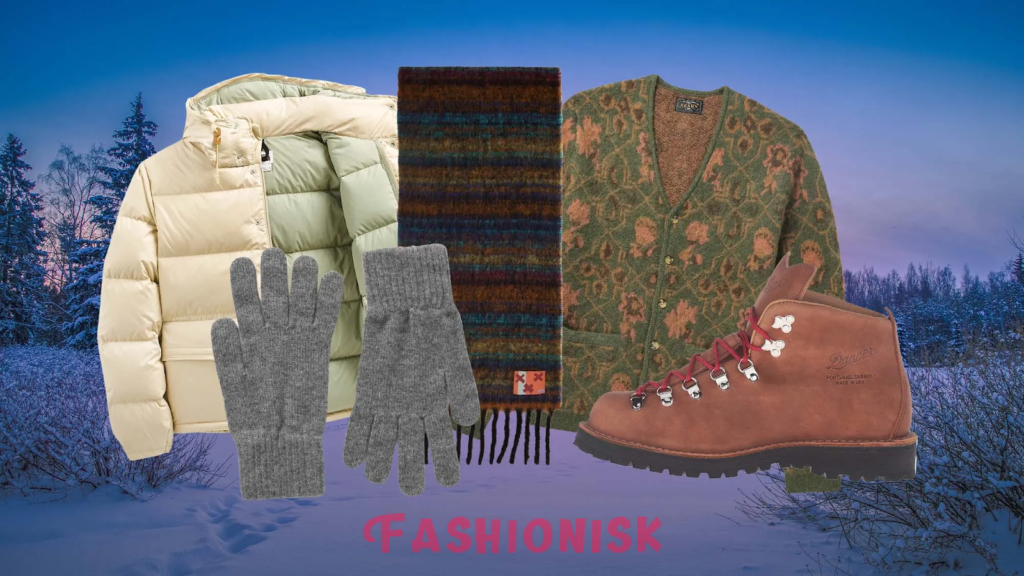
Wool or wool-blend coat. The most versatile piece that you can own. Unbroken vertical line, works over tailoring or denim, formal without effort. Opt for lighter rather than heavy overcoat. The heavier winter coat is more than is needed for most days here, and the lighter one will be worn three times as much.
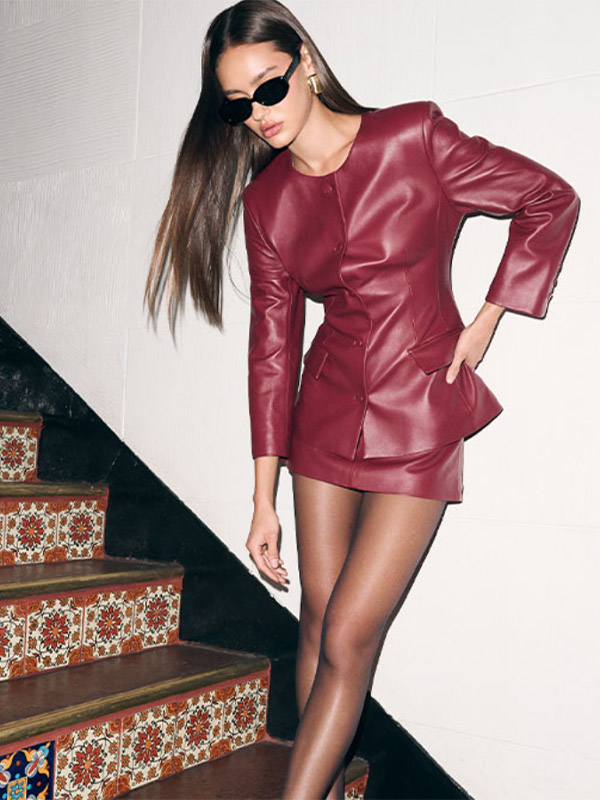
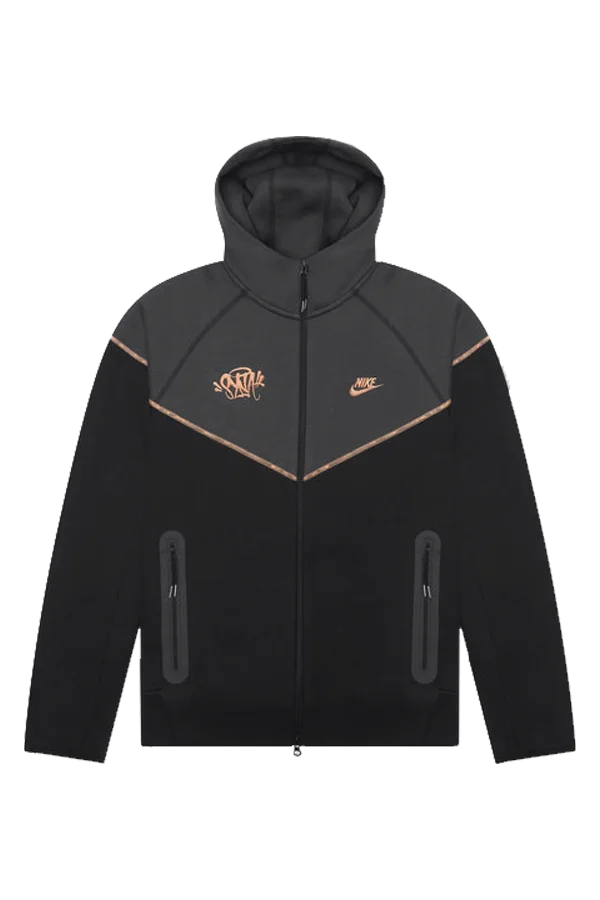
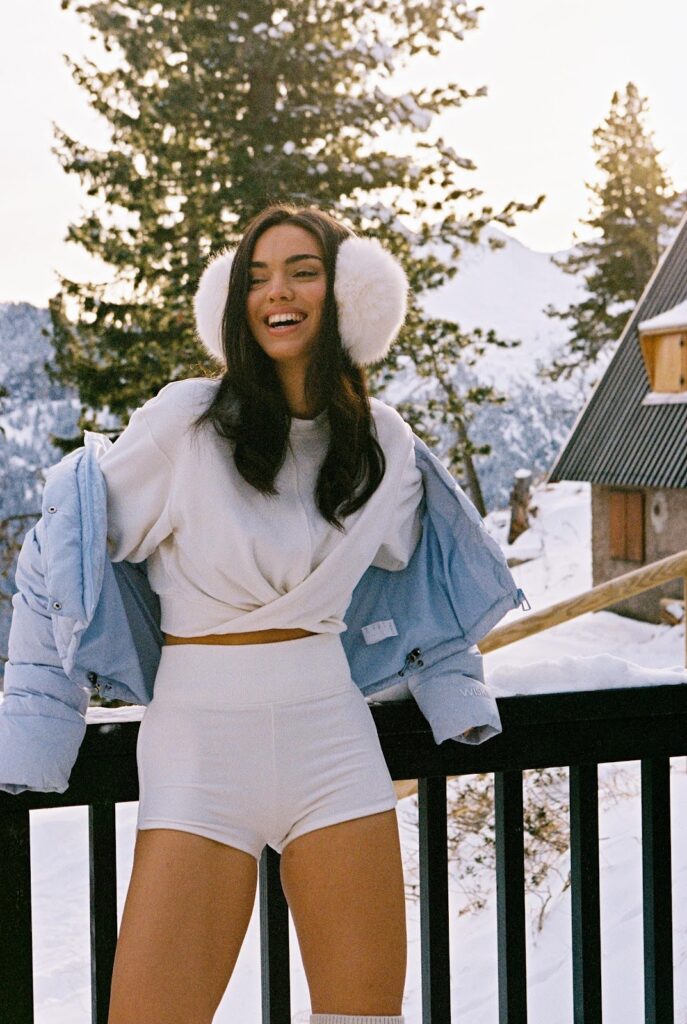
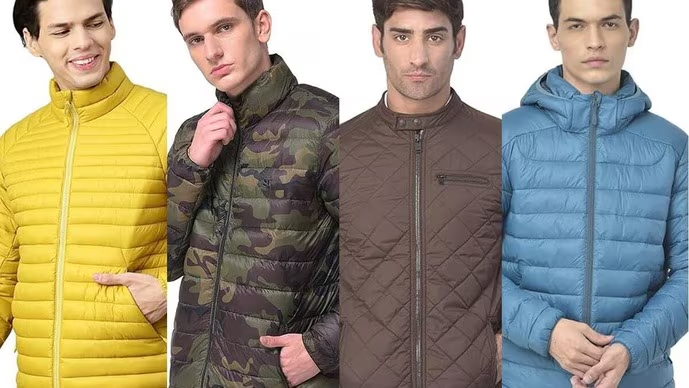
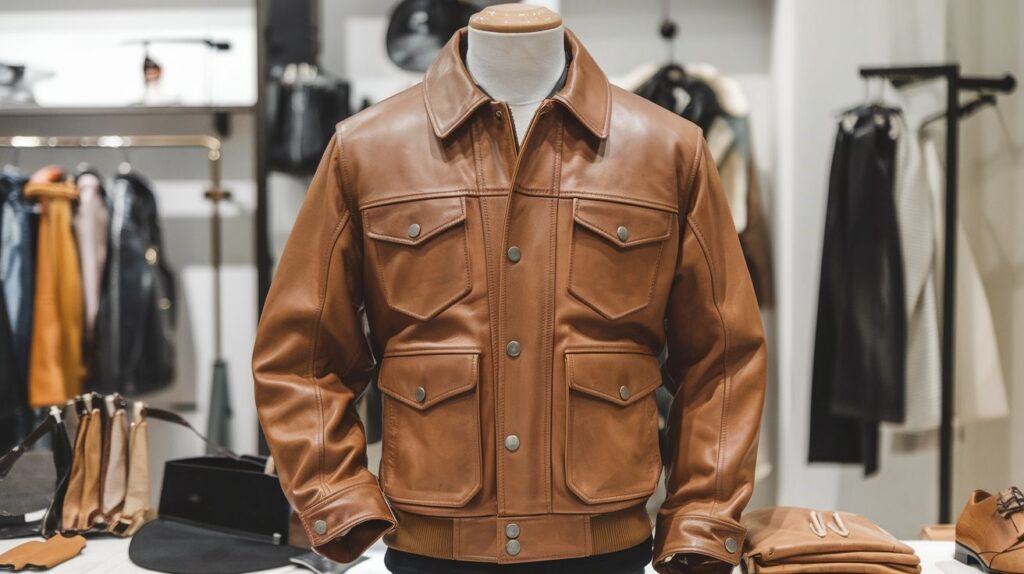
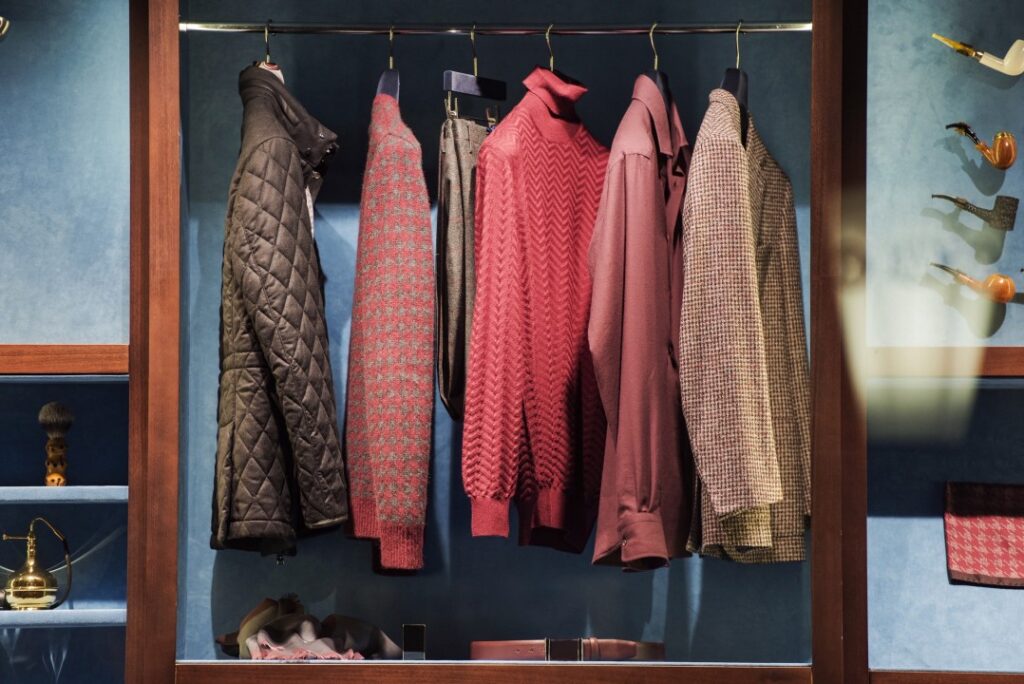
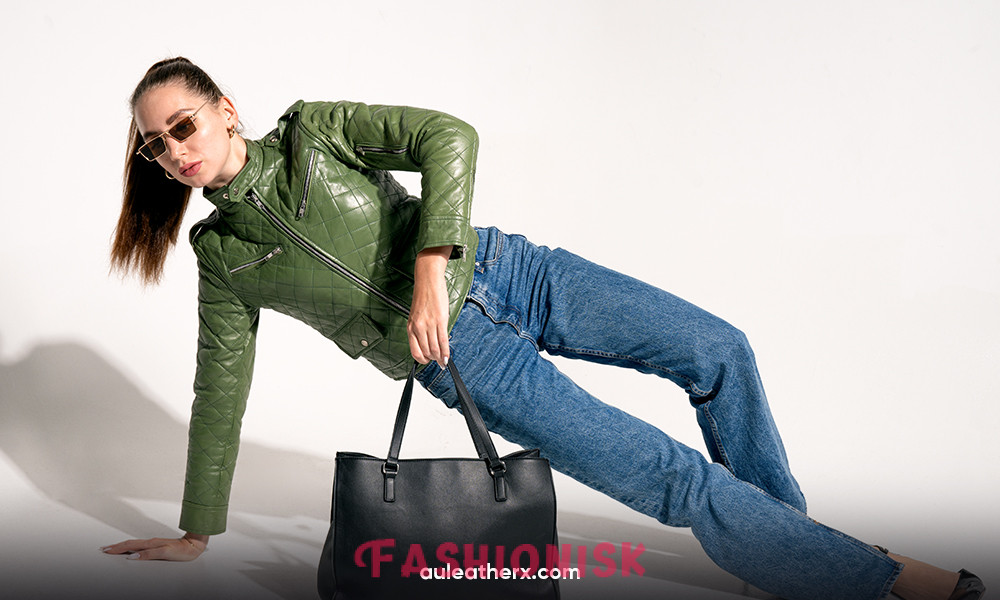
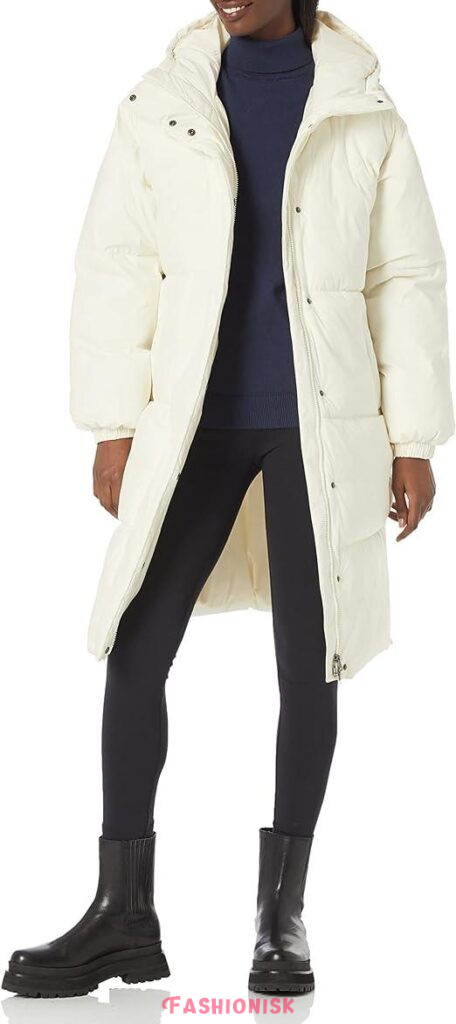
Quilted or lightly filled jacket. Handles cold mornings and early commutes without committing you to a full puffer. Find a waistline that is clearly defined, or a length that will be shorter so it still provides you with a shape.
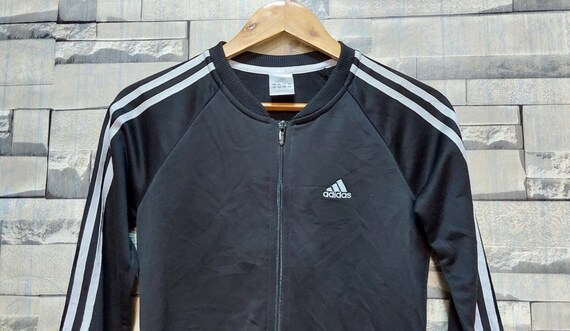
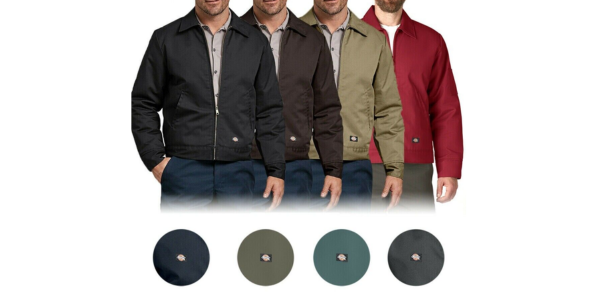
Shacket or overshirt. Probably the most functional outerwear for winter. Warm enough to wear most days; easy to take off, and it can also be used as a middle layer if it really gets cold.
Tailored blazer. Will only work on mild days, but is the most flattering of this list. It brings a shoulder definition and waist shape, where heavy layering takes it away.
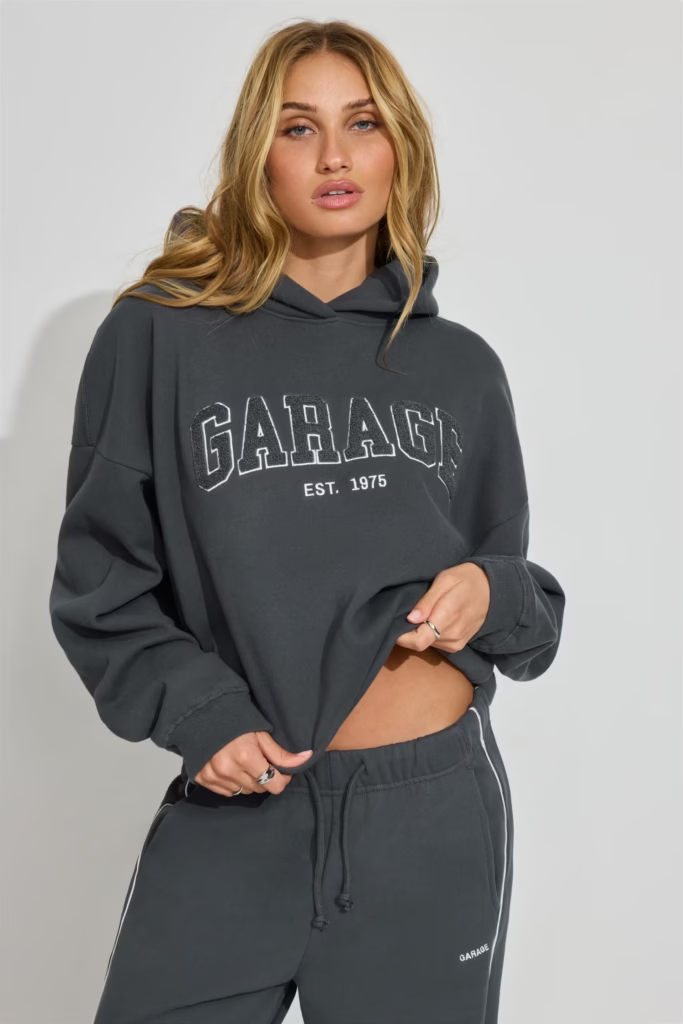
The wool coat is a must-have for the season if you’re purchasing a single item this year.Browsing women’s jackets and outerwear, prioritise the fabric weight over the styling details.
The Measurement Nobody Mentions: Armhole Depth
Here is why that expensive coat hangs unworn.
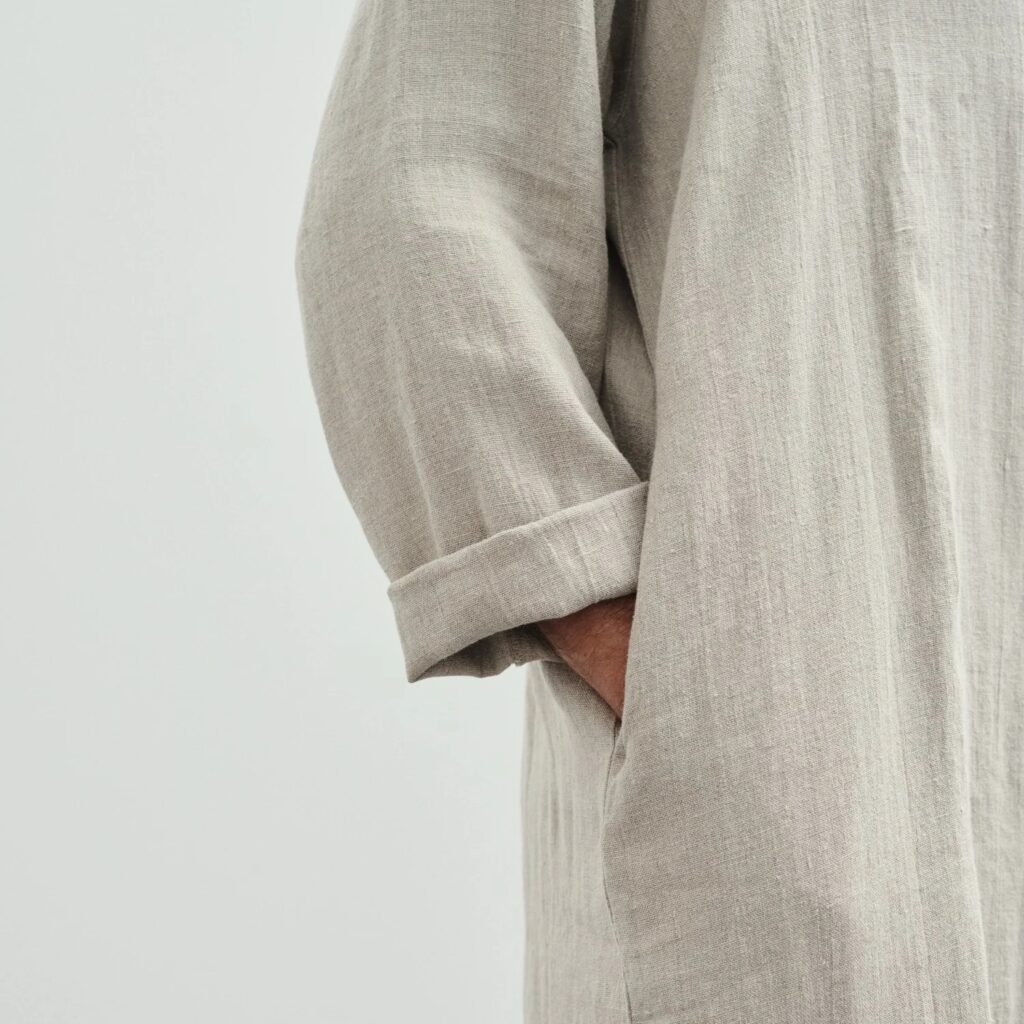
Coats rarely fail at the chest. They fail at the armhole. As soon as you put a jumper under it, it will bind in the shallow armhole, and sizing up will not help. Going up a size gives you a longer coat and wider shoulders, but the armhole stays almost exactly as deep. That is where the problem is, so nothing improves. The result is a coat that is too long and still tight under the arm.
Test it properly. Place arms across chest and extend arms forward. No matter what the label states, if it pulls across the back or the sleeves ride up, it will not layer. Thirty seconds saves a season.
Two Rules That Always Hold
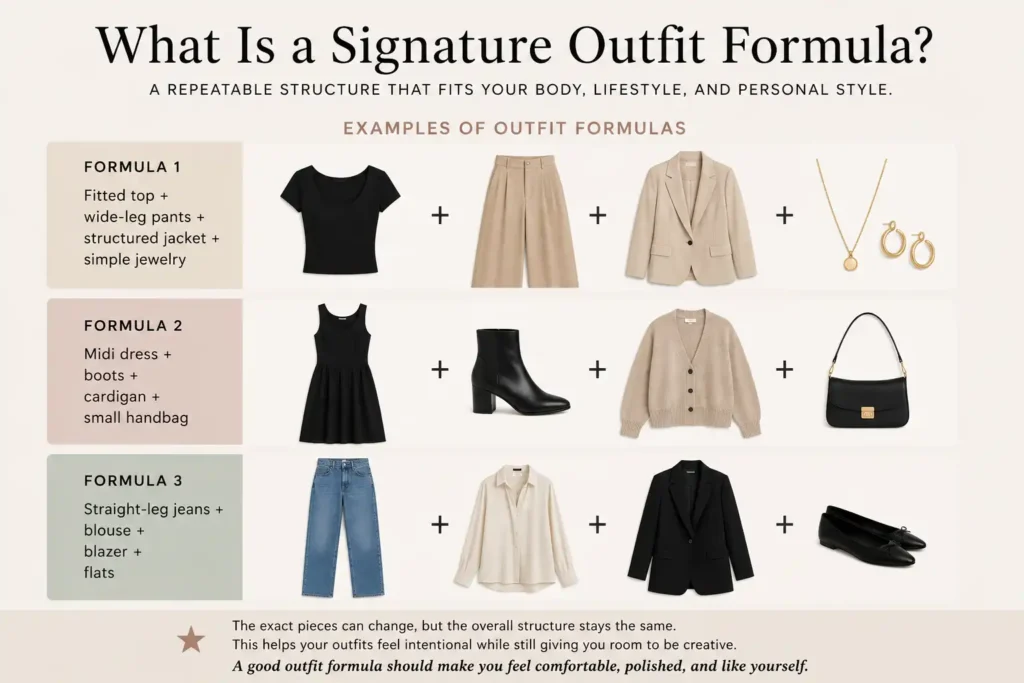
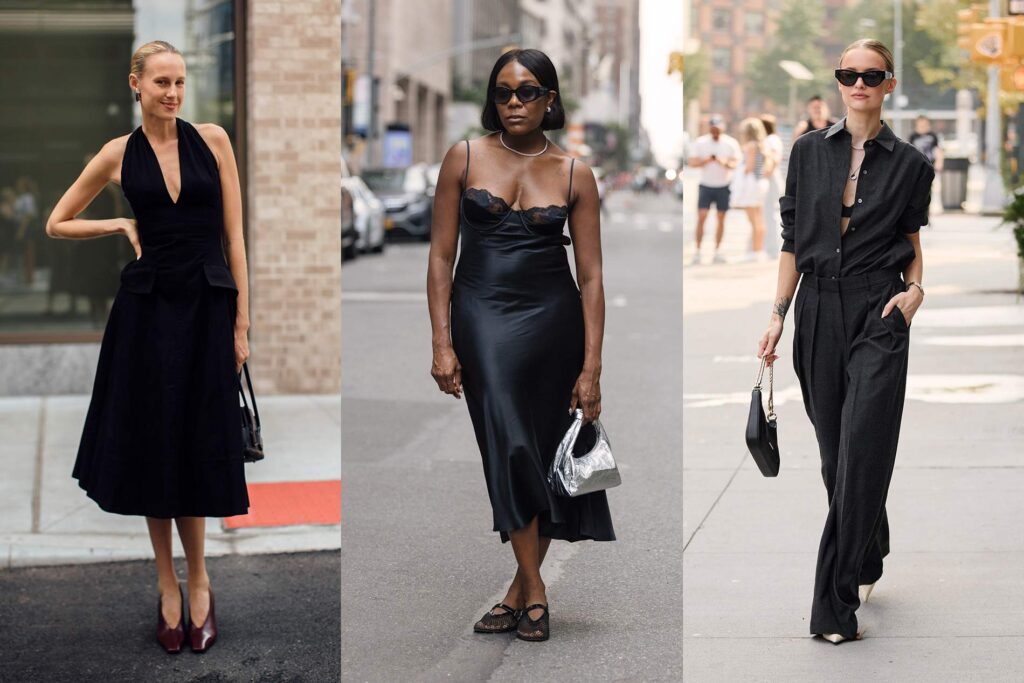
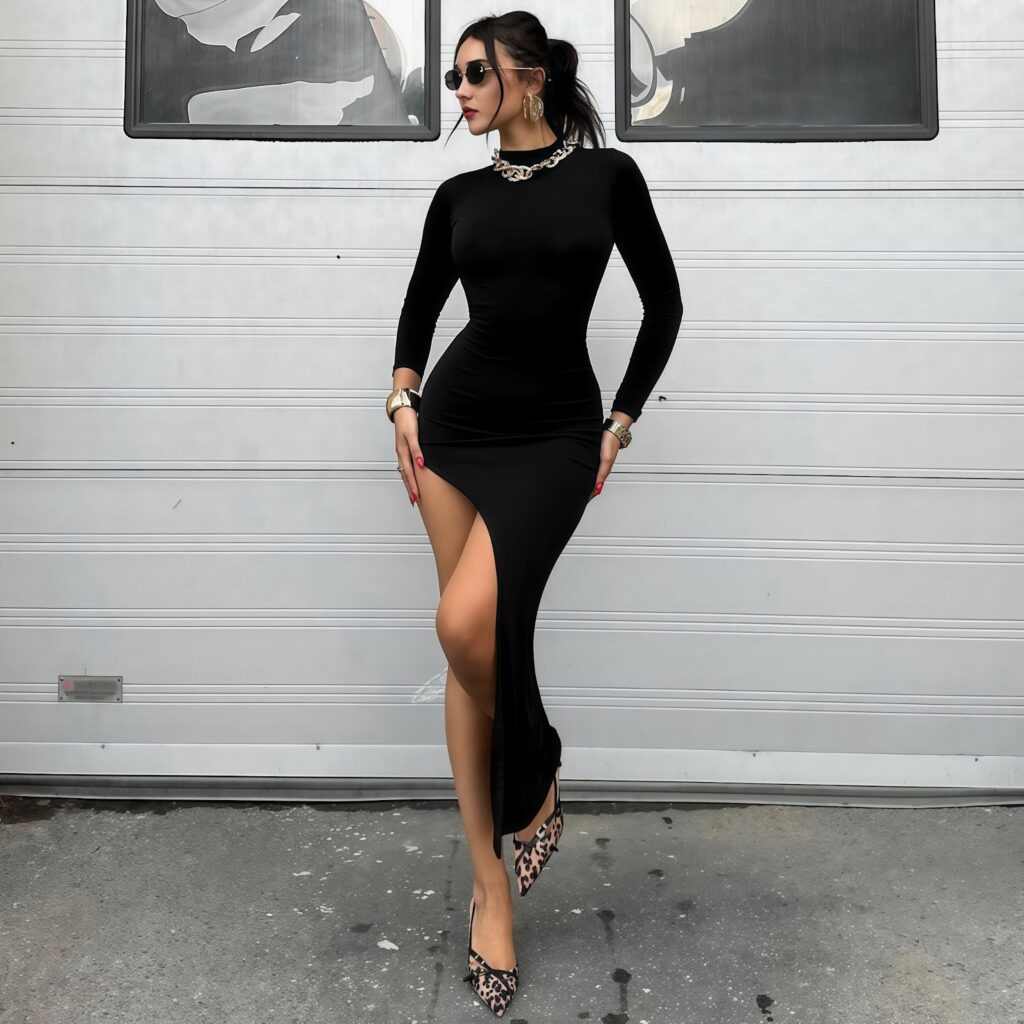
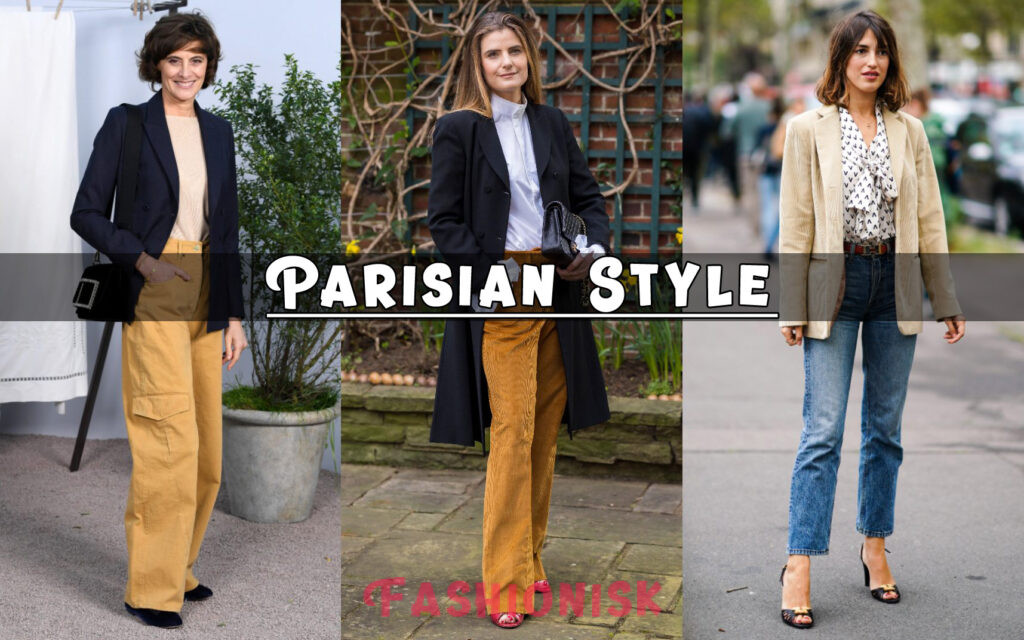
Stagger your hemlines. The base, mid and outer must end at different distances, about 10 centimetres from each other, that can be seen. A cropped bottom, a knee-length coat, and a hip-length cardigan are a recipe to repeat throughout the season.
Leave one vertical line open. What prevents layered pieces from looking bulky is an unbuttoned coat or an open cardigan.
The Short Version
Each item must be used individually. Always check the armhole first before the price! Buy inwards out, not outwards in.
Do that and the laundry pile stays in the basket where it belongs.