




































































































































































































































































































































































































































































































































































































































































































































































































































































































































































































































































































































































































































































































































































































































































































































































































































































































































































































































































































































































































































Are Expensive Laptop Bags Actually Worth It? An Honest Answer


Two bags side by side. One costs $35. One costs $130. Both have zippers. Both have straps. Both claim to fit a 17-inch laptop. The question standing between you and a purchase decision: is there $95 worth of difference between them?
Sometimes no. Plenty of premium-priced bags are selling a brand name sewn onto mediocre materials. But sometimes the answer is clearly yes – and understanding which category a bag falls into requires knowing what you’re actually looking at.
This guide doesn’t advocate for a price point. It breaks down the specific features that justify a higher cost, explains why those features matter in practice, and gives you a framework for evaluating any bag on its actual merits rather than its price tag or its marketing.
What Consistently Fails on Cheap Bags
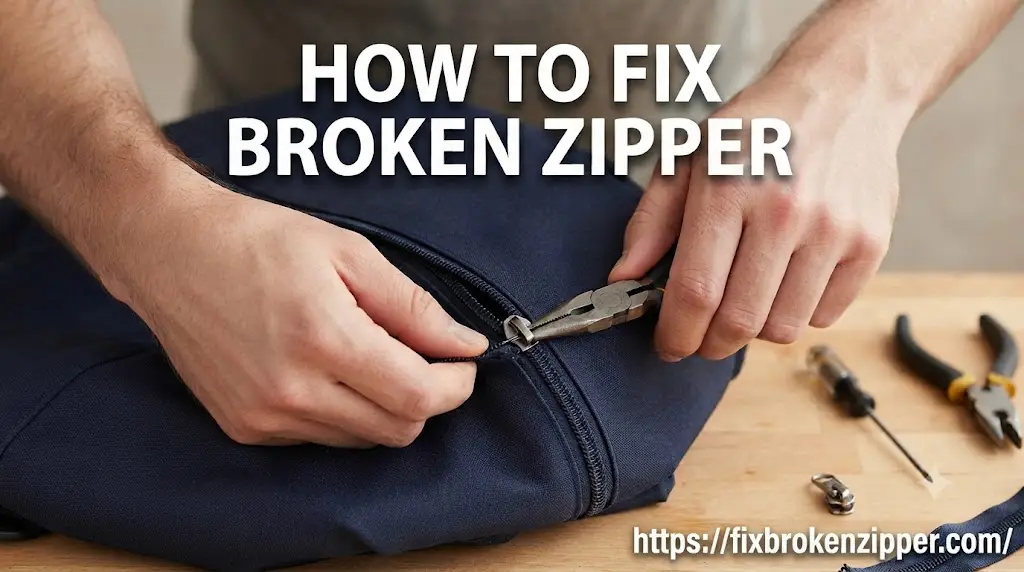
The failure pattern on budget laptop bags is predictable enough that it’s almost a schedule. First the zipper starts catching – within three to six months of daily use on most sub-$40 bags. Then it splits, or the pull separates from the slider, or it stops zipping smoothly enough to be reliably closed.
At that point, you’re buying another bag. At $35 to $50 a cycle, you’re spending $70 to $100 per year – before accounting for any gear damaged by a bag that failed to protect it.
Materials are the second failure point. Thin polyester looks acceptable in product photos and holds up for a few weeks, but it begins to show stress quickly: fraying at strap attachment points, wearing thin at corners, developing a lining that peels or smells. The waterproofing – if it existed at all – disappears after the first few rains.
Padding is the third. The laptop sleeve on a budget bag is often a single layer of thin foam on the back panel. The sides and top are essentially unprotected. This isn’t sufficient for a bag dropped from desk height, shoved into an overhead bin, or knocked off a café chair – all of which happen regularly with a bag you carry daily.
The Features That Justify a Higher Price
Zipper Construction
The single most noticeable quality difference between a $35 bag and a $120 bag is often the zipper. Quality bags use YKK zippers – the global standard for reliability – which are engineered to open and close tens of thousands of times without failure, operate smoothly without force, and resist being forced open from the outside.
The difference is immediately tactile. A YKK zipper on a quality bag feels smooth and controlled. A generic zipper on a budget bag has varying resistance, occasional catching, and a fundamentally different feel that worsens with use. For a zipper you’re operating dozens of times per day, this compounds quickly.
Material and Waterproofing
High-density Oxford fabric – typically 900D or 1680D – is what quality bags use. It’s heavier, more abrasion-resistant, and maintains a waterproof coating far longer than standard polyester. The difference reveals itself clearly the first time both bags get rained on: the Oxford bag sheds water; the polyester bag absorbs it.
For a bag carrying a laptop, chargers, and other electronics, waterproofing isn’t an optional premium – it’s protection for equipment worth several times the bag’s cost.
Anti-Theft Design
Hidden back pockets – positioned on the panel that rests against your body – are essentially absent on budget bags and a standard feature on well-designed premium ones. This isn’t a minor convenience feature: a pocket inaccessible without removing the bag provides meaningful protection for passports, payment cards, and cash in transit environments.
This design consideration is visible across both compact and full-sized bags. Looking through everyday sling bags or larger laptop backpacks that include this feature, you can see how it’s integrated structurally rather than added as an afterthought – the pocket placement, panel stiffness, and zipper orientation are all designed together.
Ergonomic Engineering
Shoulder straps on a cheap bag are typically thin, straight, and minimally padded. Under a 15-pound load, they dig into your shoulders within an hour and create cumulative fatigue over a full day.
Quality straps are wide, contoured to follow shoulder curvature, and padded with density-appropriate foam that compresses gradually under load rather than bottoming out immediately. Combined with a ventilated back panel – which creates airflow between bag and back, reducing heat and moisture – and a chest buckle that keeps the load stable, a well-engineered carrying system makes an all-day bag genuinely comfortable.
This is the feature that people underestimate most before buying a quality bag and overestimate least after using one. The ergonomic difference between bags isn’t subtle when you’re carrying 15 pounds for two hours.
USB Charging Integration
A properly implemented USB charging system – external port, internal routing cable, dedicated power bank pocket – adds genuine daily utility. The difference between a well-implemented and a poorly implemented version of this feature is larger than it sounds.
On quality bags, the power bank sits in a designated padded pocket, connects to a pre-installed internal cable, and routes to an external port positioned for easy access while the bag is on your back. On budget bags that include this feature, it’s typically a loose external port with no internal cable and no designated power bank storage. It works technically but requires daily effort to use.
The Total Cost of Ownership Argument
The financial case for quality bags holds up when you extend the time horizon.
• Budget bag at $40: 12–18 month lifespan with daily use = $27–$40 per year
• Quality bag at $130: 5–8 year lifespan with proper use = $16–$26 per year
The quality bag costs less per year and delivers a better daily experience every day of that longer lifespan. Add in the protection it provides for equipment worth ten to twenty times the bag’s cost, and the calculation becomes difficult to argue against.
The mistake is applying a one-time-cost mental model to a recurring purchase. A bag that costs $40 and lasts 14 months isn’t a $40 purchase – it’s a $34-per-year ongoing cost with no quality improvement over time.
When the Price Isn’t Justified
All of this said, there are bags that charge premium prices without delivering premium features. Brand positioning, aesthetic design, and marketing can inflate a bag’s price without improving its daily utility.
The filter is simple: evaluate on specs, not price. What’s the zipper brand? What’s the fabric specification? What are the actual dimensions of the laptop compartment? What warranty does the manufacturer stand behind? A bag that answers these questions well at $80 is a better purchase than a bag that answers them poorly at $180.
Price is a starting point for filtering, not a proxy for quality. Evaluate every bag on the features that actually affect your daily experience, and the right choice becomes considerably clearer.
The Verdict
Are expensive laptop bags worth it? When the price is buying better materials, better zippers, better protection, and better ergonomics – yes, clearly. When the price is buying a logo on mediocre construction – no, obviously not.
The skill is telling the difference, and you now have the framework to do it. Look past the marketing. Evaluate the zipper, the fabric spec, the padding distribution, and the warranty. The bags that earn their price point make themselves clear. The ones that don’t, equally so.