
















































































































































































































































































































































































































































































































































































































































































































































































































































































































































































































































































































































































































































































































































































































































































































































































































































How to Judge the Quality of Diamond Rings in 2026

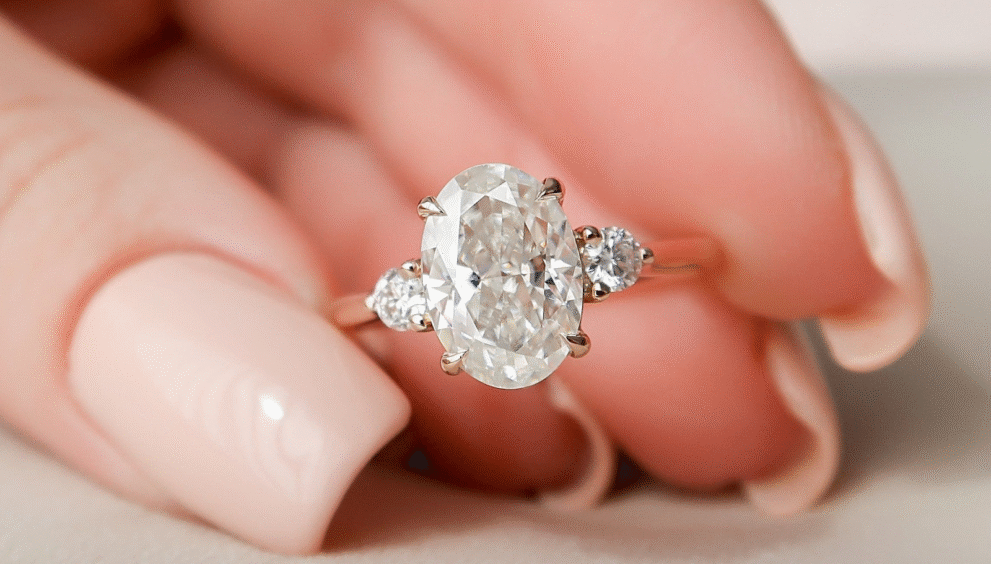
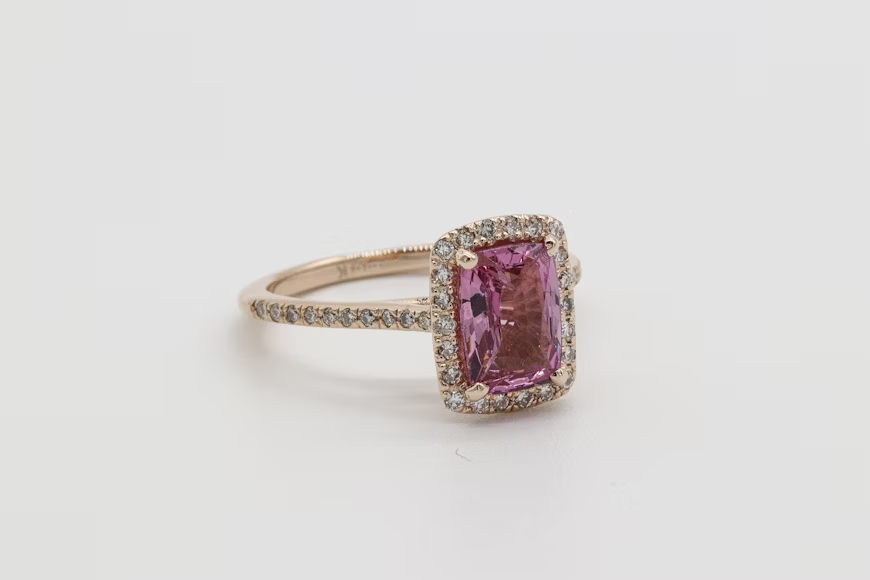
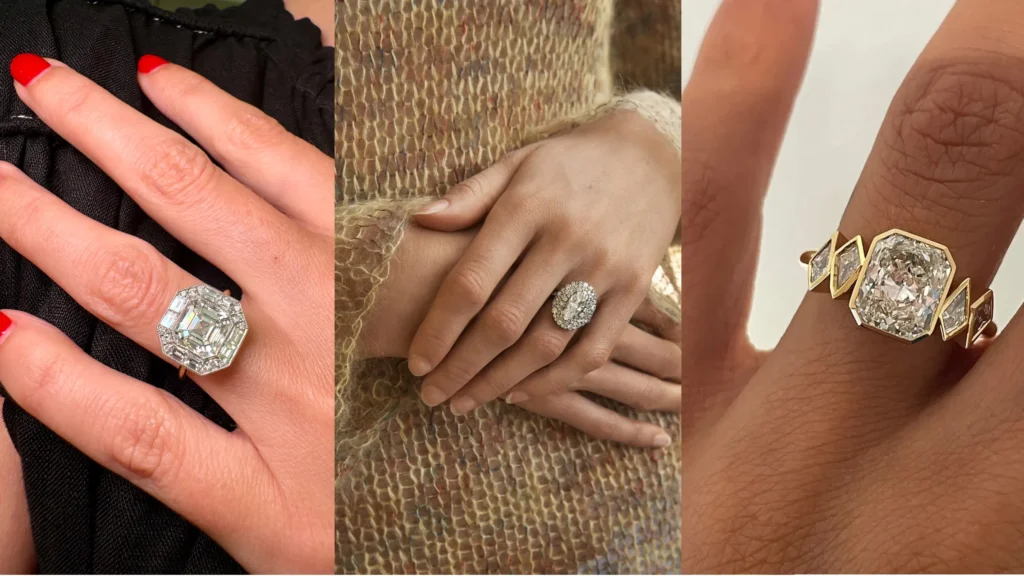
Two diamond rings priced the same can differ enough that one looks alive on the hand while the other sits flat and glassy, and nothing on the price tag tells you which is which. Most of what drives that difference is judgeable without a jeweler’s training, once you know the order to look in. The stone does most of the work, but the setting and the certificate decide whether that stone holds up and whether its grades are real. Price mostly tracks carat weight and brand, not the things your eye actually reacts to.
What separates a genuinely high-quality diamond ring from one that just looks expensive
An $8,000 ring can be a worse-quality piece than a $5,000 one, and it happens more often than the prices suggest. The bigger number usually buys carat weight or a brand name stamped inside the band, neither of which is what makes a diamond look good. A half-carat of extra weight added to a poorly cut stone raises the price and lowers the sparkle at the same time.
Quality sits in three places at once: the stone, the setting that holds it, and the metal of the band. A top-grade diamond dropped into a thin, poorly built setting still loosens over a few years of daily wear, and a lost stone erases whatever you paid for its grades. Judging the diamond alone is how buyers end up with a ring that graded well on paper and failed on the hand.
The single feature that controls most of a diamond’s visible sparkle is cut, and it’s the one most buyers check after color, clarity, and size. Cut belongs first. Once it leads, color, clarity, and carat become adjustments you make around it instead of the numbers you shop by.
“Certified” on its own tells you almost nothing. A certificate from a lab nobody can verify can hand a stone grades two steps higher than an independent lab would give the same rock, so the word that matters is not certified, it’s who signed it.
Why cut is the first thing you should judge, not carat
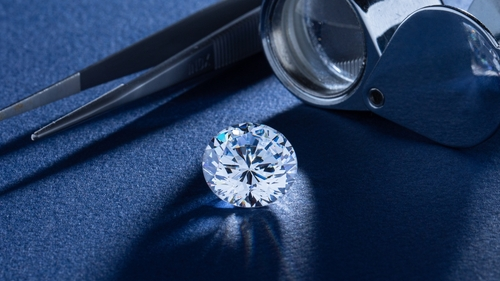
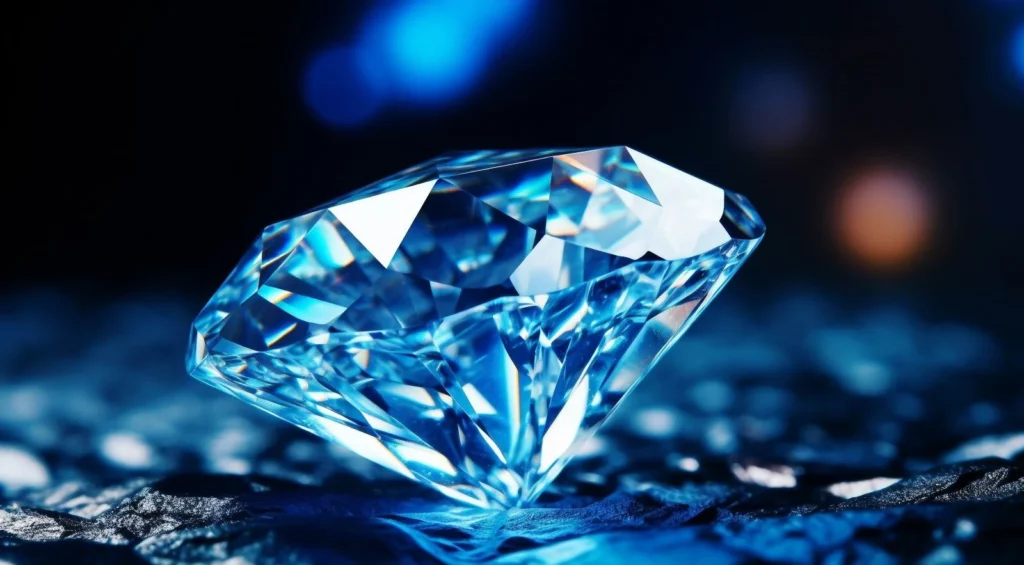
Cut controls how much light the diamond throws back at you, which is the sparkle you actually see across a room. Set a well-cut one-carat stone next to a poorly cut one-and-a-half-carat, and the smaller one often looks brighter and livelier while the bigger one reads dull and gray. The extra weight went into depth you can’t see instead of light you can.
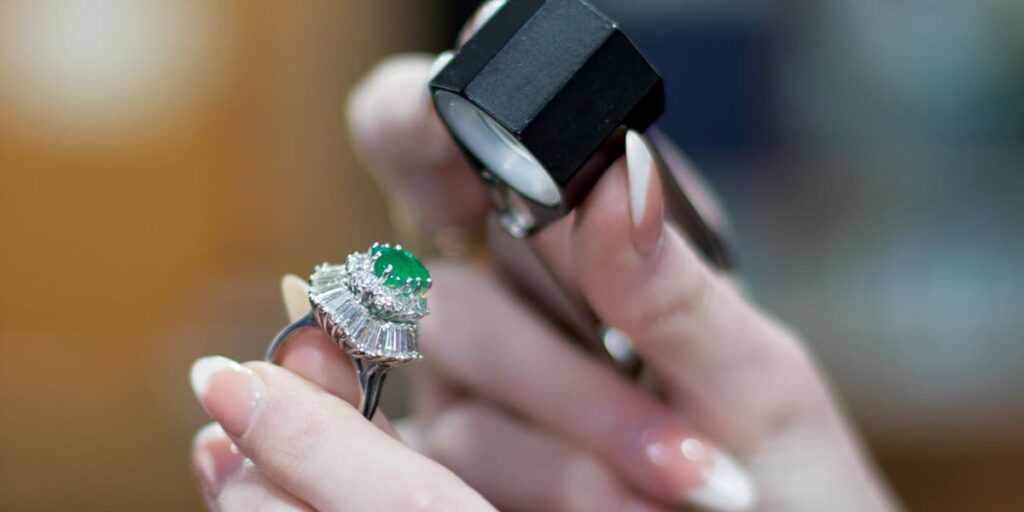
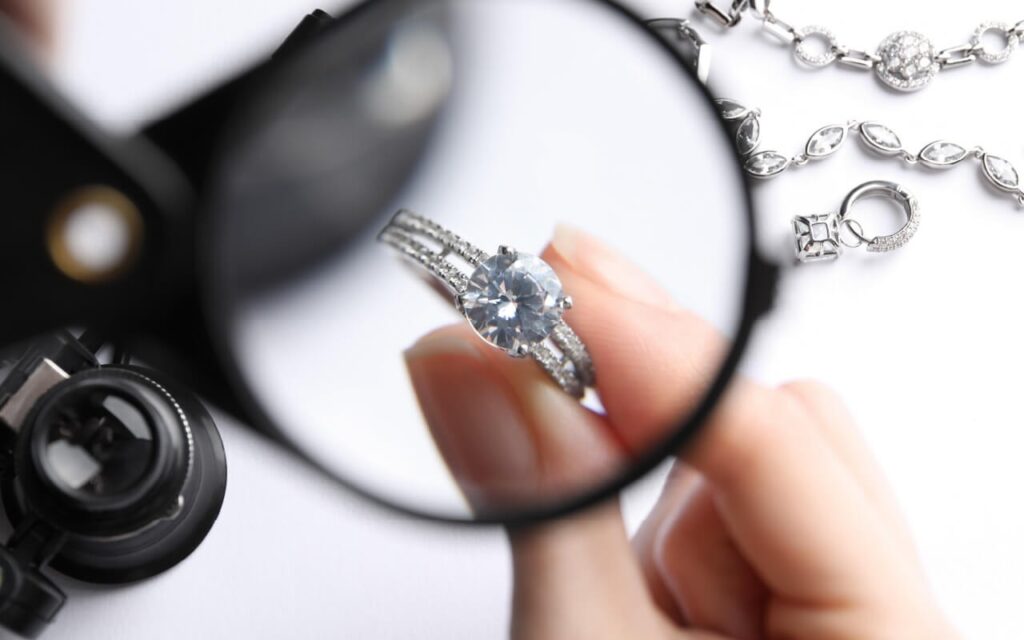
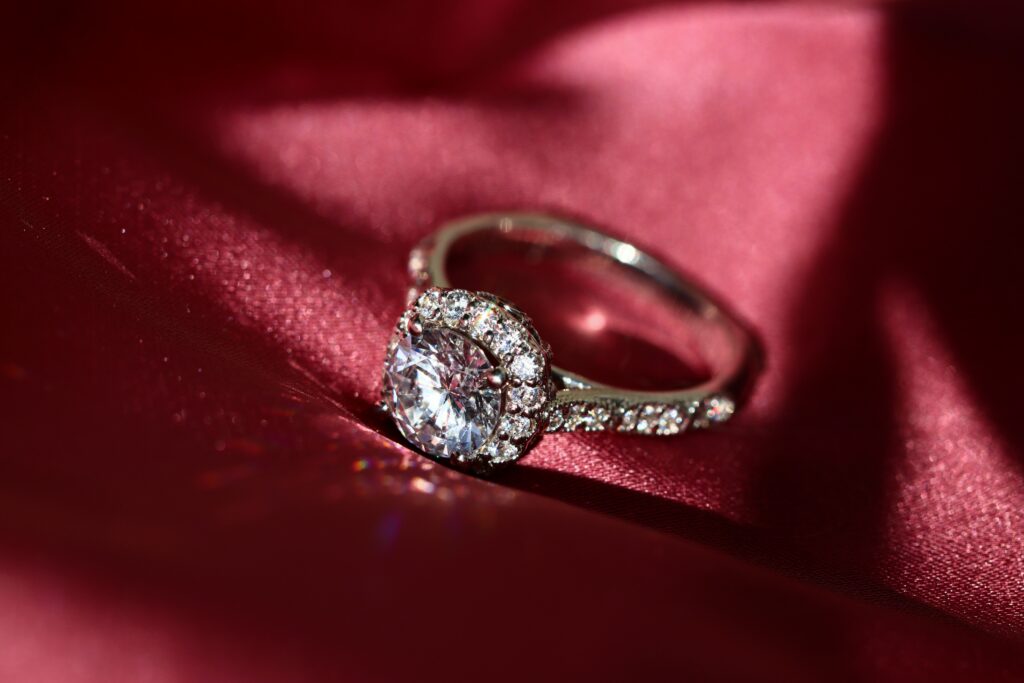
You can read cut quality with your own eyes and a light source. Tilt the ring slowly under a lamp or in daylight and watch how it responds. A well-cut stone flashes in sharp, bright bursts that move as you tilt, with fire spread evenly across the whole face. A poorly cut one has dark patches, or a flat glassy look where the center leaks light instead of bouncing it back.
On a report the grades run from Excellent or Ideal down through Very Good, Good, and Poor. For a round diamond, staying at Very Good or above is where the money is well spent, and the jump from Good to Excellent is visible in normal light. Below that, you’re paying for a stone that’s actively throwing away the sparkle you came for.
Budget rings lean on a trick called spread. The stone is cut shallow so it covers more surface from the top and looks like a bigger carat weight than it is, but the shallow depth lets light escape through the bottom instead of returning to your eye. It reads large and flat at the same time, and the flatness is the tell.
Judging cut on fancy shapes (oval, emerald, pear) vs round
Round diamonds get a strict cut grade on their reports. Fancy shapes like oval, emerald, and pear usually don’t, or the grade only covers polish and symmetry rather than how well the shape returns light. That leaves the judging to your eye, which matters more here, not less.
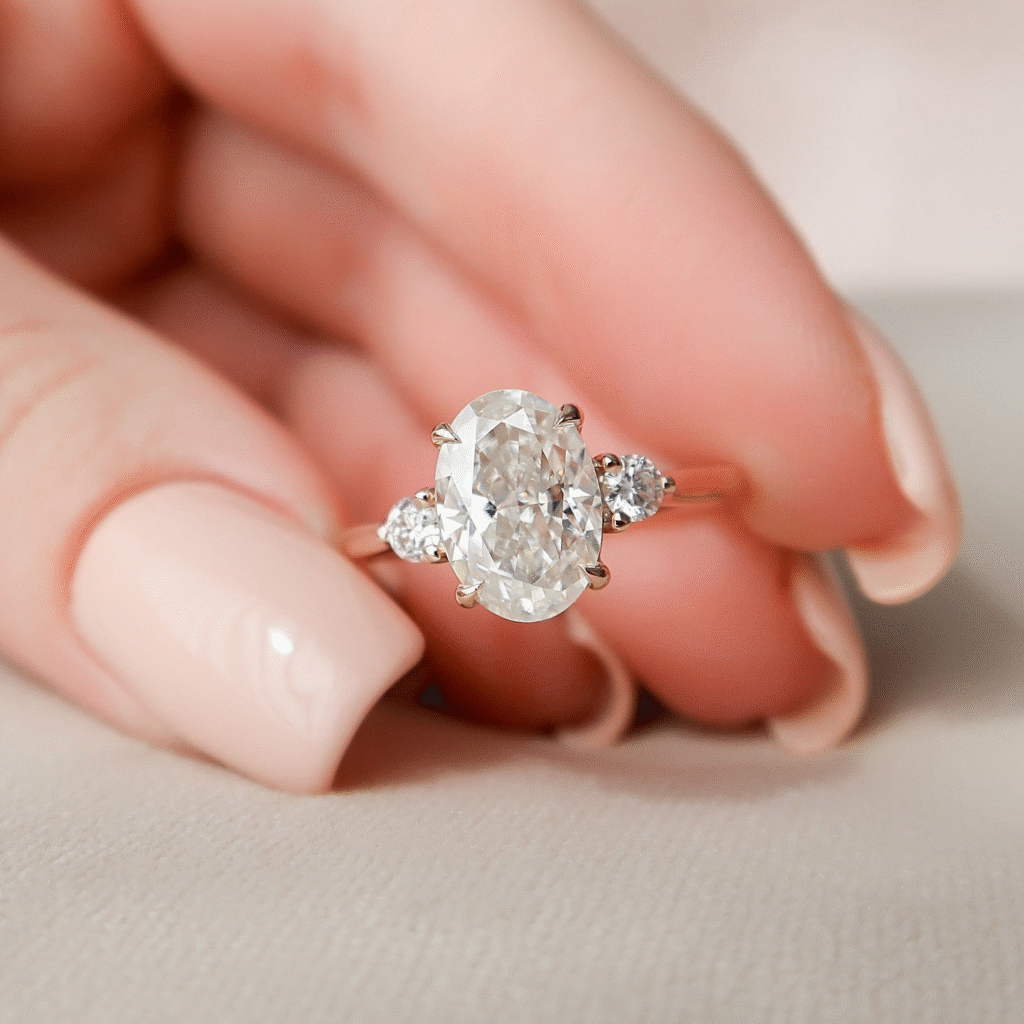
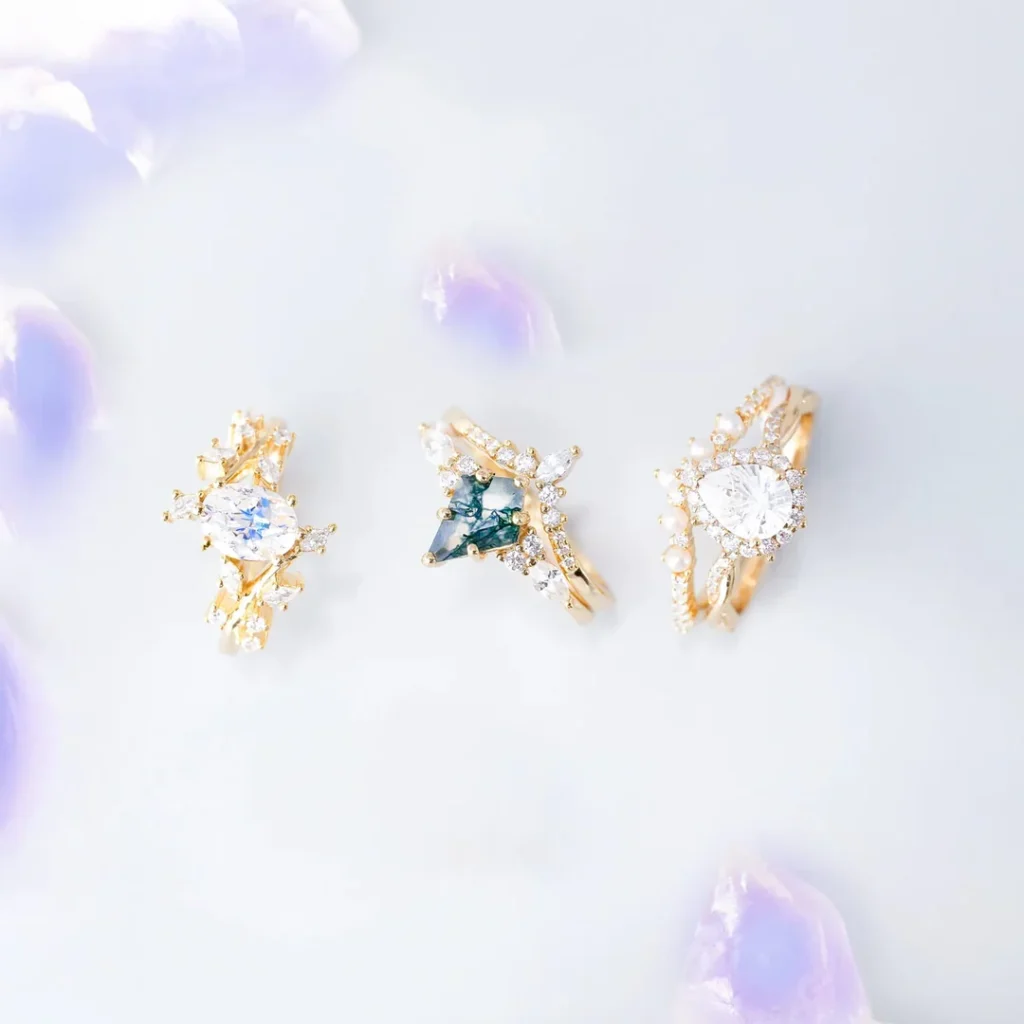
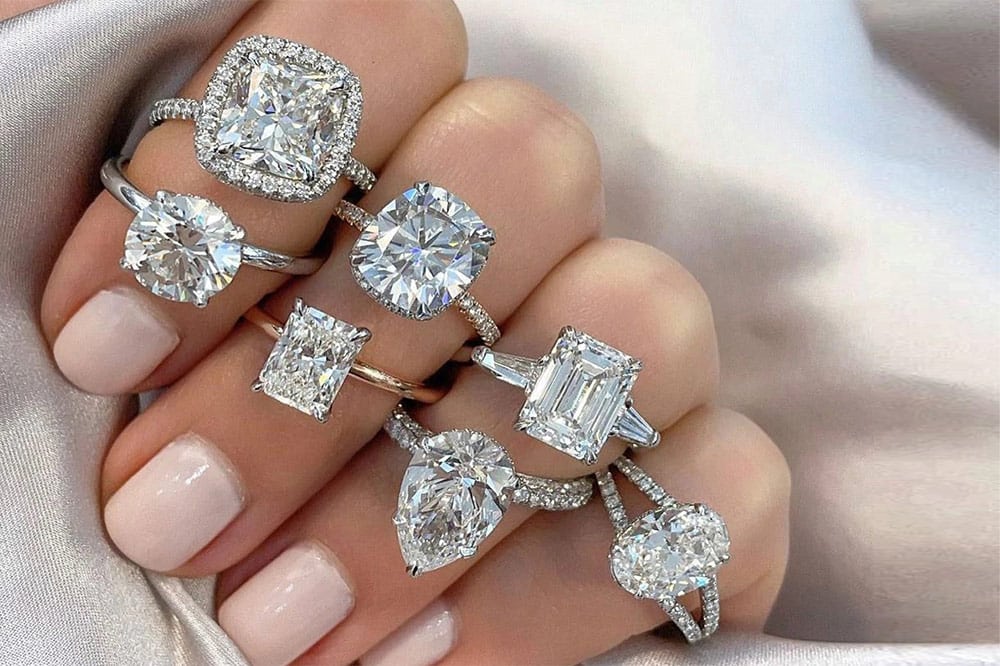
Ovals and pears carry a specific flaw to check for called the bow-tie, a dark shadow stretched across the middle of the stone shaped like its name. A faint one shows up in almost every oval and is normal. A heavy black bow-tie that stays dark at every angle is a dealbreaker, because it kills the sparkle in the exact center where your eye lands first.
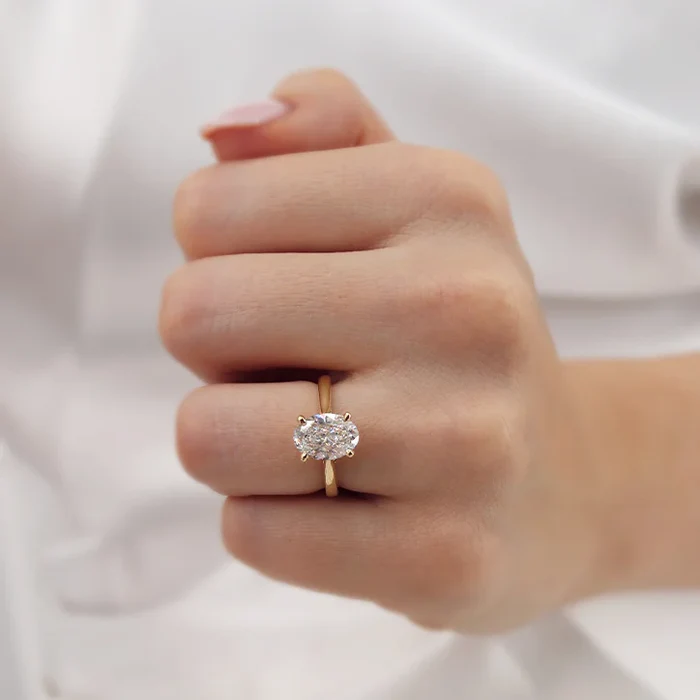
The length-to-width ratio decides whether a fancy shape looks balanced or stretched. An oval around 1.35 to 1.50 looks classic, and pushing past 1.6 starts to look thin and elongated. Emerald cuts sit a little longer, closer to 1.5. The ratio is printed on most reports, or you can work it out from the millimeter dimensions.
How much color and clarity actually matter to your eye
The color scale runs from D at the top, completely colorless, down to Z, where a yellow tint is obvious. The catch is that once a stone is set and on a hand, most eyes stop registering any tint somewhere around G or H. A D and an H can sit side by side in a ring and look identical to everyone except the person holding a loupe and a master set.
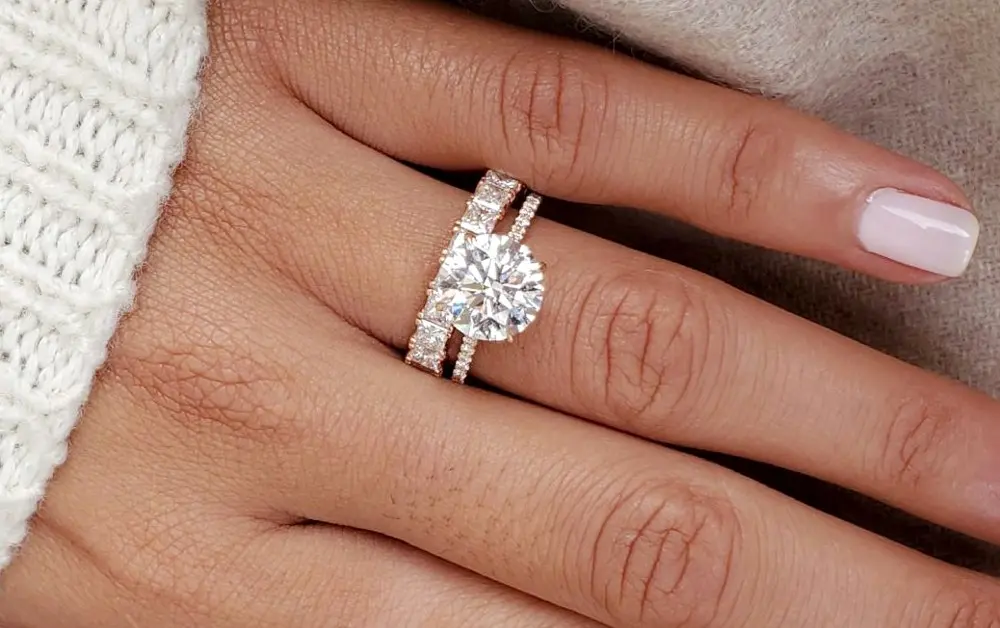
Metal changes the math completely. In yellow or rose gold, the warm metal reflects into the stone, so a near-colorless grade like H or I looks the same as a flawlessly colorless D at a fraction of the price. Paying for D-to-F color and then setting it in rose gold is money spent on a difference the gold erases. Platinum and white gold are where higher color grades actually earn their cost, because the cool white metal shows any tint the stone has.
Clarity works the same way once you shift from the report to your eye. The grades cover how many inclusions the stone has and how visible they are under 10x magnification, but you’re not wearing it under magnification. What matters is whether it’s eye-clean, meaning no flaws you can see with normal vision at arm’s length. Most stones graded VS1 or VS2, and plenty of SI1s, are eye-clean. Flawless and Internally Flawless cost a large premium for a purity you physically cannot see once it’s on your hand.
Where the inclusion sits matters as much as the grade. One tucked near the edge where a prong will cover it is invisible forever. The same inclusion sitting dead center, under the table, catches the light and your eye every time. Two stones graded SI1 can look completely different depending on where their flaws landed.
Carat weight: reading size honestly instead of chasing a number
Carat is a measure of weight, not size, and two one-carat diamonds can look noticeably different across the top. A well-cut stone carries its weight in a way that maximizes the face-up spread you see, while a deep-cut one hides weight underneath where it does nothing for appearance. This is why cut and carat can’t be judged separately.
Prices jump at round numbers. A stone hits a price cliff at exactly 1.00 carat, again at 1.50 and 2.00, because those numbers sell. A 0.90 carat and a 1.00 carat look nearly identical on the hand, but the 1.00 can cost a noticeable amount more just for crossing the line. Buying at 0.90 or 1.40 instead of 1.00 or 1.50 gets you a size no one can tell apart from the round number, for less.
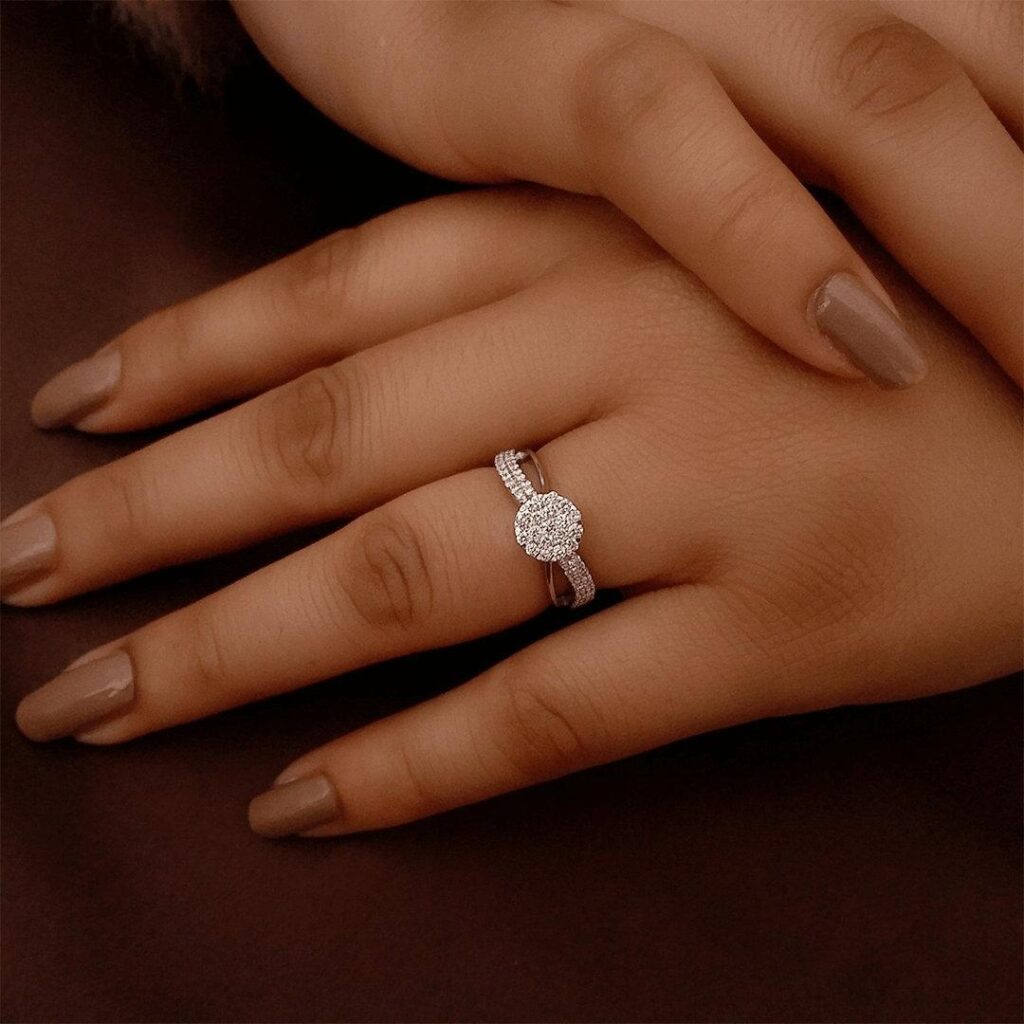
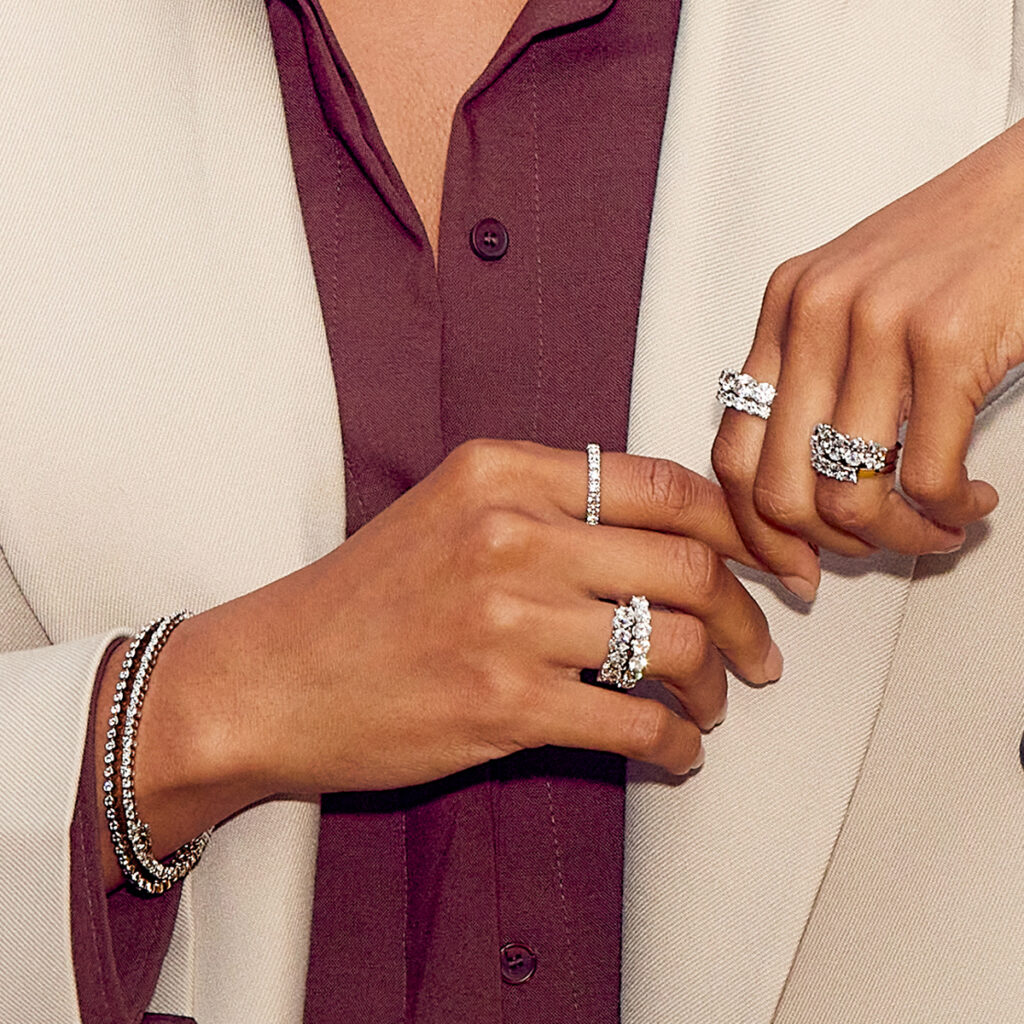
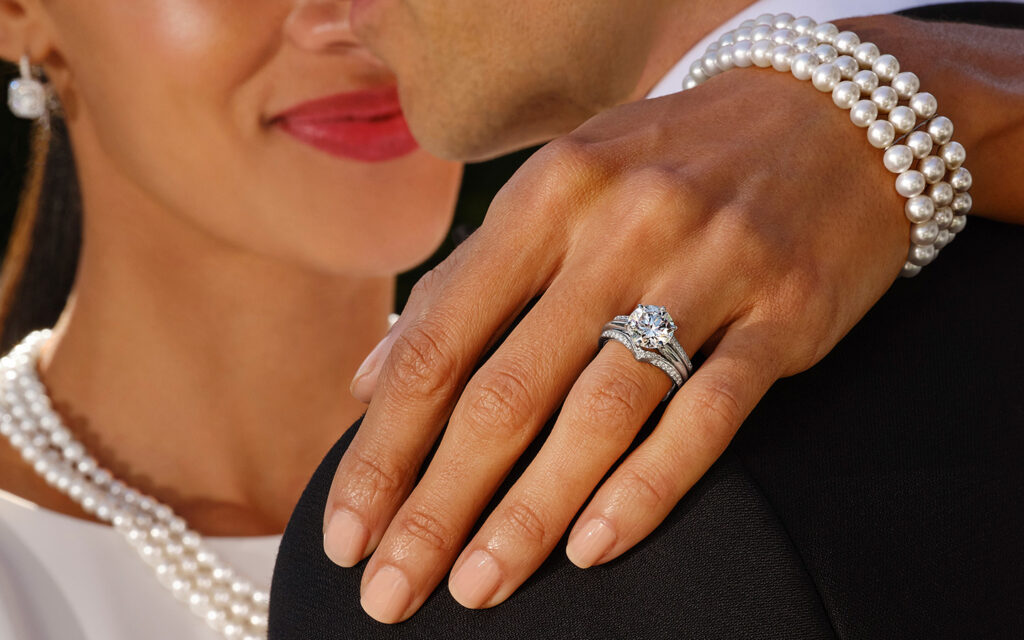
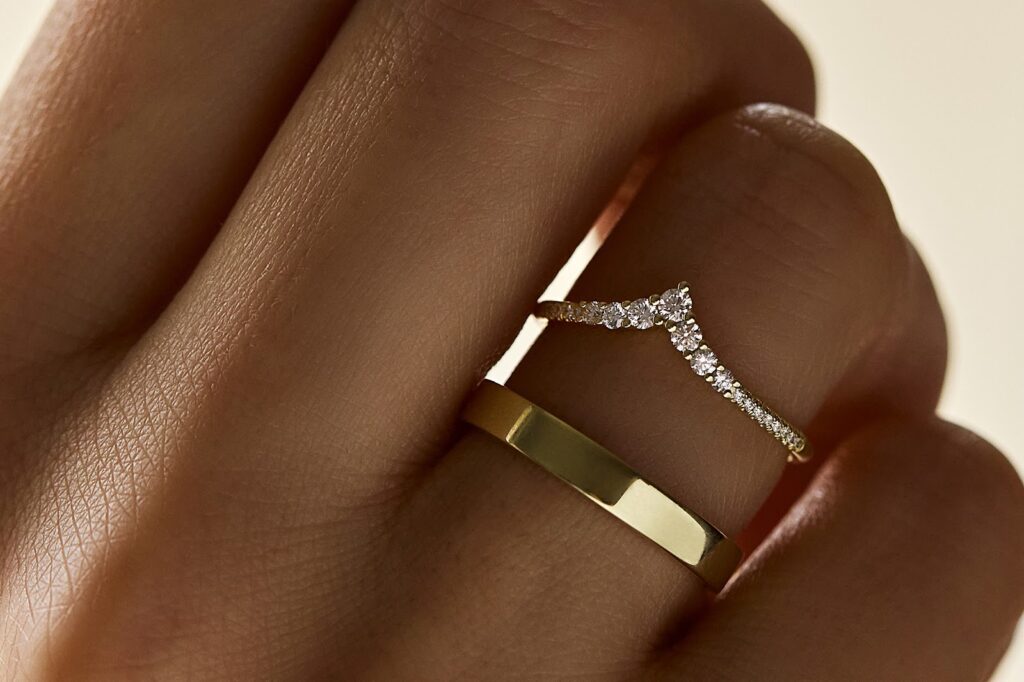
The setting changes how big the same stone reads. A thin band makes the diamond look larger by comparison, a halo of small stones around the center adds visual size well beyond the center’s actual weight, and a wide chunky band can make a decent stone look smaller than it is.
When the choice is a larger dull stone or a smaller brilliant one at the same price, the smaller well-cut stone almost always looks better on the hand. People stop noticing size within seconds, but they keep reacting to whether it catches light.
The setting and metal: the half of ring quality buyers ignore
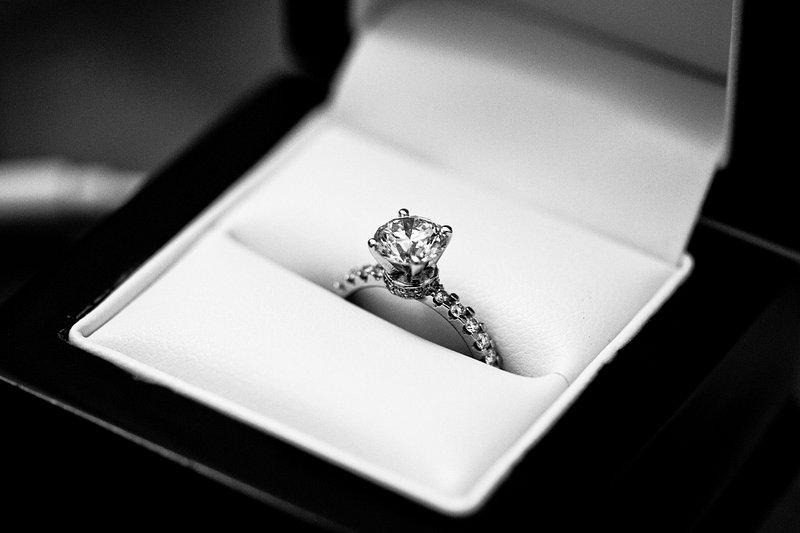
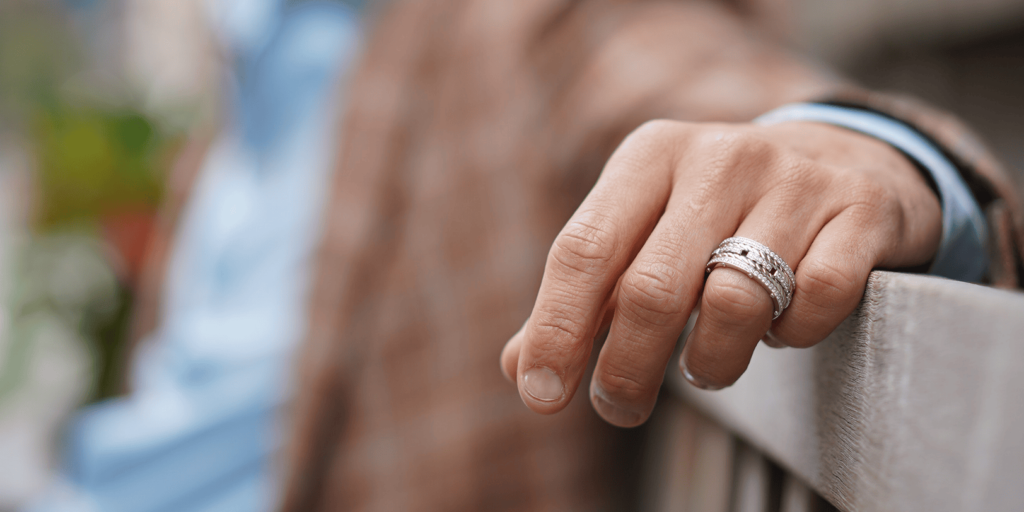
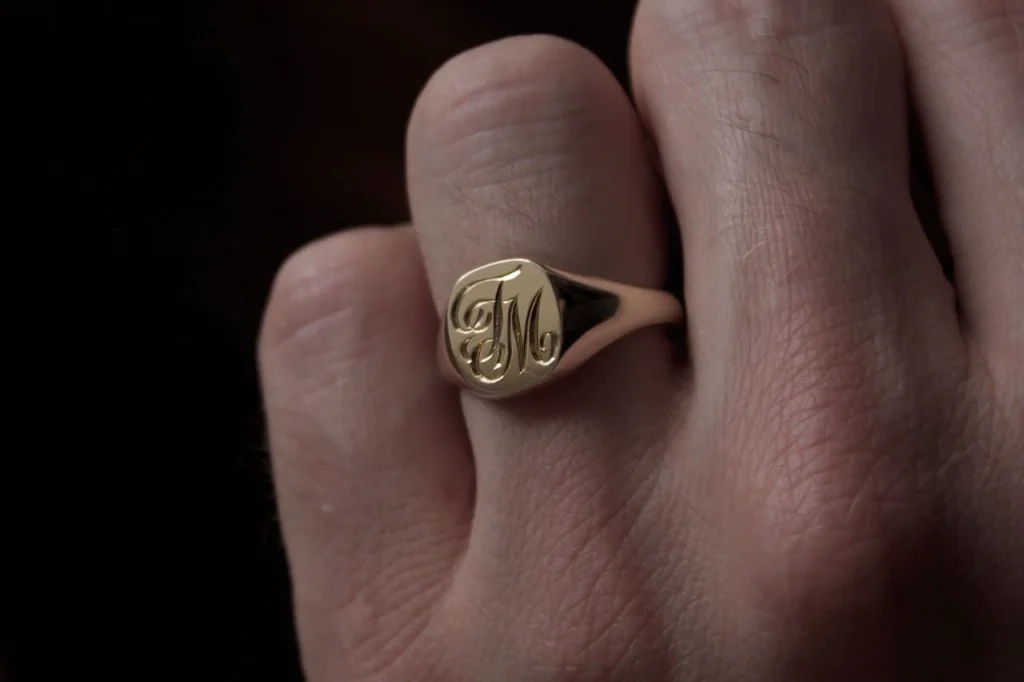
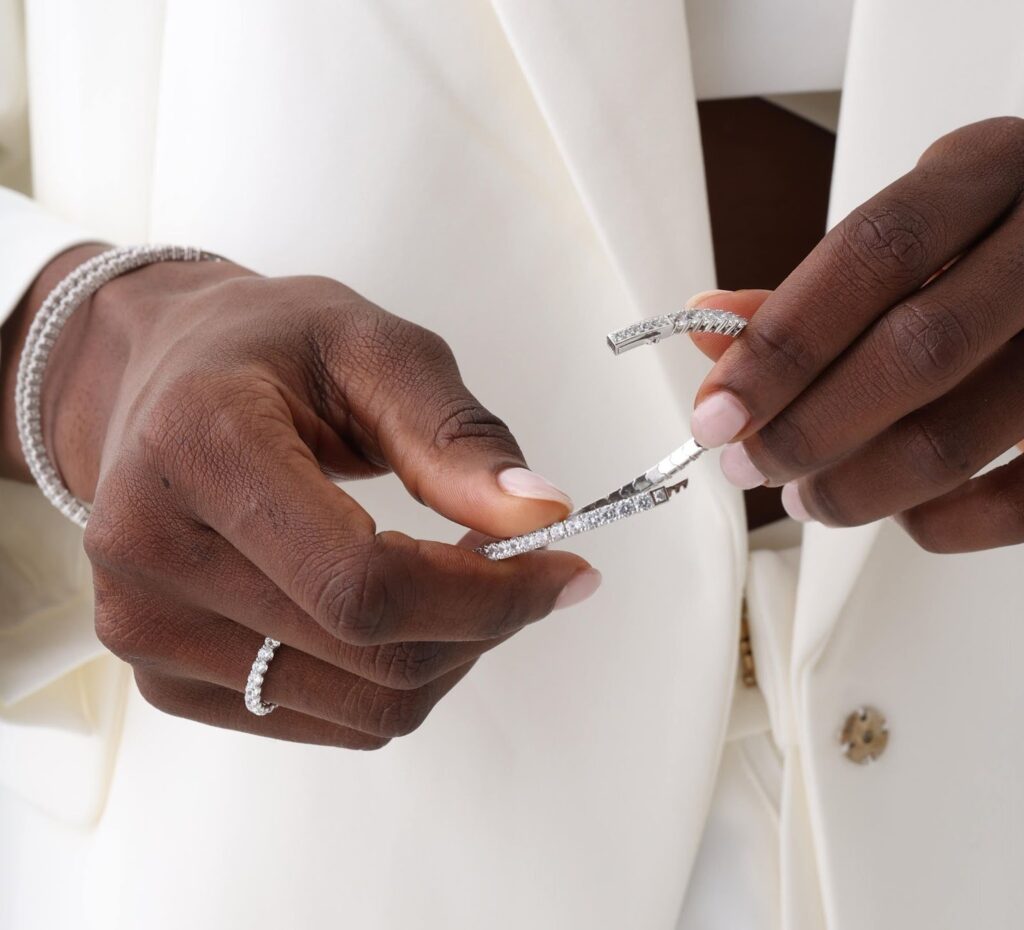
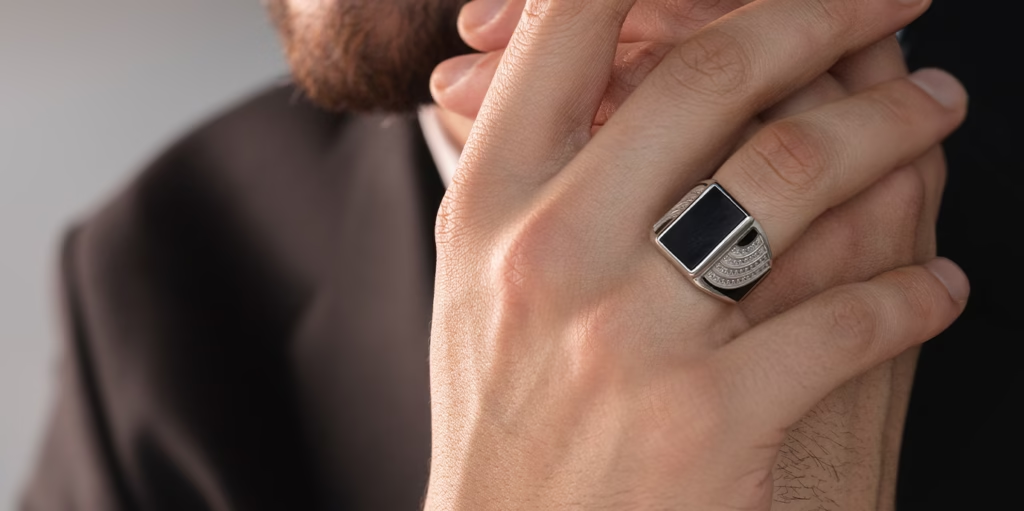
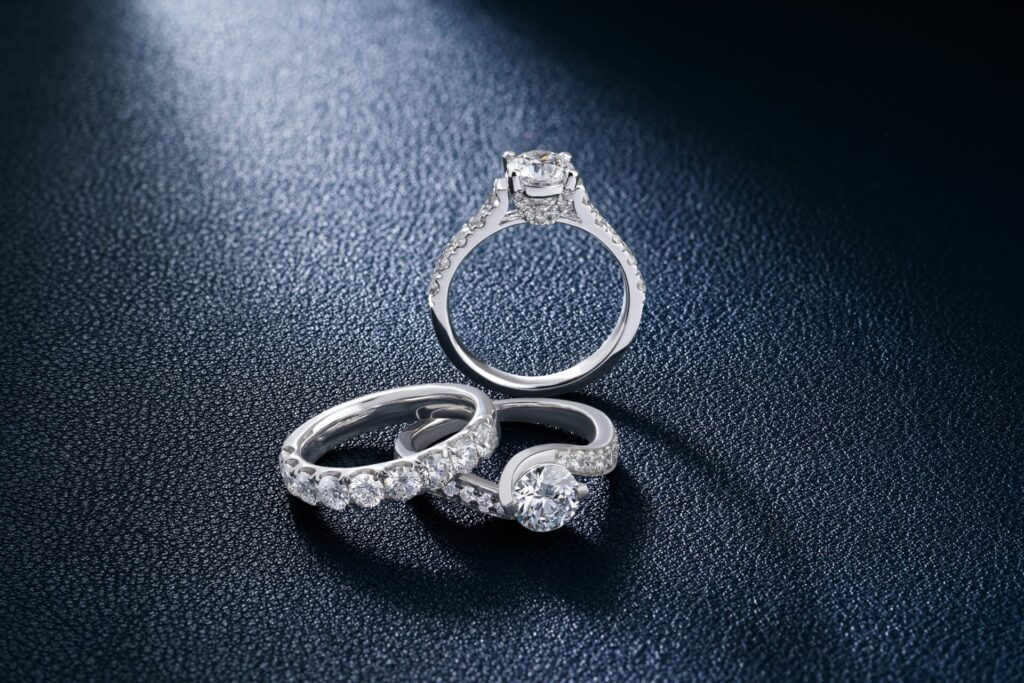
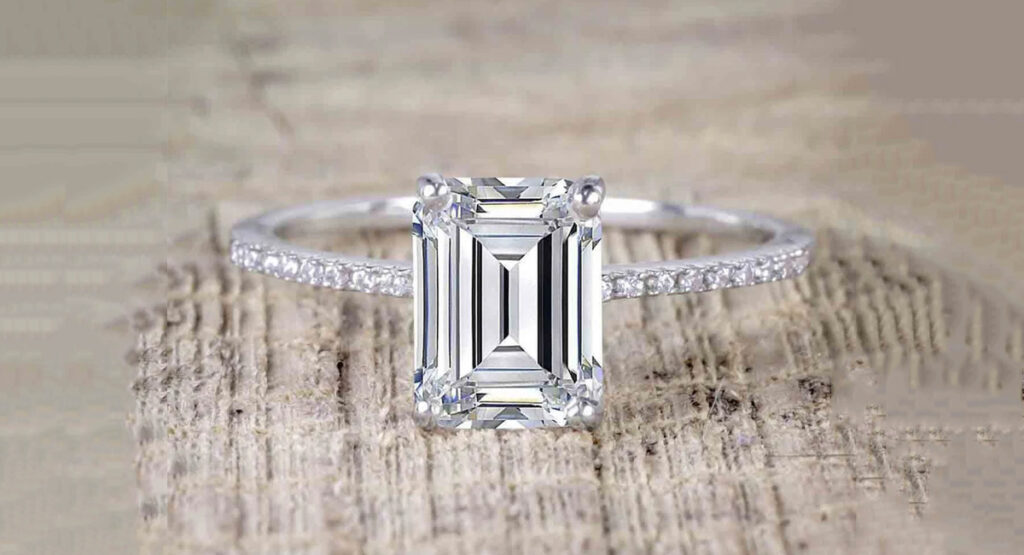
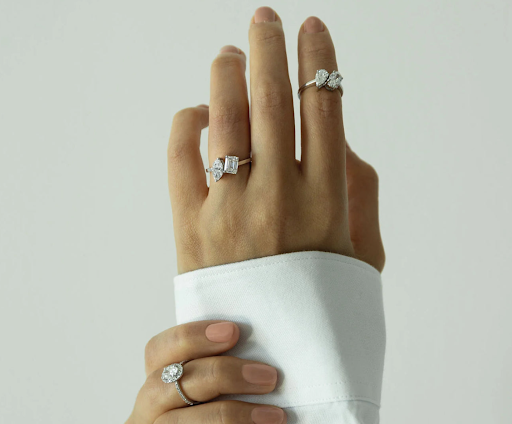
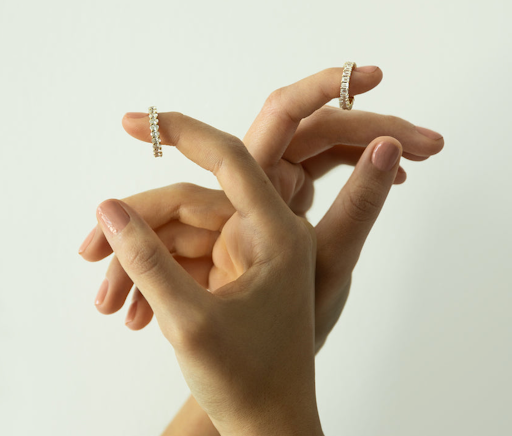
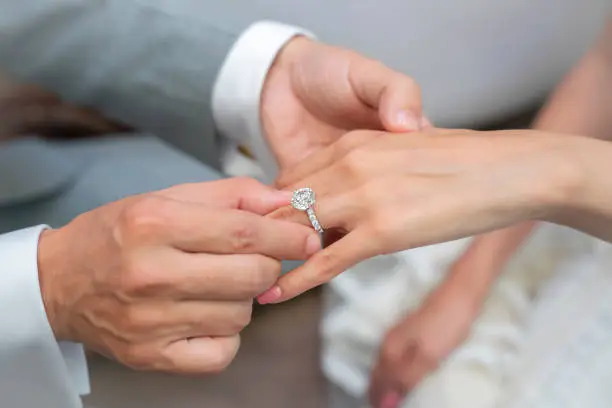
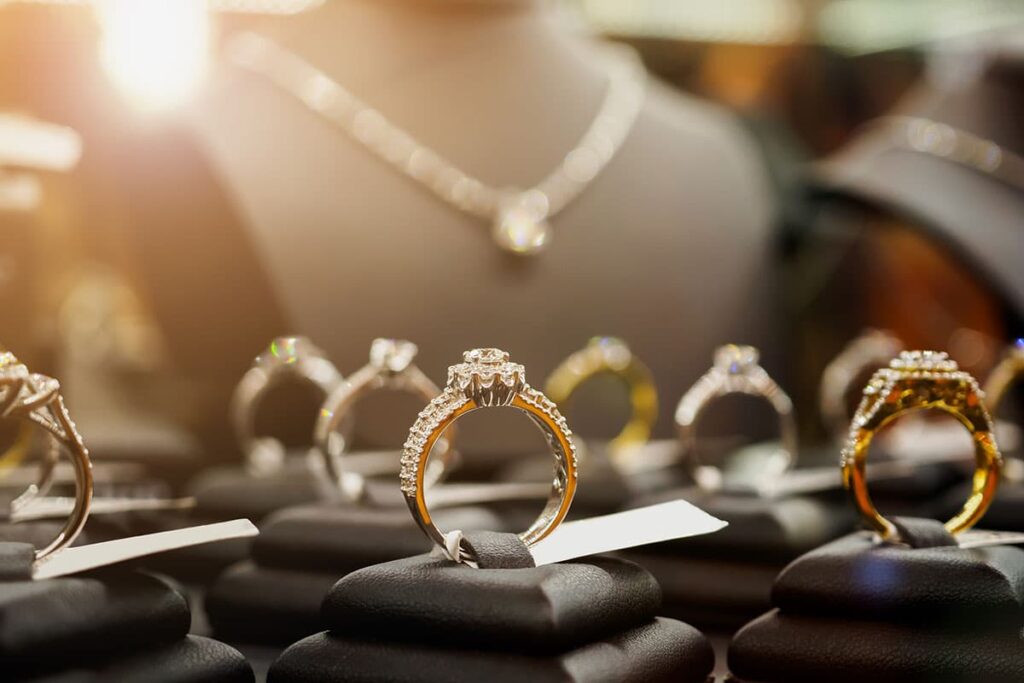
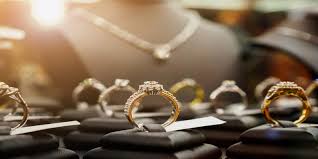
Prongs are the failure point most buyers never inspect. Look at them straight on and from the side. They should sit evenly spaced, press firmly against the stone with no daylight gap underneath, and hold the diamond level rather than tilted. A stone that sits crooked, or prongs of uneven length, or a visible gap between metal and stone all point to rushed work that lets a diamond loosen and eventually drop.
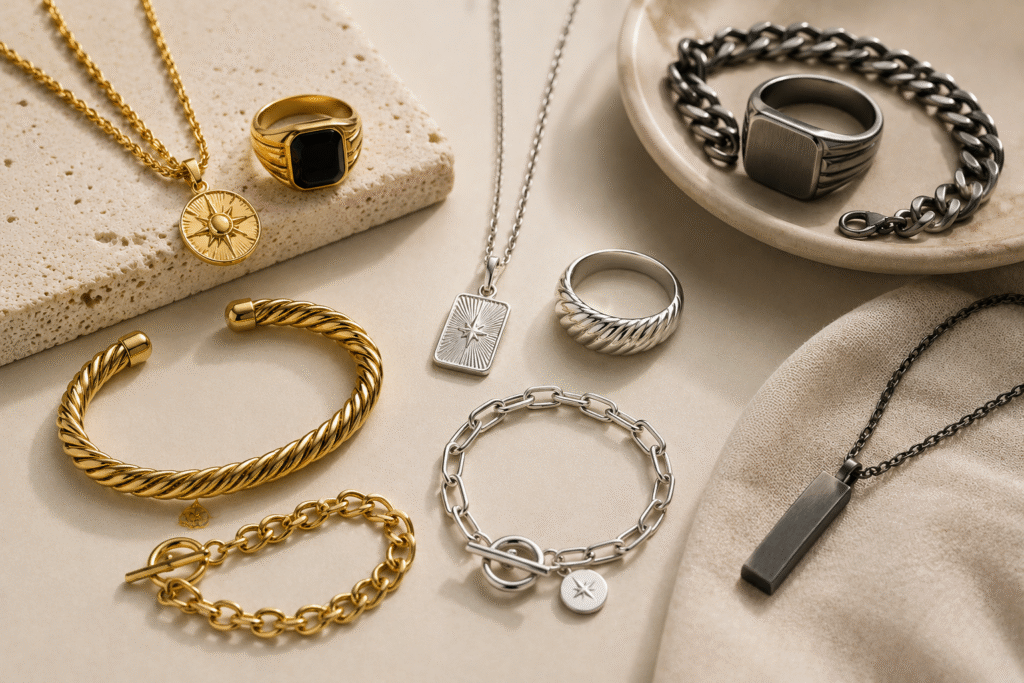
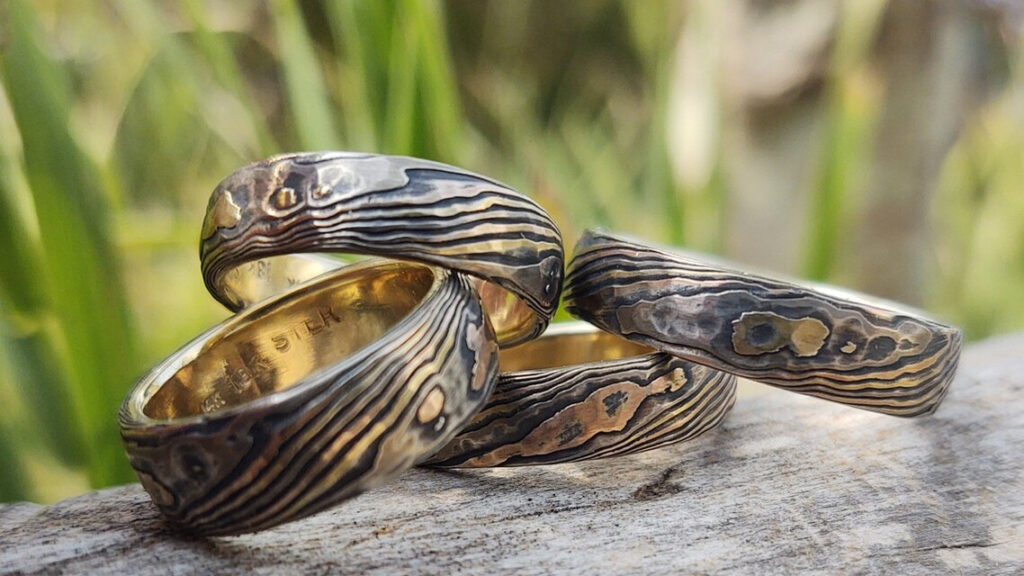
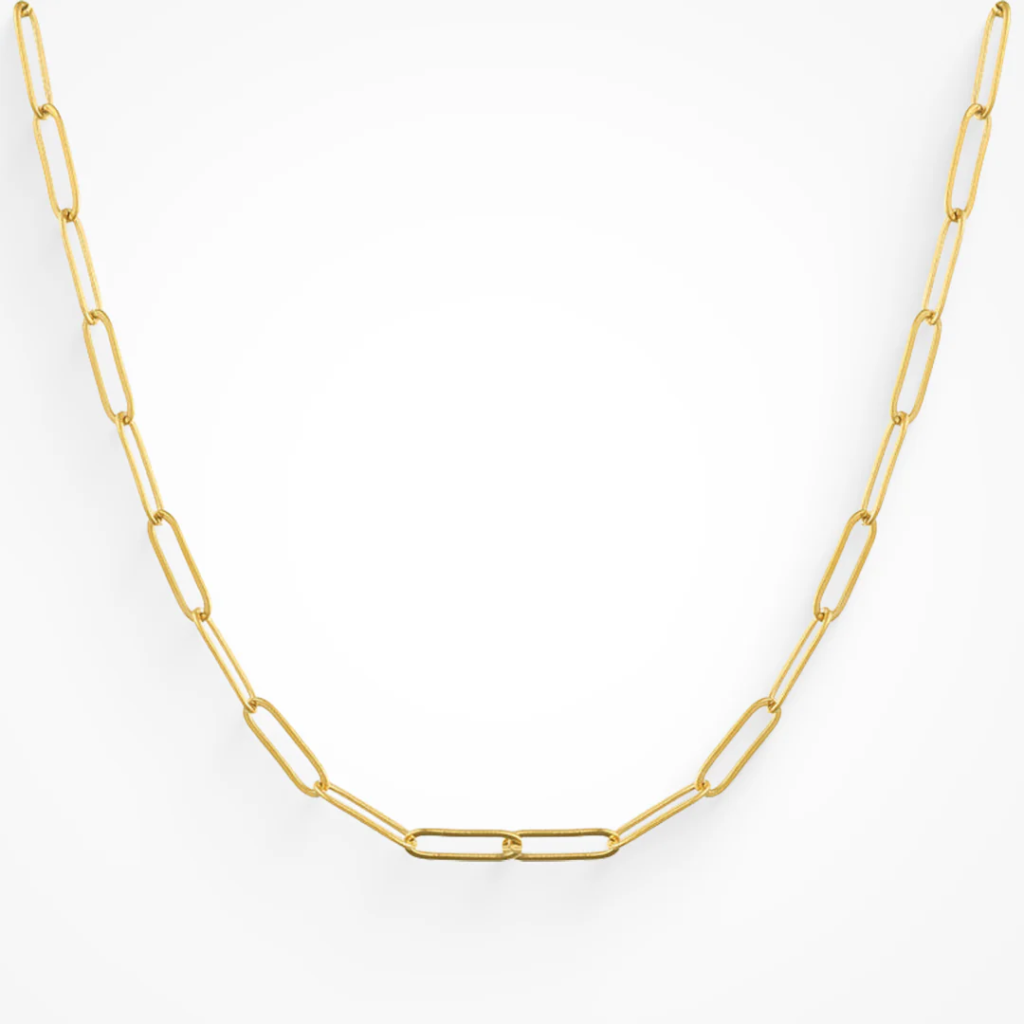
Platinum and gold hold a stone differently over years of wear. Platinum is denser and more durable, so its prongs wear down slower and resist bending, which is why it’s the safer metal for holding a single valuable stone long-term. It costs more and does scratch, but it keeps a stone secure better than gold. 14k gold is harder and more wear-resistant than 18k, while 18k is softer and richer in color but wears faster at the prong tips. When you compare diamond rings across a jeweler’s range, the metal choice should track how much the setting has to protect the stone, not only the color you want on your hand.
Prong count and type change both security and sparkle. Six prongs hold a round stone more securely than four and are worth it for larger diamonds, though four prongs let in slightly more light and show more of the stone. A bezel, where metal wraps the whole edge, is the most secure setting of all and the best choice for an active hand, but it covers the stone’s sides and cuts down how much light reaches it.
Cheap settings hide their corners. A band that feels light and thin for its size often has a hollow shank, metal tubed out to look substantial while using less of it, and hollow shanks dent and bend far sooner. Plating is the other one: a base of lower-grade metal coated in rhodium or gold that looks right in the case and wears through at the contact points within a year or two, showing the duller metal underneath. Weight in the hand and a solid, non-plated band are what you’re checking for.
Lab-grown vs natural diamonds in 2026: does it change how you judge quality
A lab-grown diamond is judged on exactly the same four things as a mined one. Same cut grades, same D-to-Z color scale, same clarity scale, because it’s the same material with the same optical properties, grown instead of dug up. Everything in this article about reading cut, spotting a bow-tie, or matching color to metal applies to both without changing.
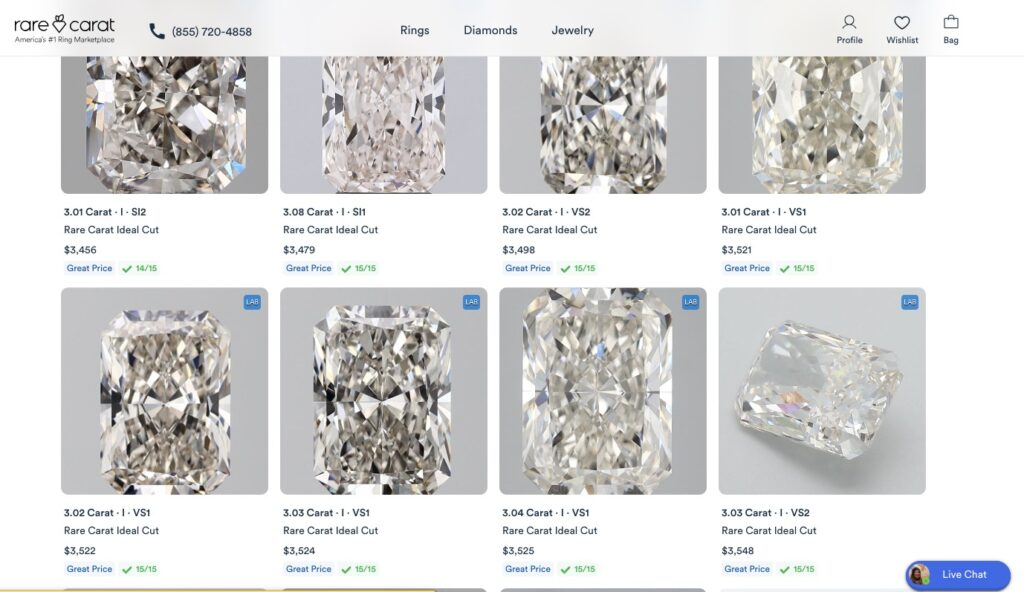
The 2026 difference is price. Lab-grown prices have fallen sharply over the last few years as production scaled, so the same budget that bought a small mined stone now buys a noticeably larger or better-cut lab-grown one. For quality-per-dollar on the things your eye reacts to, cut and size and clarity, lab-grown stretches a fixed budget further than natural can right now.
You cannot tell them apart by looking, and neither can a jeweler without equipment. The difference lives on the certificate. A lab-grown stone is graded as lab-grown by the report, and most carry a laser inscription on the girdle naming the lab and stating the stone is laboratory-grown, readable under magnification. Matching that inscription to the paper is how you confirm which one you’re actually holding.
Resale is where the two split, and it’s worth being clear-eyed before you decide. Lab-grown stones currently resell for very little, partly because prices on new ones keep dropping, so the stone holds almost no resale value even if its quality is excellent. Mined diamonds hold value better but still sell back for a fraction of retail. Stone quality and long-term financial value are two separate questions: a lab-grown stone can be higher quality than a mined one at the same price and still be the weaker choice if resale or heirloom value is what you care about. Decide which of those you’re buying for before you let the price gap make the choice.
What a grading certificate really tells you, and what it hides
GIA and IGI are the two labs whose grades you can trust to mean what they say, because they grade consistently and independently of whoever is selling the stone. An in-house certificate, or one from a lab you’ve never heard of and can’t look up, routinely grades a stone one or two steps higher than GIA would give the same rock. A stone sold as G color, VS1 on an unknown lab’s paper might be an I color, SI1 by GIA’s standards, and you’re paying G-VS1 prices for it.
Every GIA and IGI report has a number, and most stones are laser-inscribed with that same number on the girdle. Ask to see the inscription under magnification and check it against the certificate you’re handed. This confirms the report describes the exact stone in front of you rather than a different, better one it was matched to. Without that match, the paper could belong to any stone.
The certificate grades the loose stone and nothing else. It says nothing about the setting quality, whether the prongs are secure, or how the ring is built. It grades cut on a scale but doesn’t capture how alive the stone actually looks in person, since two Excellent-cut stones can still differ in real sparkle. And it can’t tell you whether the ring is worth its asking price. The report is one input for judging the diamond, not a verdict on the ring.
A few things should stop you outright: no report at all, a lab whose name you can’t verify online, or grades that look too generous for the price being asked. A colorless flawless one-carat at a bargain price is not a deal, it’s a grading claim you can’t trust.
Matching diamond ring quality to your actual budget
Everything up to here points at one spending order. Put the money into cut first, because it’s the only grade your eye reads from across a room. Accept a near-colorless color grade, G or H, and let the setting metal cover the rest. Accept eye-clean clarity, an SI1 or VS2 with its inclusions off-center, instead of paying for flawless. Those three moves put your budget where it shows and pull it out of where it doesn’t.
Take a fixed budget aimed at a one-carat ring. A buyer chasing the report might spend it on a 1.00 carat, F color, VVS2 stone with a Good cut, and end up with a ring that grades beautifully and looks flat. Move the same money instead: drop to a 0.90 carat, H color, SI1, but push the cut to Excellent. The second ring costs the same and looks visibly brighter and livelier on the hand, because every dollar you pulled out of size, color, and clarity purity went into the one thing that makes a diamond sparkle. Nobody looking at it will read the grades off a report, but everyone will see the way it catches light.
On a tighter budget, lab-grown is what lets you reach cut quality and size that mined stones can’t touch at the same price in 2026. If the money is limited and resale isn’t the point, a lab-grown Excellent-cut stone gets you the sparkle a natural stone would put out of reach.
There’s one place the framework never bends. Never save money on setting security. A cheap, thin, or plated setting can lose the stone, and a lost diamond wipes out every smart trade you made on cut, color, and carat. Spend for prongs and a band that hold, even if it means dropping a color grade to afford them.