





































































































































































































































































































































































































































































































































































































































































































































































































































































































































































































































































































































































































































































































































































































































































































































































































































































































































































What to Wear to the Theatre: A Style Guide for an Evening Out


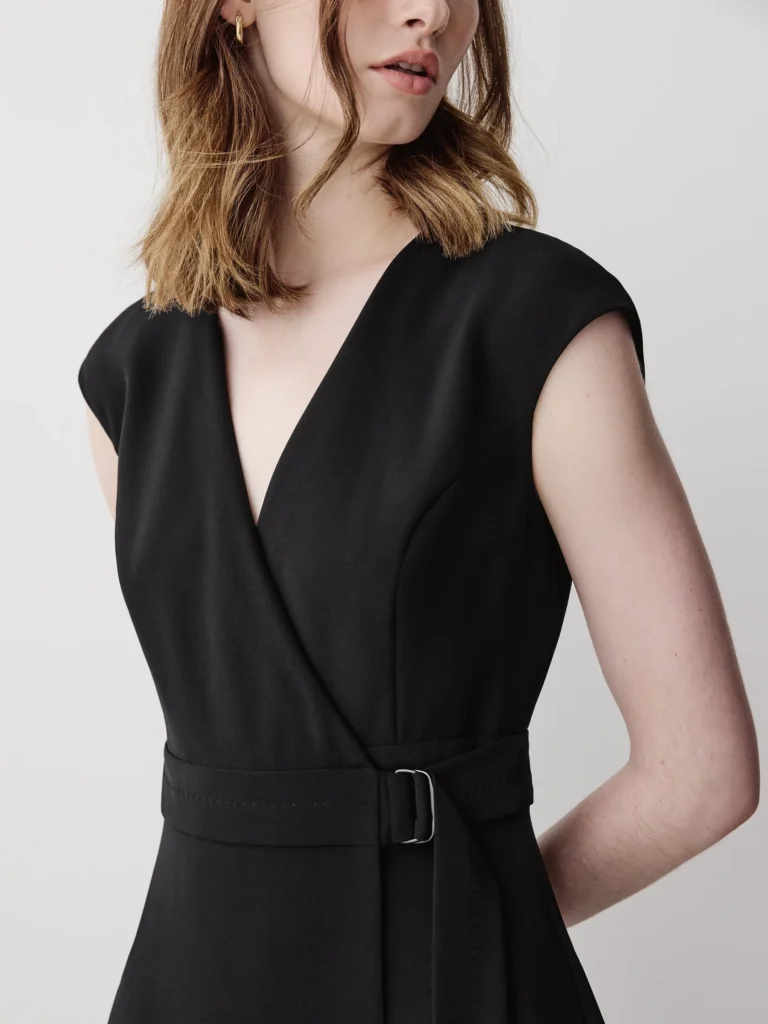
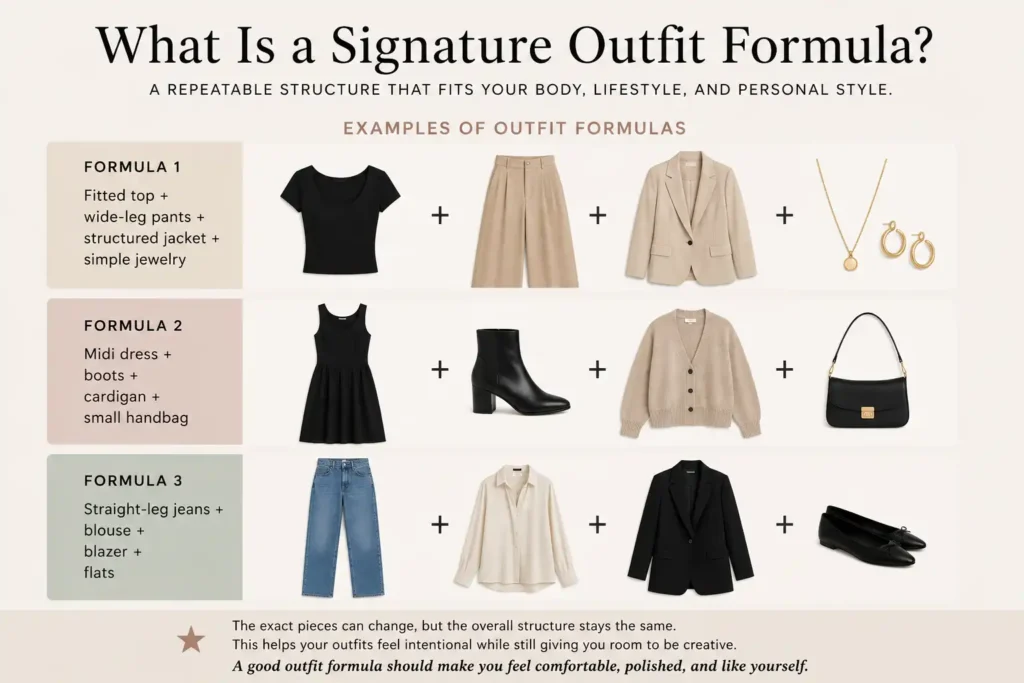
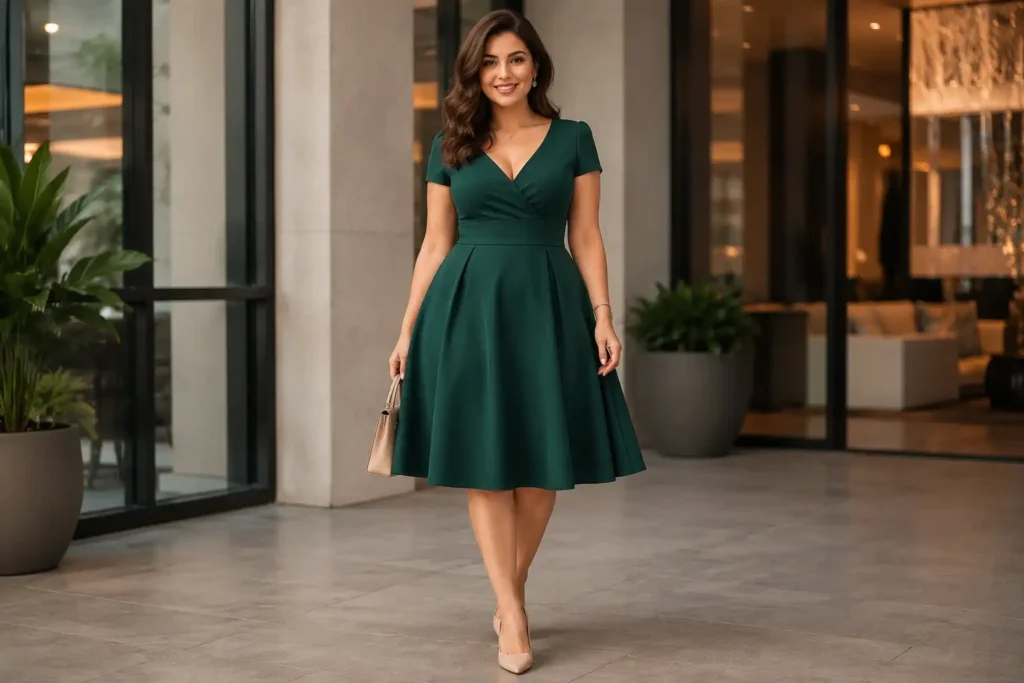
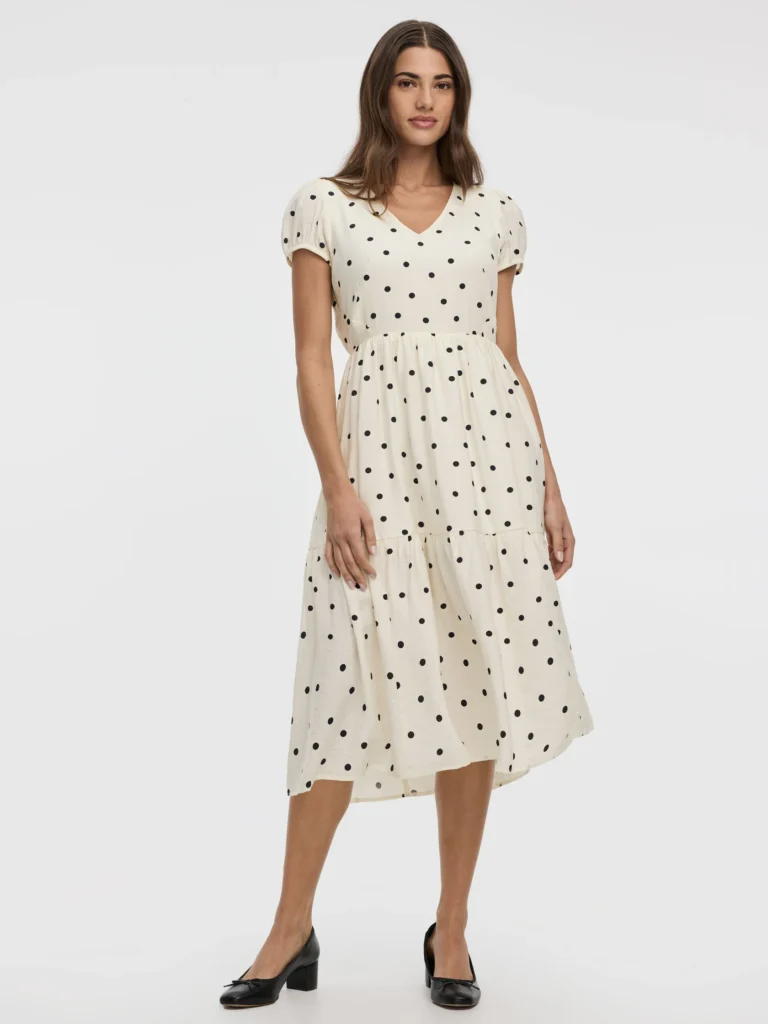
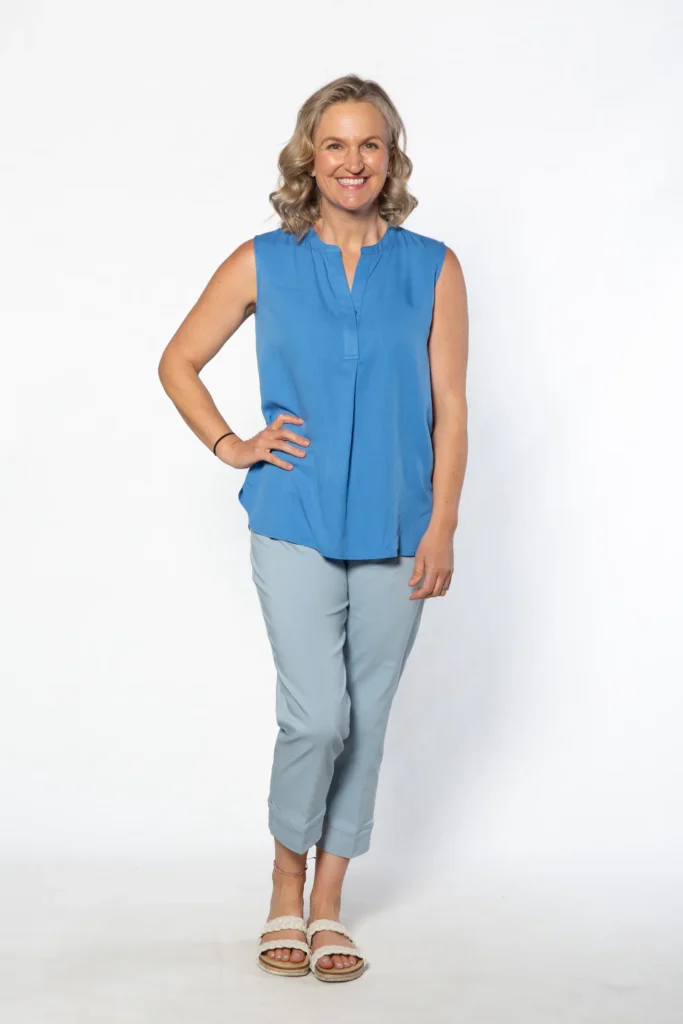
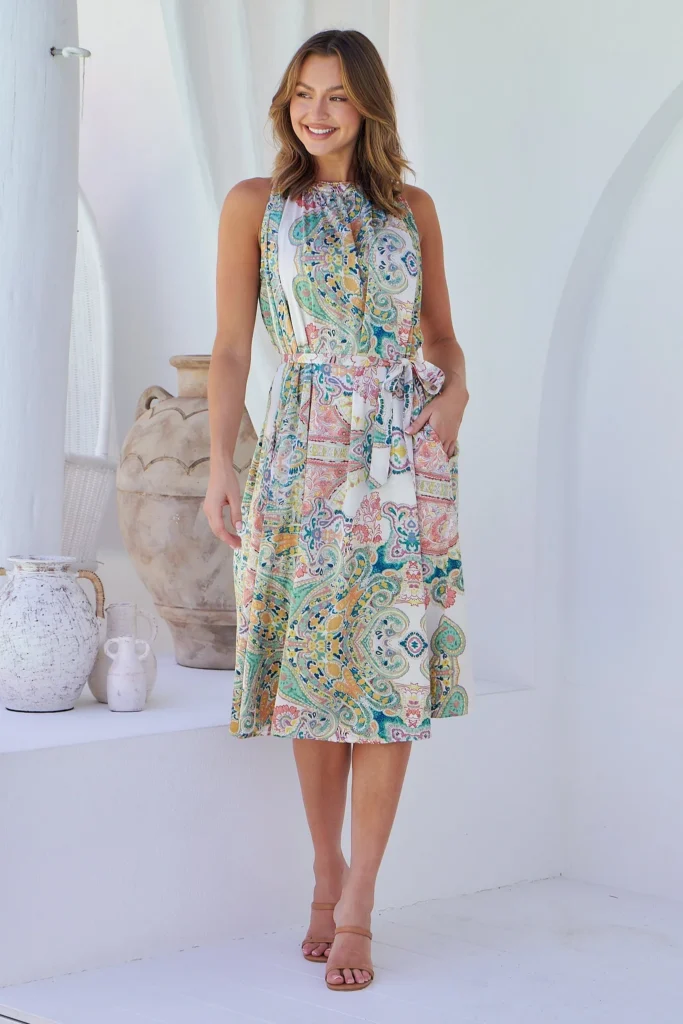
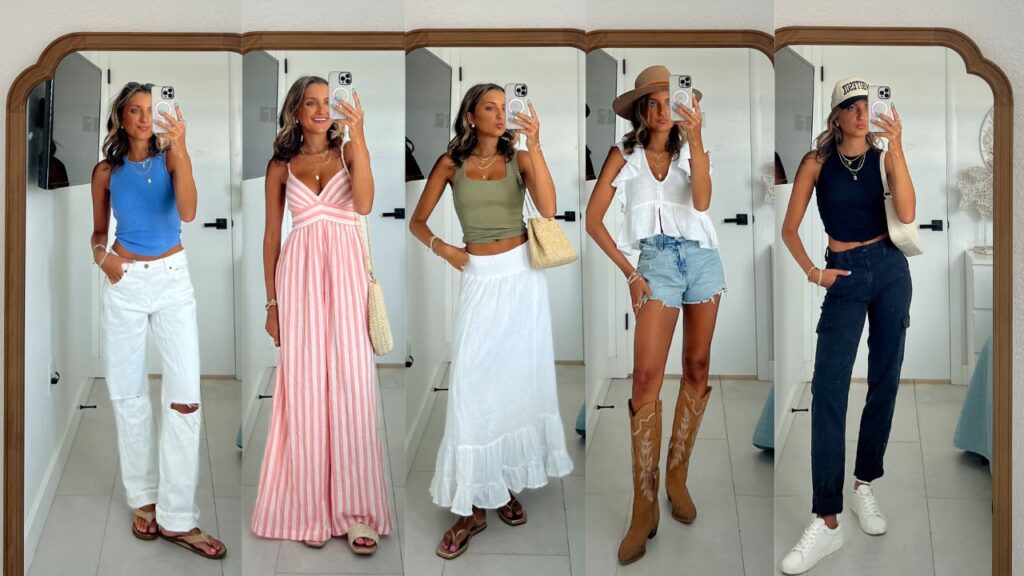
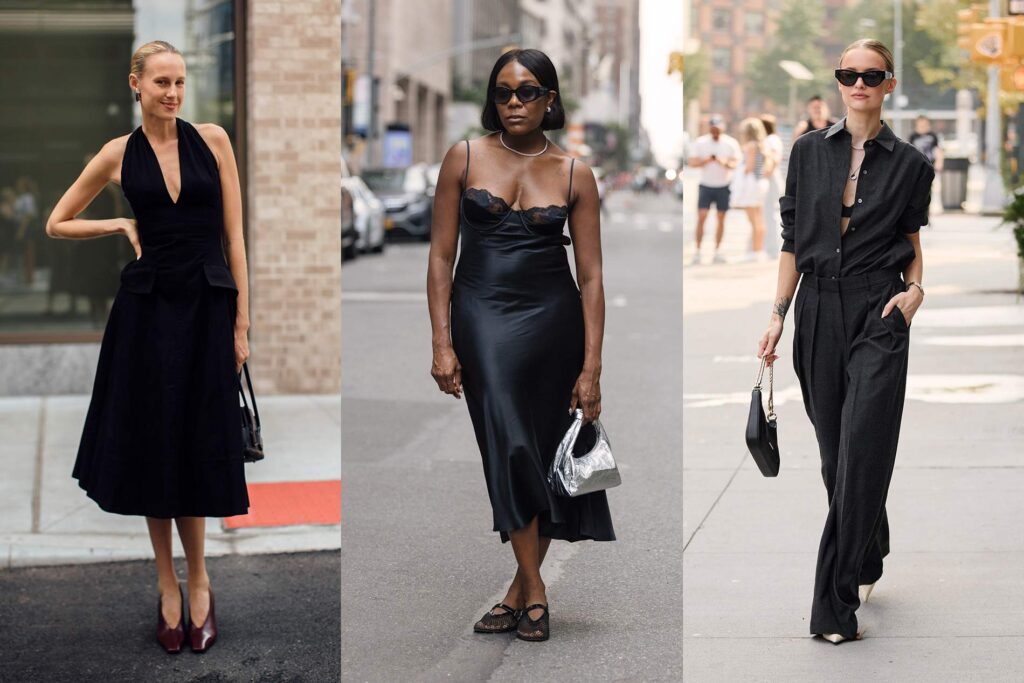
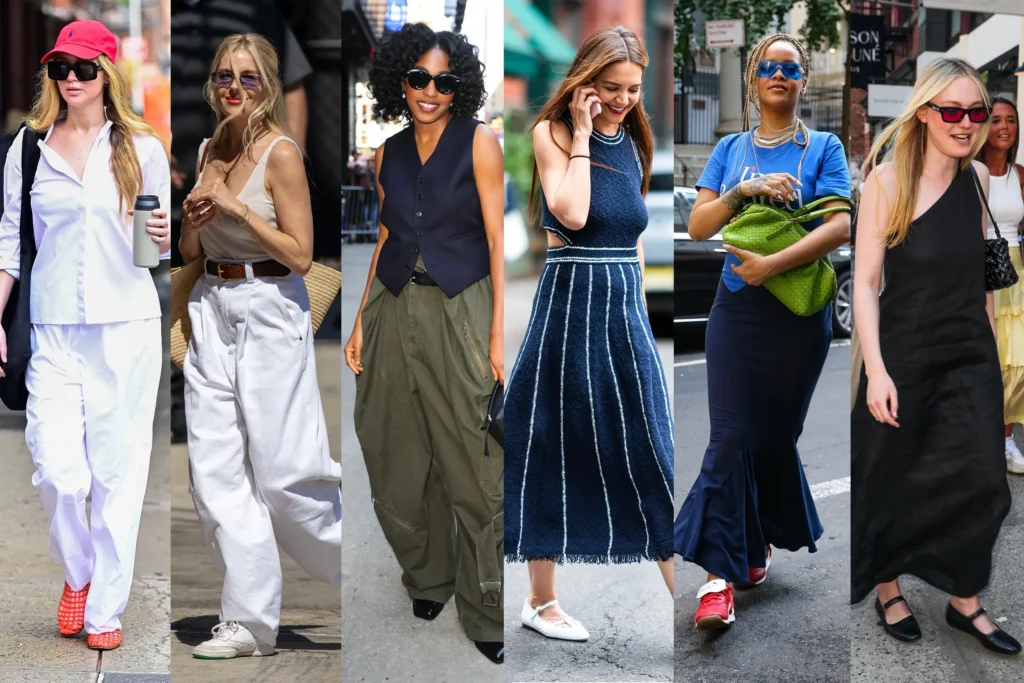
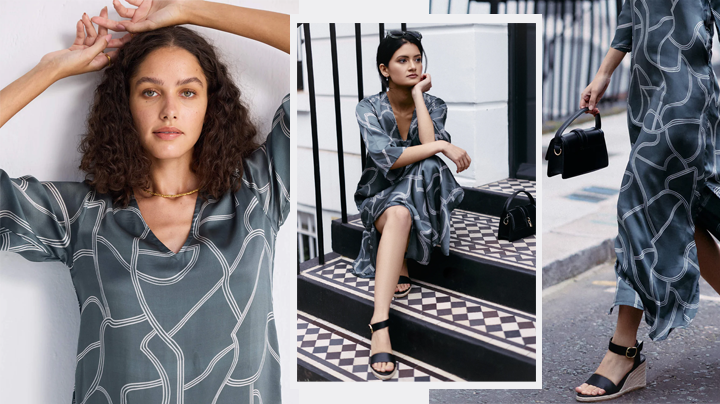
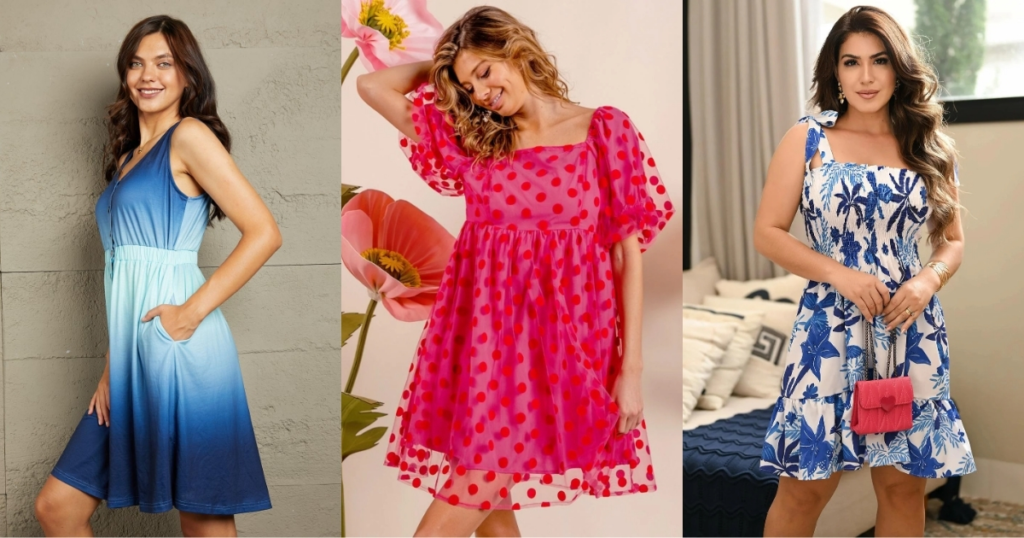
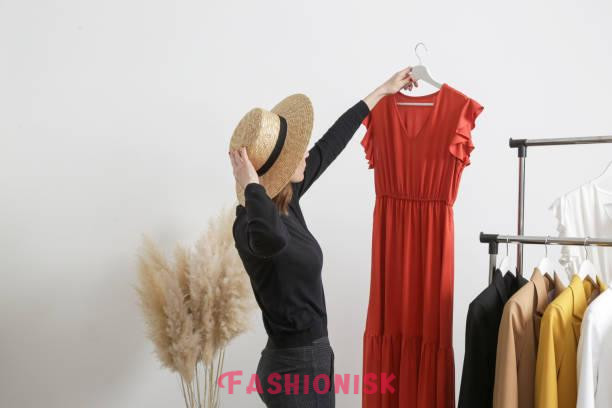
Most theatres no longer enforce a dress code, so deciding what to wear to the theatre mostly comes down to comfort, the type of show and how much of an occasion you want to make it. Jeans with a smart top are accepted at nearly every venue, while a midi dress or tailored jacket suits anyone who likes to dress up a little.
Whatever you choose, the evening goes better if you can sit for two or three hours without adjusting your clothes, and if you’re warm enough in the foyer without overheating once the lights go down. Thinking about the show, your seat and the weather before you get dressed covers most of the decisions.
Planning Around the Show and the Venue
Start with the performance itself, because a matinee musical, a touring drama and an opening night tend to draw slightly different crowds. Once you’ve seen whats on in Saint Annes over the coming weeks, it’s simpler to match the outfit to the show and to think about the seat, since the circle and the front stalls can differ in temperature and legroom. Venue websites usually mention any expectations, and checking takes a minute.
Outfits for Different Kinds of Evening
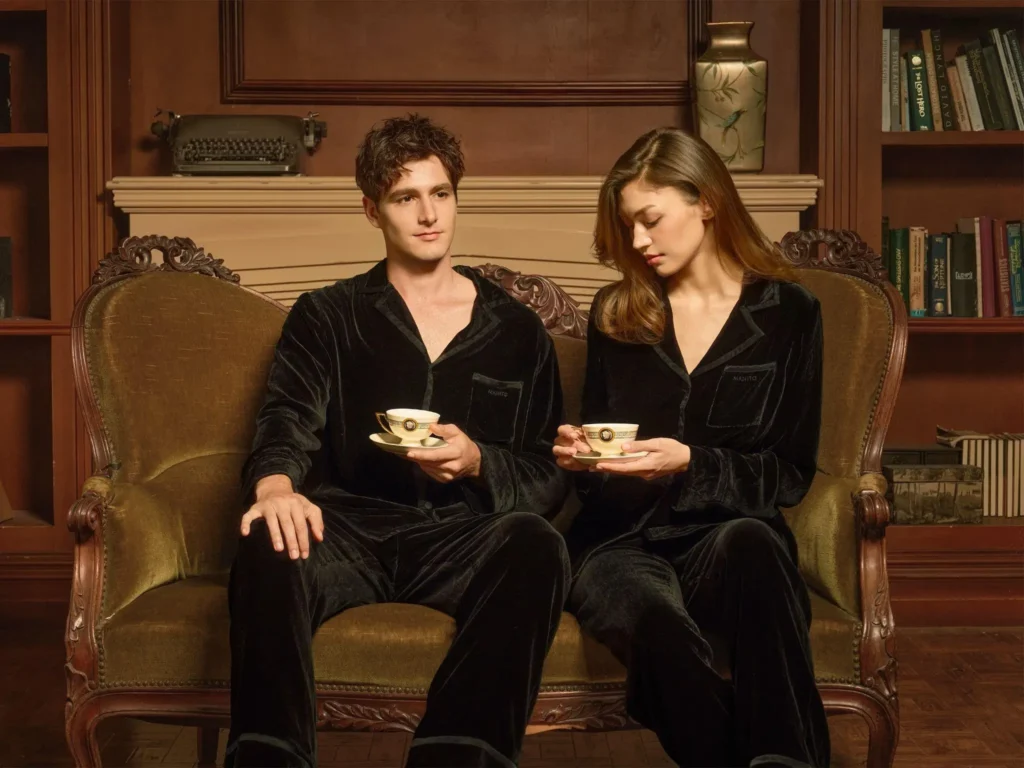
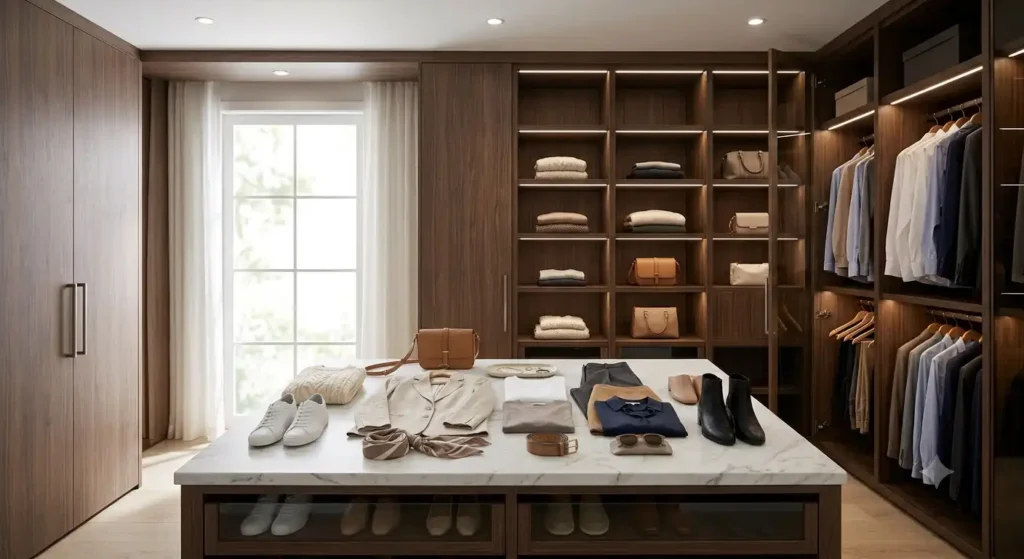
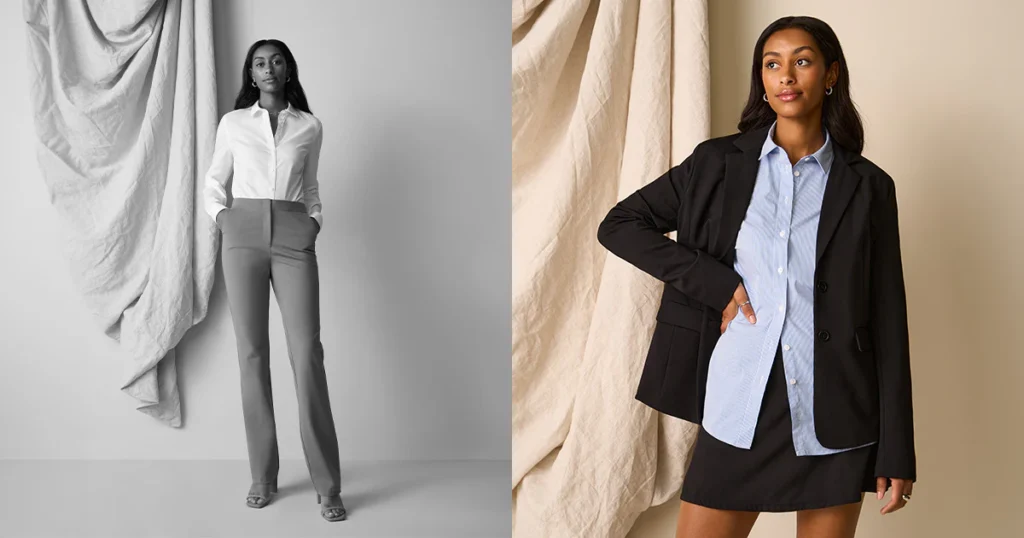
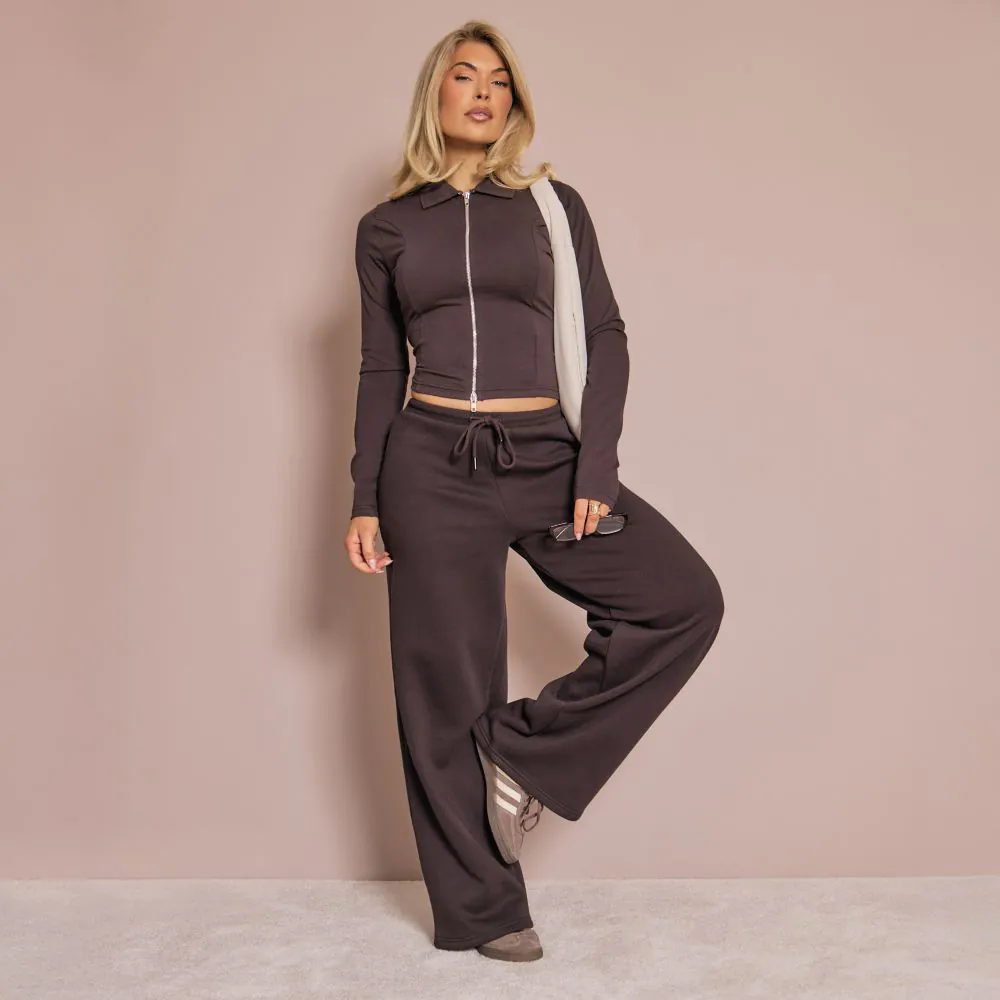
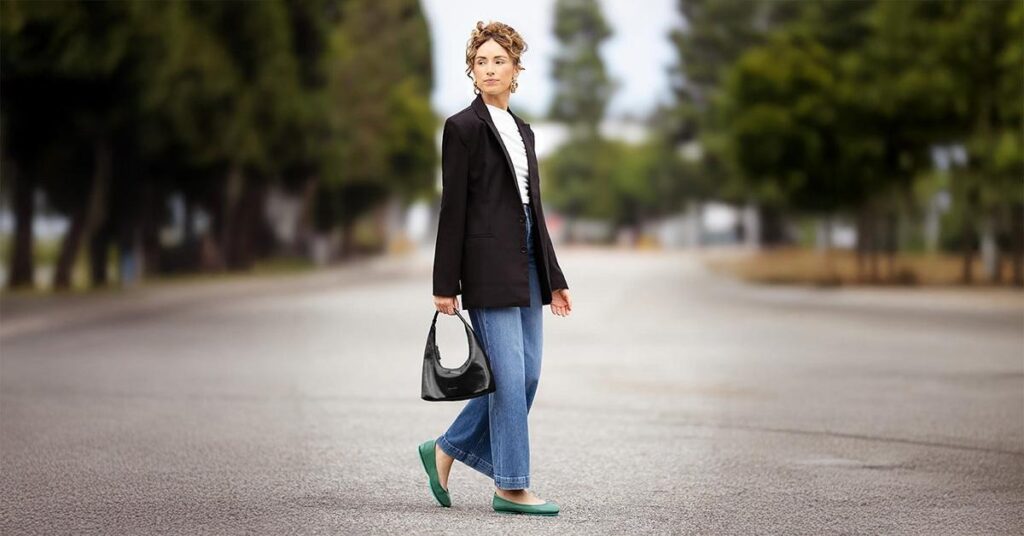
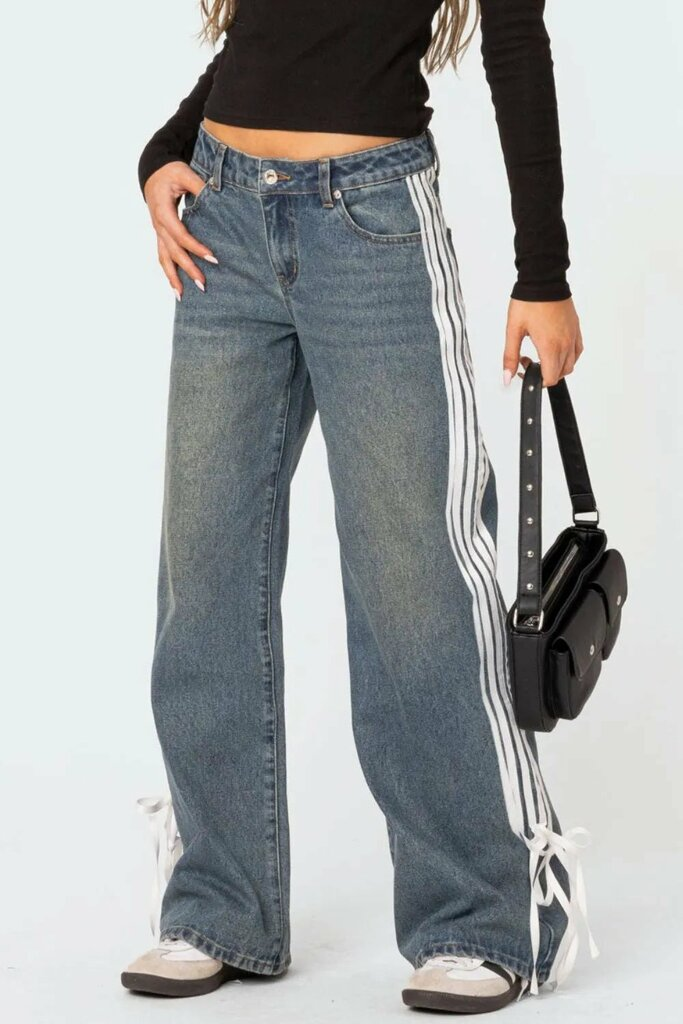
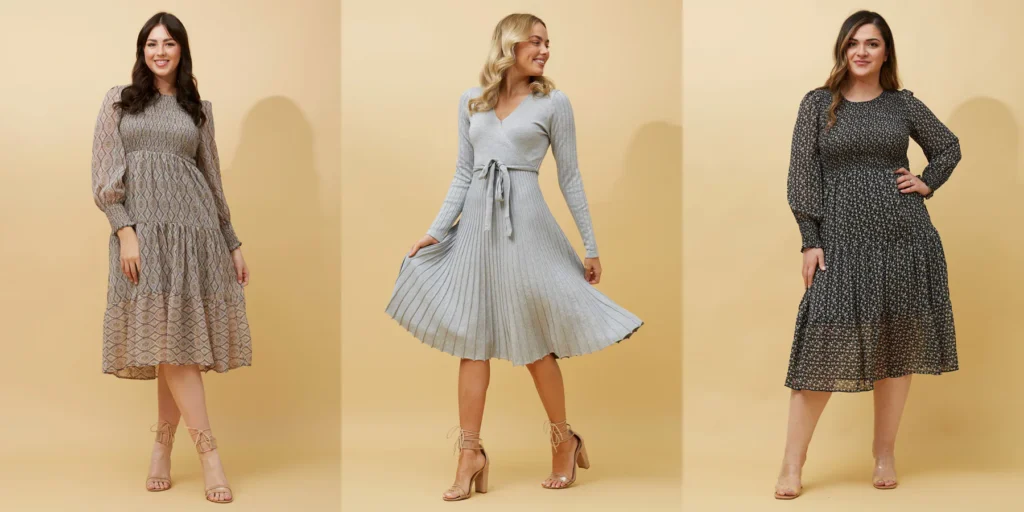
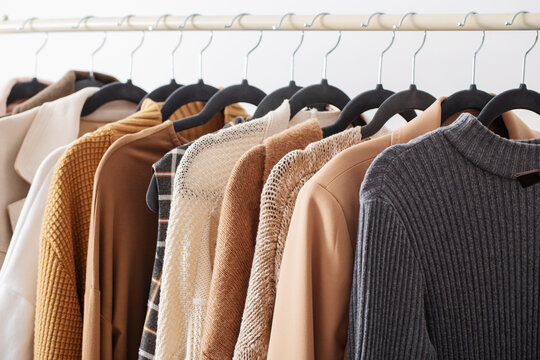
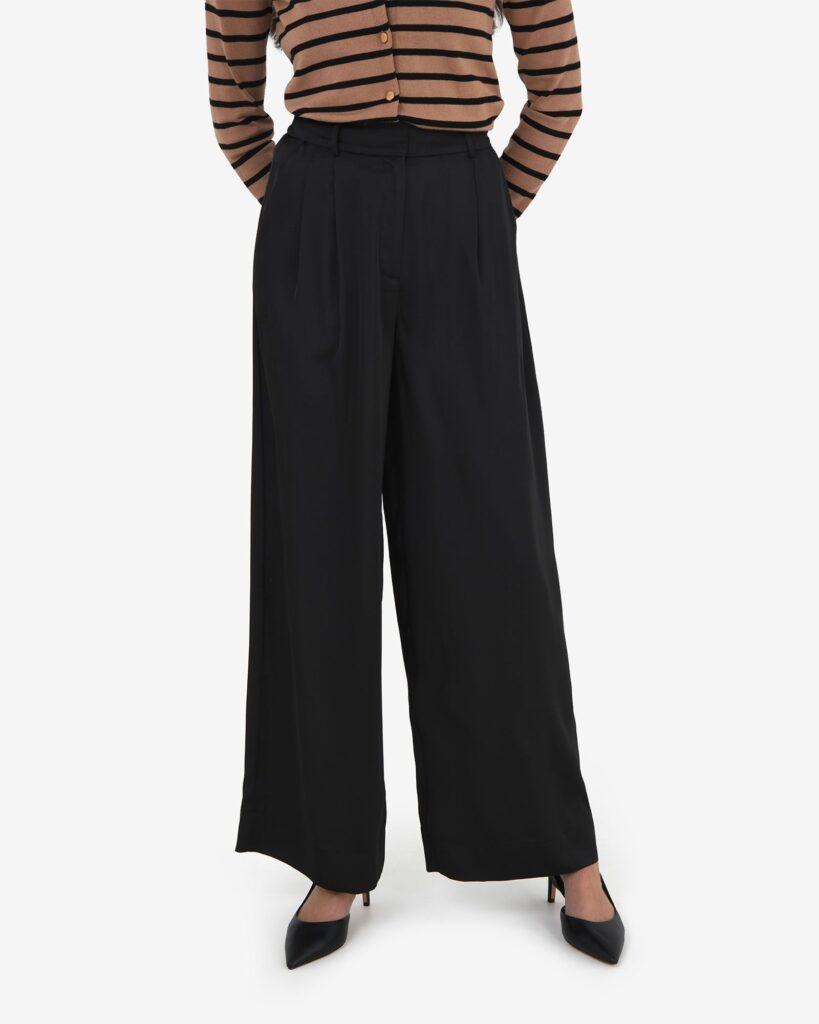
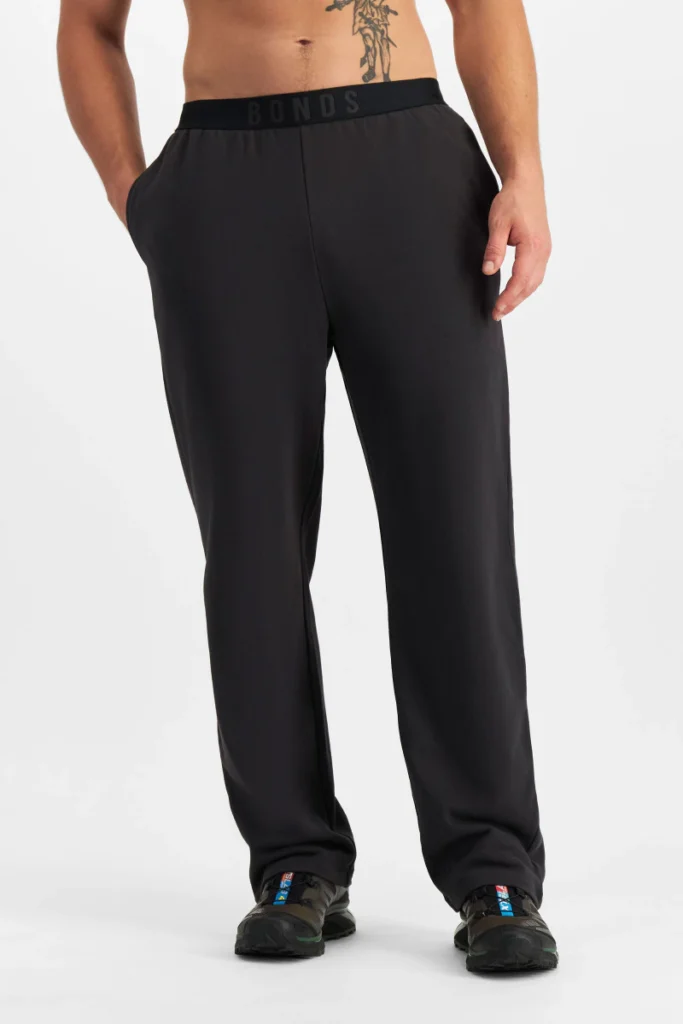
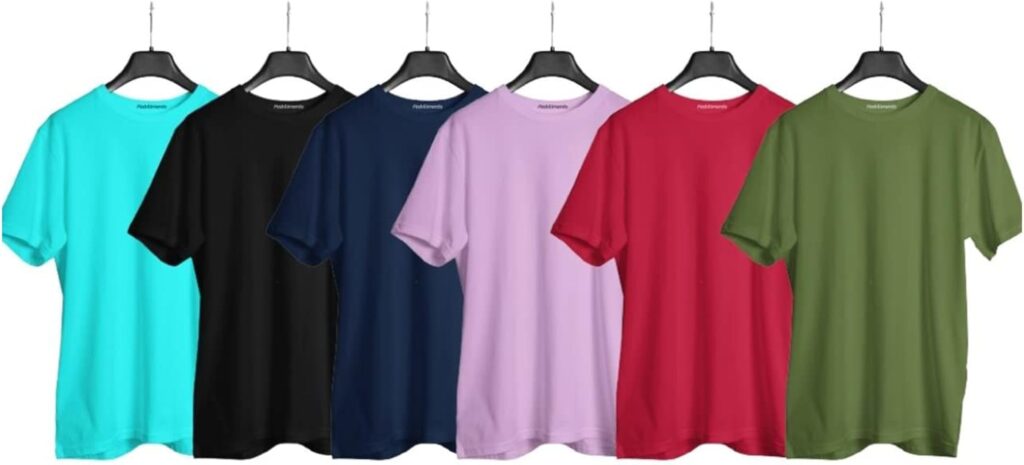
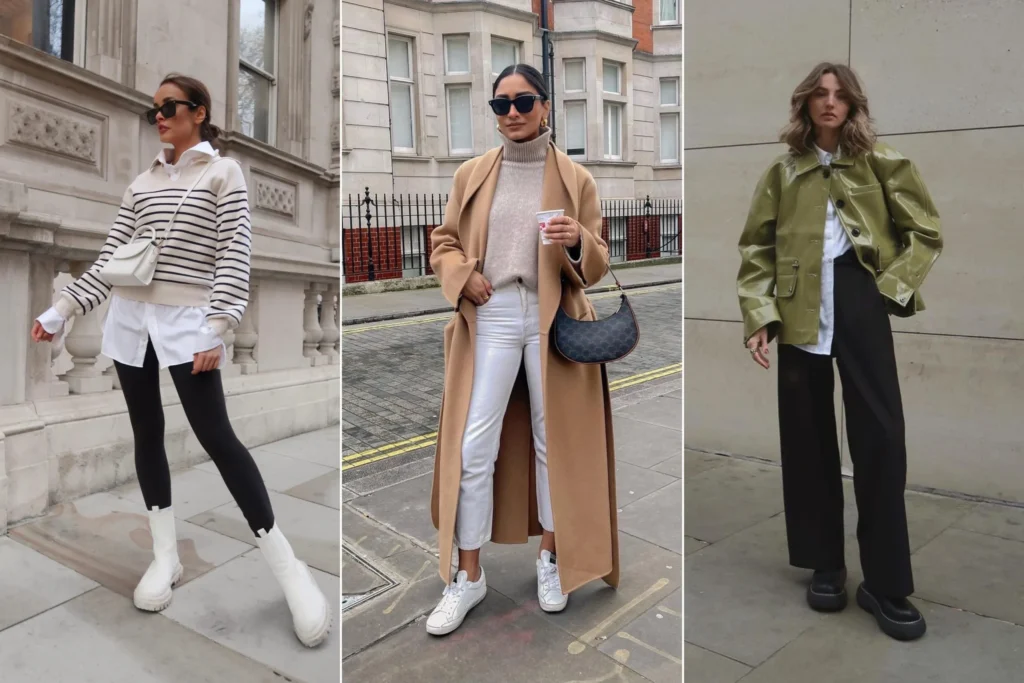
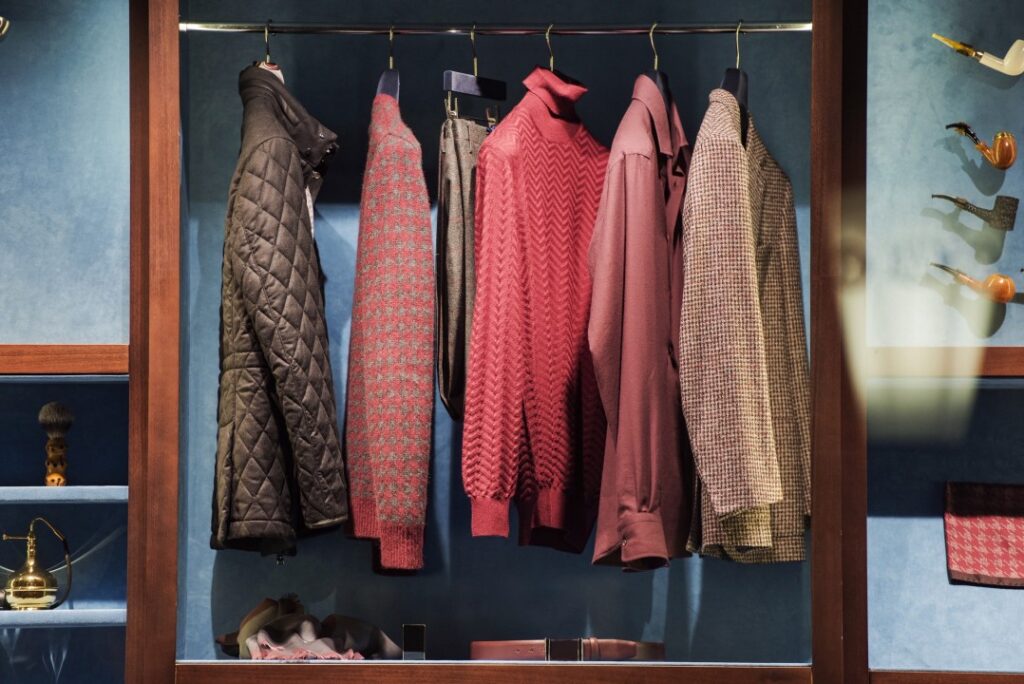
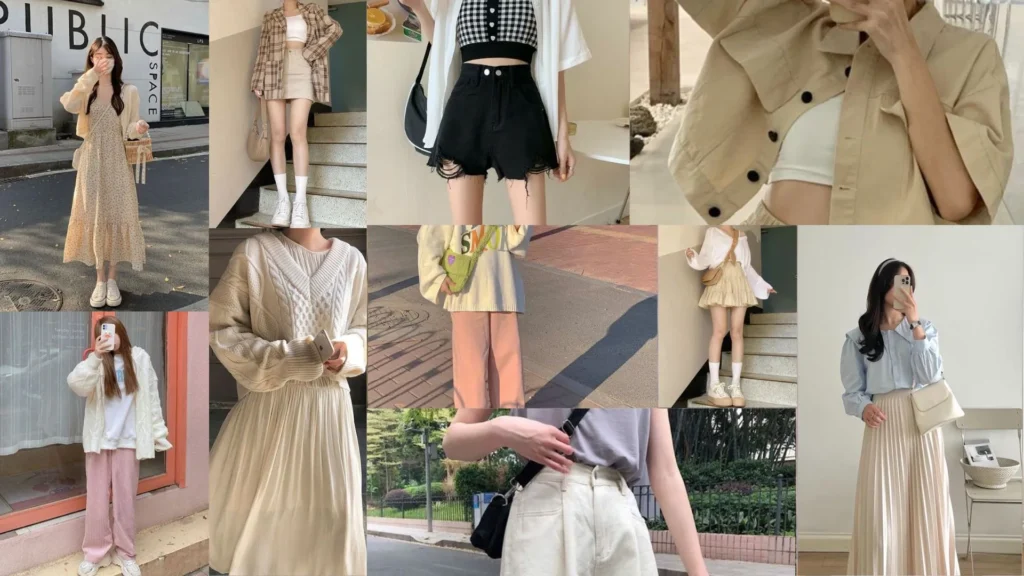
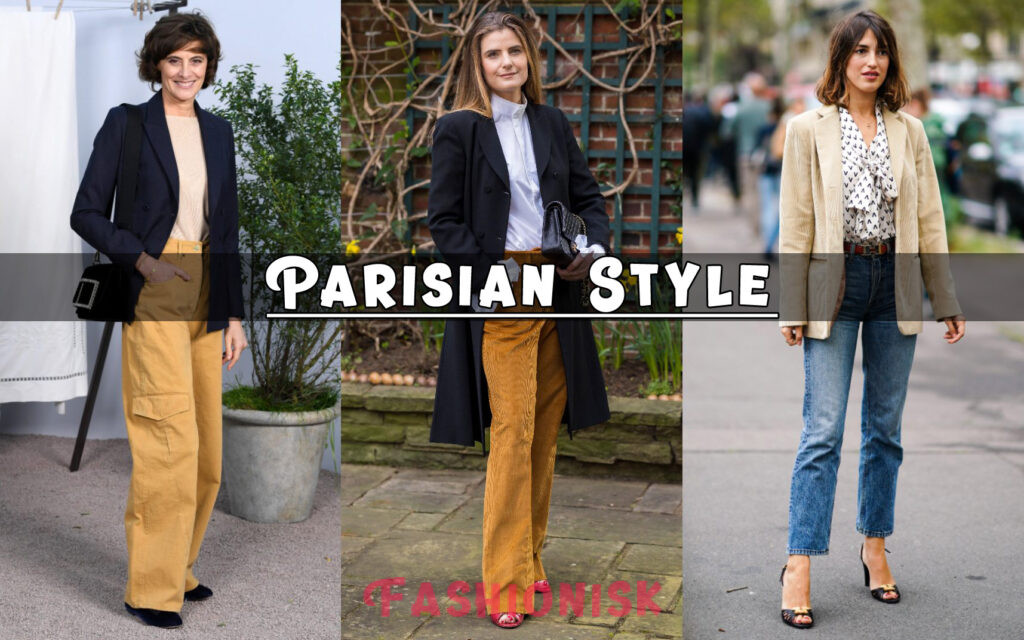
Matinees and musicals: Dark jeans or relaxed trousers with a good blouse or shirt work well, and a knitted dress is another easy choice. Audiences at these shows dress across a wide range, so you can wear what feels most like you without standing out, and comfortable flats make a long second half easier to enjoy.
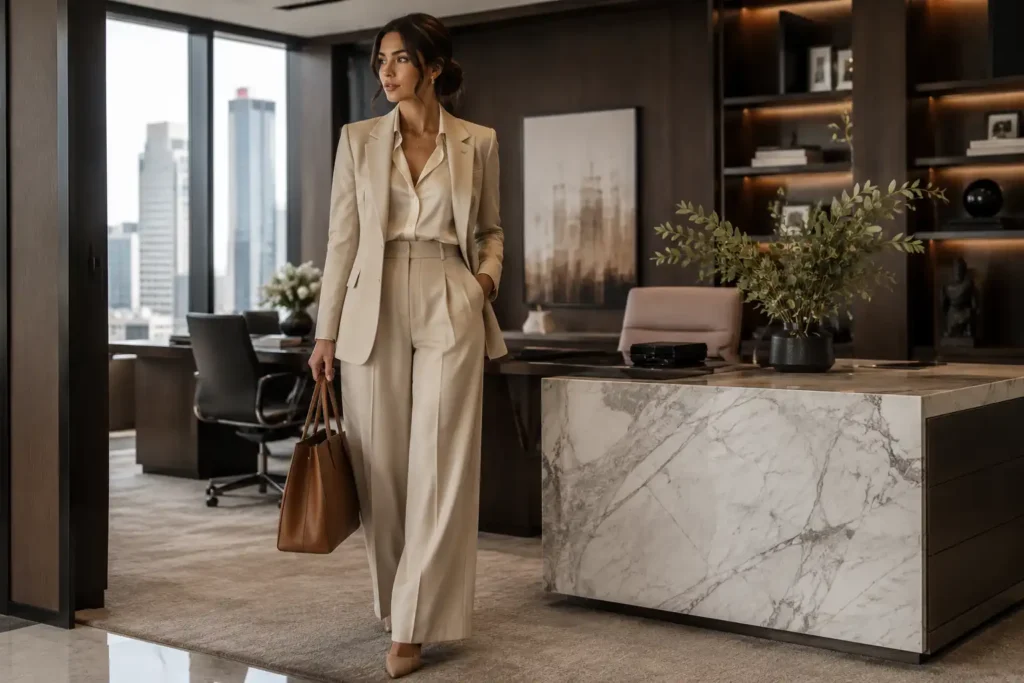
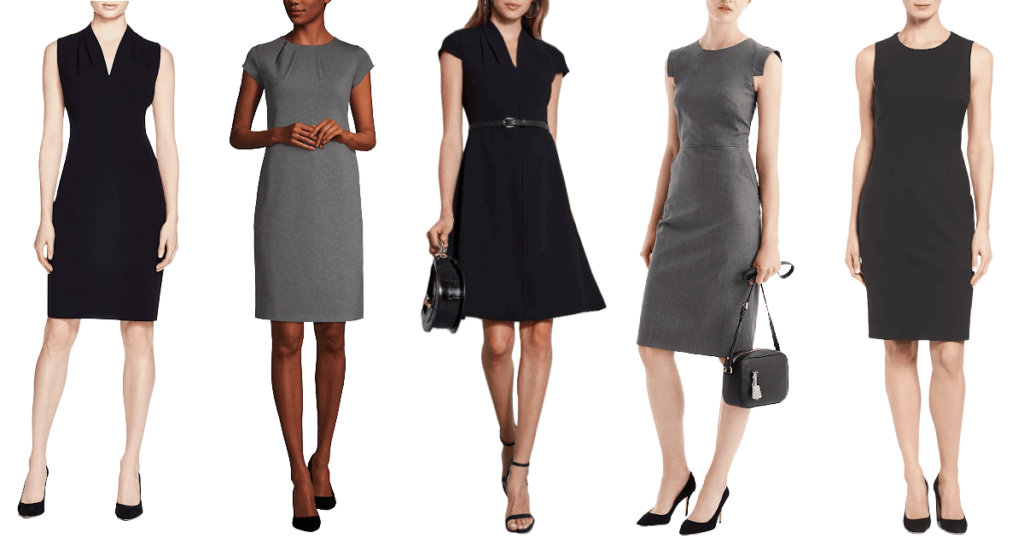
Plays and studio theatres: Tailored trousers, a jumper in a decent fabric and clean shoes look smart without feeling formal in a smaller auditorium. Darker colours also cope better with a spilled interval drink than white or cream does, which is handy when the interval bar is crowded.
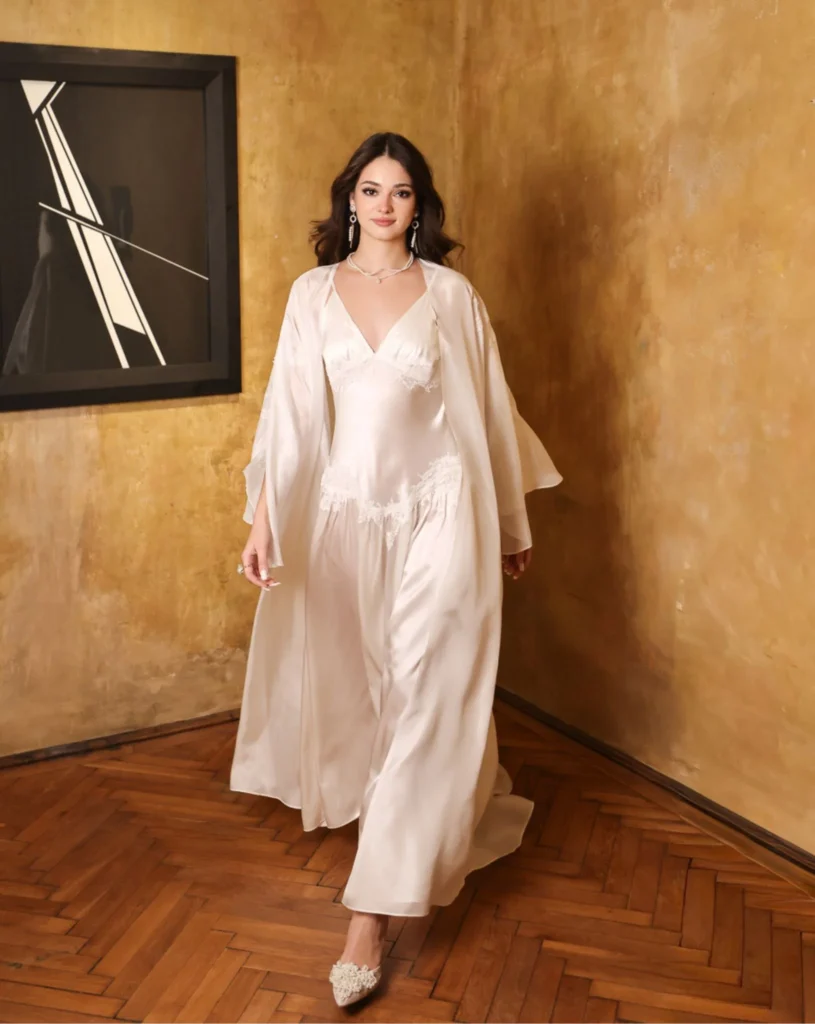
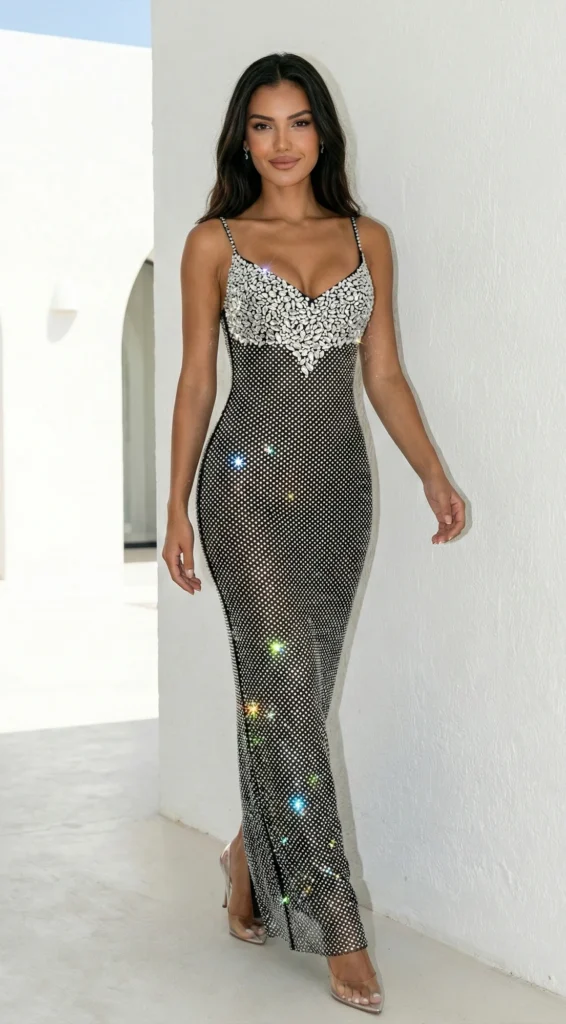
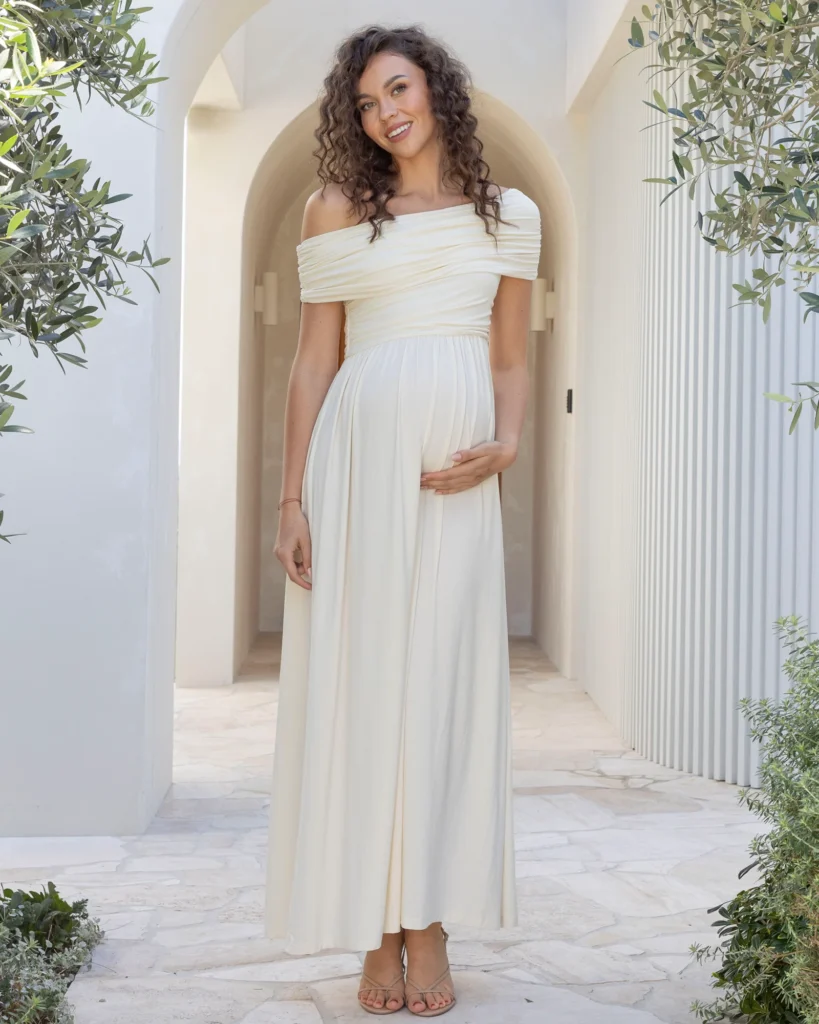
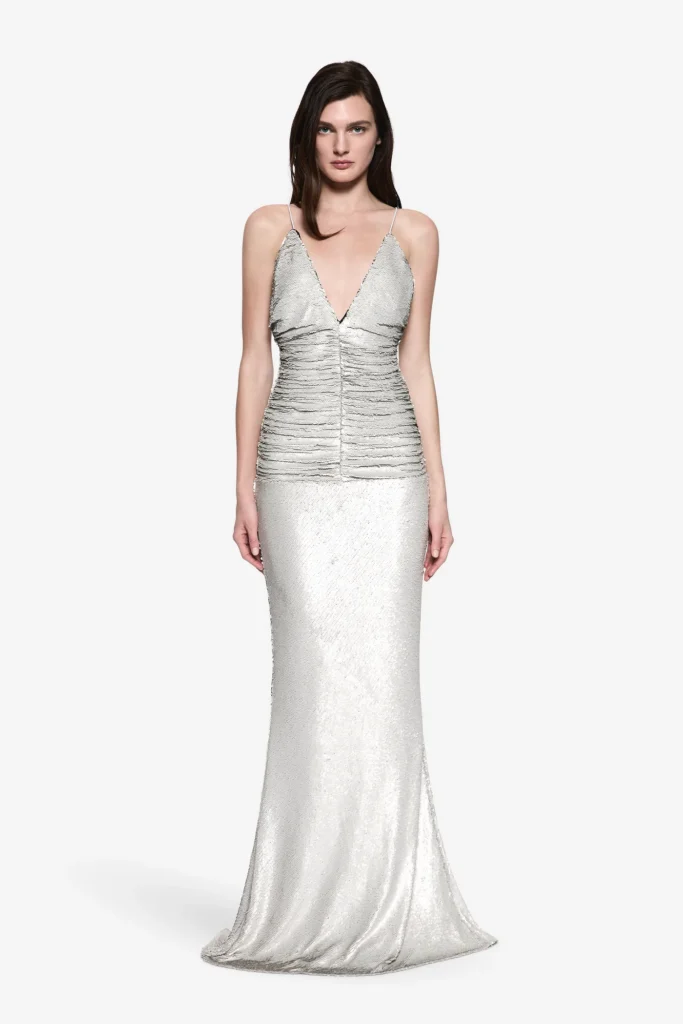
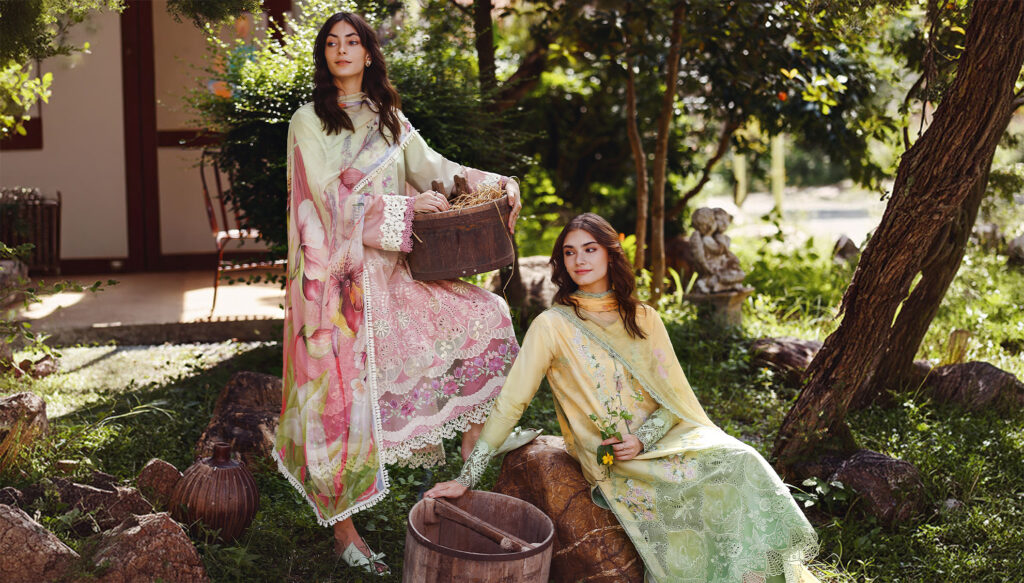
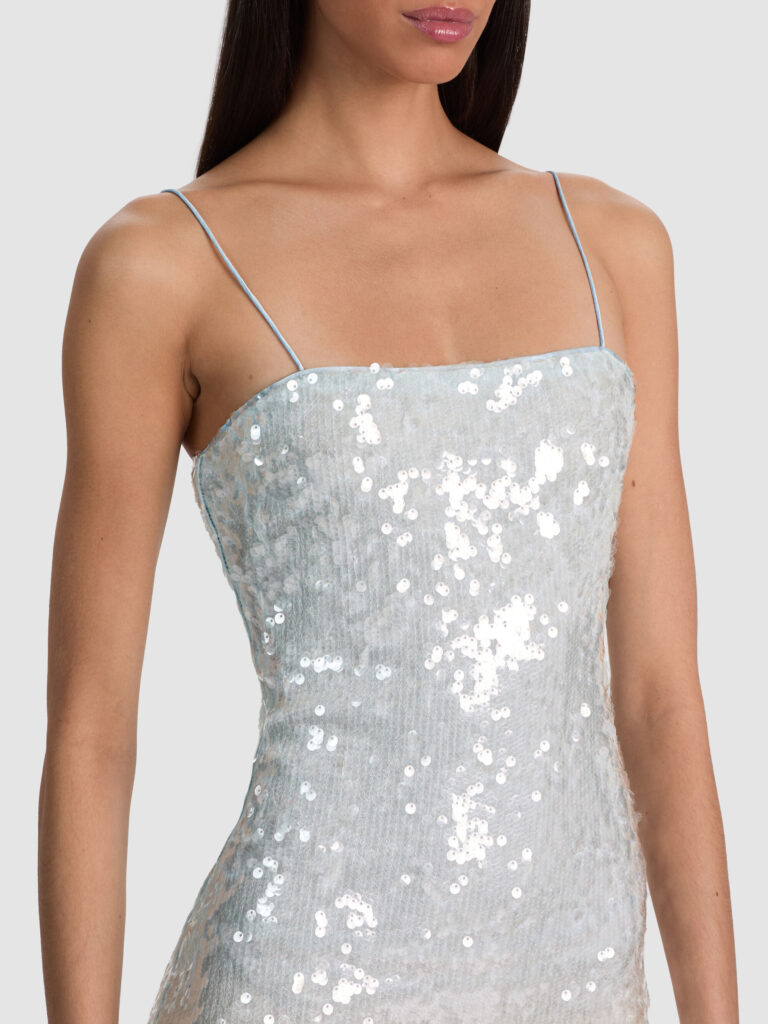
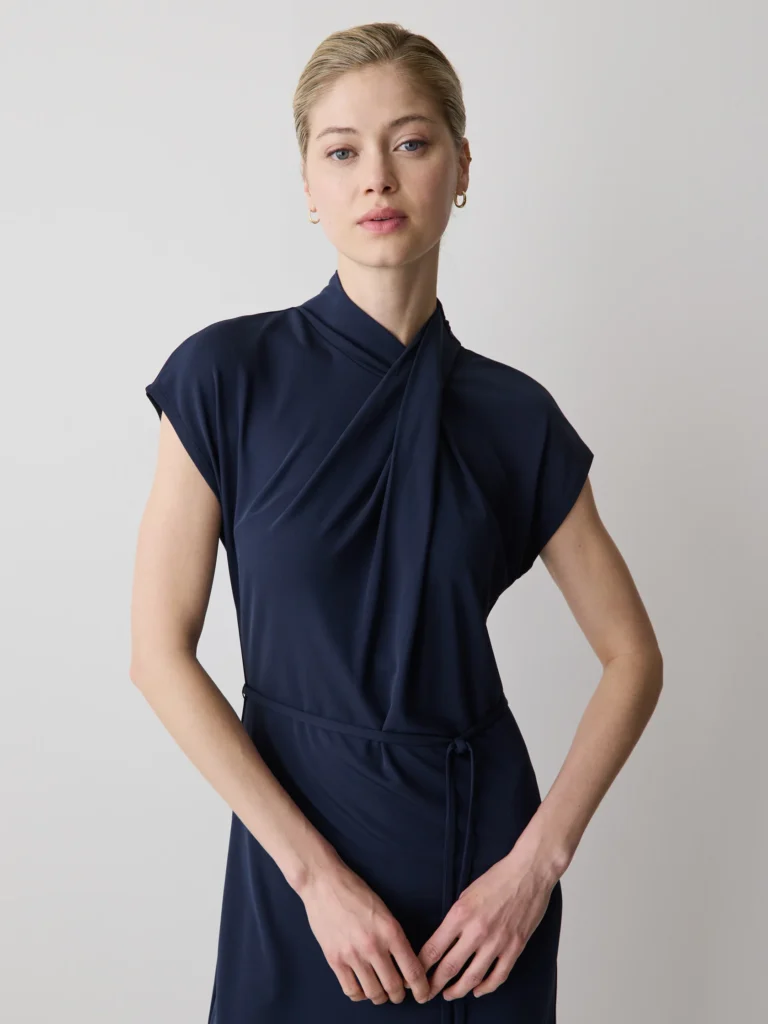
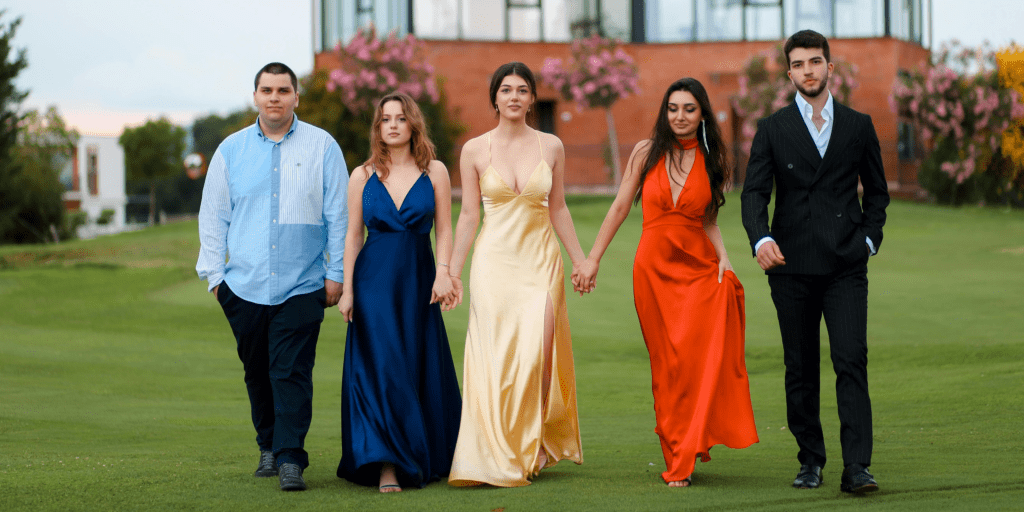
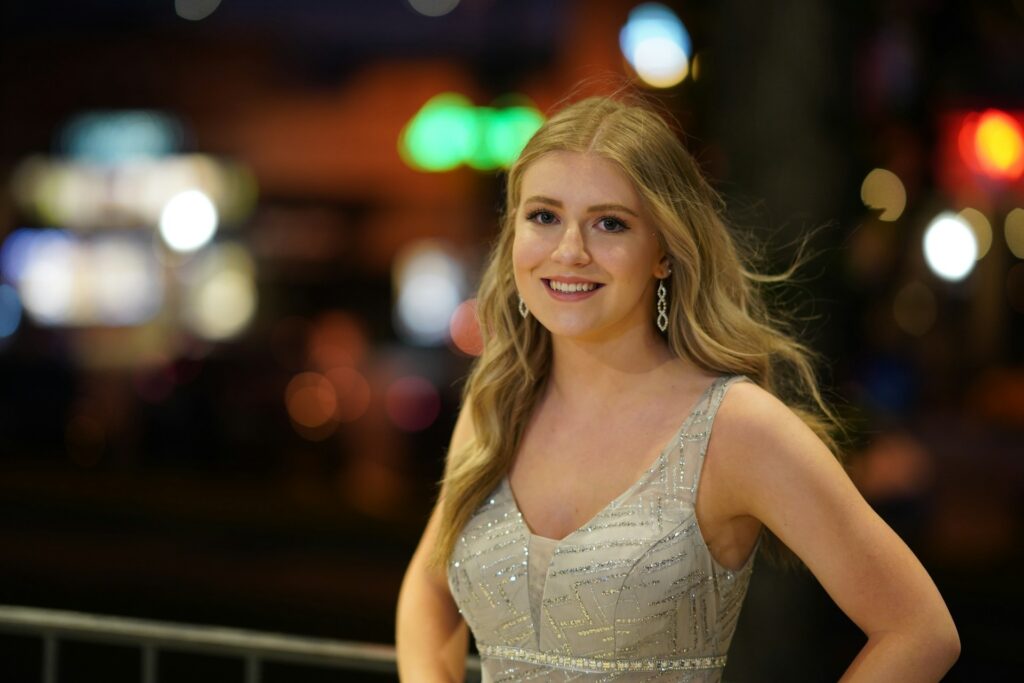
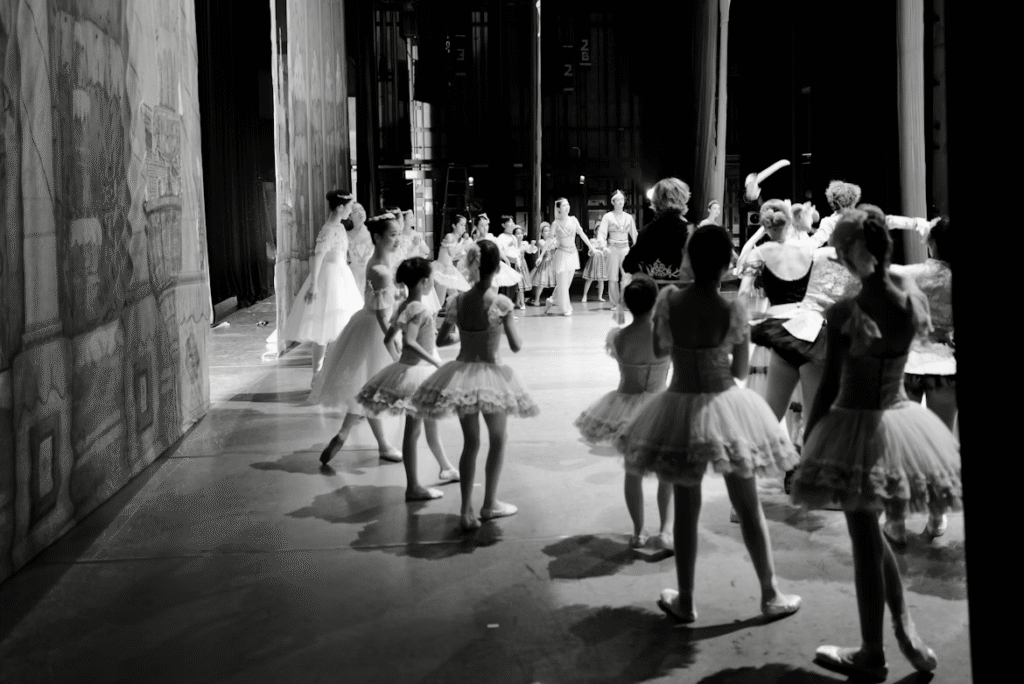
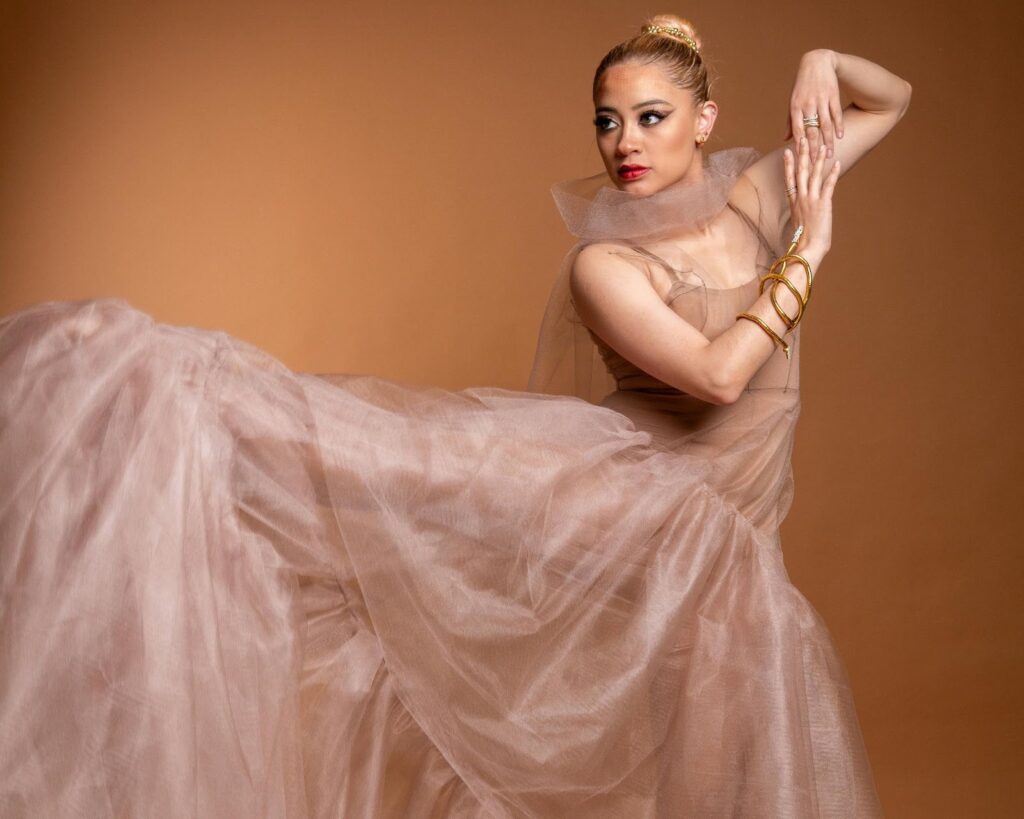
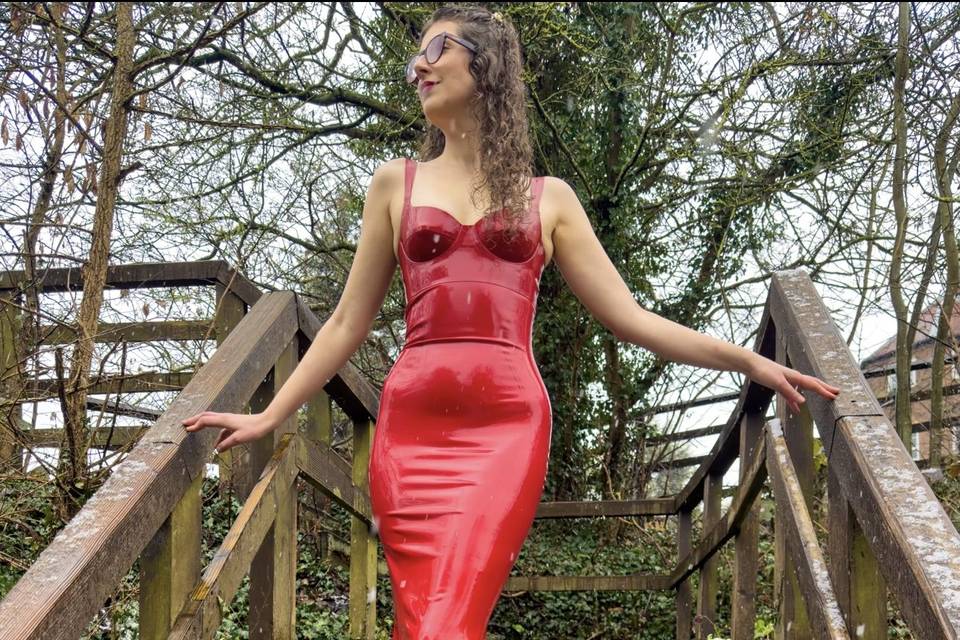
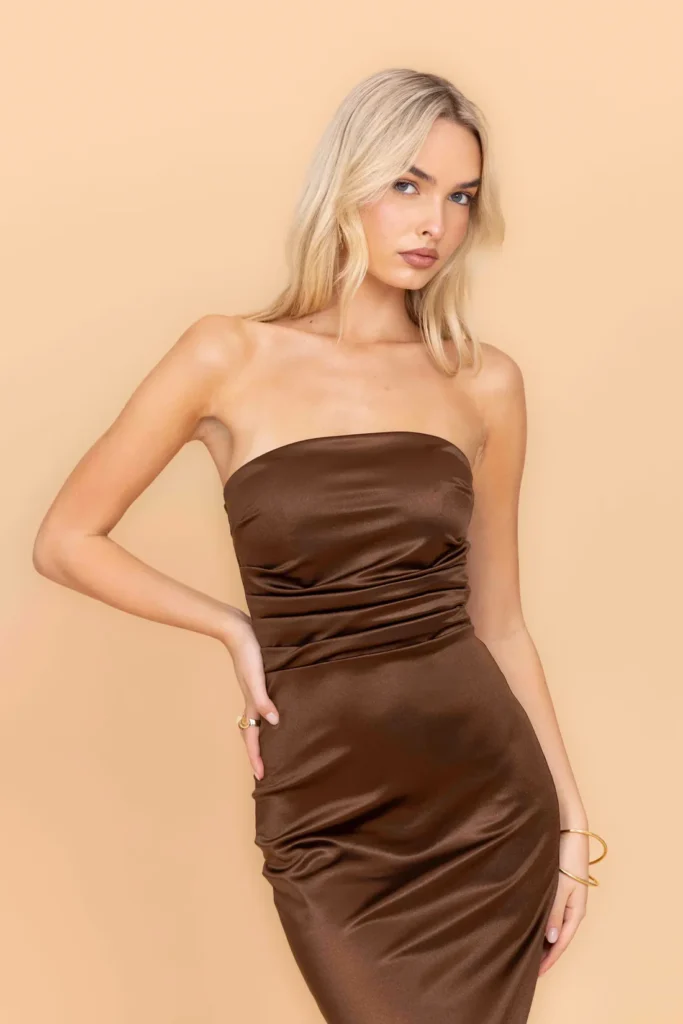
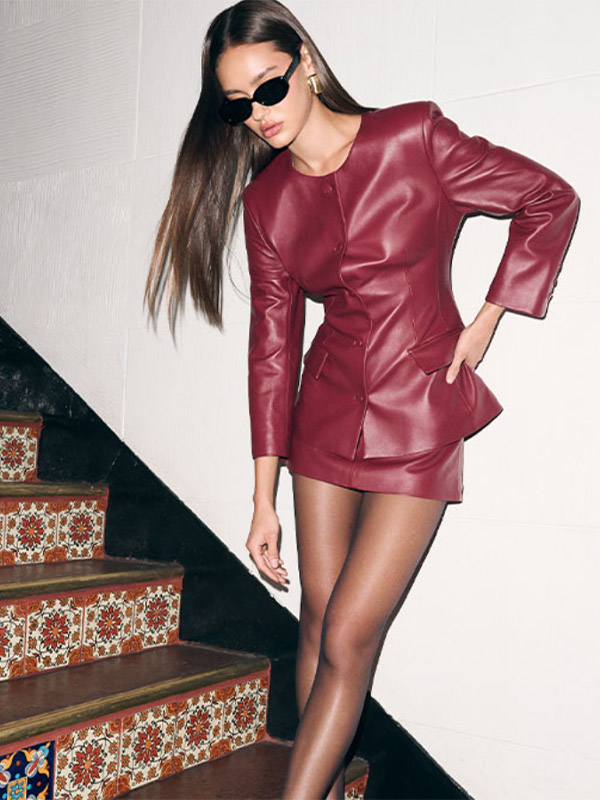
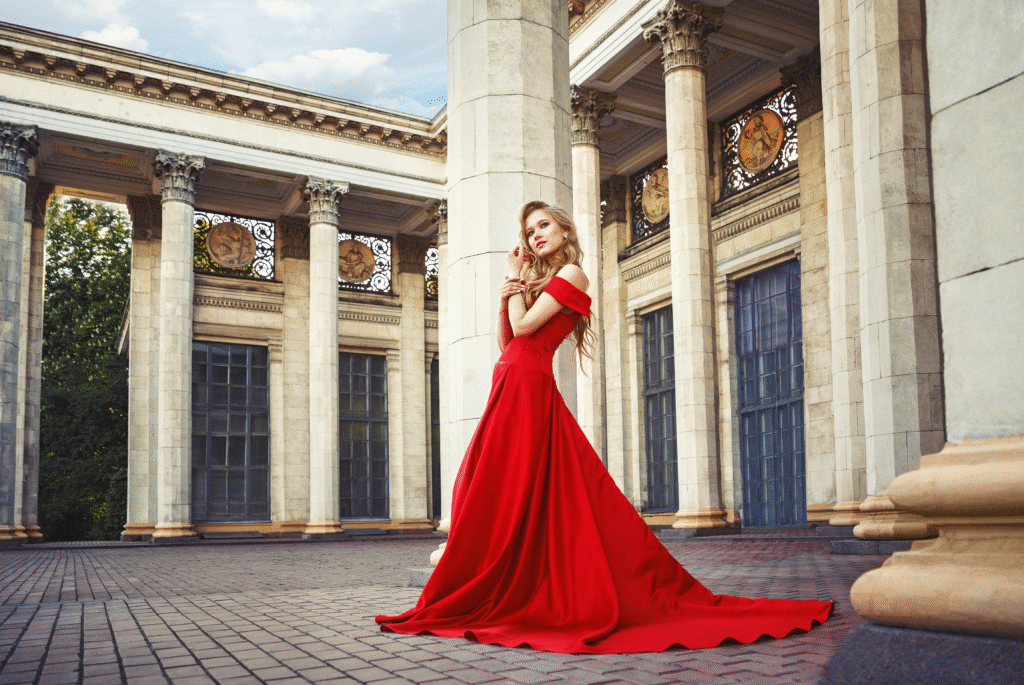
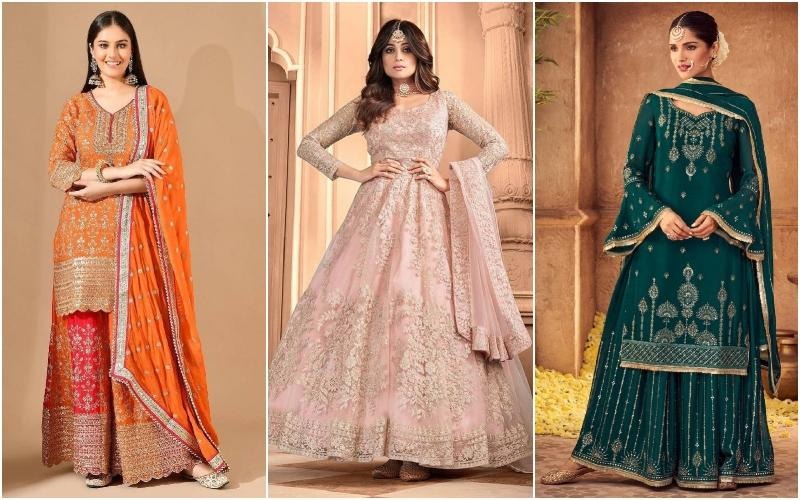
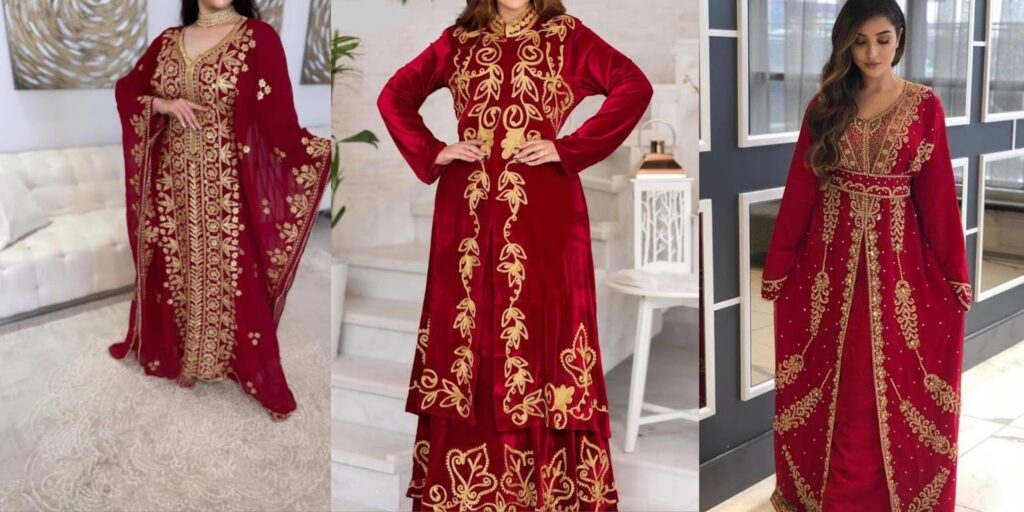
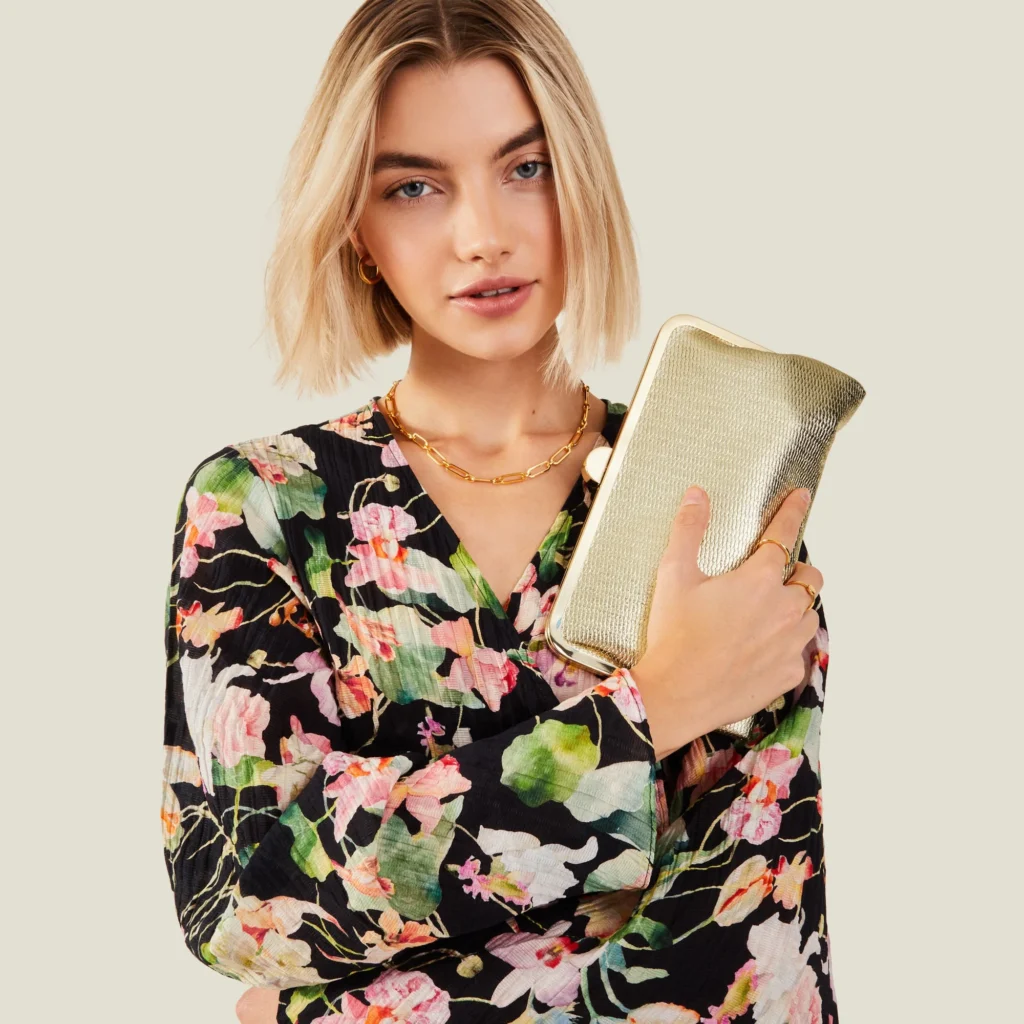
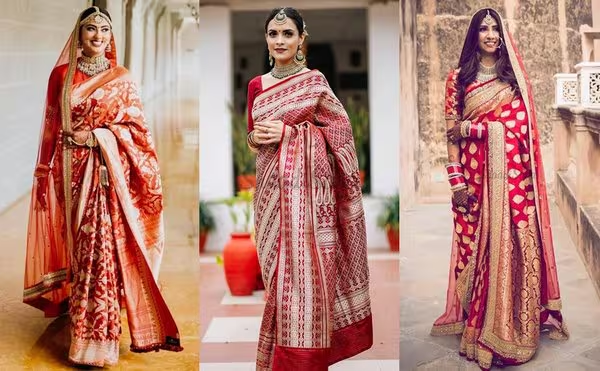
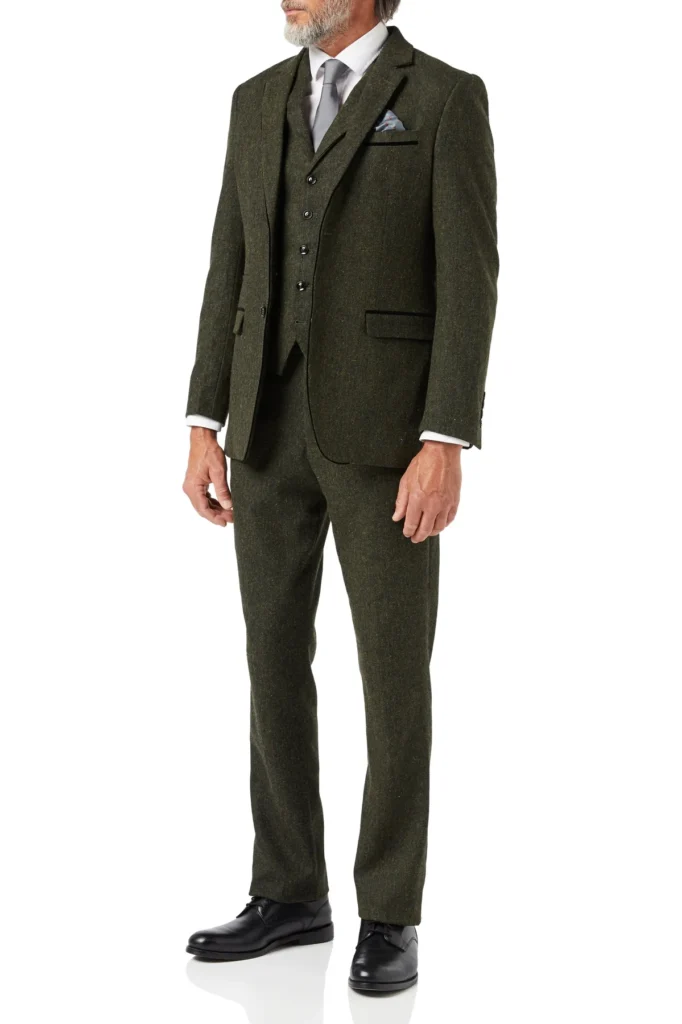
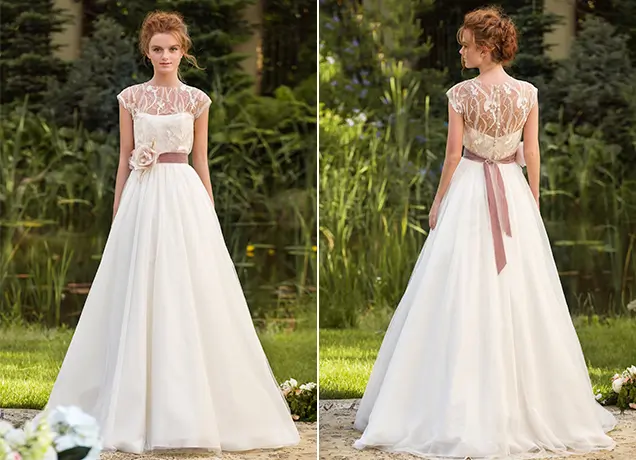
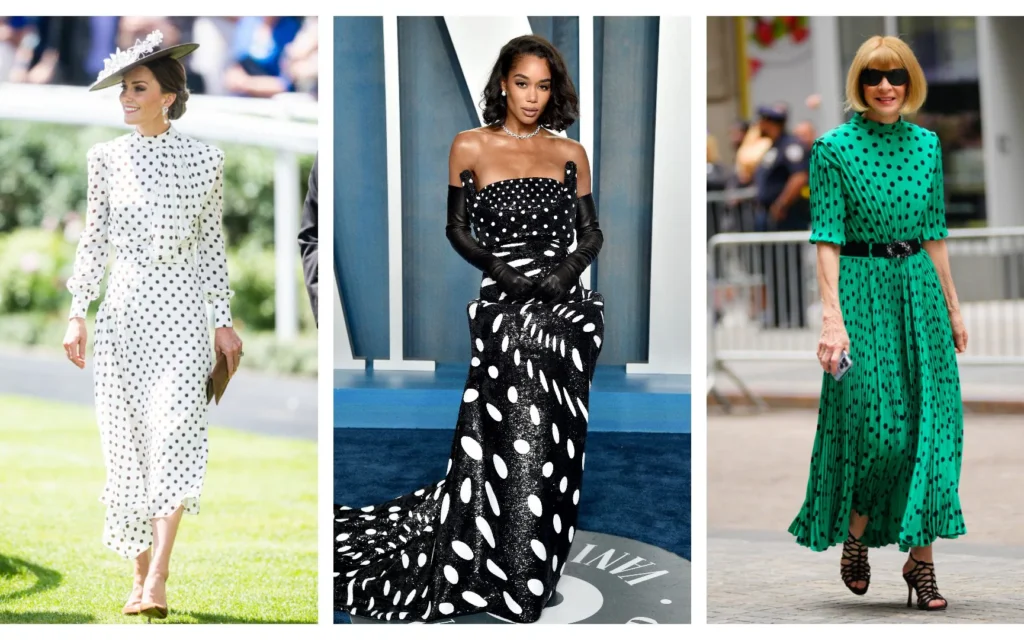
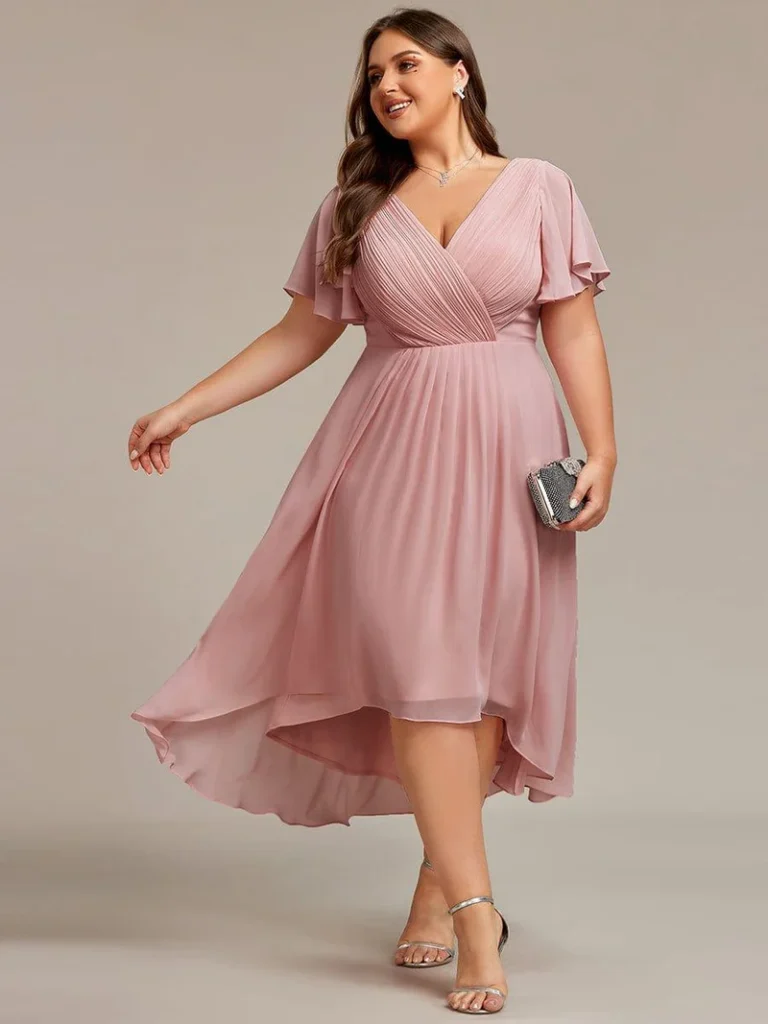
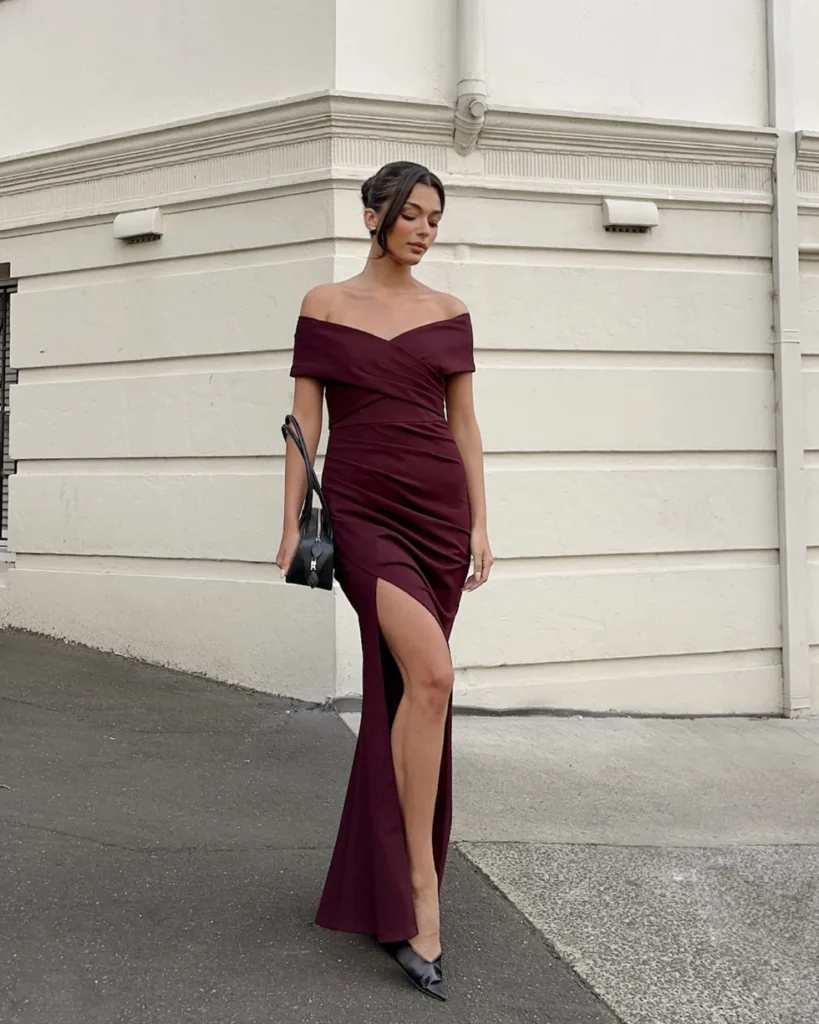
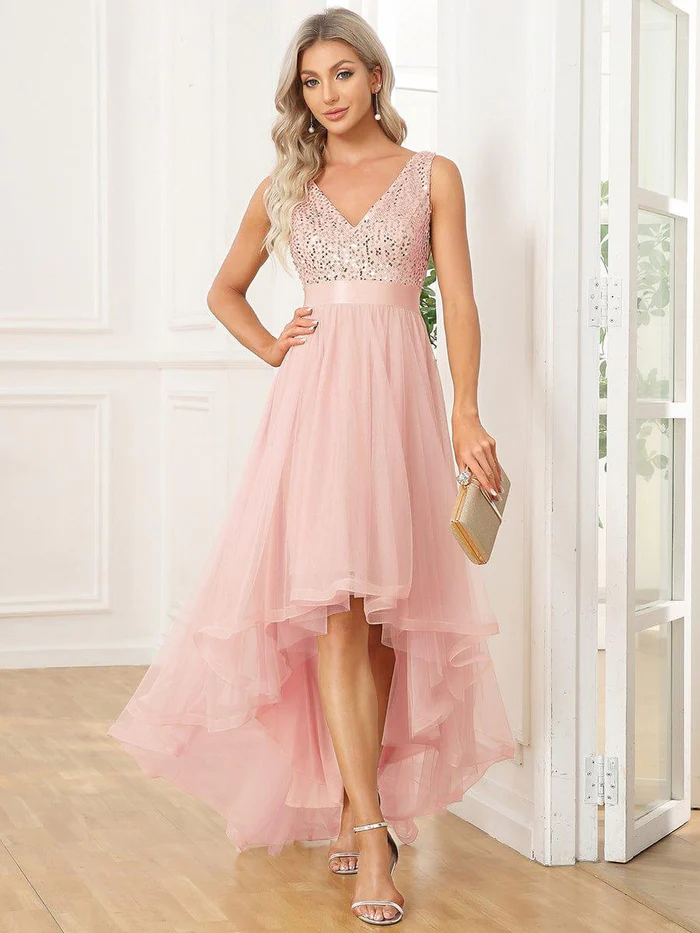
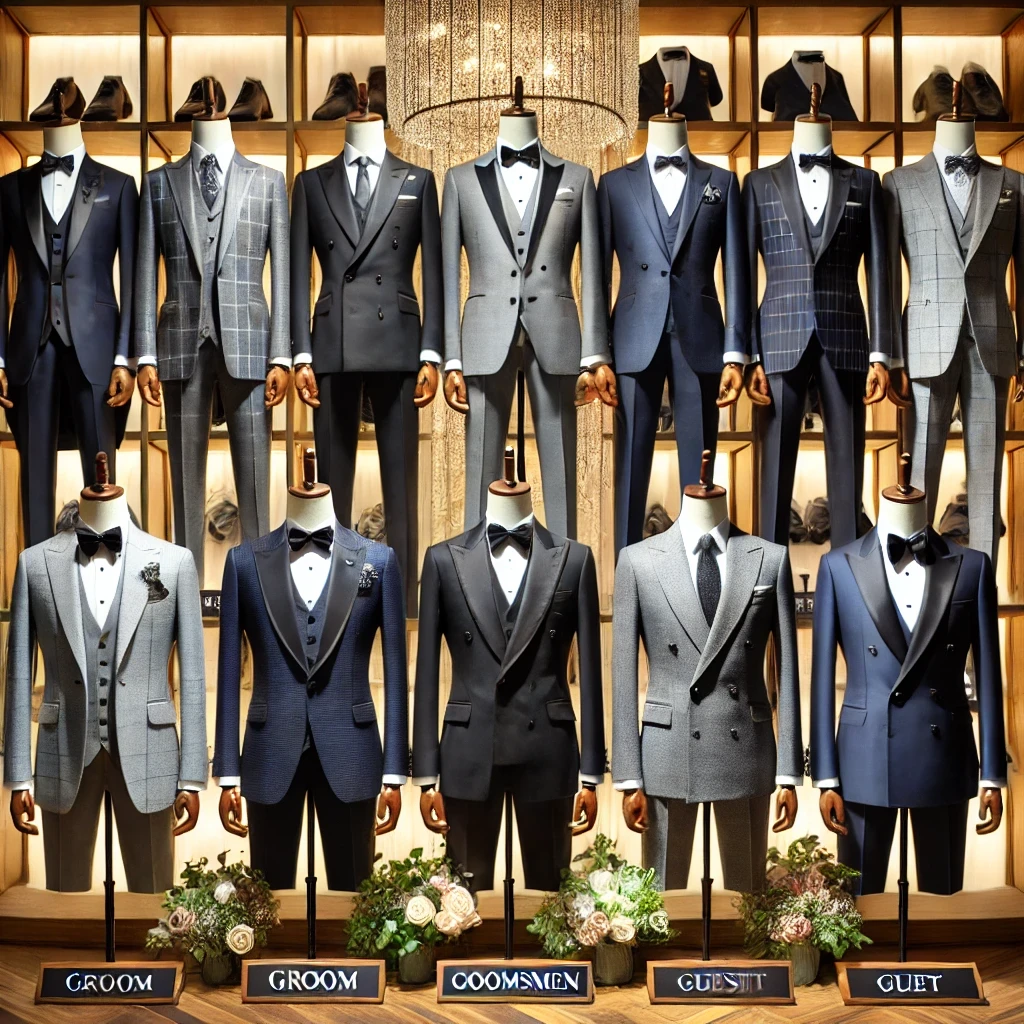
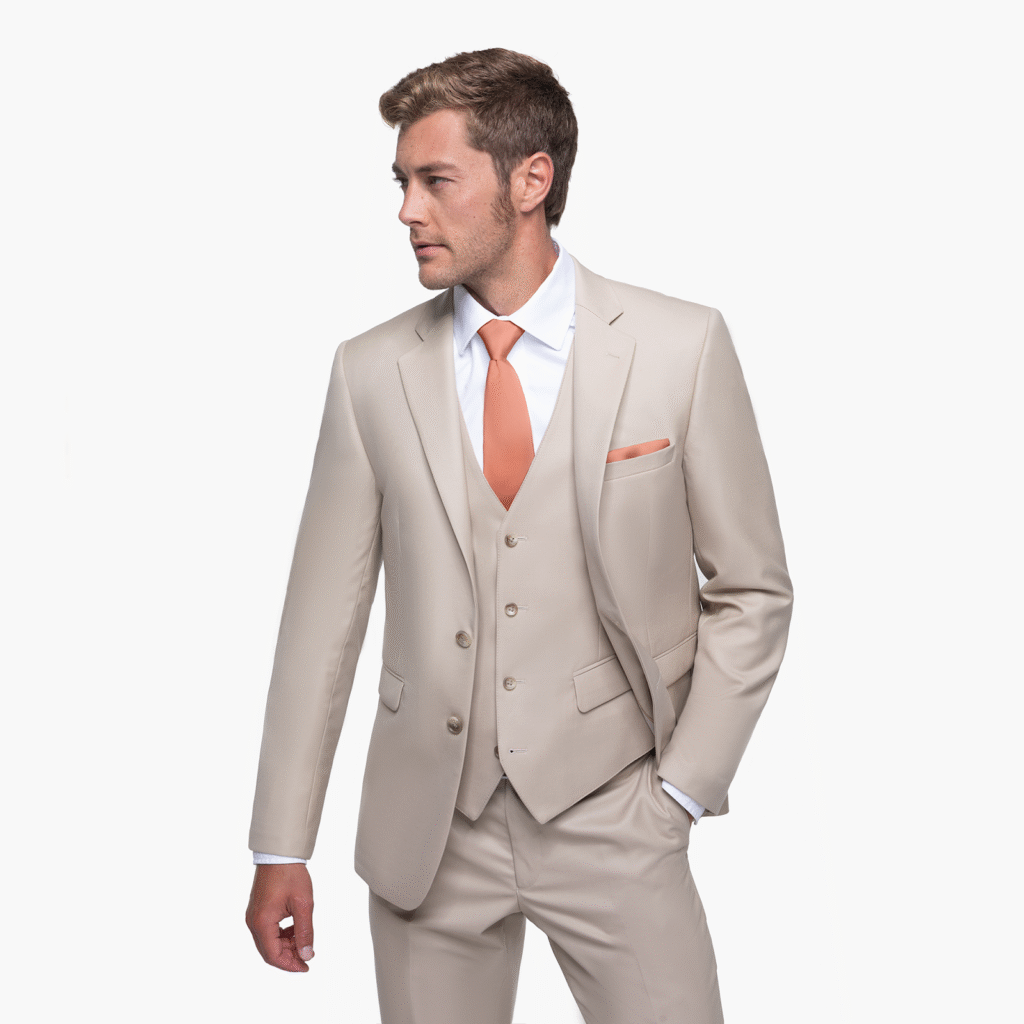
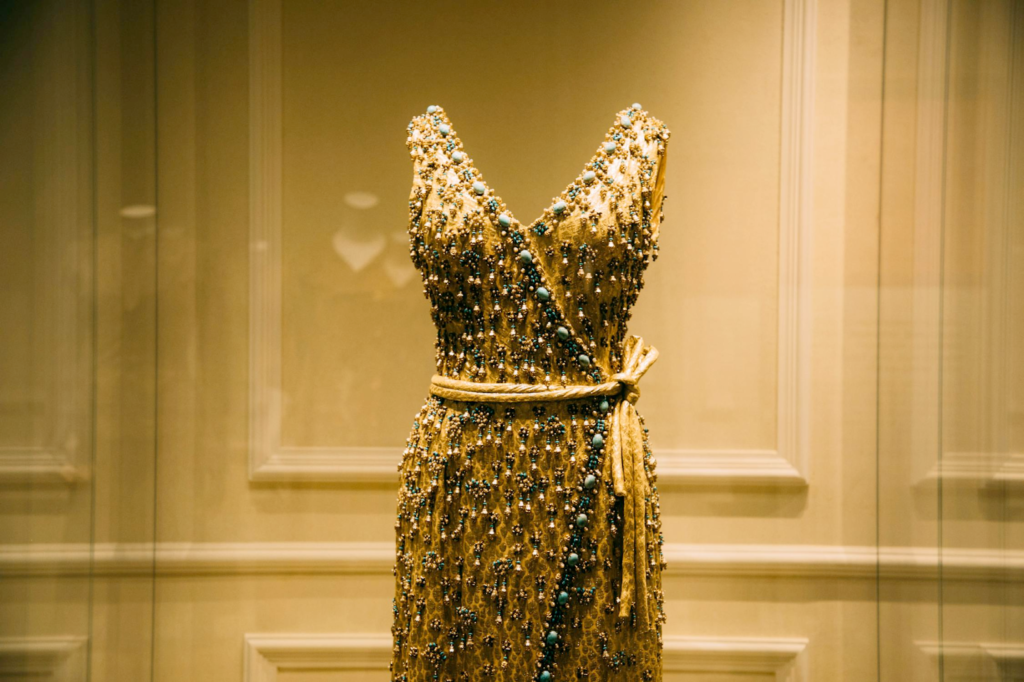
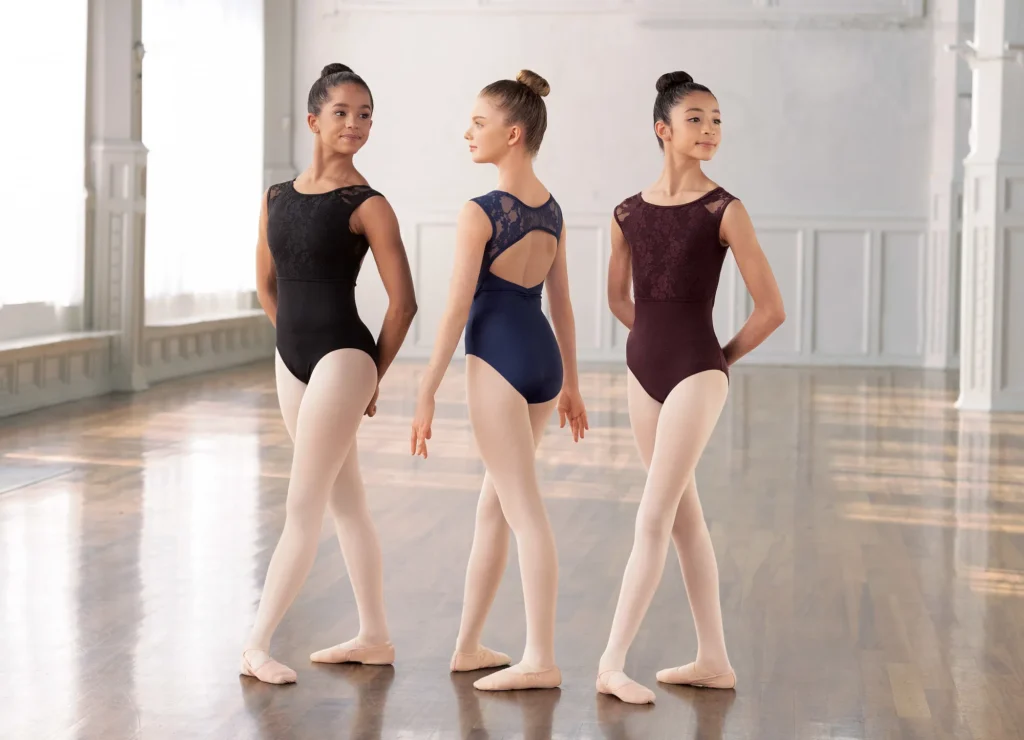
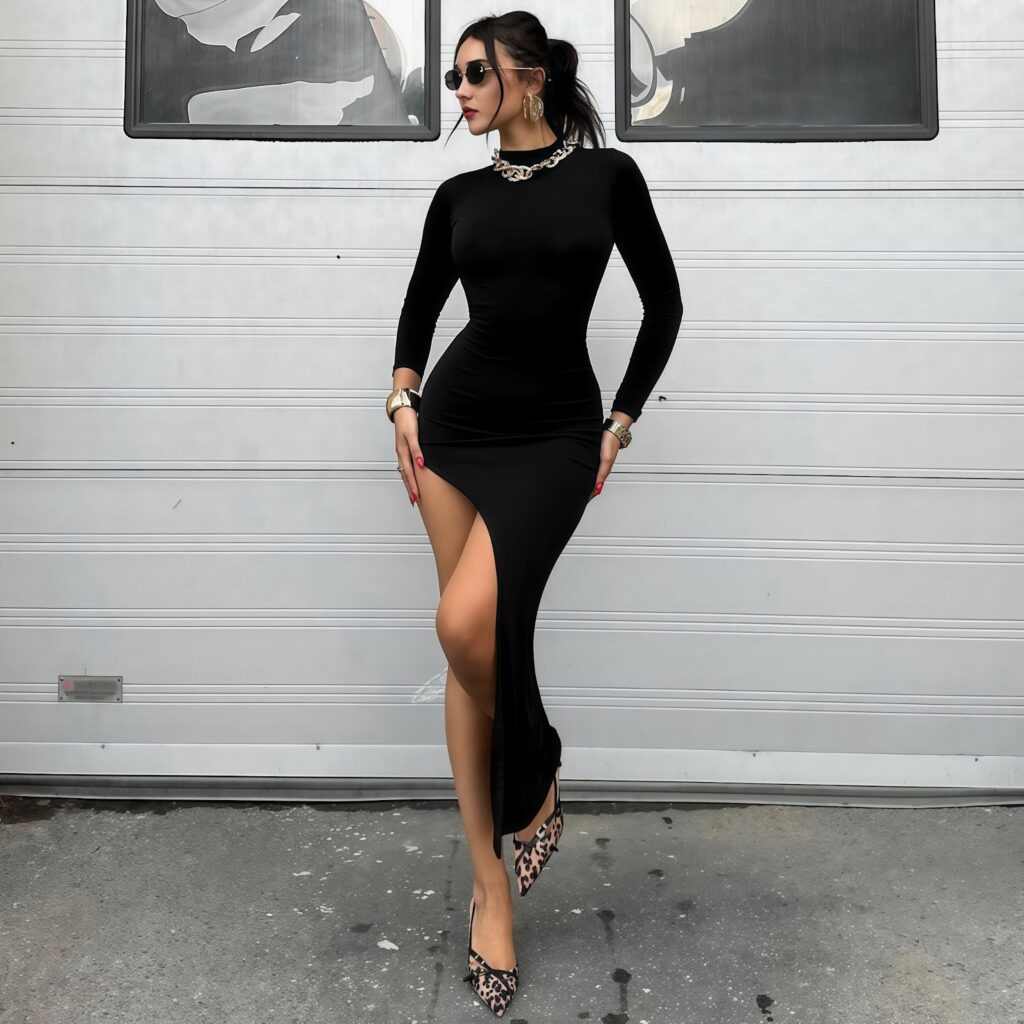
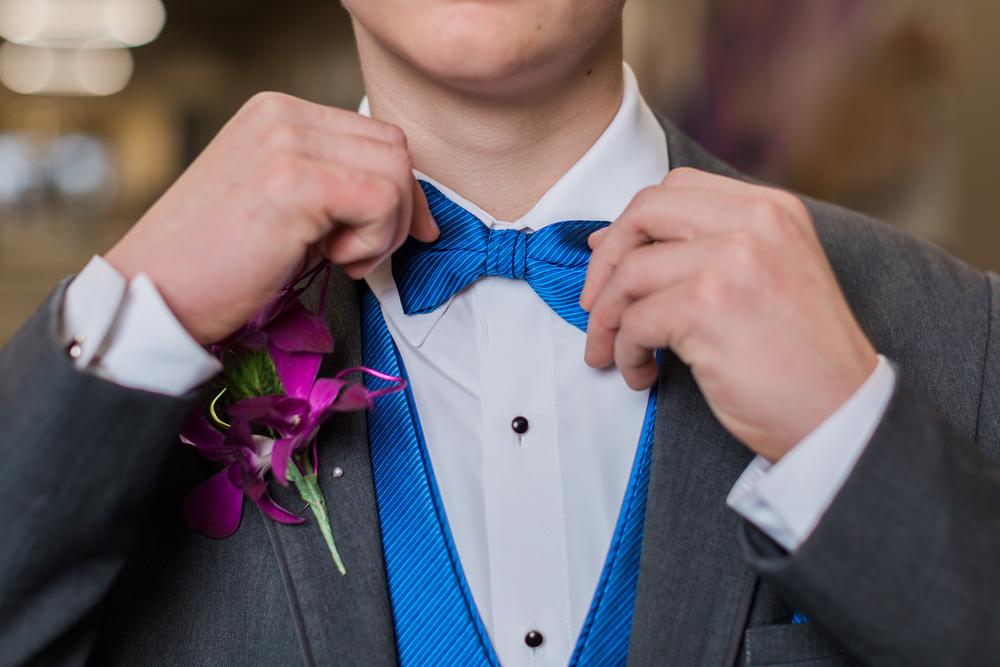
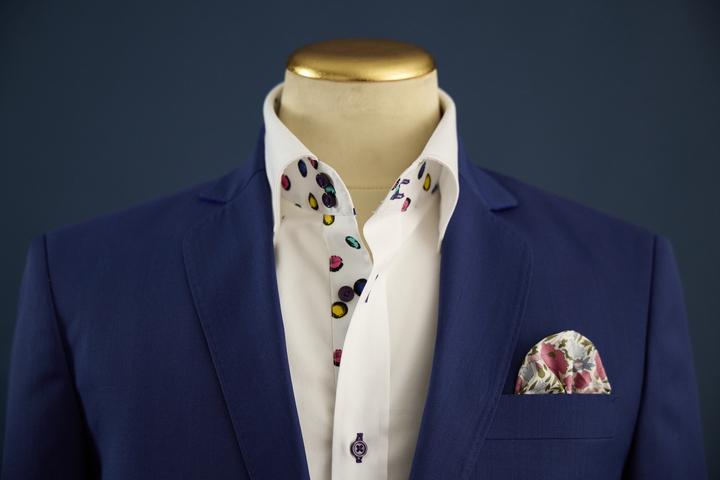
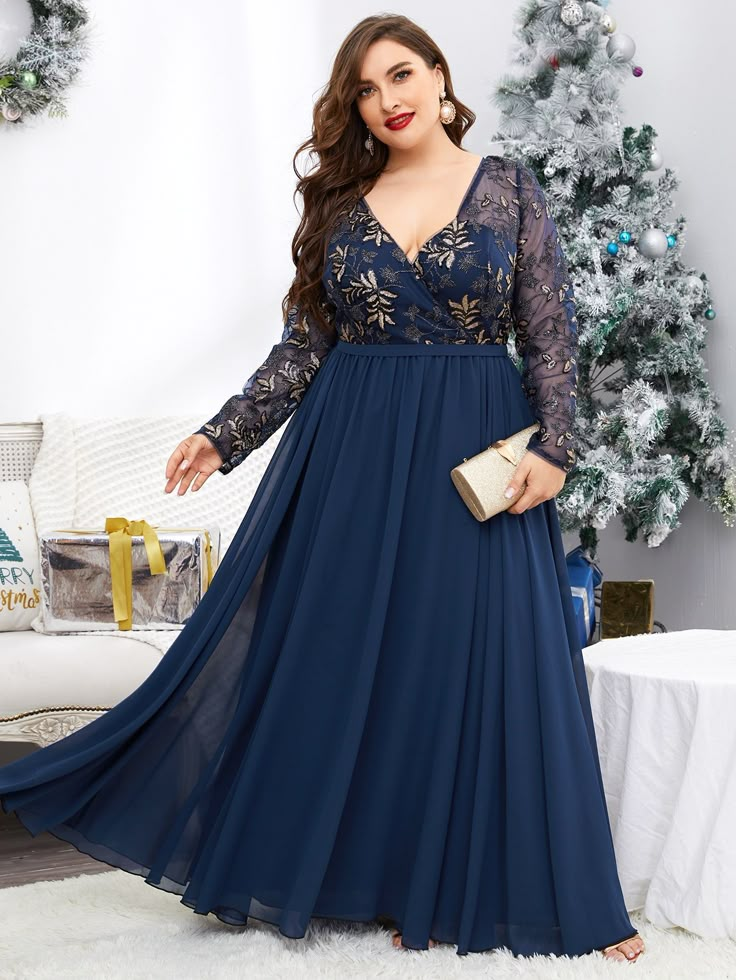
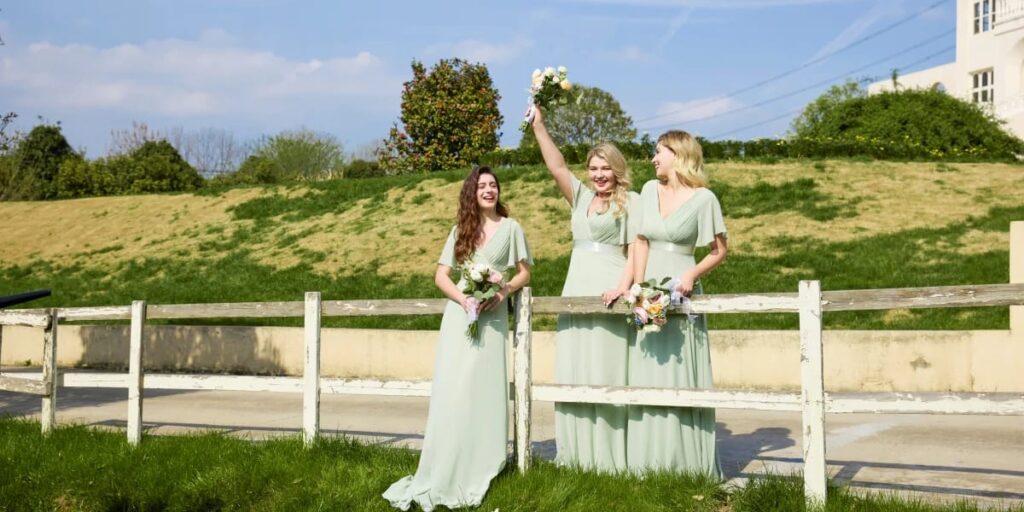
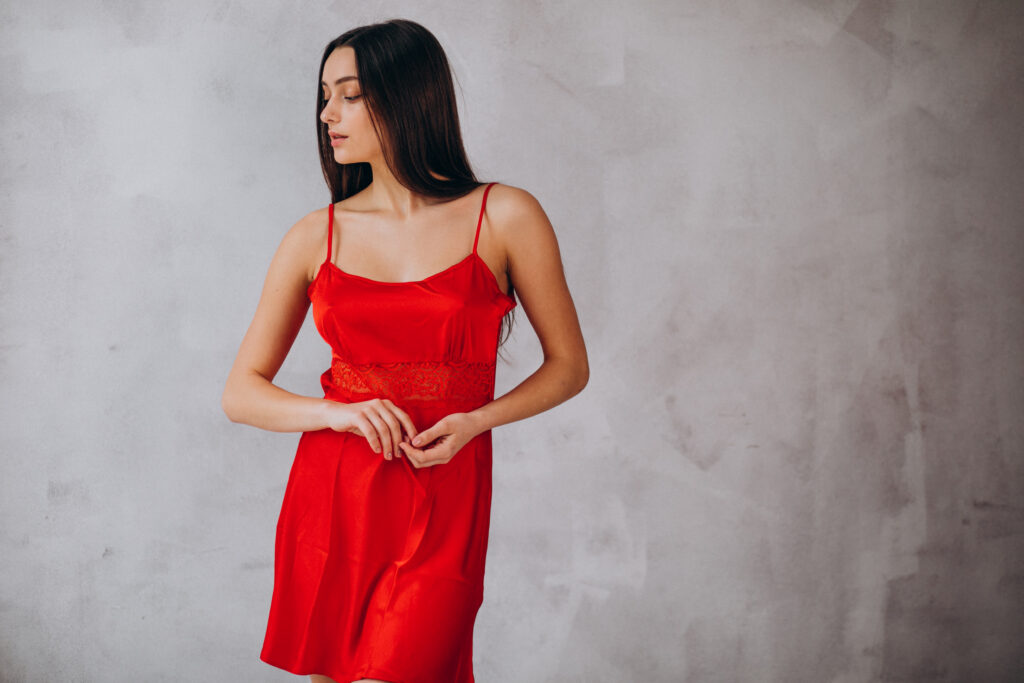
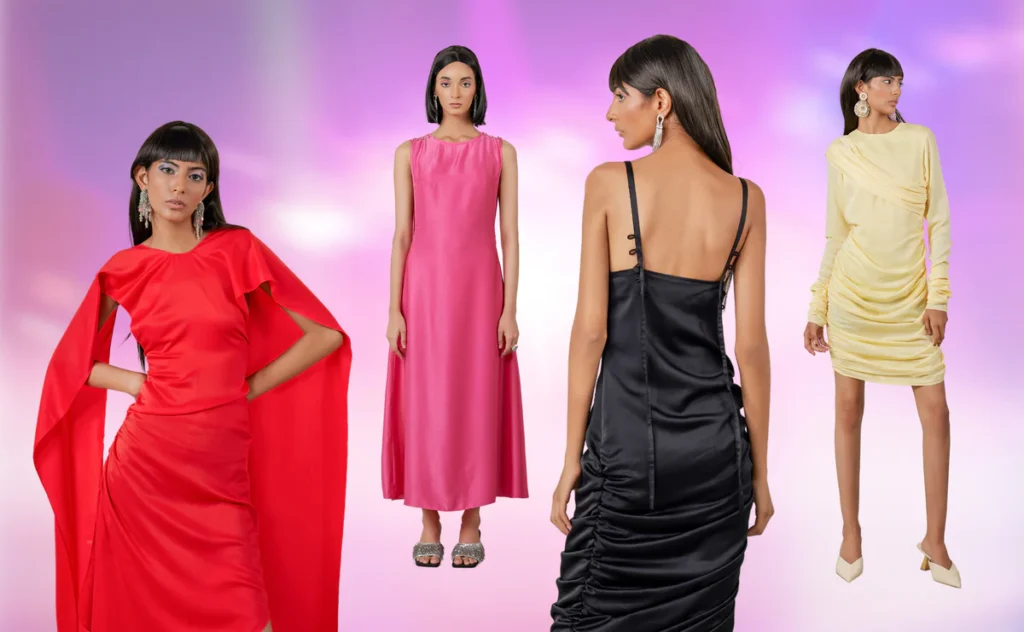
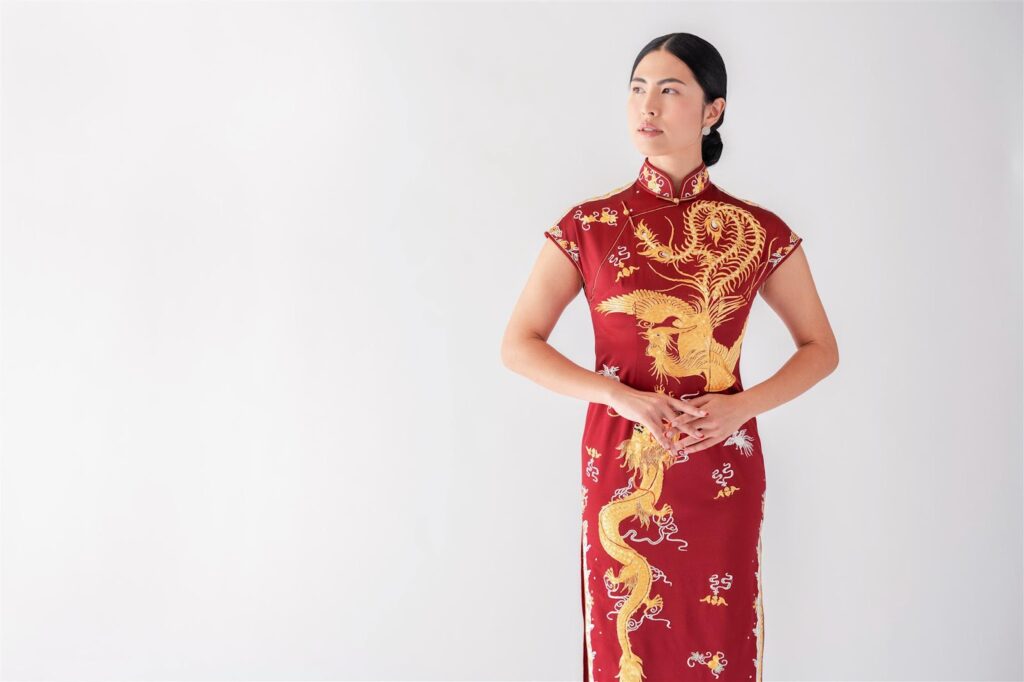
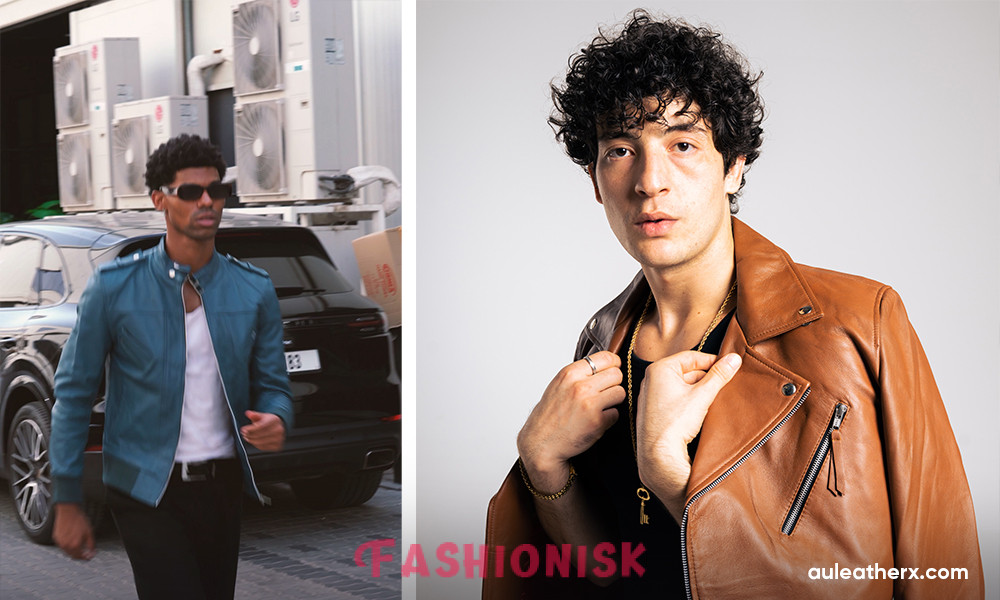
Opera, ballet and gala nights: Country-house opera festivals like Glyndebourne have treated evening dress as customary for decades, and ballet or gala performances often draw a dressier crowd too. A dinner jacket, long skirt or cocktail dress suits those evenings if you’d like to go all in.
Layers, Shoes and Bags
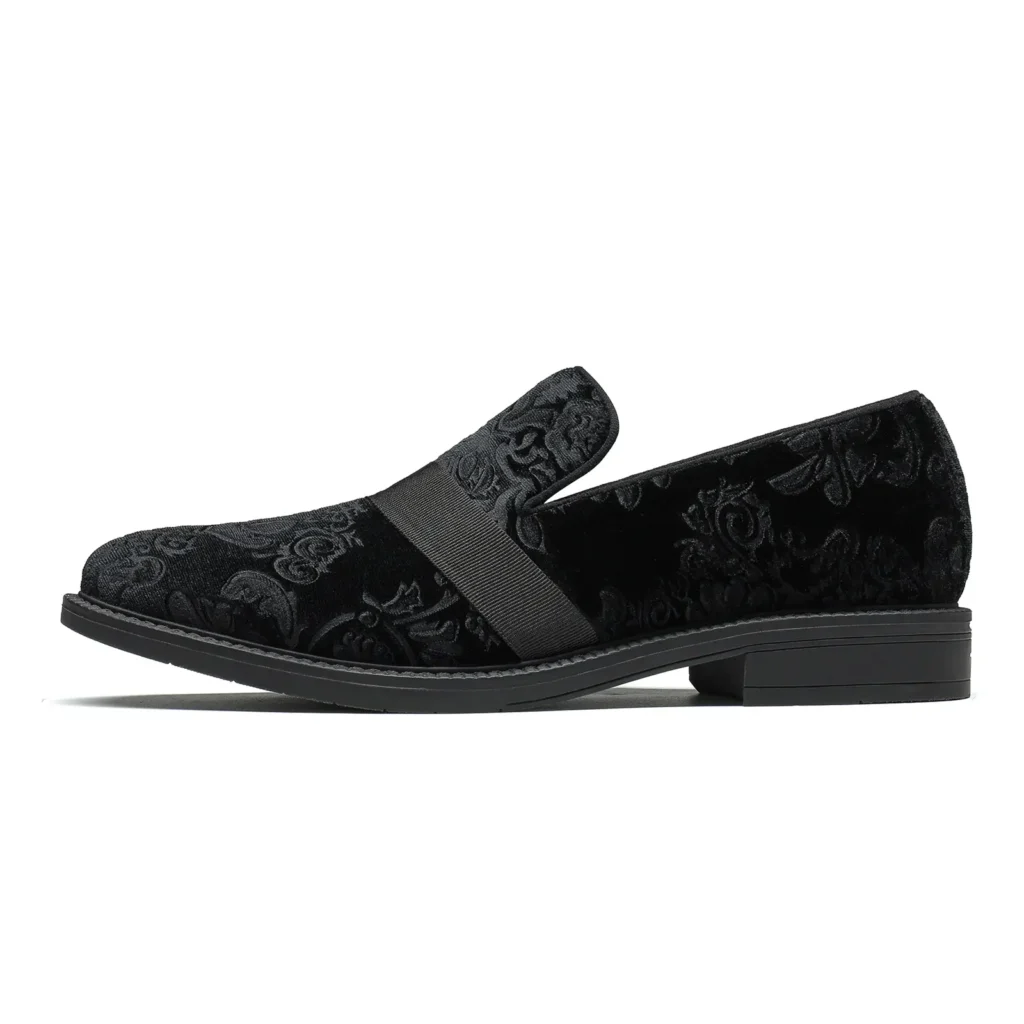
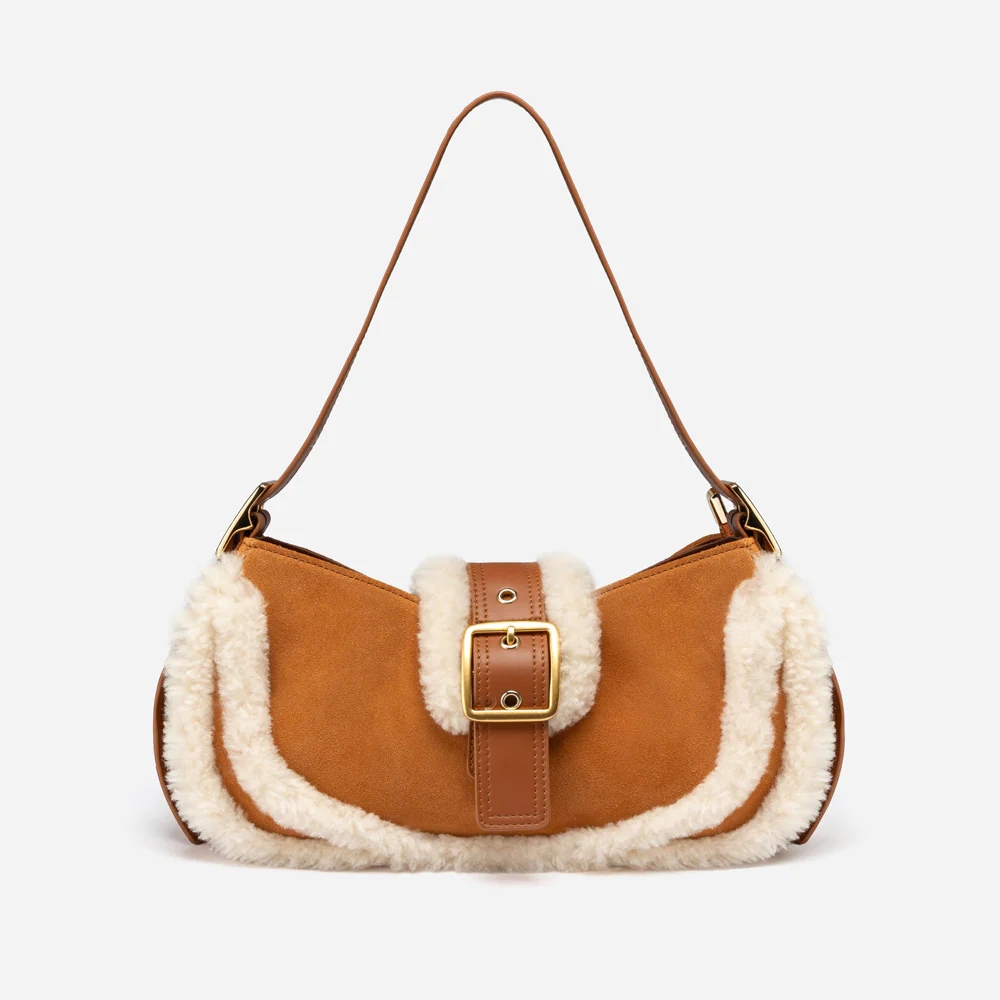
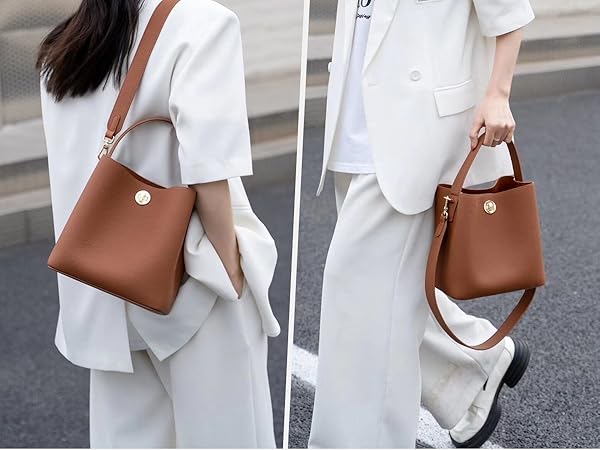
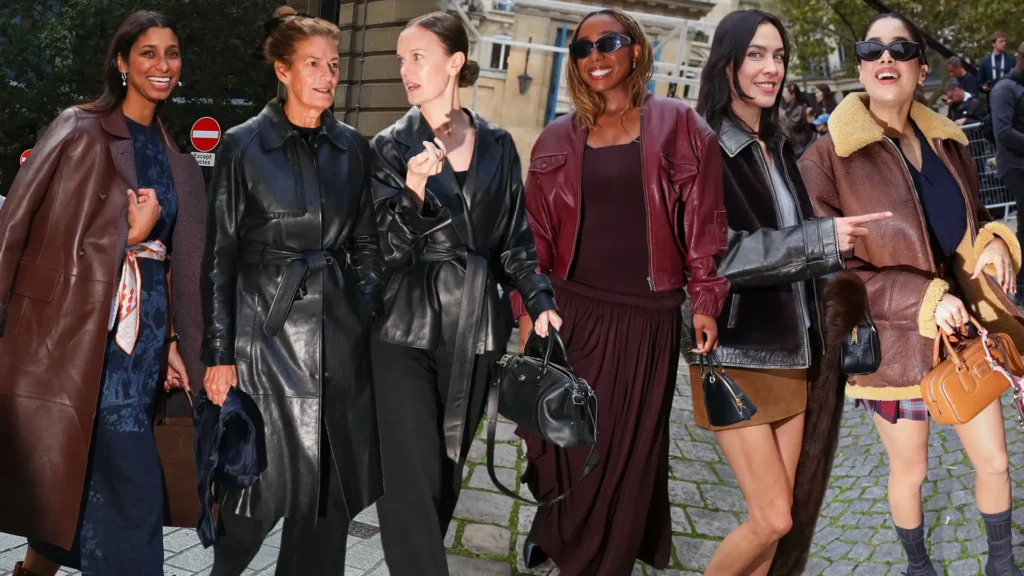
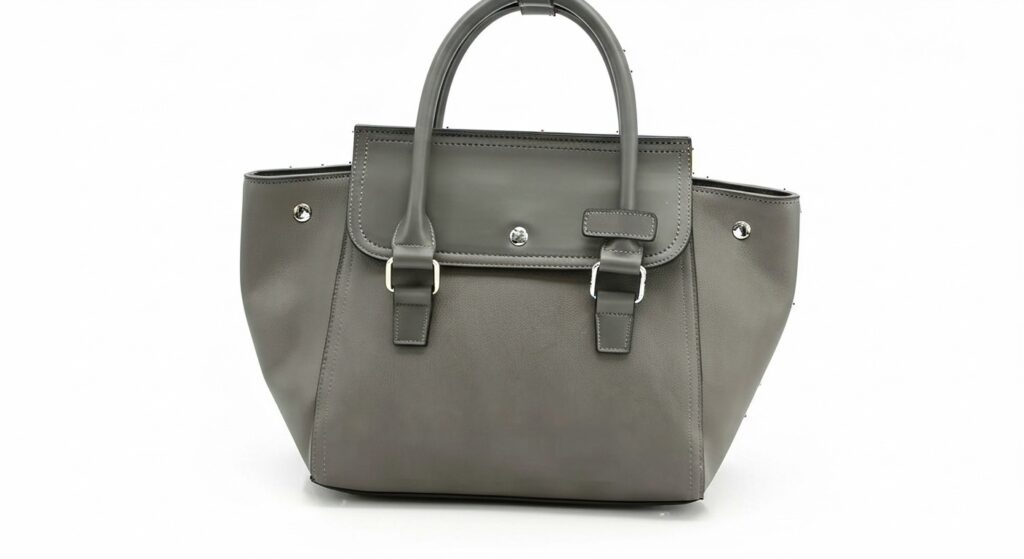
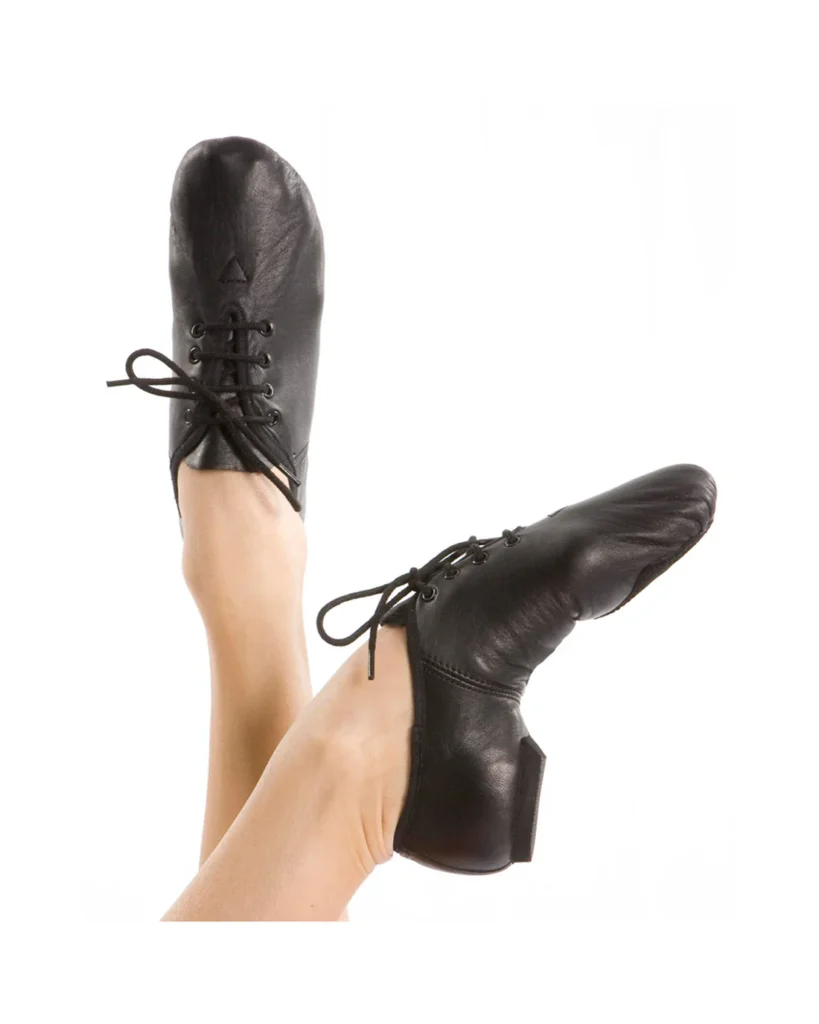
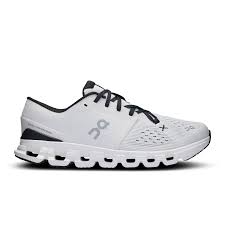
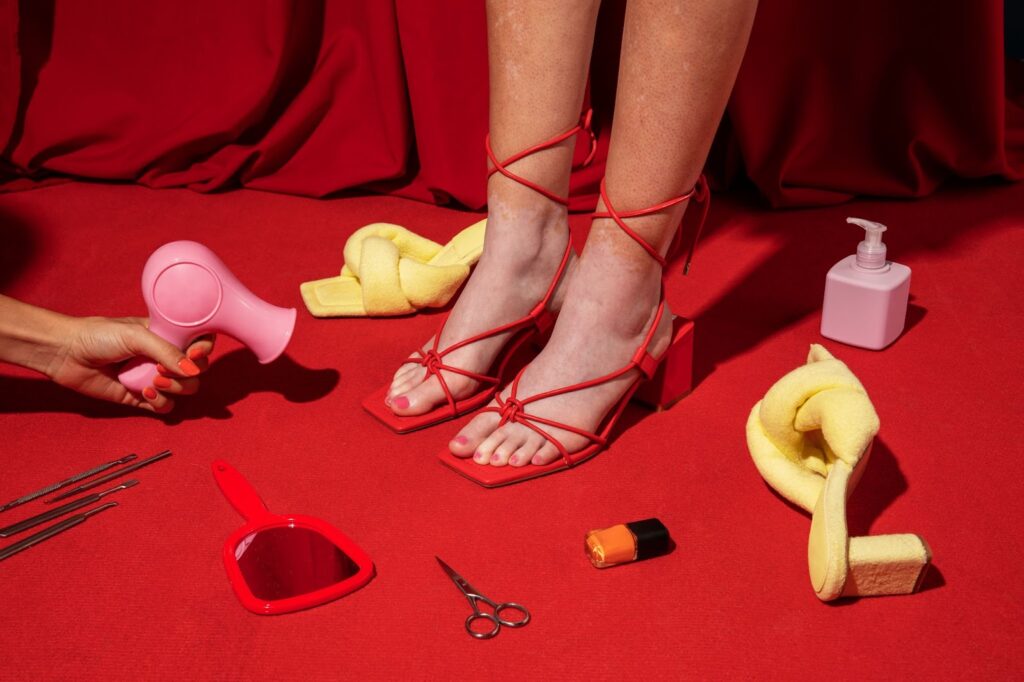
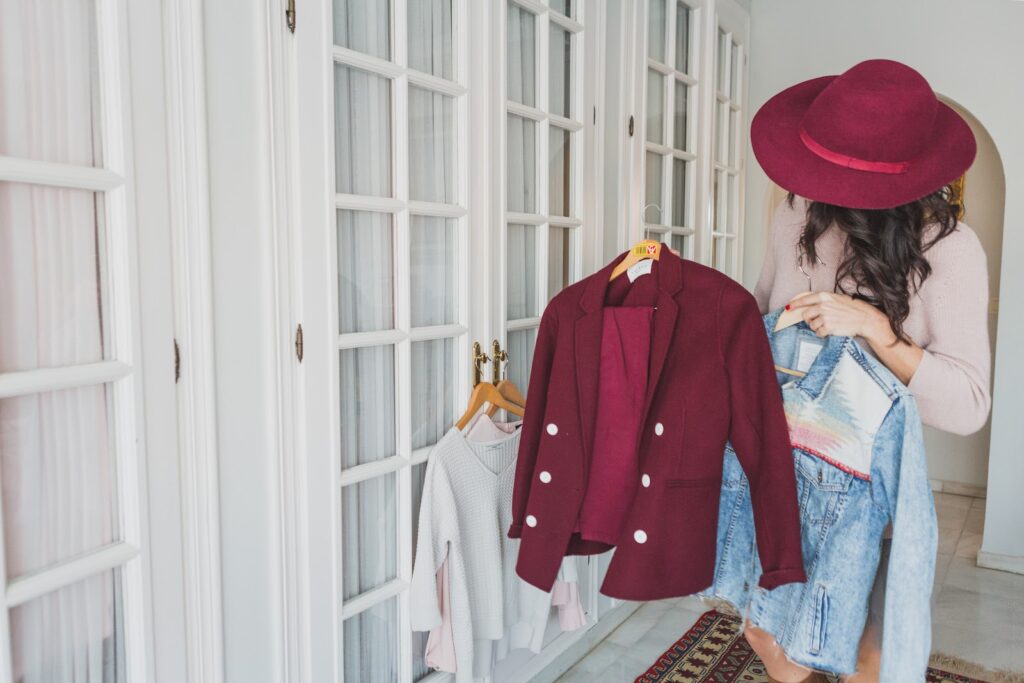
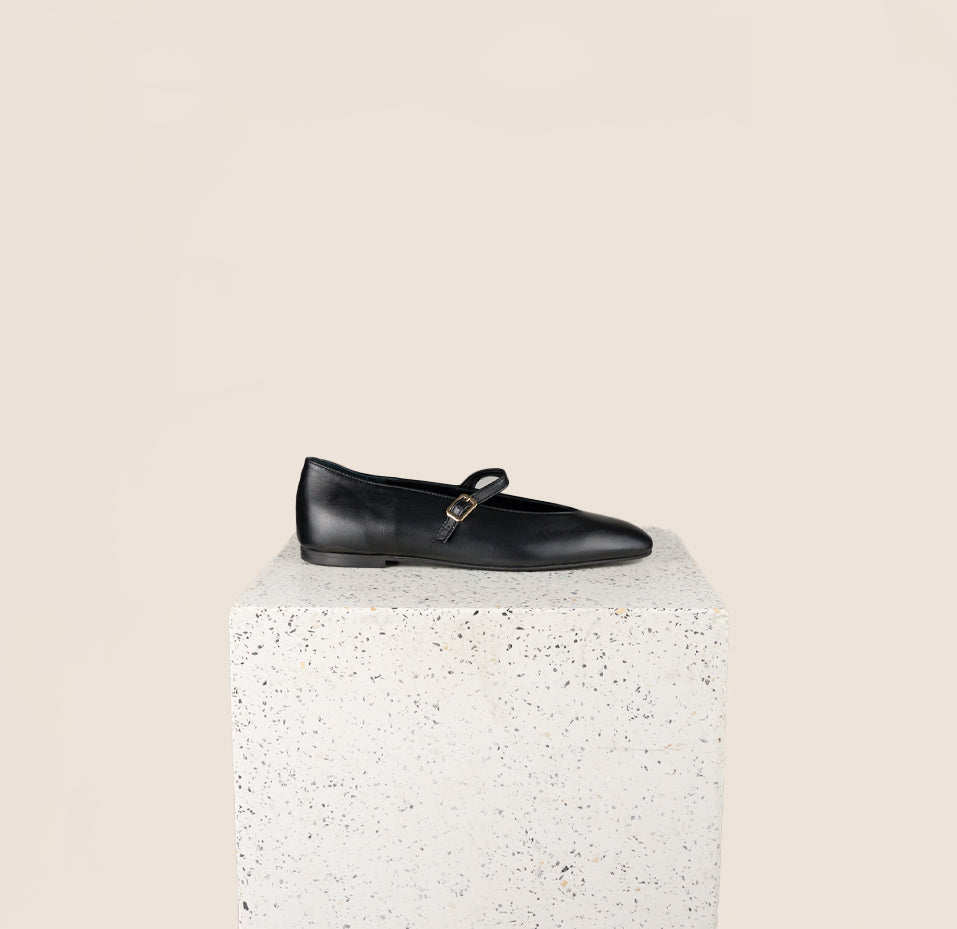
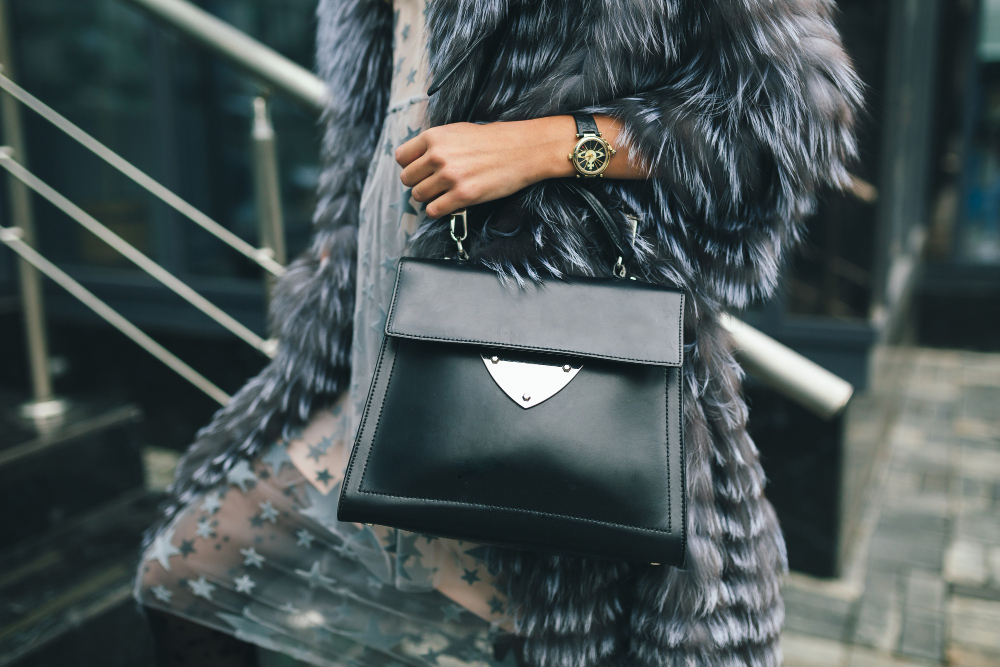
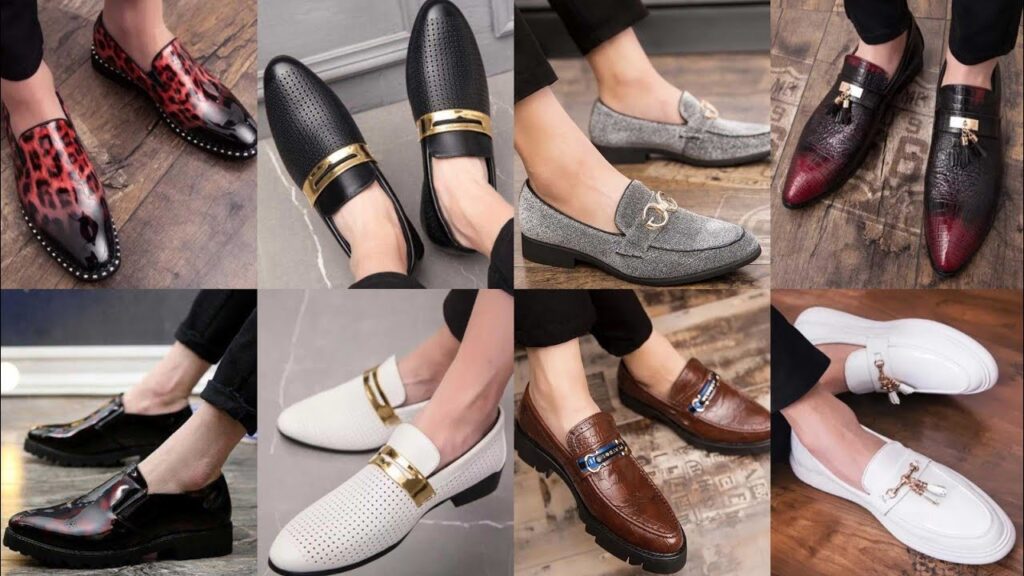
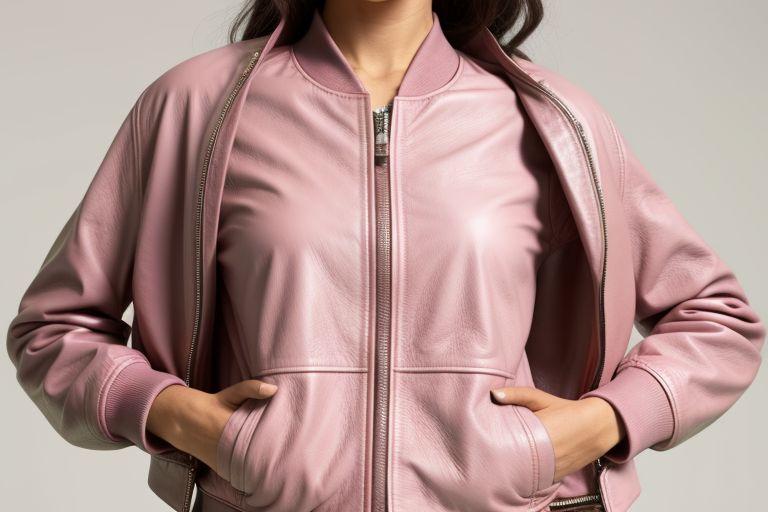
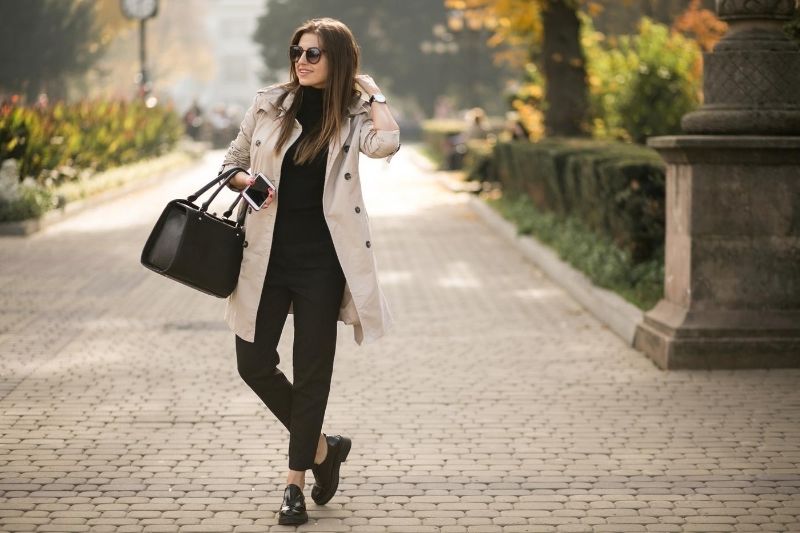
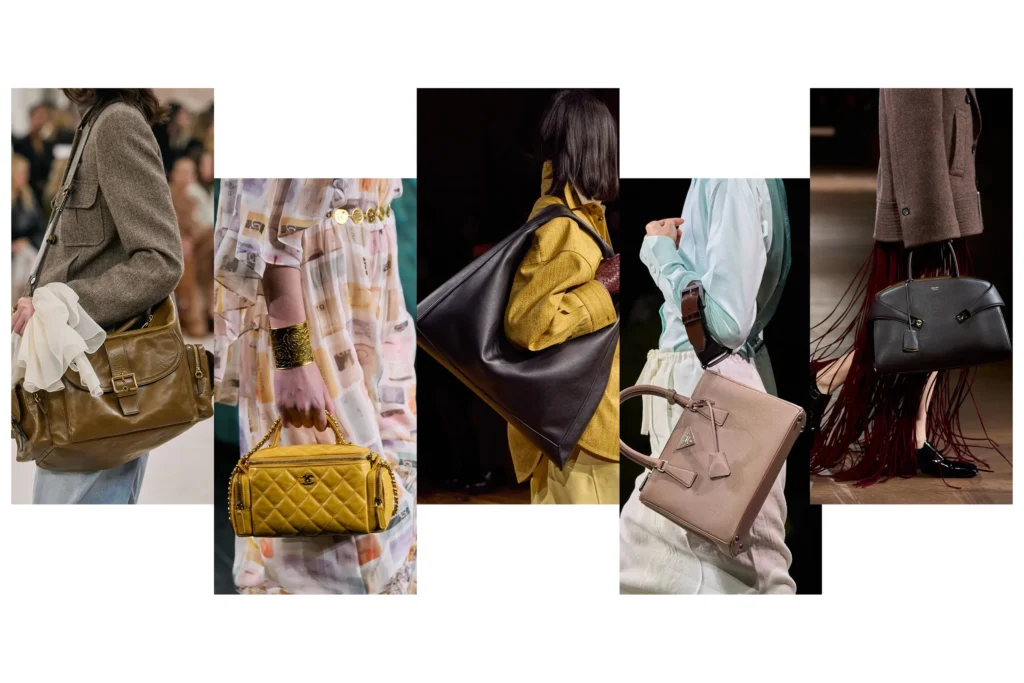
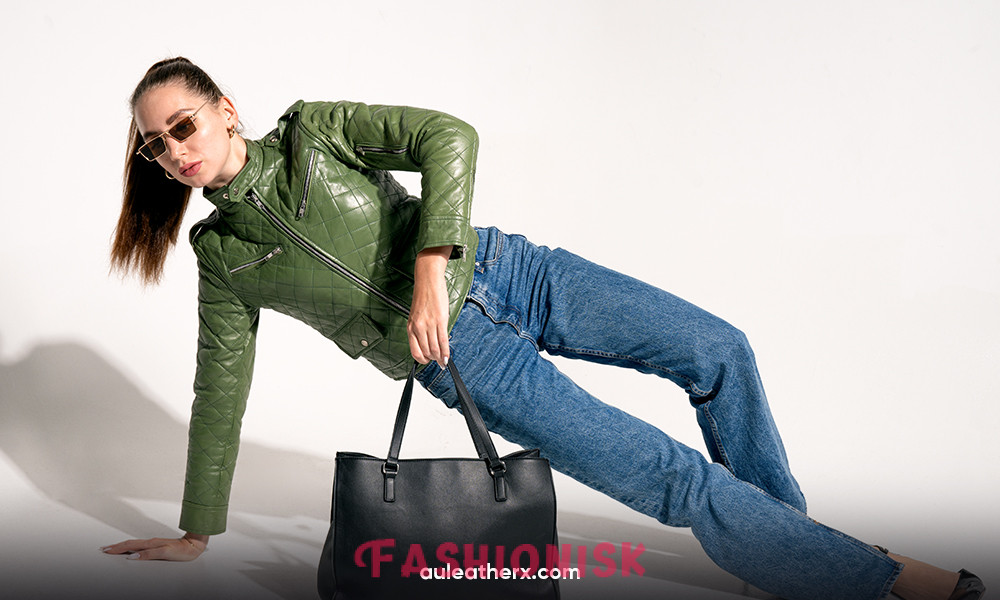
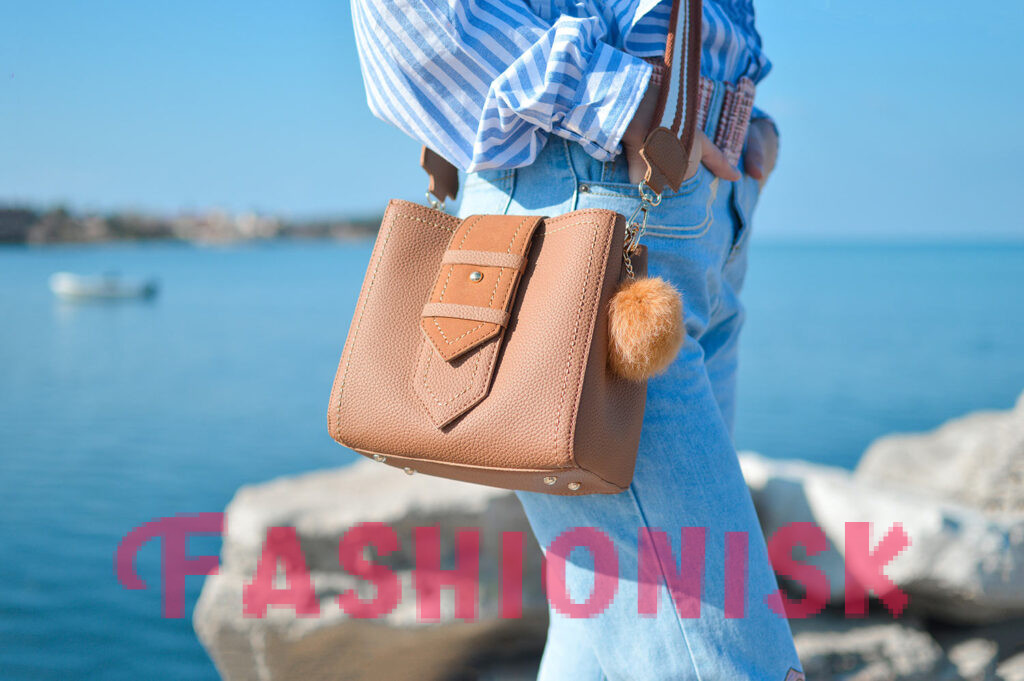
Many theatres are older buildings without air conditioning, so a packed theatre can get very warm even on a cold night, and thin layers you can remove work better than one heavy jumper. A light blazer or cardigan also folds under the seat more easily than a bulky coat. Choose shoes that cope with stairs and uneven floors, such as loafers, flats or block heels, and carry a compact crossbody bag because legroom is usually limited.
Before You Leave the House
Try the outfit on and sit down in it for a few minutes, because a waistband or collar that feels fine standing can pinch by the second act. Leave time to find your seat, use the cloakroom if there is one, and take your coat off before the lights go down. If the evening feels special to you, dress for that feeling, since the people around you will be watching the stage, not your shoes.