



















































































































































































































































































































































































































































































































































































































































































































































































































































































































































































































































































































































































































































































































































































































































































































































































































































































































































































































































































































































Choosing a Latex Vest: Fit, Thickness and Everyday Styling


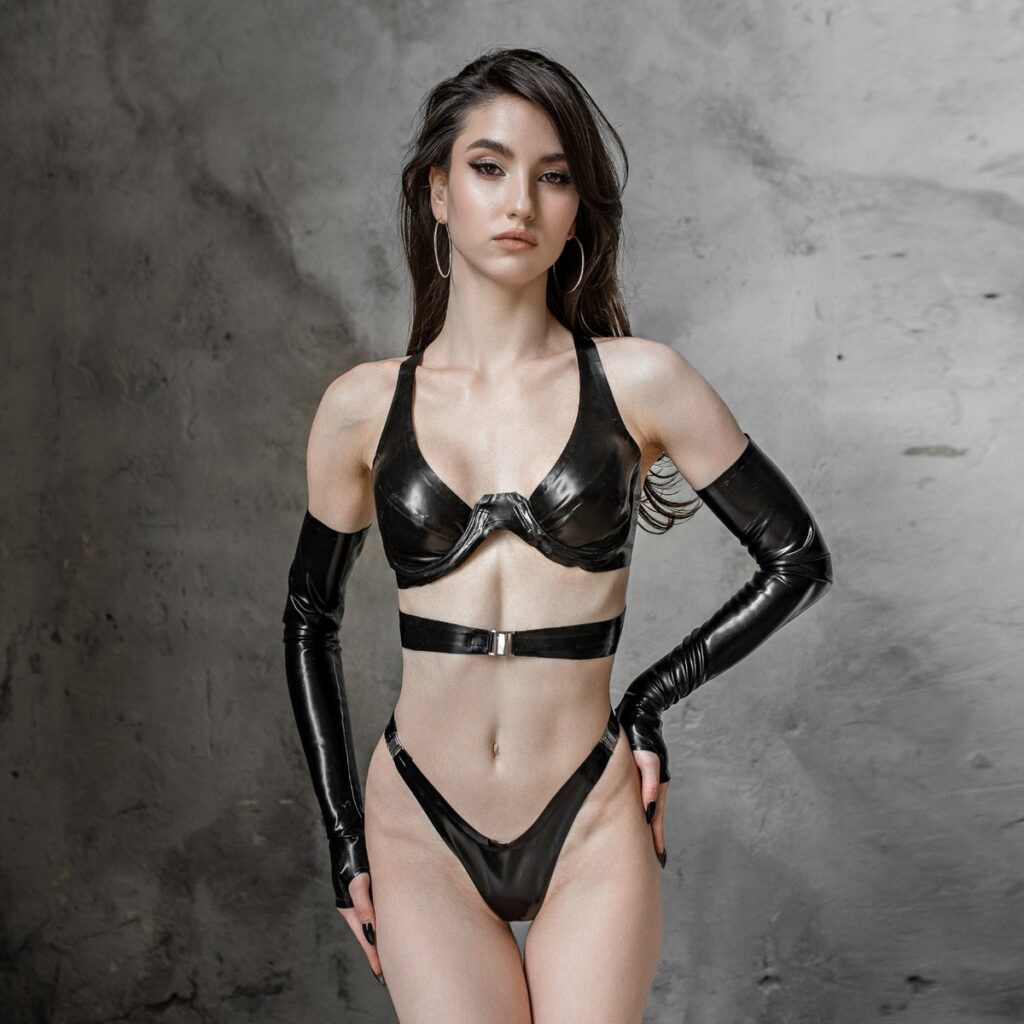
A latex vest can look like the easy first piece: less coverage than a catsuit, no sleeves to negotiate, and something you can put under a jacket without planning an entire outfit around it. The hesitation usually arrives at the size chart. Should it feel close, or tight? Is thicker latex better? And will a zip make getting dressed less fussy?
The useful answer starts with how you want to wear it. A vest for a short evening out and one you hope to layer under a blazer may call for different choices, even when the photographs look similar.
Start with your body, not your usual clothing size
A familiar T-shirt size is not a reliable shortcut to a latex size. Check the maker’s chart and whether its numbers describe body measurements or finished garment measurements. Form Latex’s size charts show body measurements.
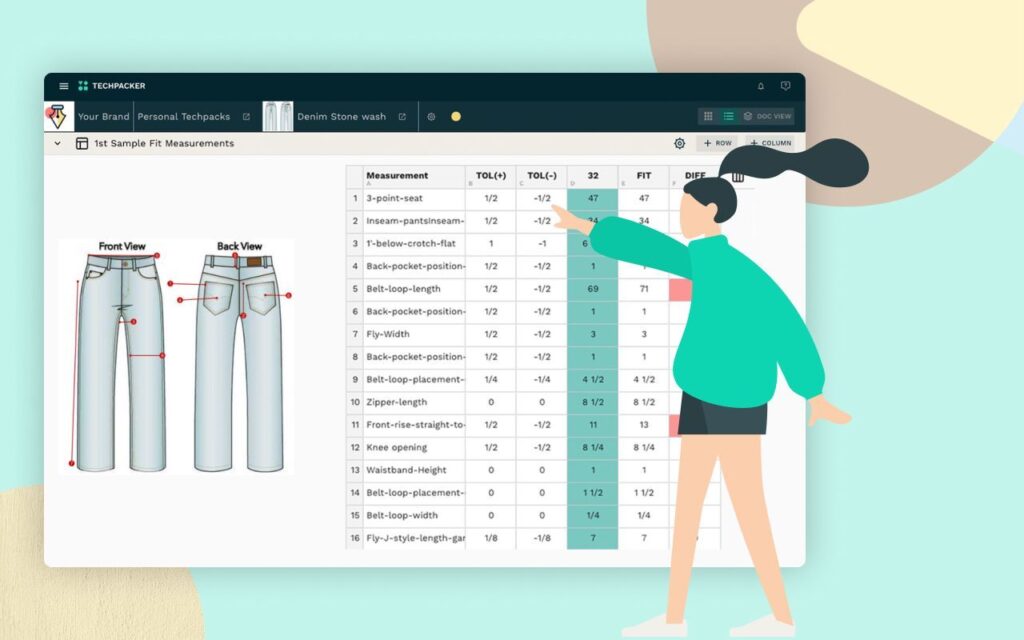
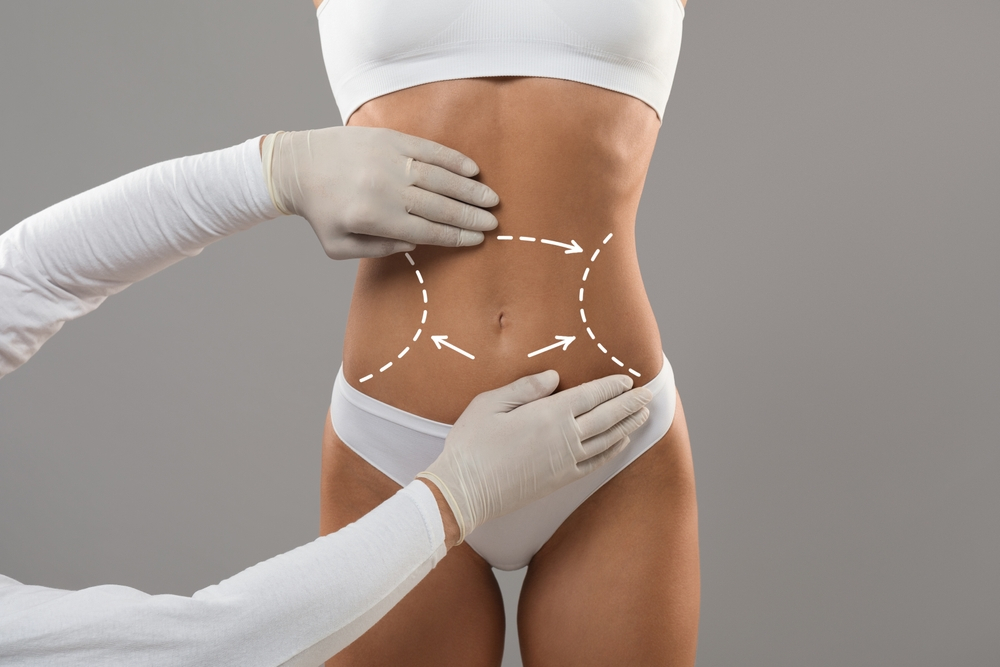
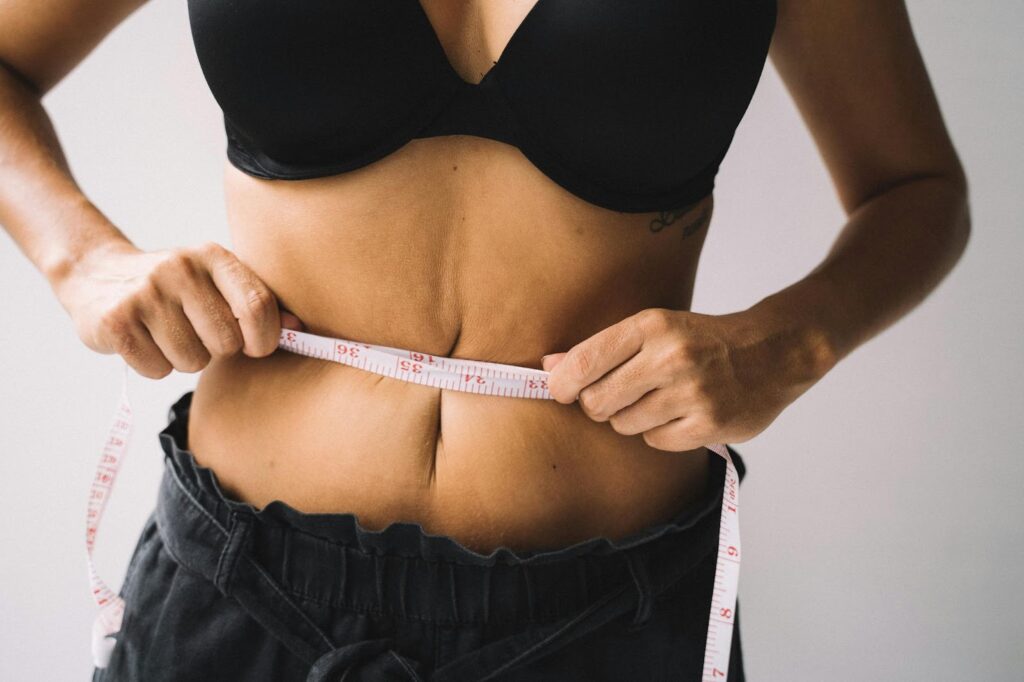
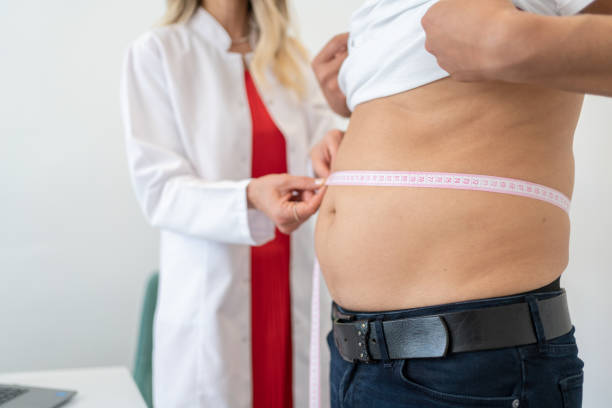
Use a soft measuring tape directly against your body, keeping it snug without pulling it too tight. Measure your chest at its fullest point and your natural waist as shown in the guide, rather than assuming your trouser waistband marks the right position. For a longer vest, the hip measurement can matter too. Follow the measurements requested for the particular design.
Do not subtract centimetres to make the fit tighter. The maker accounts for the intended stretch when cutting the garment. If your measurements fall across different sizes, ask for advice rather than automatically choosing the smaller one. Our size chart can help you compare them.
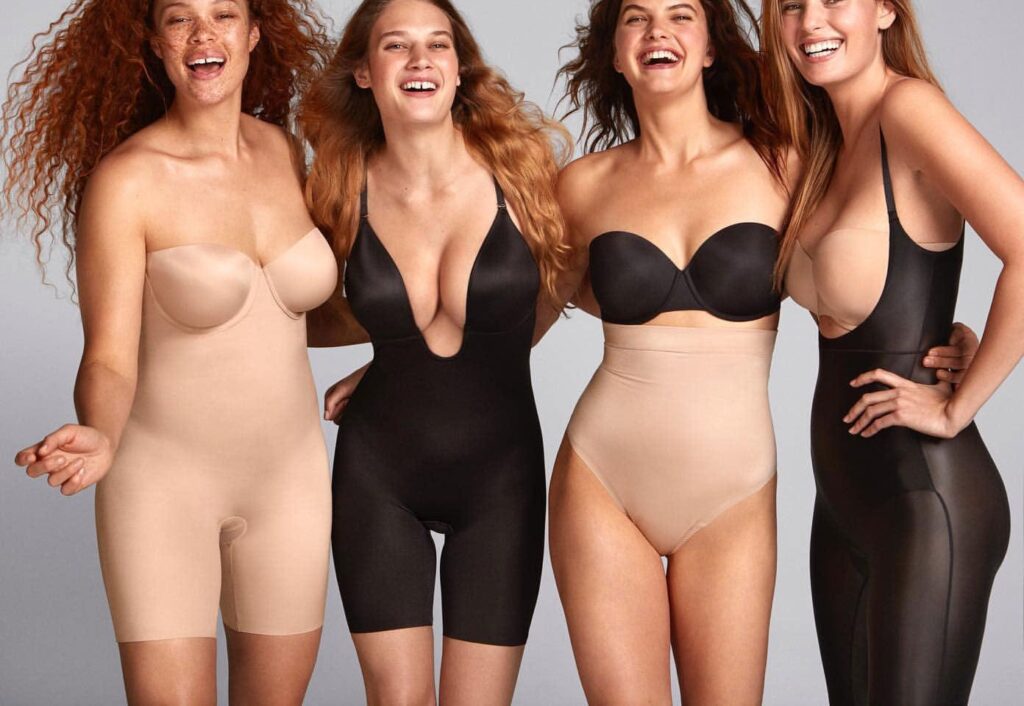
A close fit should still let you breathe and move comfortably. Pain, numbness or restricted breathing are reasons to remove the garment, not signs that you need to get used to it. Equally, ripples alone do not diagnose the wrong size: posture, pattern shape and how the vest is positioned can all affect the surface.
Why the shoulder and armhole shape matter
The chest circumference is only part of a vest’s fit. Shoulder width, armhole depth and torso length influence where the garment sits when you raise your arms or sit down. Two vests with similar chest measurements can feel quite different.
This is where made-to-measure can be useful, particularly when your chest and waist do not match the same standard size. It is not a promise of perfection, and accurate measurements still matter. It gives the maker more information than a single size label. You can follow the diagrams on our custom sizing page and ask someone to help with difficult back measurements.
Thickness changes the feel, not just the specification
A 0.4 mm latex vest is a useful point of comparison, but thickness alone does not determine quality or durability. Lighter sheeting generally feels more yielding; thicker sheeting generally offers more resistance and a firmer feel. Pattern, fit, bonded seams and handling also influence the result.
One construction detail worth asking about is the armhole edge. It is an area you handle while dressing and move repeatedly during wear. Edge finishing and the position of nearby bonded seams can affect how that area feels. Pulling hard on an armhole to force the vest into place is best avoided, whatever the thickness.
Do not assume thin latex will fail within a fixed number of wears, or that thick latex automatically provides corset-like support. Choose from the thicknesses actually offered for the design, and explain your intended use if you are unsure.
Choose an opening you can manage comfortably
A front zip can make a close-fitting vest easier to put on and remove, but the length and position of the opening matter. A short zip does not offer the same access as a full-length one. A pull-on design may give a more uninterrupted surface, while requiring a different dressing technique.
Ask how the particular vest is meant to be put on. Use a latex-compatible dressing aid where appropriate, keep nails and jewellery away from the material, and ease it into position rather than tugging at the edges. Difficulty dressing does not, by itself, prove that you chose the wrong size.
Chlorination is another option on some garments. It changes the latex surface and can reduce friction during dressing, but it is not a guarantee that no dressing aid will ever be needed. Discuss its effect on finish, care and future repairs before choosing it. It does not make latex breathable.
Styling without making the vest do everything
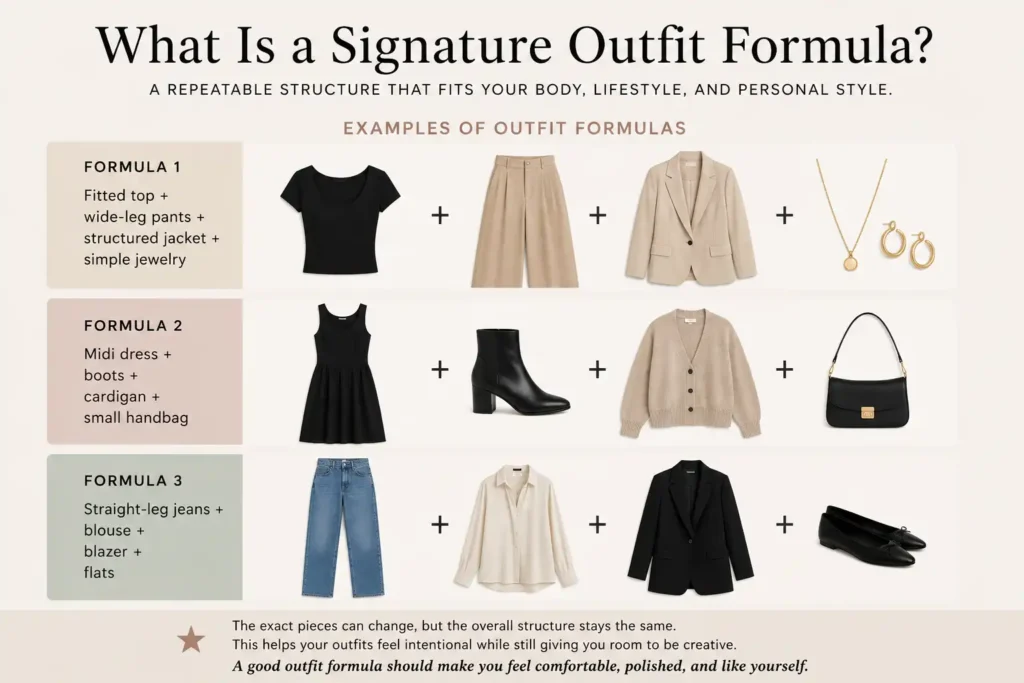
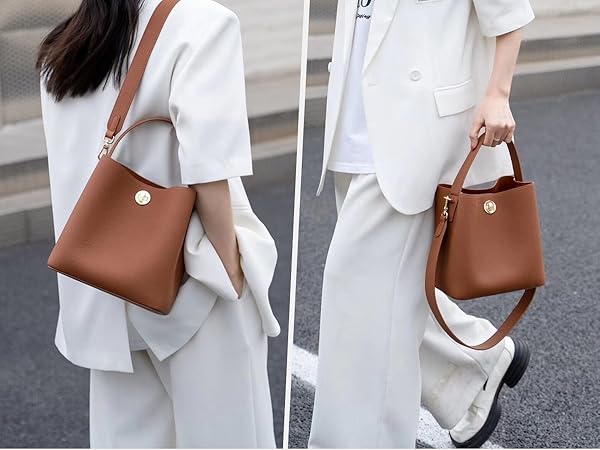
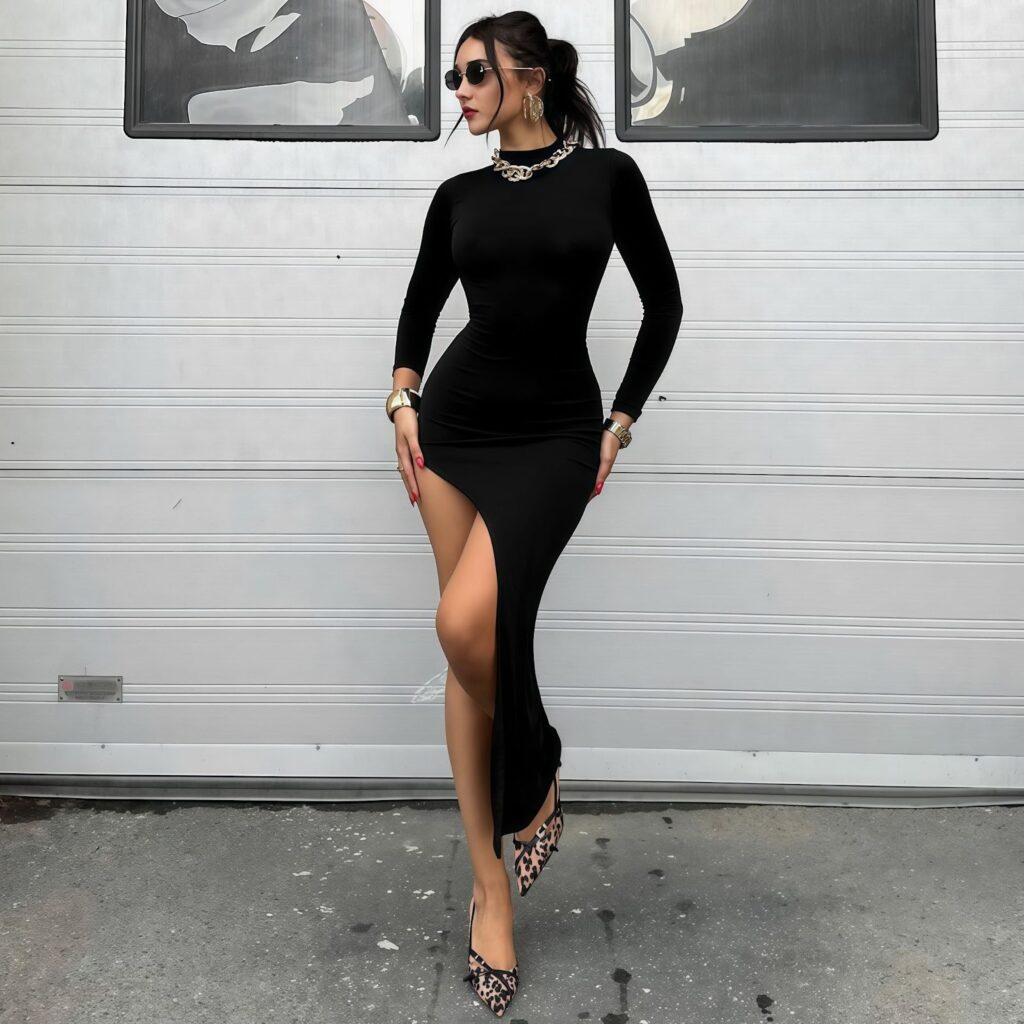
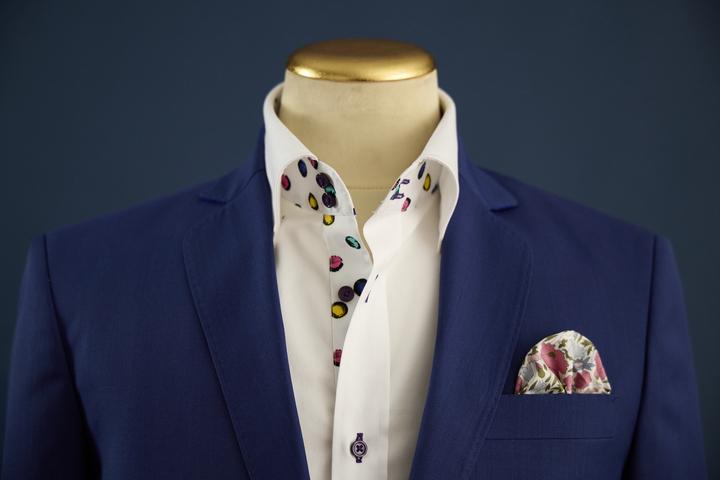
Under a relaxed blazer, a latex vest can provide a small contrast between soft tailoring and a smoother surface. With simple trousers, it can be the main texture rather than one of several competing details. Over a T-shirt, the effect is more layered and casual, although fabric contact can create friction and affect the surface over time.
The finish changes the mood too. Unpolished latex has a quieter appearance; a compatible silicone polish brings out stronger reflections. Neither look tells you, on its own, whether the vest is well made. Choose the finish you enjoy and plan for warmth, breaks and comfortable removal rather than treating longer wear as a test.
Care is part of owning it
Follow the maker’s care instructions. Wash gently after wear using lukewarm water and a suitable mild cleanser, rinse thoroughly, and let both sides dry completely away from heat and direct sunlight. Do not machine wash or tumble dry unless the manufacturer explicitly permits it.
Use only dressing aids and polishes intended for latex clothing. Keep petroleum-based oils, sharp objects and staining metals away from the garment. Separate contrasting colours during storage to reduce the risk of colour transfer, and avoid heavy pressure or tight creases. Store it clean, fully dry and protected from light, using a suitable storage method for its design and finish.
The best first latex vest is not necessarily the thickest or the tightest. It is one you can put on without a struggle, move in comfortably and care for without guesswork. Get those details right, and the styling becomes the easy part.