















































































































































































































































































































































































































































































































































































































































































































































































































































































































































































































































































































































































































































































































































































































































































































































































































































































































































































































































































































































































































































































































































































































How Integrating AI Enhances Employee Upskilling Platform Engagement

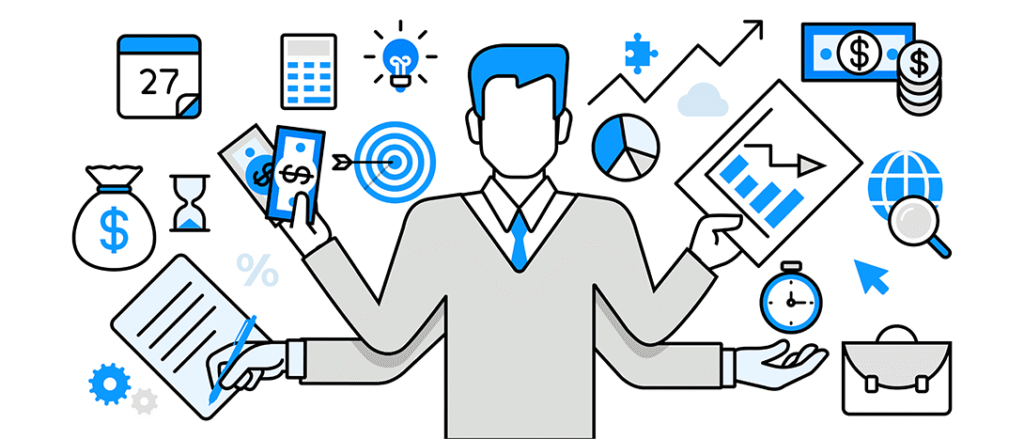
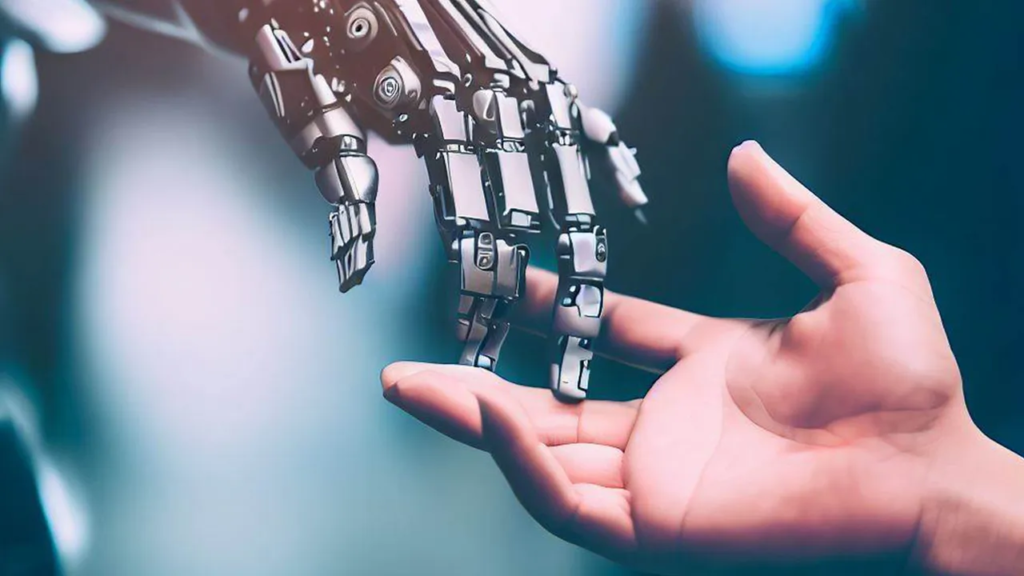
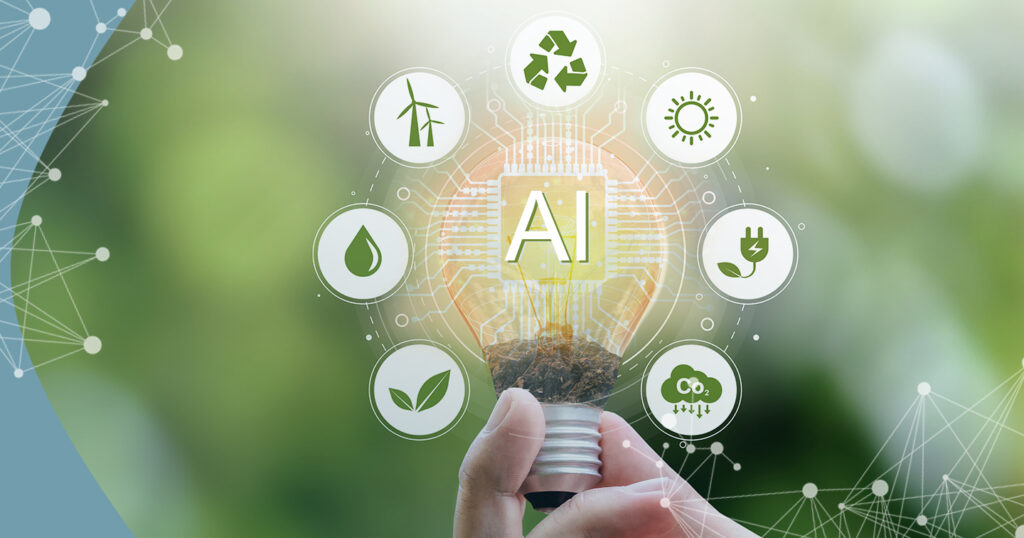
Integrating artificial intelligence (AI) into employee training systems is revolutionizing the way organizations approach upskilling. As businesses strive to maintain a competitive edge, the need to enhance engagement in learning environments becomes paramount. AI not only personalizes the learning experience but also boosts engagement by tailoring content to individual needs. This article explores how AI integration can invigorate engagement with an Employee Upskilling Platform, providing a compelling case for its adoption in corporate learning strategies.
Enhancing Engagement Through AI in Employee Upskilling Platforms
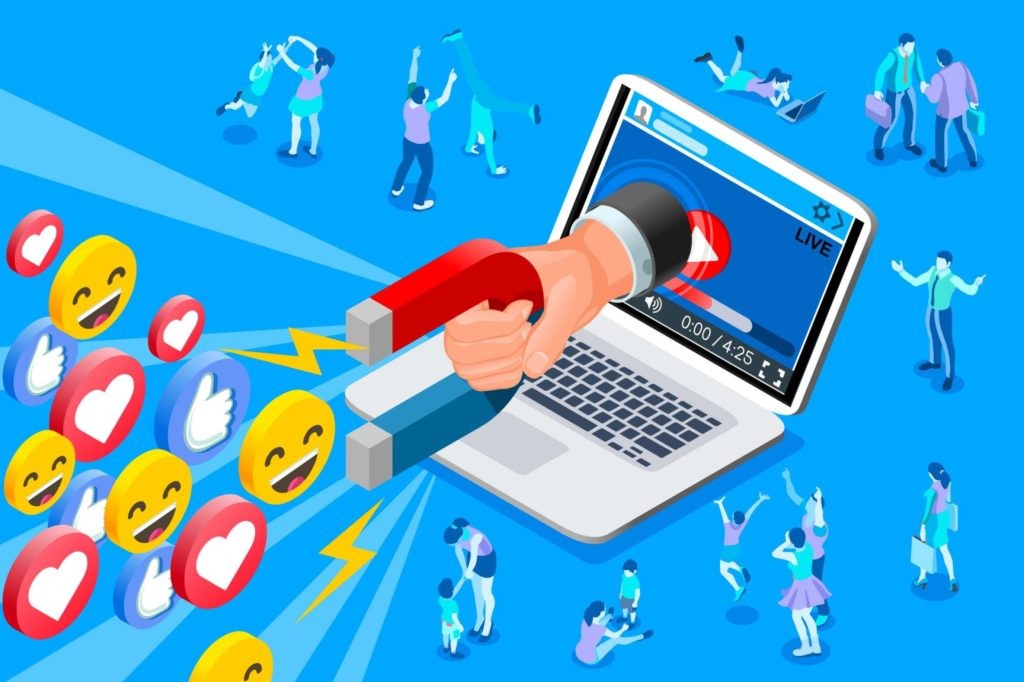
AI-driven Learning Management Systems (LMS) have emerged as a game-changer in employee development. By incorporating Gamification Strategies, these platforms make learning more interactive and engaging. Gamification involves integrating game-like elements such as points, badges, and leaderboards to motivate employees, thereby enhancing their learning experience. A study by TalentLMS reported that 83% of employees feel motivated when their training is gamified (Source: TalentLMS, 2022).
Furthermore, AI can adapt the difficulty of tasks in real-time, aligning with employee competencies and keeping the learning process challenging yet achievable. This approach fosters a sense of achievement and encourages continuous learning. Adaptive Learning Technologies automatically adjust the content delivery based on the learner’s performance, ensuring that each individual receives a personalized learning experience.
Moreover, AI facilitates Asynchronous Learning, allowing employees to access training materials at their convenience. This flexibility is critical in today’s global work environment, where employees often work across different time zones. Thus, AI not only enhances engagement but also accommodates diverse learning preferences.
Transforming Learning Experiences with Intelligent Automation
Intelligent automation in educational platforms enhances learning experiences by streamlining administrative tasks and focusing on delivering quality content. AI can automate routine tasks, such as grading and feedback, freeing up time for Learning Experience Designers (LXD) to concentrate on creating more impactful content.
Additionally, AI helps ensure SCORM Compliance, which is crucial for maintaining standardized content delivery across platforms. This compliance guarantees that learning modules are reusable and interoperable, which is particularly beneficial for organizations with diverse training needs.
AI also supports a Blended Learning Model, which combines traditional face-to-face learning with digital methods. This model allows employees to benefit from the best of both worlds, providing a comprehensive learning experience that is both engaging and effective.
Personalized Learning Paths Driven by AI Insights
AI’s ability to analyze vast amounts of data enables the creation of personalized learning paths tailored to individual employee needs. Through Learning Analytics, AI can identify learning patterns and preferences, allowing for the customization of content to maximize effectiveness.
For example, by analyzing data from Microlearning Modules, AI can determine which topics an employee struggles with and adjust the learning path accordingly. This personalized approach not only enhances engagement but also improves knowledge retention.
Moreover, AI-driven insights facilitate Competency-Based Education (CBE), where employees progress based on their ability to demonstrate mastery of skills rather than time spent on learning. This method ensures that employees acquire the necessary skills efficiently and effectively, aligning with organizational goals.
Measuring Success: AI’s Role in Tracking Employee Progress
AI plays a crucial role in tracking and measuring employee progress within upskilling platforms. By utilizing Formative Assessment Tools, AI provides real-time feedback to both learners and instructors, allowing for immediate adjustments in the learning process.
Furthermore, AI can generate detailed reports on employee performance, highlighting areas of strength and those requiring improvement. This data-driven approach empowers organizations to make informed decisions about their training programs and strategies.
Additionally, AI facilitates the implementation of Digital Badging, which recognizes and rewards employee achievements. These badges serve as a tangible proof of skill acquisition, motivating employees to continue their learning journey and enhancing their career prospects.
Conclusion
Integrating AI into Employee Upskilling Platforms offers significant benefits, from enhancing engagement to personalizing learning experiences. By harnessing AI, organizations can create more dynamic and effective training programs that cater to individual needs. This not only boosts employee satisfaction but also drives organizational success, making AI a valuable investment in modern educational strategies.