







































































































































































































































































































































































































































































































































































































































































































































































































































































































































































































































































































































































































































































































































































































































































































































































































































































































































































































































































































































































































How industrial air heaters improve temperature control in manufacturing

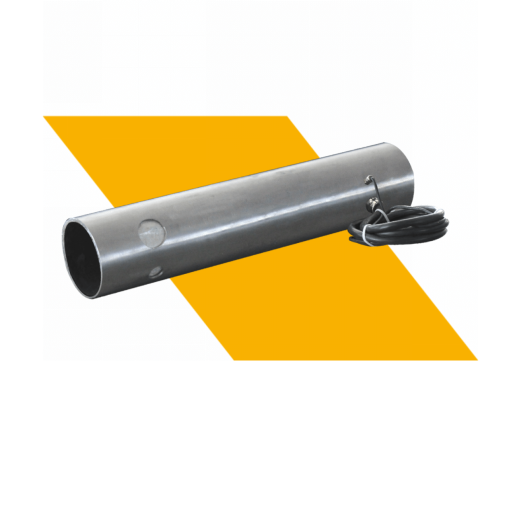
Temperature control can make or break a manufacturing process. Too hot and you risk damaging materials, triggering safety shutdowns, or ruining an entire batch. Too cold and curing times extend, coatings fail to bond, or plastics don’t flow the way they should. Getting it right means having a heating system that responds fast, holds steady, and doesn’t introduce contaminants. That is exactly what a well-built industrial air heater does.
What an industrial air heater does
At its core, an air heater passes air across electrically heated resistance elements. The elements, typically made from Nichrome or Kanthal alloys, convert electrical energy into heat. The air picks up that heat through convection and carries it wherever the process needs it, whether that is a drying oven, a plastic extrusion line, a paint booth, or a duct system serving a much larger setup.
The difference between a good air heater and a poor one often comes down to how consistently it maintains the set temperature. A unit with PID control and built-in thermocouple feedback can hold temperature stability to within ±1°C. That level of precision matters a great deal when you are processing pharmaceutical powders, curing adhesive coatings, or conditioning the inlet air for a gas turbine.
Tempsens industrial air heaters are rated for continuous operation from ambient temperature up to 450°C. They handle pressures up to 40 bar, use MgO-insulated coils, and come in stainless steel housings built to survive the kind of environments that eat through cheaper equipment. The welding on these units follows tight tolerances, not because it looks nice, but because a poor seam at 40 bar is a liability.
Why temperature uniformity matters
A lot of buyers focus on maximum temperature rating. That is fair, but it is not the whole picture. Uniformity is the harder problem.
Consider a plastic injection moulding line. The mould needs air at a consistent temperature before the shot enters. If one zone runs 15°C hotter than another, the material flow changes, shrinkage rates vary, and you end up with parts that fail dimensional checks. A ±5°C uniformity spec is not a number on a datasheet to ignore. It is what separates a smooth production run from a high scrap rate.
The same logic applies to pharmaceutical drying. Spray-dried powders are sensitive to moisture content, and moisture content is directly tied to the drying air temperature. A batch that receives uneven heating can produce powder with inconsistent particle size distribution, which then fails dissolution testing downstream.
Industrial air heaters with proper flow path design and PID control address this. The air moves across the elements in a controlled way, exits at a uniform temperature, and the control loop corrects any drift before it compounds.
Where manufacturing plants use air heaters
Plastics processing
Extrusion, injection moulding, and thermoforming all depend on pre-conditioned air. The air heater warms the incoming airstream before it reaches the mould, die, or forming station. Without it, cold spots slow down cycle times and introduce variation.
Tempsens air heaters for this application deliver airflow from 50 CFM up to 5,000 CFM, with wattages ranging from 2 kW to 30 kW depending on the line configuration. That range covers small lab-scale equipment right up to full production lines.
Industrial drying systems
Pharma facilities, food processors, textile finishers, and coating operations all run some form of hot air drying. The air heater here does more than just raise temperature. It delivers clean, dry, contaminant-free heat. There are no combustion by-products, no particulates, no moisture introduced by a flame. That matters enormously in a cleanroom-grade or food-safe environment.
Automotive manufacturing
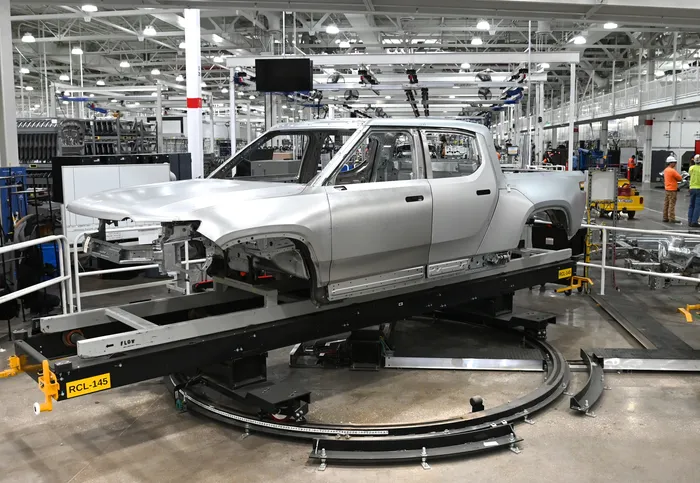
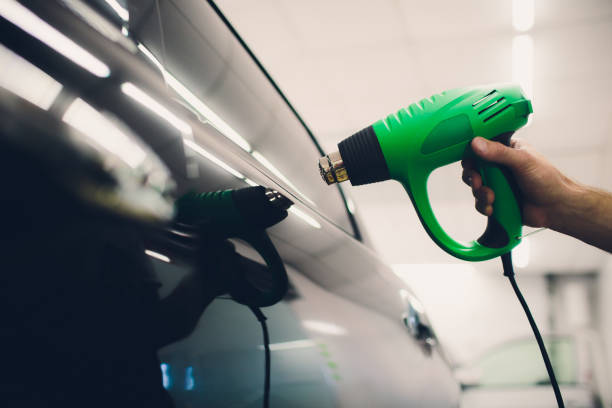
Spray booths for vehicle finishes need precise air temperatures to ensure proper atomisation and curing. Too cool and the paint sags. Too warm and solvent flashes before the coat levels out. Tempsens air heaters are used in booth conditioning, heat-cure ovens, and assembly line climate control. The response time, less than 30 seconds to reach 90% of setpoint under forced convection, keeps production moving when conditions change.
Power generation
Turbines are sensitive to inlet air conditions. Cold air is denser and affects combustion efficiency. Wet air risks ice formation in cold climates. Air heaters serving these applications are typically built to ATEX or IECEx standards for hazardous area compliance, something Tempsens designs into units for oil and gas clients.
Instrument enclosure heating is another common application. Control cabinets sitting outdoors in cold climates need a reliable, low-wattage air heater to keep electronics within operating temperature range through the winter.
Engineering details for real-world performance
Response time and control method
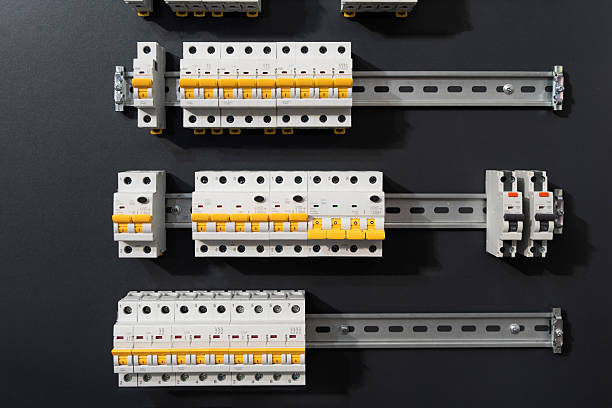
The four main control approaches each suit different process demands. An on/off switch works for non-critical applications where temperature doesn’t need to be held tightly. SCR phase-angle control gives smoother, stepless output and is preferred for processes sensitive to thermal cycling. Contactor-based step control handles higher power loads where SCR is impractical. PID closed-loop control, with a thermocouple sensing actual outlet temperature, is the most precise and is the right choice when setpoint accuracy matters.
A response time under 30 seconds is achievable with forced convection. That is 3 to 5 times faster than combustion-based alternatives. In batch processes, faster response means shorter warmup between runs and more cycles per shift.
Protection ratings
Not every production floor is clean and dry. IP54 protects against dust ingress and splashing water. IP65 goes further, with complete dust protection and resistance to direct water jets. The right rating depends on where the unit is mounted. A heater inside an enclosure in a clean environment might only need IP54, while one mounted near a wash-down area needs IP65.
Material selection
Standard builds use SS 304 sheath material. For applications involving aggressive chemical vapours, coastal environments with salt-laden air, or process gases that attack stainless steel, Incoloy or other corrosion-resistant alloys are the right specification. Getting material selection wrong at the design stage is an expensive mistake two years into a unit’s service life.
Watt density
Watt density, expressed as watts per square inch of element surface, determines how hard the elements are working. High watt density means more heat from a smaller surface, but it also shortens element life if the airflow is insufficient to carry heat away. Tempsens units are rated up to 77 W/in², with the correct watt density selected based on the application’s airflow and thermal load. Undersized elements running at the ceiling of their rating fail sooner. Properly specified elements last years without intervention.
Certifications and what they mean for your facility
Compliance is not optional in regulated industries. Tempsens air heaters carry CE marking for European markets, UL and CSA certification for North American applications, and ATEX/IECEx ratings for explosive atmosphere zones. The ATEX designation matters for petrochemical plants, solvent-handling facilities, and grain processing operations where ignition risk is a real concern, not a theoretical one.
ISO/IEC 17025:2017 accredited calibration is available for every unit. That means traceable calibration certificates, documented against international metrology standards, that hold up under audit. For pharmaceutical manufacturers operating under GMP, or power utilities with formal equipment qualification programs, this documentation is part of the job.
Mounting and integration options
A heater that performs well in isolation but can’t be integrated cleanly is a headache for installation engineers. Tempsens air heaters are available with flange mounting, duct insertion ends, inline threaded connections, and custom manifold configurations. The right mounting type depends on whether the heater sits in a duct, inline in a pressurised system, or as a standalone unit feeding a process chamber.
Custom builds are part of the offering. Applications that don’t fit a standard catalogue configuration, whether because of unusual duct geometry, a non-standard voltage supply, or a specific process gas other than air, go through Tempsens’ engineering team. They have been doing this since 1990, serving clients across 75 countries, and the R&D capability behind those custom builds reflects that.Choosing the right air heater for your process
The starting point is always the process, not the product catalogue. What is the required outlet temperature? What is the airflow rate? What control accuracy is needed? Is the installation environment clean or aggressive? Does it fall under a hazardous area classification?
Answer those questions, and the specification follows. Wattage, element material, control type, protection rating, and mounting all flow from the process requirements. Tempsens offers units from
2 kW up to 30 kW as standard, with air capacities from 50 CFM to 5,000 CFM, covering most industrial applications without a custom build.
For applications that do need something purpose-built, the engineering support is there. And for facilities that need documentation, the calibration infrastructure is in place.
Temperature control in manufacturing is not a soft requirement. It determines product quality, process repeatability, and equipment life. The right industrial air heater makes that control achievable without complexity, high maintenance, or contamination risk. That is the practical case for electric air heating, and it holds up across industries from pharma to petrochemicals.