























































































































































































































































































































































































































































































































































































































































































































































































































































































































































































































































































































































































































































































































































































































































































































































































































































Swatch’s Royal Pop Frenzy Shows Why Fashion Needs Better Digital Provenance

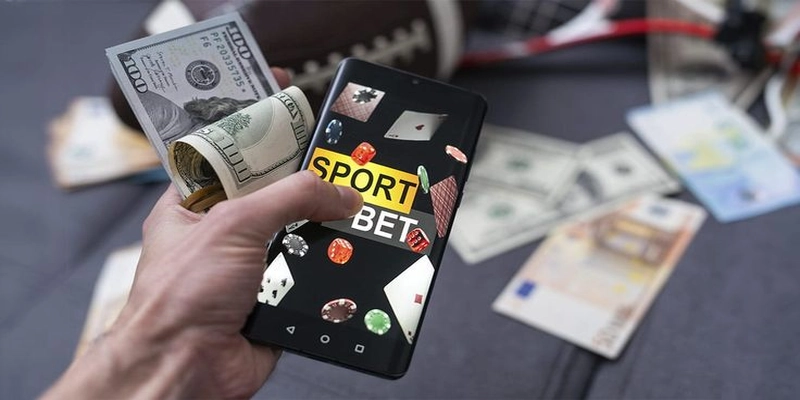
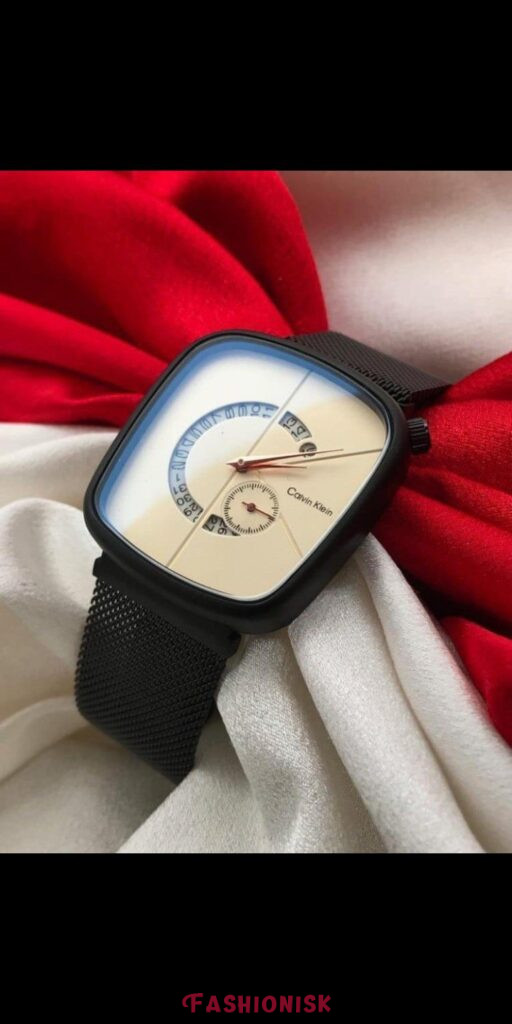
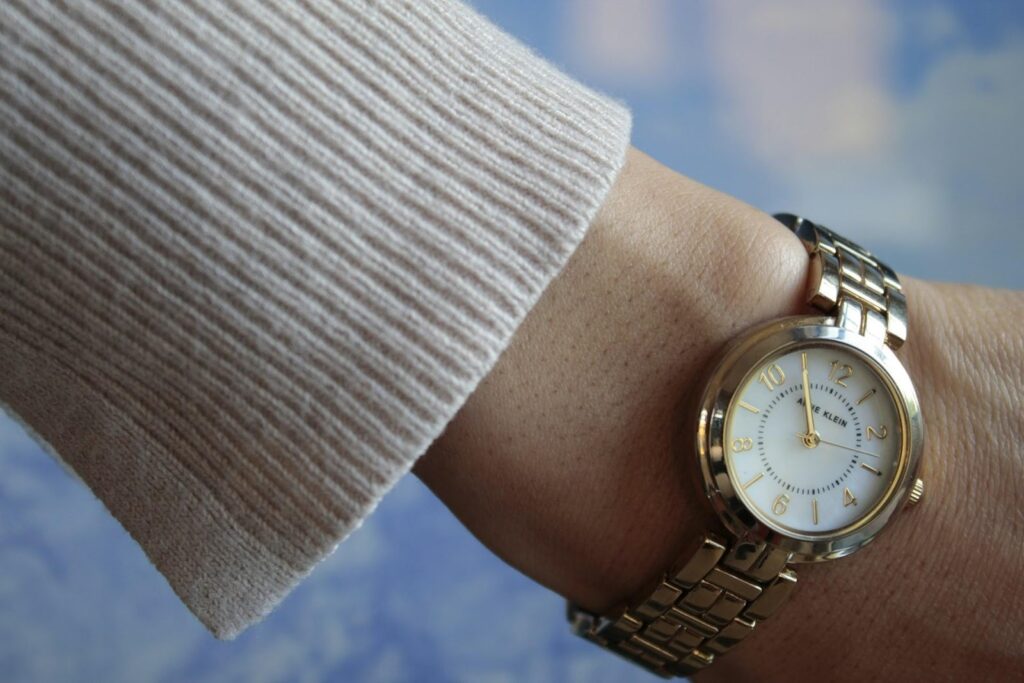
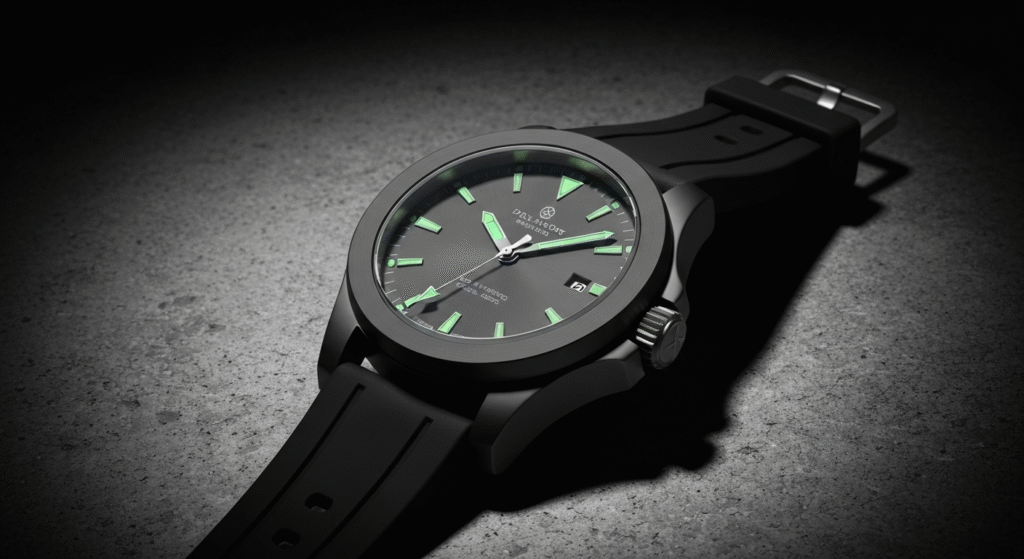
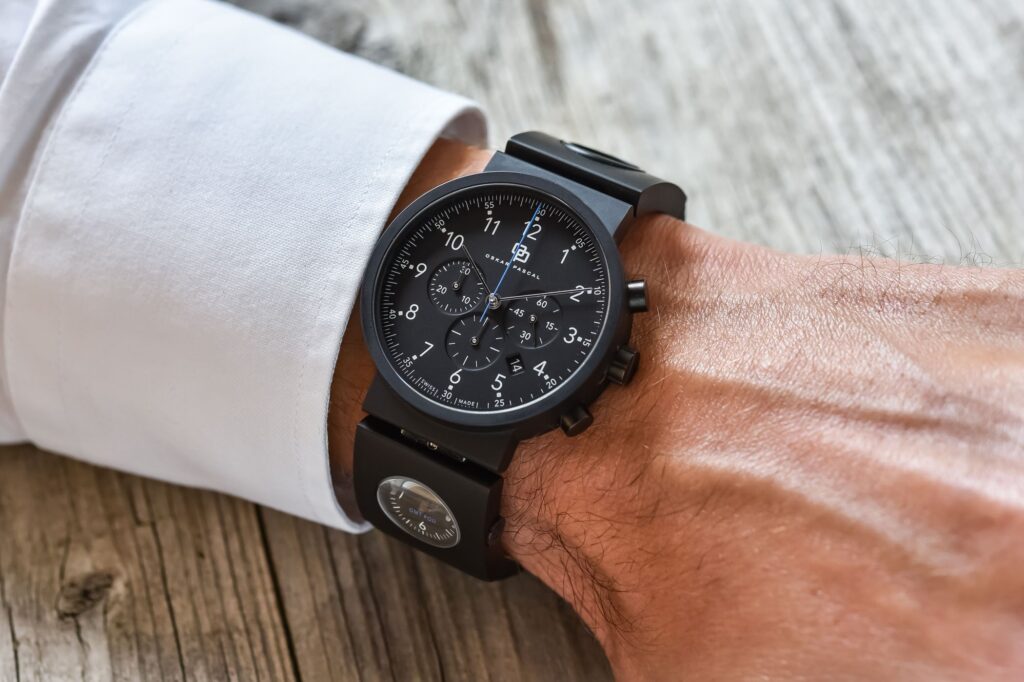
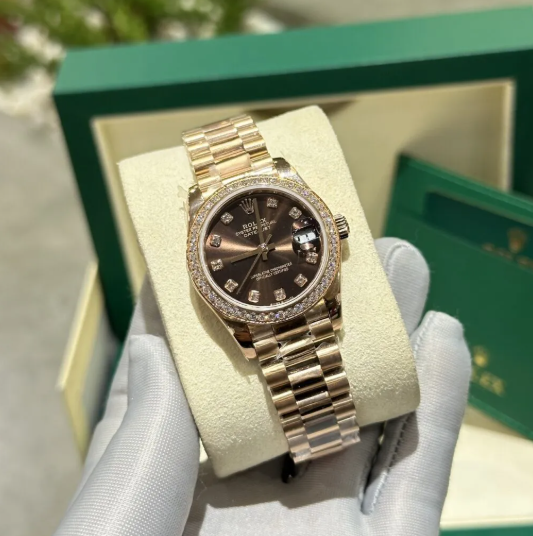
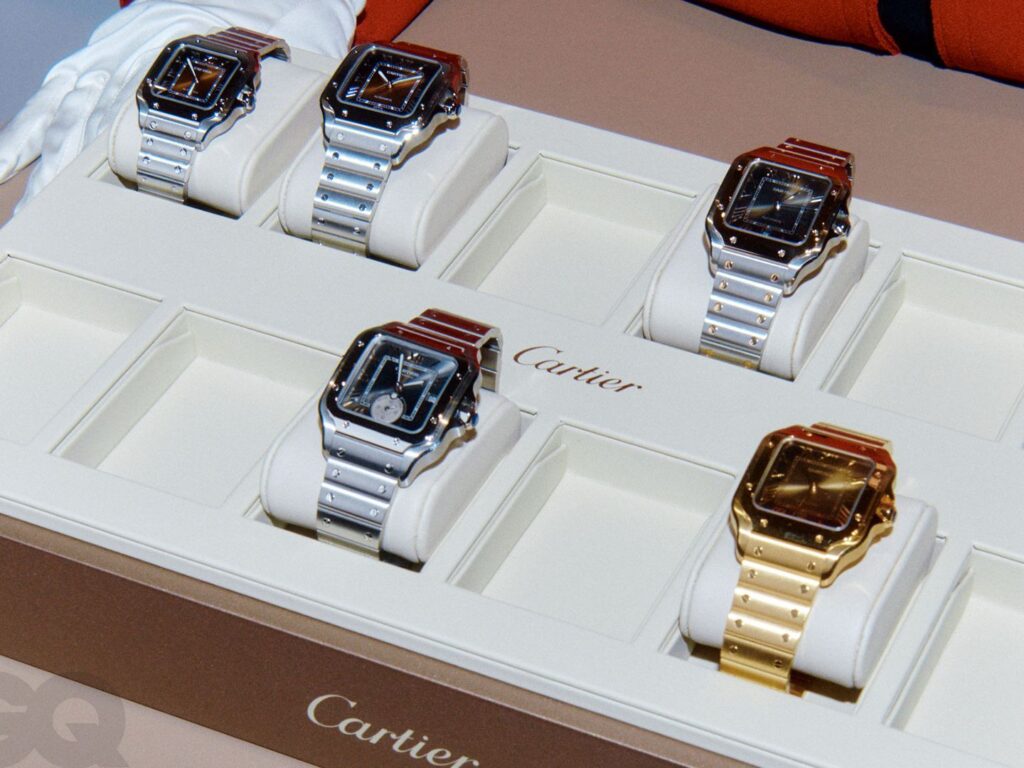
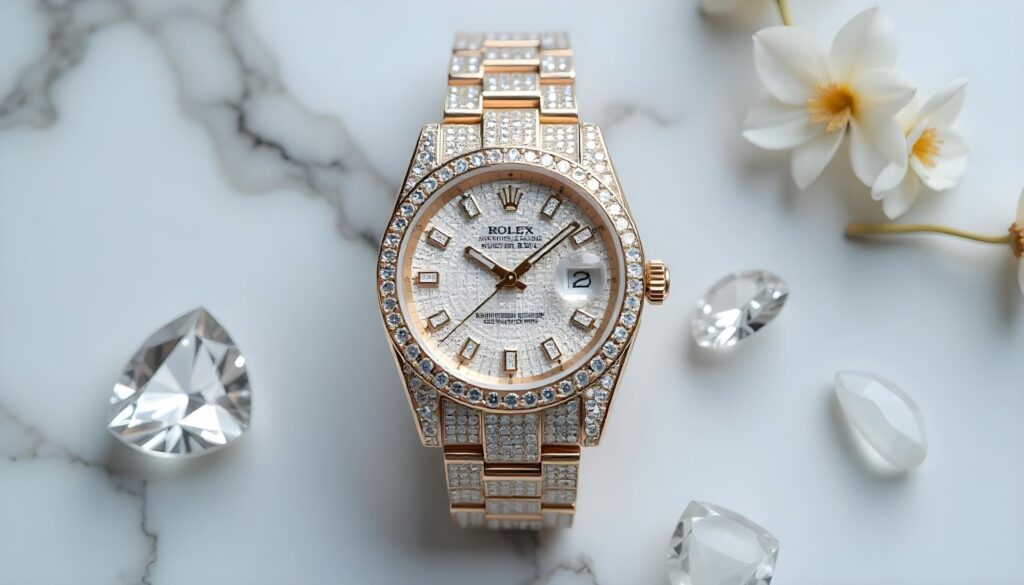
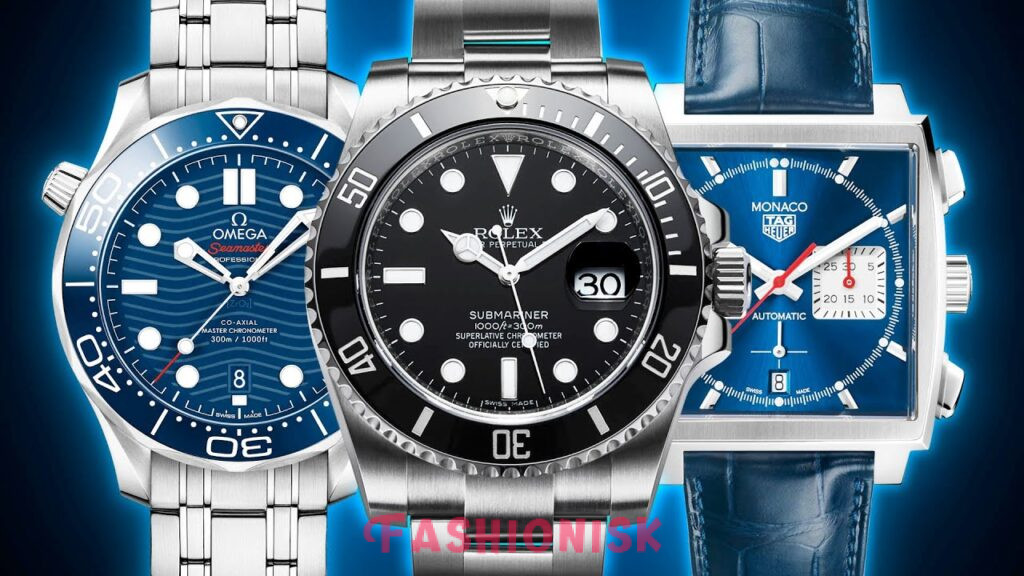
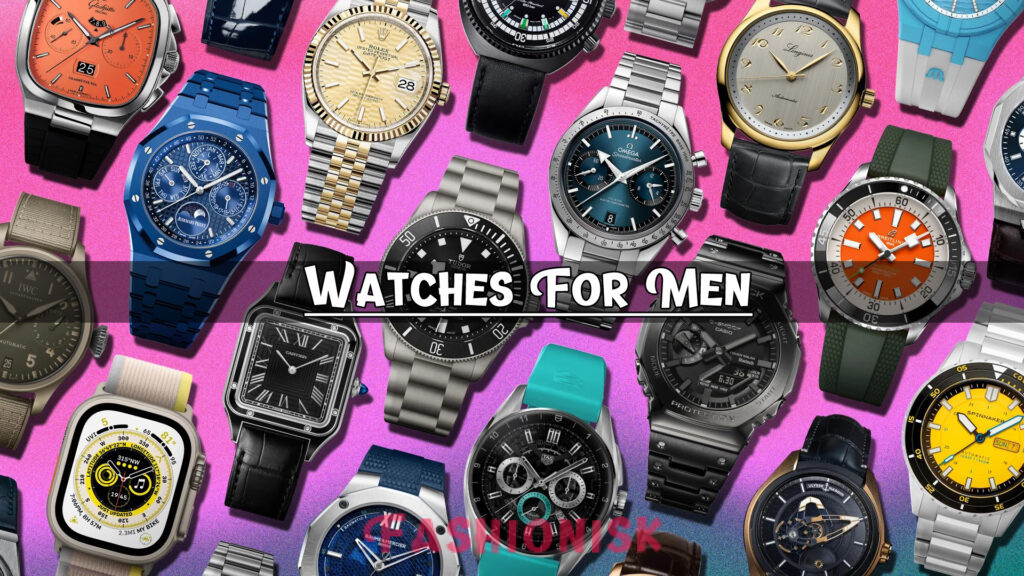
The Swatch and Audemars Piguet Royal Pop launch was a case in point for how fast-fashion accessories can become market events. A pocket watch with luxury that could be achieved by anyone turned into an international craze, with lines, store closures, social media video clips and resale listings far exceeding retail prices. What appeared to be a lighthearted partnership also unveiled a serious issue for fashion and luxury: When hype beats verification, trust is compromised.
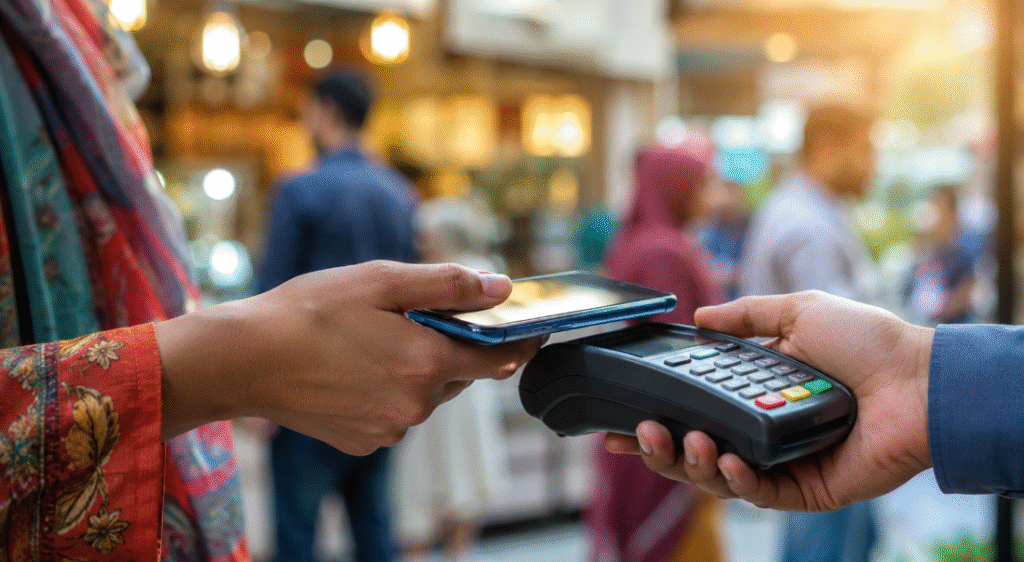
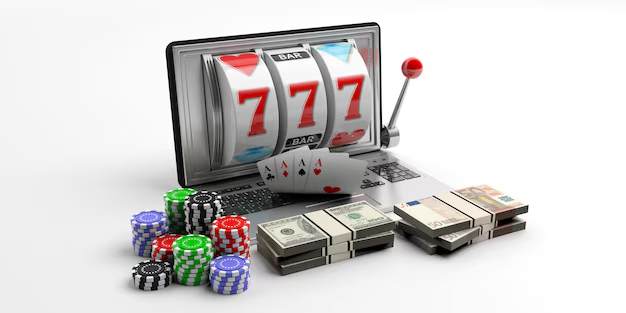
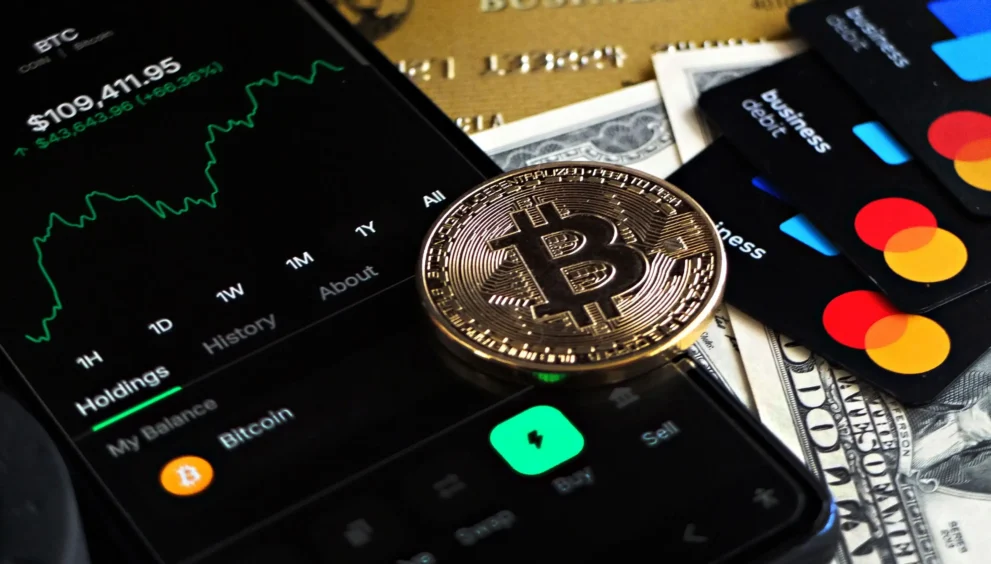
This trust factor is important for global resale markets, where buyers compare prices across different currencies, platforms, and countries, just as crypto users might compare prices like usdt to pkr today and move value across countries. In both cases, individuals need to be assured that they are dealing with genuine currency.
Hype Has Made Products Assets
Limited fashion releases aren’t like traditional retail launches. They are more like markets. The Royal Pop launch did. A relatively cheap joint venture between Swatch and Audemars Piguet generated a lot of attention due to its combination of scarcity, brand value, nostalgia, and resale value.
The watch was not just an accessory for the buyers. It was an opportunity to be a part of one of the world’s most famous luxury watches. It was an arbitrage opportunity for resellers. Purchase at retail, add value and sell it while the supply is still lagging demand.
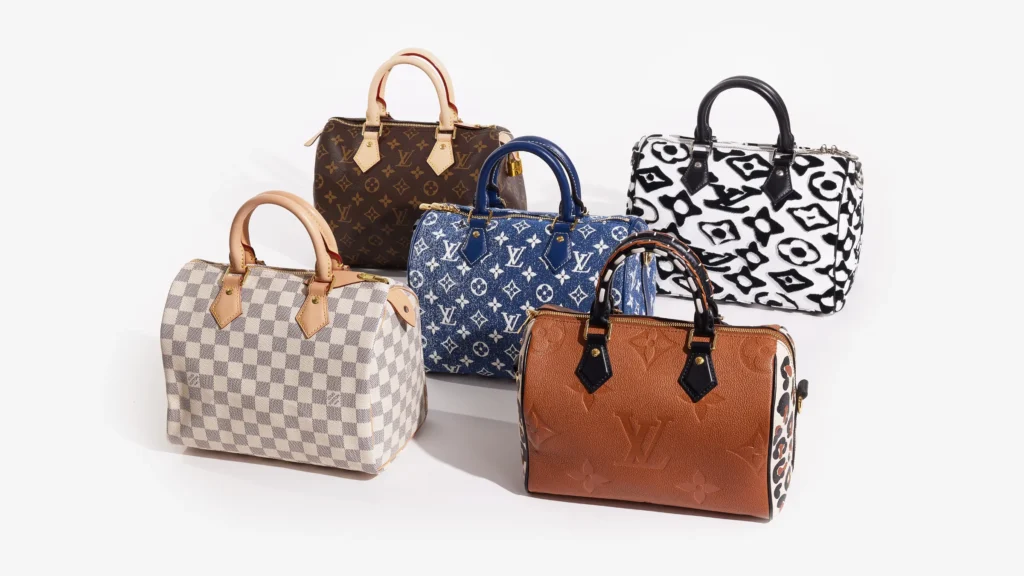
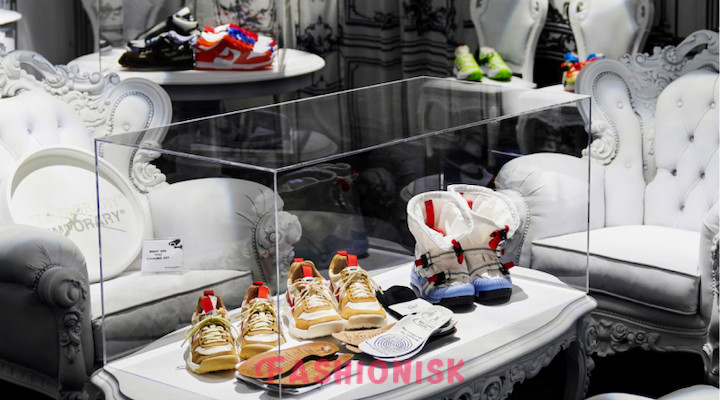
It’s now prevalent in the sneaker, handbag, streetwear, watch, and limited fashion industries. The product is launched as a design and quickly becomes a tradable asset.
Resale Markets Need More Than Receipts
The issue is that screenshots, paper receipts, platform checks, seller reputation, and buyer confidence are still key components of resale trust. This can suffice when prices decrease rapidly after a hyped drop, but it loses its strength when prices increase rapidly.
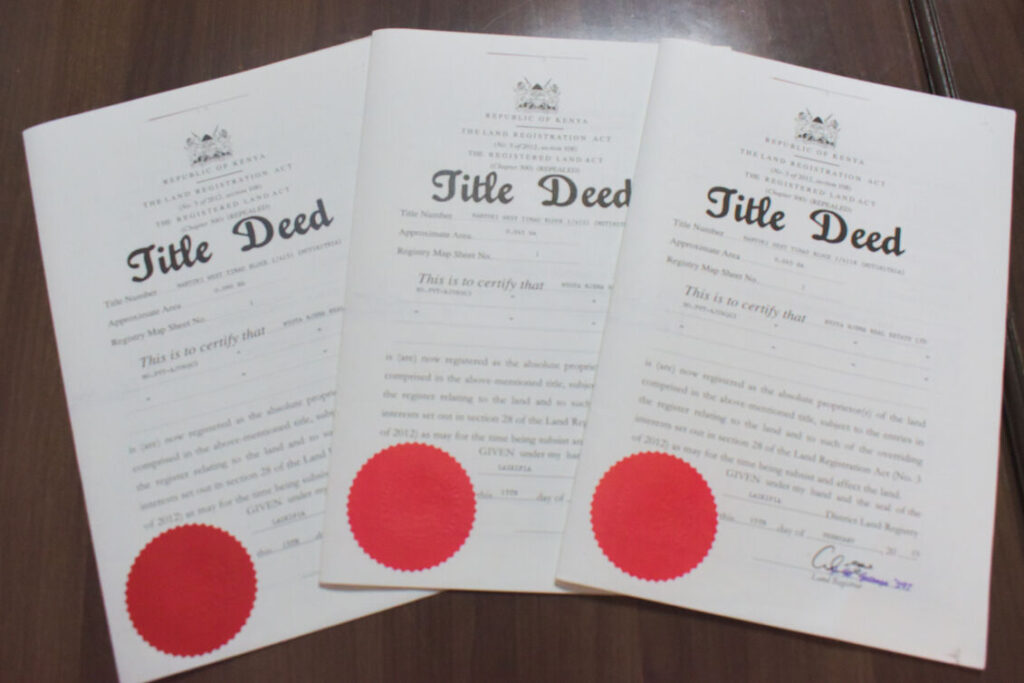
Digital provenance may be able to change that. A product passport associated with the product could reveal the date of manufacture, the point of sale, whether the product was transferred, and whether it was verified by the brand or an authorized partner. This would not eliminate all risks, but it would provide a better record than a receipt, which can be separated from the product, lost, or fake.
Moreover, this is important for Royal Pop launches, as the resale process starts almost immediately after launch. Buyers must have documentation that is as dynamic as the marketplace.
Fashion’s Counterfeit Problem Is Getting Faster
Back in the day, counterfeits were a bit behind successful products. The gap can now be much shorter. Once a product becomes a global social media trend, companies can see fake lookalikes, misleading listings and fake scarcity, etc. from counterfeiters. The bigger the fall, the more appealing it is to bad guys.
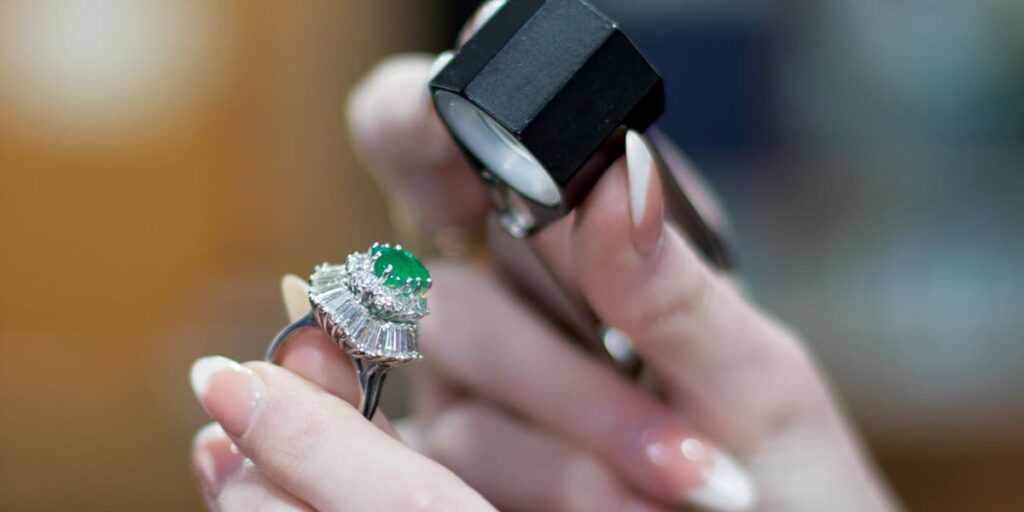
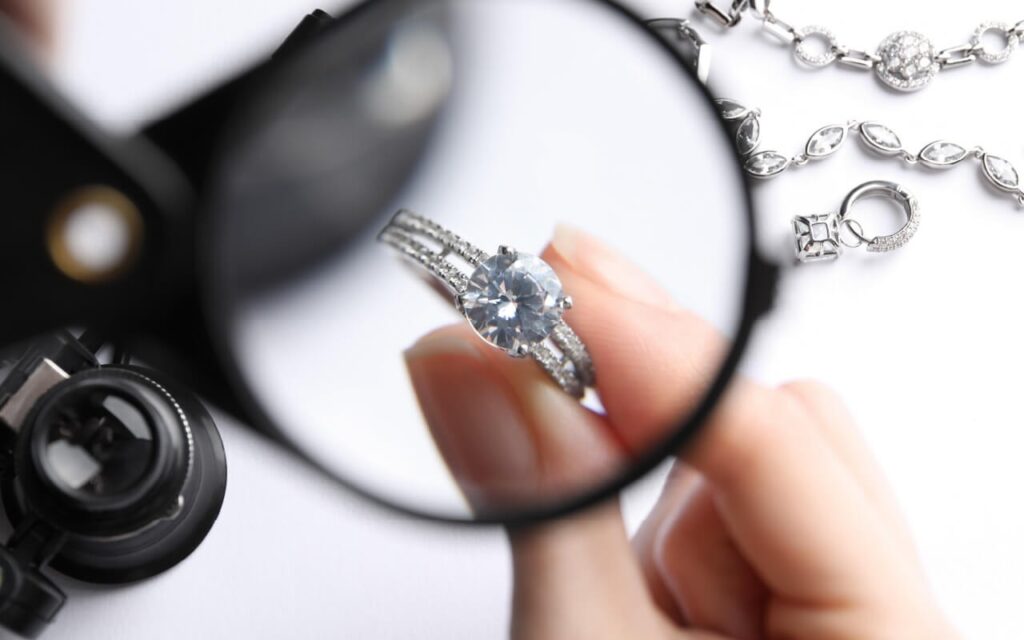
Digital provenance provides a means for brands to act before confusion sets in. When a digital record can be verified for each item, buyers can verify authenticity before paying resale prices. The record can also be used to minimize disputes and eliminate dubious listings on resale platforms.
This is especially important for collaborations. Two strong brands collaborating can lead to an audience beyond expert collectors. Casual shoppers may not be as astute at distinguishing between real and fake products.
Product Passports Could Protect Brand Value
It’s not just the buyer who is impacted by a chaotic resale environment. It affects brands. A product that’s linked to fake listings, high prices, unclear supply, or a bad resale experience can turn the excitement of a brand story into frustration for the user.
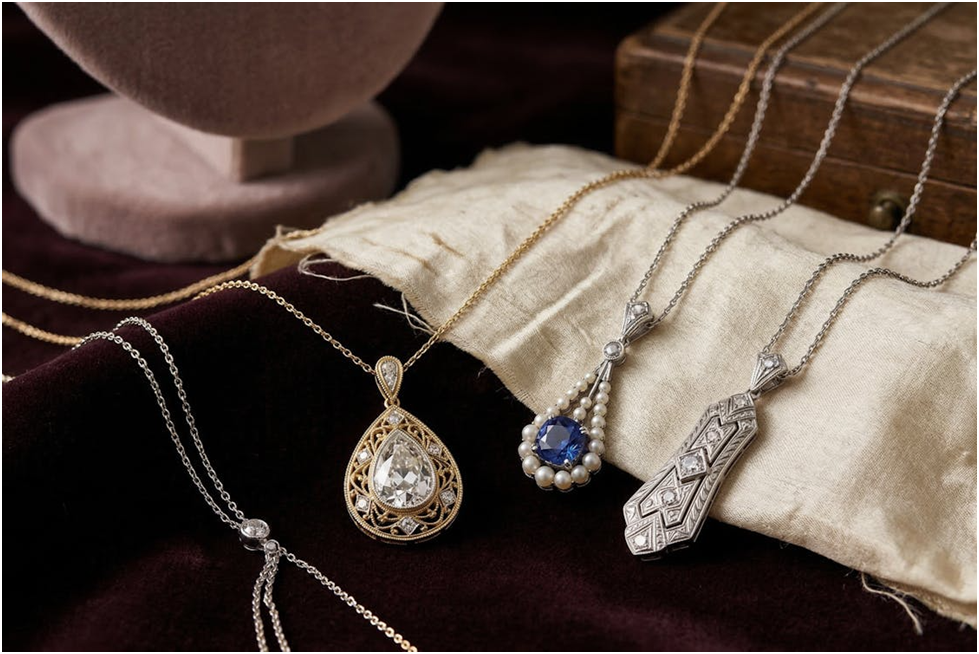
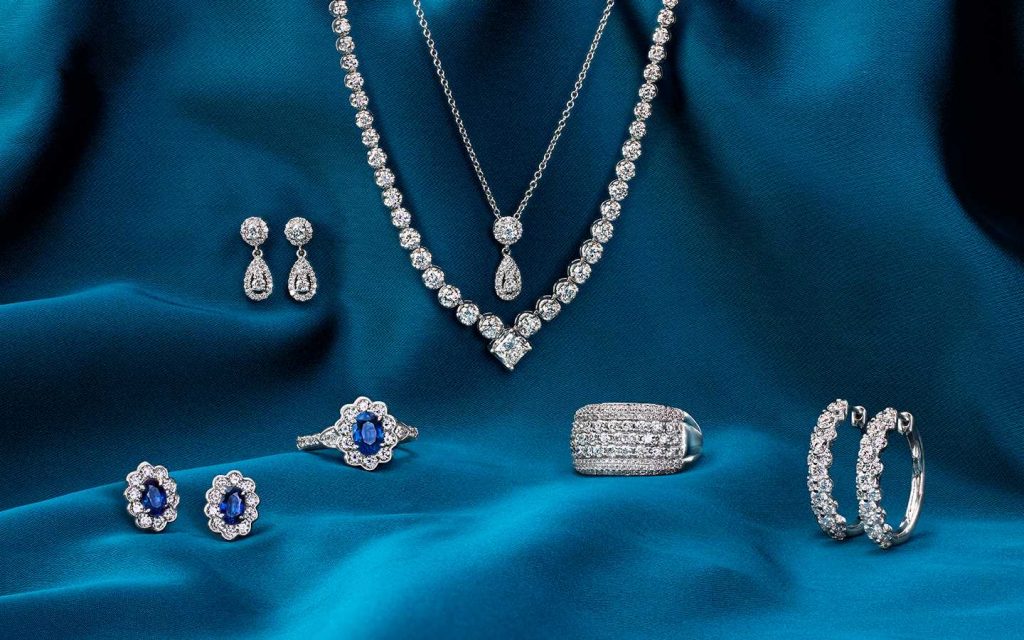
Digital product passports could help to maintain a brand relationship with the product beyond the initial sale. They were able to document ownership changes, repairs, service history, warranty status, and official authentication. With watches, handbags, sneakers, and jewelry, that constant history can help with long-term value.
It is also useful for brands to gain insight into their secondary market. They can create a layer of trust around resale, rather than letting it happen outside their control.
Blockchain Is Useful When It Becomes Invisible
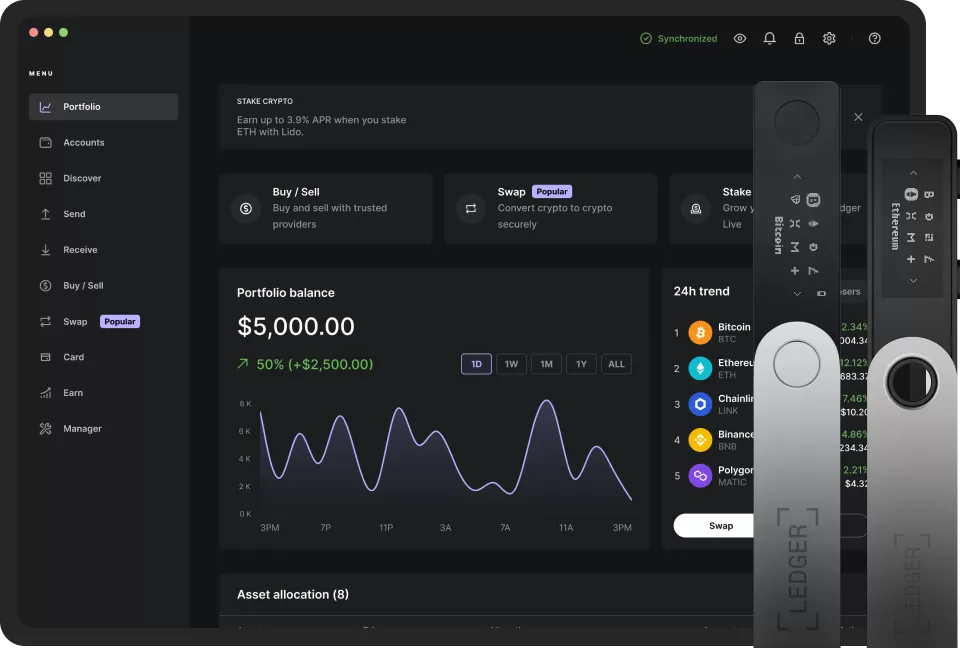
The initial showdown between fashion and blockchain was often associated with speculation in NFTs and digital collectibles. That made the technology sexy, but not necessarily useful. The more compelling one might be more subdued: authentication, ownership history and resale verification.
When consumers purchase a product, they don’t have to consider blockchain. They require an easy method to verify that something is authentic. If it can be done behind the scenes using blockchain or any other tamper-proof record, then it’s a useful piece of tech without being the main point of the story.
The future of crypto in the fashion industry could thus be more about infrastructure than hype.
Digital Provenance Helps Cross-Border Buyers
Luxury resale is worldwide. A London buyer can buy from a Dubai seller. It is possible that a collector in Karachi can track prices in dollars. A New York reseller can sell to overseas customers. Currency conversion, shipment, tax, customs and authenticity are all factors in the decision.
Hence the need for the travel of provenance with the product. A local receipt or seller’s promise is not sufficient in a global market. A digital record can travel from country to country, platform to platform, and resale to resale, providing a common point of reference for the buyer and seller.
This would make the fashion resale process more transparent and less reliant on trust.
The Royal Pop Lesson
As the Royal Pop frenzy demonstrated, fashion and accessories can be financialised virtually overnight. A strong collaboration can make for desire, but can also cause queues, resale spikes, speculation and authenticity issues.
But that’s not to say that brands shouldn’t have any hype. Fashion is all about scarcity and excitement. However, infrastructure for limited releases must be enhanced. Digital provenance is a way to do that.
Fashion Needs Trust at the Speed of Hype
The Royal Pop moment of Swatch was not only about a watch. It was a cautionary tale of where fashion retail is going. With products moving from shelves to resale platforms in hours, authenticity proof has to keep up.
Digital provenance can help fashion brands safeguard their buyers, aid resale, minimize counterfeits, and maintain brand value. The next generation of limited drops will need to be not only well-designed and marketed. It will require a secure digital record to confirm the product’s authenticity long after the queue is gone.