




































































































































































































































































































































































































































































































































































































































































































































































































































































































































































































































































































































































































































































































































































Brass vs Silver vs Steel: Choosing the Right Jewelry Material

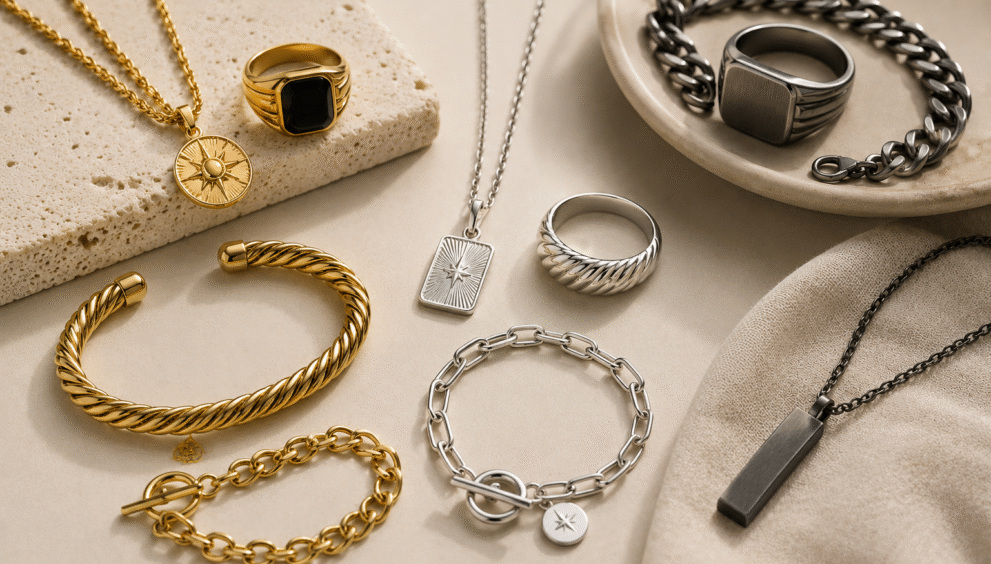
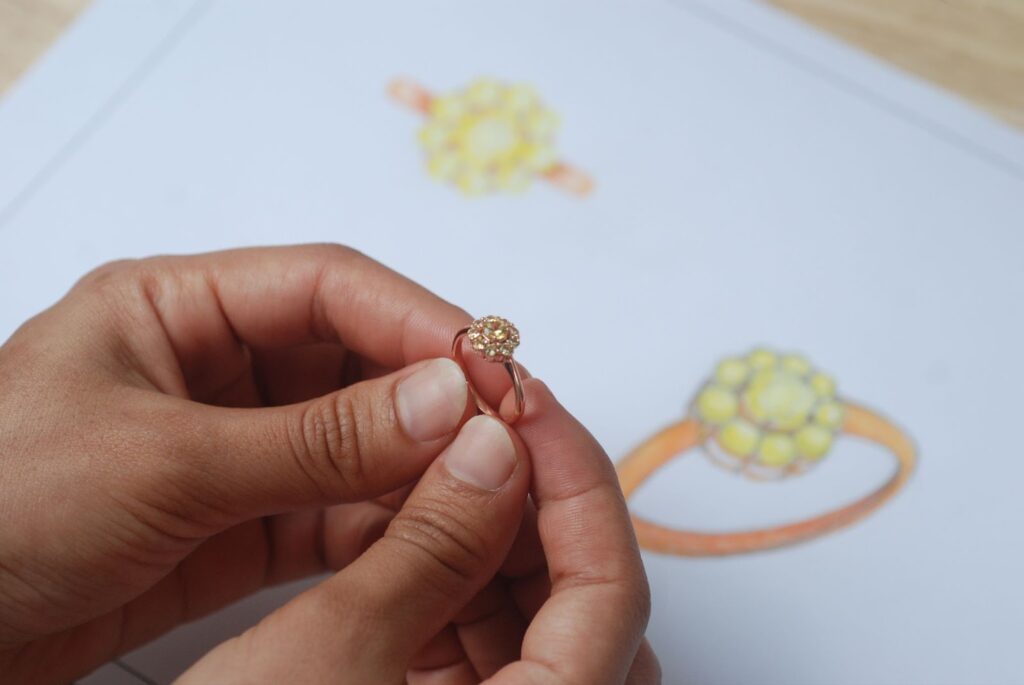
Jewelry design today sits somewhere between creative expression and real-world constraints. A piece might start as a bold idea or a trend-driven concept, but it still has to hold up in production, wear well over time, and land at the right price point for the market.
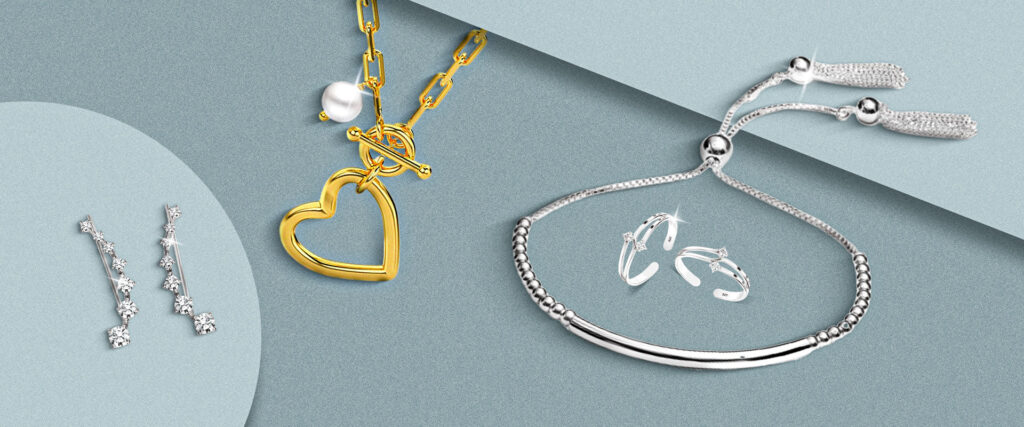
That’s where material choice becomes more than just a technical detail. Whether you’re working with brass, 925 sterling silver, or stainless steel, each option shapes how a collection is perceived, how it performs, and ultimately how it sells. It’s something experienced teams like uvarajewelry.com, a leading custom jewelry manufacturer, consider early in the process.
For brands and designers, this decision plays a bigger role than it used to. It’s not just about making something look good. It’s about building a collection that feels right for the audience it’s meant for.
Stainless Steel: The Go-To for Durability and Scale
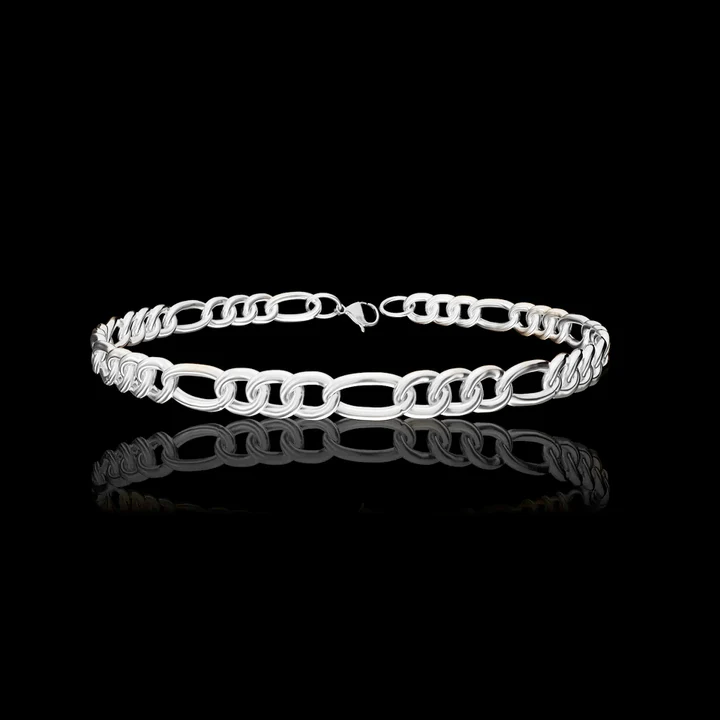
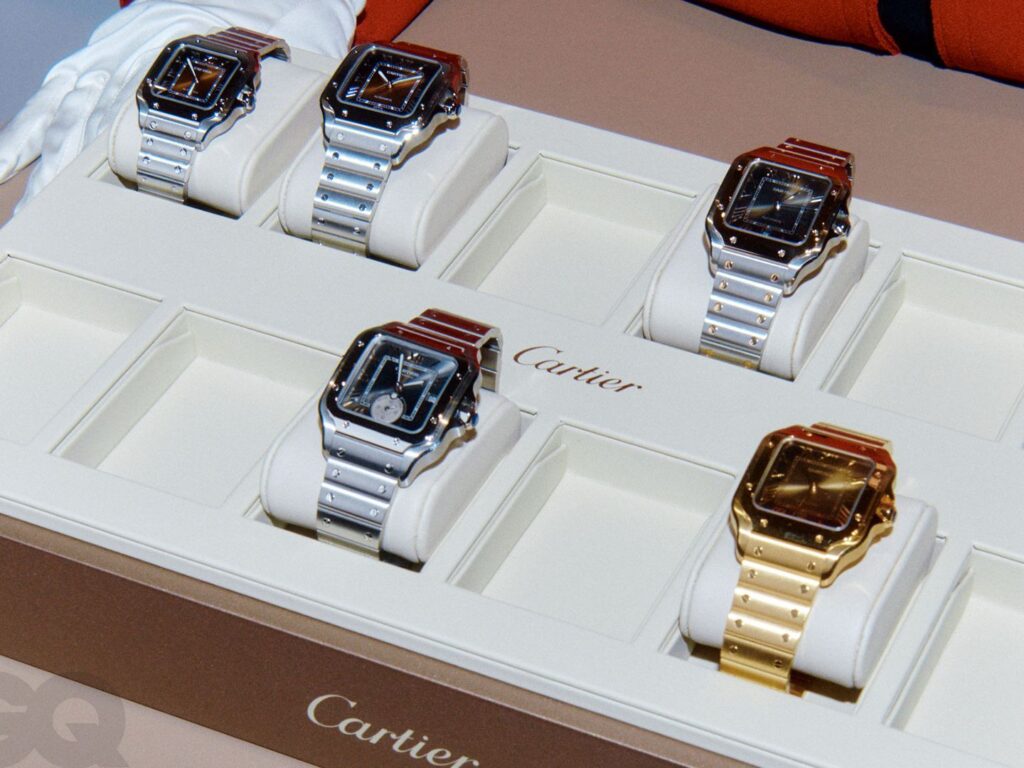
Stainless steel has become a quiet staple for brands that need consistency and reliability, especially at scale. It’s tough, resistant to tarnish, and easy to maintain, which makes it a natural choice for everyday pieces. For customers, that translates to jewelry they can wear daily without much thought, and that kind of ease is part of the appeal.
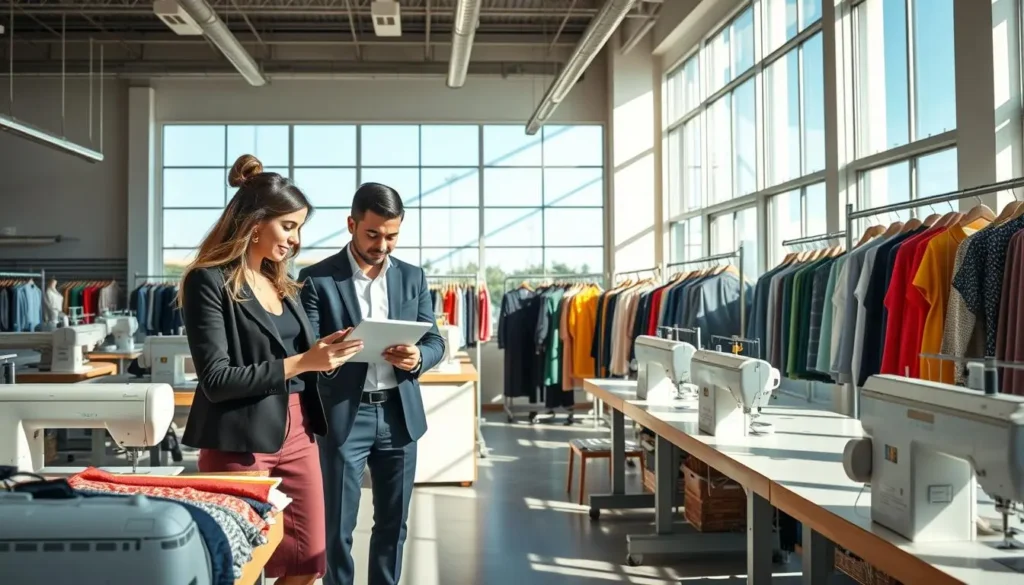
That practicality also carries over into production. For any jewelry manufacturer handling large-volume orders, stainless steel offers a level of consistency that’s hard to match. It works well for repeatable designs, making it a strong fit for fast-moving collections and accessible price points.
Of course, it comes with a trade-off. It doesn’t always carry the same perceived value as precious metals, and certain intricate designs can be harder to achieve depending on the process.
Still, when durability, affordability, and speed matter most, stainless steel tends to fit the brief with very little compromise.
925 Sterling Silver: Balancing Quality and Brand Perception
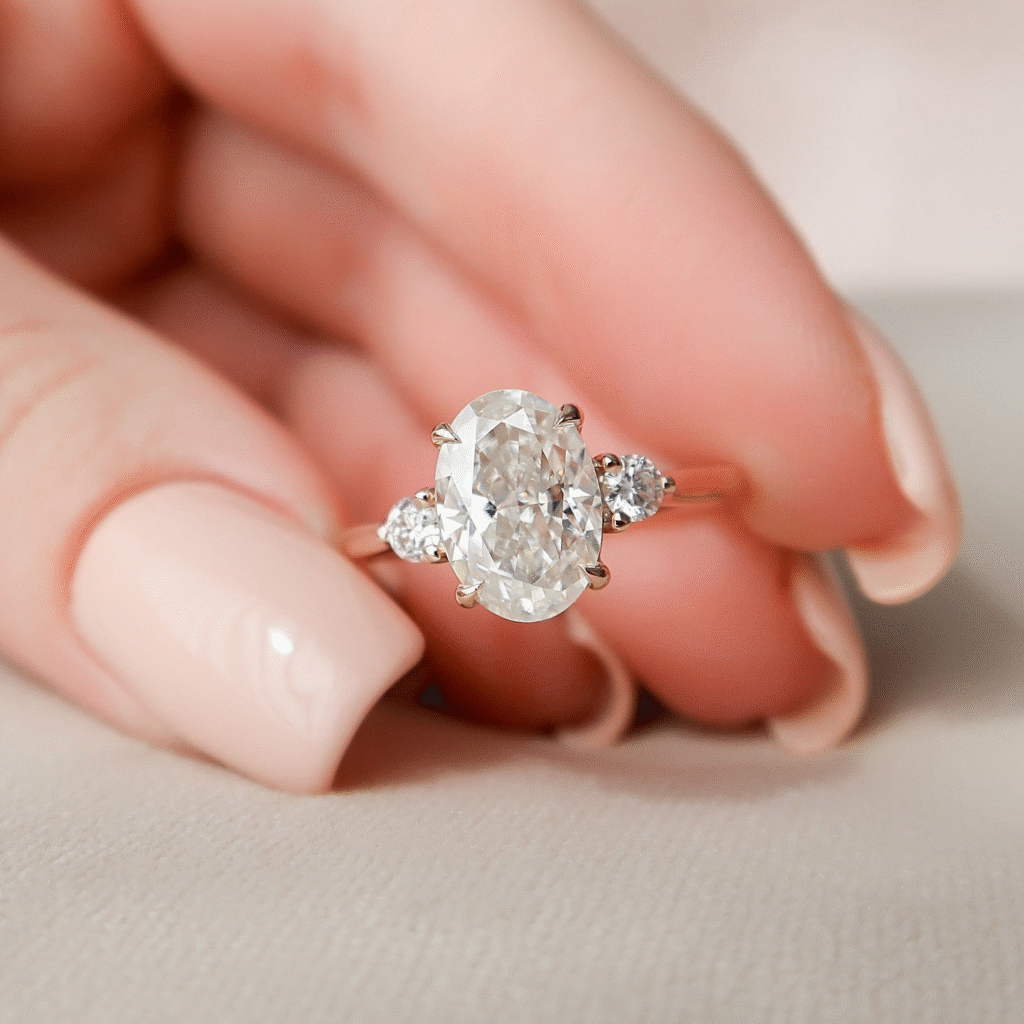
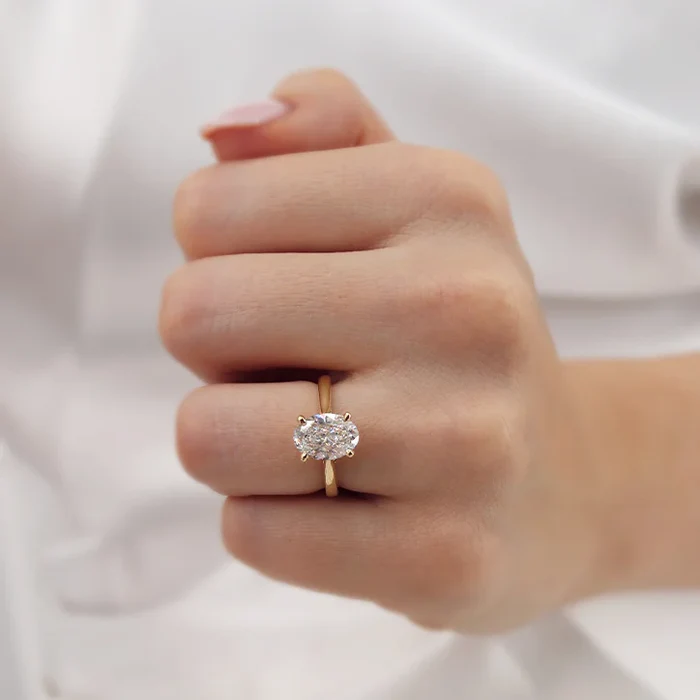
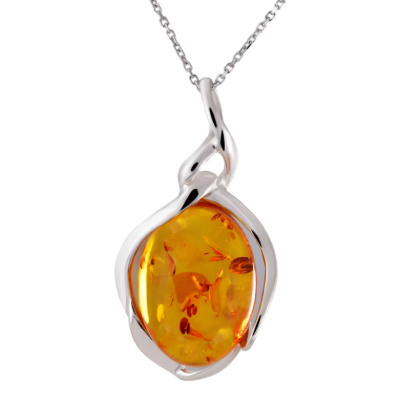
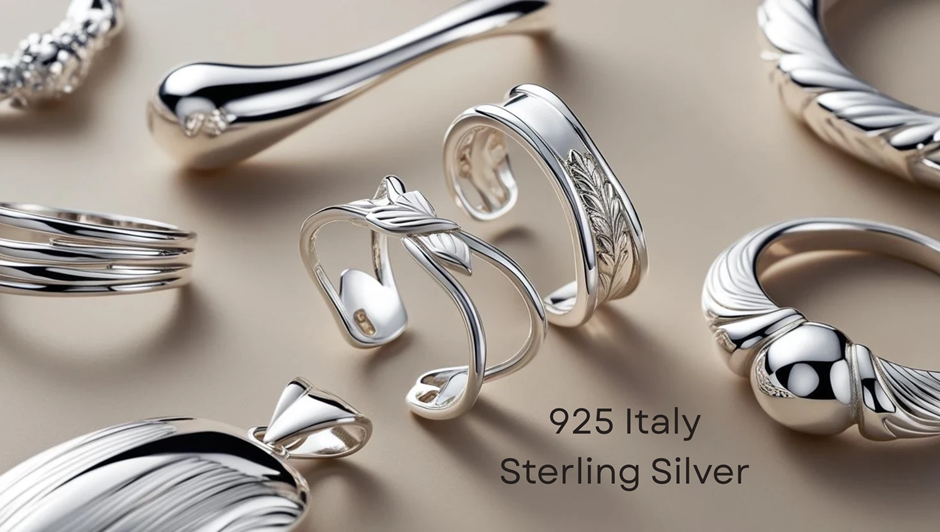
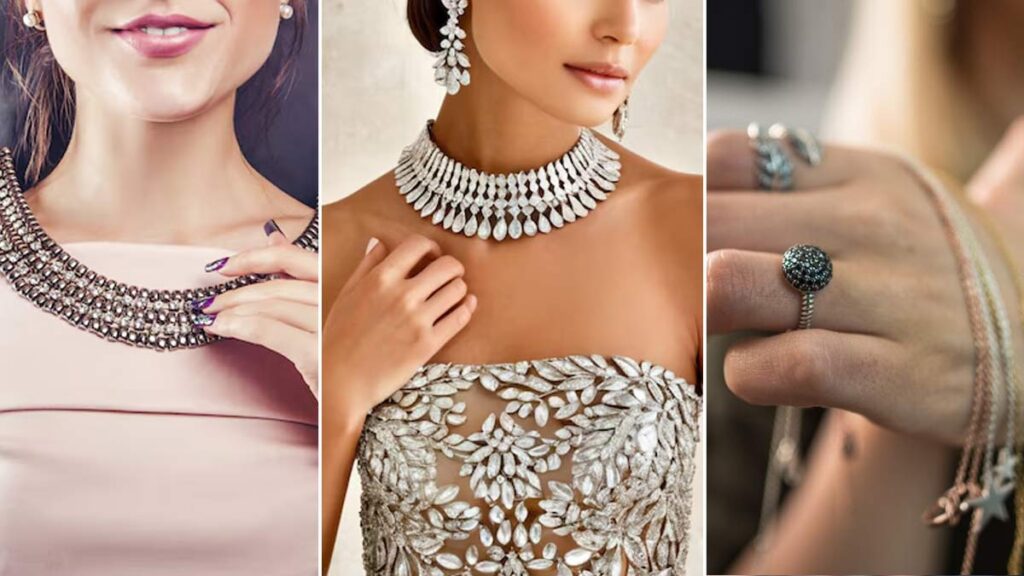
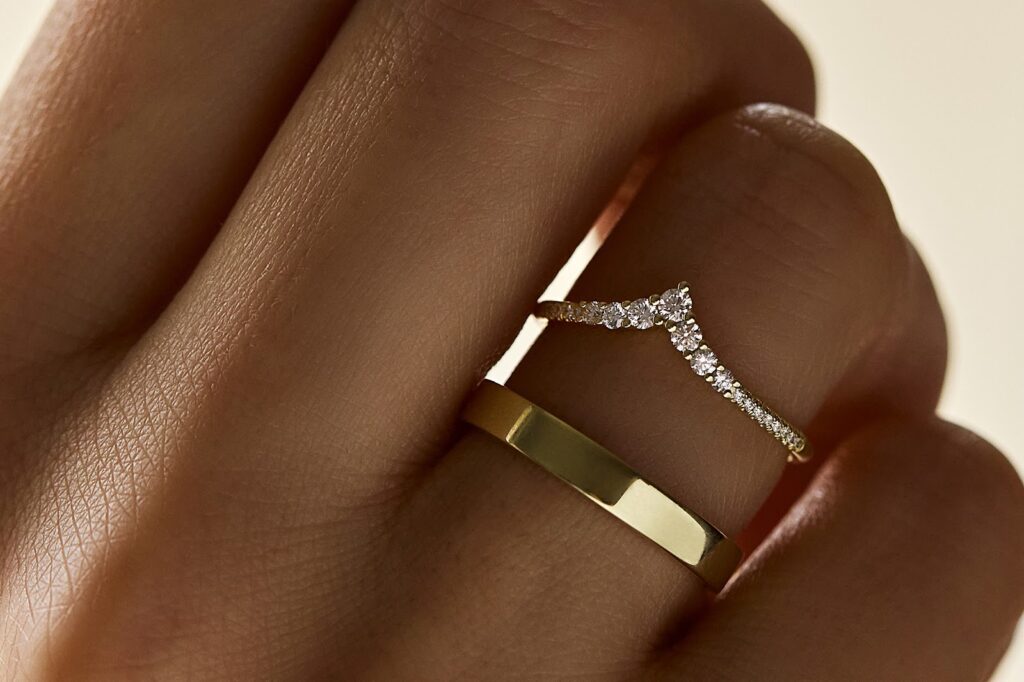
There’s a reason 925 sterling silver continues to show up across so many modern collections. It offers a sense of refinement that feels noticeably more elevated, without crossing into luxury pricing that can limit accessibility.
For many customers, silver still signals quality. It has weight, a clean finish, and a familiarity that makes it easy to trust. That’s why it works so well for brands aiming to sit in that “affordable luxury” space, where design and perceived value go hand in hand.
It also gives designers more room to play. Compared to harder metals, sterling silver is easier to shape and refine, which opens up more detailed and expressive designs.
There is a bit more upkeep involved, especially when it comes to tarnishing. But in return, it offers longevity and a more premium feel. Many custom jewelry collections use silver to elevate key pieces without pushing the entire line into a higher price bracket.
Brass: The Flexible Choice for Design-Driven Collections
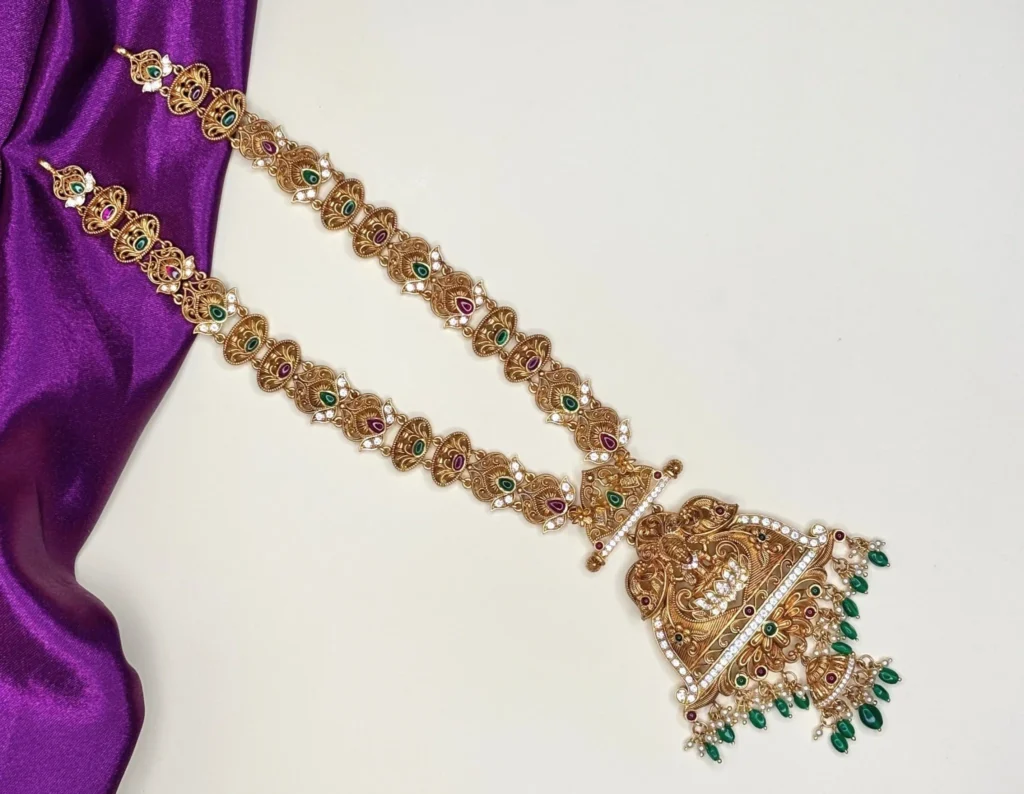
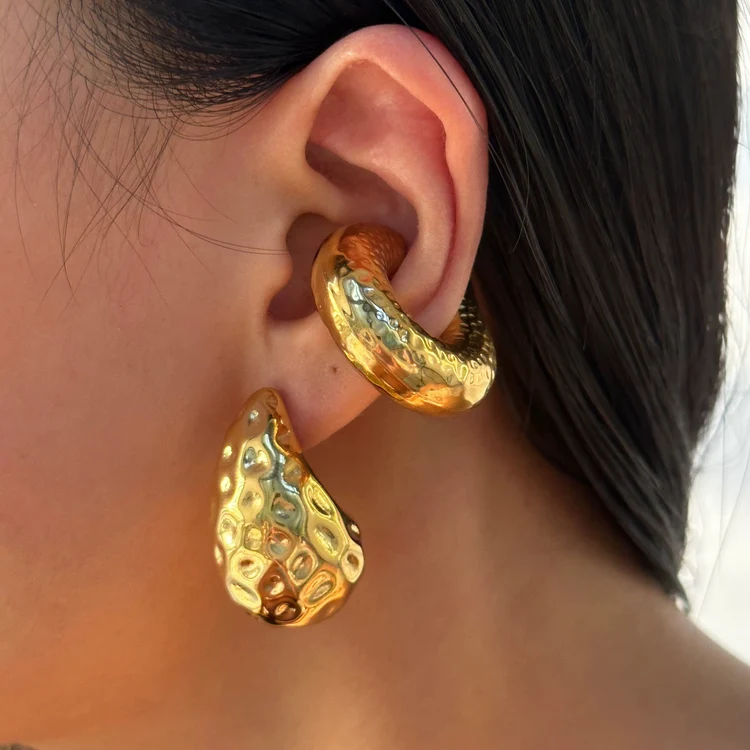
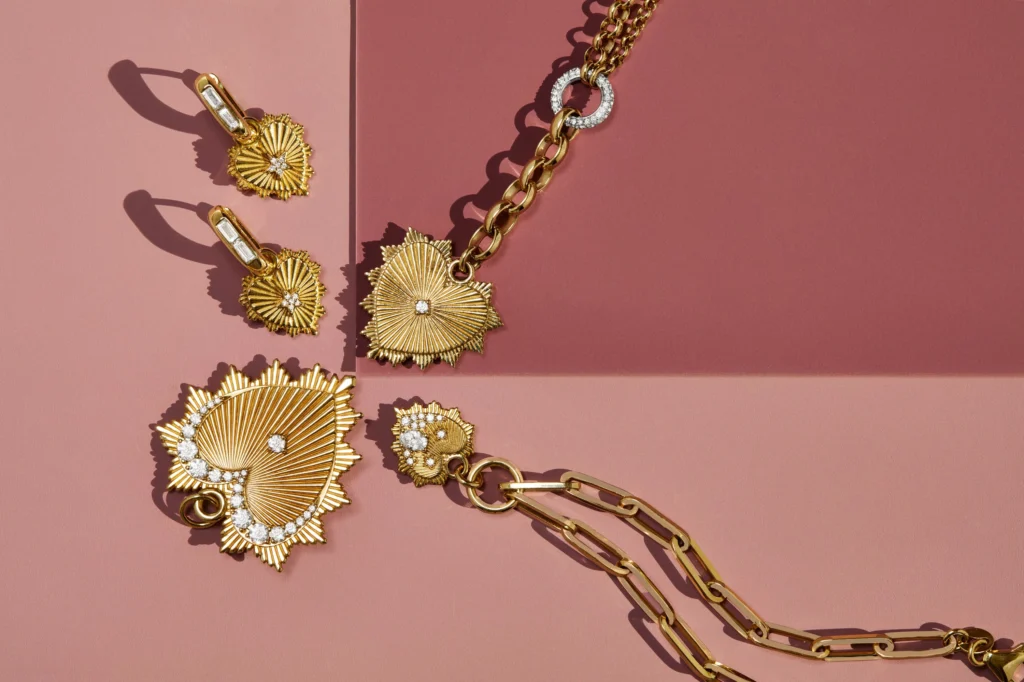
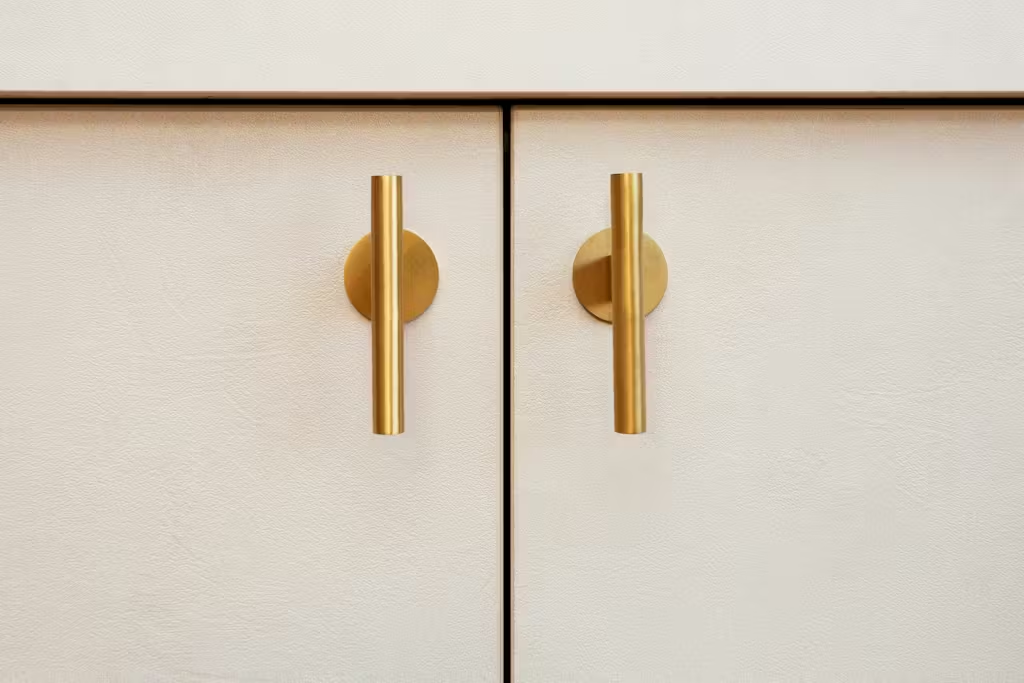
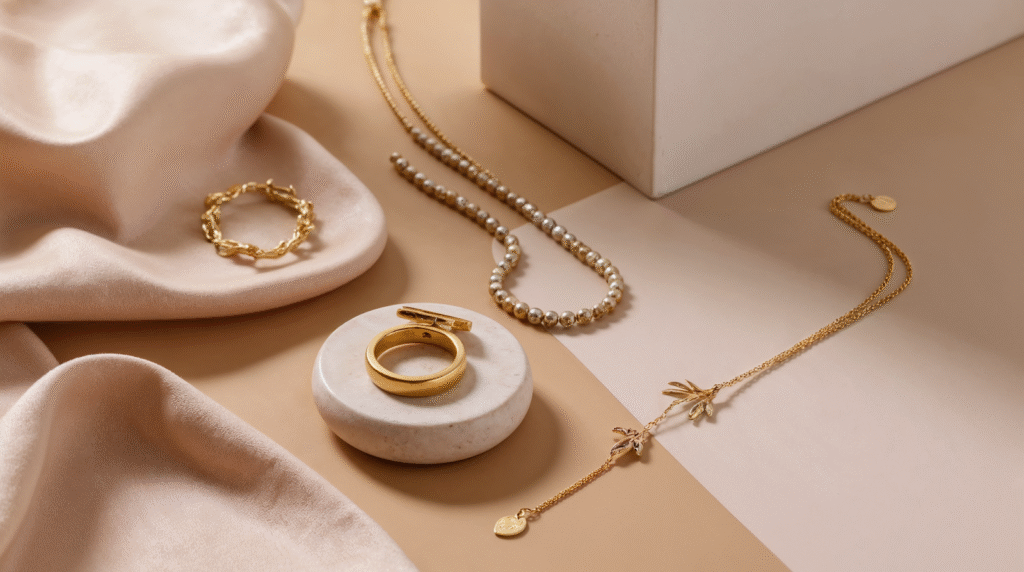
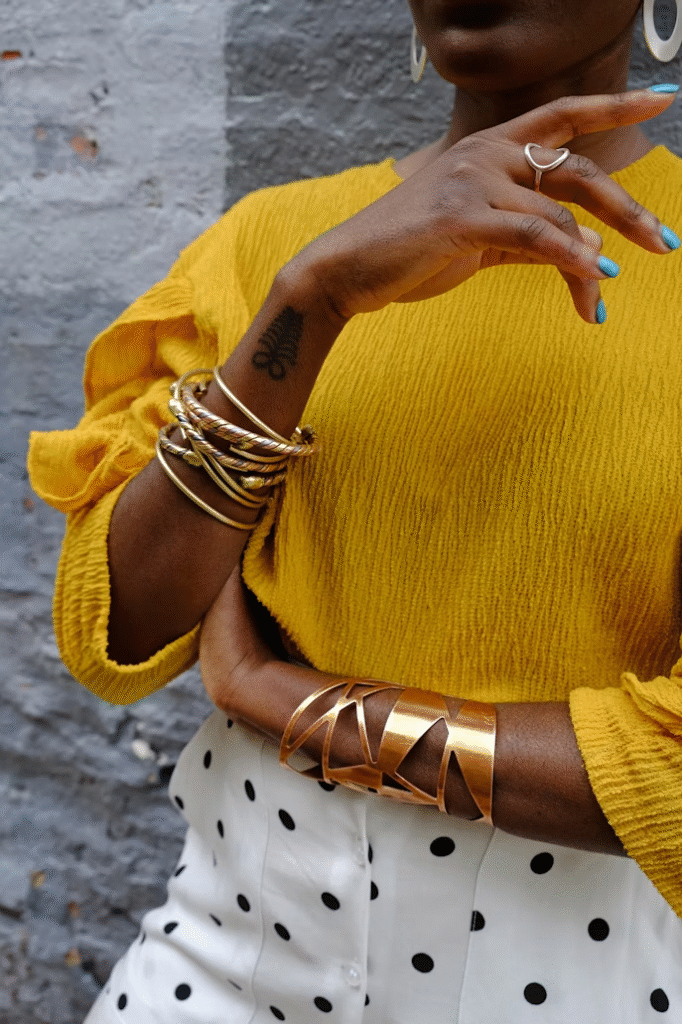
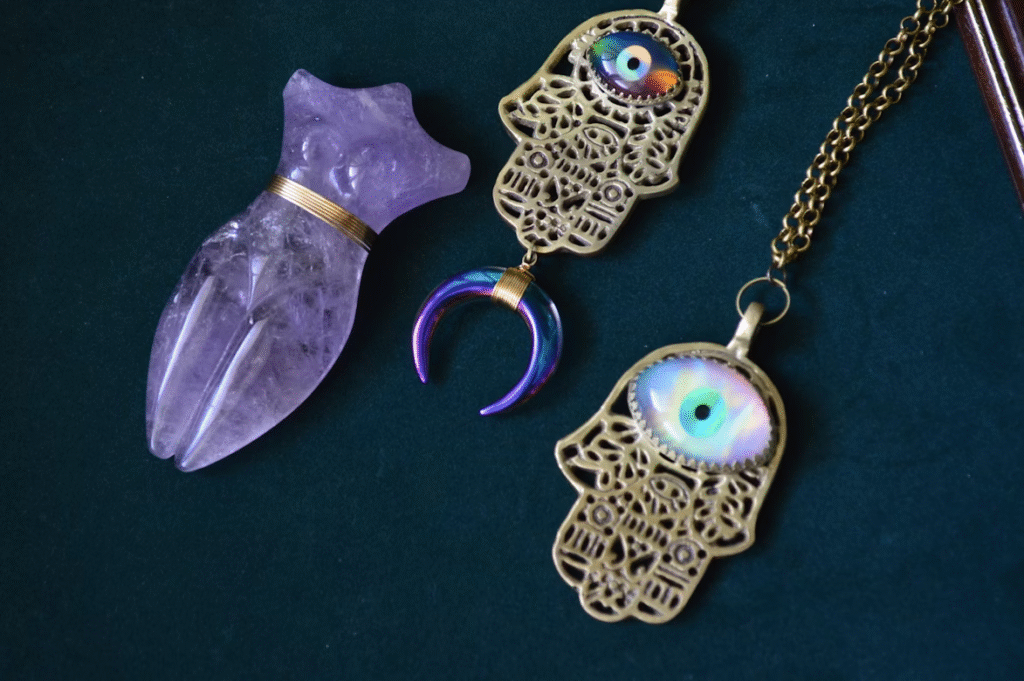
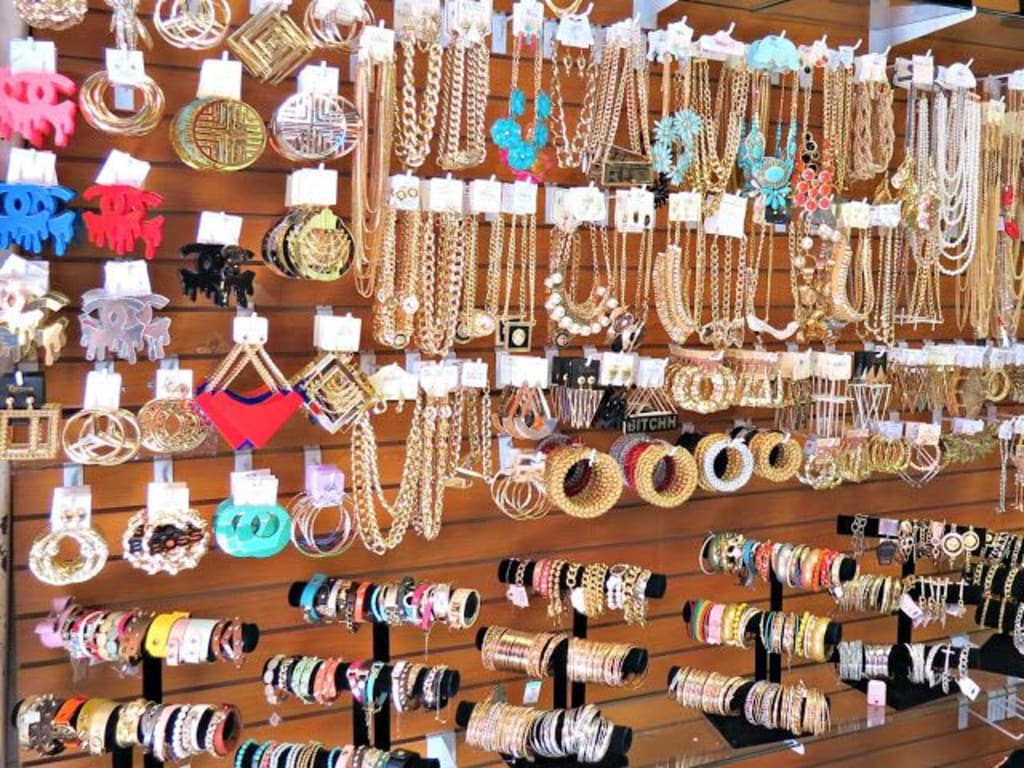
When the focus shifts toward bold design and visual impact, brass often comes into its own. It’s a more workable material, which makes it ideal for intricate detailing, oversized silhouettes, and pieces that lean into current trends.
That flexibility is a big advantage for brands that like to move quickly or experiment with new ideas. Brass also keeps production costs manageable, which is especially useful for statement pieces or seasonal collections where pricing needs to stay competitive.
Like any material, it has its limitations. Brass is more prone to tarnishing, so plating is usually part of the process to maintain its look. That adds an extra layer to both production and aftercare.
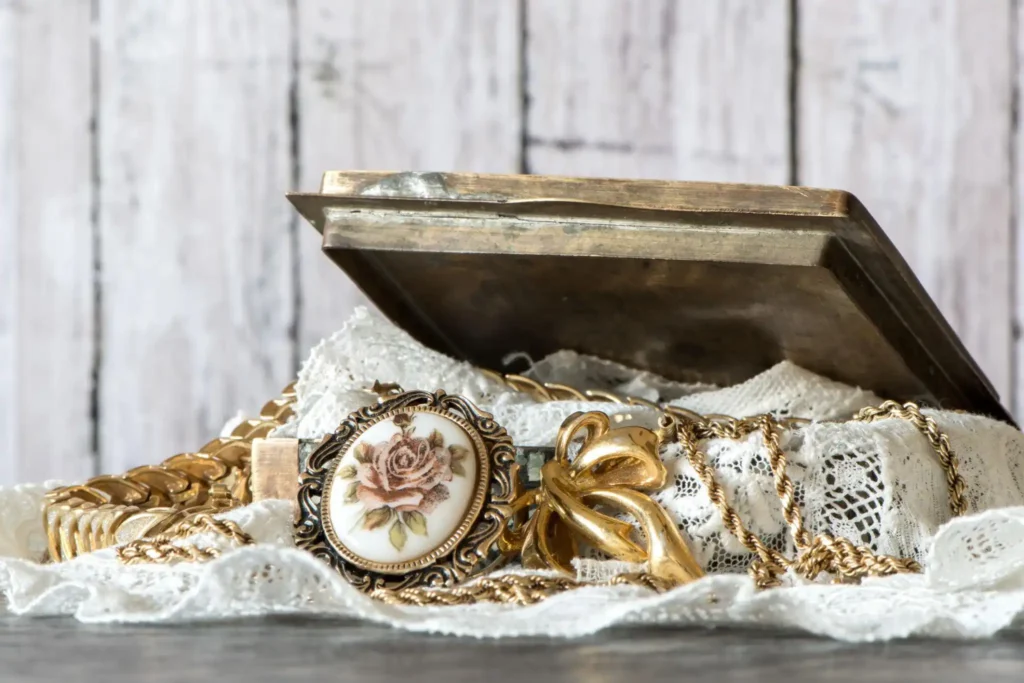
Even with that in mind, it remains a strong option for design-led collections. For brands working with a custom jewelry manufacturer like UVARA Jewelry, brass often becomes the material of choice when creativity and cost need to work side by side.
Choosing the Right Material for Your Collection
The right material often comes down to who you’re designing for. A trend-focused, price-sensitive audience will have very different expectations compared to customers looking for everyday essentials or something that feels more refined.
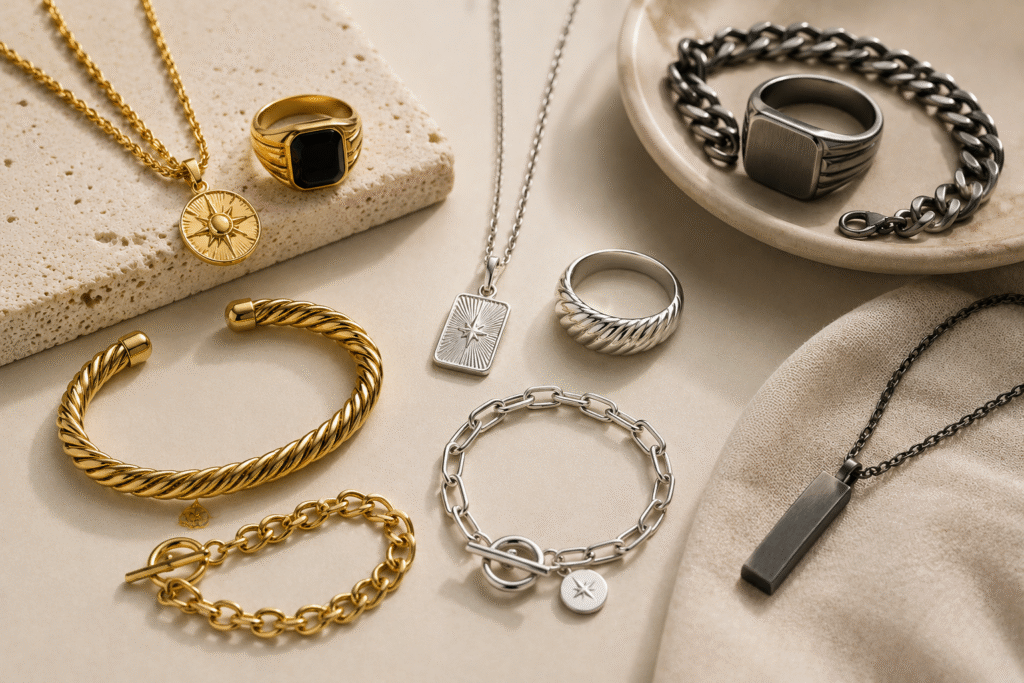
Brand positioning plays a big role too. Stainless steel suits practical, accessible lines. Sterling silver leans toward a more elevated feel. Brass gives you freedom to experiment with bolder, more expressive designs.
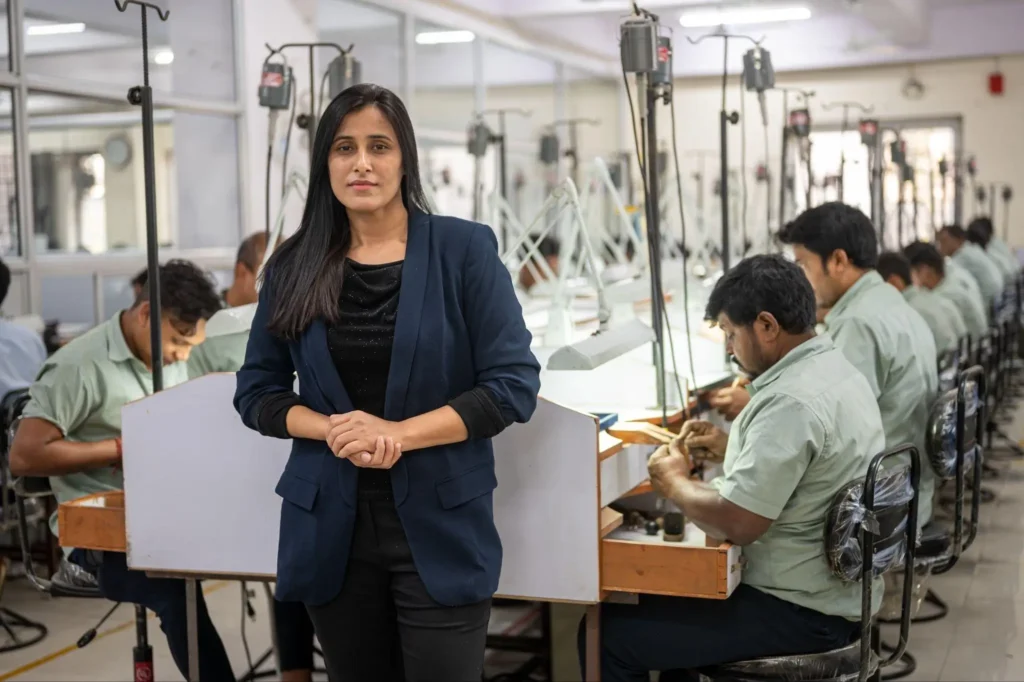
Then there’s the operational side to consider. Production volume, lead times, and consistency all influence what makes sense beyond the design itself. An experienced jewelry manufacturer can often help brands navigate these decisions more efficiently.
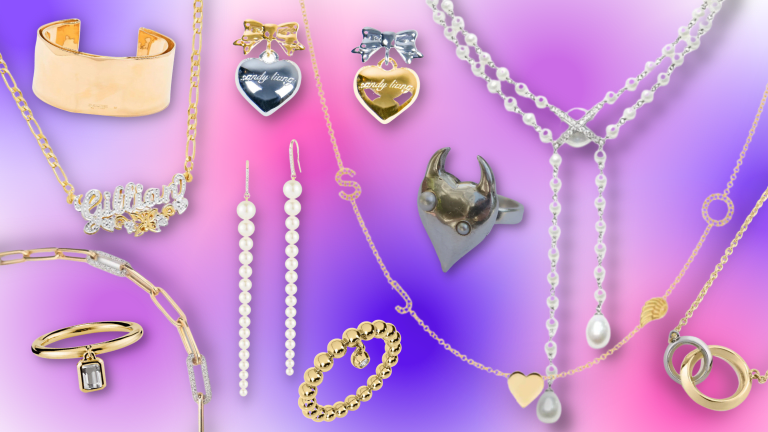
In reality, many brands don’t rely on just one material. Mixing them across a collection allows for more flexibility, both creatively and commercially. A simple way to think about it is this: match the material to the purpose of the piece, not just the look.
Final Thoughts: There’s No One-Size-Fits-All Answer
Choosing between brass, silver, and steel isn’t about finding a perfect option. It’s about finding the right fit for what you’re trying to create.
When design direction, customer expectations, and business goals are aligned, the decision becomes much clearer. Each material has its place, and the most successful collections tend to use them with intention rather than defaulting to just one.
With the right approach and the right manufacturing support behind it, those choices turn into pieces that not only look good, but also make sense from every angle that matters.