









































































































































































































































































































































































































































































































































































































































































































































































































































































































































































































































































































































































































































































































































































































































































































































































































































































































































































































































































































































































































































































































































































































The Future of Mobile Payments in South Asia: Convenience, Security, and Growth

Introduction
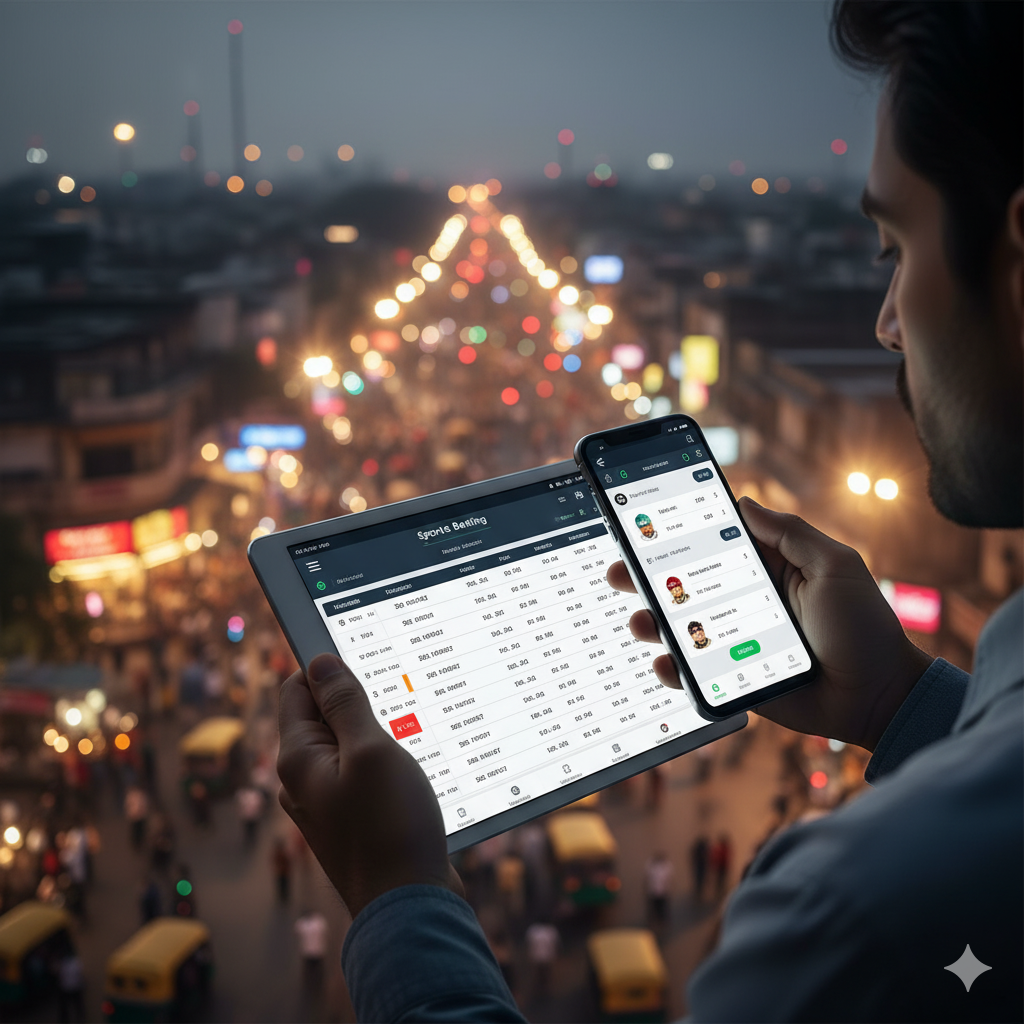
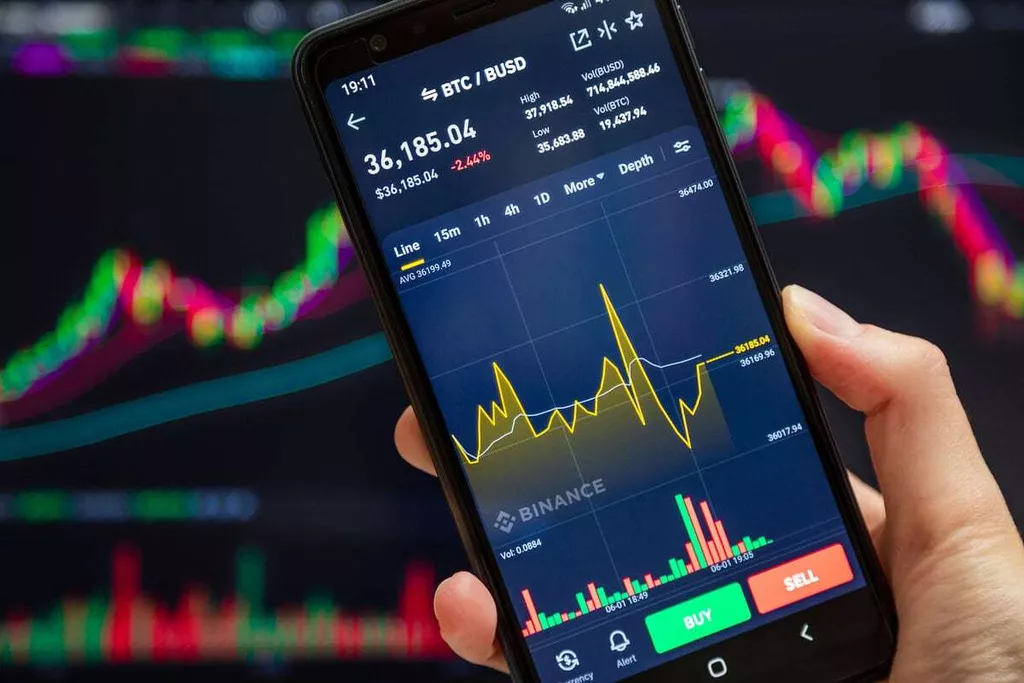
The way people manage money in South Asia has changed dramatically over the past decade. What once required a visit to a bank or an ATM can now be completed in seconds using a smartphone. Mobile payments have become part of everyday life for millions of people across India, Pakistan, and Bangladesh. As digital technology continues to evolve, the region is moving toward an even more connected financial future. Businesses, consumers, and service providers are embracing innovation at a remarkable pace. Even digital platforms that encourage users to check this platform CroreWin demonstrate how modern online services increasingly depend on fast and convenient payment solutions to improve user experiences.
The momentum behind mobile payments shows no signs of slowing down.
The Rise of Digital Transactions
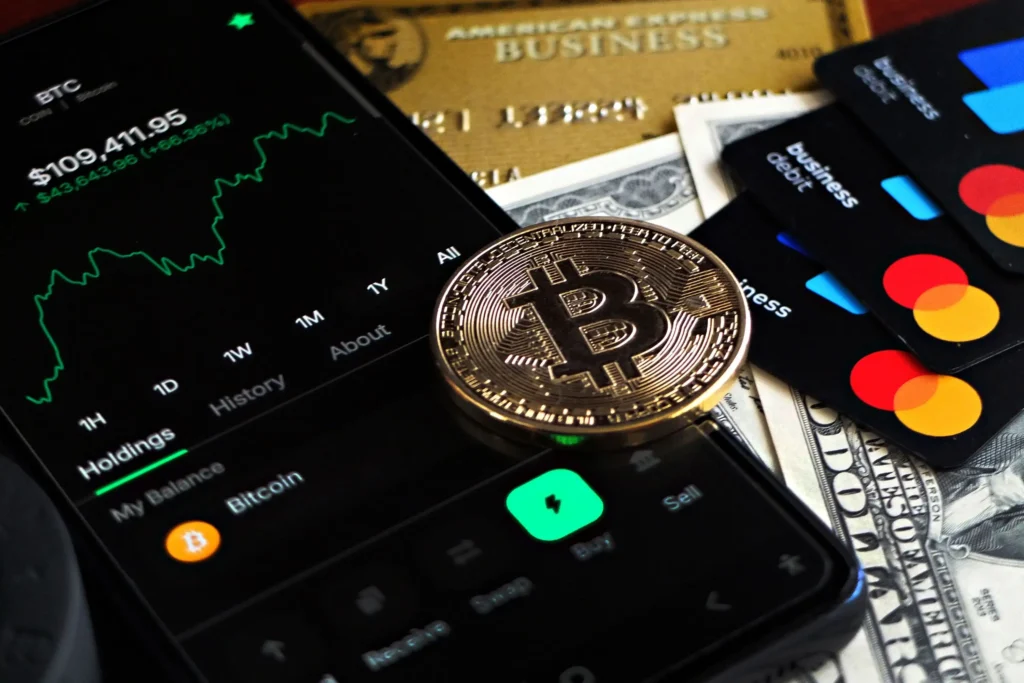
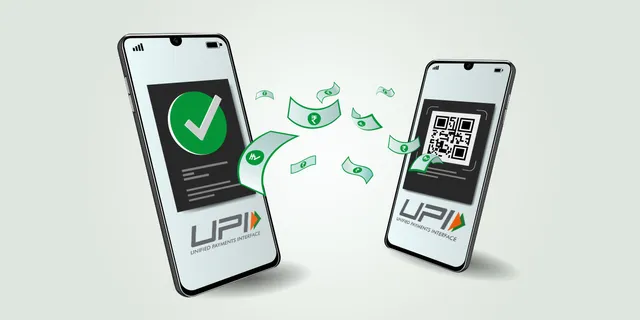
A few years ago, cash dominated daily transactions throughout much of South Asia. Today, mobile wallets, QR code payments, instant bank transfers, and fintech applications are becoming increasingly common.
Several factors have contributed to this growth:
- Greater smartphone adoption;
- Improved internet connectivity;
- Expanding digital banking services;
- Government support for financial inclusion;
- Increased consumer confidence in digital payments.
As these elements continue to strengthen, digital transactions are becoming accessible to a larger segment of the population.
Convenience Is Driving Adoption
One of the biggest reasons behind the popularity of mobile payments is convenience.
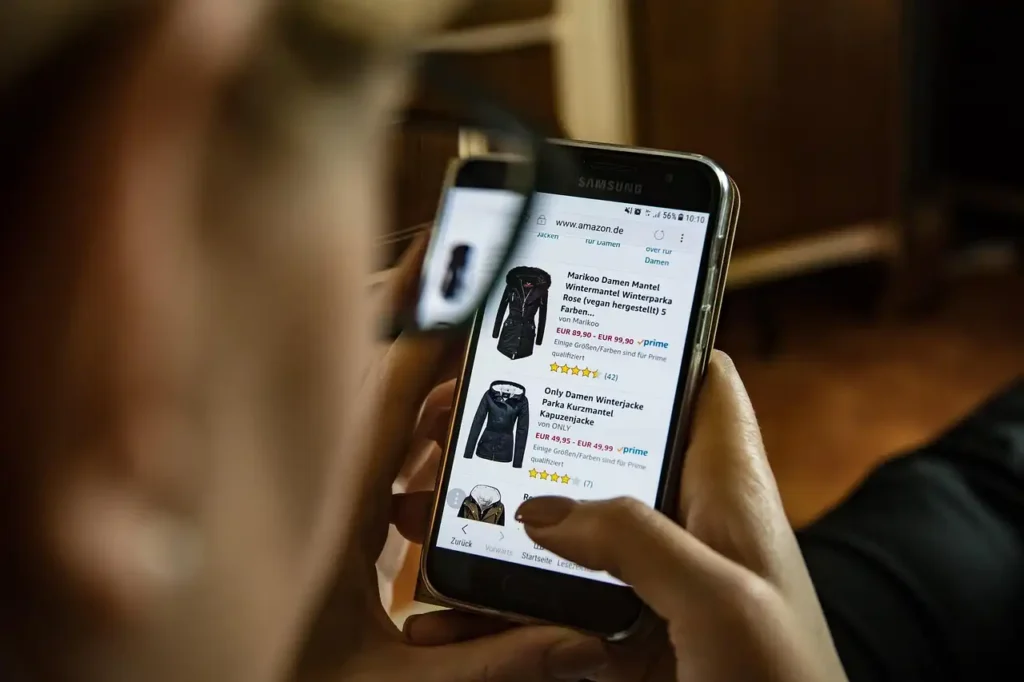
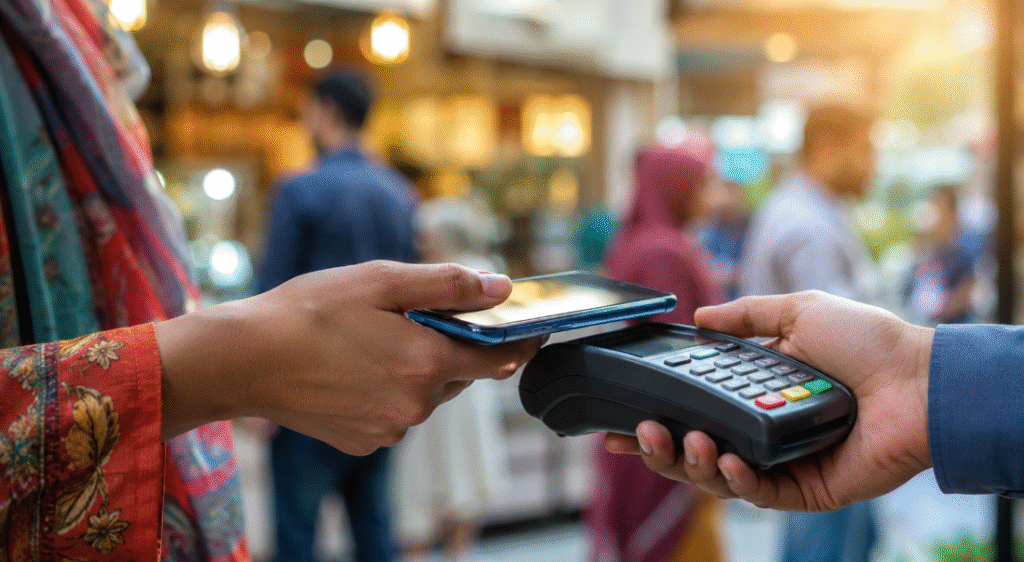
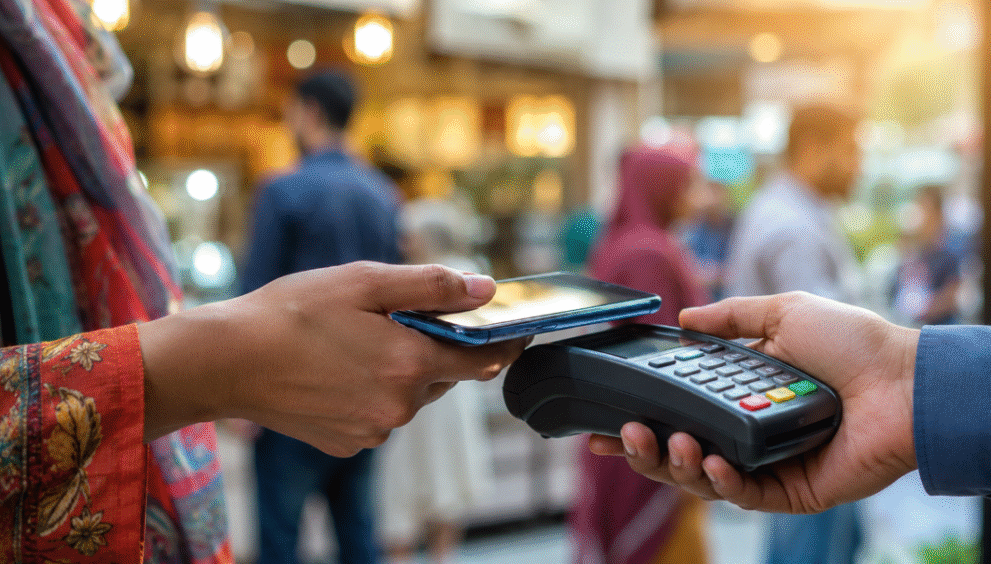
People can pay utility bills, transfer money, shop online, purchase tickets, and make retail payments without carrying cash. The entire process often takes less than a minute.
For busy professionals, students, and small business owners, this simplicity saves valuable time.
Mobile payments also reduce dependence on physical banking infrastructure, making financial services more accessible in both urban and rural communities.
Financial Inclusion Across the Region
South Asia is home to a vast and diverse population. For many individuals, traditional banking services were once difficult to access due to geographic or economic barriers.
Mobile financial technology is helping change that reality.
Today, millions of people can:
- Open digital accounts;
- Receive payments;
- Send money instantly;
- Access financial services remotely;
- Participate in the digital economy.
This broader access is creating opportunities for individuals and small businesses alike.
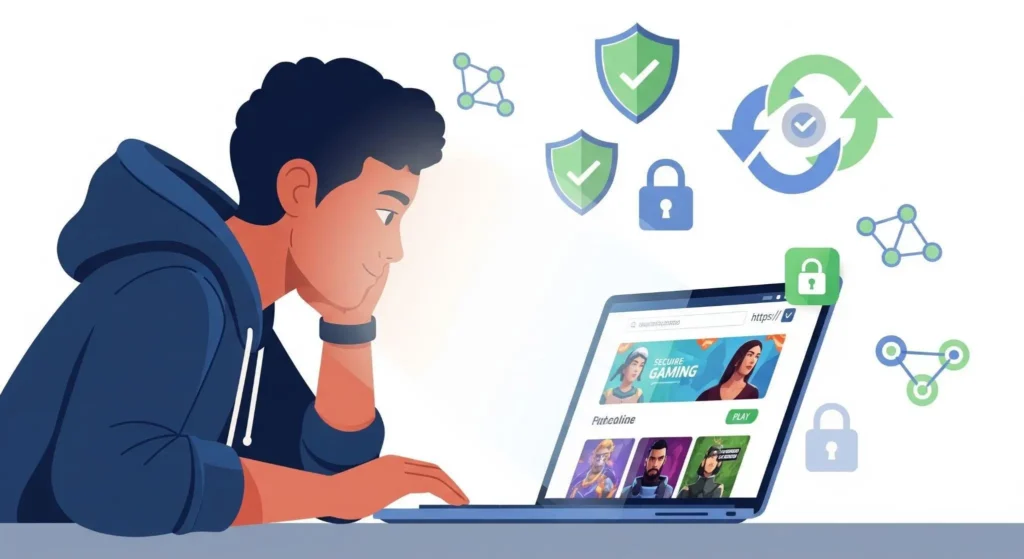
Security Continues to Improve
As digital payment systems grow, security remains a top priority.
Consumers naturally want confidence that their personal and financial information is protected. Fortunately, technology providers are investing heavily in security innovations.
Modern payment platforms increasingly rely on:
- Two-factor authentication;
- Biometric verification;
- End-to-end encryption;
- Fraud monitoring systems;
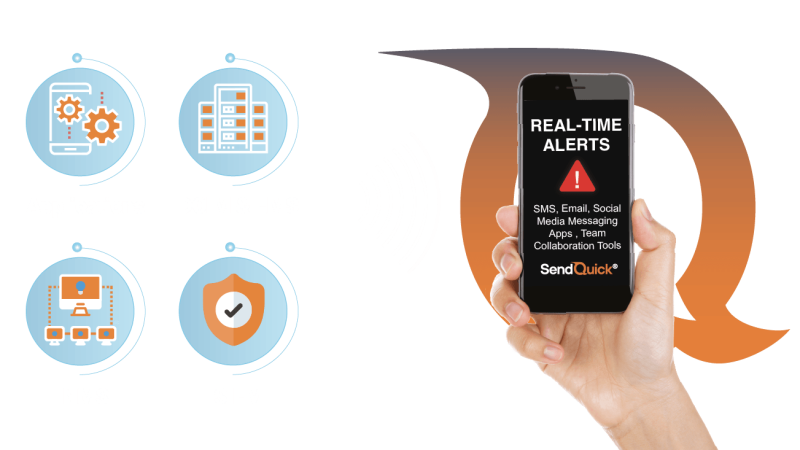
- Real-time transaction alerts.
These measures help create safer environments for users while reducing the risk of unauthorized activity.
Mobile Payments and Digital Entertainment
The influence of mobile payments extends well beyond banking and retail.
Entertainment platforms, subscription services, gaming applications, and digital marketplaces all benefit from fast and reliable transaction systems. Users expect seamless payment experiences regardless of the type of platform they are using.
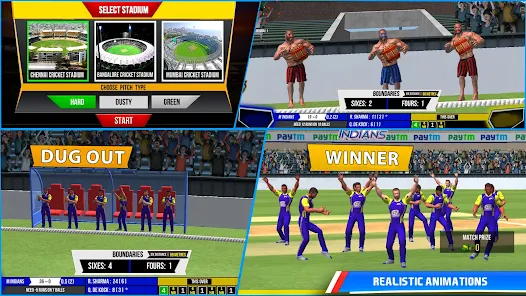
For example, digital experiences such as CroreWin Chicken Road 2 https://crore-win.net/chicken-road-2/ reflect how online platforms increasingly integrate modern payment technologies to provide smooth and user-friendly access. As consumers become more comfortable with digital transactions, demand for these convenient payment options continues to grow across many industries.
The result is a more connected digital ecosystem.
The Role of Fintech Innovation
Fintech companies are playing an important role in shaping the future of payments throughout South Asia.
These organizations are introducing creative solutions that make financial services easier to use and more affordable. Competition among providers is also encouraging continuous improvement.
Some key areas of innovation include:
- Instant payment networks;
- AI-powered fraud detection;
- Digital lending platforms;
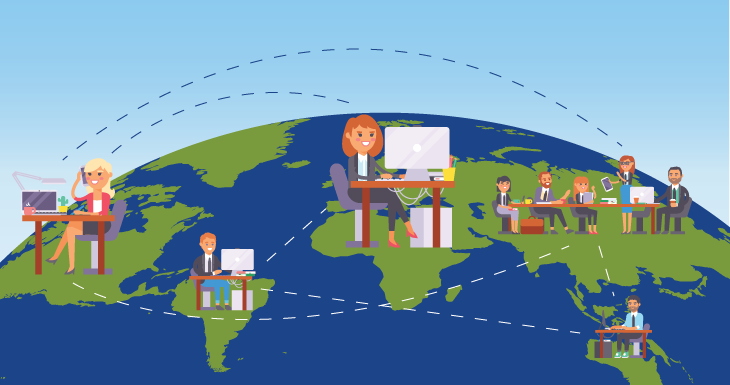
- Cross-border payment solutions;
- Enhanced mobile banking applications.
The pace of innovation suggests that even more advanced services will become available in the coming years.
Benefits for Small Businesses
Small businesses are among the biggest beneficiaries of digital payment adoption.
Accepting mobile payments allows entrepreneurs to serve customers more efficiently while reducing the challenges associated with handling cash.
Business owners often experience:
- Faster transactions;
- Improved cash flow management;
- Better transaction records;
- Increased customer convenience;
- Expanded sales opportunities.
These advantages can support growth and improve overall business performance.
What the Future May Look Like
Looking ahead, mobile payments are likely to become even more integrated into daily life.
Artificial intelligence, faster mobile networks, and improved financial technologies will continue to streamline payment experiences. Consumers may see greater personalization, enhanced security features, and broader access to financial products.
As digital ecosystems mature, the distinction between banking, shopping, communication, and entertainment may become increasingly seamless.
South Asia is well positioned to remain one of the world’s most dynamic regions for digital payment innovation.
Conclusion
The future of mobile payments in South Asia looks exceptionally promising. Convenience, security, and accessibility are driving widespread adoption across India, Pakistan, and Bangladesh. Consumers are embracing digital solutions, businesses are benefiting from greater efficiency, and fintech innovators continue to push the industry forward.
As technology evolves, mobile payments will likely become even more central to everyday life. Their growth is helping create a more connected economy, opening new opportunities for individuals and businesses throughout the region. The transformation is already underway, and its impact will continue to shape the future for years to come.