






















































































































































































































































































































































































































































































































































































































































































































































































































































































































































































































































































































































































































































































































































































































































































































































































































































































































































































































































































































































































































































































































































How to Transition a Nursery Into a Toddler’s Room: Furniture Choices That Span Both Stages

The transition from a nursery to a toddler’s room is one of the most significant room change moments in early childhood, typically happening between 18 months and three years. The nursery setup that worked perfectly for a newborn, centred around the cot, the change table, and the nursing chair, needs to evolve to suit a mobile, curious, increasingly independent child whose needs are changing rapidly. The furniture choices that ease this transition most effectively are the ones that either adapt from one stage to the other or that remain relevant across both, avoiding the waste and expense of wholesale furniture replacement at an already intensive stage of family life.
Key Takeaways
- The nursery-to-toddler-room transition is best managed with furniture that converts or adapts across the two stages rather than requiring full replacement.
- The bookshelf is the nursery furniture piece with the longest useful life across the transition: a low front-facing shelf introduced in the nursery remains in daily use through the toddler years and beyond.
- The cot-to-bed transition is the most structurally significant change and, if a convertible cot is used, can happen within the same piece of furniture.
- The toddler’s room needs more floor space than the nursery because the child is now mobile and plays on the floor. Furniture choices that are compact without sacrificing function serve this stage particularly well.
- Storage for toys and everyday items becomes a primary room need at the toddler stage in a way it was not during the nursery period, making combined bookshelf and storage pieces particularly practical.
What Changes Between the Nursery and the Toddler’s Room
| Nursery Priority | Toddler Room Priority | What This Means for Furniture |
| Safe sleep surface (cot) | Safe sleep surface at lower height (toddler bed) | Convertible cot or new toddler bed |
| Feeding and settling space | Independent play and reading space | Nursing chair becomes reading chair |
| Nappy change surface | Clothing access (no longer nappy stage) | Change table becomes low dresser or is removed |
| Board book accessibility | Picture book accessibility | Same front-facing bookshelf, larger book format |
| Minimal floor clutter | Safe floor space for active play | Compact furniture, open centre floor area |
Furniture That Spans Both Stages
The Low Front-Facing Bookshelf
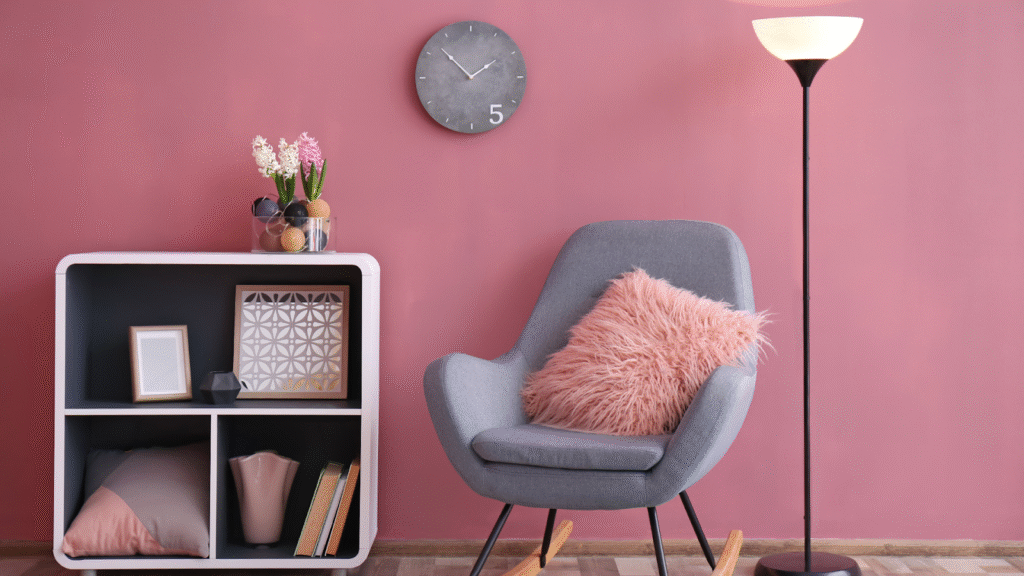
Of all the furniture pieces that span the nursery-to-toddler transition most naturally, the low front-facing bookshelf is the one with the most seamless continuation of use. Board books at floor level in the nursery, accessible to a baby who is sitting independently from around six to eight months, become the picture book display for a toddler who walks to the shelf, selects a book, and brings it to an adult or sits beside the shelf to look at it independently. The same physical piece, in the same position, serves a meaningfully different developmental function without any change to the furniture.
The Nursing Chair as Reading Chair
A nursing chair used for feeding and settling in the nursery is well-positioned to transition to a reading chair in the toddler’s room. The low, reclined-seat format that suits a nursing adult also suits an adult reading aloud to a child sitting alongside them or on their lap. Position the nursing chair beside the bookshelf as part of the reading corner setup in the toddler’s room rather than removing it when the feeding stage ends.
Combined Bookshelf and Storage
The toddler stage introduces a storage need that was minimal in the nursery: toys. A combined bookshelf and storage unit introduced at the toddler stage handles both the book display function that has carried from the nursery and the new toy organisation function in one piece. This reduces the total number of furniture additions needed and gives the toddler a single organised destination for their two most important categories of belonging.
Managing the Floor Space Transition
A nursery is typically arranged around a central cot with furniture positioned around the edges. A toddler’s room needs the opposite: furniture around the edges and an open central floor area for play. The furniture choices that most directly support this transition are compact wall-hugging pieces that minimise floor projection, and the removal of any large nursery pieces such as nursing ottomans or oversized change table combinations that served the earlier stage but take up floor space the toddler now needs for active play.
For low front-facing bookshelves suited to both the nursery and toddler stages, visit
https://boori.com.au/collections/bookshelves-bookcases.
Frequently Asked Questions
When is the right time to transition from a nursery to a toddler’s room?
The transition is typically triggered by the child’s readiness to move from the cot to a lower sleep surface, which usually happens between 18 months and three years when the child can climb out of the cot, when a new sibling needs the nursery, or when the child’s increasing mobility and independence makes the nursery setup feel constraining. There is no single correct timing, and the transition can be gradual rather than a sudden complete room change.
Do I need to repaint or redecorate the room during the transition?
Not necessarily. If the nursery was designed in neutral colours, the room often needs only furniture changes rather than full redecoration. A neutral palette, natural timber furniture, and updated textiles such as new bedding and a different rug can transform the feel of the room without any painting. Rooms with strongly nursery-specific colour schemes or character murals may benefit from repainting to create a more age-appropriate environment for a growing toddler.
How do I make the transition feel exciting for the child rather than disruptive?
Involve the toddler in age-appropriate decisions about the new room setup. Let them choose the colour of their new cushion or bedding. Let them help carry books to the new bookshelf arrangement. Give them a sense that the room change is happening for them and with them rather than to them. Children who feel involved in transitions experience them as positive developments rather than as unsettling changes to a familiar environment.
What is the most important single furniture change in the nursery-to-toddler transition?
The sleep surface change from a cot to a lower toddler bed is the most functionally significant change. A child who can no longer be safely contained in a cot needs a sleep surface they can get into and out of independently without risk of injury. The bookshelf and storage changes that accompany the sleep surface change are secondary in urgency but primary in their long-term impact on how well the room functions for the child through the toddler years.
Final Thoughts
The nursery-to-toddler-room transition is most effectively managed through furniture choices that adapt across the two stages rather than requiring wholesale replacement. The bookshelf introduced in the nursery continues to earn its place through the toddler years and beyond. The nursing chair becomes the reading chair. The storage needs that emerge at the toddler stage are best addressed with combined pieces that do not add unnecessary furniture footprint to a room where open floor space is increasingly important.