
















































































































































































































































































































































































































































































































































































































































































































































































































































































































































































































































































































































































































































































































































































































































































































































































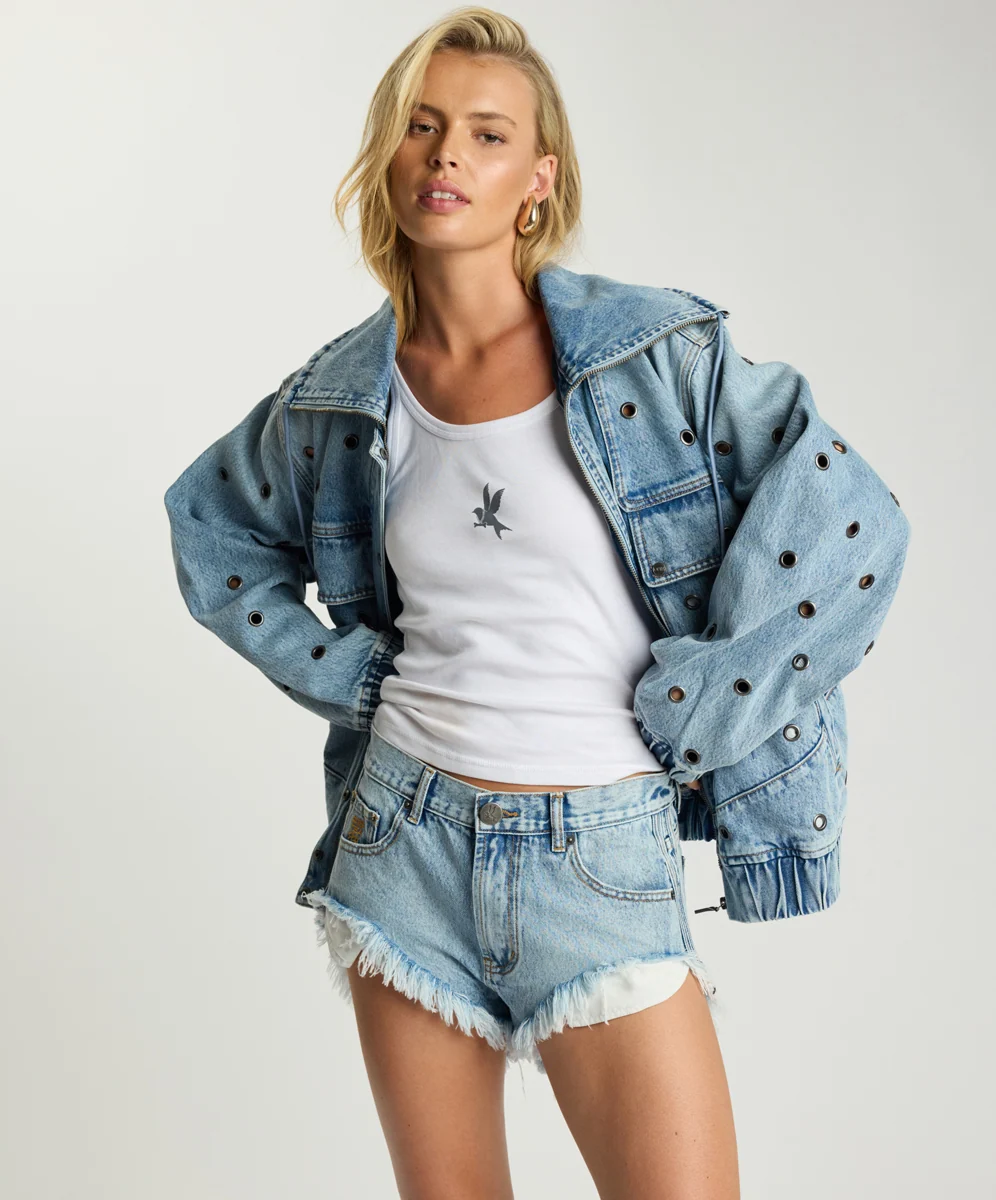

Getting dressed on a hot day can feel like a choice between looking good and staying comfortable. You put together an outfit you love, step outside and immediately regret wearing something that traps heat or restricts movement. Suddenly, that carefully planned look doesn’t seem worth the effort.
The problem isn’t necessarily your sense of style. It’s that clothing needs to work differently when temperatures rise. Fabric, fit and even colour can influence how comfortable you feel throughout the day. Understanding these details makes it easier to build outfits that look good without leaving you overheated.
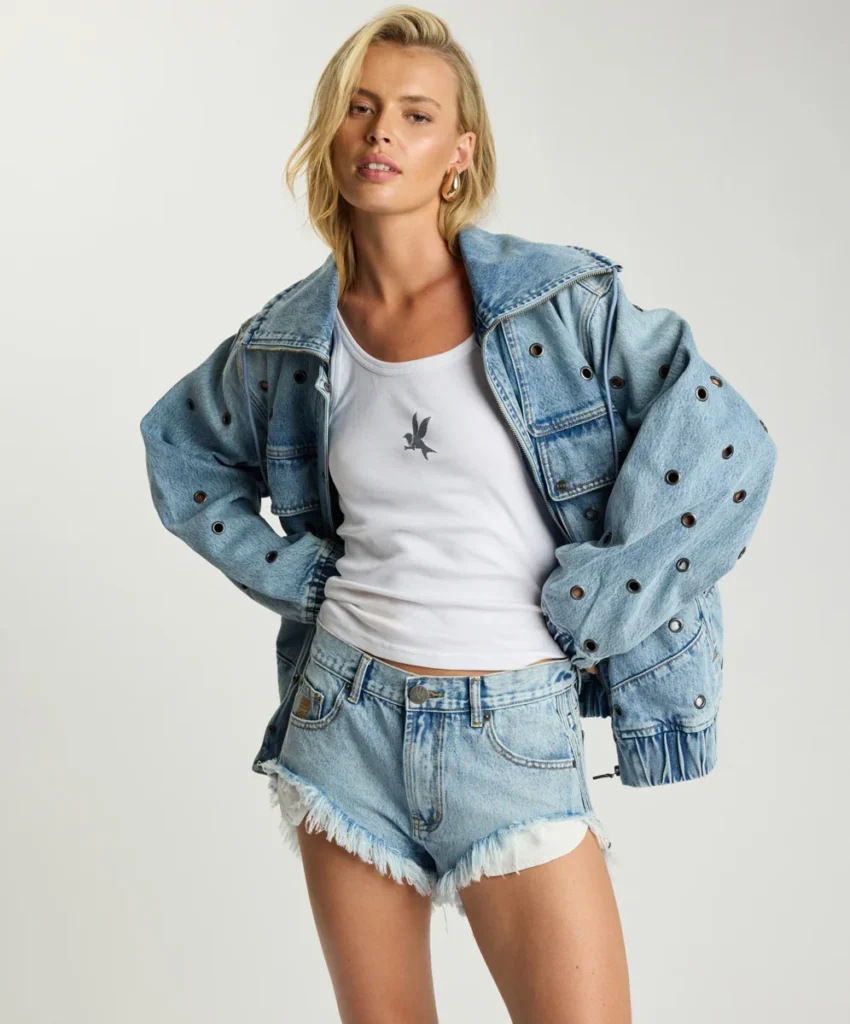
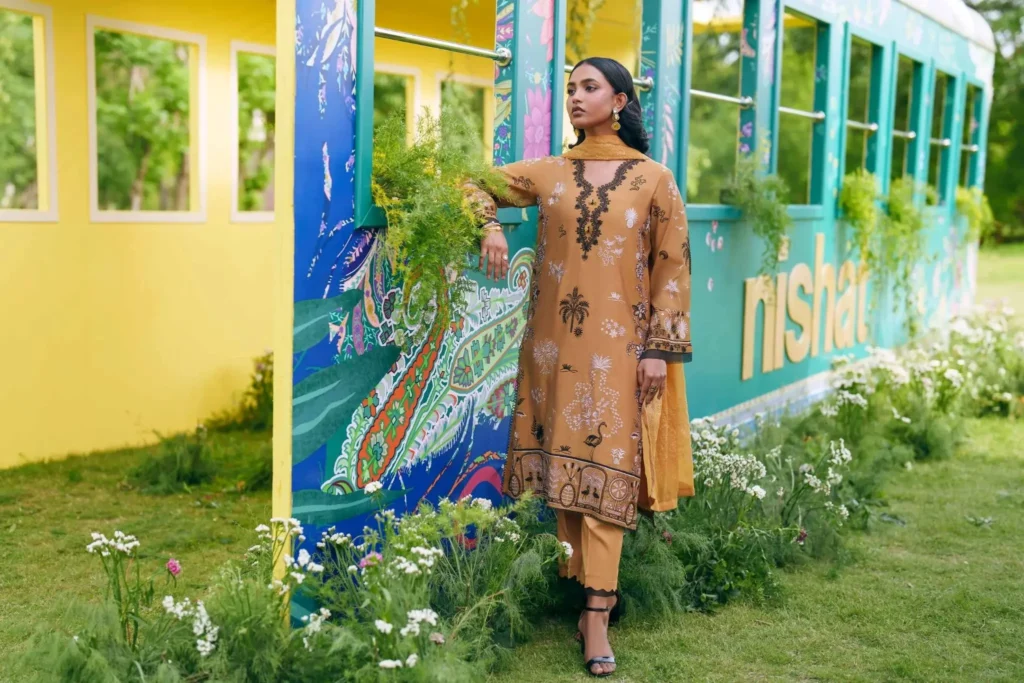
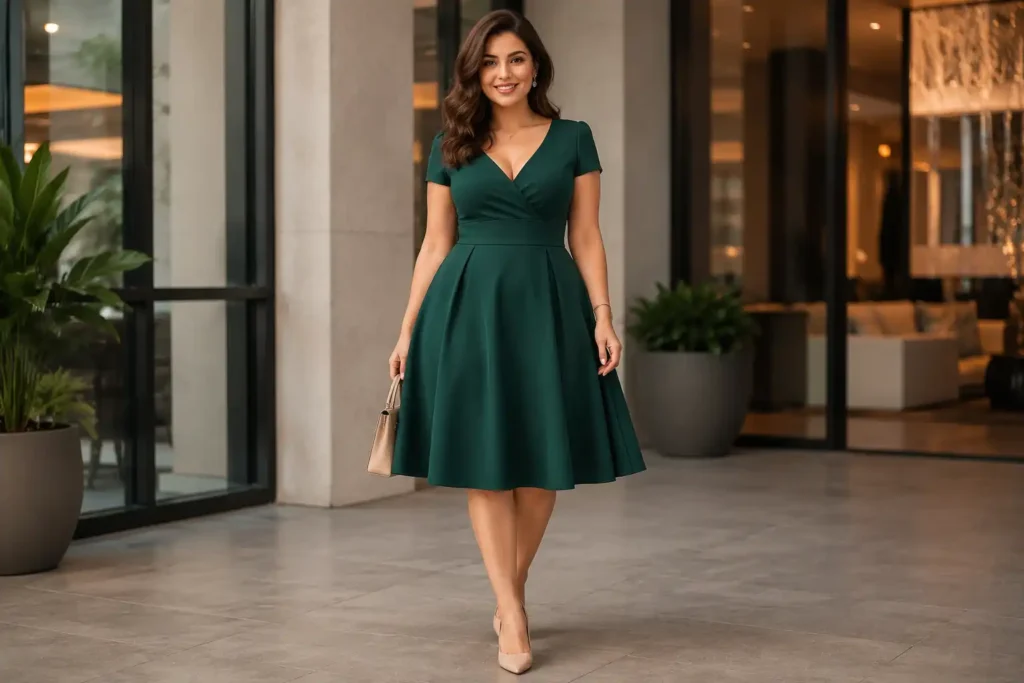
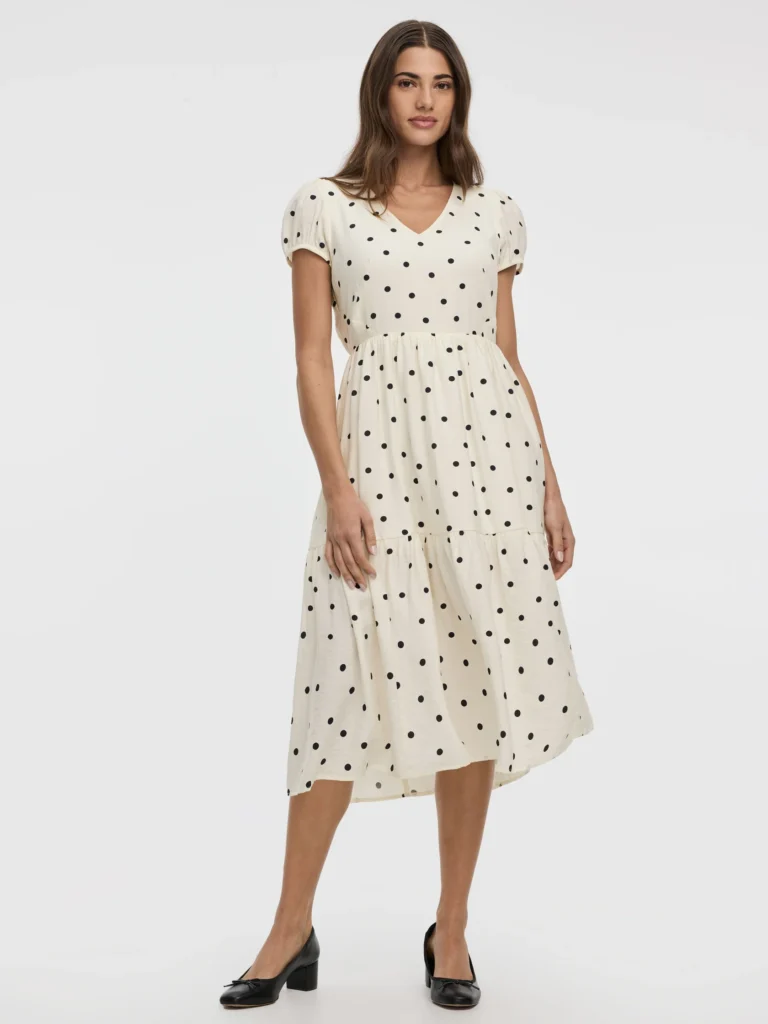
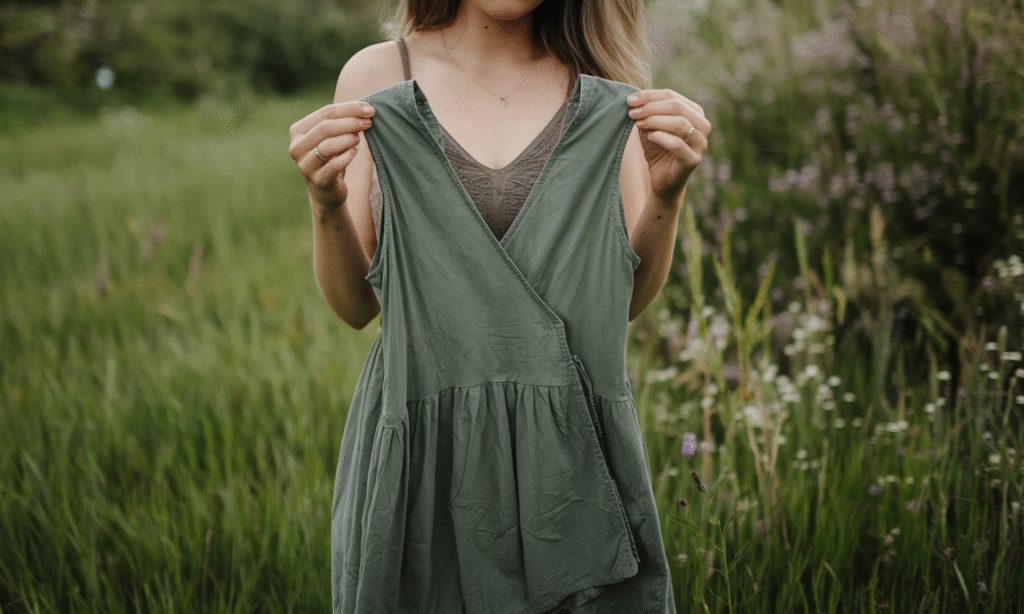
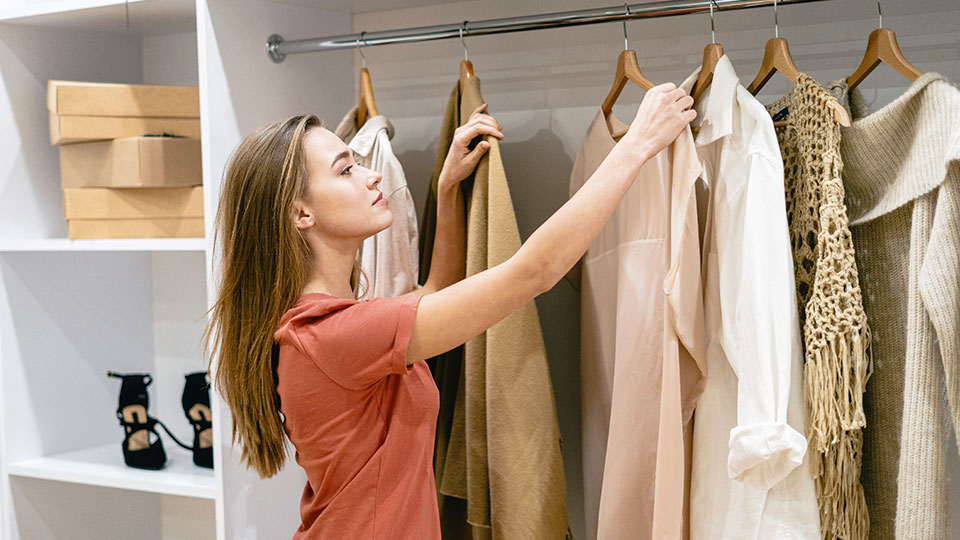
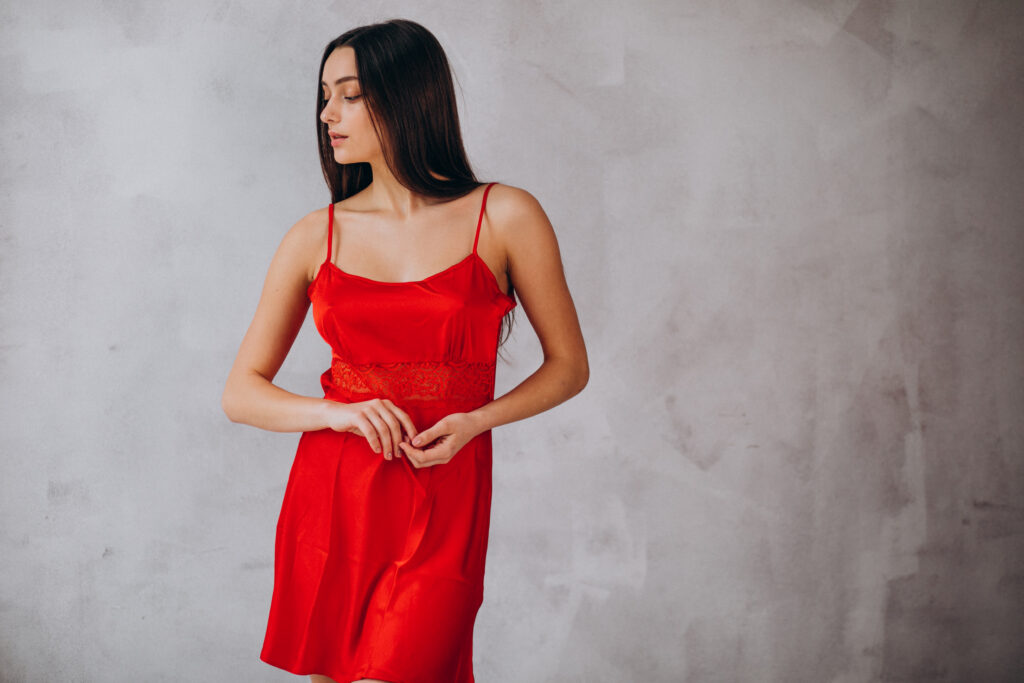
Fortunately, you don’t need an entirely new wardrobe every summer. Familiar pieces such as loose cotton shirts, lightweight dresses and denim shorts can work well in warm weather when you choose the right materials and combinations. A few thoughtful adjustments can make a noticeable difference.
Why Fabric Matters More Than You Think
Two shirts might look almost identical on a hanger but feel completely different after an hour outside.
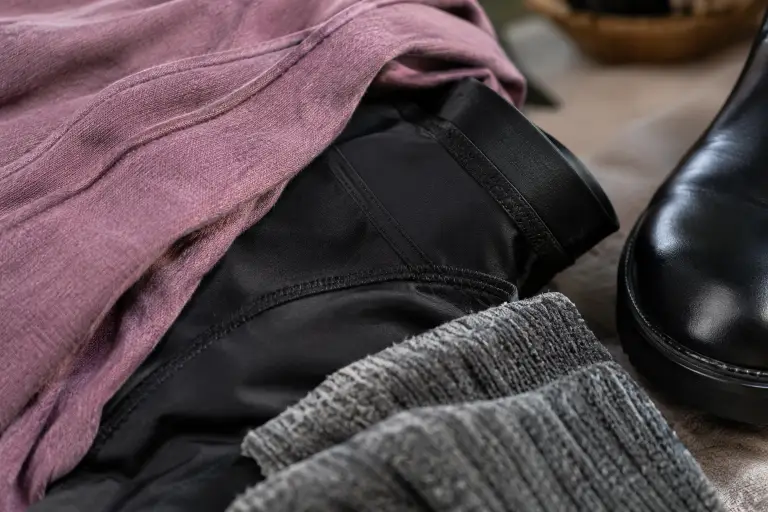
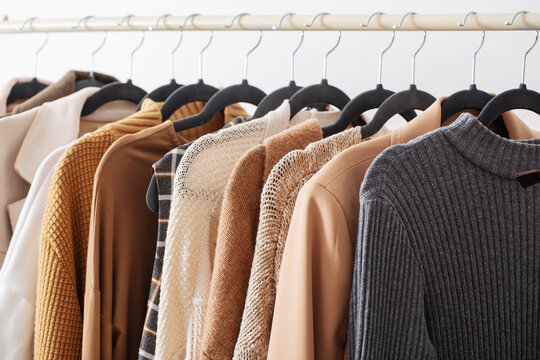
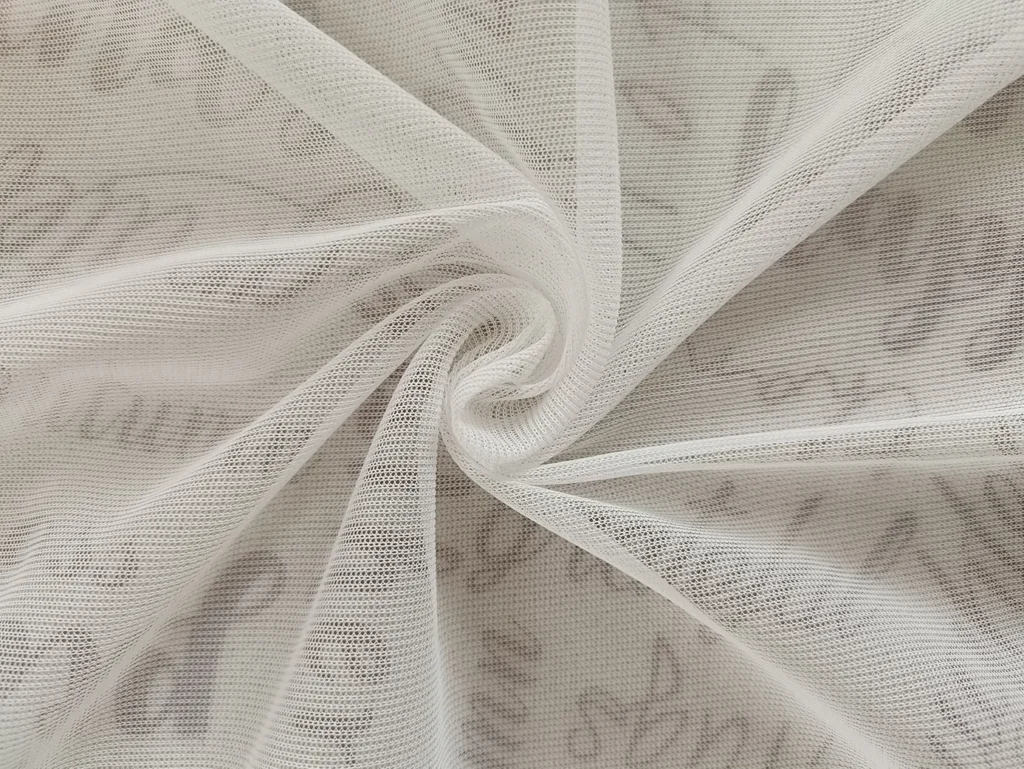
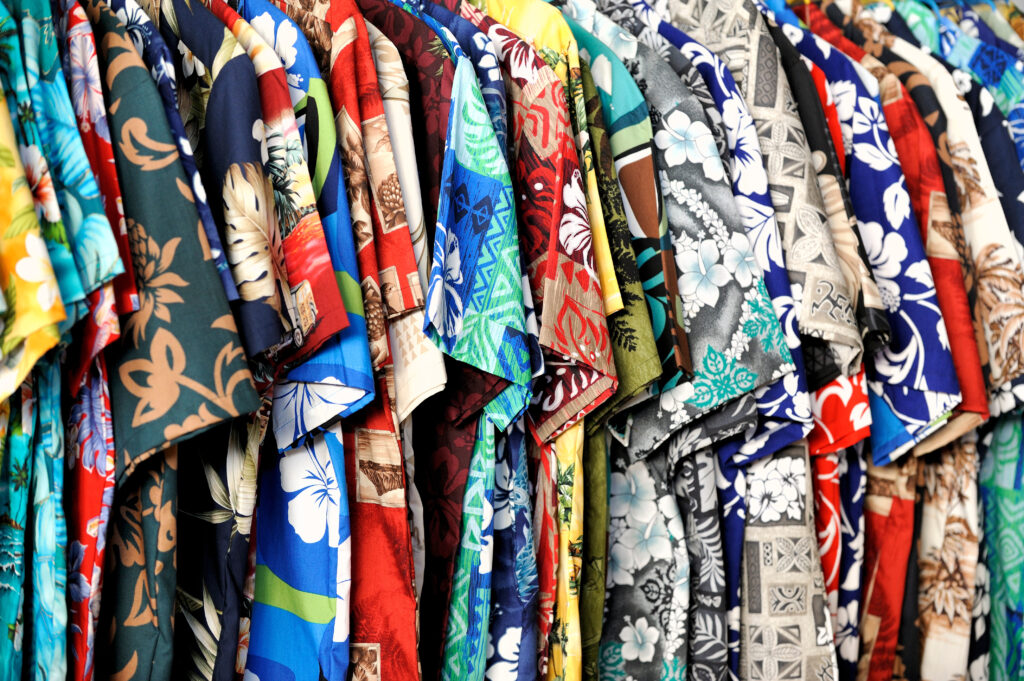
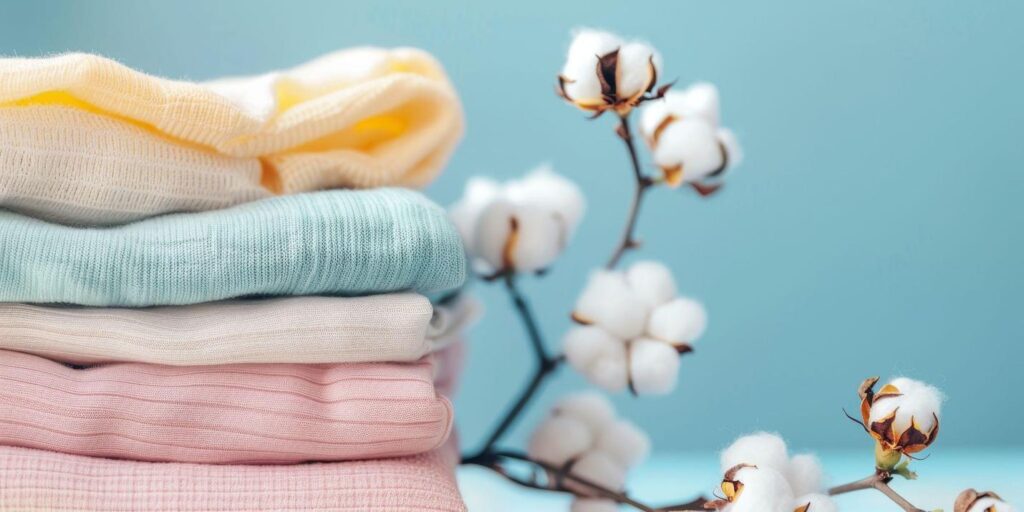
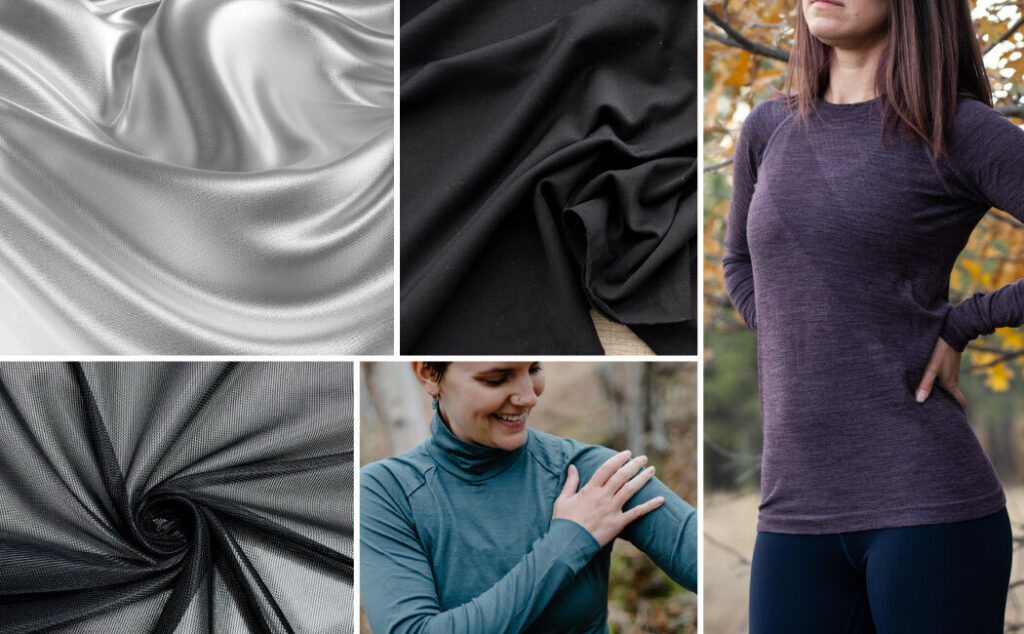
Fabric composition, thickness and construction all influence how clothing handles heat and moisture. Cotton and linen are popular warm-weather choices because they can allow air to circulate, particularly when woven into lightweight fabrics.
However, not every natural fabric automatically feels cooler. A thick cotton T-shirt may be less comfortable than a lightweight synthetic top designed to wick moisture away from the skin.
When shopping, hold the fabric up to the light and feel its weight. Look for materials that feel soft, allow movement and suit the activities you have planned.
For particularly humid conditions, quick-drying fabrics can also be useful, especially if you’ll be walking or exercising.
Give Your Clothes Room to Breathe
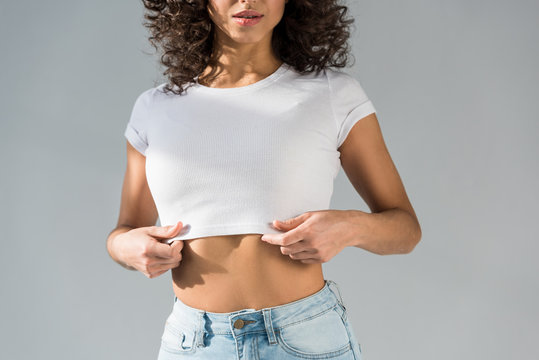
Tight clothing can feel restrictive when temperatures climb, particularly around the waist, underarms and thighs.
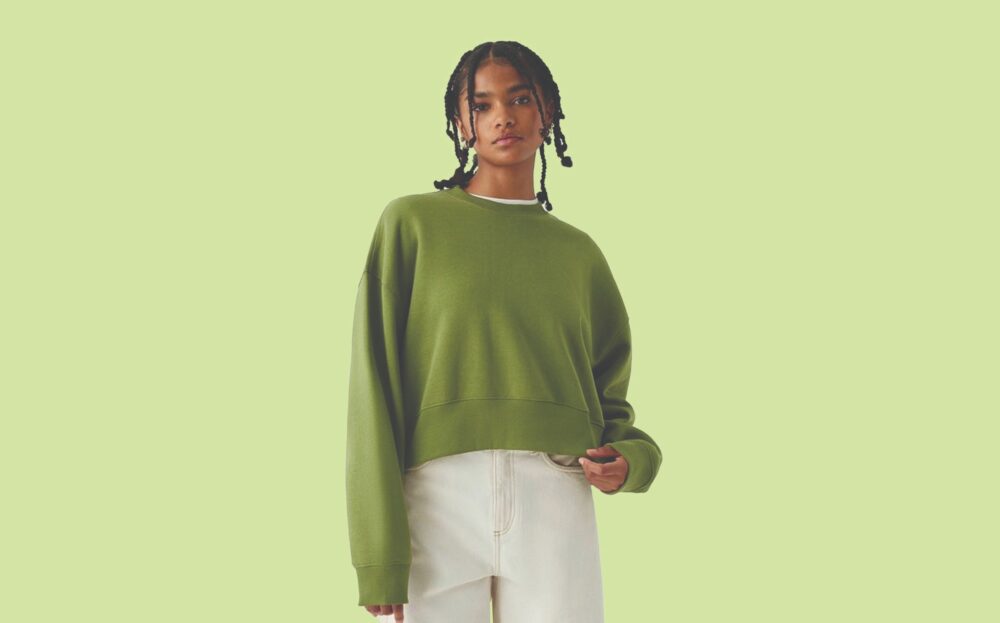
Looser silhouettes allow more space between the fabric and your skin, which can improve comfort in certain conditions.
That doesn’t mean everything needs to be oversized.
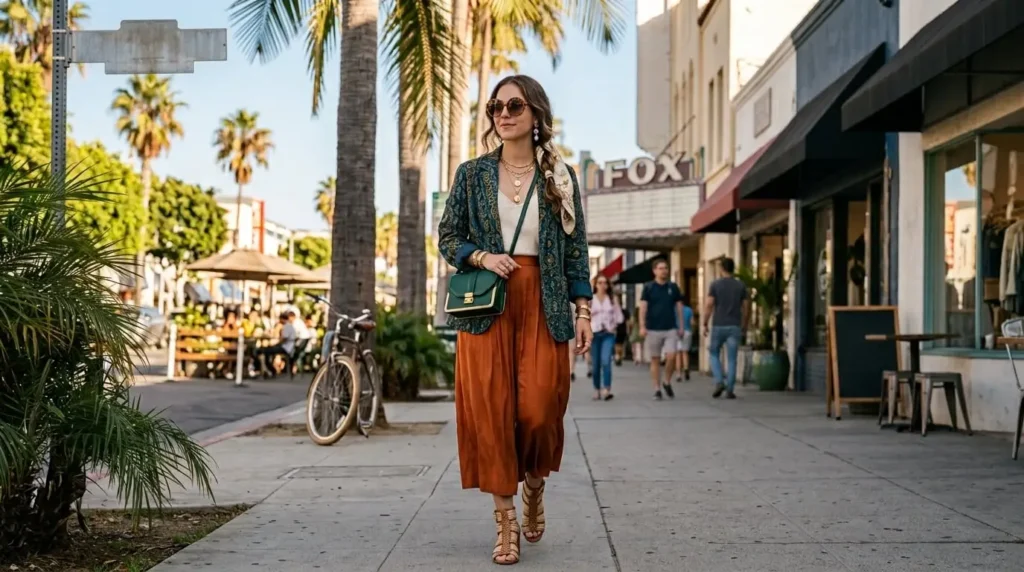
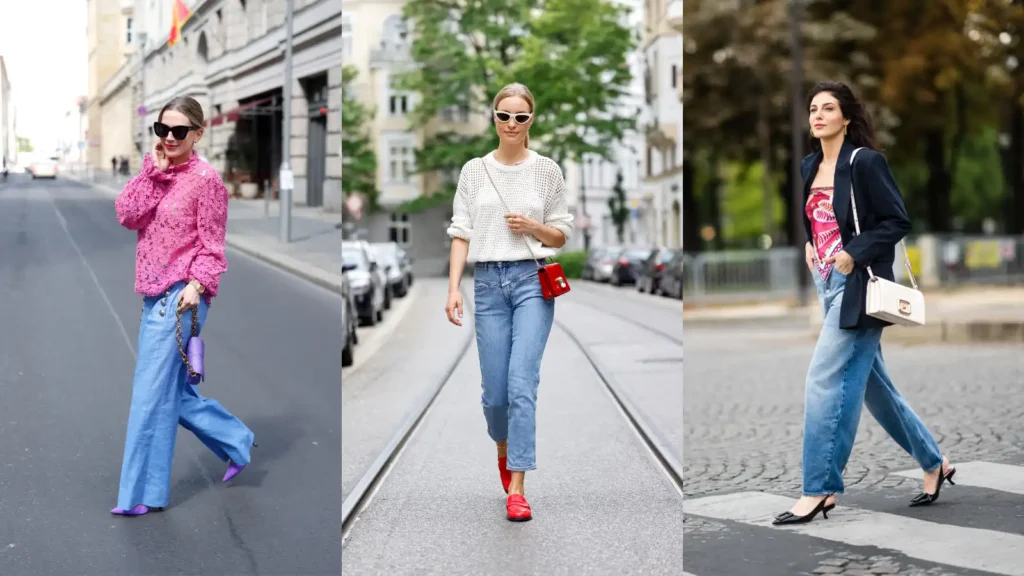
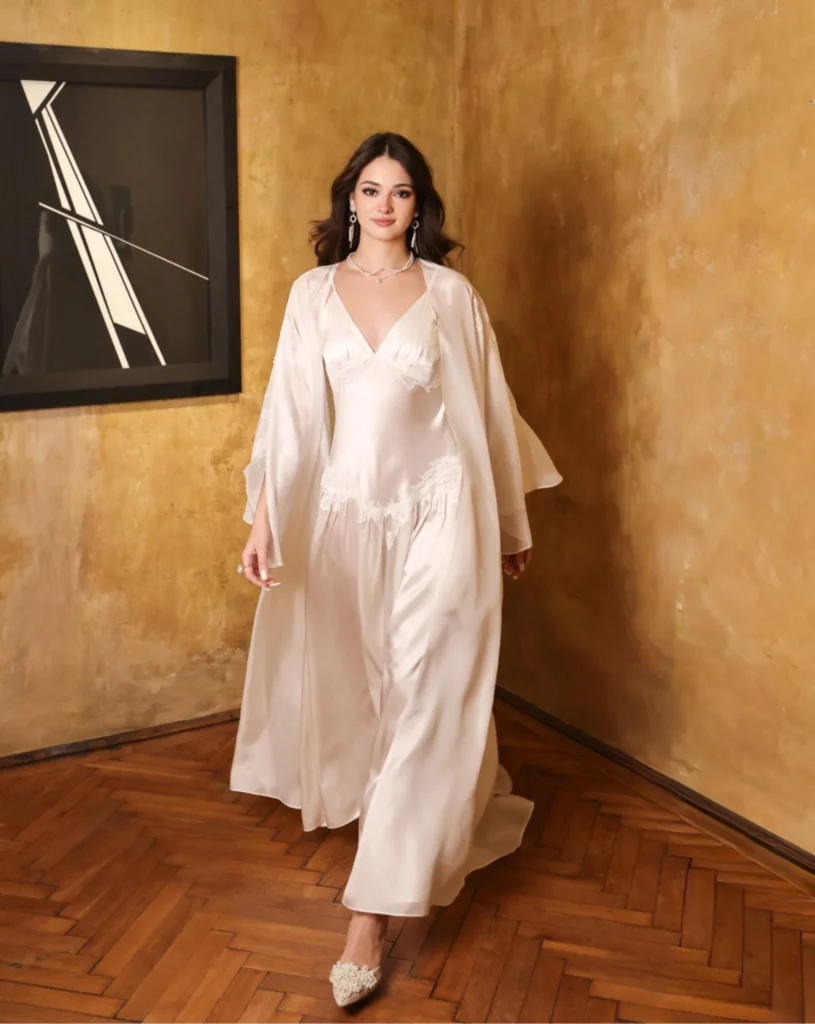
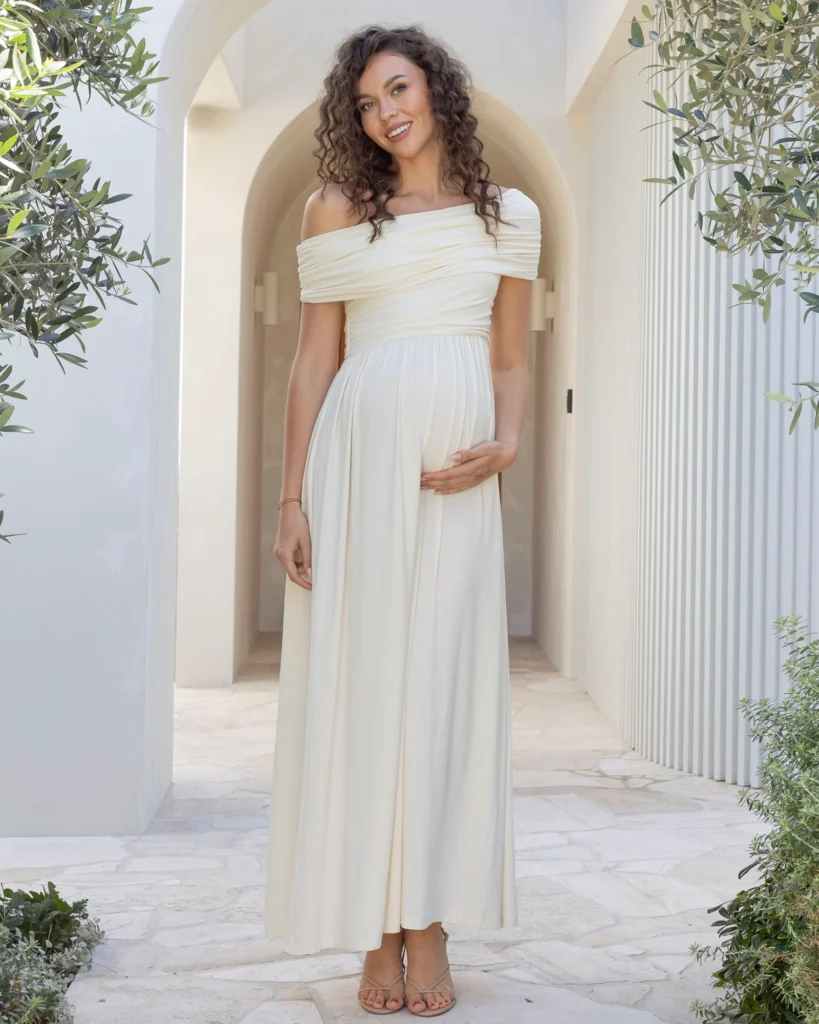
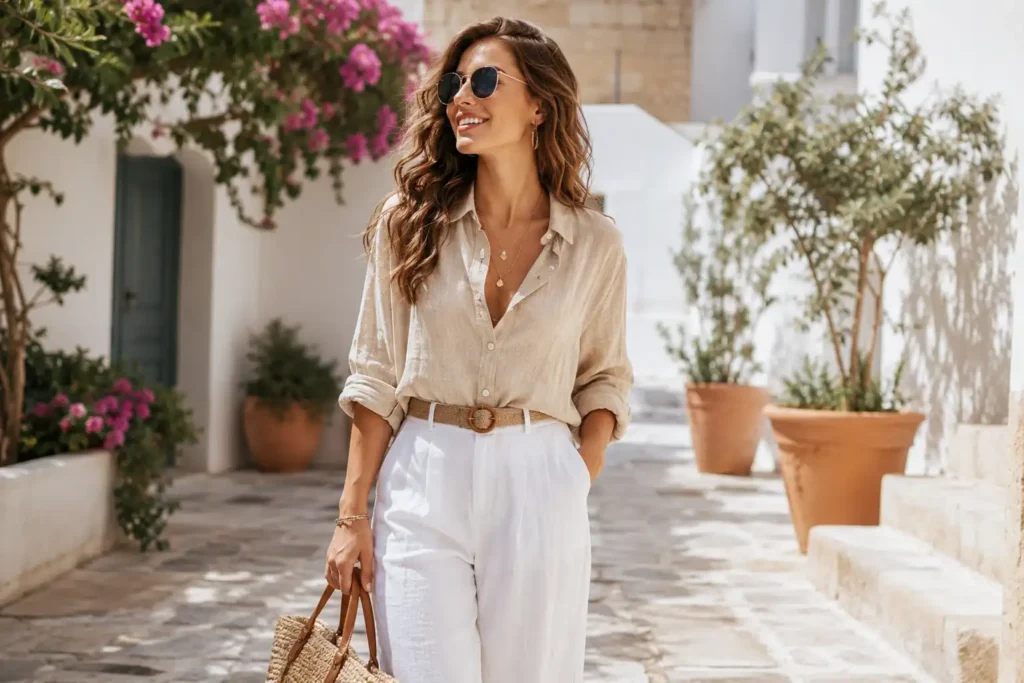
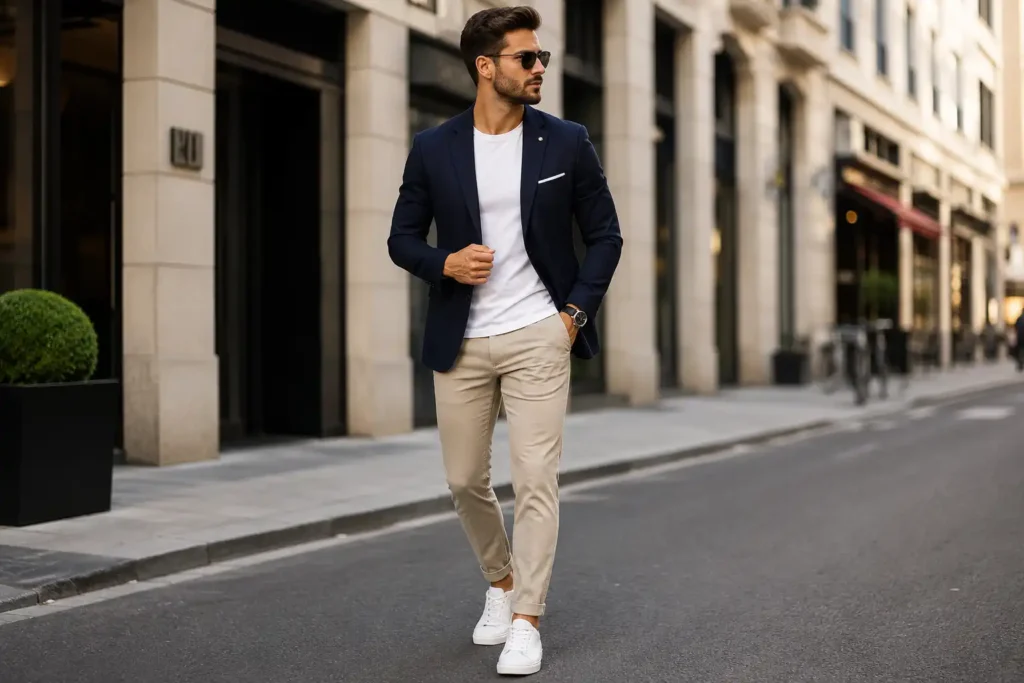
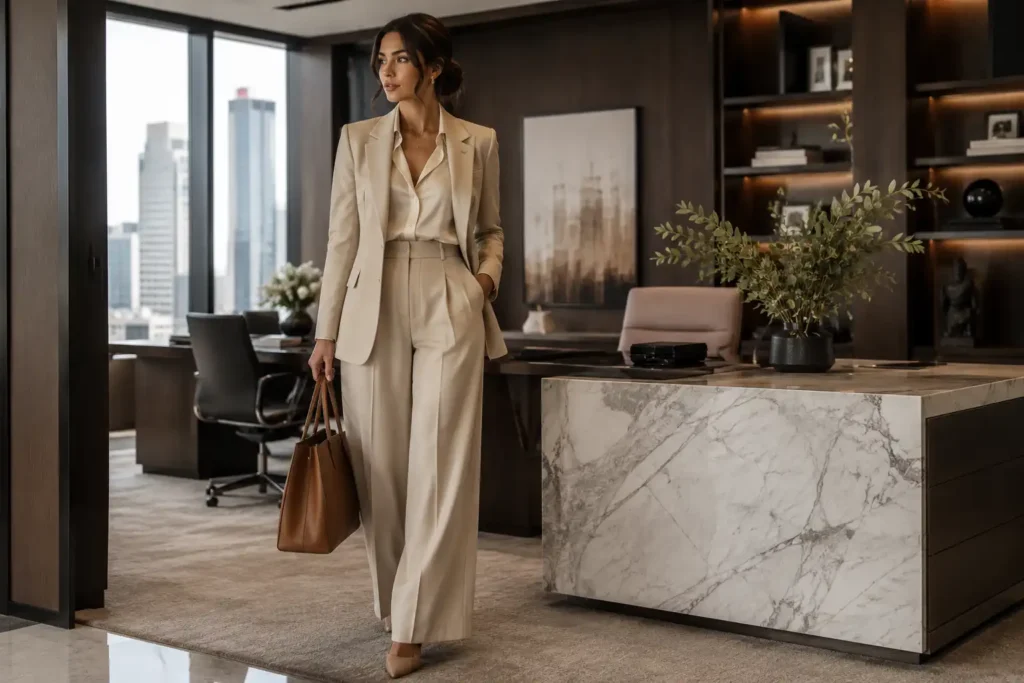
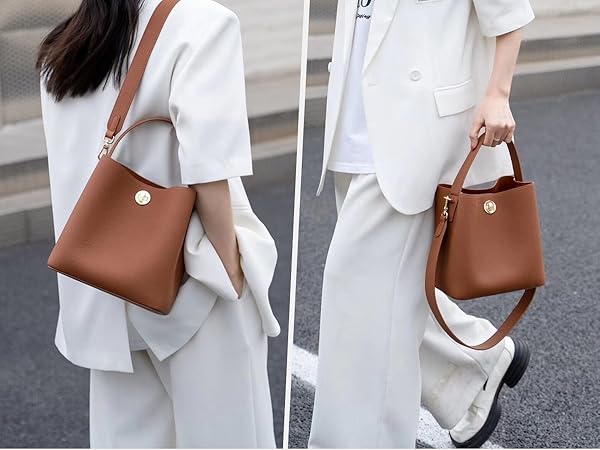
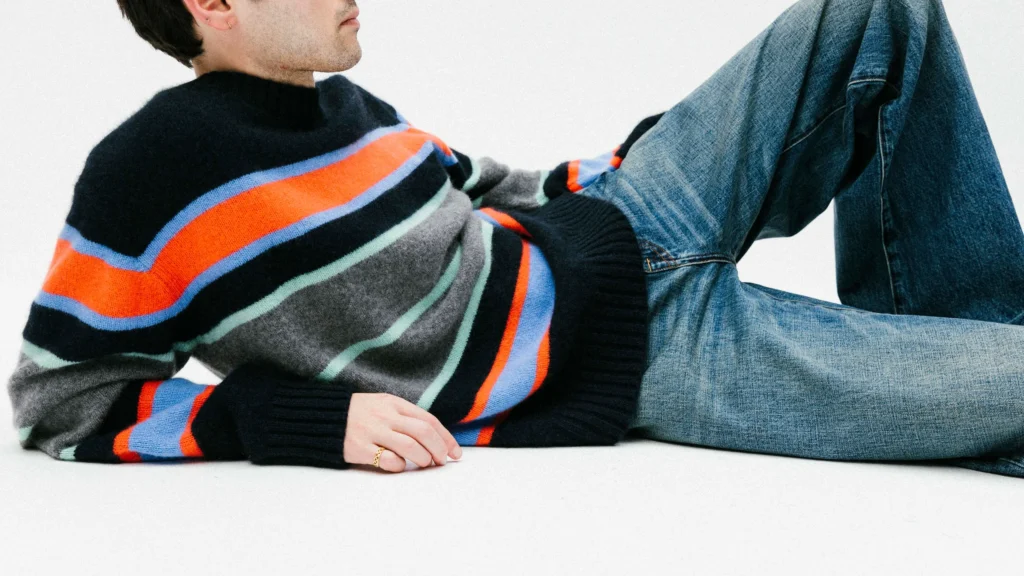
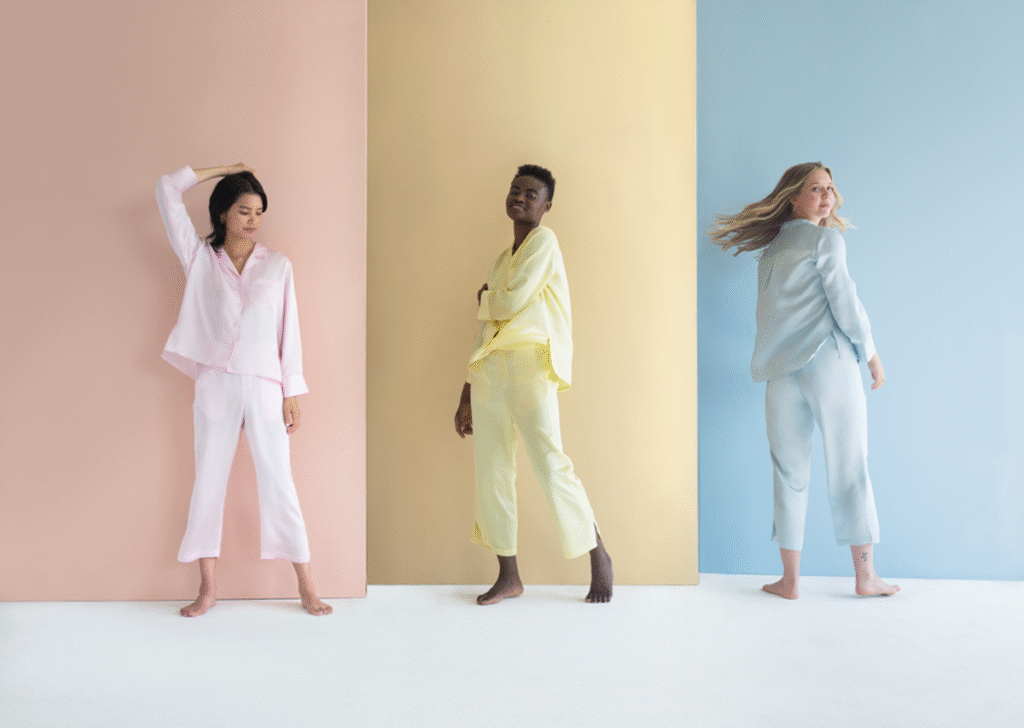
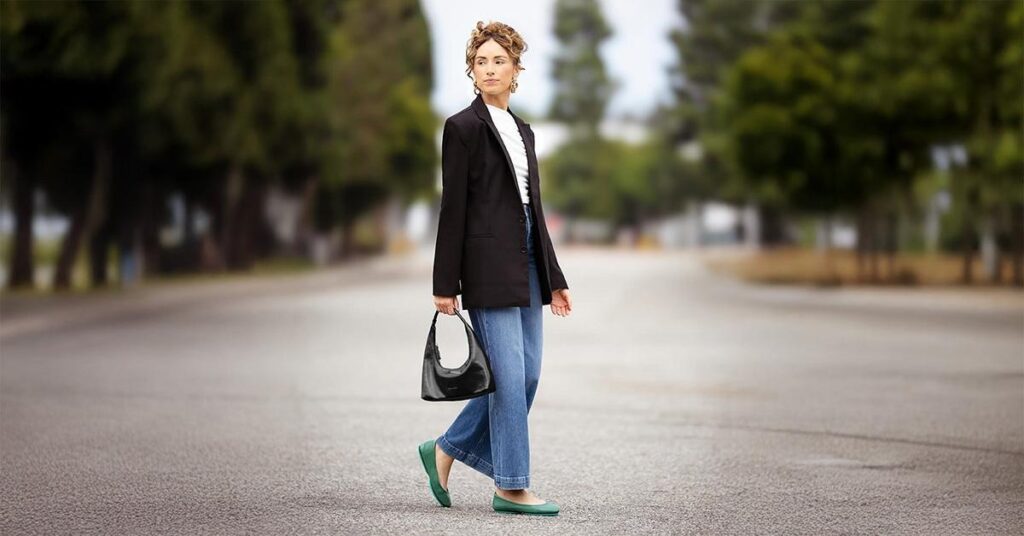
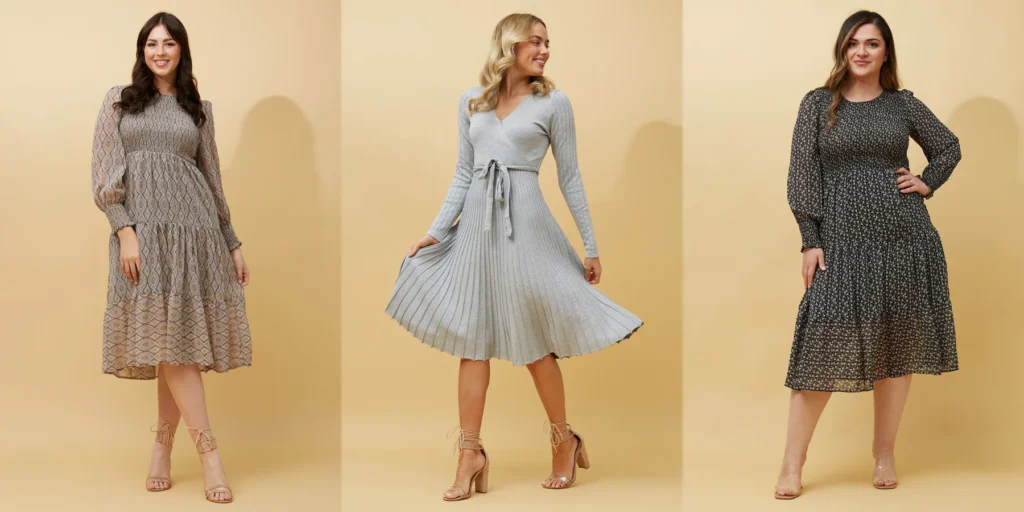
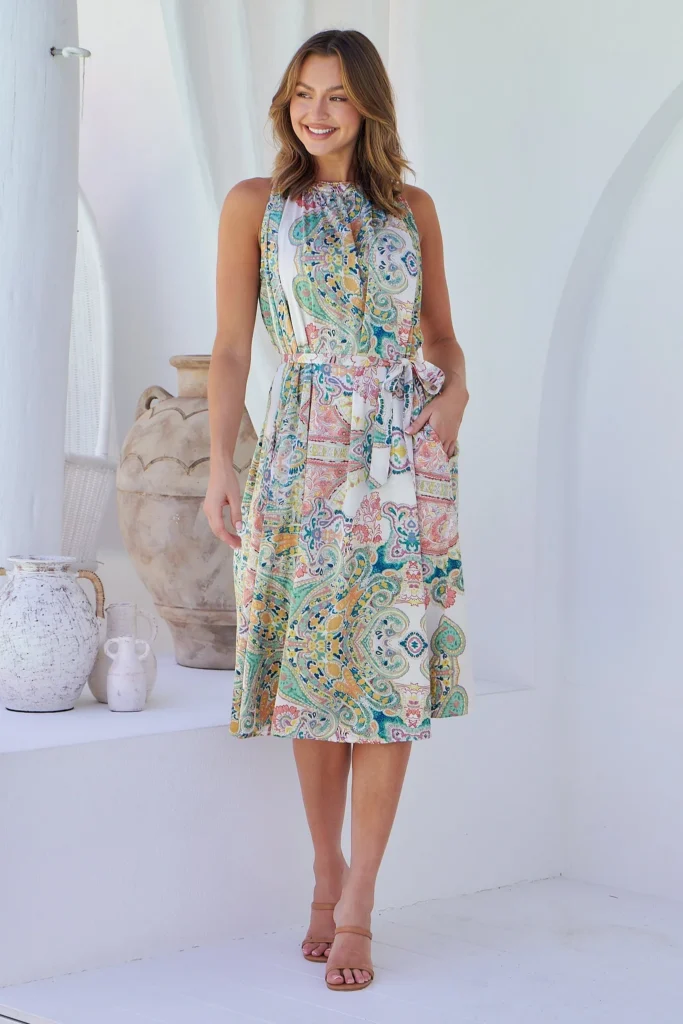
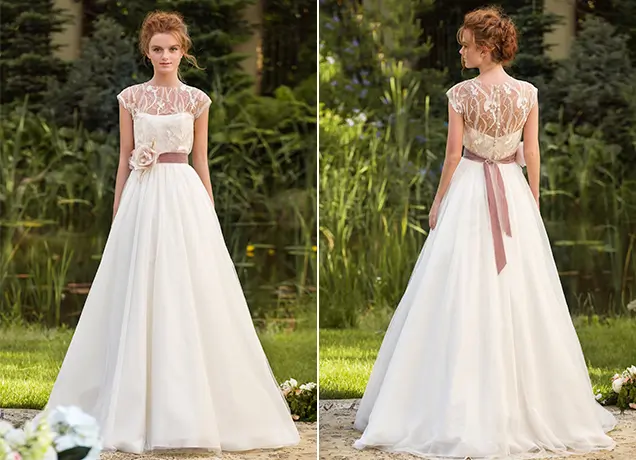
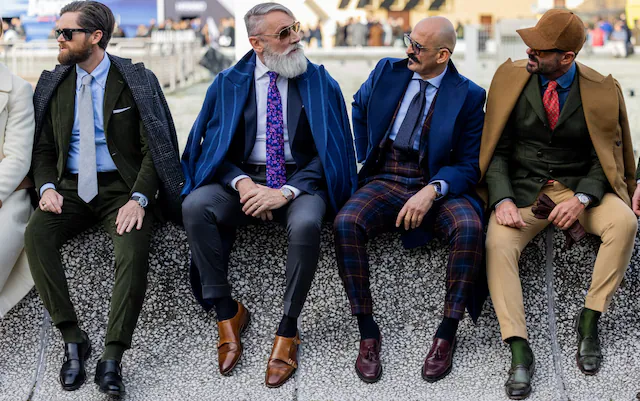
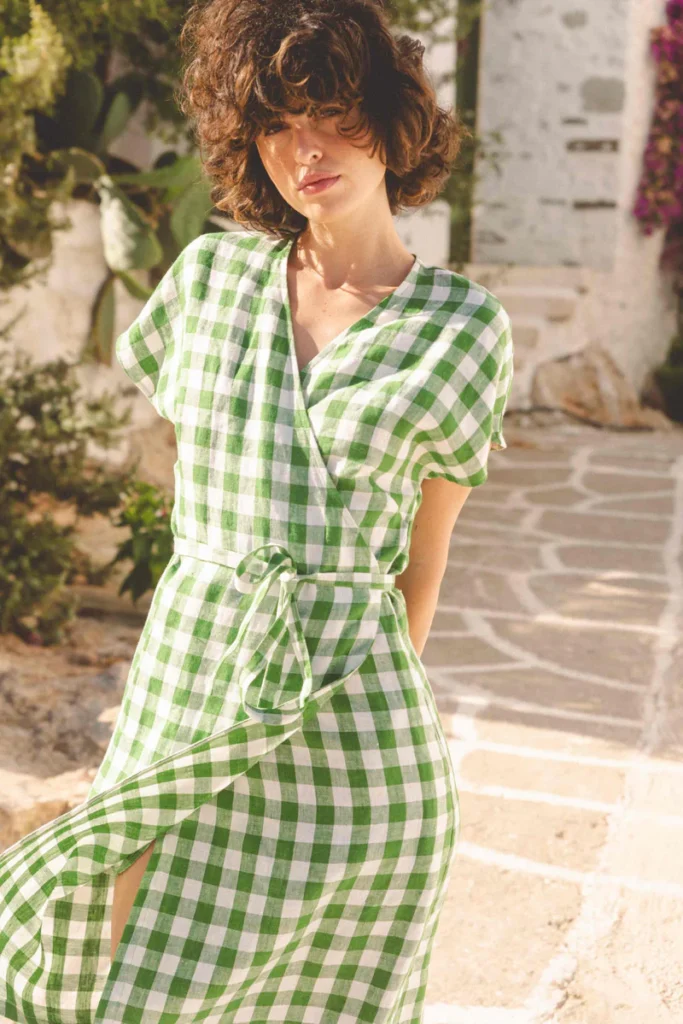
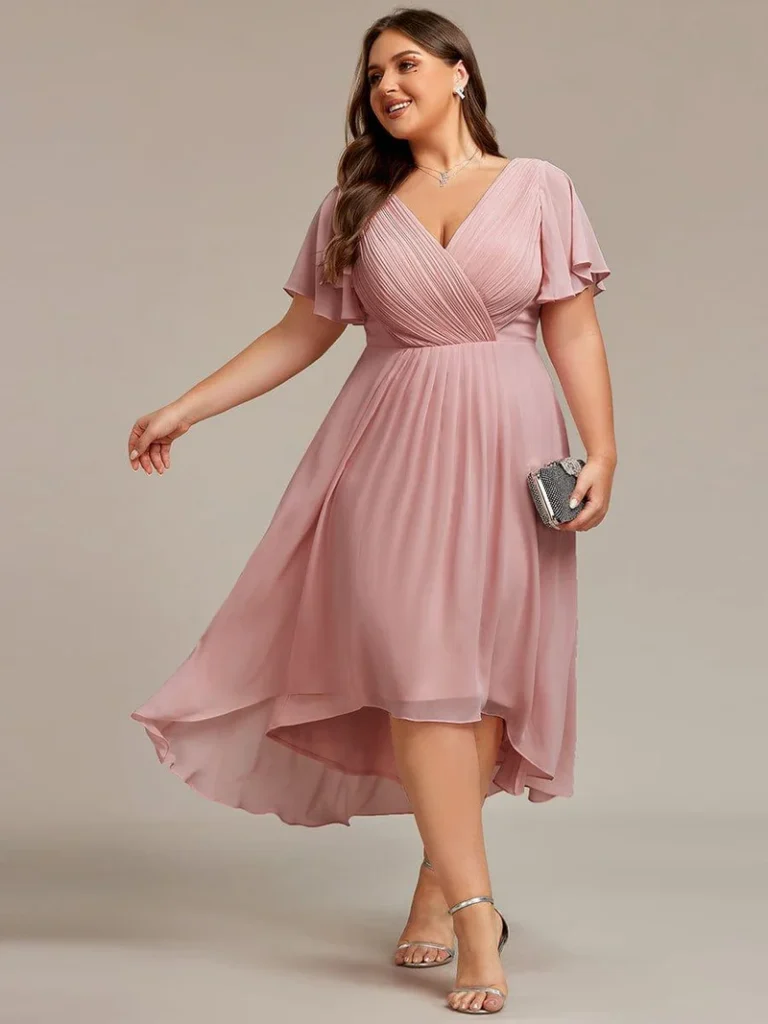
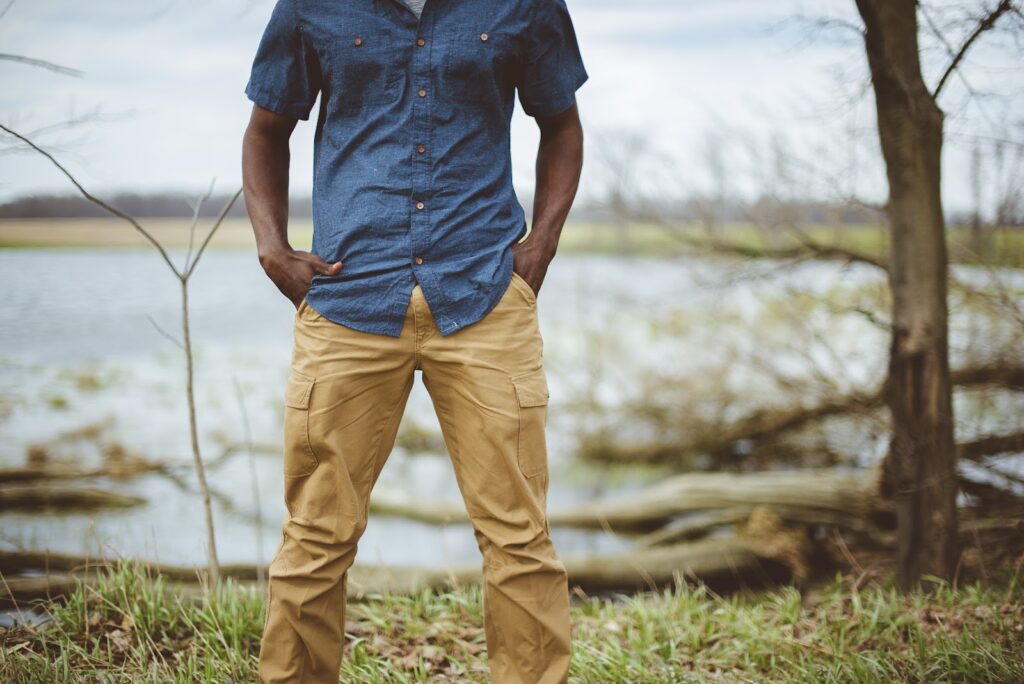
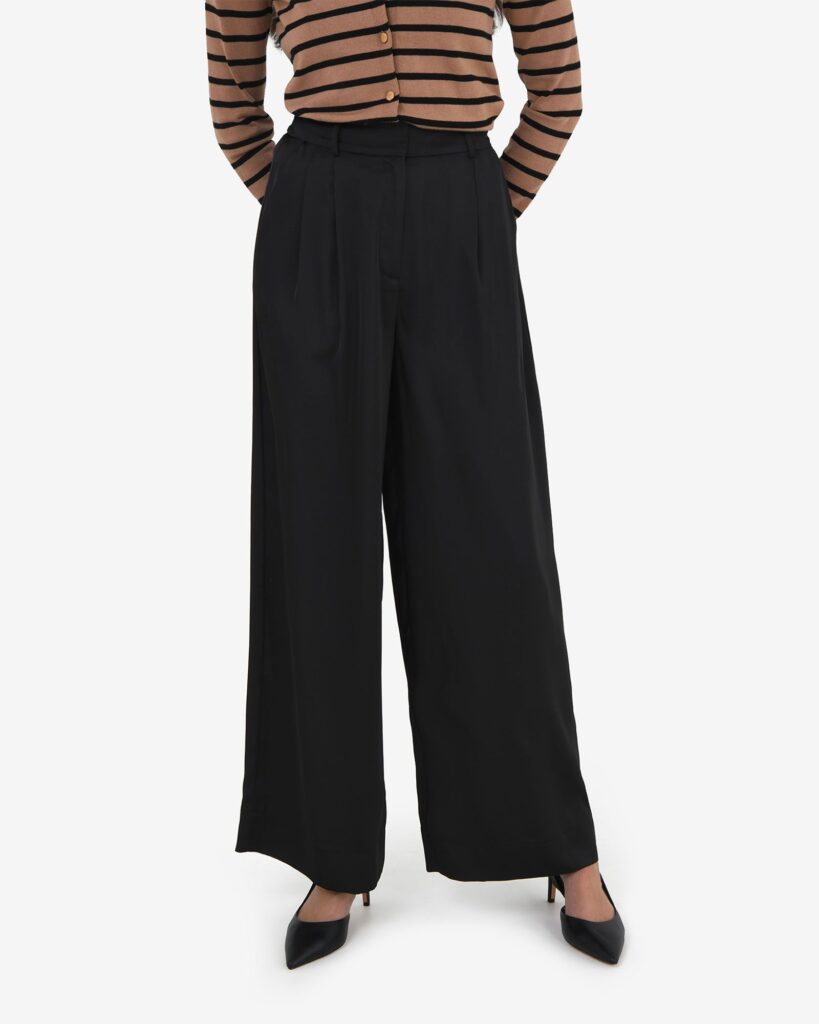
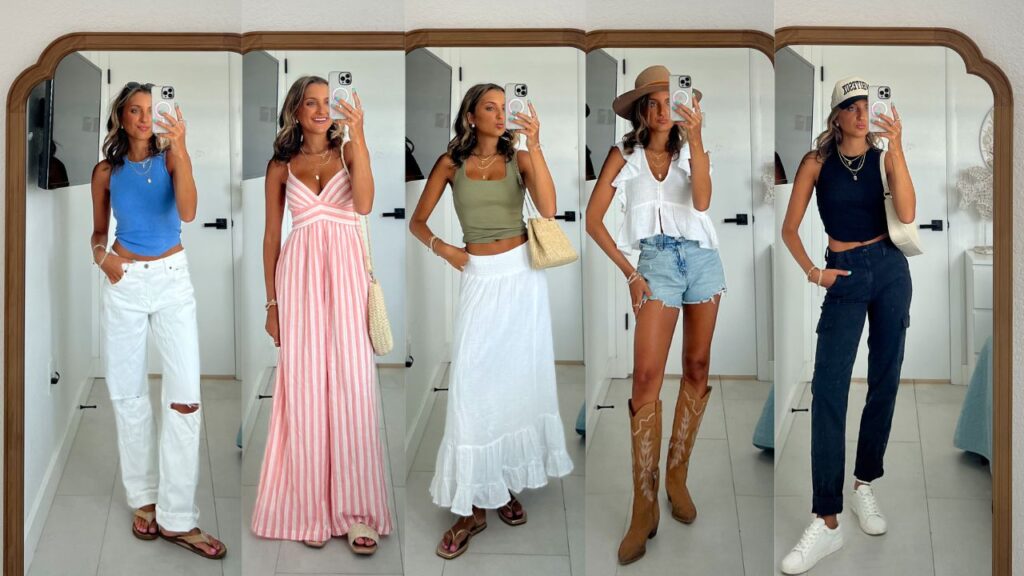
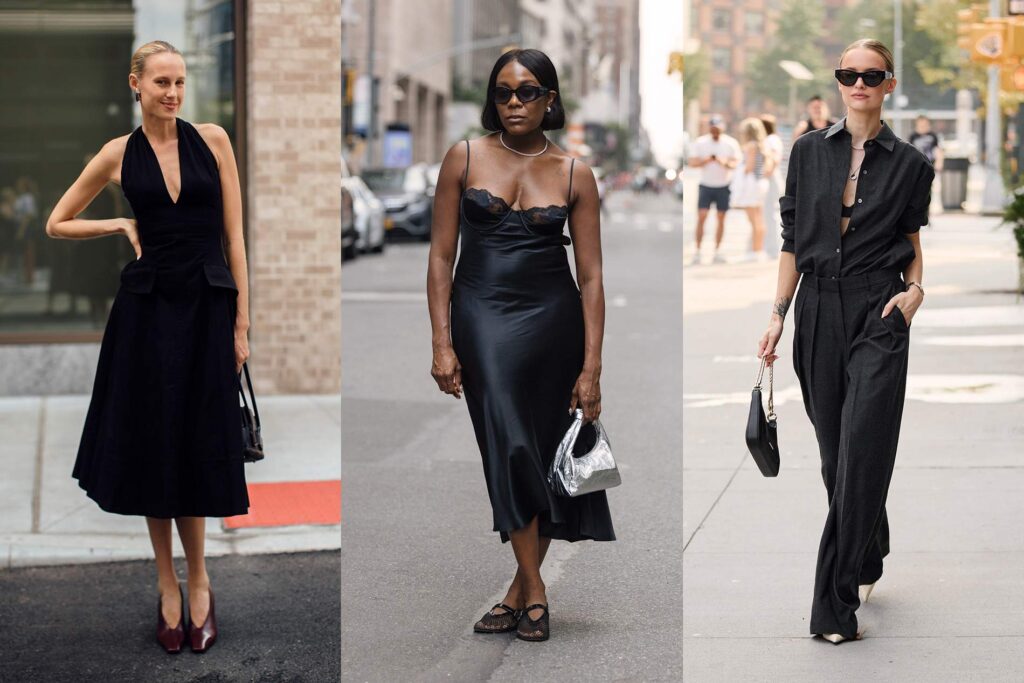
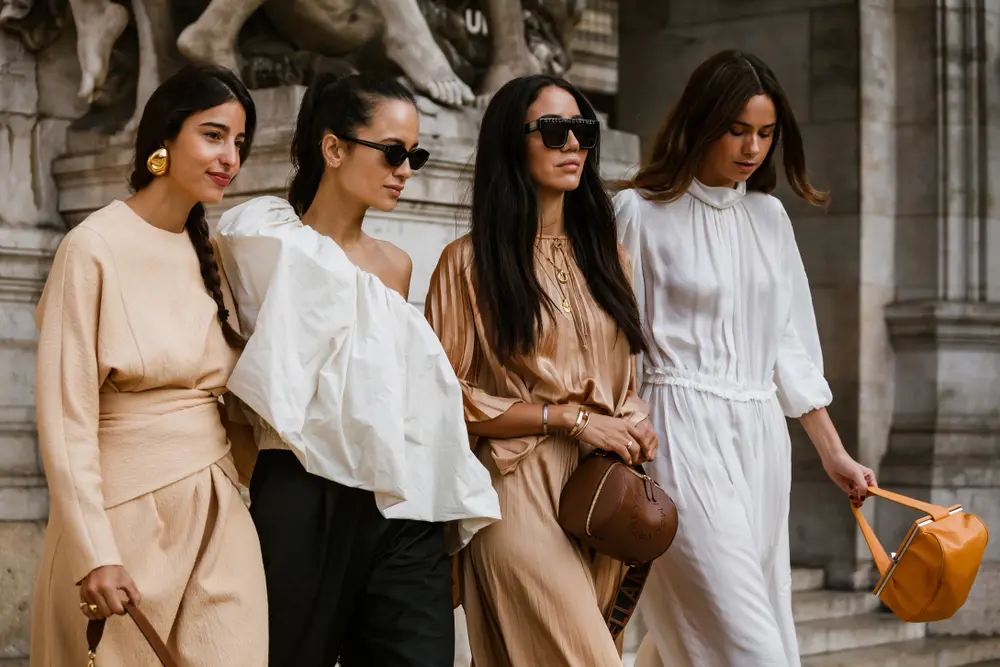
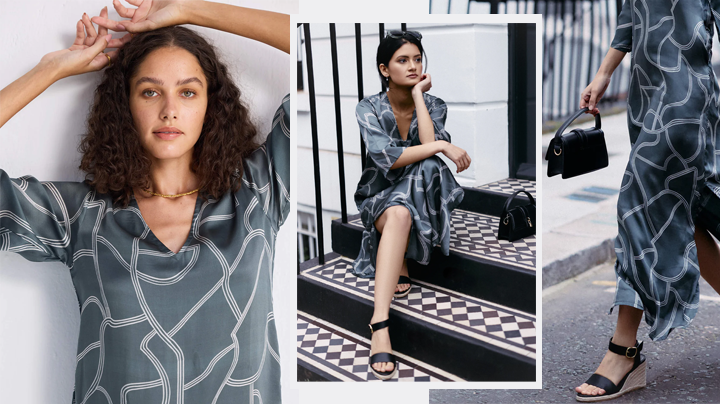
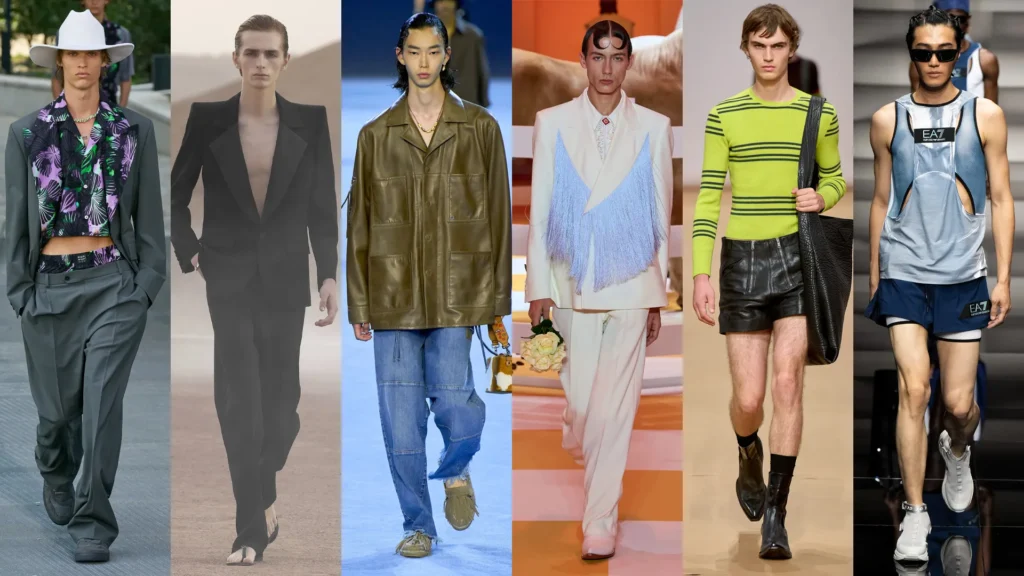
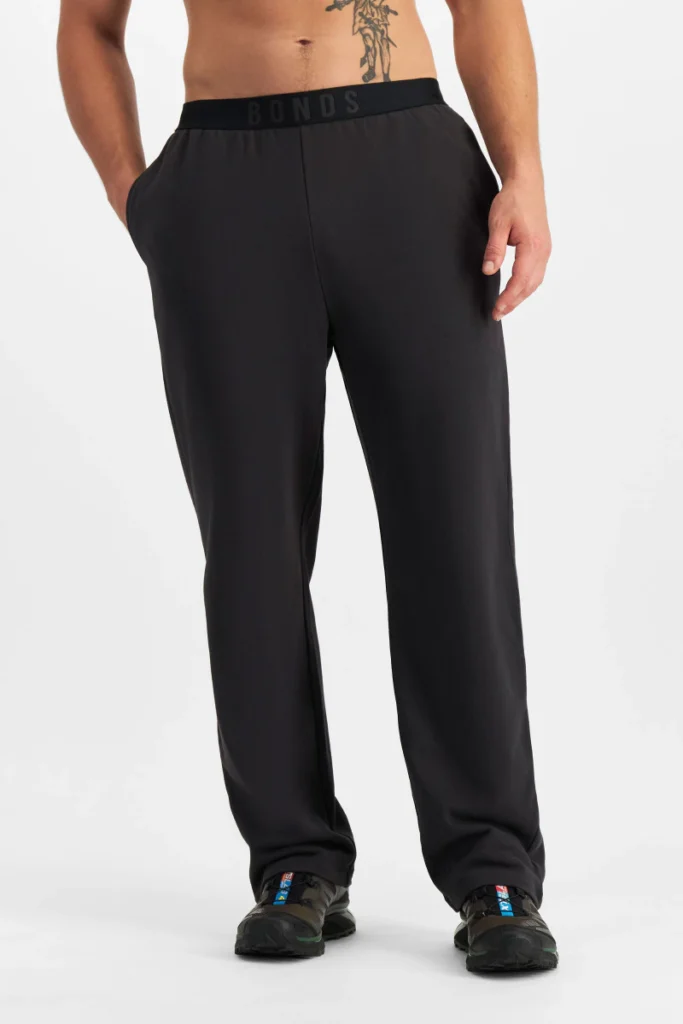
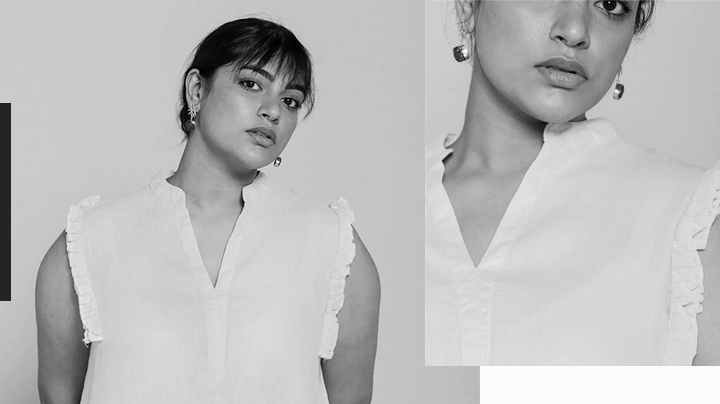
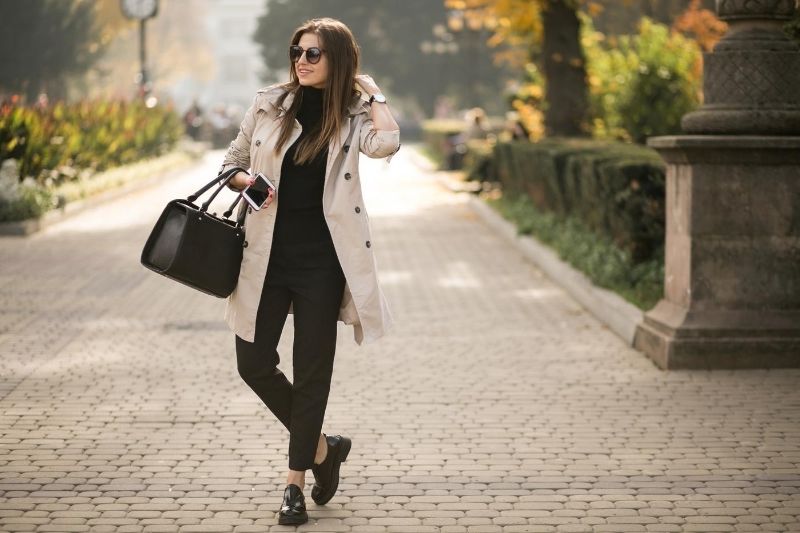
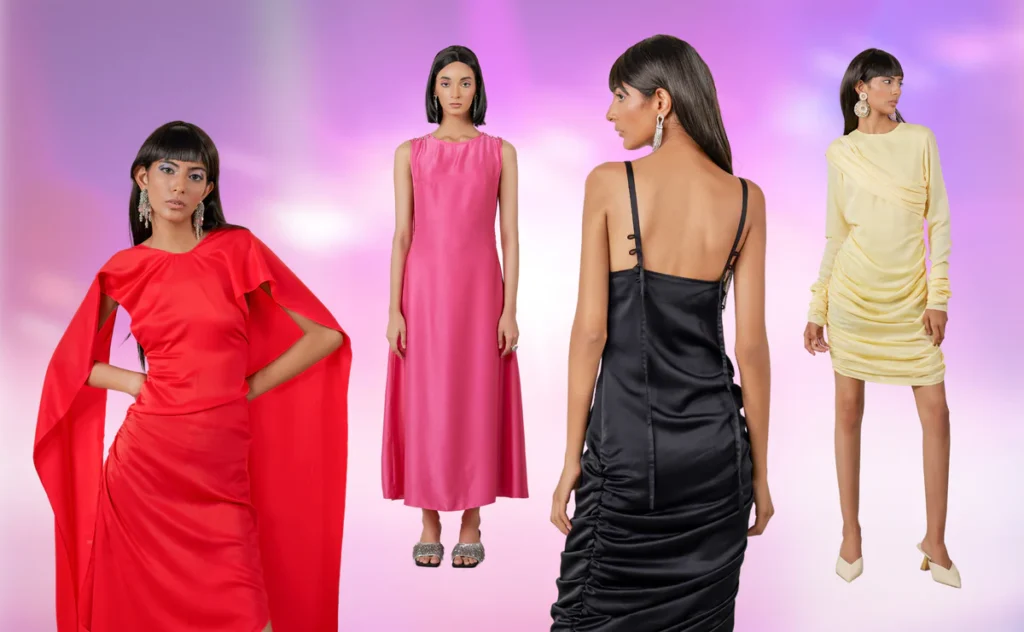
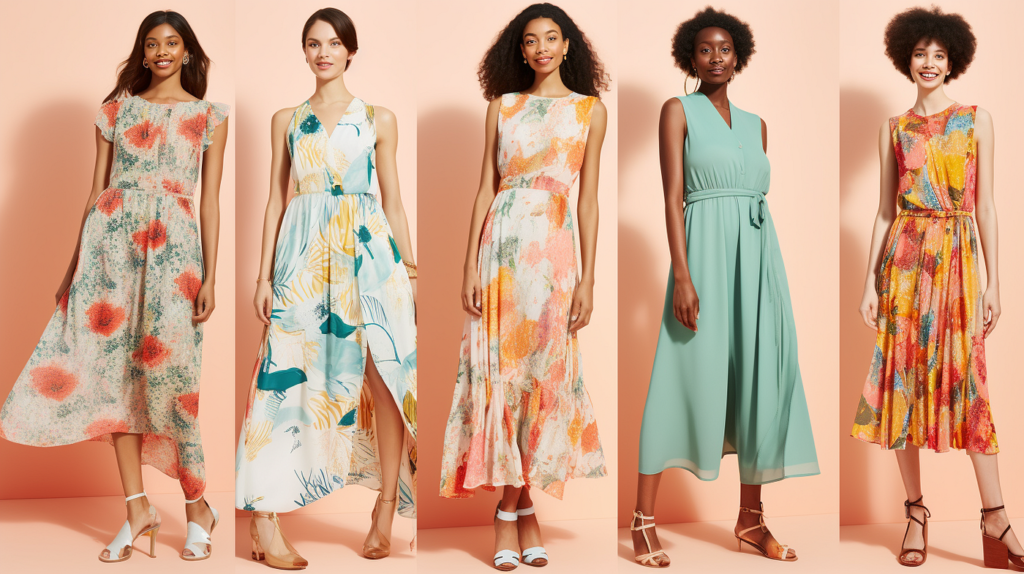
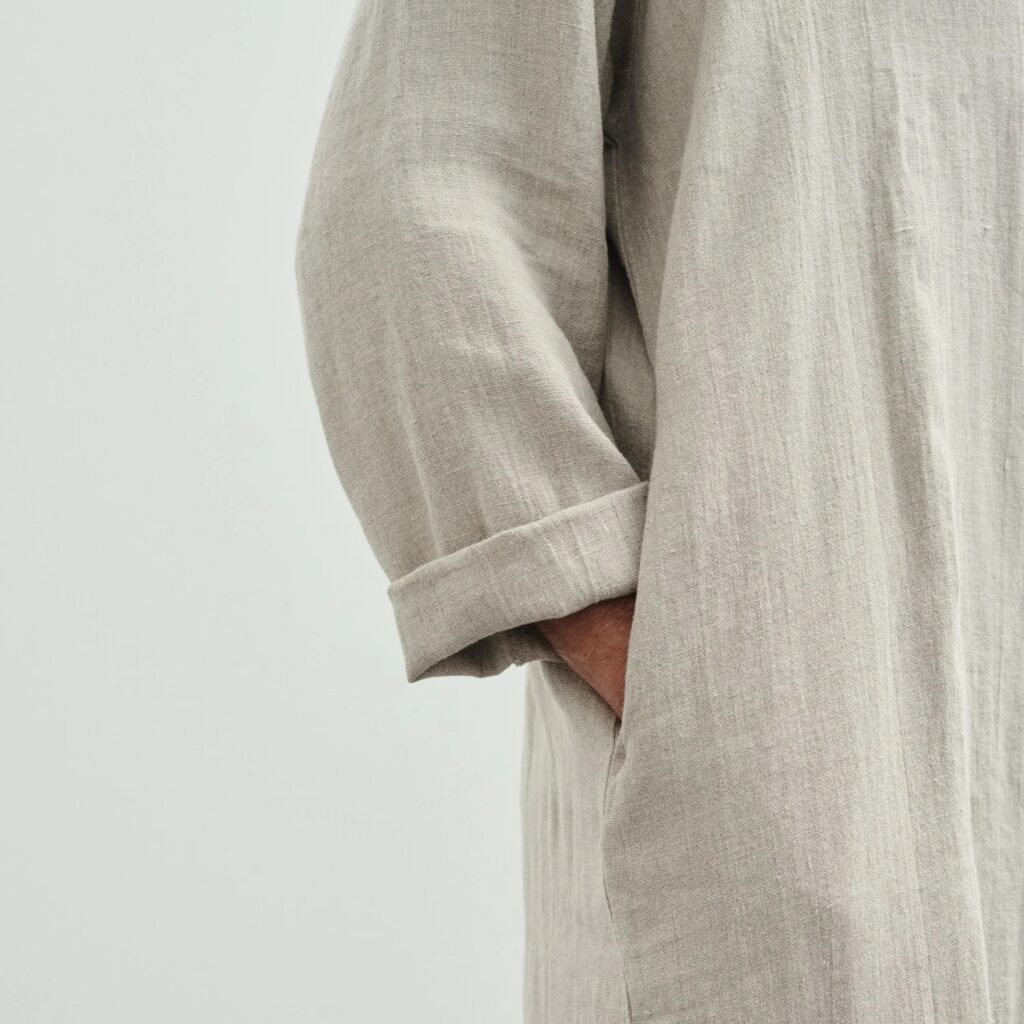
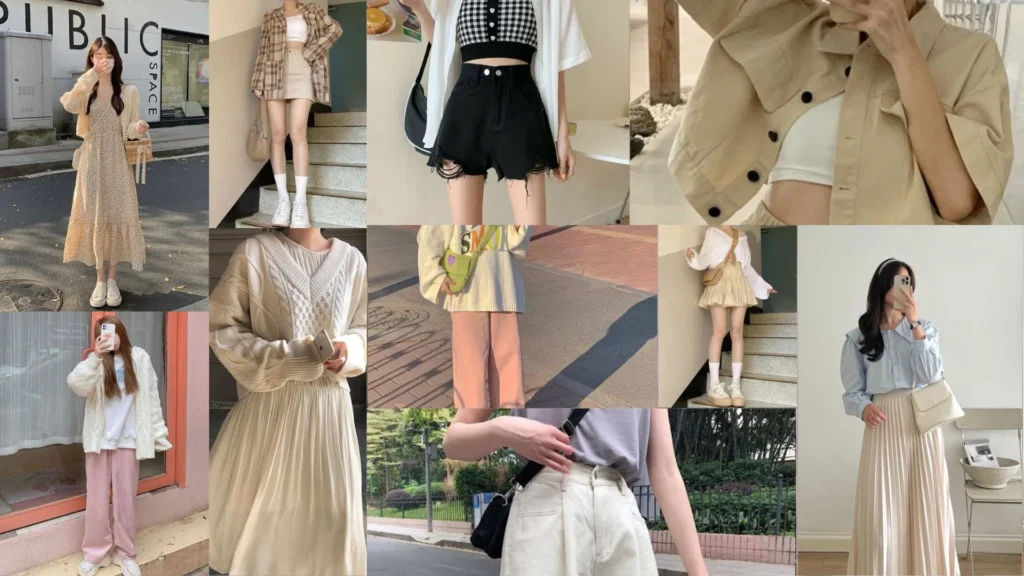
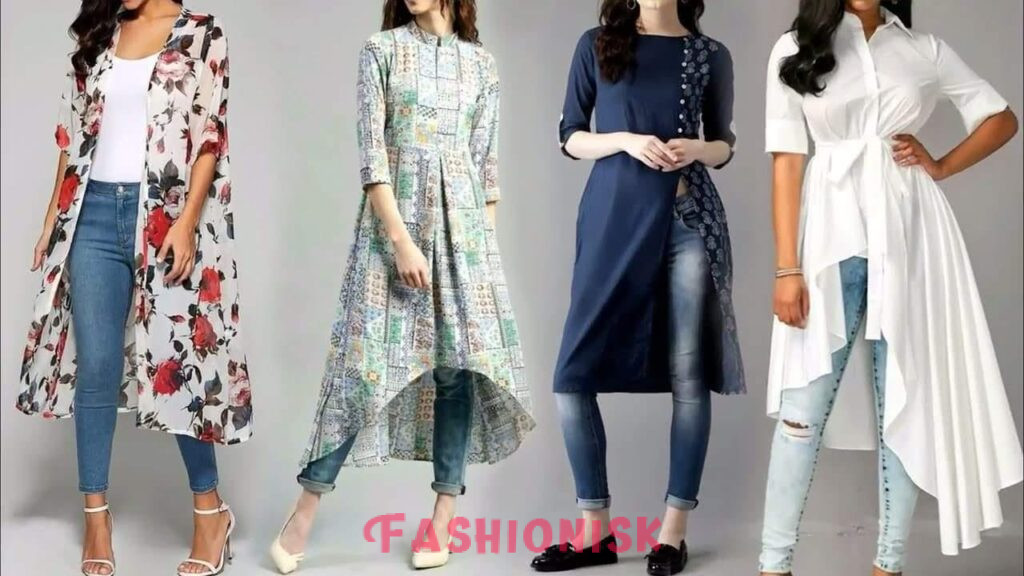
A relaxed linen shirt paired with straight-leg trousers can create a comfortable outfit without looking shapeless. Similarly, a flowing skirt with a simple fitted top offers freedom of movement while maintaining a balanced appearance.
The important thing is finding a fit that doesn’t cling uncomfortably or require constant adjustment.
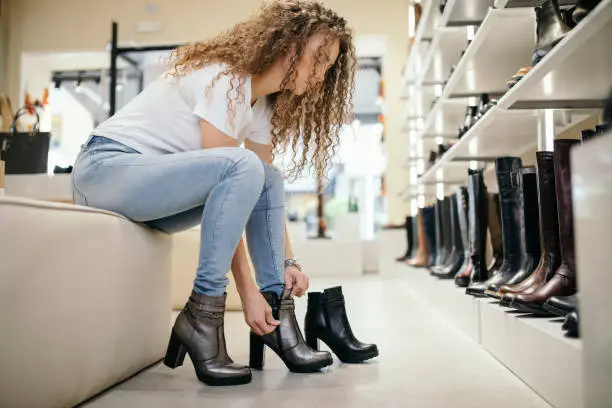
When trying on summer clothing, sit down, walk around and raise your arms. If something already feels restrictive in an air-conditioned shop, it probably won’t become more comfortable outside.
Think About Colour and Sun Exposure
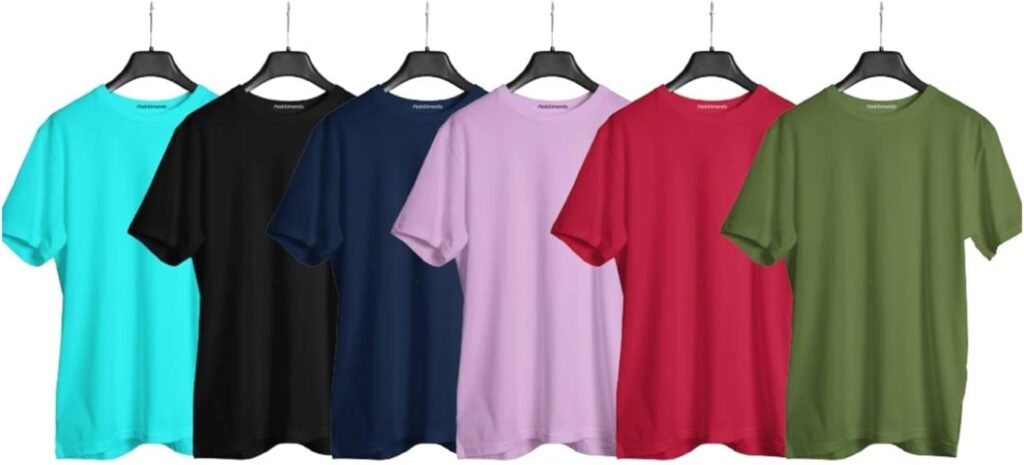
Colour can influence how much sunlight your clothing absorbs.
Darker fabrics generally absorb more solar radiation than lighter ones, although material thickness, weave and ventilation also affect how warm clothing feels.
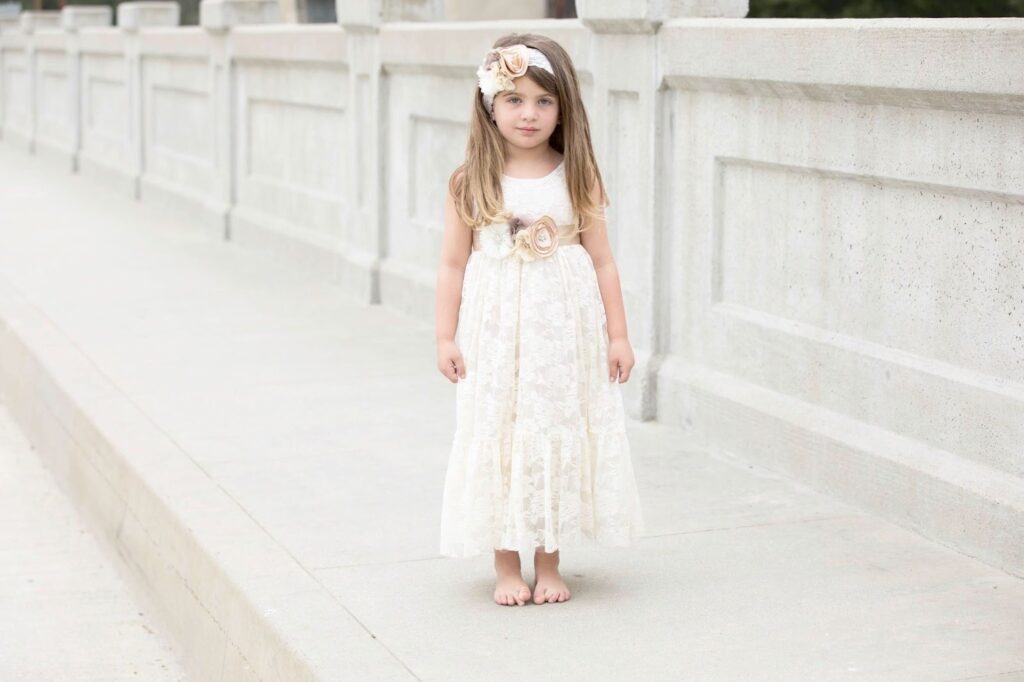
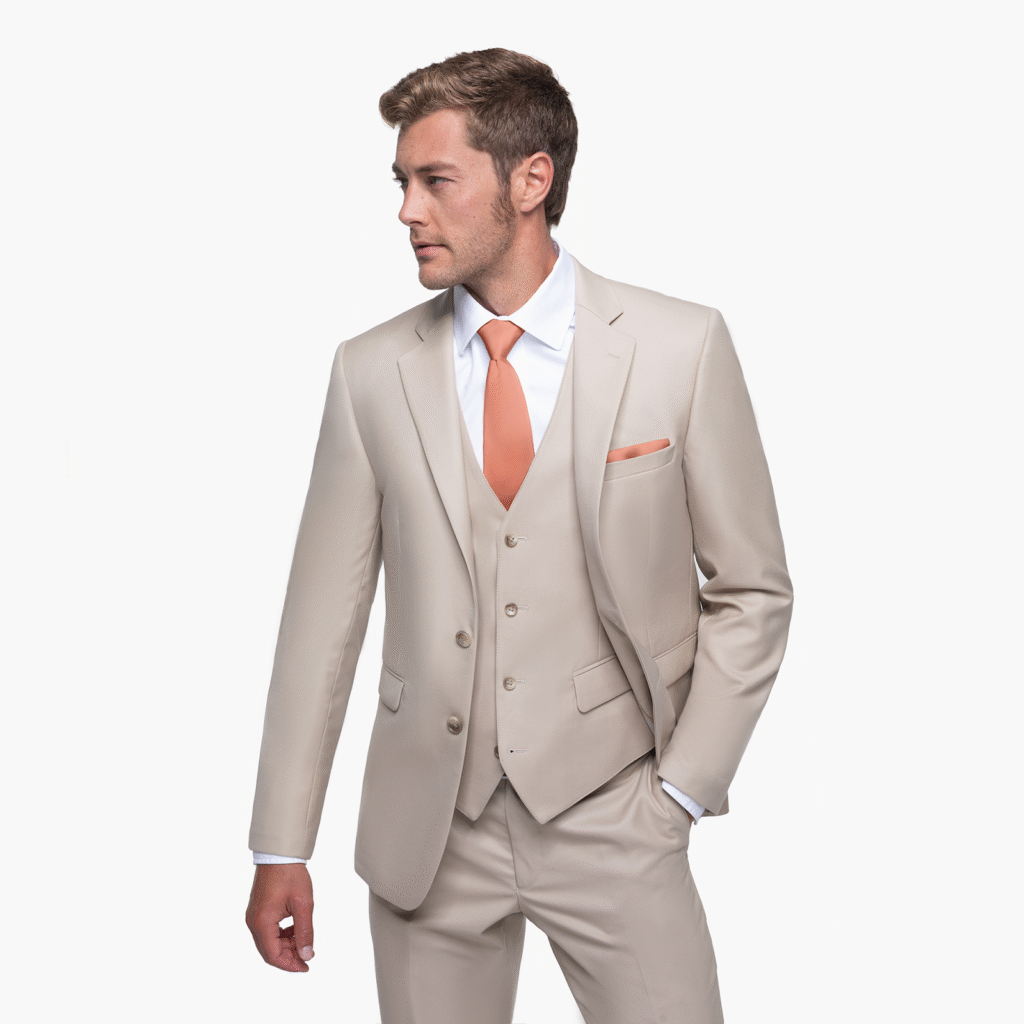
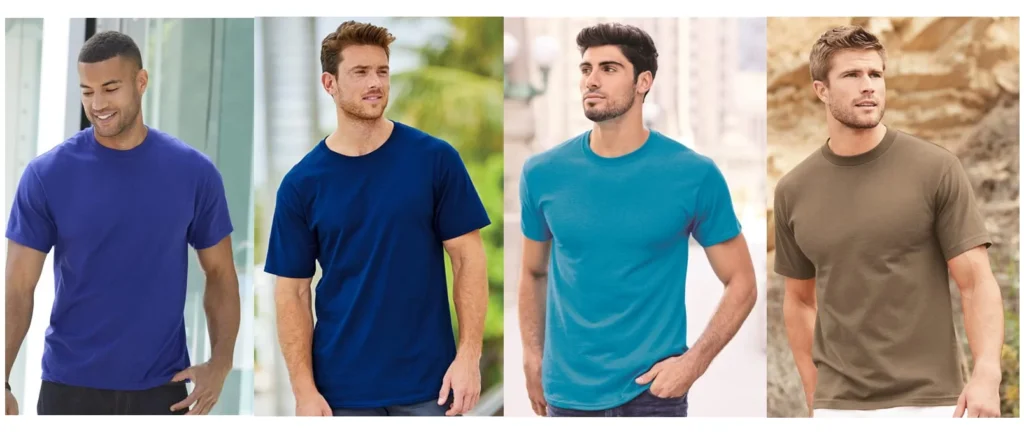
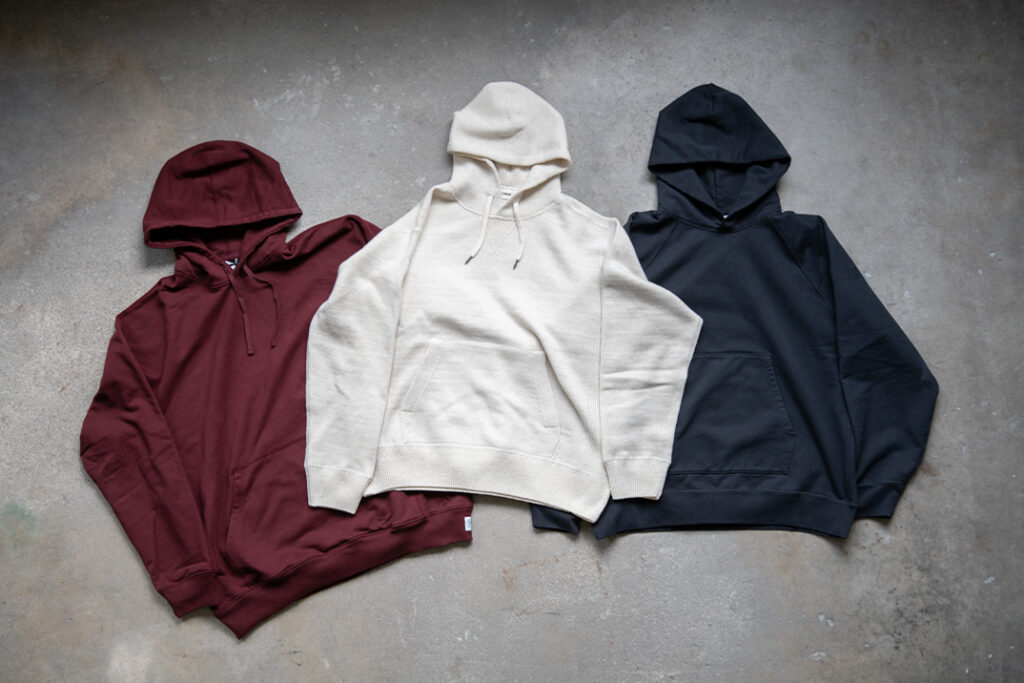
White, beige and other pale shades can be practical choices for sunny days, particularly when you’re spending time outdoors.
However, comfort isn’t the only consideration.
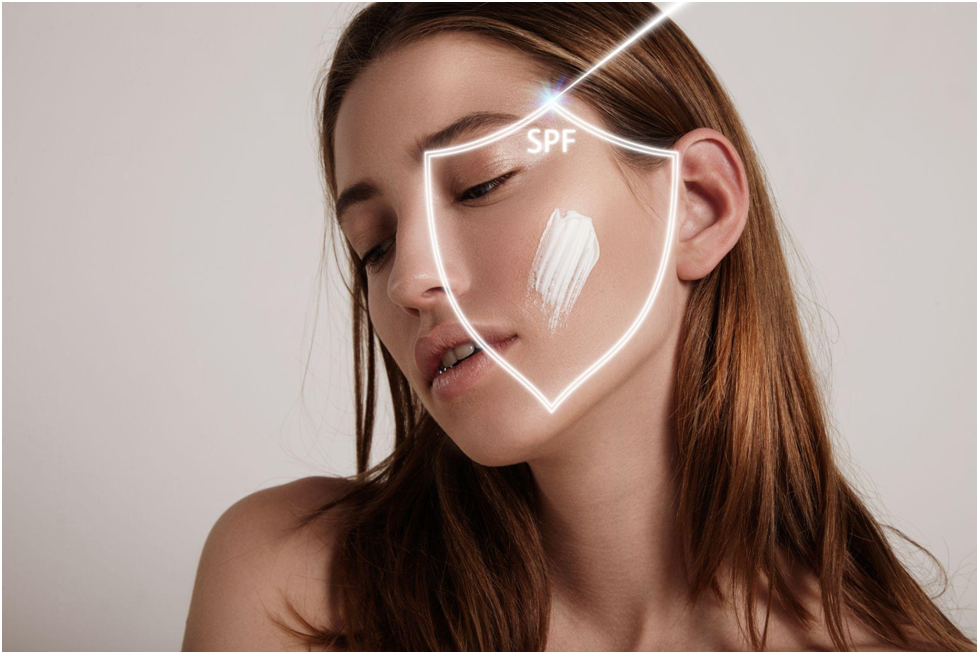
If you’ll be exposed to strong sunlight for extended periods, clothing coverage and ultraviolet protection matter too. A lightweight, tightly woven long-sleeved shirt may provide better sun protection than a thin, loosely woven top.
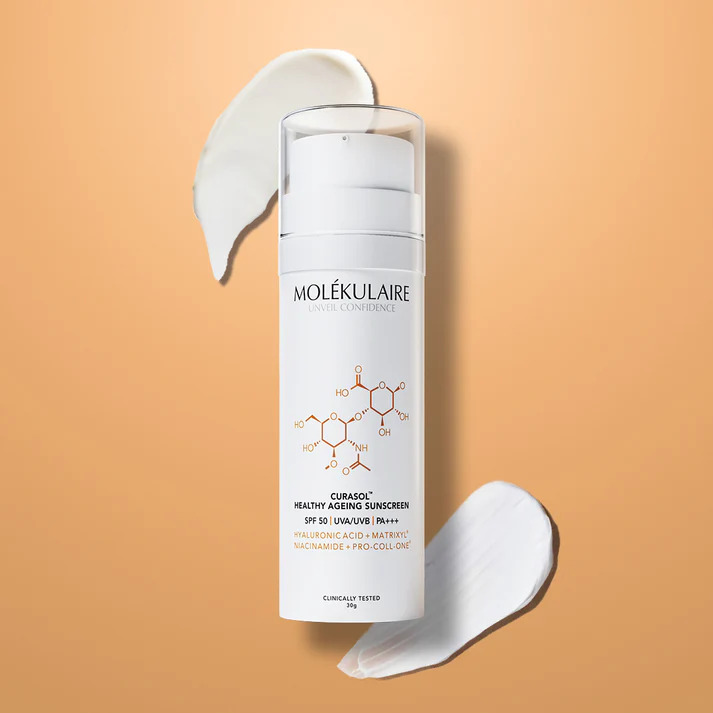
Look for garments with a stated ultraviolet protection factor (UPF) when sun protection is a priority.
Choose Footwear That Matches Your Day
Uncomfortable shoes can ruin an otherwise enjoyable summer outing.
Before choosing footwear, consider how much walking you’ll be doing and where you’re going.
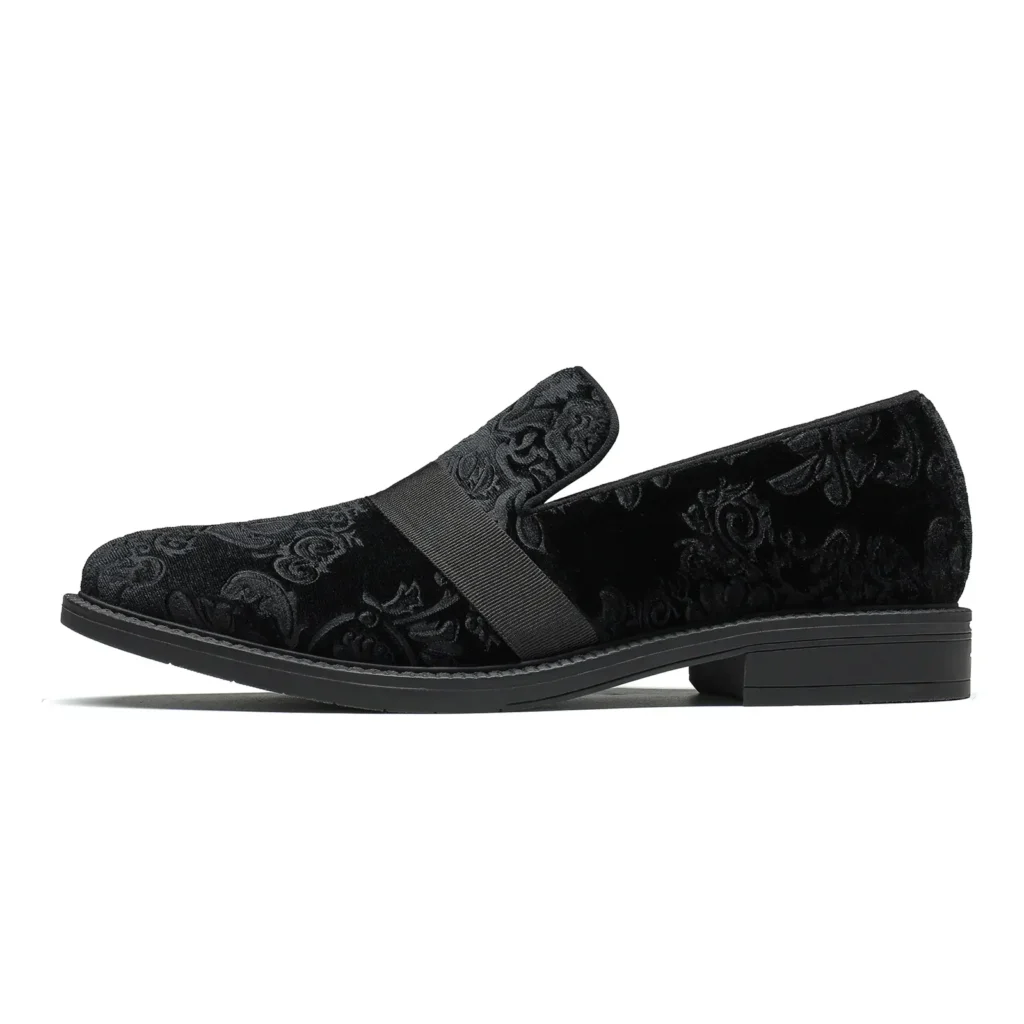
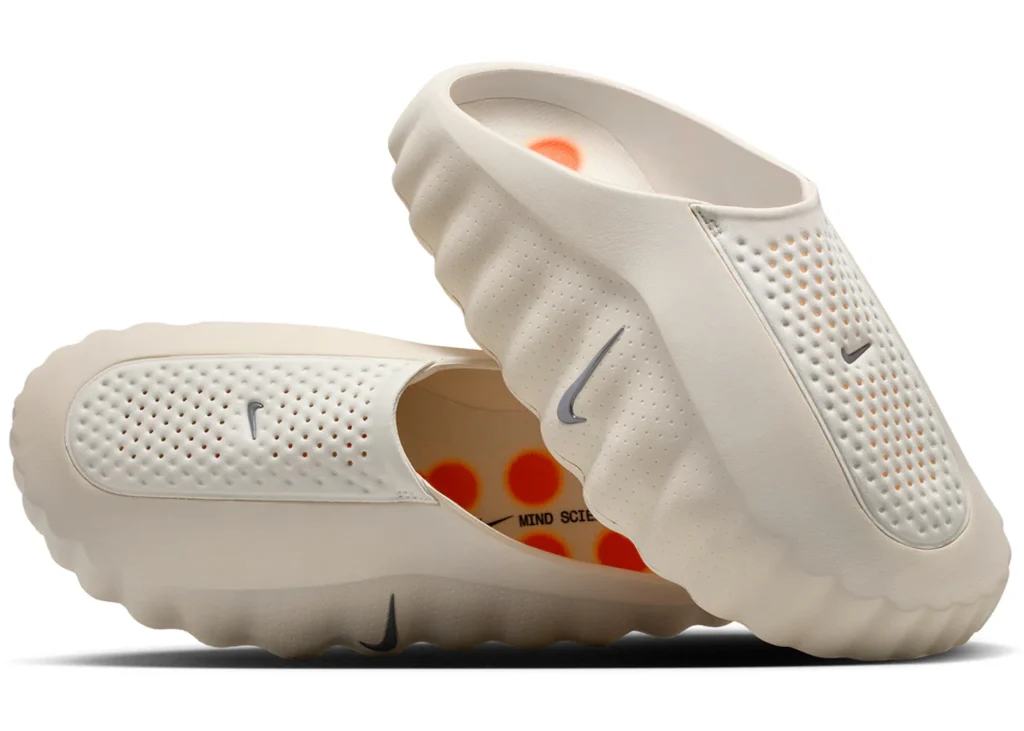
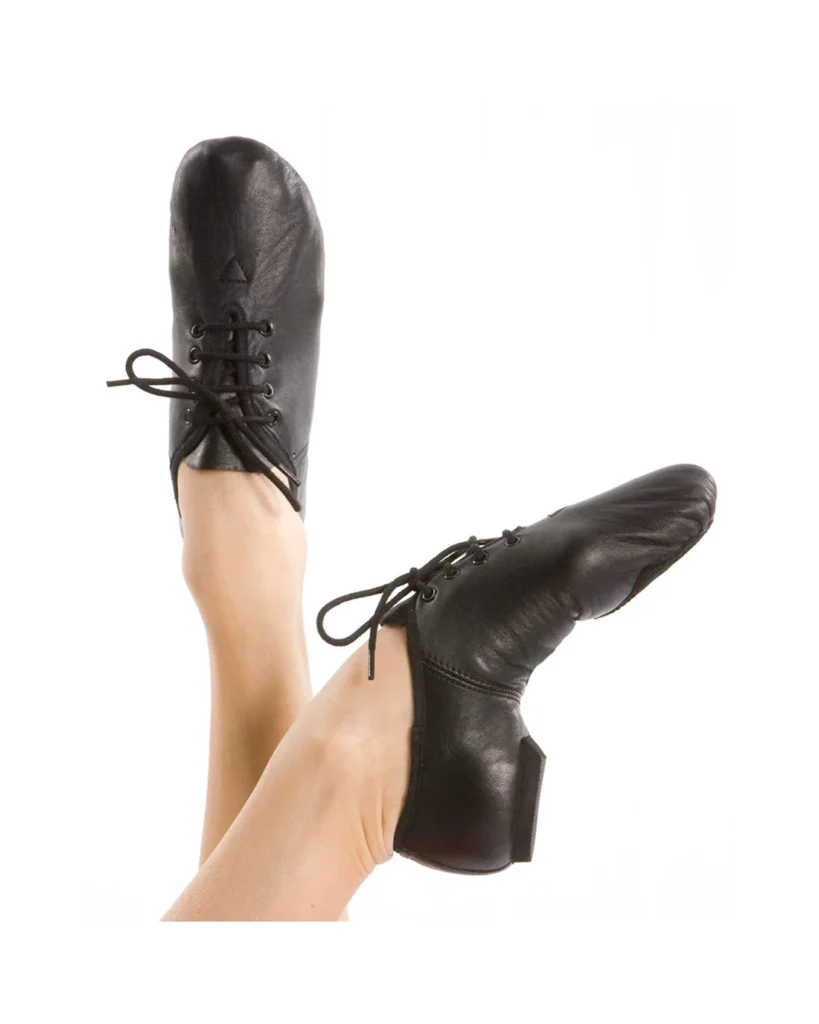
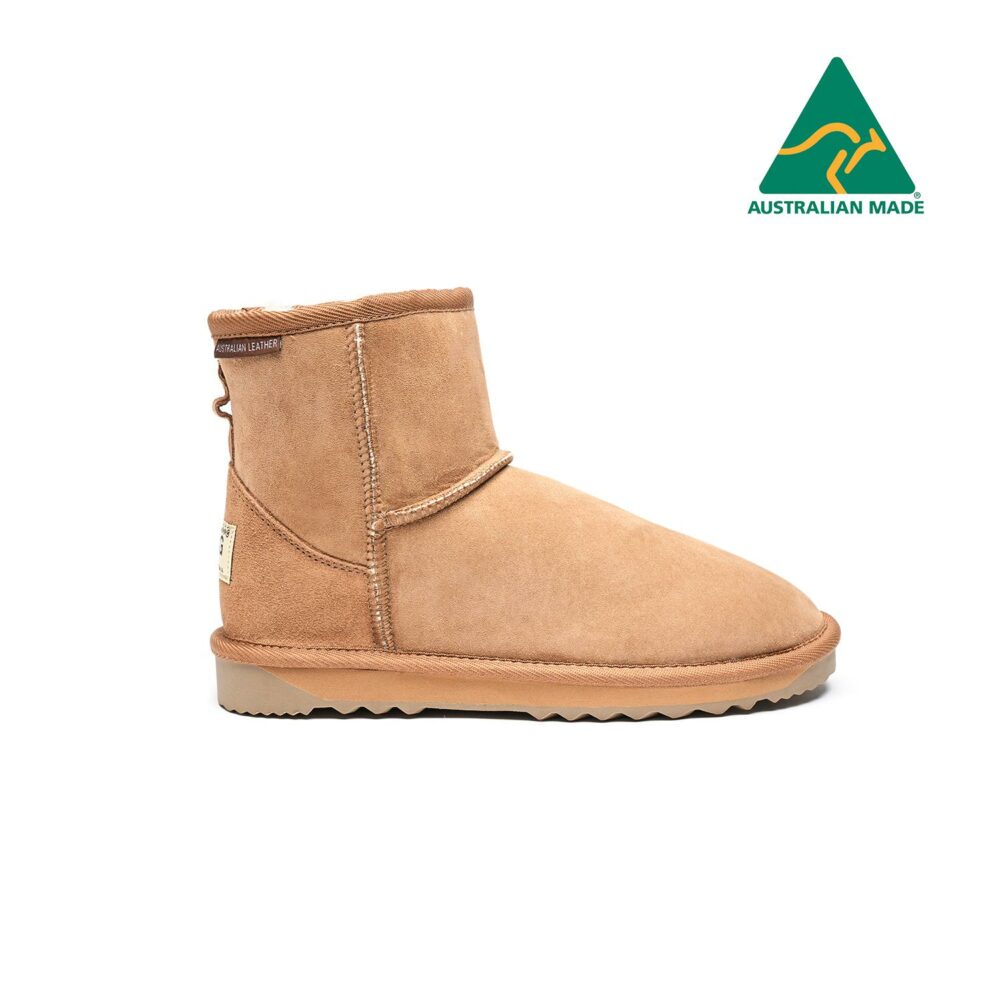
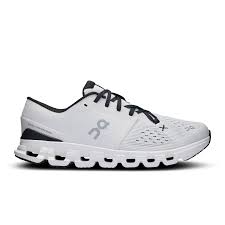
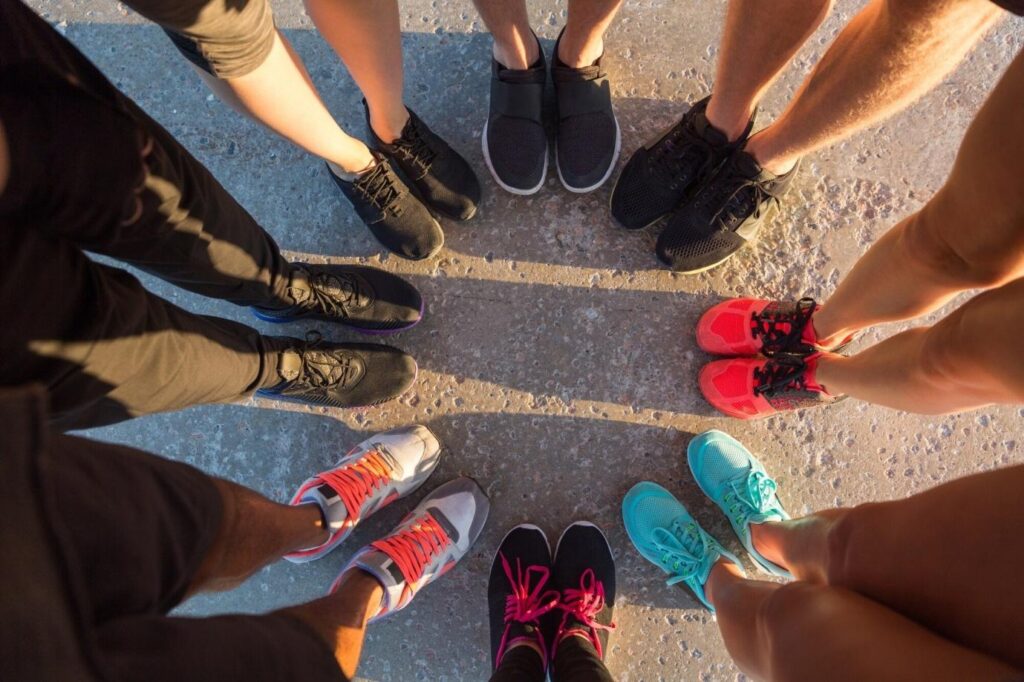
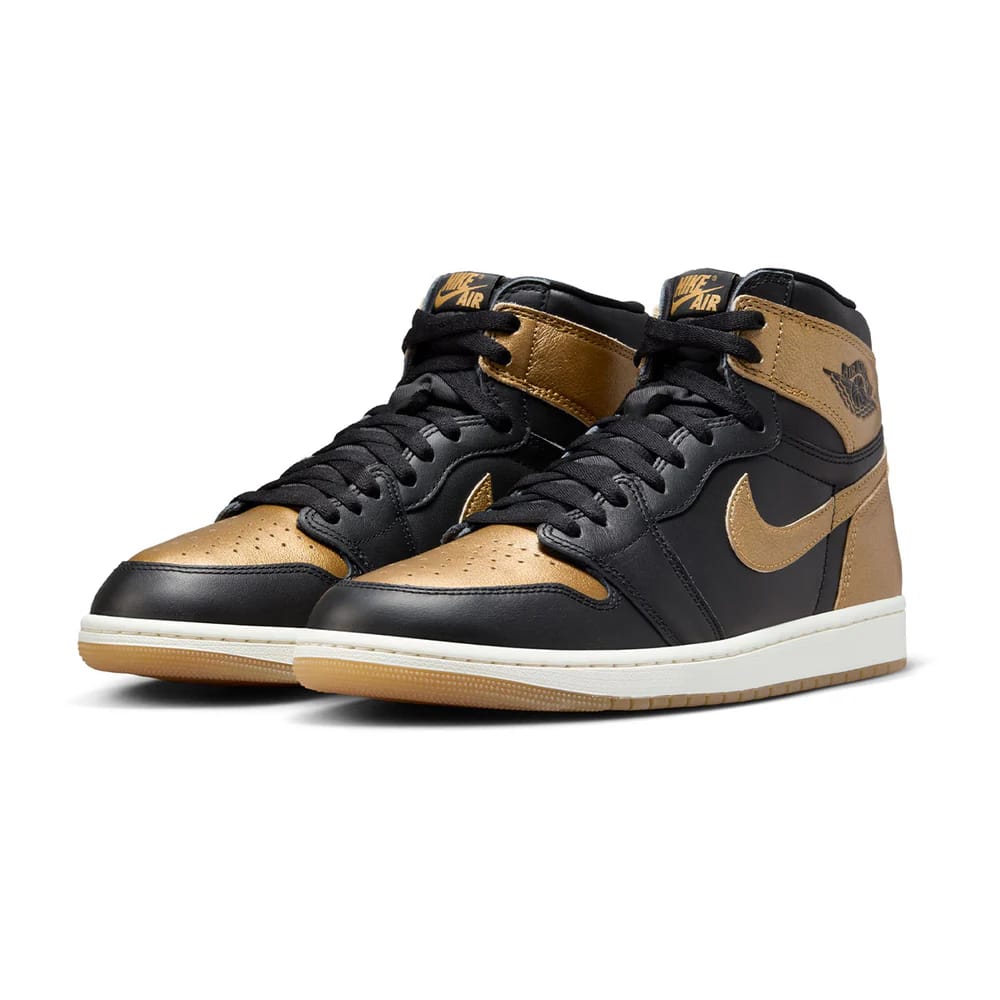
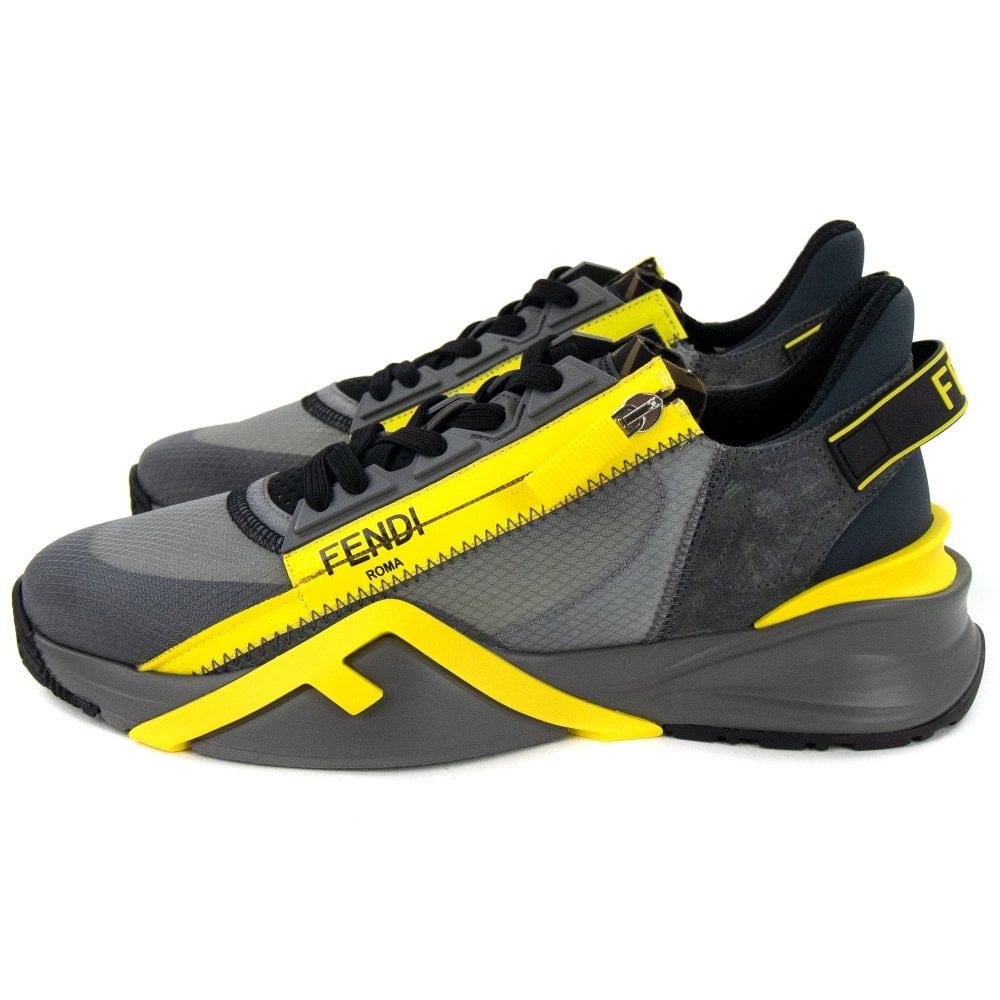
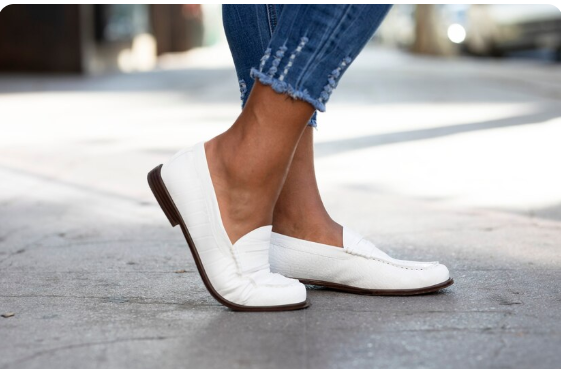
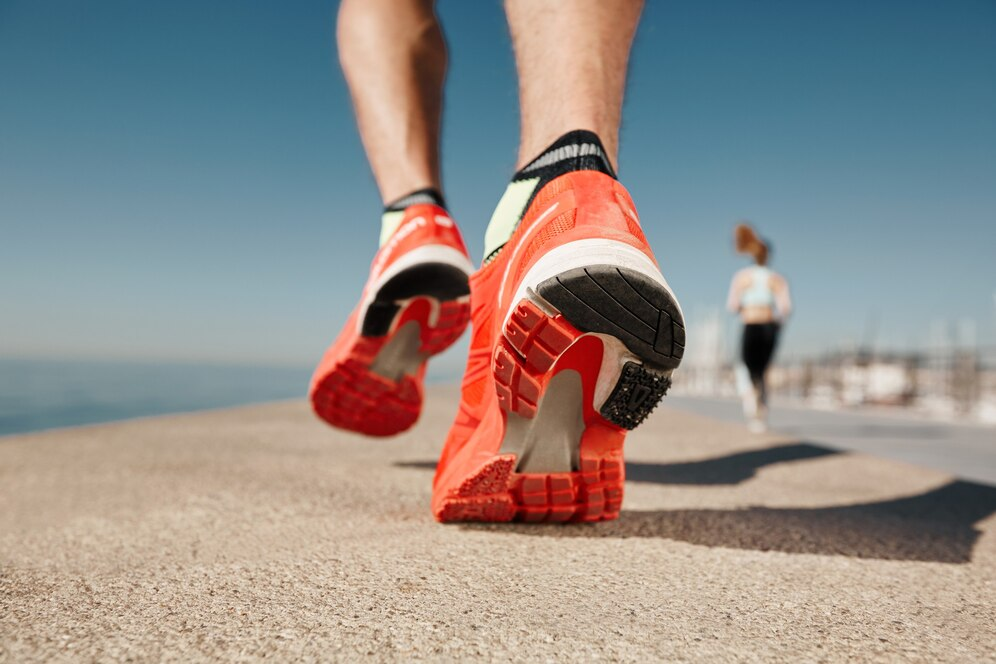
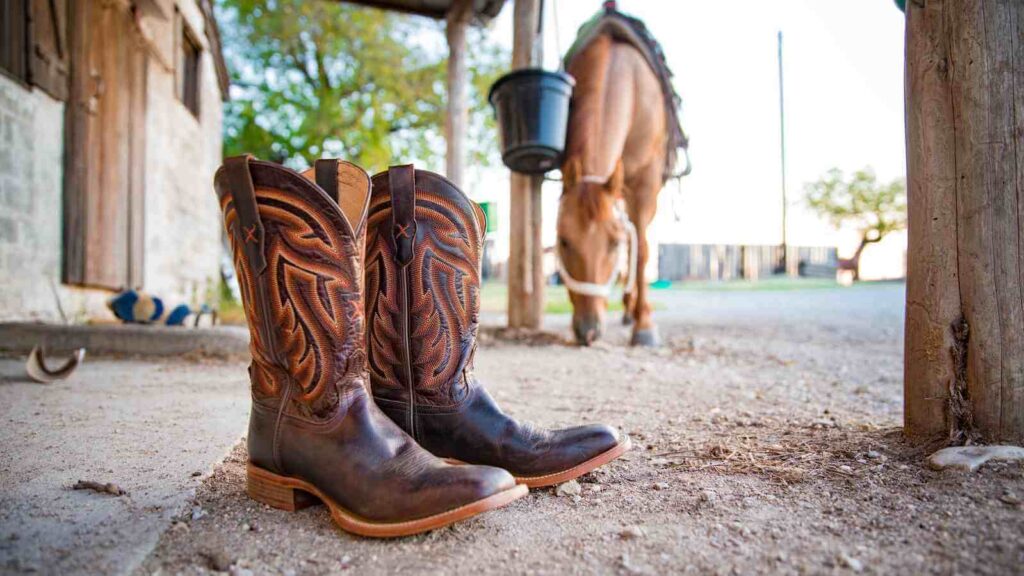
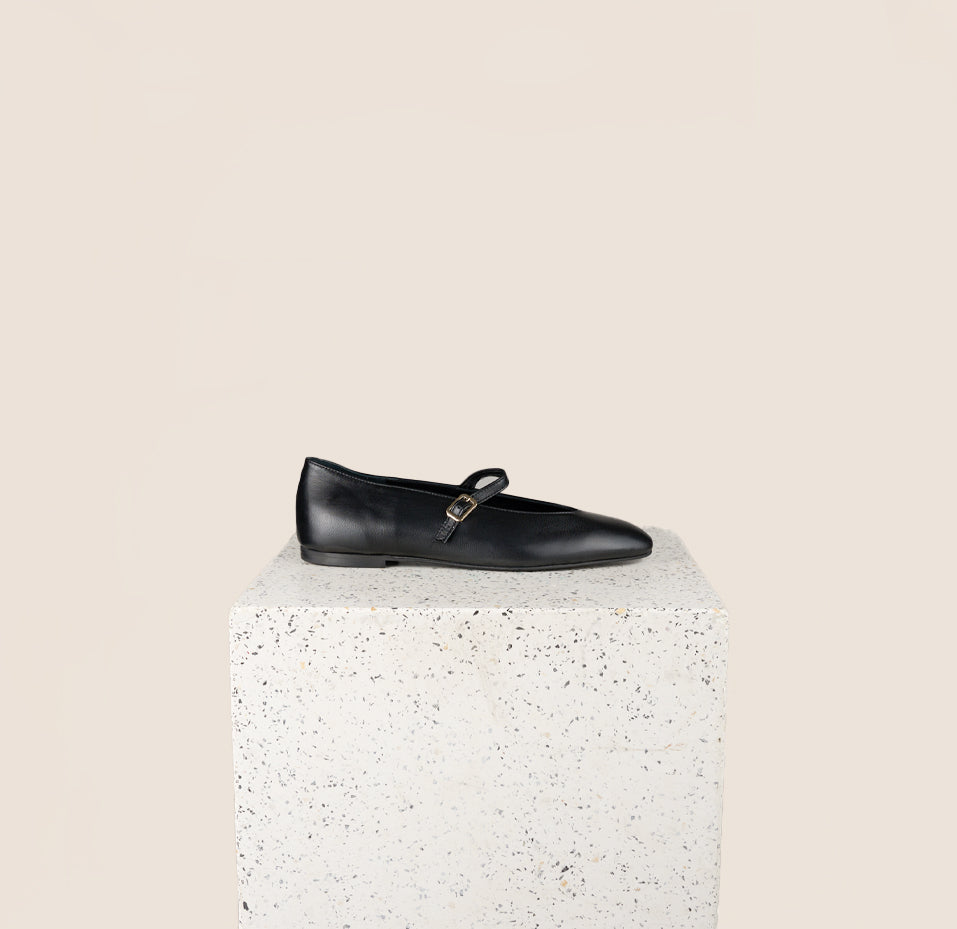
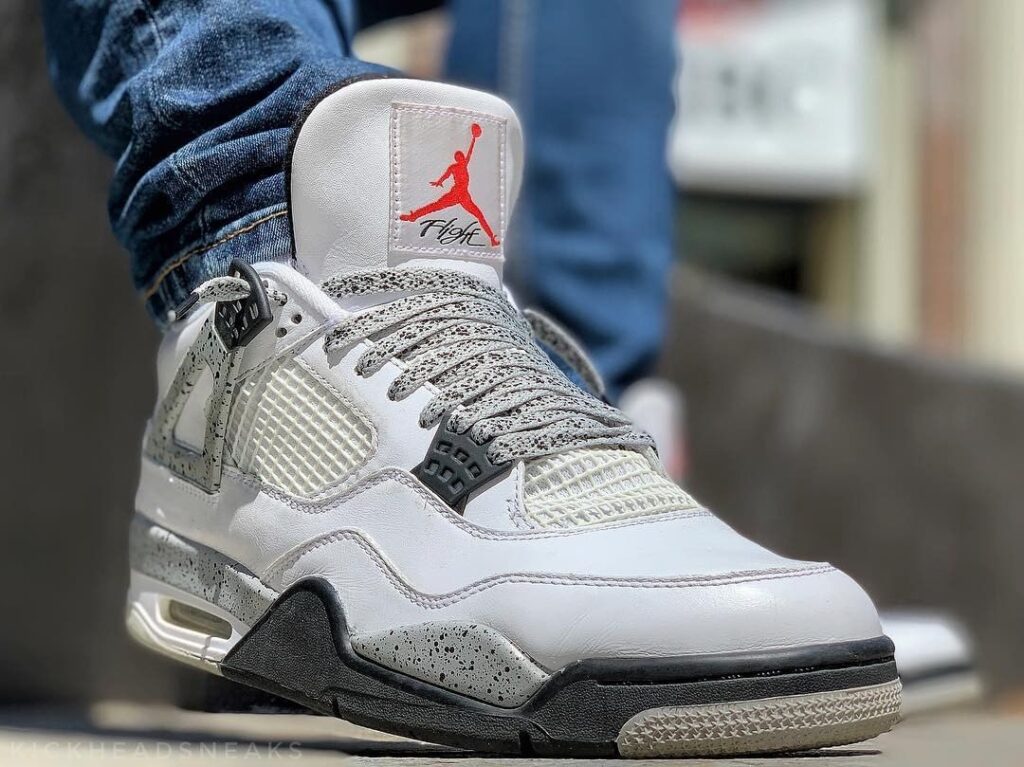
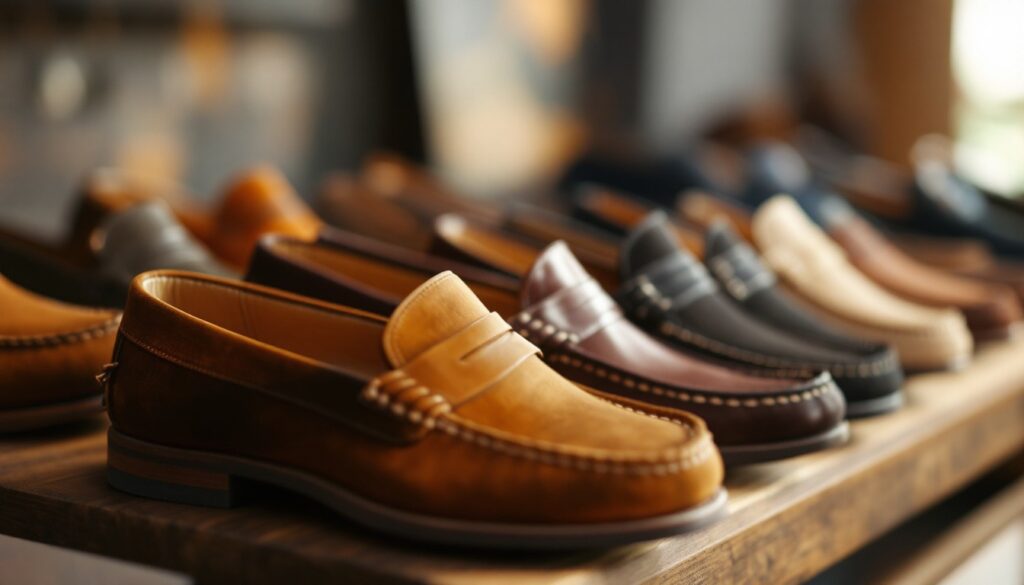
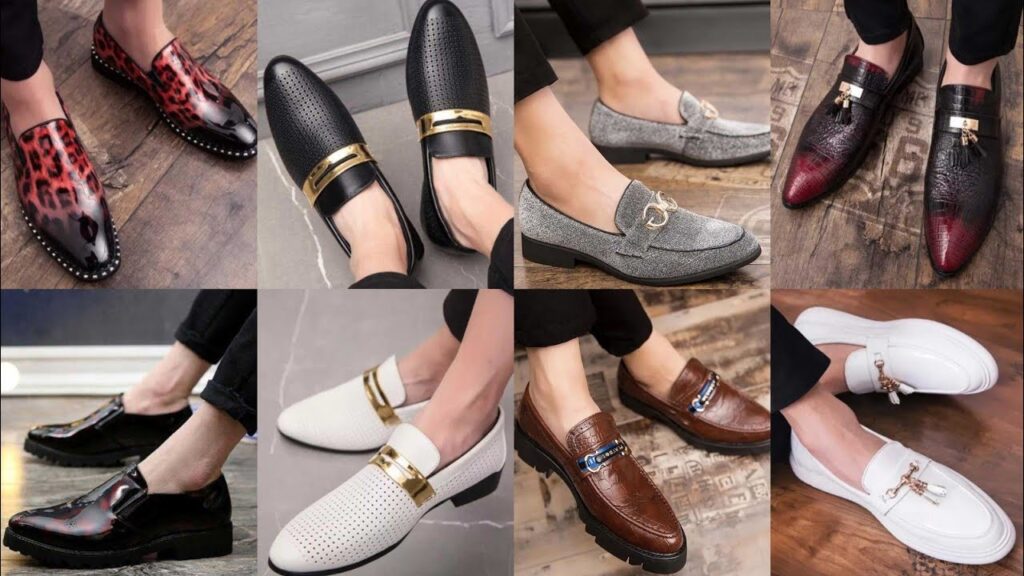
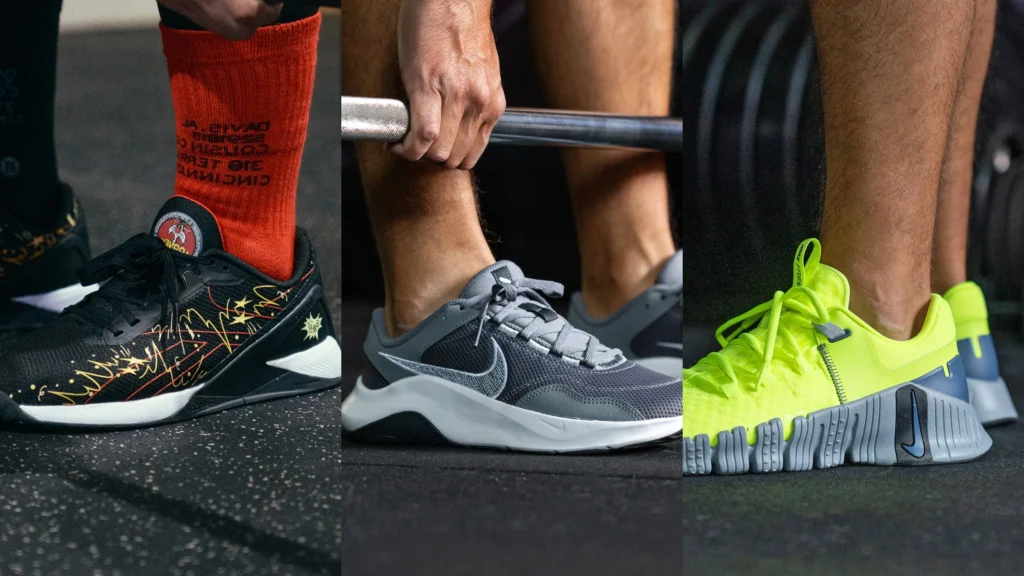
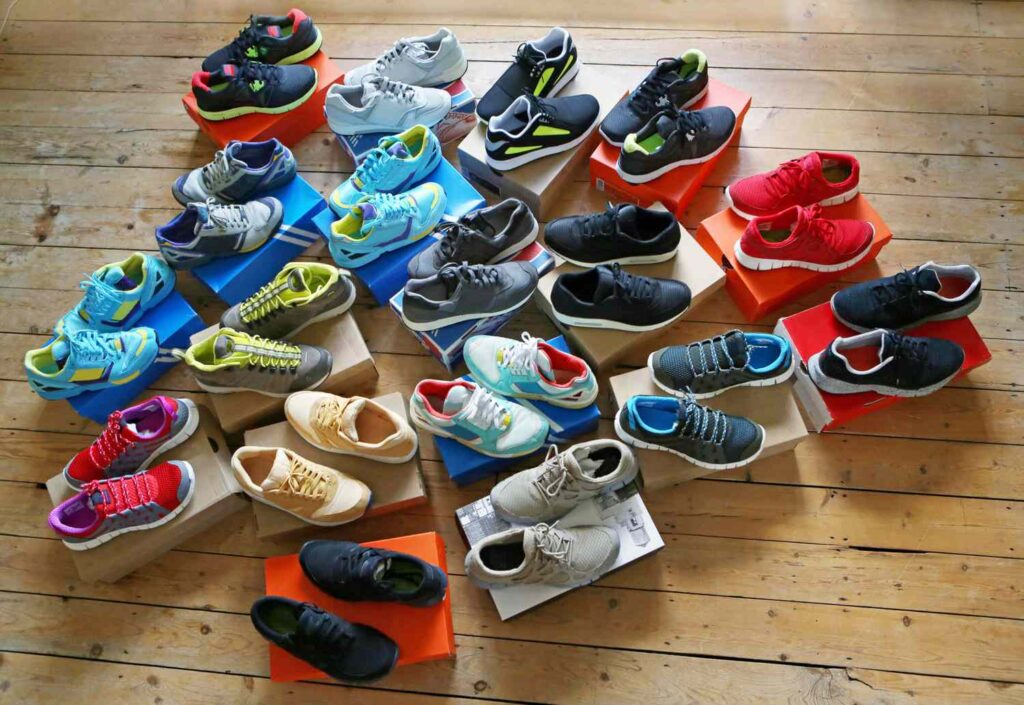
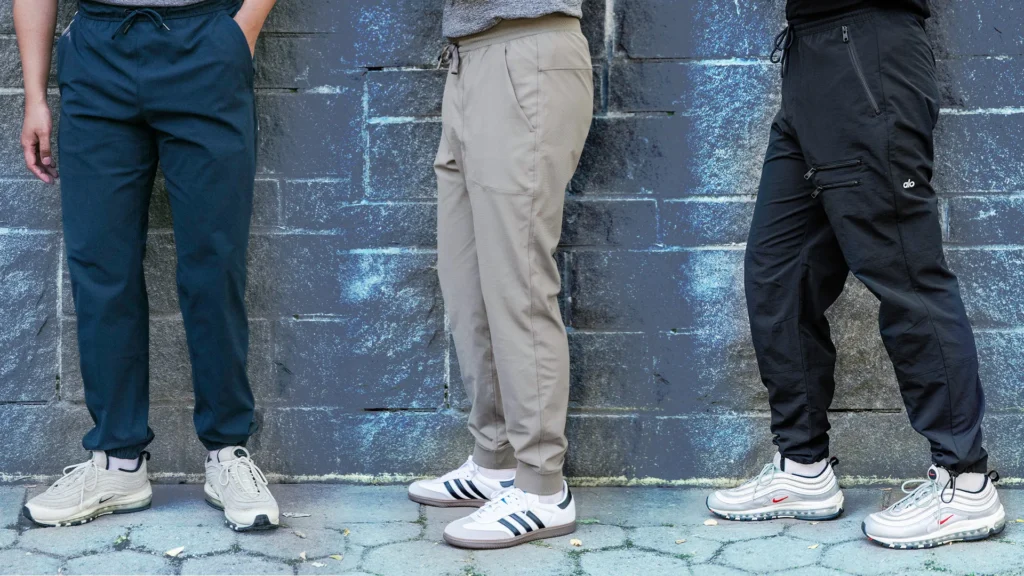
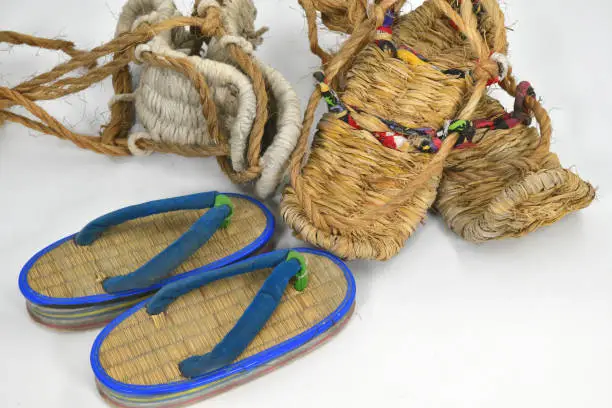
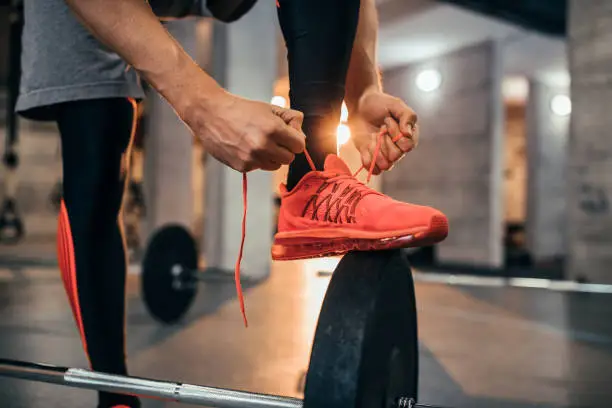
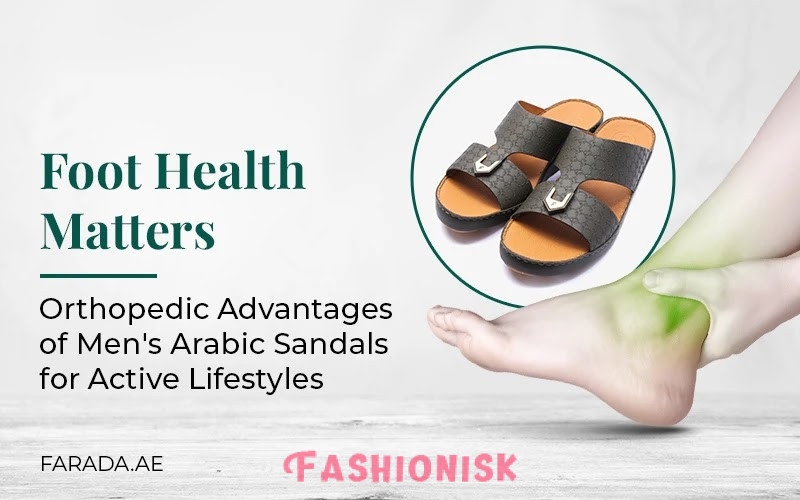
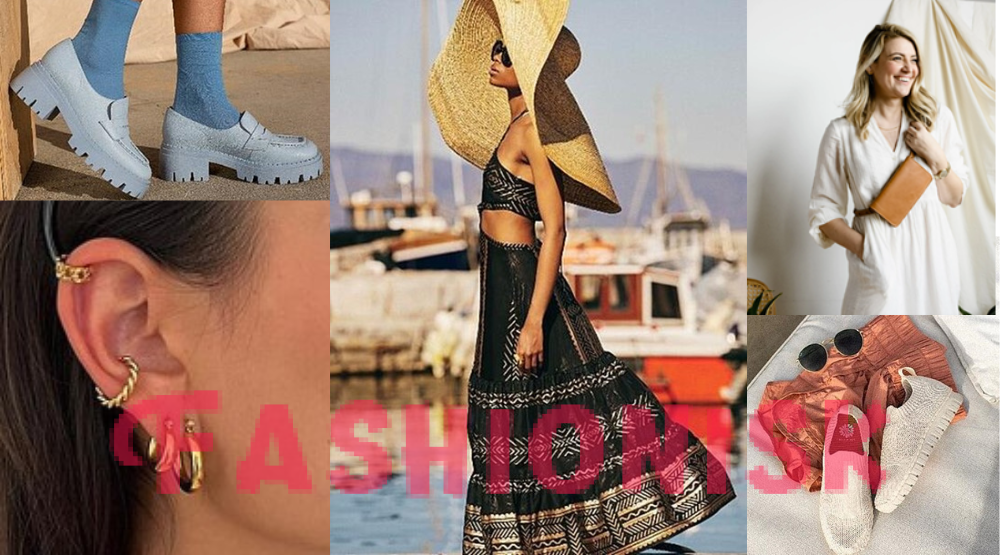
For casual activities, breathable trainers, supportive sandals or lightweight slip-on shoes can be practical options.
Don’t Sacrifice Support for Appearance
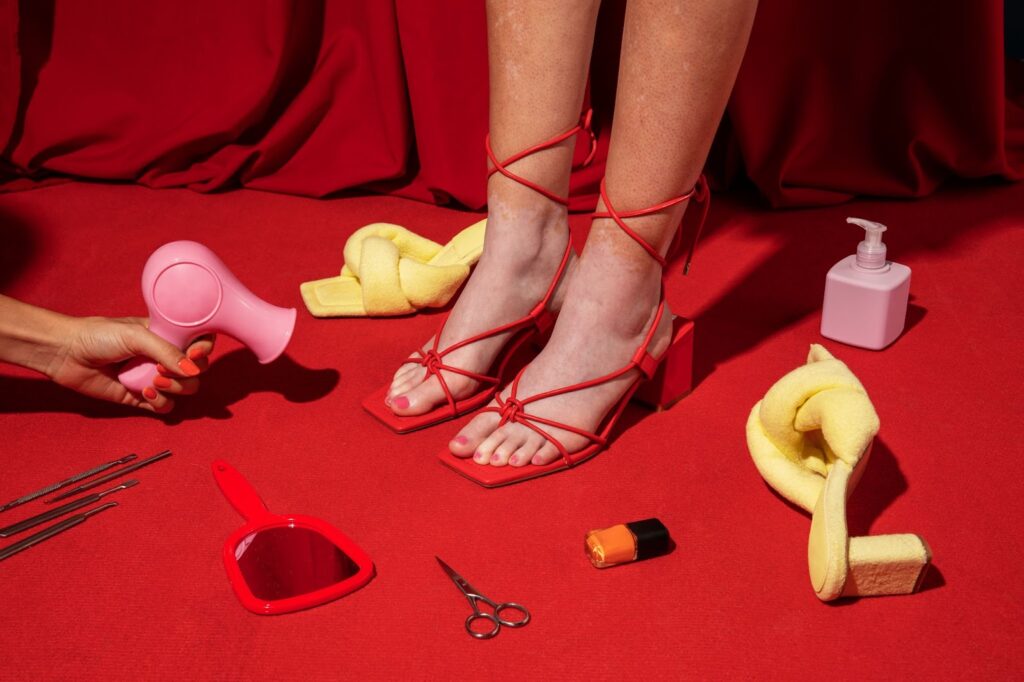
Very flat sandals might look appealing but may not provide enough support for hours of walking, depending on your feet and individual needs.
Look for footwear with a comfortable footbed, secure fit and sufficient cushioning for your activities.
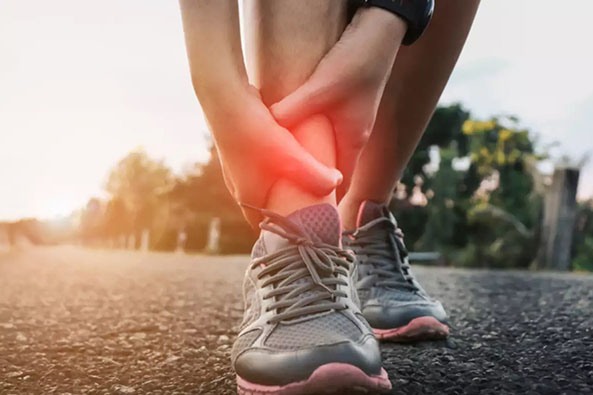
It’s also worth checking whether straps rub against your skin. Heat and perspiration can make friction more noticeable, particularly when wearing new shoes.
Breaking in footwear before a long outing can help prevent discomfort.
Build Outfits Around Your Daily Activities
The most comfortable summer wardrobe is one that reflects how you actually spend your time.
Someone who works in an air-conditioned office has different clothing needs from someone who spends most of the day outdoors.
Rather than dressing only for the temperature, consider the full day ahead.
For example:
- Working indoors: Choose breathable clothing that remains comfortable in cooler indoor temperatures.
- Walking around town: Prioritise freedom of movement, comfortable footwear and sun protection.
- Meeting friends: Combine relaxed fabrics with pieces that suit the venue and occasion.
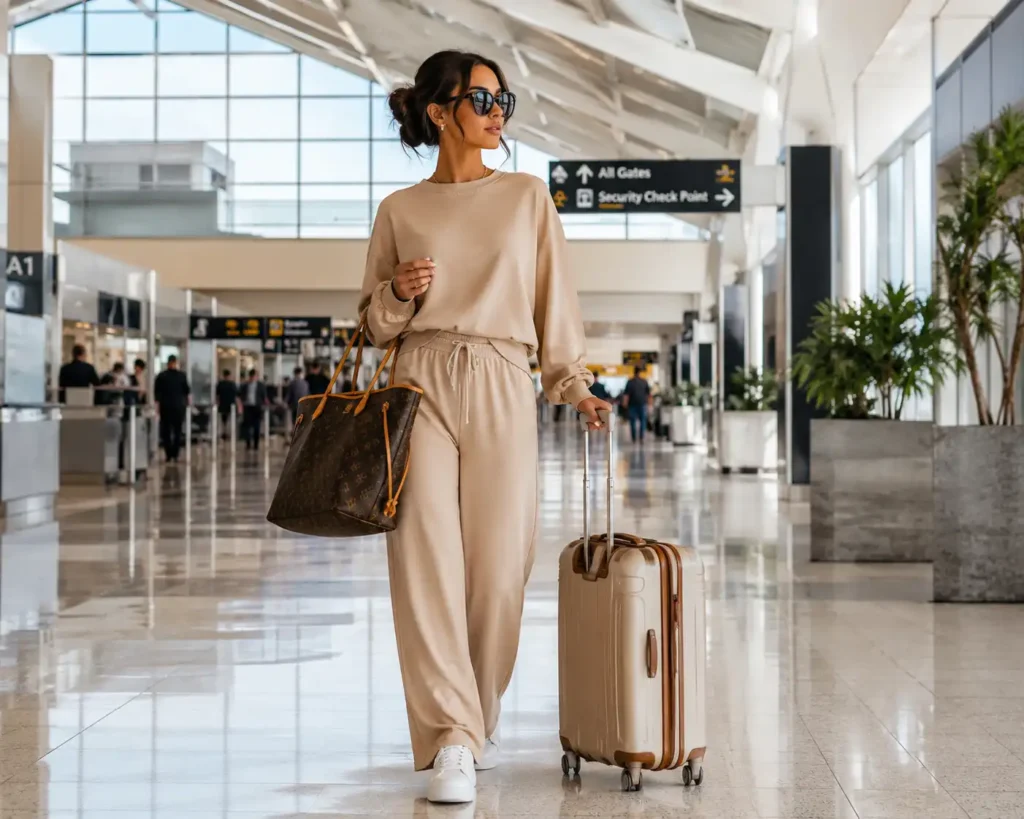
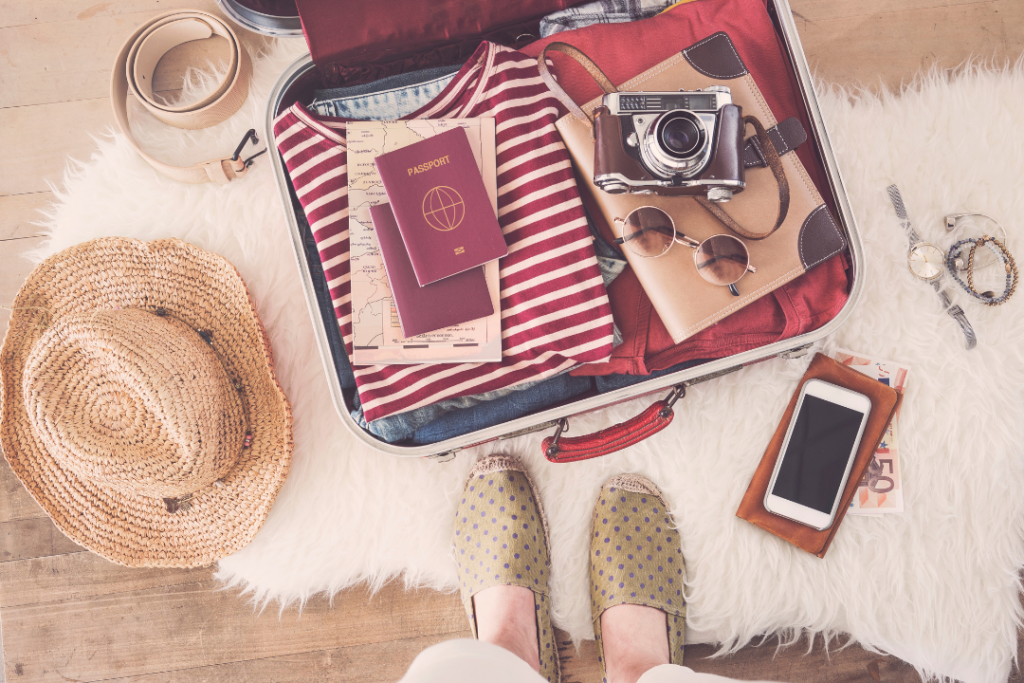
- Travelling: Look for lightweight garments that resist creasing and are easy to wash.
Planning around your activities helps avoid unnecessary outfit changes.
Make Your Wardrobe Easier to Mix and Match
Having plenty of clothes doesn’t necessarily make getting dressed easier.
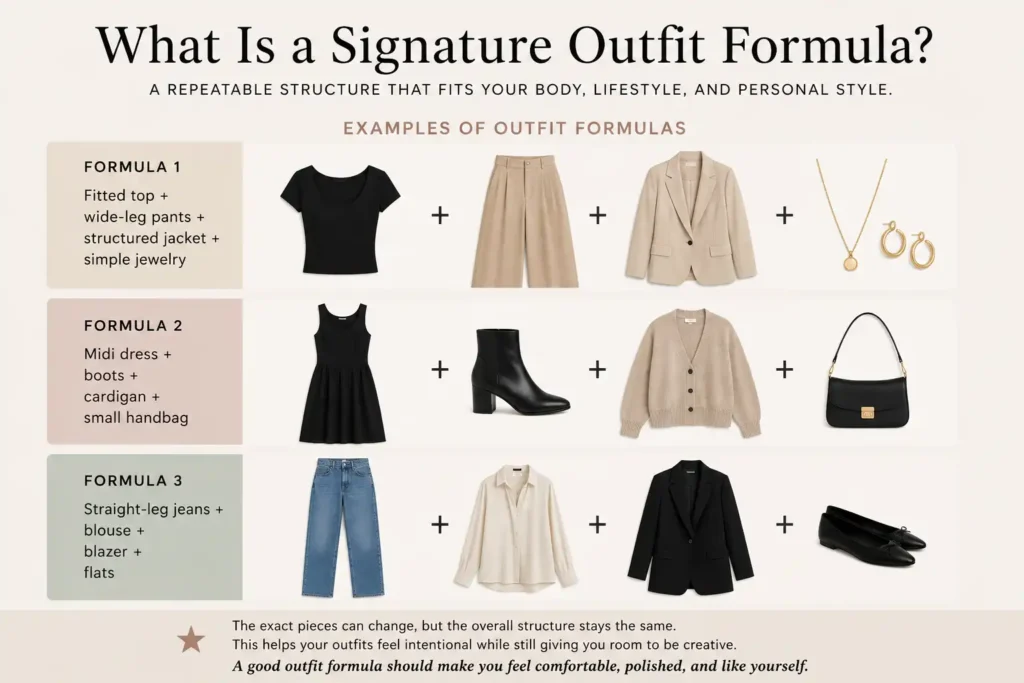
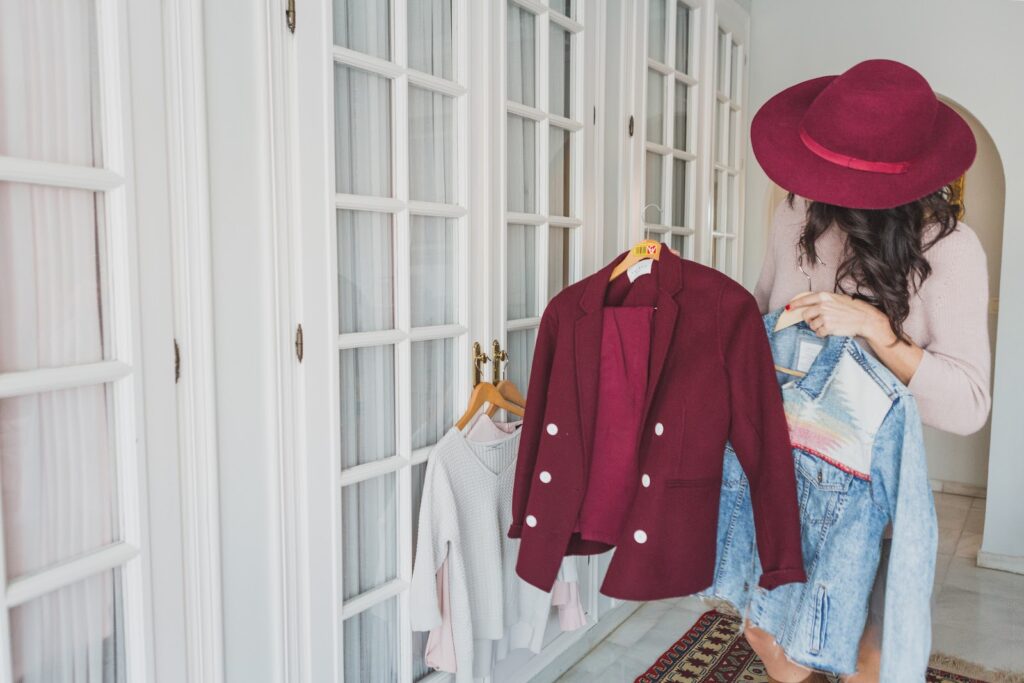
A smaller collection of versatile pieces can be more useful than a wardrobe filled with items that only work in specific combinations.
Choose a few colours that complement each other and invest in comfortable basics you genuinely enjoy wearing.
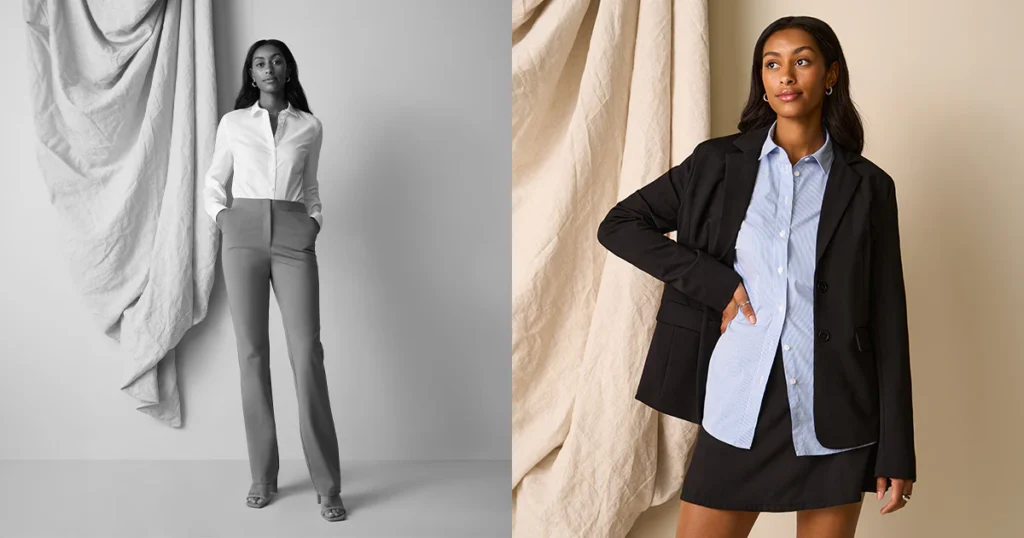
A lightweight button-up shirt, for instance, might work with tailored trousers for work or a relaxed skirt on the weekend.
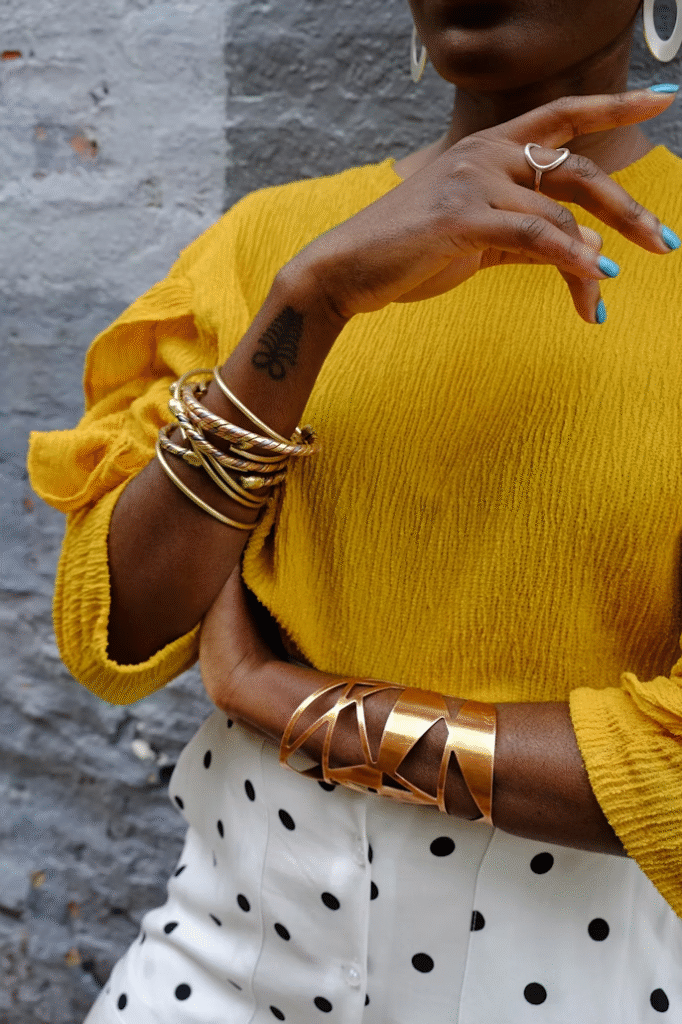
You can also change the overall appearance of an outfit through simple accessories rather than adding extra clothing layers.
This approach makes dressing more convenient while helping you get more use from what you already own.
Comfort and Personal Style Can Work Together
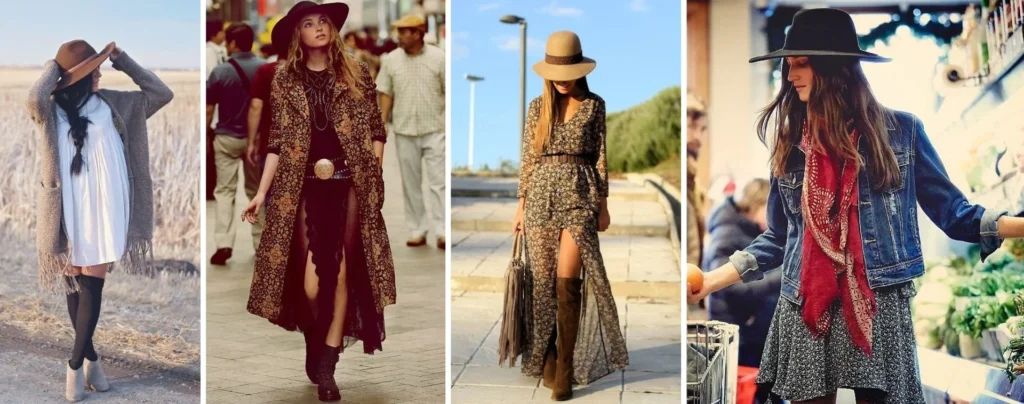
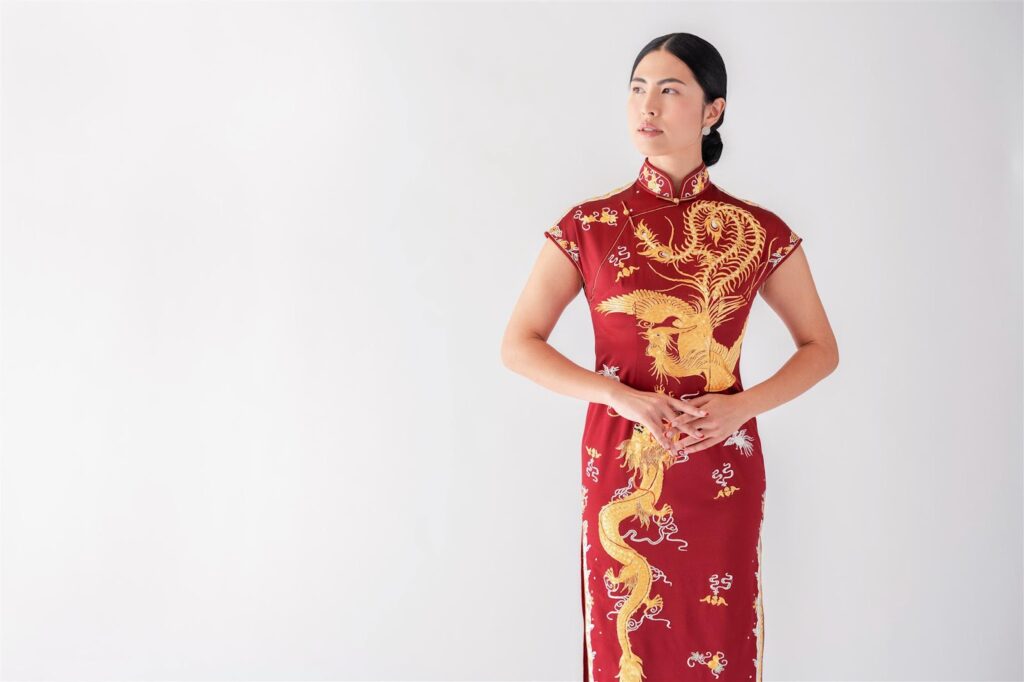
Dressing for warm weather doesn’t mean abandoning your favourite colours, silhouettes or personal preferences.
Instead, think about which parts of your wardrobe already make you feel comfortable and confident. Perhaps you prefer relaxed tailoring, simple dresses or casual separates that are easy to combine.
Use those preferences as your starting point, then pay closer attention to fabric weight, fit and practicality.
The best summer outfits aren’t necessarily the most fashionable or expensive. They’re the ones that let you enjoy your day without constantly thinking about what you’re wearing.
When your clothes suit both the weather and your lifestyle, comfort becomes part of your personal style rather than something you have to compromise.