













































































































































































































































































































































































































































































































































































































































































































































































































































































































































































































































































































































































































































































































































































































































































































































































































































































































































































































































































































































































































































































































Black Wallpaper: How to Use Dark Walls to Create Bold Interior Design


White walls dominate most homes. Neutral paint colors feel safe. Beige, gray, and off-white appear in countless living rooms and bedrooms. These colors work well, but they rarely make a strong visual statement.
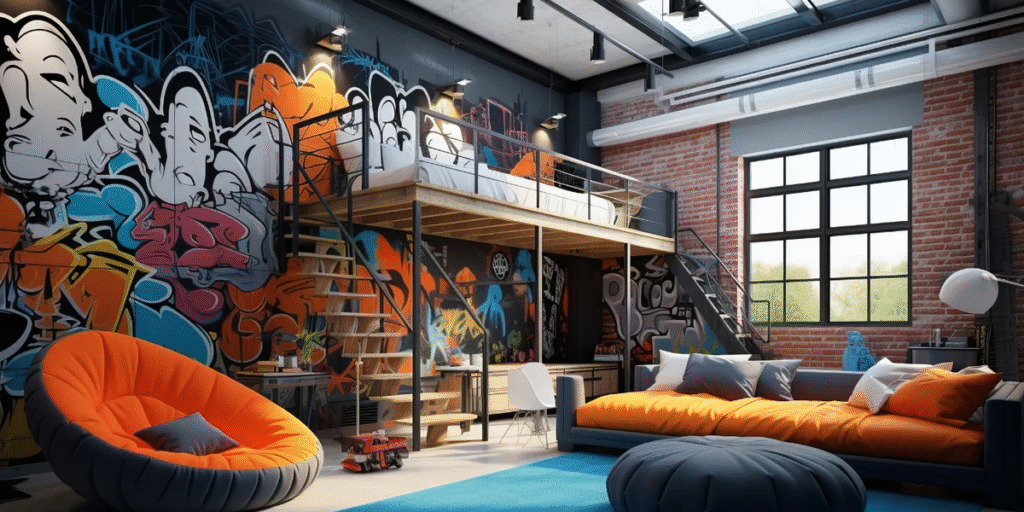
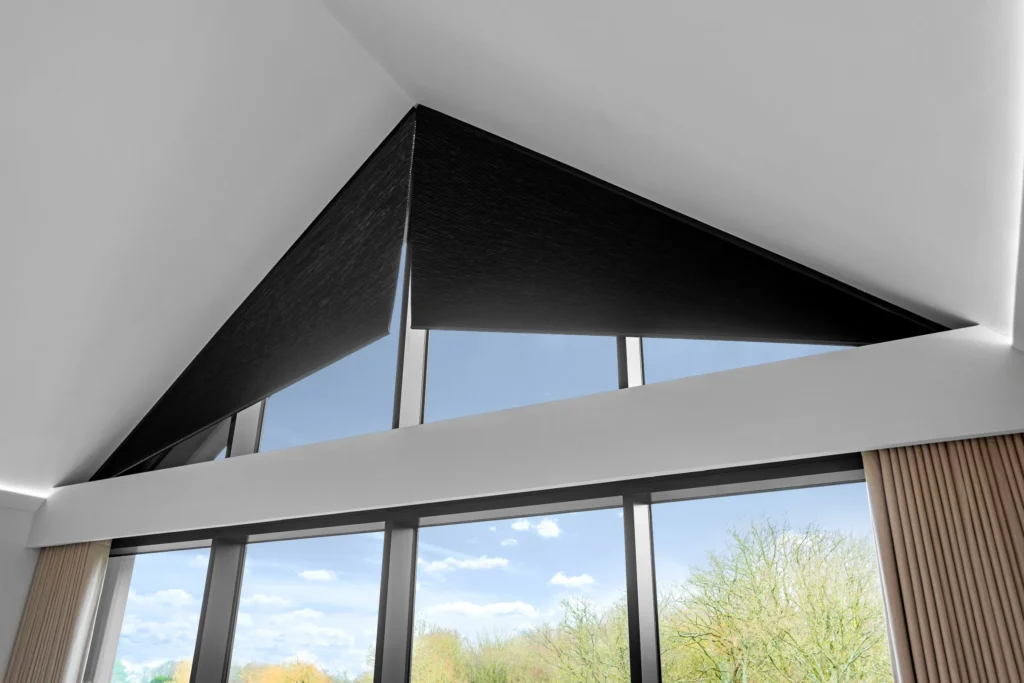
Designers often turn to black wallpaper when they want to create something dramatic and unforgettable. Dark walls add depth, contrast, and personality to a room. They instantly elevate a space that might otherwise feel ordinary.
Many homeowners hesitate to use black in interior design. They worry the room will feel small or gloomy. In reality, black can make a space feel more sophisticated and intentional when used correctly.
This guide explains why black wallpaper works so well in modern interiors. It also covers design tips, room ideas, and styling techniques that help dark walls look stunning rather than overwhelming.
Why Black Works in Interior Design
Black is one of the most powerful colors in design.
It communicates several qualities at once:
- sophistication
- elegance
- contrast
- drama
Designers frequently use black in fashion, architecture, and product design for this reason. The color creates a sense of confidence and refinement.
In interior spaces, black walls act like a visual anchor. They ground the room and highlight surrounding elements.
Furniture, artwork, and lighting stand out more clearly against a dark background.
The Psychology of Dark Colors
Color psychology plays a major role in how people experience a room.
Light colors often create open and airy spaces.
Dark colors create intimacy.
Black walls make a room feel:
- cozy
- dramatic
- luxurious
- calm
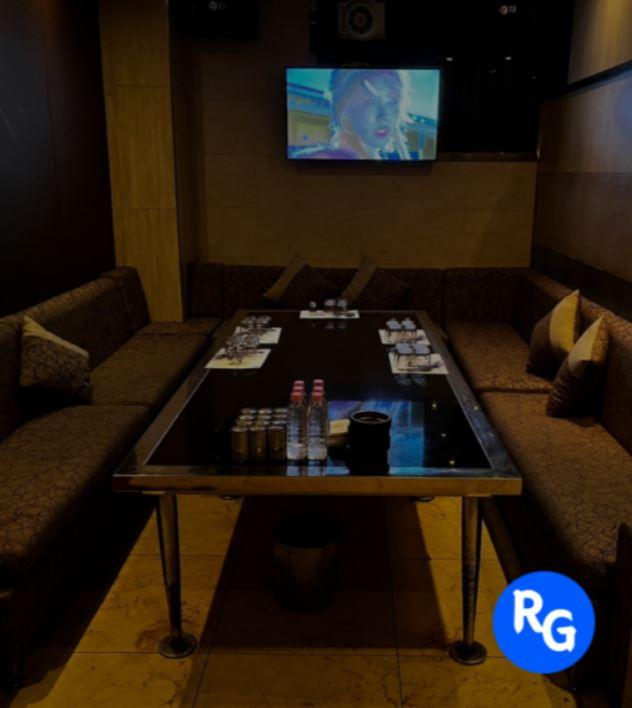
Restaurants, boutique hotels, and high-end lounges often use dark interiors for this reason. The atmosphere feels more intimate and immersive.
Homes can achieve the same effect when black appears in the right places.
Wallpaper vs Black Paint
Many homeowners assume paint is the simplest way to create dark walls.
Paint works, but wallpaper offers several advantages.
Wallpaper adds texture and pattern.
Black wallpaper often includes:
- metallic accents
- subtle patterns
- geometric designs
- botanical prints
- textured finishes
These details add visual depth. A plain black wall can sometimes feel flat. Patterned wallpaper prevents that problem.
Wallpaper also reflects light differently from paint. Certain finishes add dimension that paint cannot replicate.
Rooms That Work Best With Black Wallpaper
Not every room benefits from dark walls. Certain spaces respond particularly well to bold colors.
Living Rooms
Living rooms often feature neutral palettes.
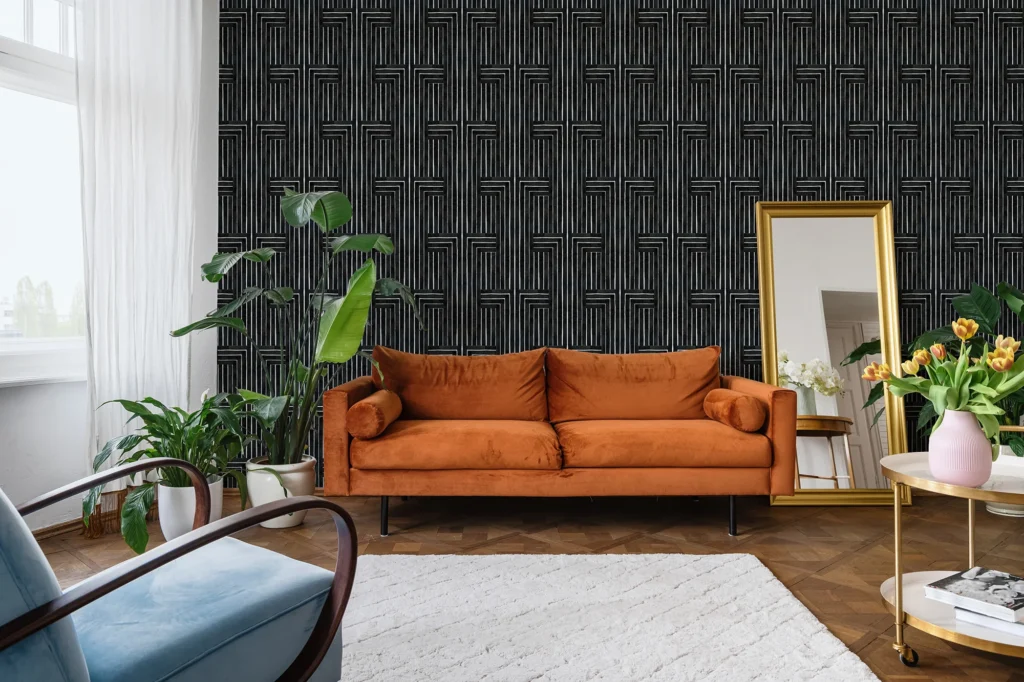
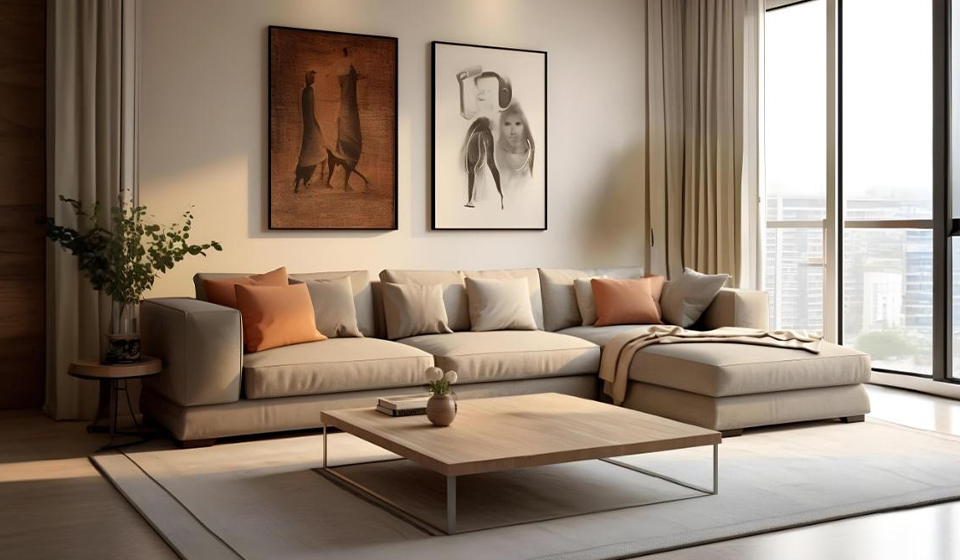
Adding black wallpaper behind a sofa or entertainment center creates a dramatic focal point.
This approach works especially well with:
- light furniture
- neutral rugs
- metallic accents
The contrast helps the room feel balanced rather than heavy.
Dining Rooms
Dining rooms benefit greatly from darker tones.
Meals feel more intimate in dimly lit environments. Black wallpaper enhances that atmosphere.
Designers often pair dark walls with:
- statement chandeliers
- wood dining tables
- gold or brass accents
The result feels elegant and upscale.
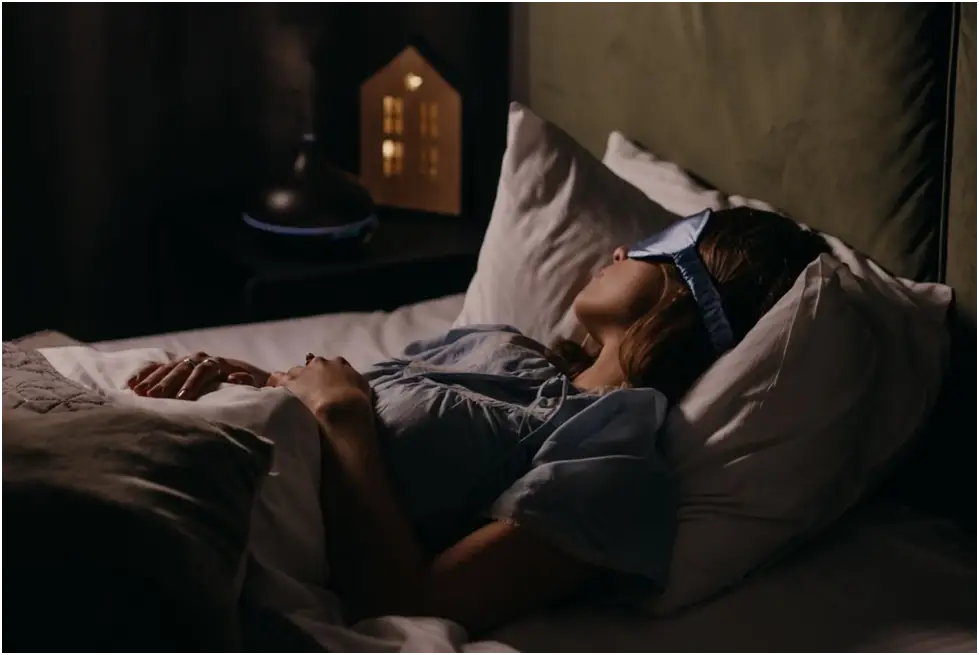
Bedrooms
Bedrooms should feel relaxing and cozy.
Dark wallpaper helps create that environment.
Black walls can make a bedroom feel like a quiet retreat.
Pair dark wallpaper with:
- soft bedding
- warm lighting
- natural materials
These elements soften the intensity of the dark color.
Powder Rooms
Small powder rooms are perfect for bold design choices.
Guests only spend a few minutes in these spaces. That makes dramatic wallpaper more acceptable.
Black wallpaper in a powder room creates immediate visual impact.
Many designers choose:
- floral prints
- art-deco patterns
- metallic accents
These designs transform small bathrooms into memorable spaces.
Lighting Matters With Dark Walls
Lighting determines how black walls appear.
Poor lighting makes dark rooms feel dull.
Proper lighting highlights texture and pattern.
Good lighting strategies include:
- wall sconces
- pendant lights
- floor lamps
- recessed ceiling lights
Warm light often works best with dark interiors. It creates a cozy glow instead of harsh brightness.
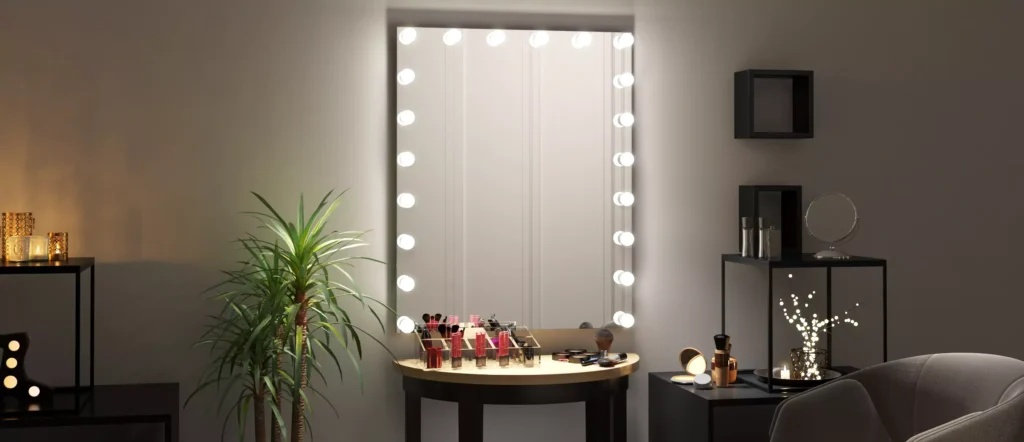
Mirrors also help reflect light and prevent the room from feeling too dark.
Pairing Black Wallpaper With Other Colors
Black works well with many color palettes.
Certain combinations look particularly striking.
Black and White
This classic combination never goes out of style.
Black wallpaper paired with white furniture or trim creates a strong contrast.
The result feels modern and clean.
Black-and-white interiors often appear in:
- modern apartments
- contemporary homes
- minimalist designs
Black and Gold
Gold accents add warmth to dark walls.
Designers often combine black wallpaper with:
- gold picture frames
- brass lighting fixtures
- gold mirrors
The combination creates a luxurious atmosphere.
Black and Natural Wood
Wood balances the intensity of black.
Light wood tones such as oak or maple soften dark interiors.
Common pairings include:
- wood coffee tables
- floating wood shelves
- wooden dining tables
Natural materials prevent black walls from feeling too cold.
Black and Jewel Tones
Jewel tones look stunning against black.
Examples include:
- emerald green
- sapphire blue
- deep burgundy
These rich colors stand out dramatically against dark backgrounds.
The result feels bold and sophisticated.
Pattern Styles in Black Wallpaper
Black wallpaper comes in many styles.
Choosing the right pattern affects the entire room design.
Botanical Patterns
Nature-inspired patterns add life to dark walls.
Black backgrounds with leafy or floral designs create dramatic contrast.
Botanical prints feel both elegant and artistic.
They work well in living rooms, dining rooms, and bedrooms.
Geometric Designs
Geometric wallpaper introduces structure and rhythm.
Patterns may include:
- hexagons
- lines
- repeating shapes
These designs work especially well in modern homes.
They add visual interest without feeling chaotic.
Textured Wallpaper
Some black wallpapers focus on texture rather than pattern.
Examples include:
- linen textures
- grasscloth effects
- subtle embossed designs
Texture adds depth while keeping the design understated.
This option works well for minimalist interiors.
Making Small Rooms Look Bigger With Dark Wallpaper
Many people believe dark colors make rooms feel smaller.
That is not always true.
Dark walls can actually blur boundaries. This effect makes corners less noticeable.
When paired with good lighting and mirrors, dark wallpaper can make a small room feel surprisingly spacious.
Using one accent wall can also help maintain balance.
Accent Walls vs Full Rooms
Black wallpaper can cover an entire room or just one wall.
Both approaches work well depending on the design goal.
Accent Walls
Accent walls create focus without overwhelming the space.
Common placements include:
- behind the bed
- behind the sofa
- behind the dining table
This approach works well for beginners experimenting with dark colors.
Full Room Coverage
Covering all walls with black wallpaper creates a more immersive effect.
This strategy works best in:
- dining rooms
- powder rooms
- libraries
- media rooms
These spaces benefit from a dramatic atmosphere.
Decorating Around Black Wallpaper
Furniture and decor should complement dark walls.
Good design choices include:
- light-colored furniture
- metallic accents
- statement artwork
- sculptural lighting
Plants also work beautifully with black walls.
Green leaves pop dramatically against dark backgrounds.
This combination creates a natural contrast that feels fresh and vibrant.
Why Designers Love Dark Interiors
Interior designers appreciate black walls because they create strong visual contrast.
Design elements stand out more clearly.
Artwork appears more vibrant.
Furniture silhouettes look sharper.
Even simple decor feels more intentional.
Dark interiors also photograph beautifully. That is one reason luxury hotels and restaurants often use black interiors.
Final Thoughts
Black wallpaper has become a powerful tool in modern interior design.
It transforms ordinary rooms into bold, sophisticated spaces. The color adds depth, contrast, and personality that lighter colors sometimes lack.
Dark walls may feel intimidating at first. Smart design choices make them approachable.
Balance the color with warm lighting. Add texture and pattern. Pair black with lighter furniture and natural materials.
These elements keep the room feeling inviting rather than heavy.
When used thoughtfully, black wallpaper delivers one of the most striking design statements a home can offer.