























































































































































































































































































































































































































































































































































































































































































































































































































































































































































































































































































































































































































































































































































































































































































































































































Wedding Dress Alterations Near Me: What Brides Should Know Before The First Fitting

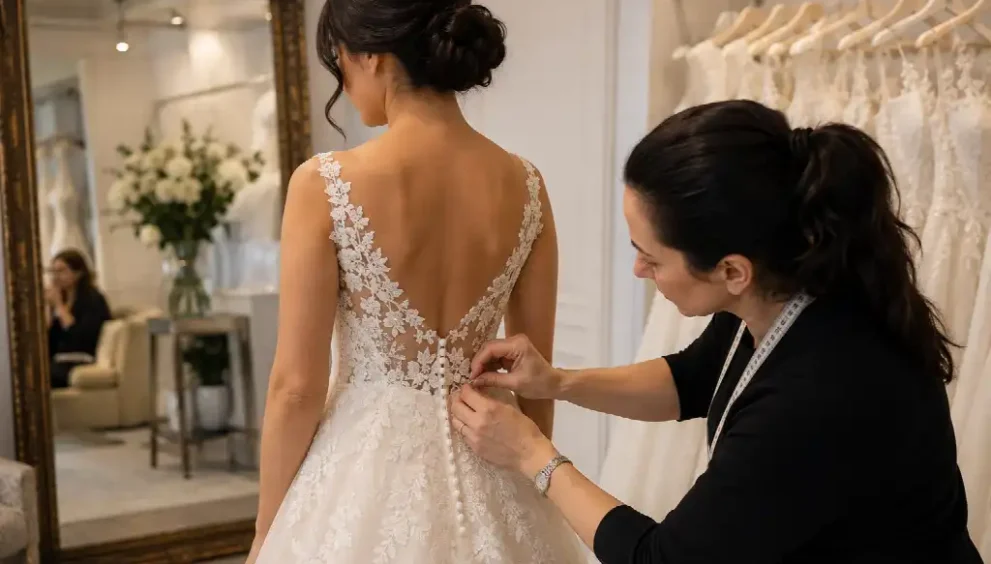
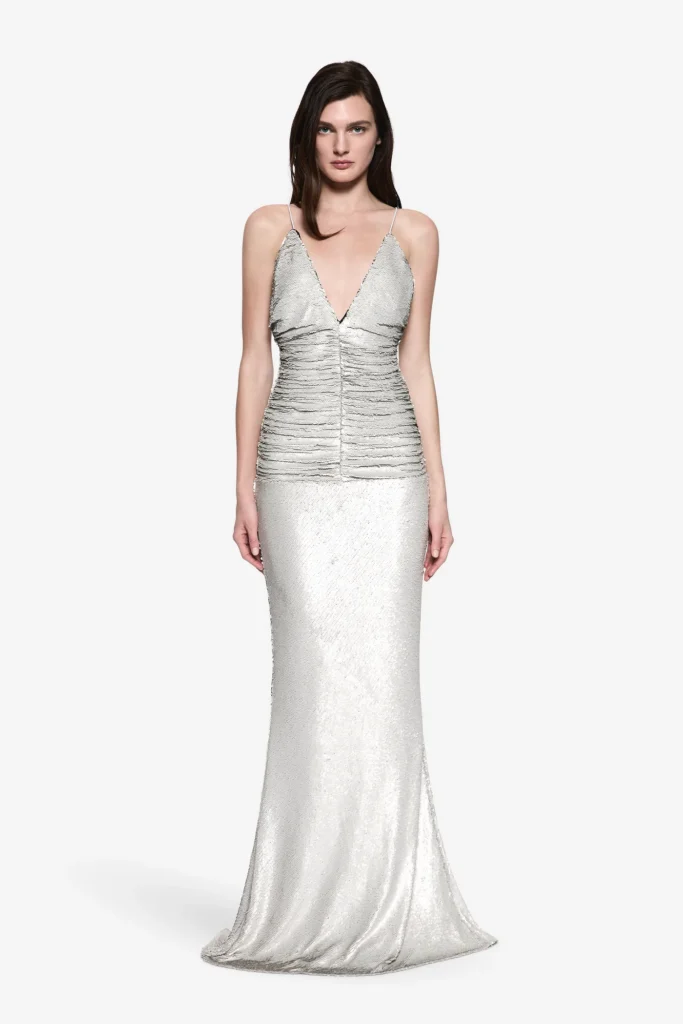
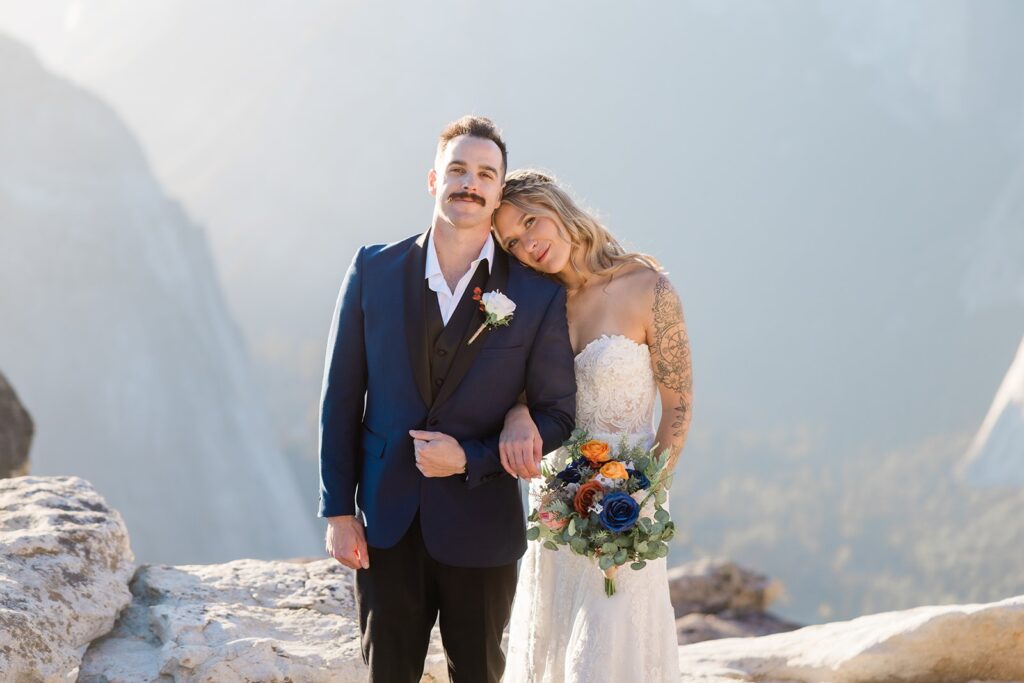
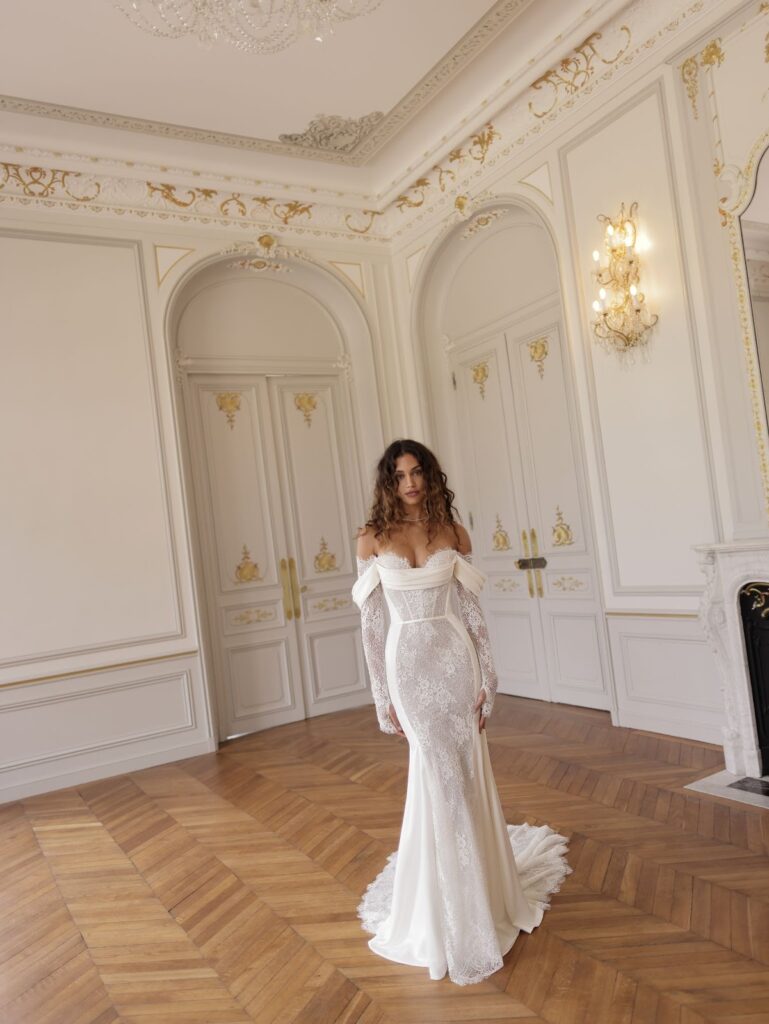
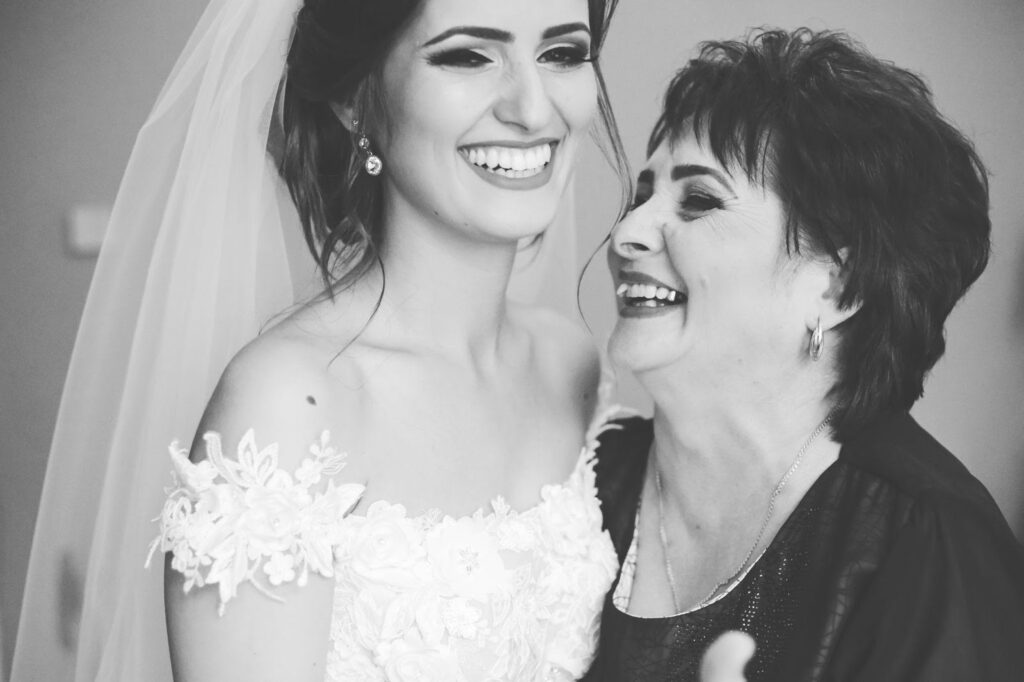
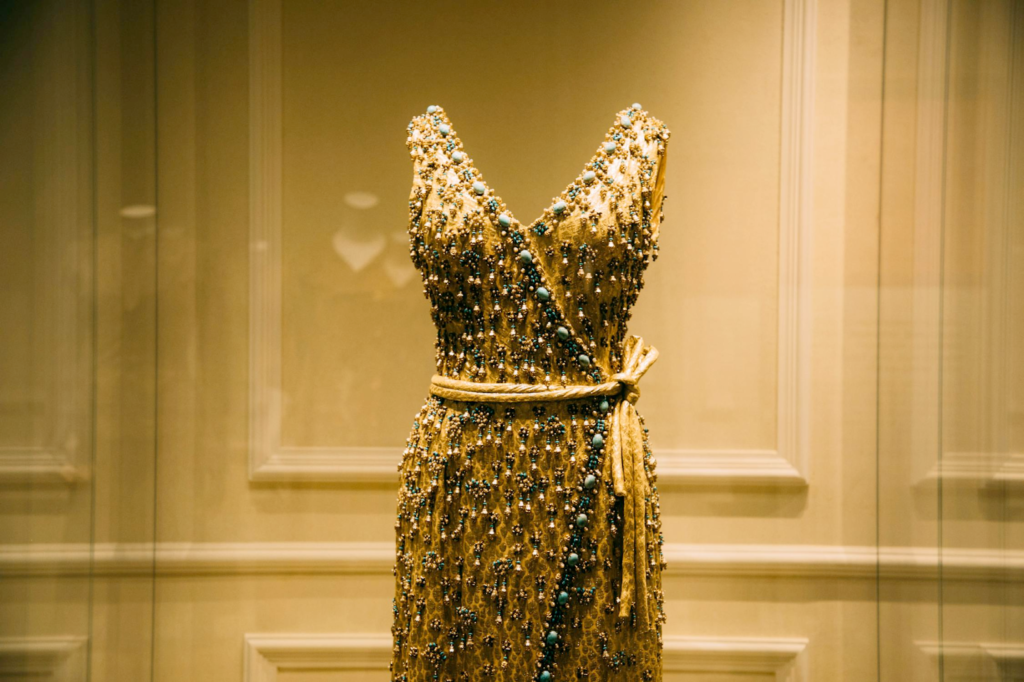
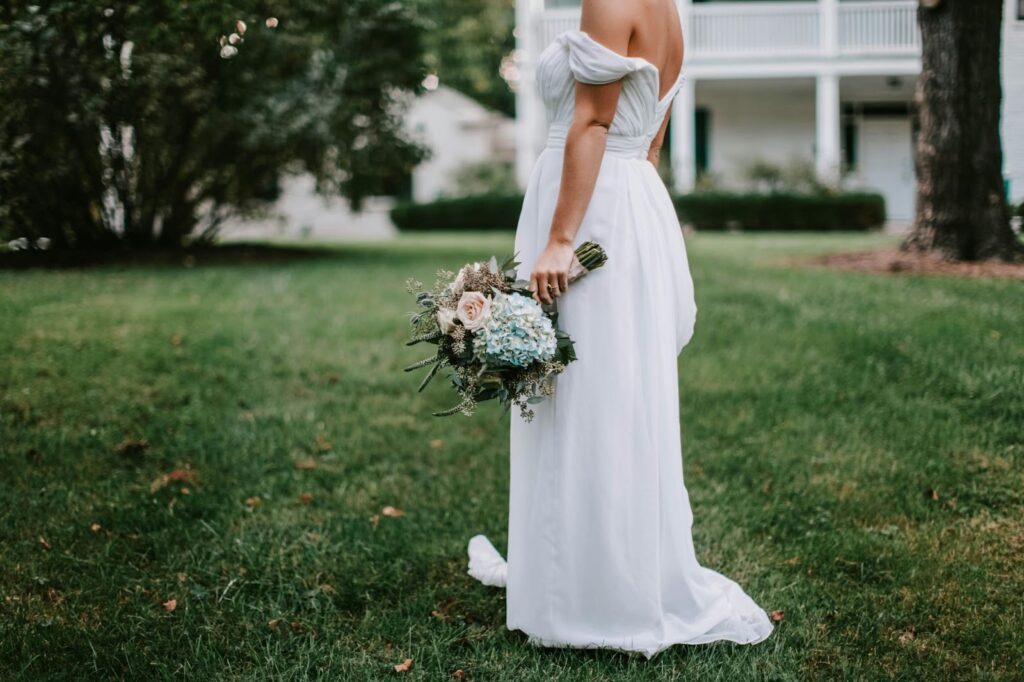
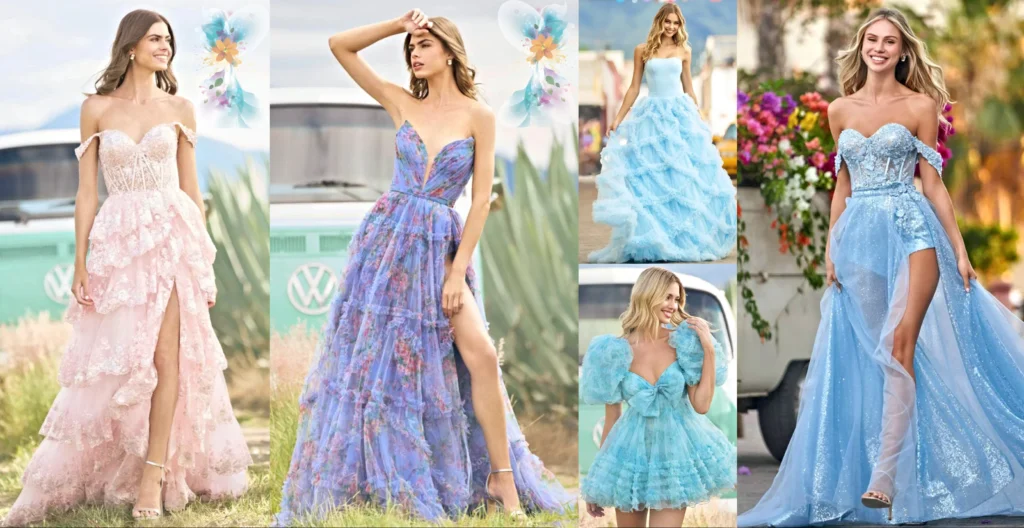
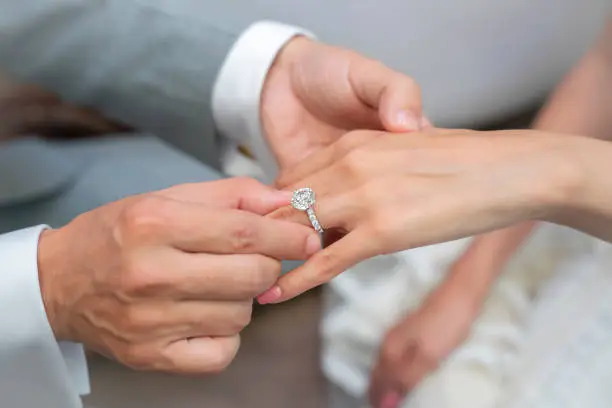
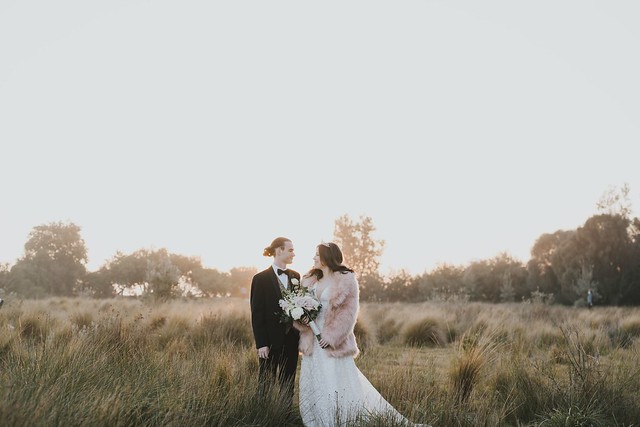
Finding the dress is a major moment, but the fit is what makes it feel like it truly belongs to the bride. Even the most beautiful gown usually needs adjustments before the wedding day. A hem may need to be set to the right shoe height. A bodice may need to be shaped more closely. Straps may need to sit better, a bustle may need to be created, or delicate details may need careful repositioning.
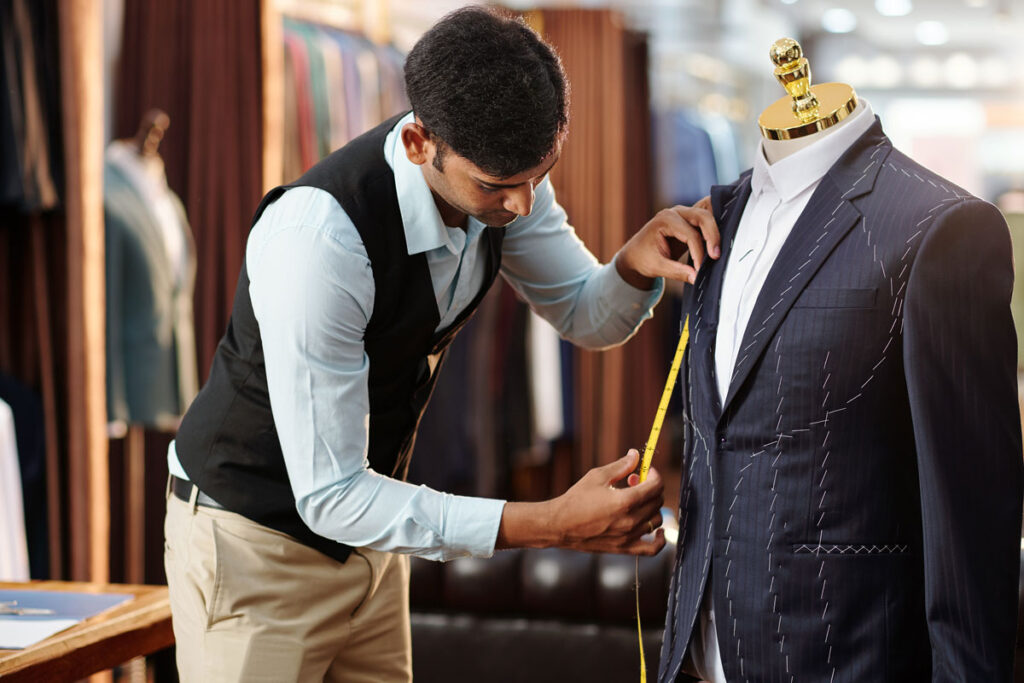
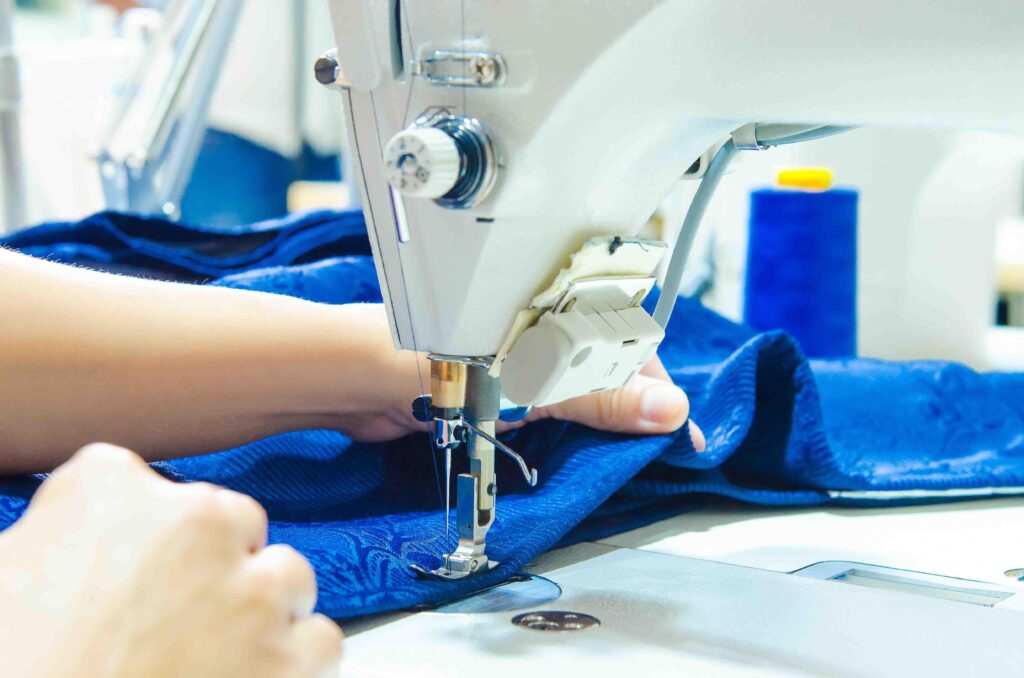
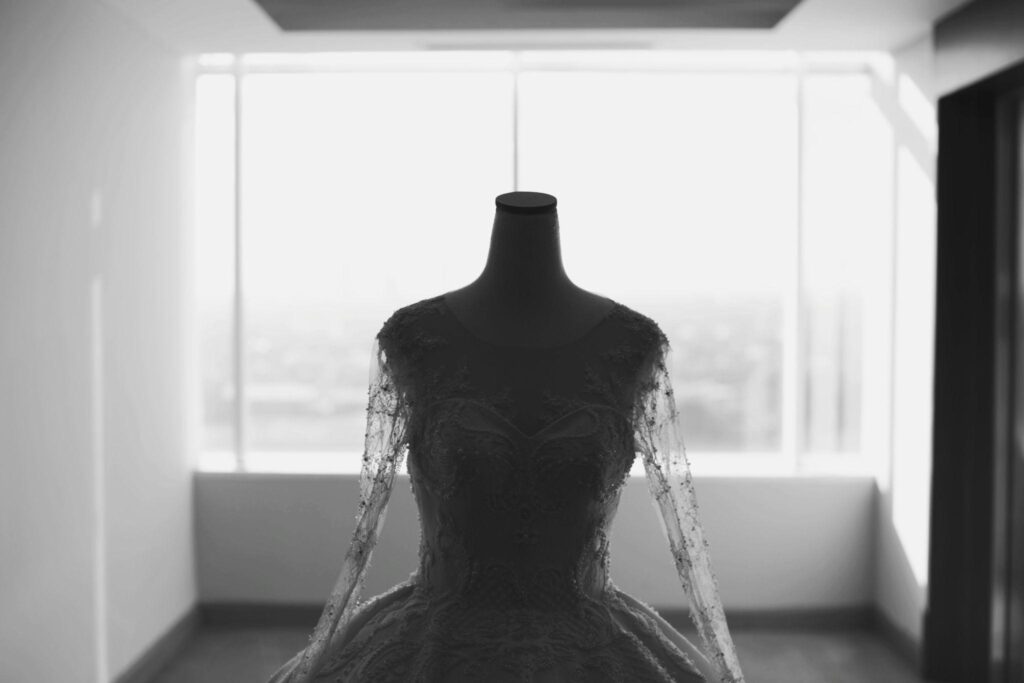
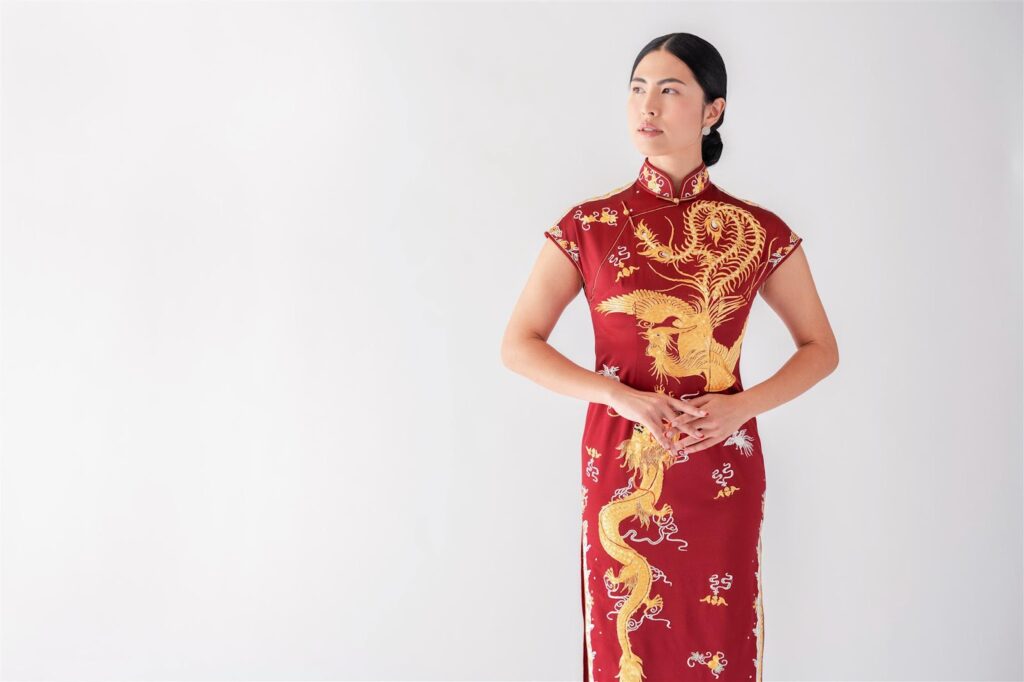
That is why brides searching for wedding dress alterations near me are usually looking for more than a basic tailor. Bridal gowns are not everyday garments. They can involve silk, lace, tulle, beading, boning, corsetry, layered hems, trains, and designer construction, all of which require experience and patience. The right alterations specialist does not just take in fabric. They understand how the gown should move, photograph, support the body, and hold up through the ceremony, portraits, dinner, and dancing.
For Hollywood brides who want a clear place to start, Fazio Cleaners offers expert wedding dress alterations near me through its alterations and tailoring services, with experience in bridal wear, formal garments, delicate fabrics, and couture-level garment care.
Timing Matters More Than Most Brides Expect
Wedding dress alterations should not be left until the last few weeks. A bridal gown usually needs more than one appointment, and each fitting builds on the last. The first fitting is often about assessing the gown, pinning key areas, reviewing the hem, checking the bodice, and identifying what needs to be done. Later fittings refine those adjustments and confirm how the dress sits once the earlier work is complete.
Brides should plan ahead, especially if the gown has a long train, heavy embellishment, sleeves, a structured bodice, or multiple layers. These details can make the work more involved. The goal is not to rush the dress into shape. The goal is to give the alterations specialist enough time to do careful work without adding stress right before the wedding.
A smart fitting timeline helps with:
- Hemming the gown based on the exact wedding shoes.
- Adjusting the bodice, waist, straps, sleeves, or neckline.
- Creating a bustle that works with the train and fabric.
- Allowing time for multiple fittings before the final pickup.
- Making small final refinements close to the wedding date.
Starting early also gives the bride more breathing room if her body changes, accessories shift, or a design detail needs to be reconsidered.
What To Bring To A Wedding Dress Fitting
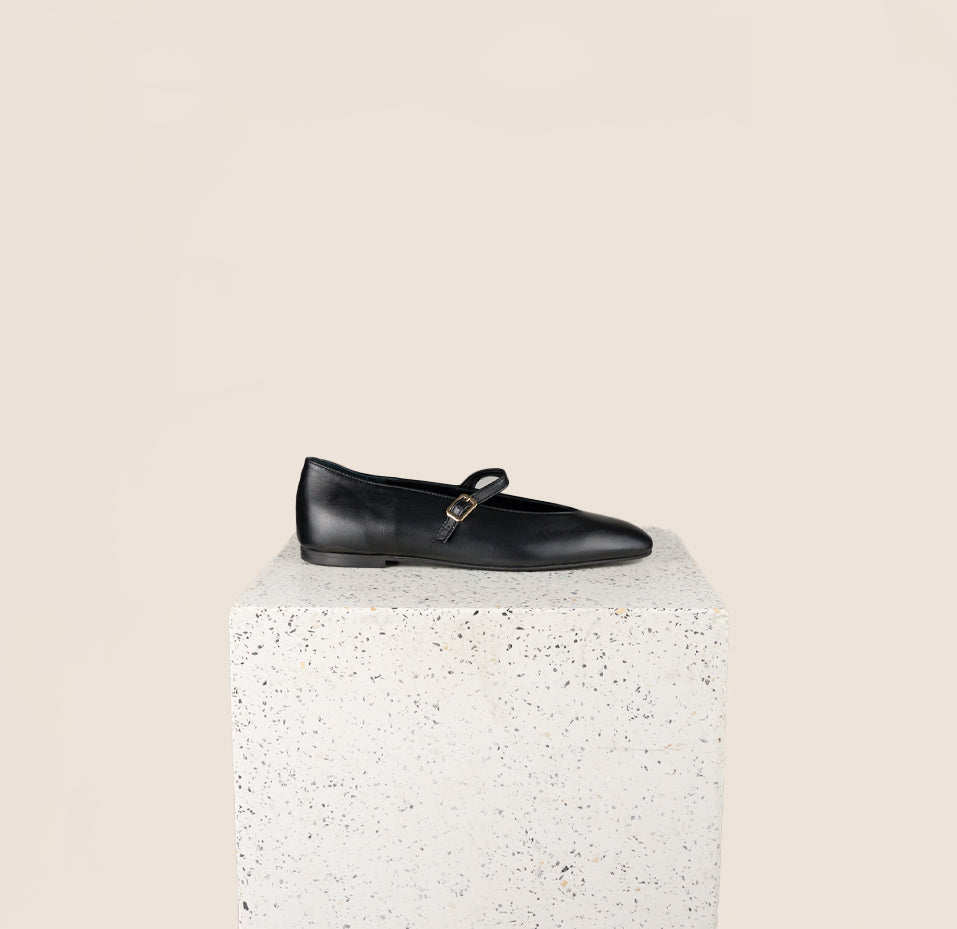
A wedding dress fitting is most useful when the bride brings the pieces that affect the final fit. Shoes are especially important because heel height determines where the hem should fall. If the bride plans to wear one pair for the ceremony and another for the reception, both should be brought to the appointment.
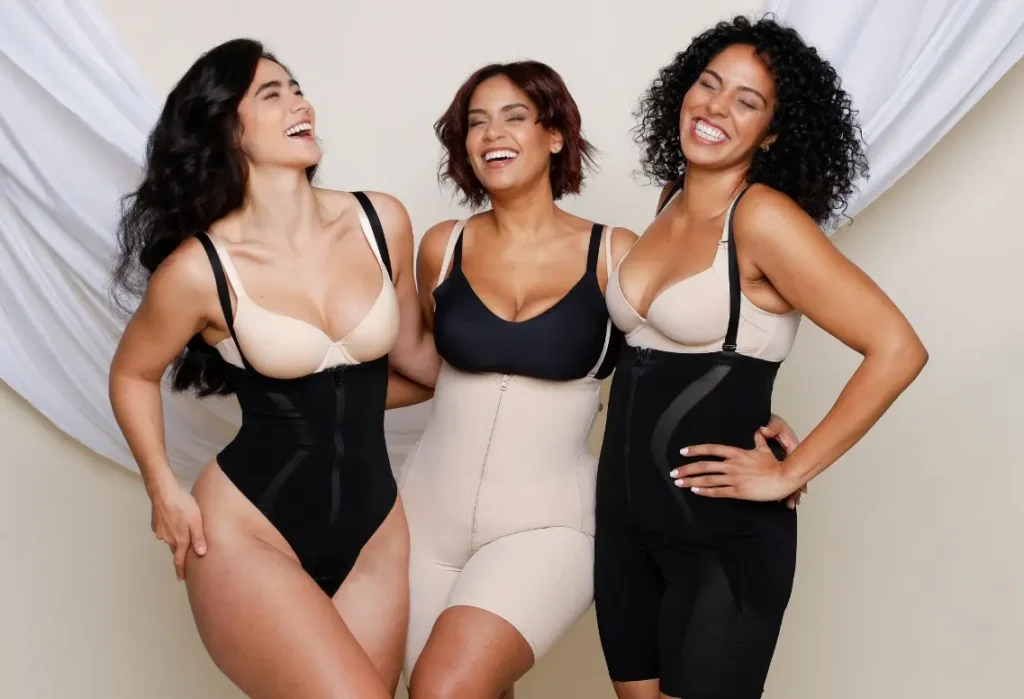
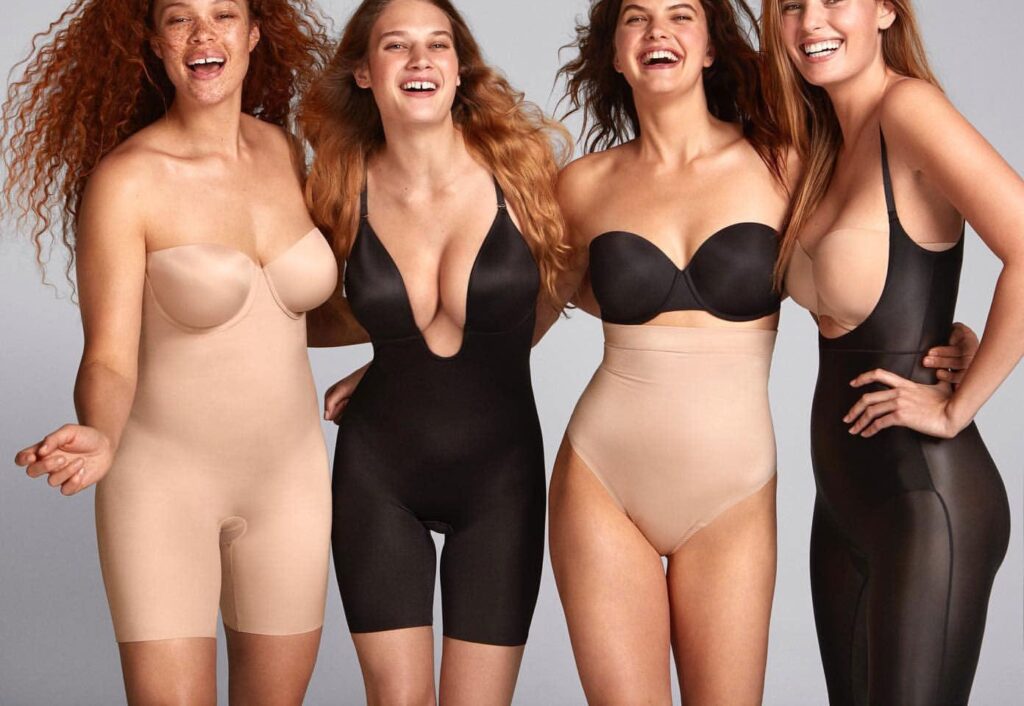
Undergarments also matter. A structured gown can fit differently depending on the bra, shapewear, cups, or corset being worn underneath. The same is true for accessories that affect posture, waist placement, or how the dress sits. A belt, sash, veil, or statement piece can change the overall balance.
Before the first fitting, brides should bring:
- The exact wedding shoes or shoes with the same heel height.
- The undergarments planned for the wedding day.
- Any belt, sash, veil, or accessory that affects the gown.
- Notes about areas that feel loose, tight, long, or uncomfortable.
- A trusted person if a second opinion will help, not overwhelm.
The fitting should feel focused. Too many opinions can make the process harder, especially when the alterations specialist is trying to assess construction, movement, and proportion.
Common Wedding Dress Alterations
No two dresses fit the same way, and no two brides need the exact same adjustments. Some gowns need only a hem and minor shaping. Others require more detailed work across the bodice, sleeves, waist, train, or embellishments.
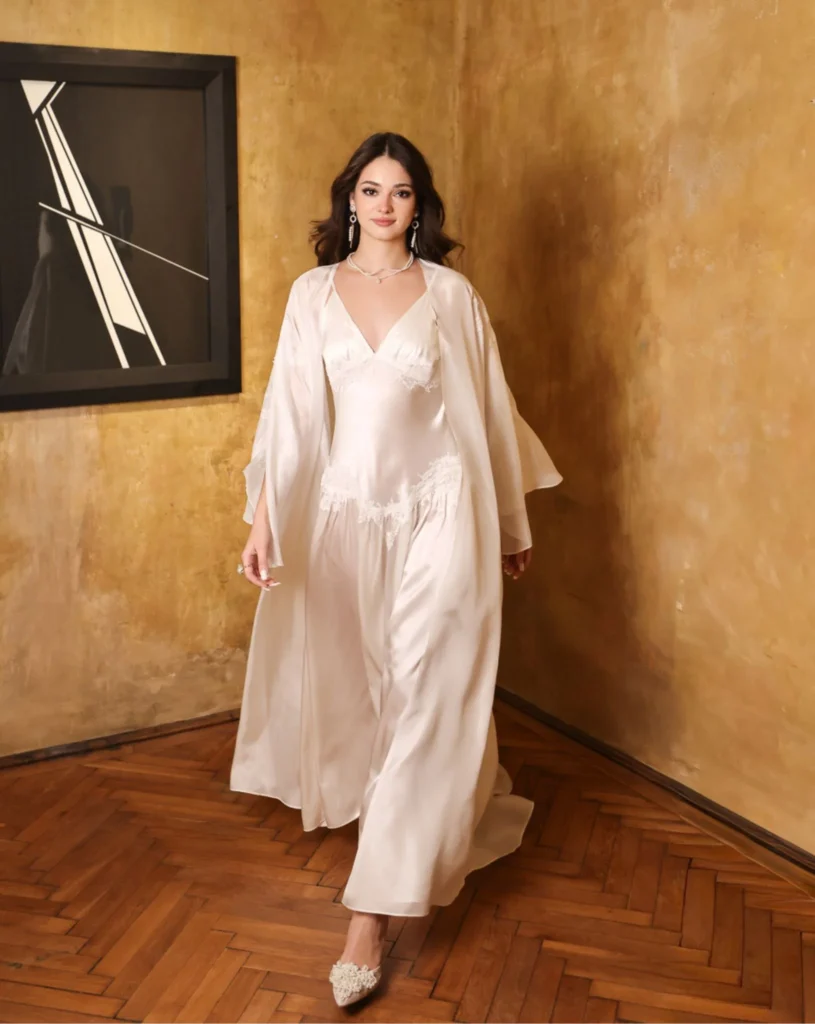
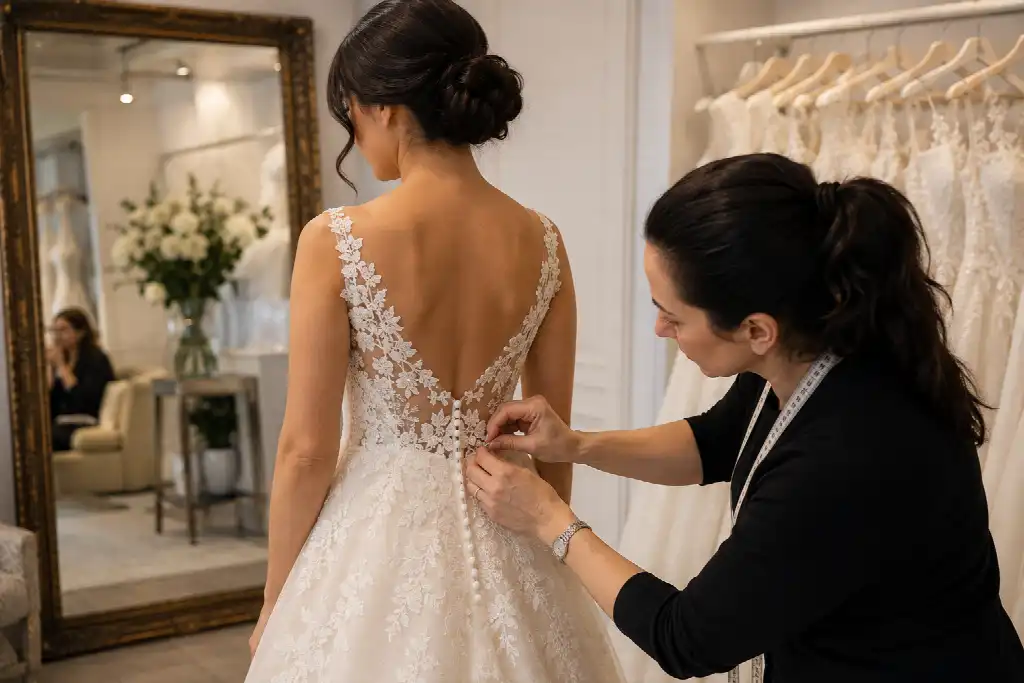
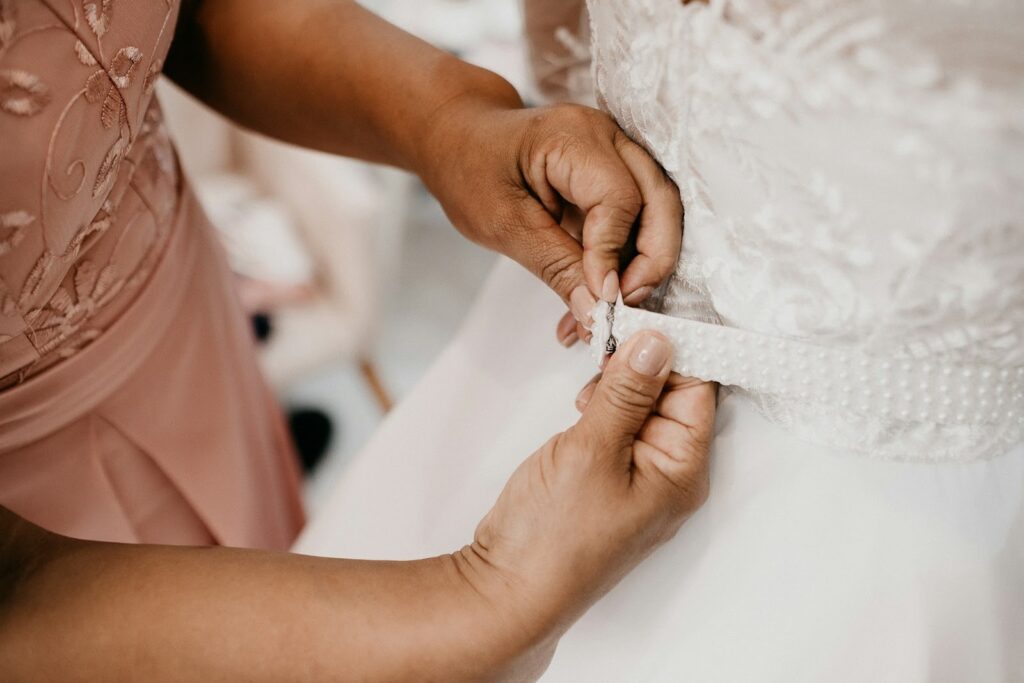
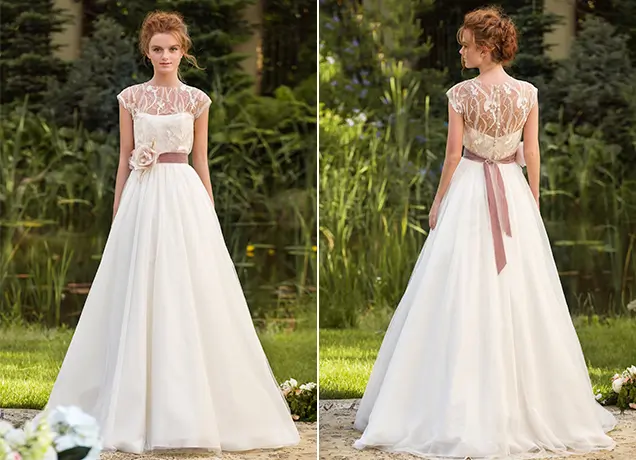
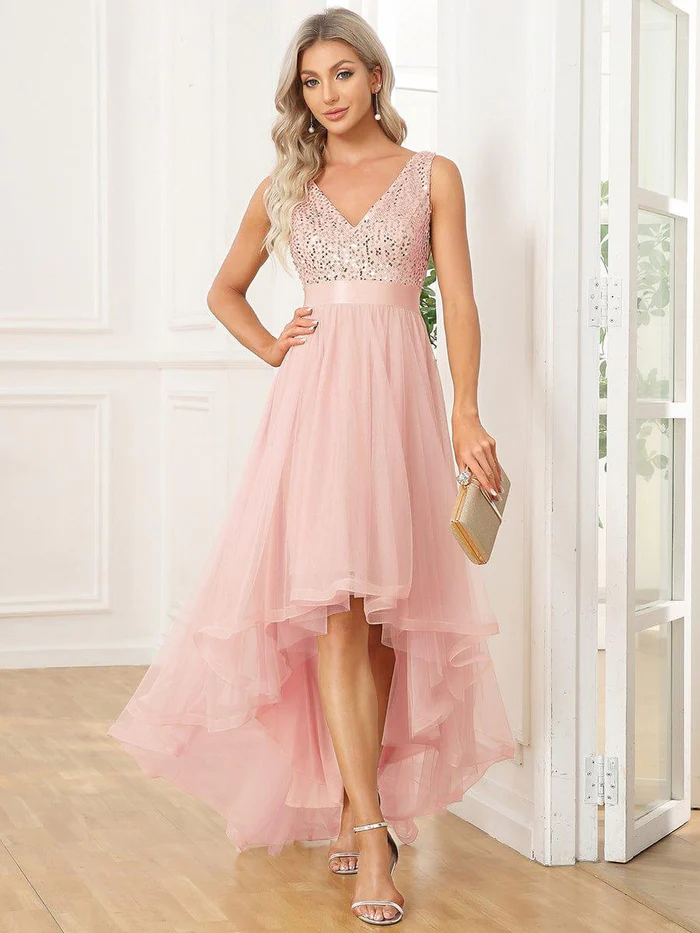
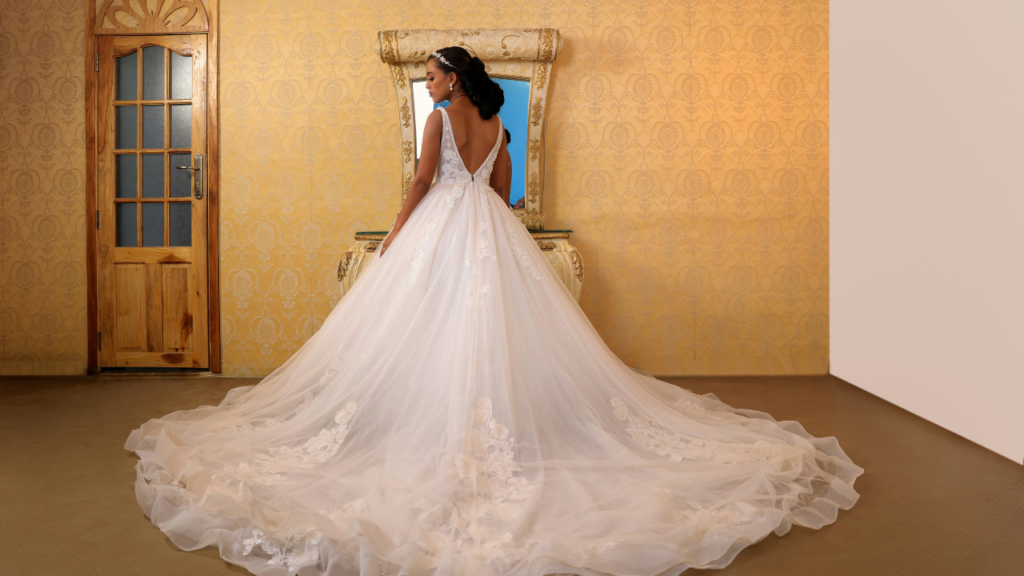
Hemming is one of the most common bridal alterations. The gown needs to be set to the correct length so the bride can walk comfortably without dragging the front or tripping over extra fabric. A bustle is also common for gowns with trains because it allows the dress to be lifted after the ceremony for easier movement during the reception.
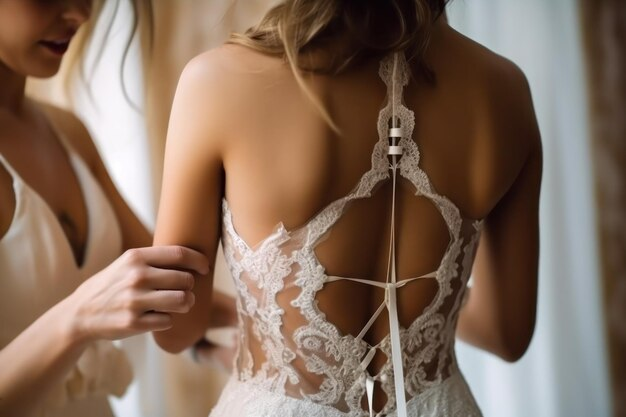
Bodice work can be more complex. Strapless gowns, corset backs, sweetheart necklines, and structured dresses often require precise adjustments so they fit securely without digging into the body. Sleeve and strap alterations may also be needed if the dress slips, pulls, gaps, or restricts movement.
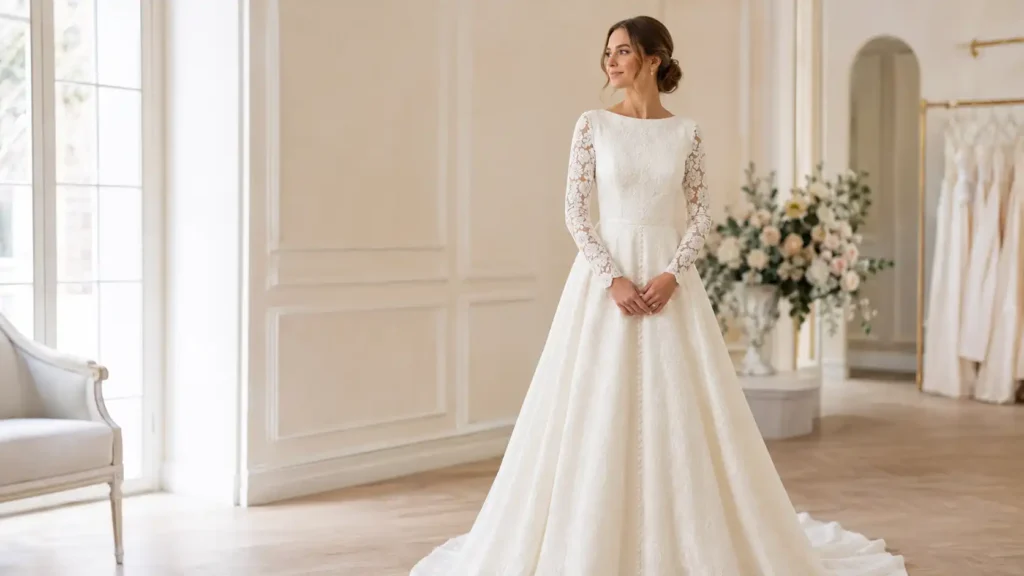
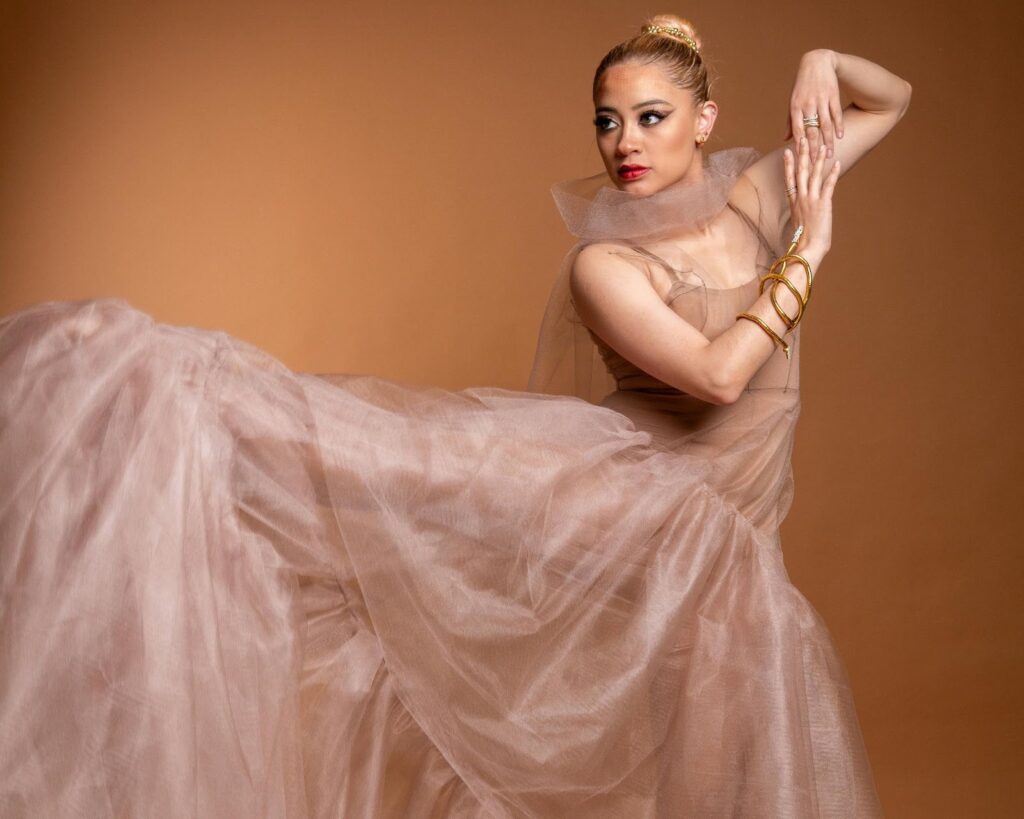
The best bridal alterations preserve the gown’s original look while improving comfort and fit. The dress should still look like the dress the bride fell in love with, just shaped more naturally to her body.
Bridesmaid And Wedding Party Alterations Matter Too
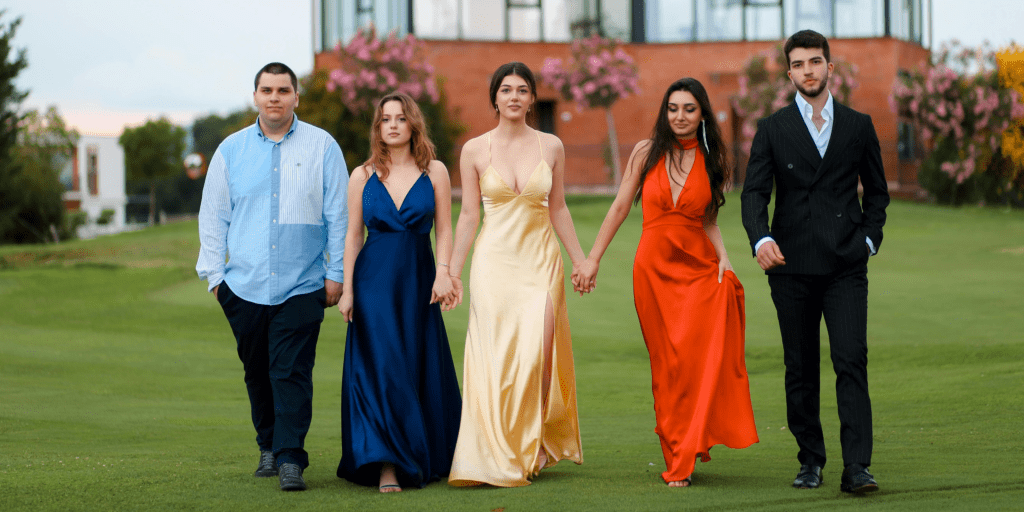
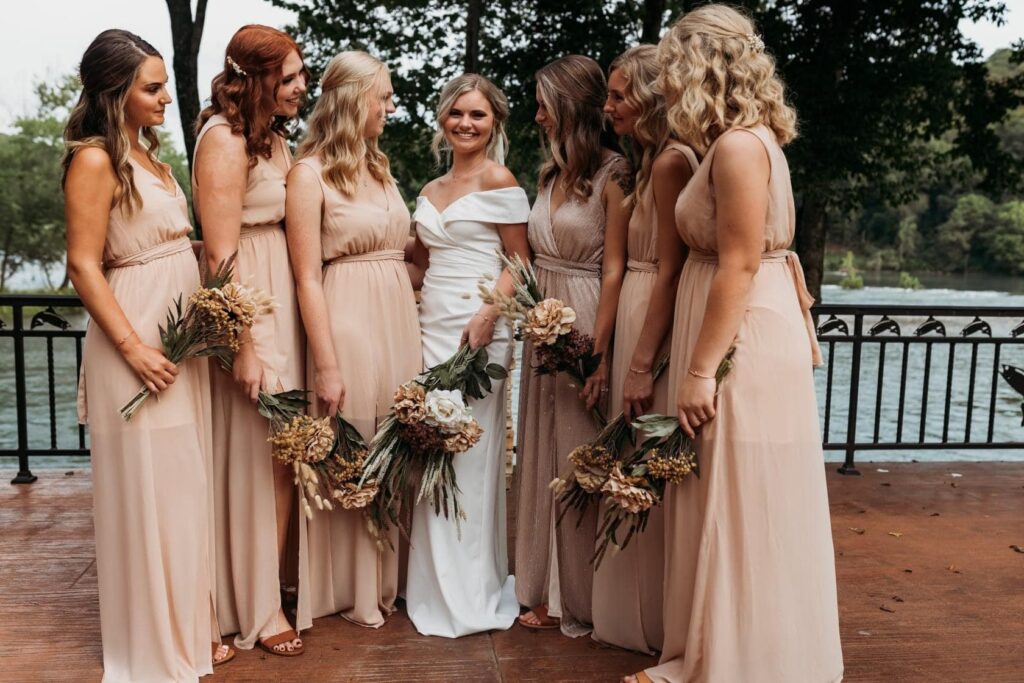
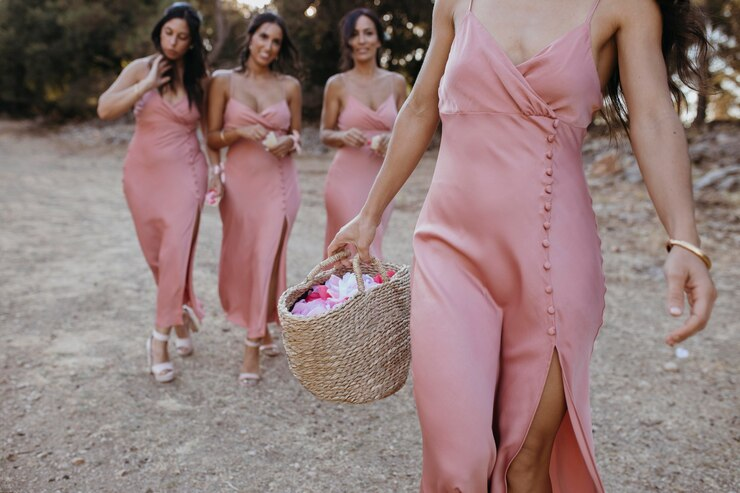
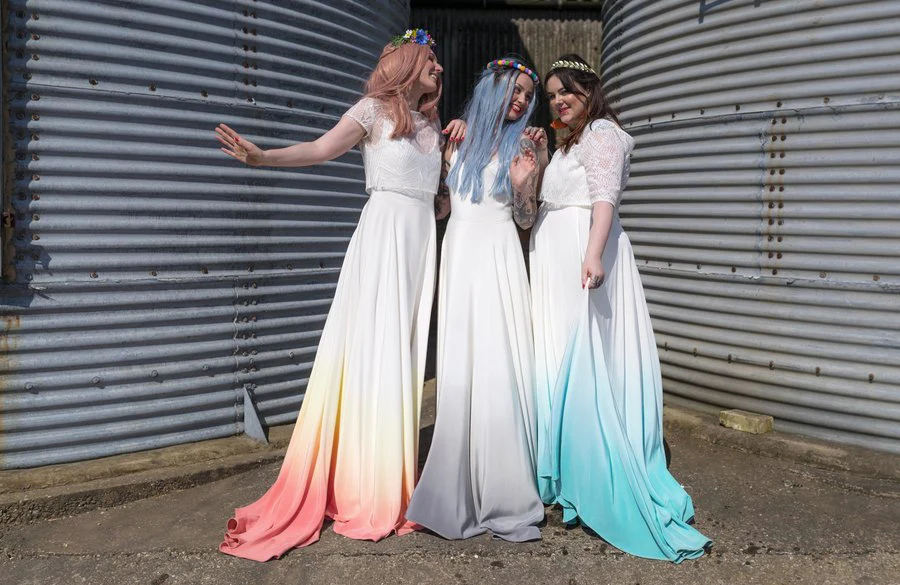
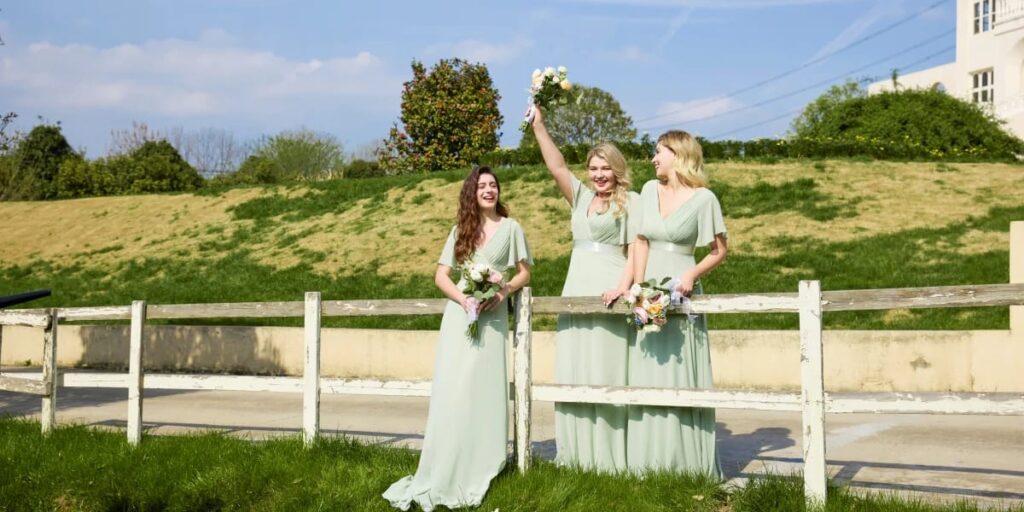
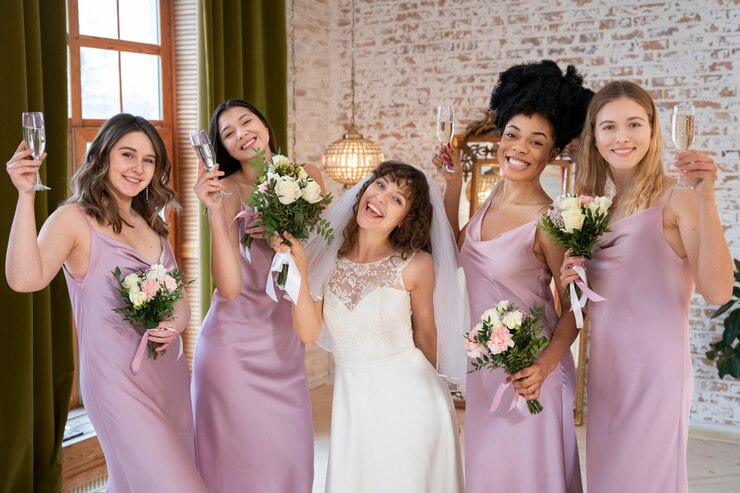
The bride’s gown is the centerpiece, but the rest of the wedding party still needs attention. Bridesmaid dresses often arrive in standard sizes that do not fit perfectly. A dress may need hemming, a waist adjustment, strap shortening, bust shaping, or small repairs before the wedding day.
Coordinating bridesmaid alterations early can prevent a last-minute rush. It is usually easier for each bridesmaid to schedule her appointment as soon as her dress arrives, rather than waiting for the entire group to be ready. That approach gives each person more time to handle her own fit concerns.
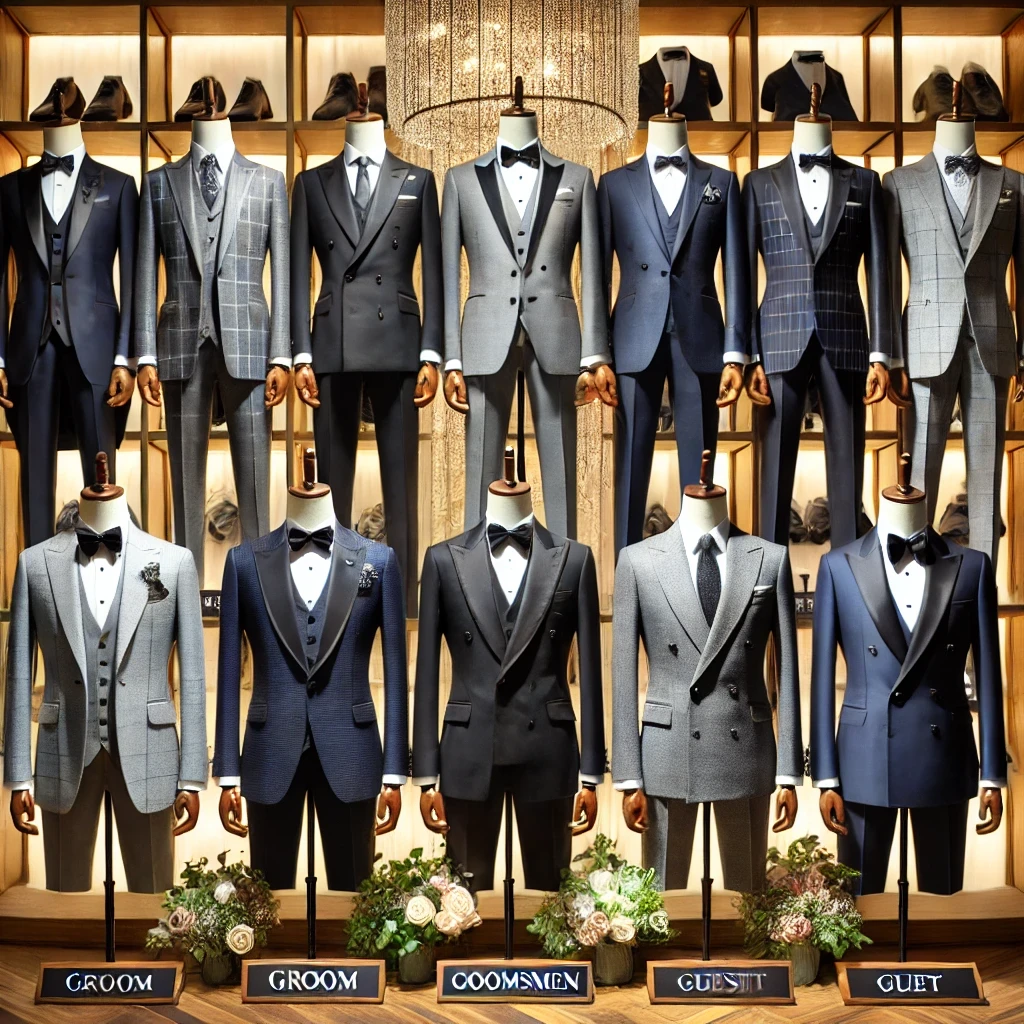
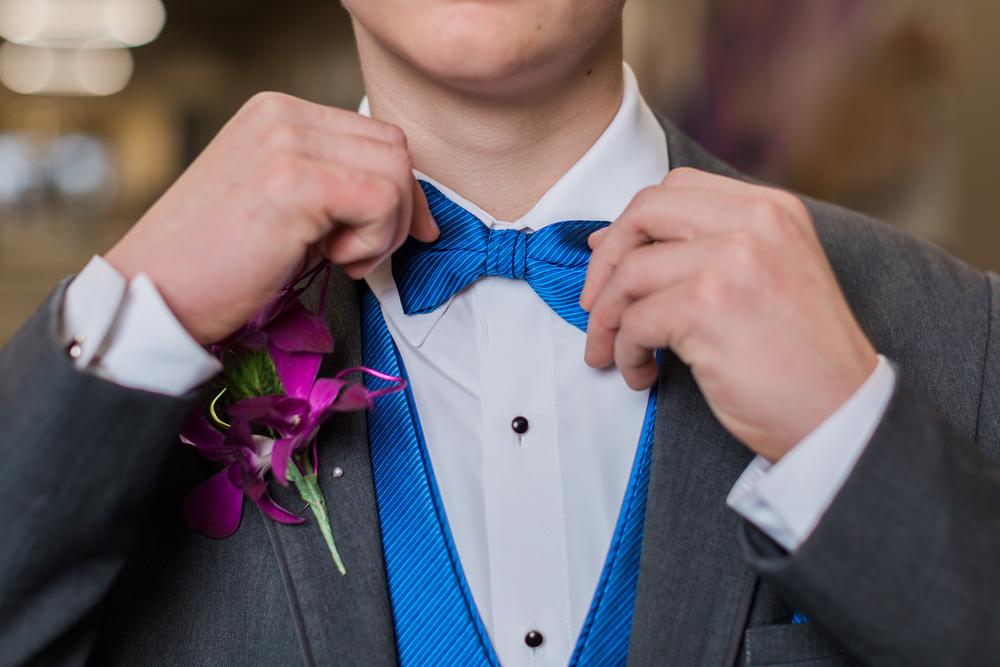
Groomsmen suits and tuxedos should also be checked before the final week. Trouser length, sleeve length, jacket fit, and shirt cuff visibility can make a major difference in photos. A wedding party looks more polished when every garment has been carefully reviewed.
Why Bridal Alterations Require Experience
Wedding gowns can be difficult to alter because they are often layered. The outer fabric may be delicate, while the inner structure provides shape and support. Beading, lace, embroidery, appliqué, and boning can all affect how the dress can be adjusted.
This is why brides should be careful about choosing a general tailor who does not regularly work with bridal garments. A wedding gown is too important for guesswork. The alterations specialist needs to understand how to open seams, preserve details, adjust structure, and keep the dress balanced from every angle.
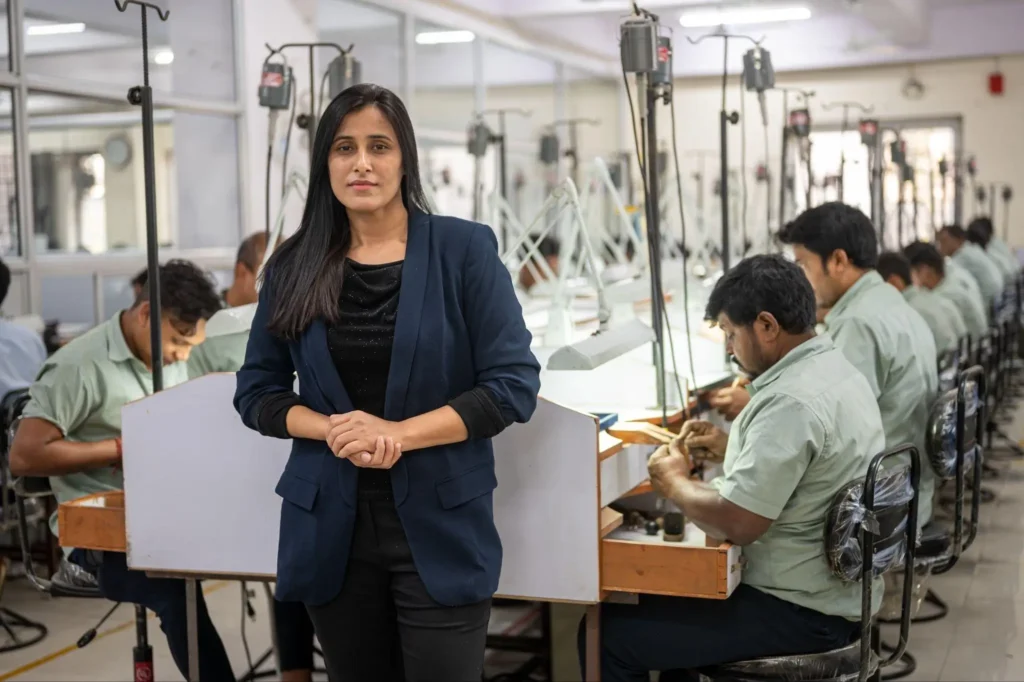
Fazio’s alterations and tailoring team works with formal garments, bridal wear, delicate fabrics, and detailed tailoring needs. That kind of experience is valuable because bridal alterations require both technical skill and a keen eye for how the gown should look on the wearer.
The Final Fitting Should Feel Calm And Certain
The final fitting is the bride’s chance to confirm that everything is right. The gown should feel secure, comfortable, and natural to move in. The hem should work with the shoes. The bodice should sit correctly. The bustle should be tested so someone in the wedding party knows how to fasten it later.
This appointment should not feel like the first time the dress is being solved. It should feel like a final check. Small refinements can still happen, but the major work should already be complete.
Before leaving the final fitting, the bride should make sure she can sit, walk, turn, hug, and raise her arms comfortably enough for the day’s events. A wedding dress is not just worn while standing still. It needs to move through a real celebration.
A Better Fit Makes The Whole Day Feel Easier
The right alterations can change how a bride feels in her gown. A well-fitting dress allows her to stand taller, move more comfortably, and stop adjusting herself every few minutes. That confidence shows in photos, in posture, and in the way she experiences the day.
For brides searching for local bridal tailoring, Fazio Cleaners offers a helpful path from first fitting to final finish. Its wedding alterations guidance explains what brides should expect before the big day, while its alterations and tailoring services provide experienced support for bridal gowns, formalwear, and wedding party garments.
A wedding dress should not feel almost right. It should feel ready. With the right timing, preparation, and an alterations specialist, the gown can fit the bride with the care the moment deserves.