





















































































































































































































































































































































































































































































































































































































































































































































































































































































































































































































































































































































































































































































































































































































































































































































































































































































































































































































































































































































How to Choose the Best Moisturizer in Pakistan for Your Skin and Your Weather


The best moisturizer for you depends on two things: your skin type and the climate you actually live in. Oily and combination skin does well with gel and water-based formulas, dry skin needs creams with ceramides and shea, and sensitive skin prefers short, fragrance-free ingredient lists. In Pakistan that choice shifts twice a year, because Karachi humidity and Lahore winter ask for completely different textures. Looking for the best moisturizer in Pakistan? Match the formula to the season first, then to your skin type, and apply it on slightly damp skin for noticeably better results.
Why does moisturizer matter more than people think?
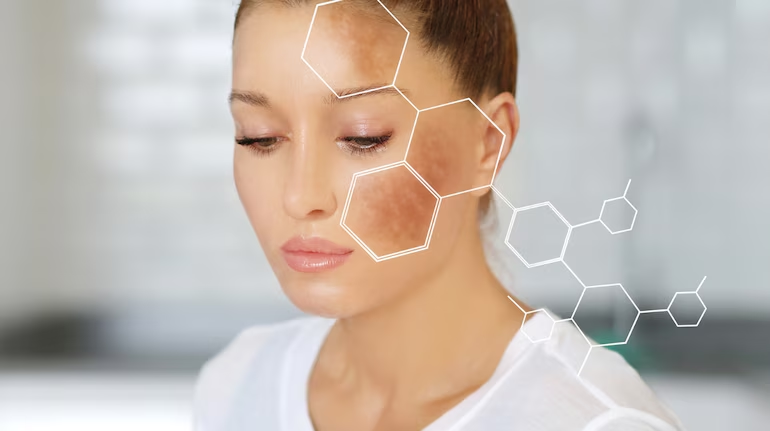
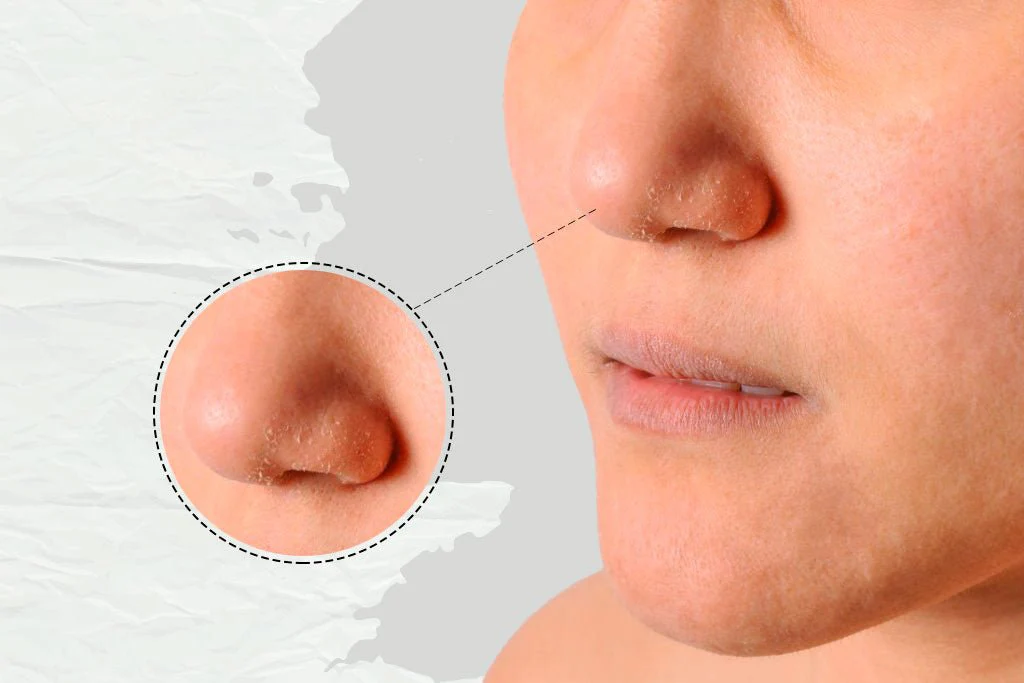
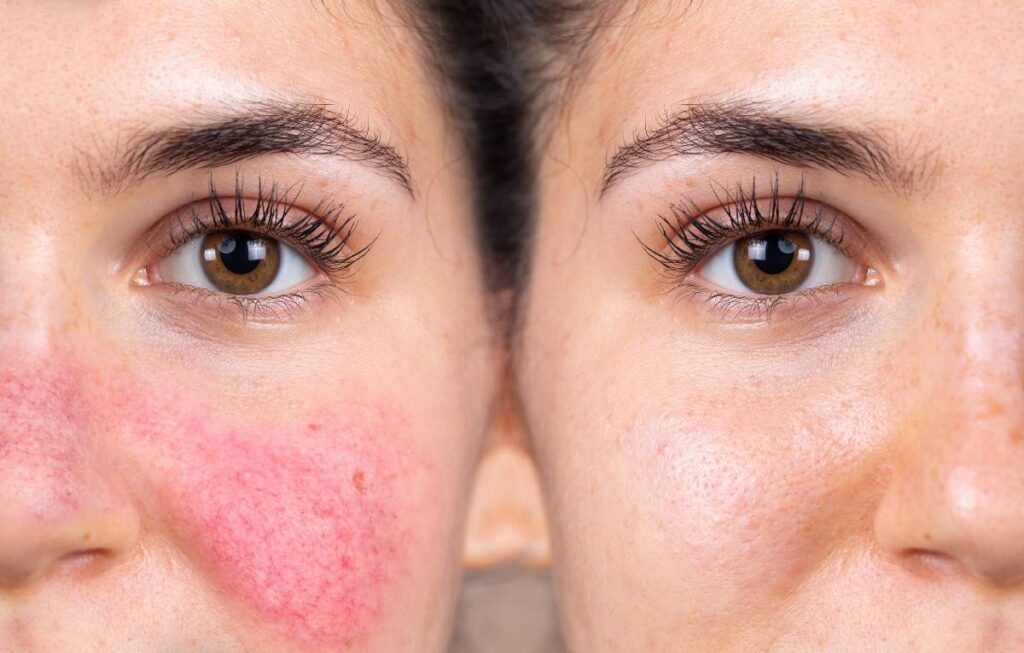
Moisturizer gets treated as an optional step, something you apply when your skin feels tight. It isn’t. Your skin barrier is the outer layer that holds water in and keeps irritants, pollution, and bacteria out. When it’s working, skin looks calm and even. When it’s damaged, you get flaking, redness, stinging from products that never used to sting, and in many cases more oil, not less.
Moisturizer is the step that keeps that barrier intact. It does three jobs at once:
- Humectants such as glycerin and hyaluronic acid pull water into the upper layers
- Emollients such as squalane and fatty acids smooth the surface and soften rough texture
- Occlusives such as shea butter and dimethicone slow water loss so the hydration stays put
Skip it and the rest of your routine works harder for less. Serums evaporate faster, actives irritate more, and makeup clings to dry patches.
How does Pakistan’s climate change what your skin needs?
This is the part most international skincare advice gets wrong for local readers. Pakistan isn’t one climate, it’s several, and your moisturizer should follow the calendar.
Coastal humidity
In Karachi and along the coast, air moisture stays high for most of the year. Skin loses water slowly, so heavy creams sit on the surface, mix with sweat, and feel sticky. Gel creams, lotions, and water-based formulas work far better here. Many people with oily skin in humid cities assume they should skip moisturizer entirely. That usually backfires, because dehydrated skin often responds by producing more oil.
Dry winters inland
Lahore, Islamabad, Peshawar, and Quetta swing hard the other way from November through February. Cold air holds less moisture, indoor heating pulls out more, and skin that behaved perfectly in September starts flaking in December. This is the season for richer creams, ceramides, and occlusive ingredients.
Dust, smog, and long summers
Air quality drops sharply in winter across Punjab, and dust is a year-round factor in much of the country. Pollution particles stress the barrier, which makes a protective moisturizer more useful, not less. Through the long summer, air-conditioned offices and cars quietly dry skin out even when the air outside feels humid.
A simple seasonal switch
| Season | Climate pressure | Texture to reach for |
| Summer (Apr to Sep) | Heat, sweat, AC exposure | Gel cream, light lotion |
| Monsoon | High humidity, stickiness | Water gel, oil-free lotion |
| Winter (Nov to Feb) | Dry air, smog | Ceramide cream, richer balm at night |
| Transition months | Unpredictable swings | Lightweight cream, adjust as needed |
You don’t need a shelf full of products. Two moisturizers, one light and one rich, cover the entire year for most people.
What is your skin type, and how do you actually check?
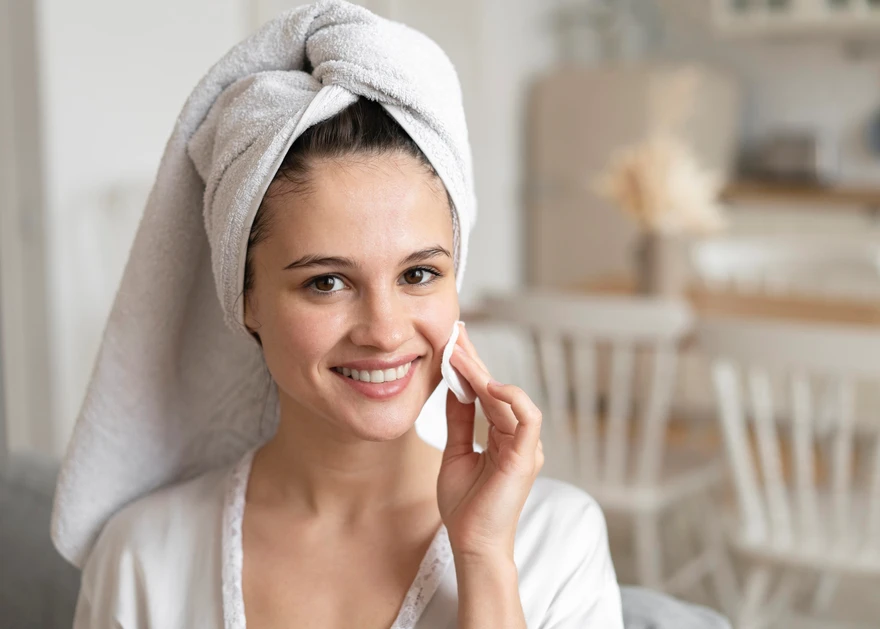
Guessing wrong is the most common reason a well-reviewed product disappoints. Here’s a reliable test: cleanse with a gentle face wash, apply nothing at all, and wait sixty minutes in a normal indoor environment.
- Tight all over, maybe flaky: dry skin
- Shiny across forehead, nose, and chin, comfortable on cheeks: combination skin
- Shiny everywhere, pores visible: oily skin
- Red, warm, or stinging: sensitive skin, which can overlap with any of the above
- Comfortable and even: normal skin
Oily and acne-prone skin
Choose gel or gel-cream textures labelled oil-free and non-comedogenic. Niacinamide is a strong ingredient here because it supports the barrier while helping balance shine. Pair the moisturizer with a gentle cleanser rather than a stripping face wash, since harsh cleansing pushes oil production higher.
Dry and dehydrated skin
Look for ceramides, squalane, shea butter, and panthenol. One useful distinction: dryness is a skin type and means a lack of oil, while dehydration is a condition and means a lack of water. Oily skin can be dehydrated too, which is why so many people with shine also complain about tightness.
Sensitive and reactive skin
Shorter ingredient lists usually win. Fragrance-free, alcohol-free, and soothing ingredients like centella or oat extract reduce the chances of a reaction. Patch test on the jawline for two days before applying to the whole face.
Mature skin
Richer creams with peptides, ceramides, and antioxidants help with comfort and texture. Layering a hyaluronic acid serum underneath on damp skin adds hydration without extra weight.
Which ingredients deserve a place in your moisturizer?
You don’t need to memorise chemistry. These are the ones that consistently earn their spot:
- Glycerin — affordable, effective, suits nearly every skin type
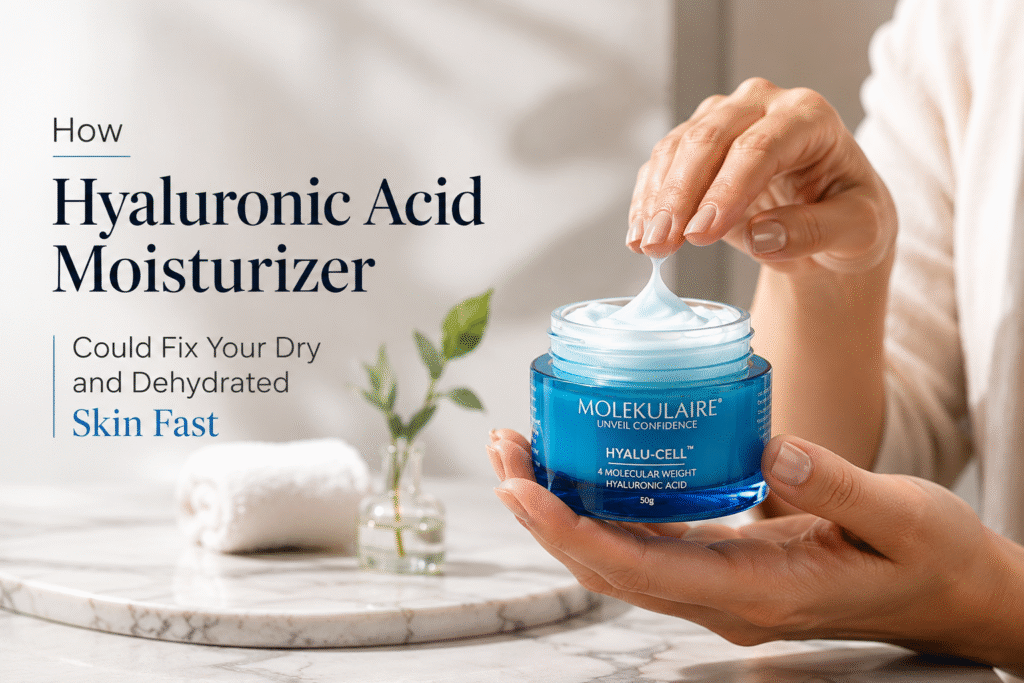
- Hyaluronic acid — binds water in the upper layers for a plump, smooth finish
- Ceramides — rebuild the barrier, especially valuable in dry winter months
- Niacinamide — supports the barrier and helps with shine and uneven tone
- Squalane — lightweight oil that hydrates without heaviness
- Panthenol — calms irritation and supports healing
- Shea butter — rich occlusive, best for dry skin and night use
Go easy on: heavy fragrance, denatured alcohol high in the ingredient list, and essential oil blends if your skin runs reactive. None of these are dangerous, but they’re the usual suspects when a new product causes stinging.
How should you apply moisturizer for the best result?
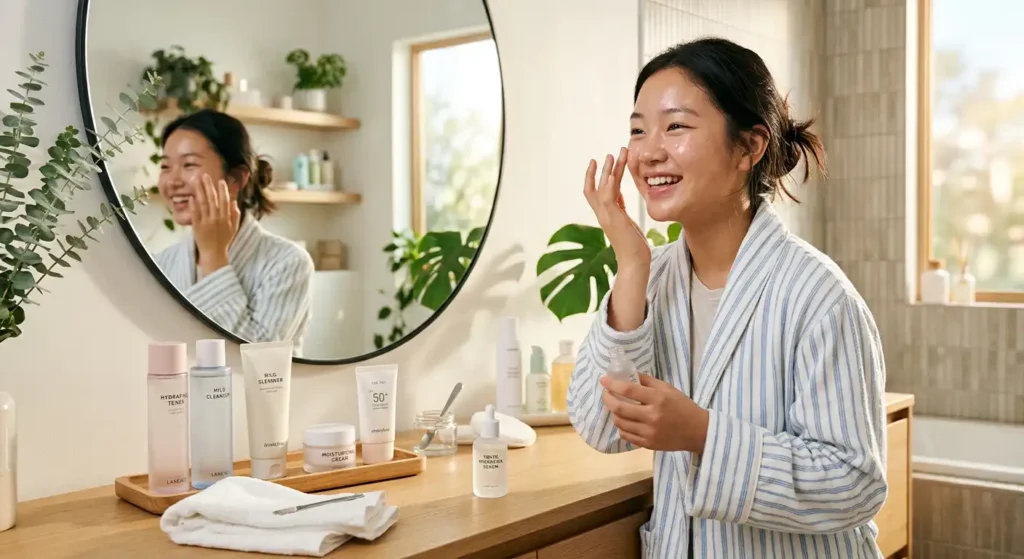
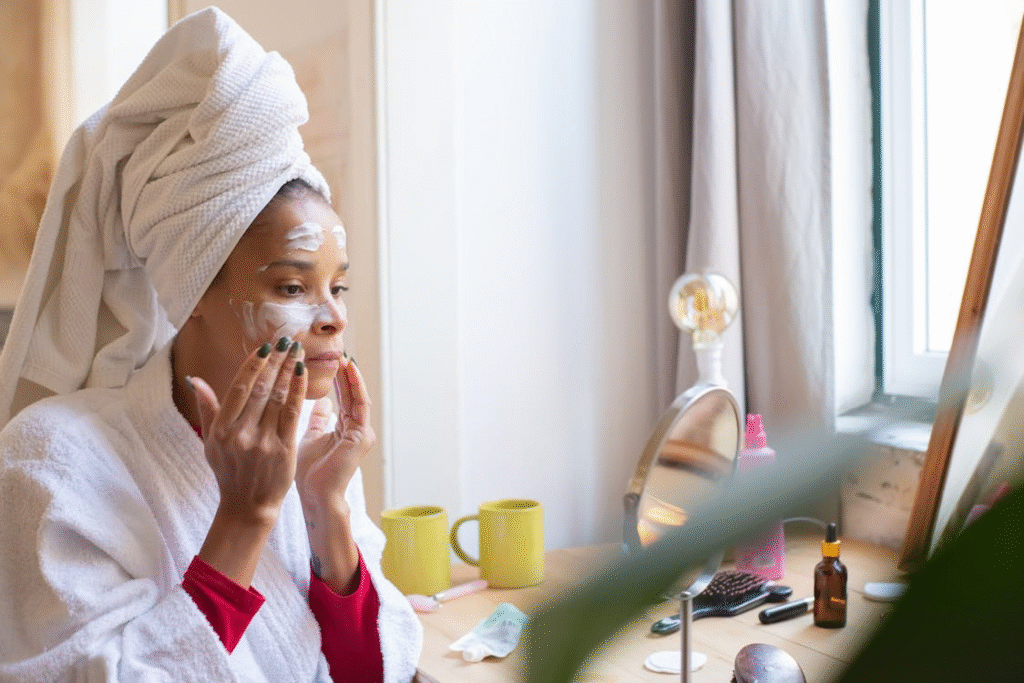
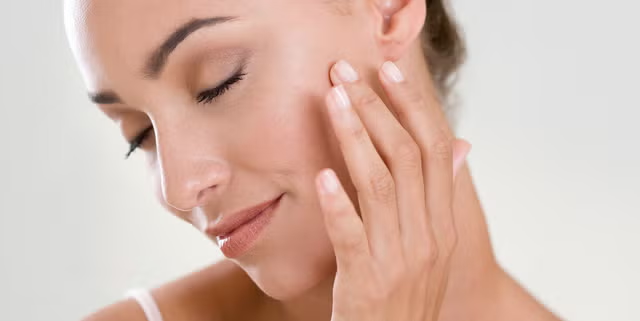
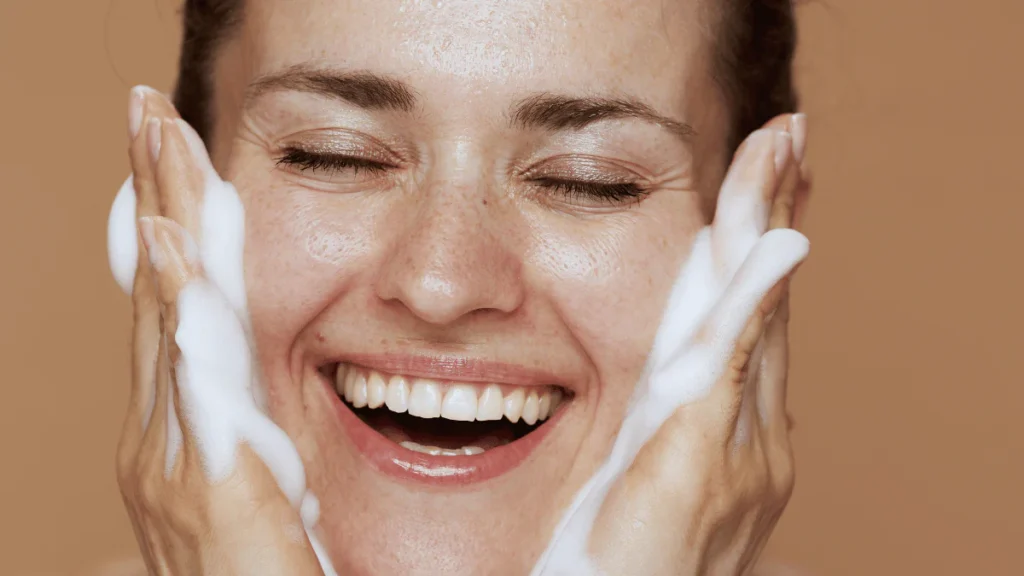
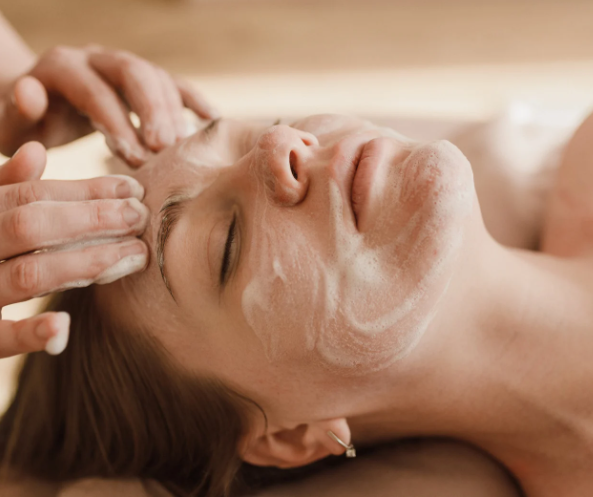
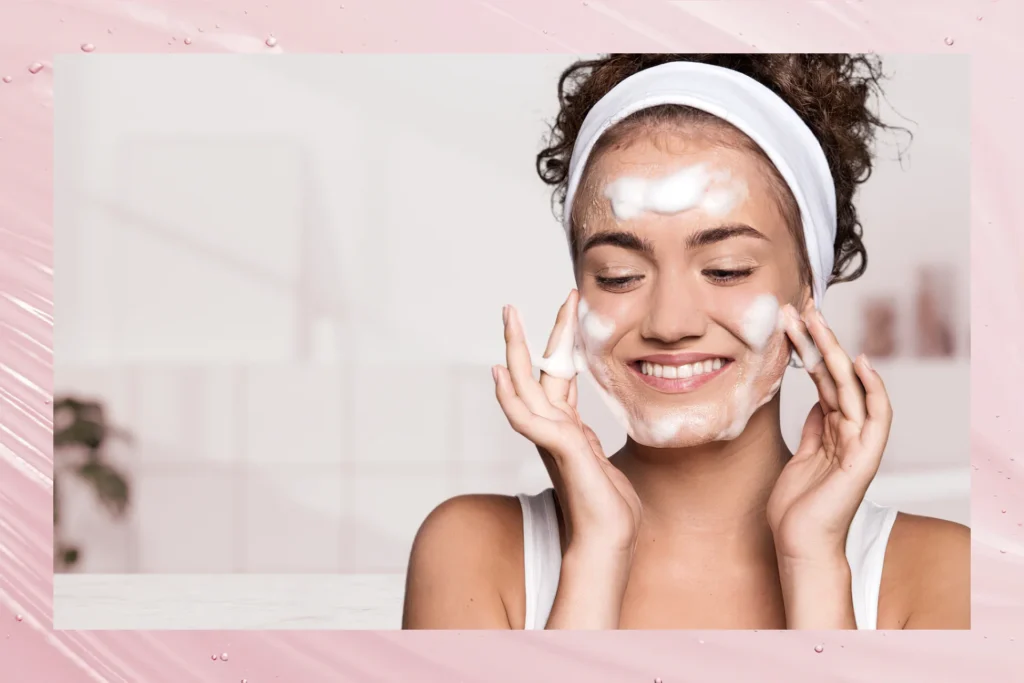
Apply to damp skin
After cleansing, pat your face until it’s just slightly damp, then apply. Humectants work by holding water, so giving them water to hold makes a visible difference.
Use the right amount
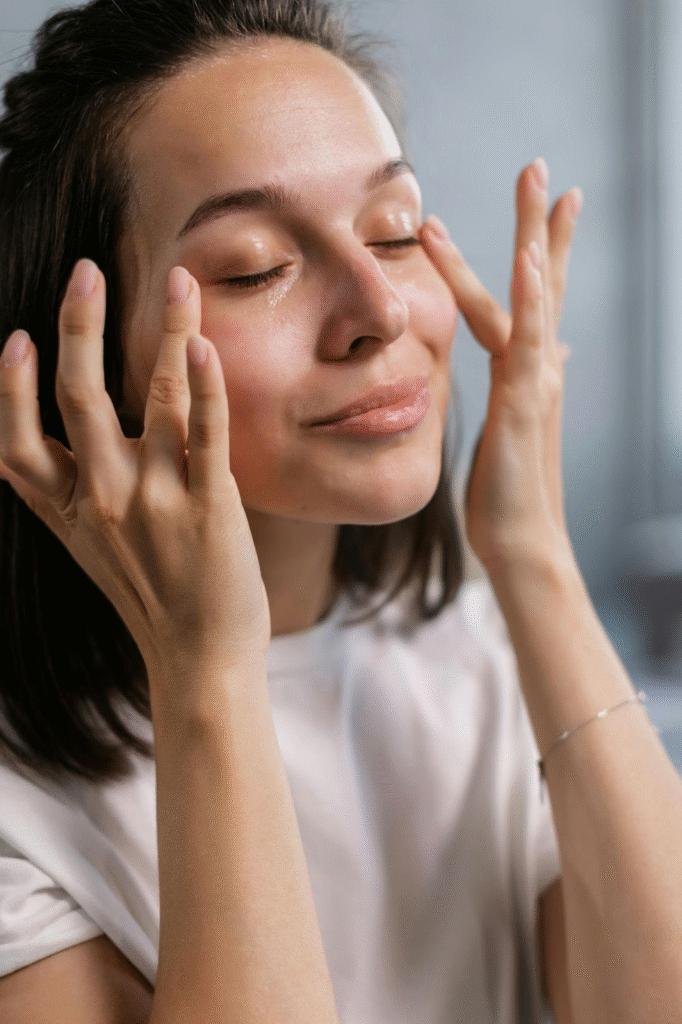
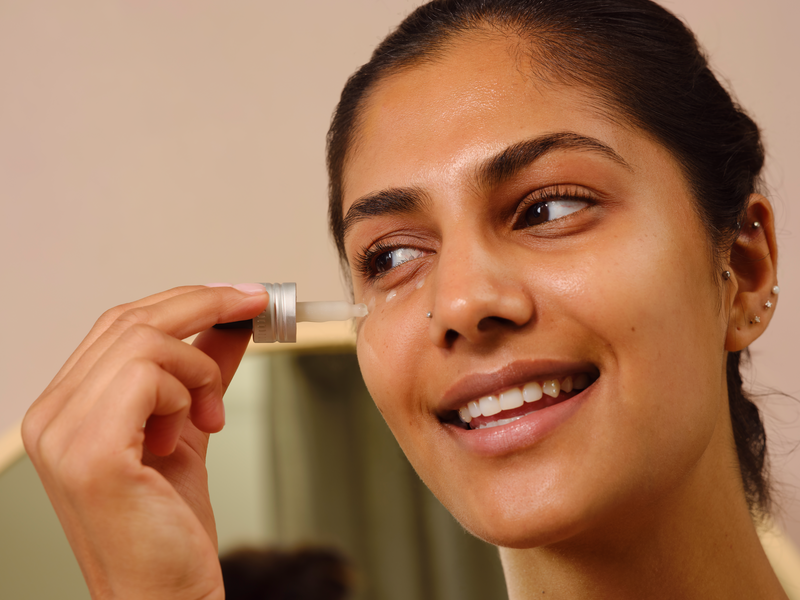
A pea-sized amount for the face, slightly more for the neck. Warm it between your fingertips and press it in rather than rubbing it across.
Follow the correct order
Cleanser, then toner or essence if you use one, then serum, then moisturizer, then sunscreen in the morning. Thin to thick is the rule. In the evening, moisturizer goes last unless you’re using a facial oil.
Don’t forget the neck and chest
These areas show dryness and sun texture early, and they get ignored almost universally.
Morning versus night
Use the lighter formula in the morning so it sits well under sunscreen and makeup. Save the richer cream for night, when there’s no makeup to compete with and skin repairs itself.
When should you change your moisturizer?
Switch when your skin tells you to, not on a schedule. Clear signals:
- Flaking or tightness even after applying: you need something richer
- Shine and congestion within two hours: your formula is too heavy
- Stinging on application: likely a barrier issue or a fragrance reaction
- Makeup pilling: the texture isn’t compatible with what you layer on top
- Nothing happening at all: give it four weeks before judging, as barrier recovery takes time
One change at a time. If you swap three products together and your skin reacts, you’ll never know which one caused it.
Which mistakes make a good moisturizer fail?
- Skipping it because your skin is oily. Dehydrated oily skin usually gets oilier.
- Using the same cream all year. Winter formulas feel suffocating in July.
- Applying to bone-dry skin. You lose a good share of the benefit.
- Buying purely on reviews from another climate. A cream loved in a cold, dry country may not suit coastal humidity.
- Over-exfoliating underneath. Scrubs and acids several times a week damage the barrier faster than any moisturizer can repair it.
- Expecting overnight results. Hydration shows quickly, barrier repair takes weeks.
Which moisturizer should you shop at Highfy?
Once you know your skin type and your season, picking becomes straightforward. At Highfy, the easiest way to shop is by texture and concern rather than by brand name:
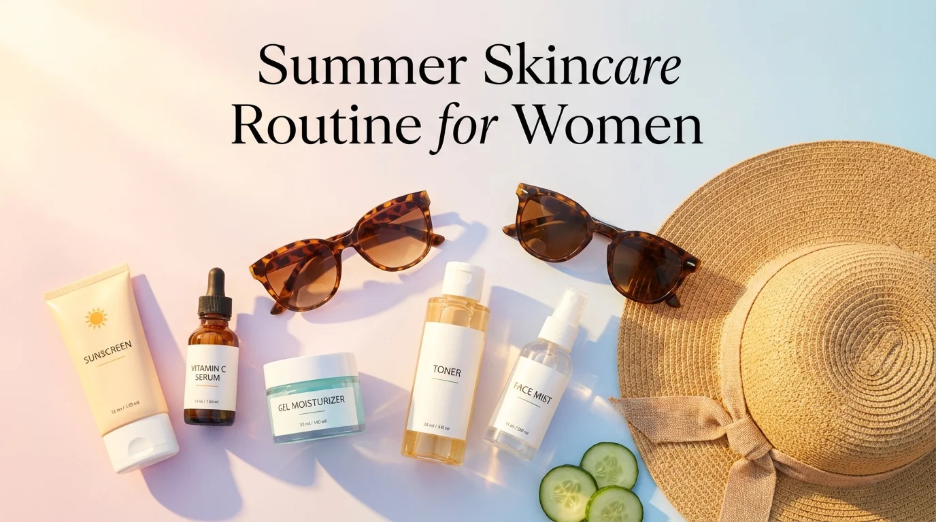
- Gel moisturizers — the go-to for oily, combination, and humid-weather skin
- Cream moisturizers for dry skin — ceramide and shea-based formulas for winter comfort
- Oil-free moisturizers — lightweight hydration for acne-prone skin
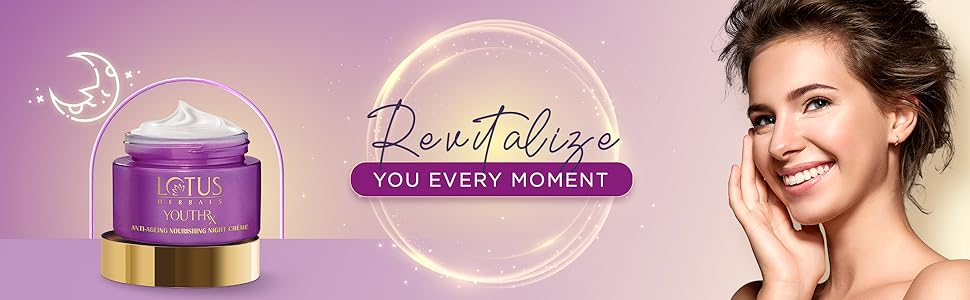
- Night creams — richer repair formulas for overnight use
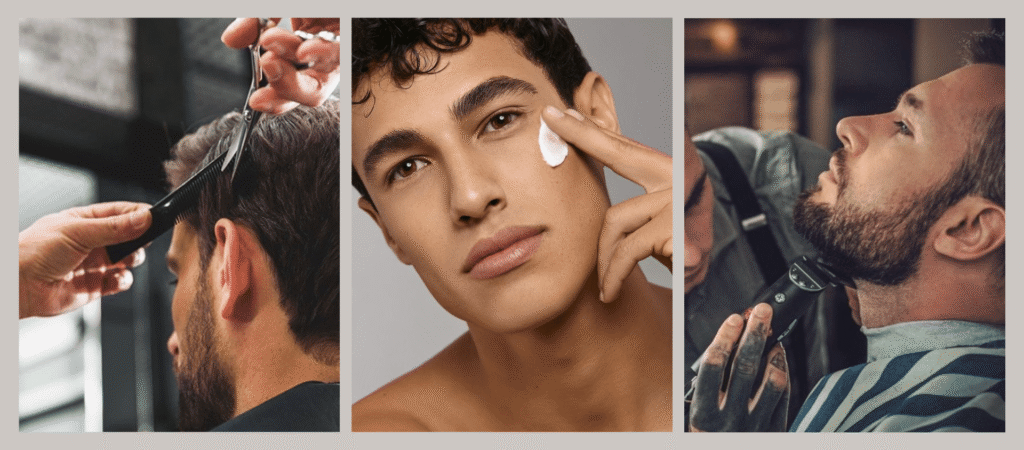
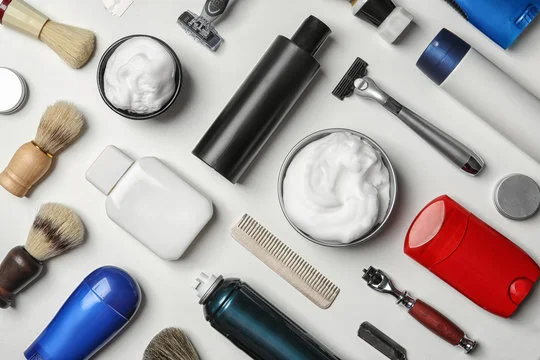
- Men’s face moisturizers — fast-absorbing options that suit post-shave skin
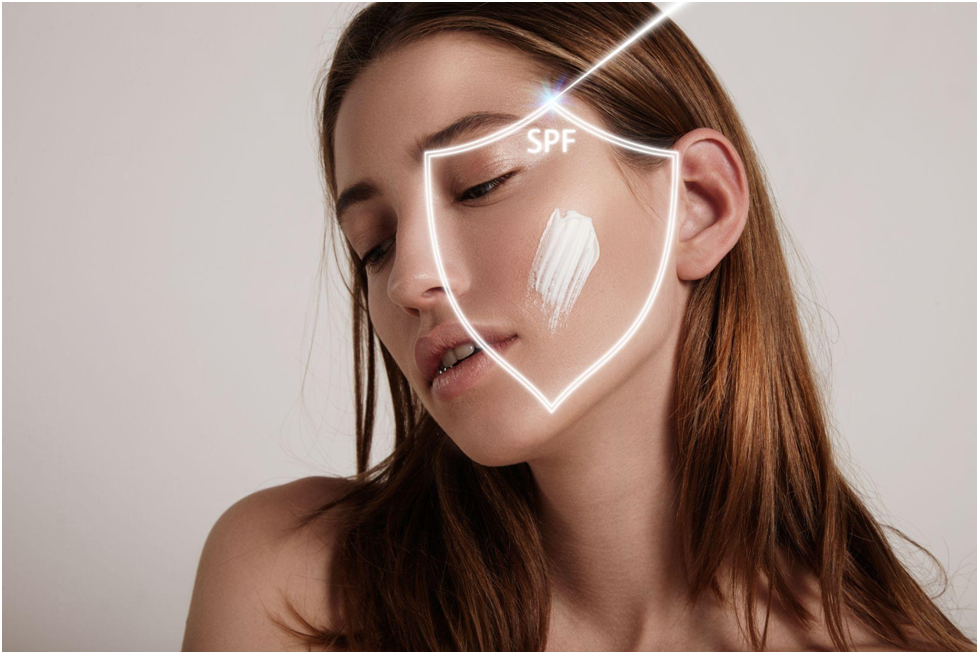
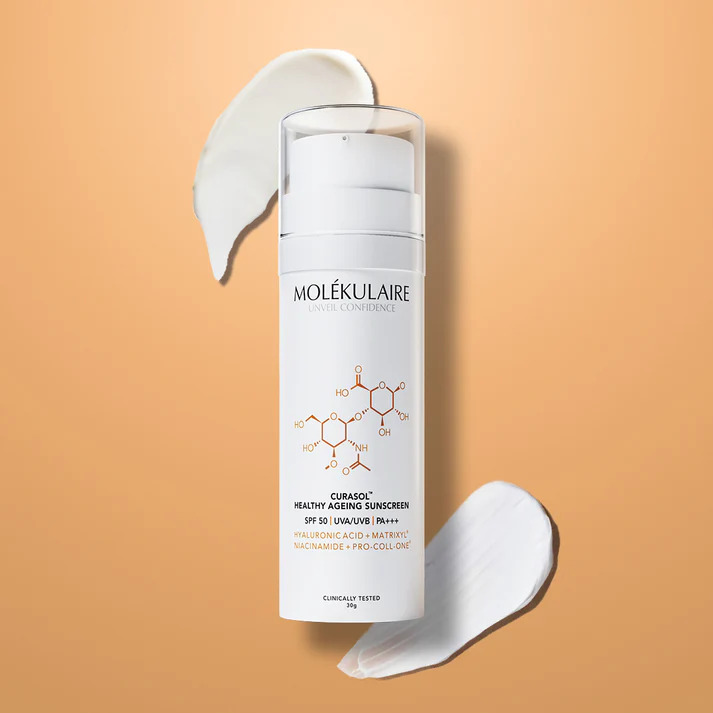
- Moisturizers with SPF — a practical two-in-one for busy mornings
Browse the complete moisturizer range at Highfy, where you can filter by skin type, texture, and concern, and build a routine that holds up through both the monsoon and the smog season.
Best Moisturizer in Pakistan Frequently asked questions
Q. Which is the best moisturizer in Pakistan for oily skin?
Look for an oil-free gel or gel-cream with niacinamide or hyaluronic acid. Texture matters more than brand name here, and humid coastal weather makes lightweight formulas the clear winner.
Q. Do I need a moisturizer if I already use sunscreen?
Usually yes. Some sunscreens are hydrating enough to work alone on oily skin in summer, but most people benefit from a thin layer of moisturizer underneath.
Q. Can I use the same moisturizer in summer and winter?
You can, but your skin will be happier if you don’t. Keep one light formula and one richer one, and switch as the weather turns.
Q. How long before I see results?
Hydration and comfort improve within days. Smoother texture and better barrier function take four to six weeks of consistent use.
Q. Is an expensive moisturizer better?
Not automatically. Glycerin, ceramides, and niacinamide are affordable and effective. Price often reflects packaging and marketing more than performance.
Q. Should men use a different moisturizer?
Not necessarily, though men’s skin tends to be oilier and thicker, so fast-absorbing lotions and gels are usually a better fit, especially after shaving.
Q. Can moisturizer cause pimples?
A heavy formula can contribute to congestion. Choose non-comedogenic options and cleanse properly at night.
The bottom line
There’s no single best moisturizer for everyone in Pakistan, and any article that claims otherwise is selling something. There is the best moisturizer for your skin type, in your city, in this season. Work out whether your skin runs oily, dry, combination, or sensitive. Choose a texture that matches the weather outside your window. Apply it on damp skin, morning and night, and give it a month before you judge it.
Ready to find yours? Explore the best moisturizer in Pakistan edit at Highfy, filter by skin type and texture, and pick a formula your skin can actually stick with.