

















































































































































































































































































































































































































































































































































































































































































































































































































































































































































































































































































































































































































































































































































































































































































































































































































































































































































































































































































































































































































































































































































































































































Is Your “Probiotic” Skincare Actually Probiotic?


“Probiotic” has become a familiar word in skincare. It often brings to mind the idea of beneficial bacteria and healthier, more balanced skin. But when a skincare product says “probiotic,” what does that actually mean?
Does it contain live microorganisms? Or can microbiome-focused skincare work through other types of ingredients?
That question opens up a much bigger world of skincare science. Alongside probiotics, there are prebiotics and postbiotics, each representing a different approach to supporting the skin microbiome. Understanding these differences can make it easier to look beyond the front of a product and understand what is actually inside the formula.
What Is Probiotic Skincare?
Probiotics are generally defined as live microorganisms that provide a health benefit when administered in adequate amounts. In skincare, this concept is connected to the skin microbiome, the community of microorganisms that naturally lives on the skin.
The skin microbiome is part of the skin’s natural environment. Its microorganisms interact with the skin barrier and with each other, which is why researchers are studying their role in maintaining healthy skin.
There Is More to Microbiome Skincare
Probiotics, prebiotics and postbiotics are often mentioned together, but they work in different ways.
| Term | What it means | How it works on skin |
| Probiotic | Live beneficial microorganisms | Adds beneficial microbes that are intended to support the skin’s microbiome. |
| Prebiotic | Food for beneficial microbes | Feeds the beneficial microbes already living on your skin, helping support a balanced microbiome. |
| Postbiotic | Inactive microbes or parts of microbes | Uses beneficial microbial components to support skin without needing live microbes in the formula. |
The distinction is useful because microbiome skincare does not follow a single approach. A formulation can interact with the skin’s microbial environment by introducing microorganisms, supporting microorganisms already present, or using preparations derived from microorganisms.
Prebiotics: Supporting the Skin’s Existing Microbiome
Prebiotics are particularly interesting because they work with the microbial environment that is already present on the skin. They provide substrates that can be selectively used by microorganisms, helping create an environment that supports the skin’s existing microbial community.
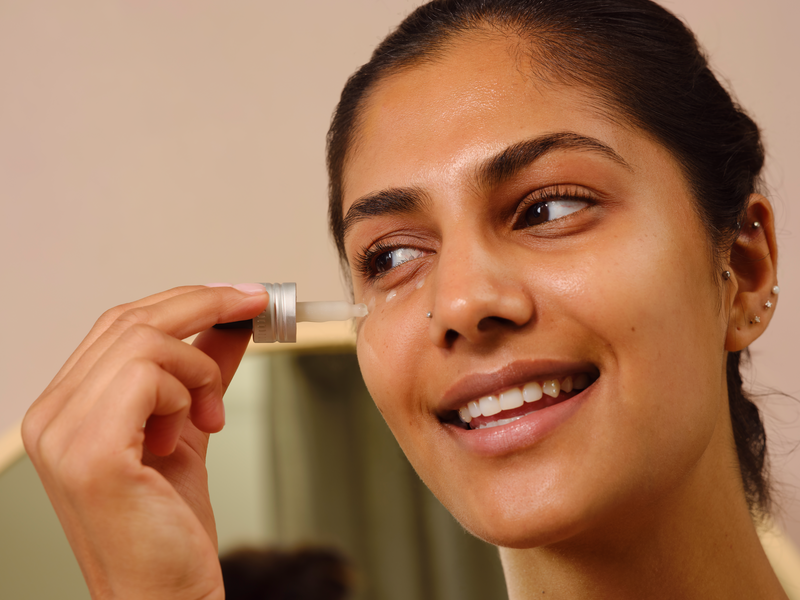
Kayura’s Dew Drops Calming Hydration Essence contains fructooligosaccharides, a prebiotic ingredient. This makes it an example of a prebiotic approach to microbiome-focused skincare. Rather than introducing live microorganisms, the formulation includes an ingredient that can support microorganisms already present on the skin.
What Are the Potential Benefits?
Research into the skin microbiome is exploring how probiotics, prebiotics and postbiotics may support:
- Skin barrier and hydration
- A balanced skin environment
- Skin resilience
- Inflammatory responses
- Specific skin concerns
Benefits depend on the ingredient and formulation. Prebiotic skincare focuses on supporting microorganisms already present on the skin.
What Does the Science Say About the Future of Microbiome Skincare?
Research into the skin microbiome has grown significantly, giving scientists a better understanding of how microorganisms interact with the skin and its barrier. Researchers are exploring probiotics, prebiotics and postbiotics as different approaches within skincare formulation and studying how they may support the skin environment, barrier function and overall skin health.
As the science develops, research is becoming more detailed, focusing on individual microorganisms, microbial communities and how they interact with the skin. This could lead to more targeted formulations designed around specific skin needs. Prebiotic approaches, such as the use of fructooligosaccharides in Kayura’s Dew Drops Calming Hydration Essence, focus on supporting microorganisms already present on the skin.
Because microbiome science is still evolving, the potential of each approach depends on the specific ingredient and formulation. For consumers, understanding these differences makes it easier to look beyond claims like “probiotic” or “microbiome” and understand the ingredients, purpose and science behind the product.
Frequently Asked Questions
What is probiotic skincare?
Probiotic skincare refers to skincare associated with probiotics or microbial ingredients designed to support skin health. Probiotics are generally defined as live microorganisms that provide a health benefit when administered in adequate amounts.
What do probiotics do for your skin?
Research is exploring the potential role of probiotics in supporting the skin barrier, skin balance and overall skin health. The benefits depend on the specific microorganism and formulation.
What is the difference between probiotics and prebiotics in skincare?
Probiotics are live microorganisms that provide a health benefit. Prebiotics are substrates selectively used by microorganisms. In skincare, prebiotics can support microorganisms that are already present on the skin.
What are postbiotics in skincare?
Postbiotics are preparations of inanimate microorganisms and/or their components that provide a health benefit. They represent another approach to incorporating microbiome science into skincare formulations.
Is prebiotic skincare good for your skin?
Prebiotic skincare is being explored for its ability to support the skin’s existing microbial environment. Ingredients such as fructooligosaccharides are used as prebiotics in skincare formulations, with research continuing to investigate their role in skin health.
Does Kayura use a prebiotic ingredient?
Yes. Kayura’s Dew Drops Calming Hydration Essence contains fructooligosaccharides, a prebiotic ingredient designed to support the skin’s existing microbial environment.
Can probiotics and prebiotics be used together?
Probiotics and prebiotics represent different approaches and can be studied or formulated in combination. The suitability of combining them depends on the specific ingredients, formulation and intended benefit.