













































































































































































































































































































































































































































































































































































































































































































































































































































































































































































































































































































































































































































































































































































































































































































































































































































































































































Super Clone vs. Standard Replica Watches: Is the Higher Price Worth It?

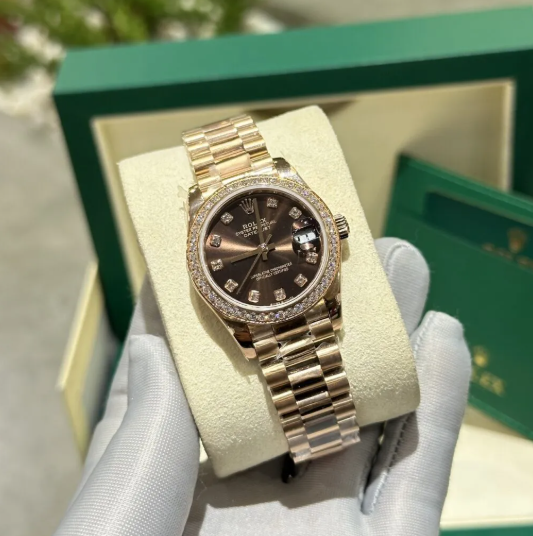
Two listings, same model, same photos at a glance. One is priced at a fraction of the other, and both call themselves replicas. The more expensive one adds the words “super clone” and asks you to trust that the premium buys something real. That is the question worth answering before you pay: what does the extra money actually get you, and when is it not worth it? We stock replica watches at Watchvale, so we will be upfront that we sell across this range, but the goal here is to help you spend wisely rather than talk you into the pricier option by default.
The short version is that a higher price can buy genuine improvements, and it can also buy nothing but a bolder label. Price alone proves neither. Let us break down where the money tends to go.
Movement: Where Most of the Cost Lives
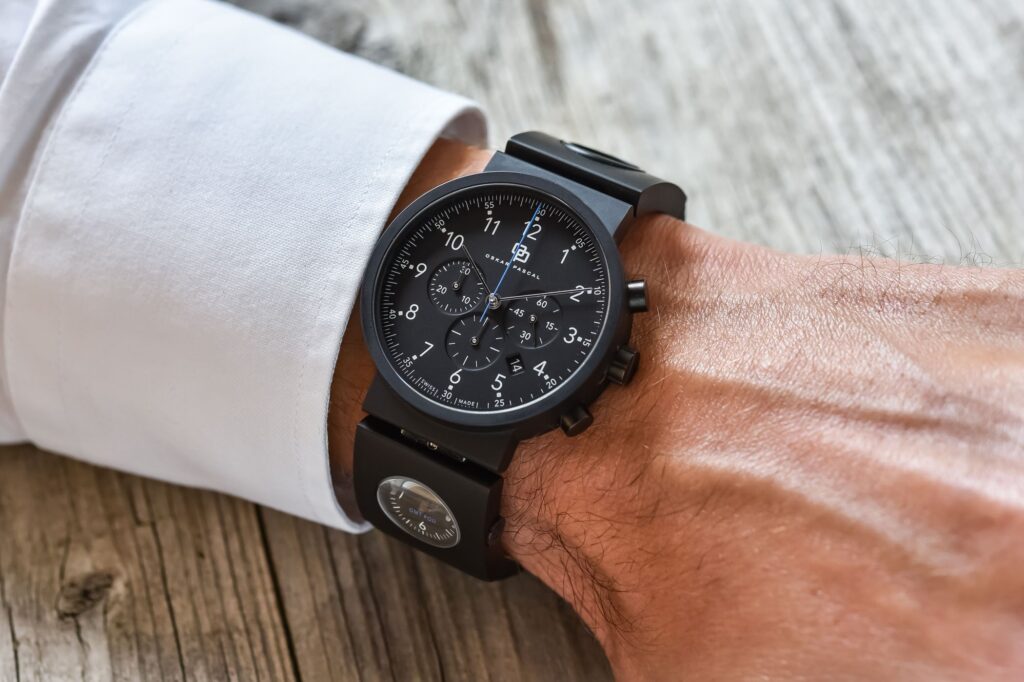
The single biggest driver of price difference is usually the movement. A standard replica often runs a basic automatic that keeps time but does not attempt to mimic the behavior of the original caliber. A higher-tier build aims to replicate how the genuine movement feels and functions, including winding smoothness, power reserve, and how cleanly the date flips over.
This is where extra cost can be justified, because a better movement is the part you cannot see but will live with every day. A watch that stops overnight or struggles to hold time becomes a drawer ornament fast. That said, a premium price is a claim about the movement, not proof of it. Ask what caliber is inside and what it is based on.
Finishing, Crystal, and Case
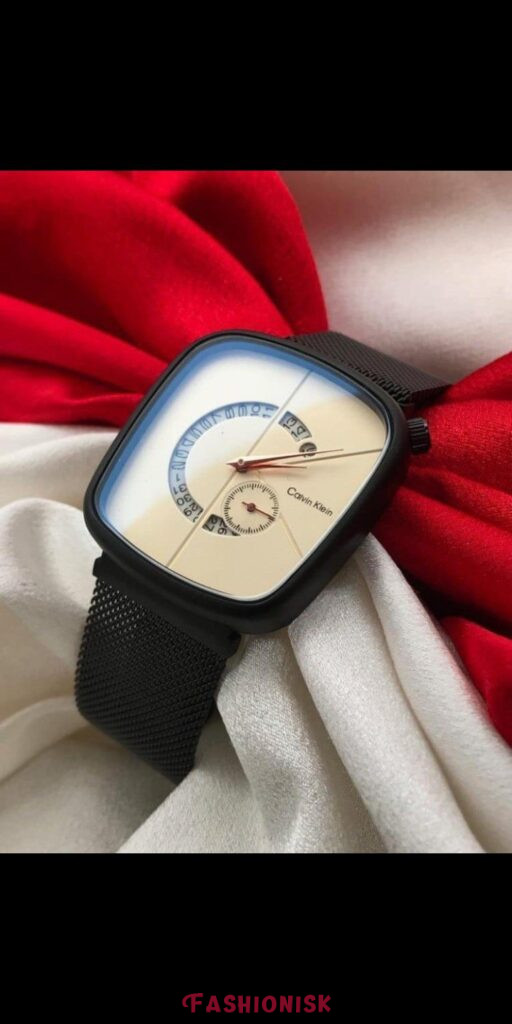
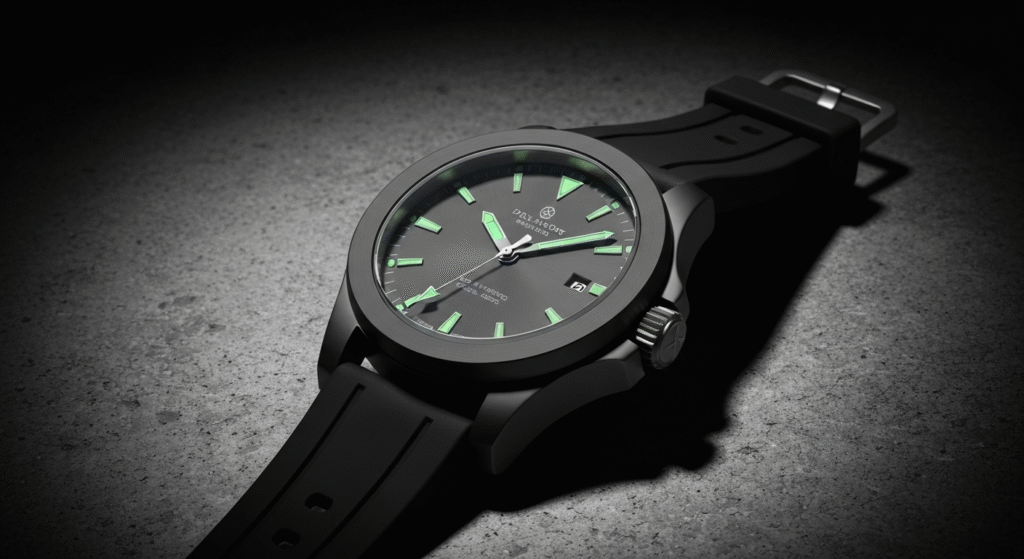
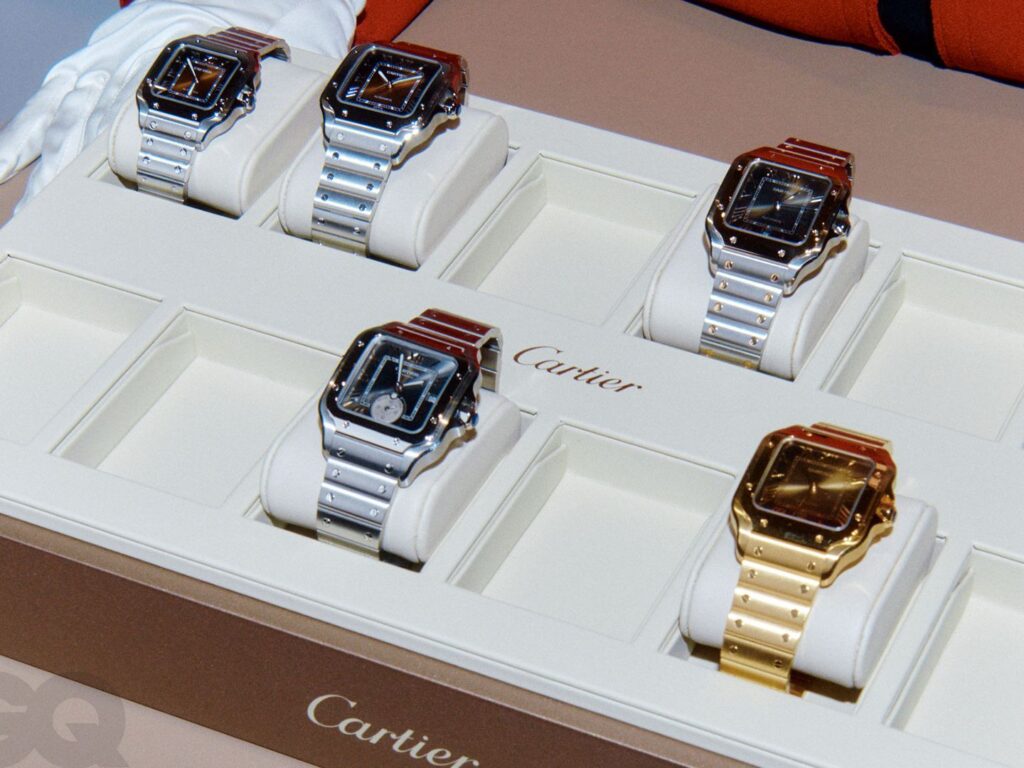
Beyond the movement, the money shows up in details. Sharper edges on the case, cleaner printing on the dial, correctly applied lume, and proper weight distribution all cost more to produce. A sapphire crystal with anti-reflective coating resists scratches and glare far better than cheaper mineral or acrylic alternatives, and it is one of the more noticeable upgrades in daily use.
Bracelet quality follows the same pattern. A better clasp, solid end links, and even brushing separate a convincing piece from an obvious one. These are the areas a careful buyer can actually inspect in photos and descriptions, so they are worth scrutinizing.
Quality Control and After-Sales Support
Here is a difference that does not show up in a product photo. A higher price sometimes reflects tighter quality control, meaning fewer units go out with alignment problems or dead movements. It can also reflect better after-sales support, a seller who will actually help if something fails rather than vanishing after payment.
This is genuinely valuable, but it is also the easiest thing for a seller to claim and the hardest to verify before buying. Return policies, warranty terms, and responsiveness to pre-sale questions are your best signals.
Notice how many entries in the right column say “claimed.” That is the core issue. The upgrades are real when they are real, and the label alone does not confirm them.
When the Higher Price Is Worth It
The premium makes sense when you plan to wear the watch daily and want it to keep running and looking right for years. It makes sense when the movement and crystal upgrades matter to you and when the seller backs the claims with a return policy and clear answers. If you are buying something you will wear often, paying more for reliability usually costs less than replacing a cheap piece twice.
When It Is Not
The premium is not worth it when the only thing separating the two listings is the word “super clone” and a higher number. If a seller cannot name the movement, will not stand behind the watch, or dodges direct questions, the extra cost is buying marketing, not metal. A factory label or a confident price tag is not evidence of quality. Verification is.
Frequently Asked Questions
Does a higher price guarantee a better replica?
No. Price can reflect a better movement, crystal, and finishing, but it can also reflect nothing more than a bolder label. Verify the specific upgrades rather than assuming the price proves them.
What is the most important upgrade to pay for?
Usually the movement, because it is what you rely on every day and cannot easily inspect. A sapphire crystal with anti-reflective coating is the next most noticeable improvement in daily wear.
How is this different from comparing replica types?
This is about value for money within the replica range, not category definitions. It focuses on what the extra cost buys in parts and service, rather than how a replica differs from a homage.
Can I tell the difference from photos alone?
Partly. Finishing, crystal type, and bracelet quality often show in good photos, but movement behavior and quality control do not. For those, you rely on the seller’s transparency and warranty.
Final Thoughts
So is the higher price worth it? Sometimes, and only when it buys things you can point to: a better movement, a sapphire crystal, cleaner finishing, and a seller who stands behind the watch. When those are present and you intend to wear the piece regularly, the premium usually pays for itself in reliability. When the only upgrade is the label, it does not. Do not let a price tag or a factory name make the decision for you. Ask what the money buys, confirm the answer, and then decide. The worthwhile premium is the one you can verify, not the one you are asked to take on faith.