
























































































































































































































































































































































































































































































































































































































































































































































































































































































































































































































































































































































































































































































































































































































































































































































































































































































































































































































































































































































































































































The Science Behind Weight Loss

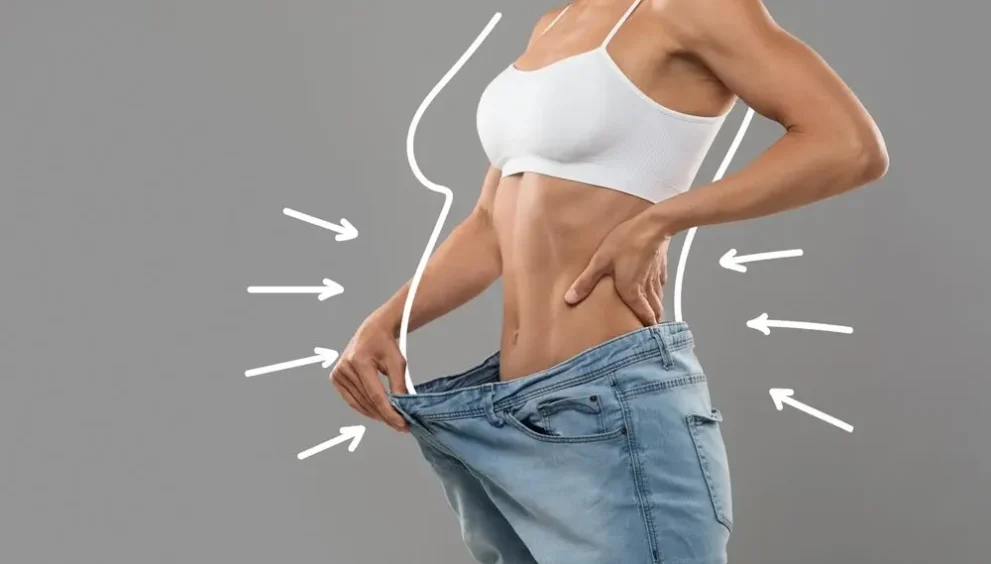
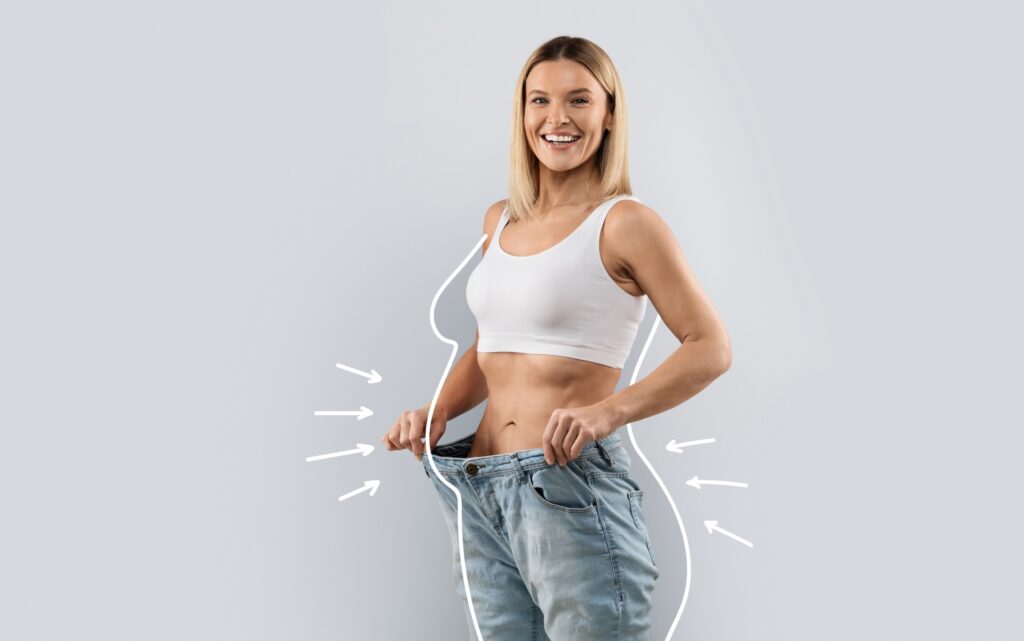
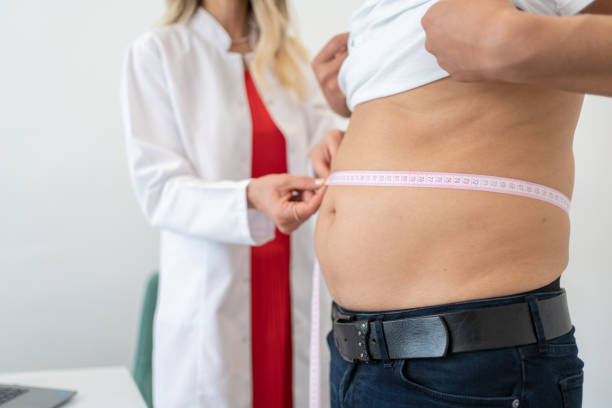
Weight loss can seem straightforward on paper: eat less, move more, and watch the numbers on the scales go down. In reality, our bodies are a little more complicated than that. Everything from metabolism and hormones to sleep and everyday activity can influence weight. Understanding some of the science behind the process can make weight management feel less mysterious and help explain why the same approach won’t necessarily produce identical results for everyone.
It Starts With Energy Balance
Our bodies need energy around the clock. Even when you’re asleep or relaxing on the sofa, energy is being used to keep your heart beating, maintain your body temperature, support your brain, and carry out countless other essential processes.
We get that energy from the food and drinks we consume. When the body consistently receives less energy than it uses, it has to draw on stored energy, including body fat. Over time, this can result in weight loss. However, the amount of energy an individual needs varies considerably depending on factors including age, body size, and activity levels.
Your Metabolism Plays A Part
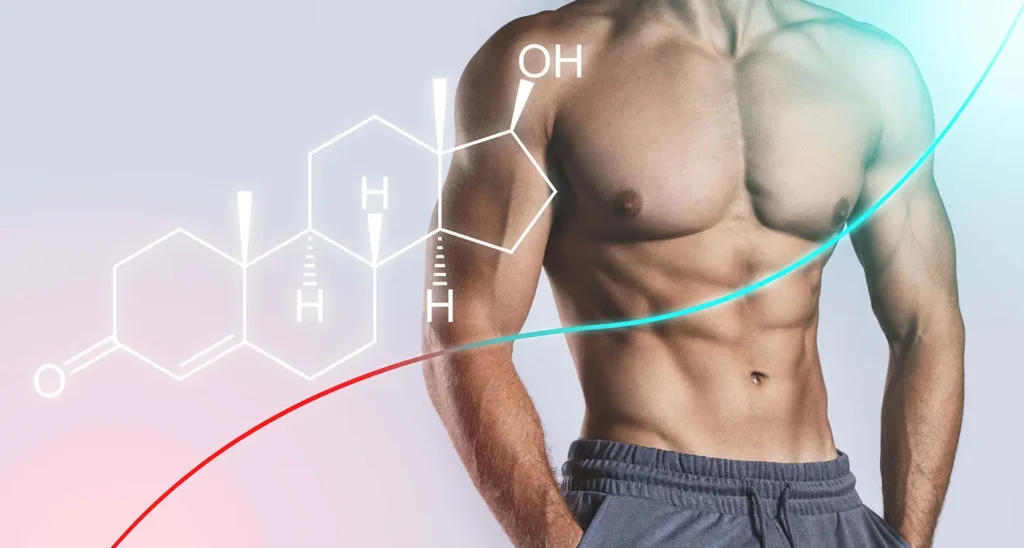
Metabolism is often discussed as though it’s something we can simply switch into a higher gear, but it actually describes the chemical processes that keep us alive and functioning. Your basal metabolic rate, or BMR, is the amount of energy your body needs while at rest. Muscle mass, body size, age, and genetics can all influence it.
Physical activity then adds to your overall energy expenditure, from a dedicated gym session to everyday movement such as walking to the shops or cleaning the house.
Food Choices Can Influence Your Routine
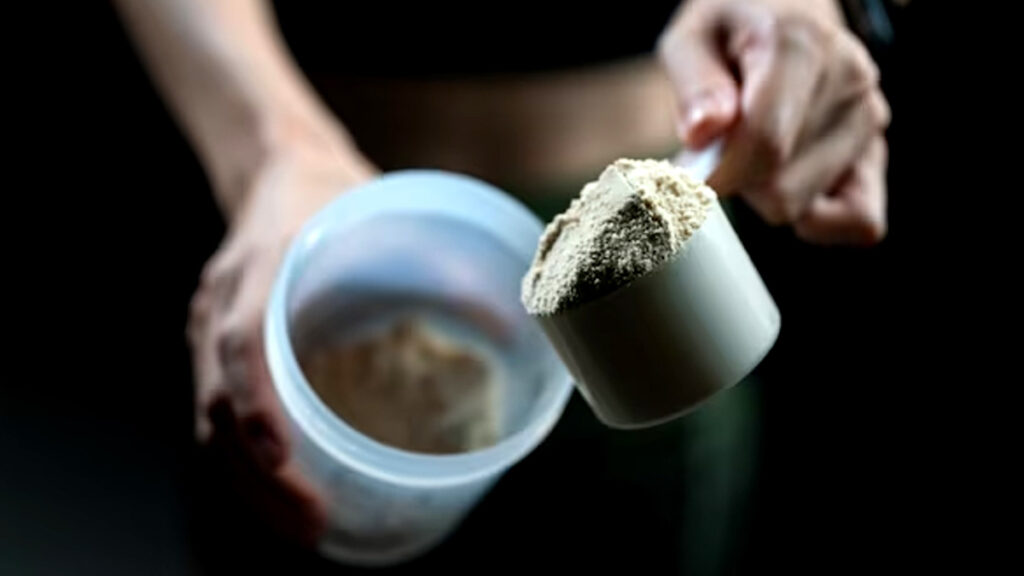
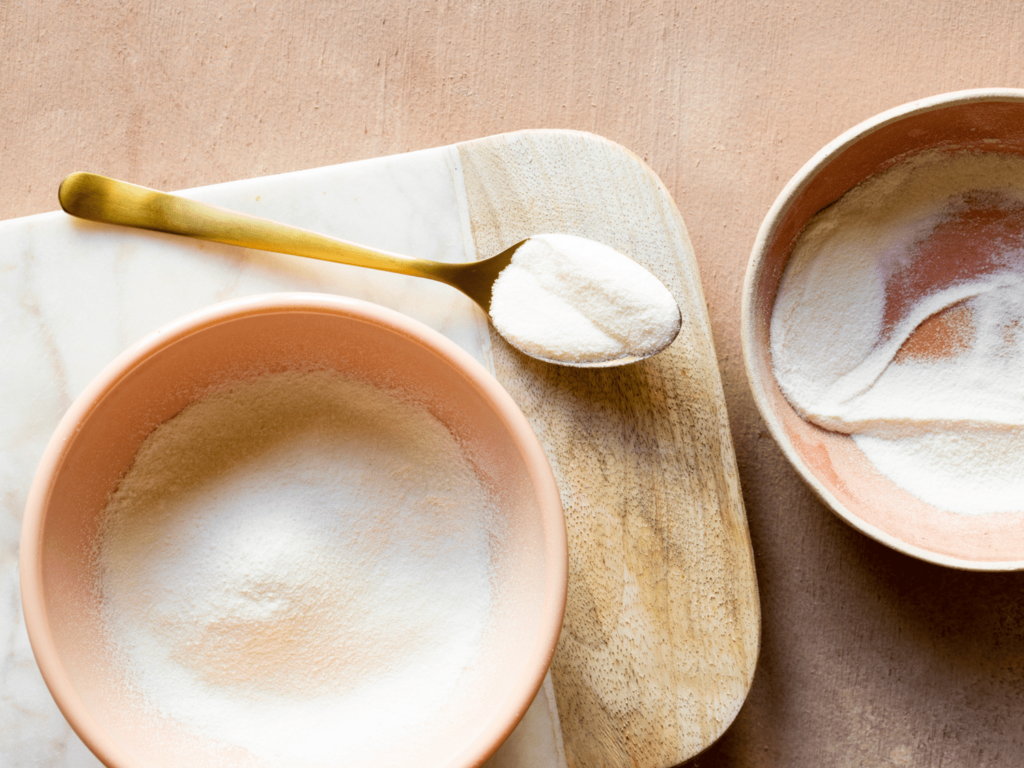
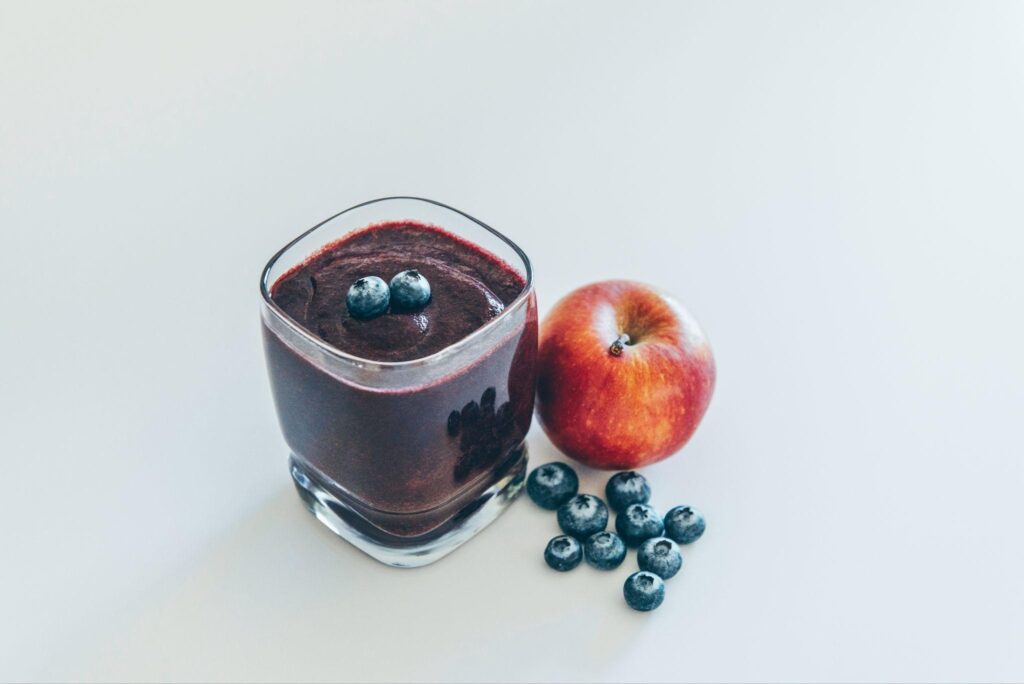
What you eat matters for reasons beyond calories. Protein and fibre, for example, can help with feelings of fullness, while a varied diet supplies the nutrients your body needs. This is also where personal preference becomes important. Some people find that planning meals, experimenting with healthier recipes, or exploring convenient additions such as Coleology cutting jelly helps them create a routine that feels manageable. No individual food or product is responsible for weight loss on its own, but finding choices that fit comfortably alongside a balanced diet can make healthy habits easier to maintain.
Sleep Matters More Than You Might Think
Food and exercise tend to dominate conversations about weight, but sleep deserves attention too. Research has linked insufficient sleep with changes in appetite regulation and food intake. Anyone who has stayed up far too late and found themselves craving sugary or high-energy foods the following day may recognise the feeling.
Getting enough sleep can also make it easier to feel energised for exercise and other everyday activities.
Sustainable Change Is Usually More Realistic
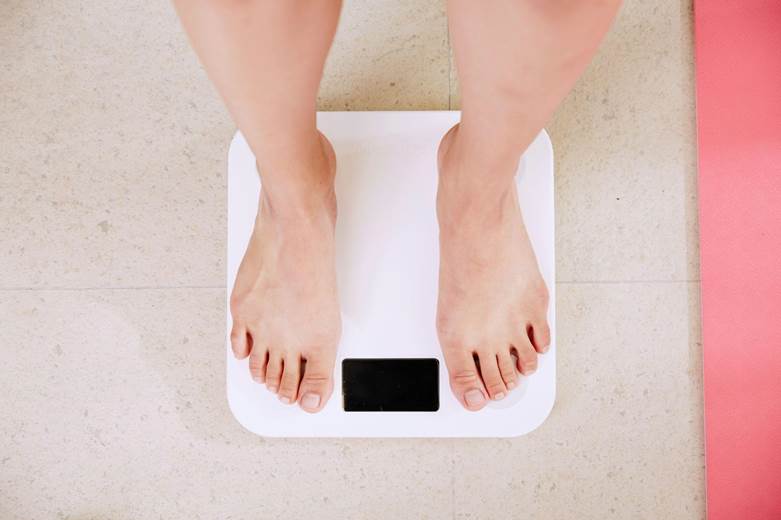
The human body doesn’t operate according to a quick-fix timetable. Body weight can fluctuate because of hydration, hormones, and other factors, which means progress isn’t always reflected neatly on the scales. That’s why sustainable habits matter. Regular movement, nutritious food, sufficient sleep, and an eating pattern you actually enjoy are easier to maintain than an extremely restrictive regime.
Weight loss may be appropriate for some people for health reasons, but it isn’t something everyone needs to pursue. Anyone struggling with their weight or concerned about its impact on their health can speak with a doctor or registered dietitian for individual guidance.
Ultimately, understanding the science can help take some of the pressure out of the process. Bodies are complex, and looking after one is about far more than simply chasing a number on the scales.