



































































































































































































































































































































































































































































































































































































































































































































































































































































































































































































































































































































































































































































































































































































































































































































































































































































































































































































































































































































































































































































Exploring the Benefits of Terracotta Pots for Your Garden

Gardening enthusiasts often seek durable and aesthetically pleasing solutions to enhance their green spaces. Terracotta pots have long been a preferred choice for both amateur and professional gardeners. This article explores the unique benefits these pots bring to your garden.
What Makes Terracotta Special?
Terracotta, derived from the Italian word for “baked earth,” is primarily made from natural clay that is fired at a lower temperature than standard ceramics. This process gives terracotta its distinctive porous nature, enabling it to offer several advantages for plant growth.
Porosity and Breathability
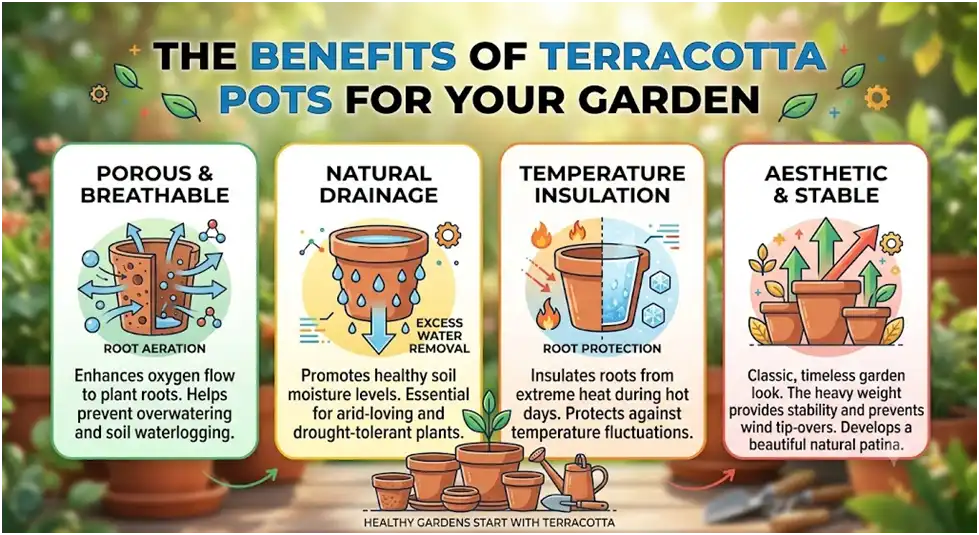
One of the standout properties of terracotta is its porosity. This characteristic allows air and water to move freely through the walls of the pot, promoting healthy root growth by preventing waterlogging and ensuring proper oxygenation. Especially for those with a tendency to over-water plants, terracotta can be a forgiving choice.
Temperature Regulation
The porous nature of terracotta also contributes to excellent temperature regulation for plants. During warmer months, water can evaporate through the pot, providing a cooling effect that prevents the roots from overheating. This natural cooling mechanism is particularly beneficial in outdoor settings with direct sunlight exposure.
Eco-Friendly Options
Terracotta pots are an environmentally conscious option for garden enthusiasts looking to reduce their carbon footprint. Made from abundant and natural materials, these pots are entirely recyclable. Additionally, their production process is simpler and involves fewer chemicals compared to plastic or glazed pots.
Aesthetic Appeal
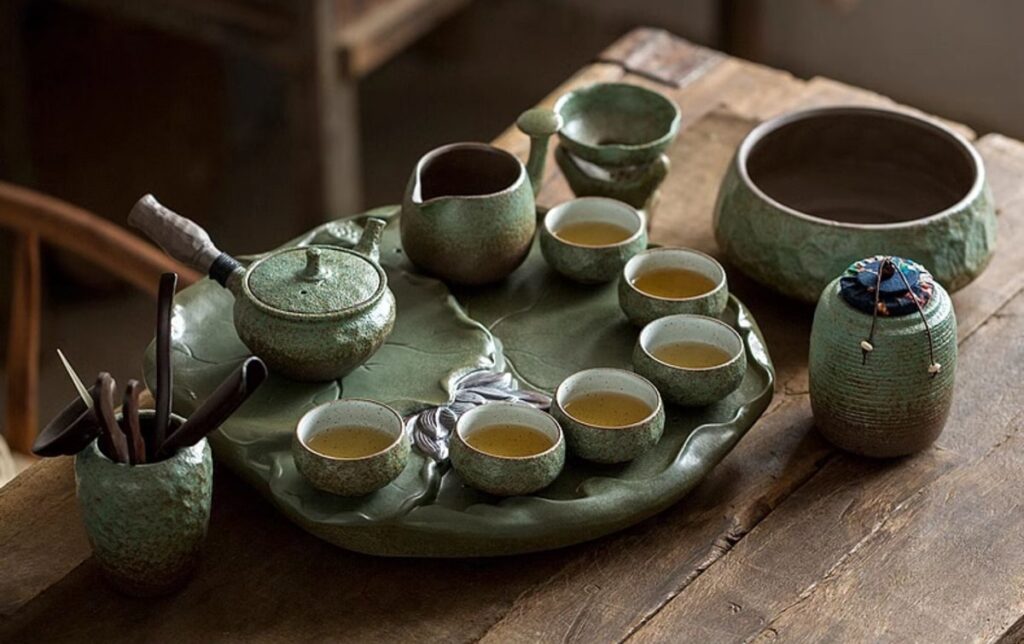
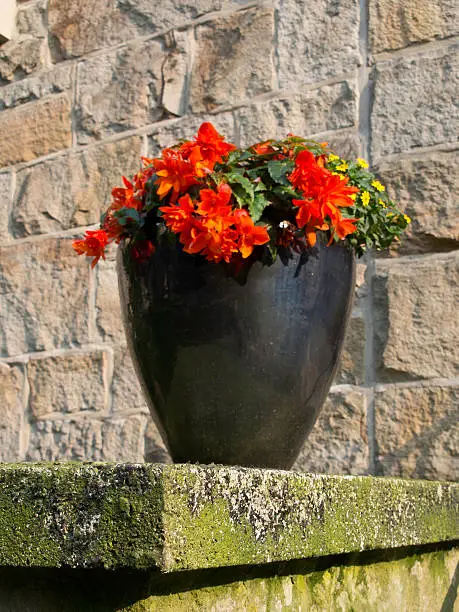
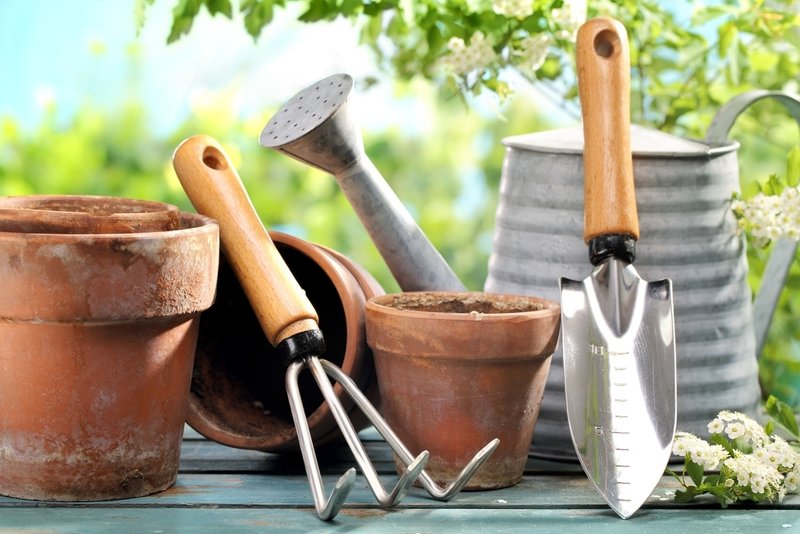
Beyond their functional benefits, terracotta pots add a distinct rustic charm to any garden. Their classic earthy tones blend seamlessly with a variety of garden styles, from modern minimalist to traditional landscapes. Gardeners can also find a range of shapes and sizes to suit any planting requirement.
Cost-Effectiveness
Another advantage is the cost-effectiveness of terracotta pots. Compared to many decorative planters, terracotta offers an affordable solution without sacrificing quality. This makes it accessible for large-scale gardening projects or for those just starting out with their first plant collection.
Maintenance Tips for Longevity
While terracotta pots are robust and durable, they do require some care to ensure longevity. It is recommended to bring pots indoors during freezing temperatures to prevent cracking. Additionally, cleaning pots between plantings can help remove salt deposits and maintain their appearance.
Ideal Plant Choices for Terracotta
Not all plants are suitable for terracotta pots, which favour species that prefer drier conditions. Mediterranean herbs such as rosemary and thyme, succulents, and cacti are excellent choices due to their low water requirements. These plants benefit from the pot’s ability to wick excess moisture away, preventing root rot.
Comparing to Other Materials
When comparing terracotta to plastic or glazed ceramic pots, several distinctions can be noted. Plastic pots, while lightweight and inexpensive, do not offer the same breathability and can lead to water retention issues. On the other hand, glazed ceramic pots provide aesthetic appeal but are often heavier and more expensive than terracotta.
Longevity and Durability
While not as indestructible as plastic, the durability of terracotta pots should not be underestimated. With proper care, they can last for many years, providing a reliable and stable home for plants.
Conclusion
In summary, terracotta pots are a versatile and sustainable choice for any gardener. Their unique properties and aesthetic appeal make them stand out among other planting options. Terracotta pots continue to be a favoured solution for enhancing garden environments across the world.