




























































































































































































































































































































































































































































































































































































































































































































































































































































































































































































































































































































































































































































































































































































































































































































































































































































































































































































































































































































































































Can Massage Help With Jaw Tension? What to Know Before Your First Session

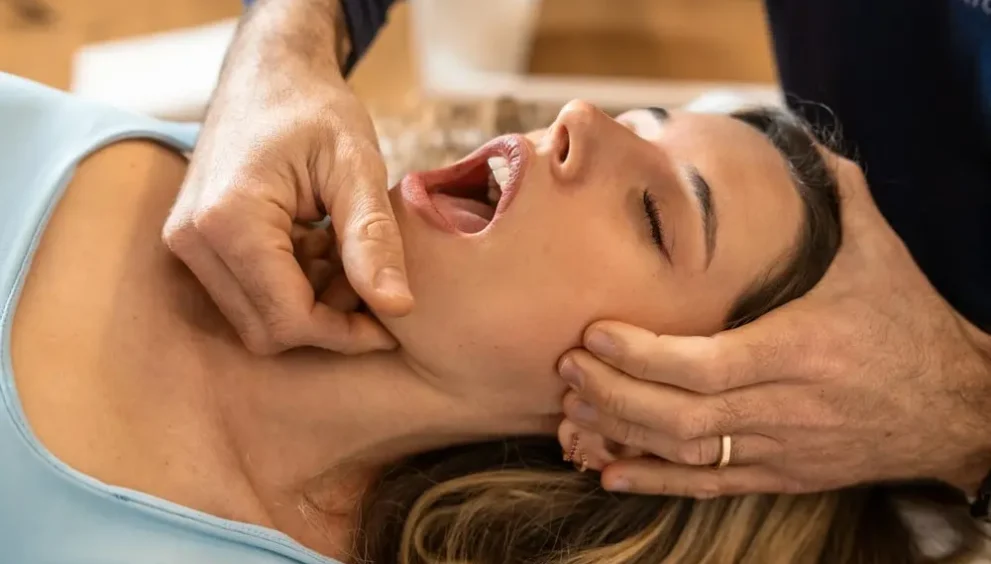
Jaw tension is a common concern that can make everyday activities such as eating, speaking, yawning, or simply relaxing feel uncomfortable. For some people, tightness may come and go, while others may notice persistent tension around the jaw, temples, neck, or face.
Stress, teeth clenching, grinding, posture, and repetitive jaw movements can all contribute to muscle tension around the jaw. When these muscles remain contracted for extended periods, they may feel tight, tired, or uncomfortable.
Massage is one approach some people explore to promote relaxation and ease muscle tension. But what exactly can massage do for the jaw, and what should you know before booking a session?
What Is Jaw Tension?
Jaw tension refers to tightness or increased muscle activity around the jaw and surrounding areas. The muscles responsible for chewing can become overworked when a person frequently clenches their teeth, grinds their teeth, or holds tension in their jaw.
Jaw tension may be accompanied by sensations such as facial tightness, muscle fatigue, tenderness, or discomfort around the temples and cheeks. Some people may also notice that they are clenching their jaw without realizing it, particularly during stressful situations.
Jaw tension is not necessarily the same thing as a temporomandibular joint disorder (TMD). TMD is a broader term for conditions involving the jaw joint and surrounding muscles. Persistent or significant symptoms should be evaluated by an appropriate healthcare professional.
What Can Cause Jaw Tension?
Several everyday habits and factors may contribute to tight jaw muscles.
Stress and Clenching
Stress can cause people to unconsciously tighten different muscle groups, including the jaw. Some people clench their teeth during the day, while others may grind or clench while sleeping.
Teeth Grinding
Repeated grinding or clenching can place additional workload on the jaw muscles. Over time, this may contribute to muscle fatigue and tension.
Posture
Head and neck posture can also influence the muscles surrounding the jaw and upper body. Spending long periods looking down at a phone or sitting at a desk may contribute to overall neck and facial muscle tension.
Repetitive Jaw Movements
Chewing gum frequently, eating particularly hard foods, or performing repetitive movements can increase the workload on the jaw muscles.
Understanding the possible source of tension can be helpful when deciding whether massage or another approach may be appropriate.
How Can Massage Help With Jaw Tension?
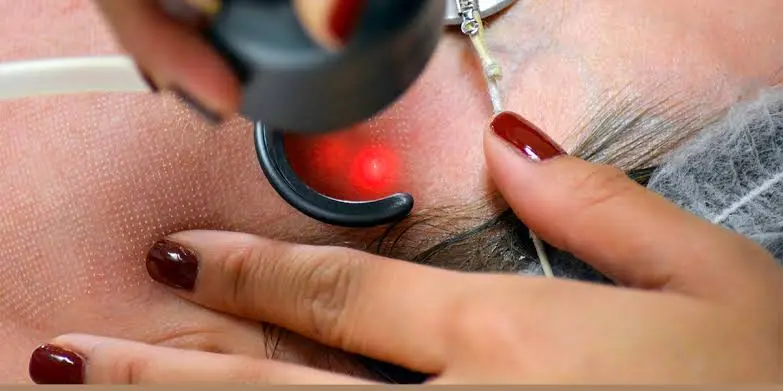
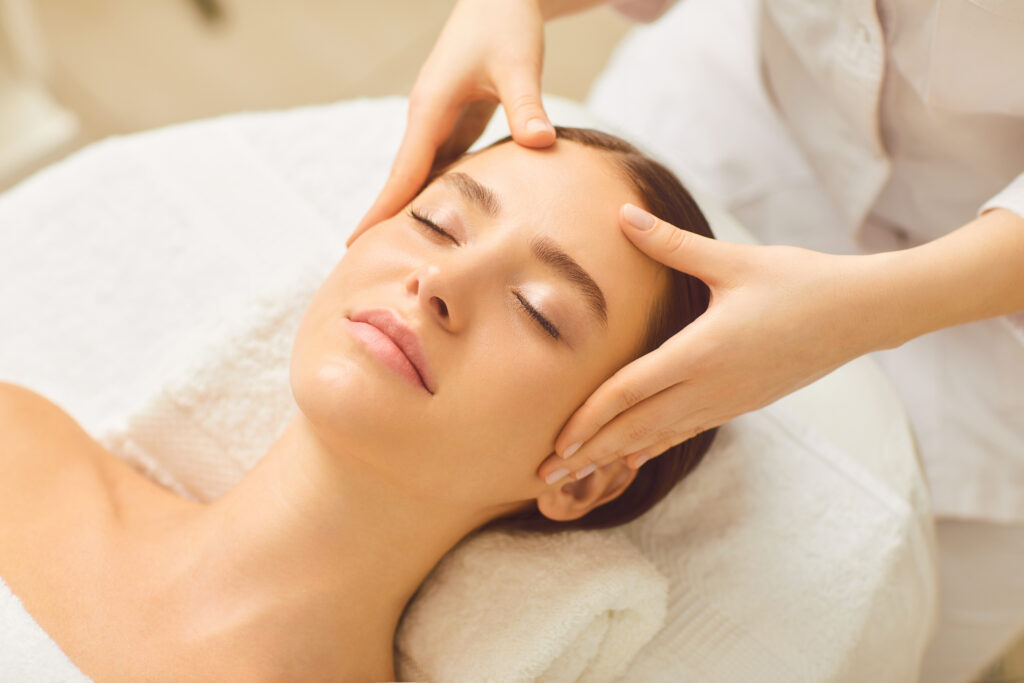
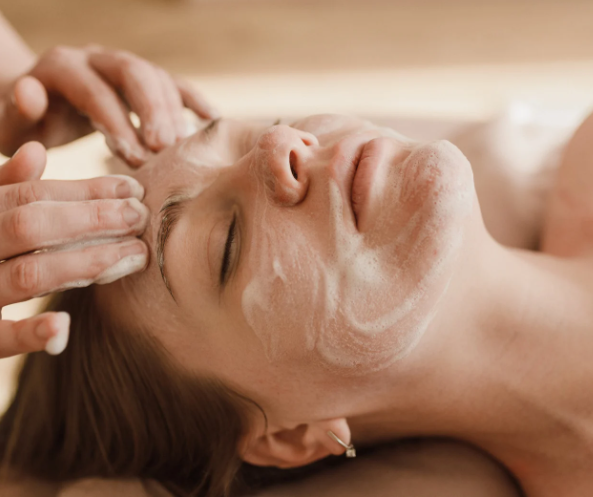
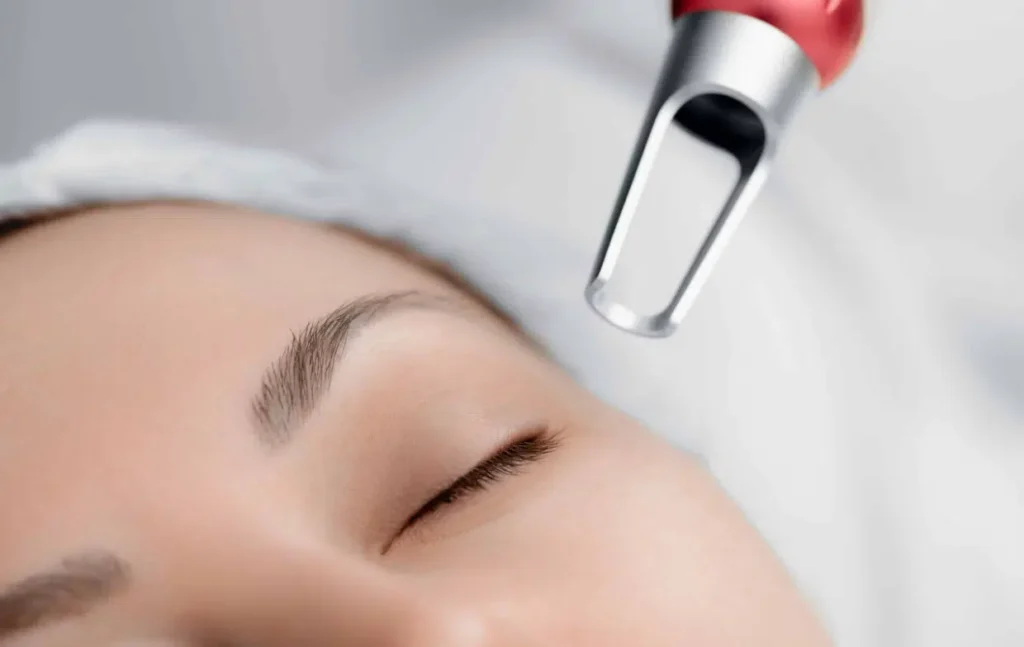
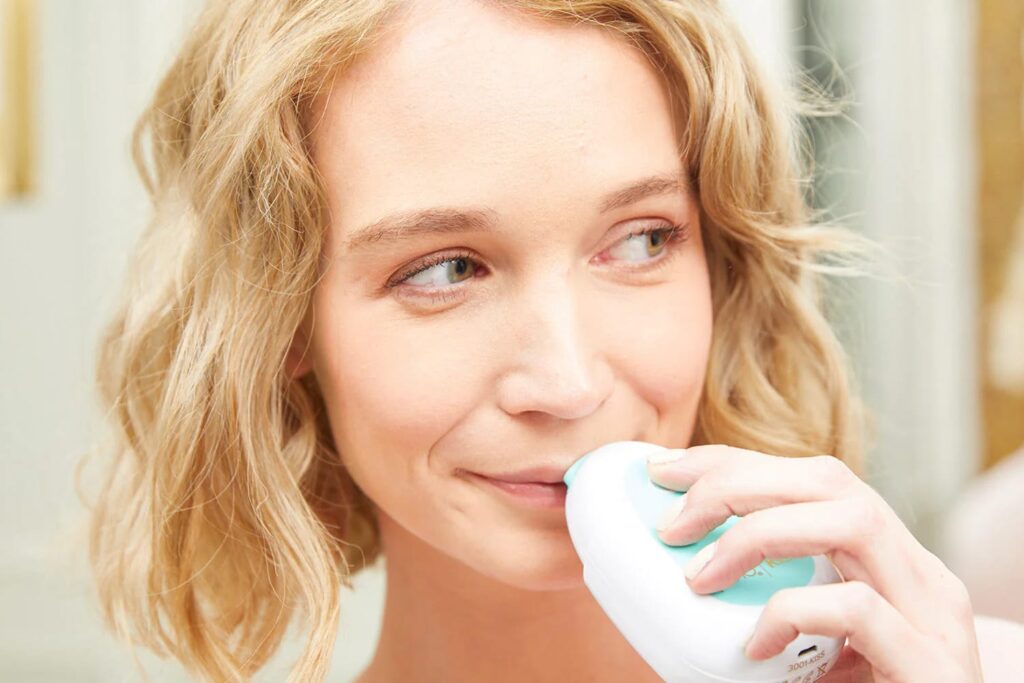
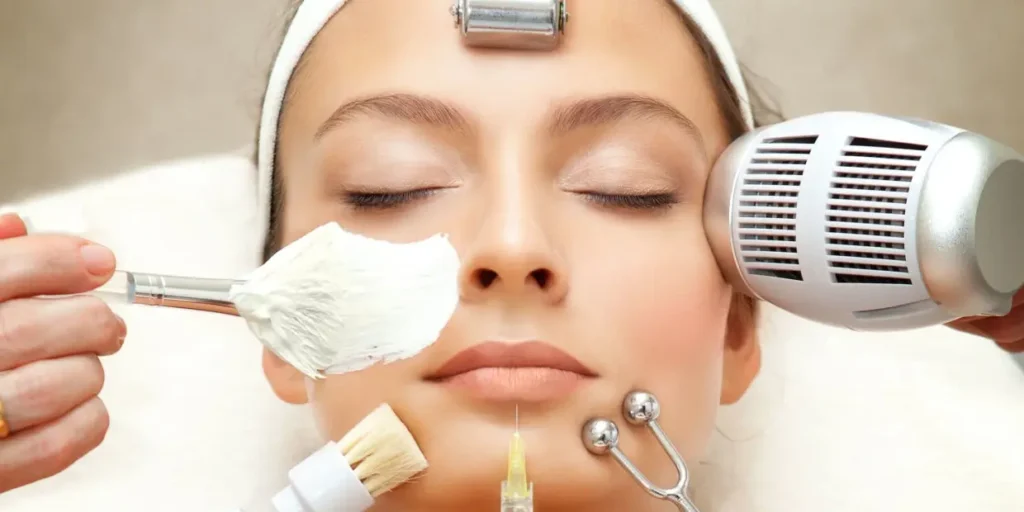
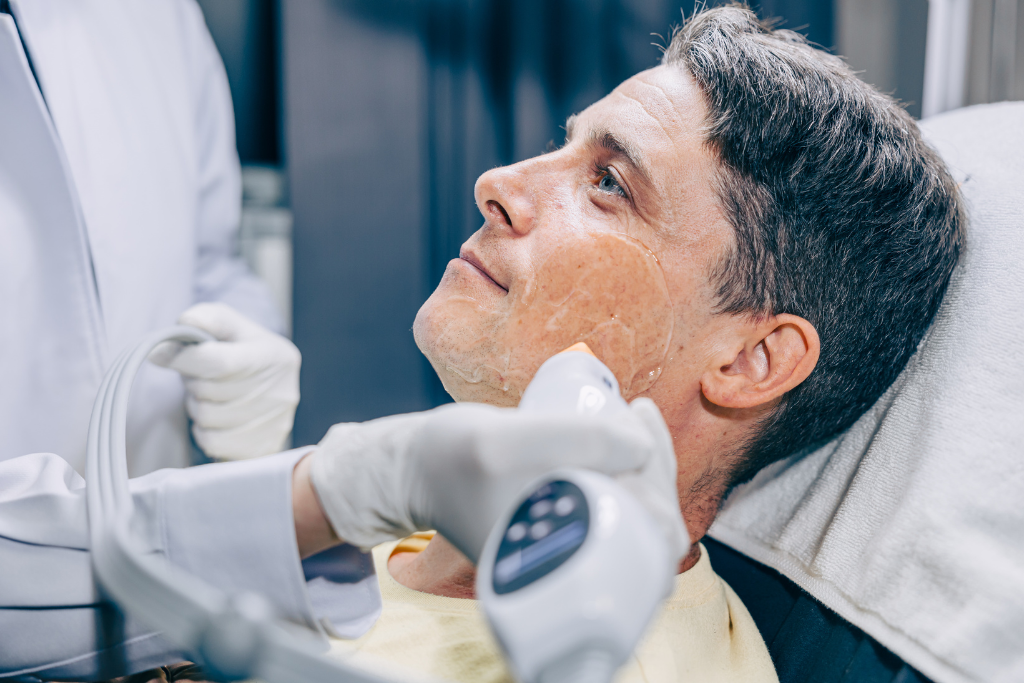
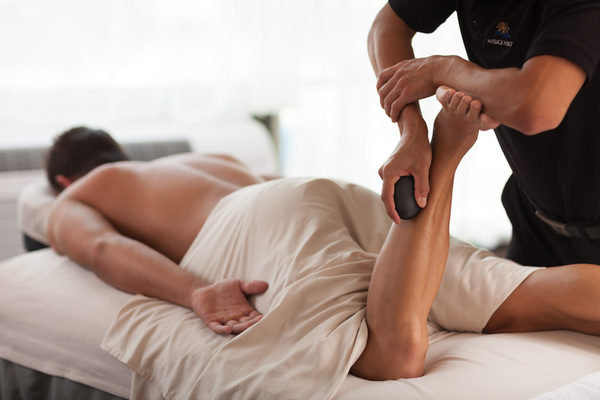
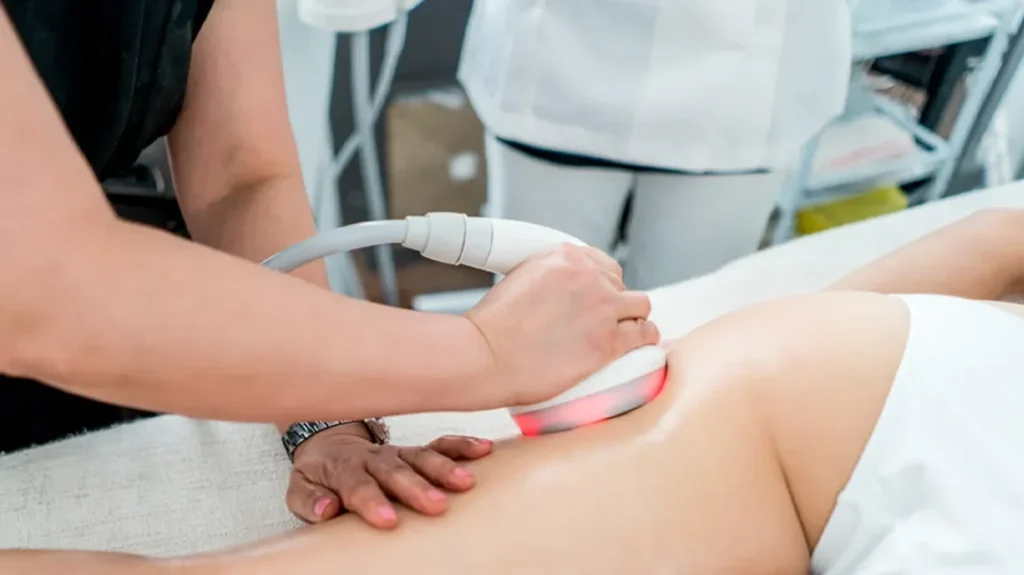
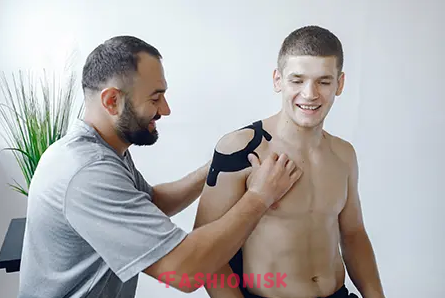
Massage focuses on manipulating soft tissues and muscles to promote relaxation. When performed appropriately, massage around the jaw and surrounding areas may help relax muscles that feel tight or overworked.
A session may focus not only on the jaw but also on related areas such as the face, neck, shoulders, and temples. These areas can contribute to the overall sensation of tension around the head and jaw.
Massage should generally feel comfortable rather than excessively painful. Applying more pressure does not necessarily mean a better result, particularly around sensitive areas of the face and jaw.
What Happens During a Jaw Massage Session?
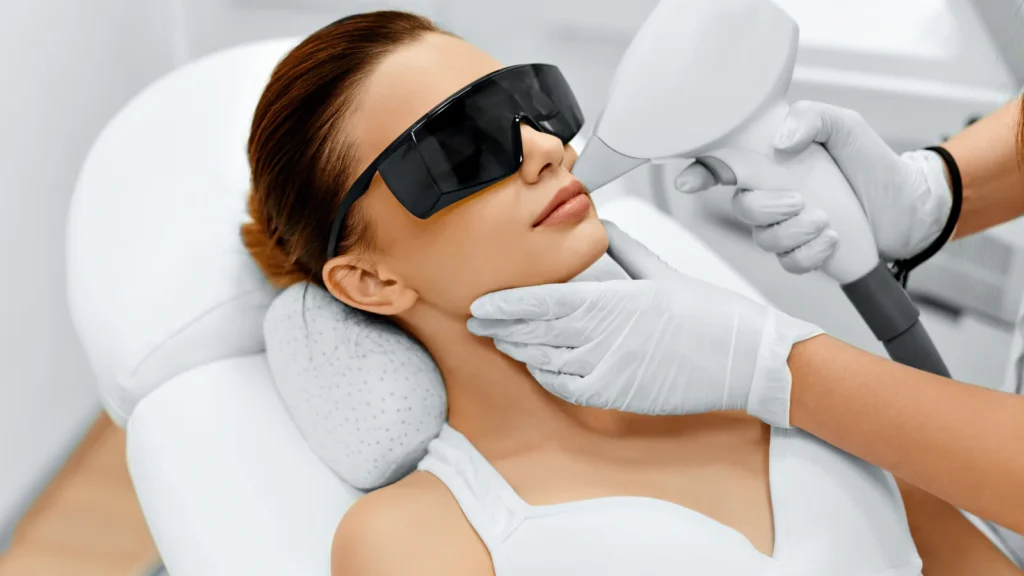
The exact experience depends on the provider and the type of massage being offered. A session may begin with a conversation about areas of tension, discomfort, daily habits, and your goals.
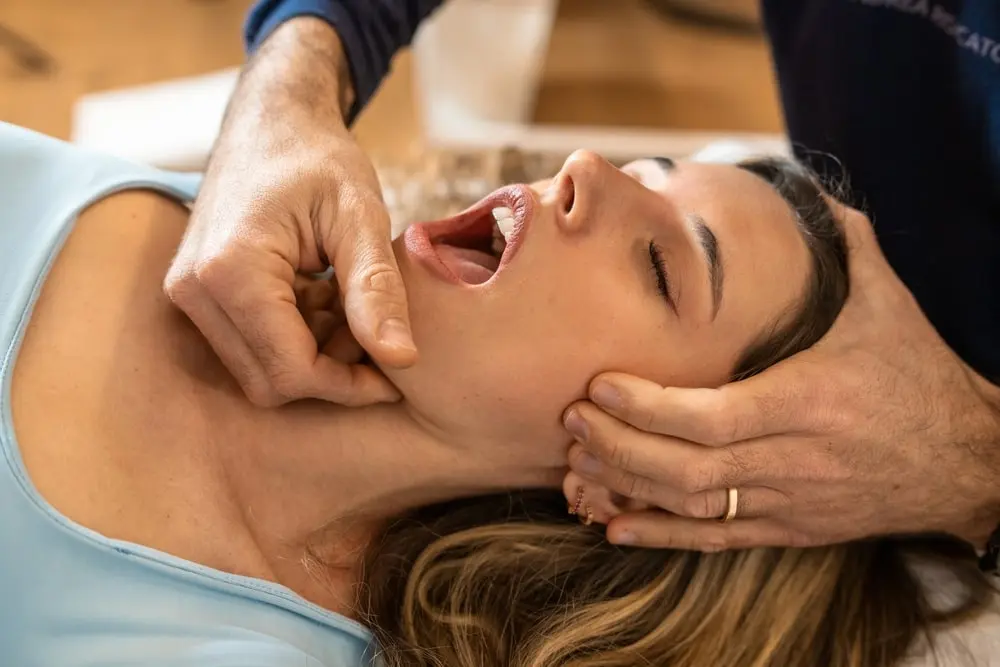
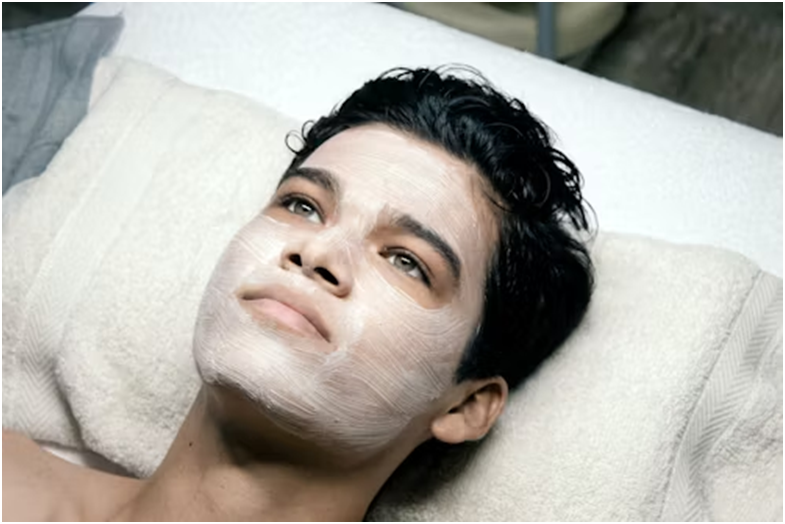
The practitioner may then use gentle techniques around the jaw, face, temples, neck, and surrounding muscles. The amount of pressure can often be adjusted based on comfort and individual needs.
Communication is important throughout the session. If an area feels uncomfortable or the pressure is too strong, let the practitioner know so the technique can be adjusted.
If you’re researching tmj massage Boston, consider asking the provider what areas the session covers, what techniques are used, and whether the treatment is appropriate for your specific concerns.
What Should You Know Before Your First Session?
Before booking a massage, it can be helpful to identify what you are experiencing. Is the primary concern muscle tightness, stress-related clenching, facial tension, or something else?
You should also let the practitioner know about any relevant discomfort, injuries, recent dental procedures, or other concerns that could affect the session.
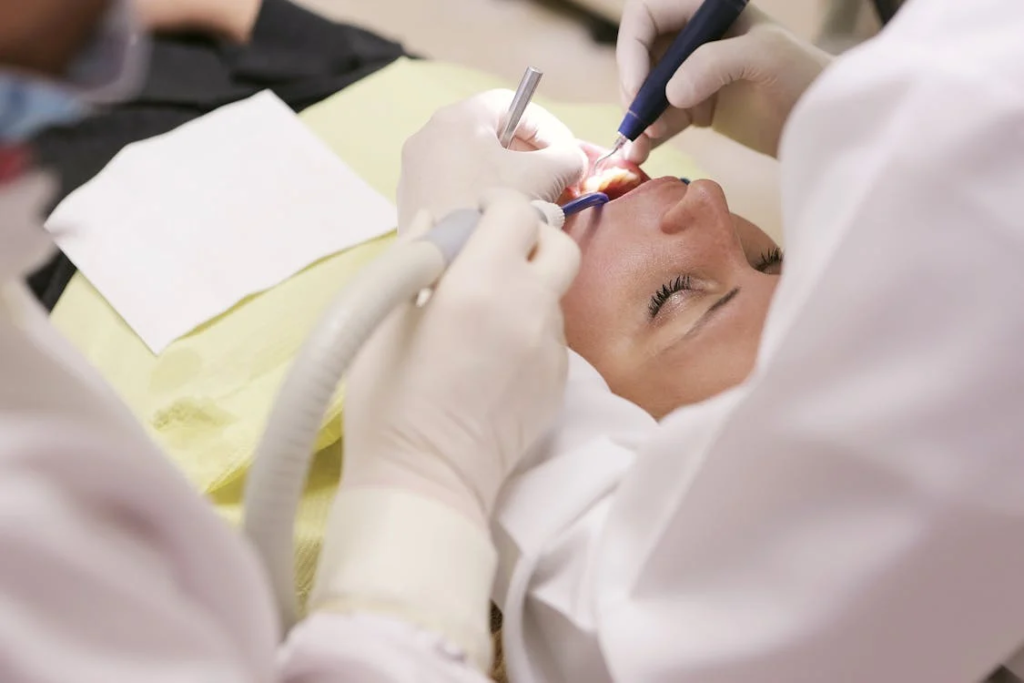
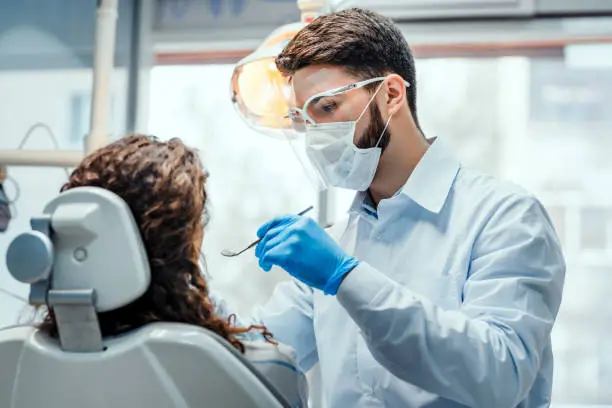
If you experience significant jaw pain, swelling, locking, difficulty opening or closing your mouth, changes in your bite, or persistent symptoms, massage may not be the appropriate first step. Speaking with a dentist, physician, or other qualified healthcare professional can help determine what is causing the symptoms.
Can Massage Replace Treatment for TMJ Problems?
Massage should not be viewed as a replacement for professional diagnosis or treatment when an underlying jaw joint or dental problem is present.
For people with occasional muscle tension, massage may be one component of a broader relaxation and self-care routine. However, persistent or worsening symptoms deserve professional evaluation to identify the underlying cause.
Depending on the situation, a healthcare professional may recommend approaches such as behavioral changes, dental care, physical therapy, or other appropriate treatments.
Other Ways to Support Relaxed Jaw Muscles
Massage is only one possible way to address muscle tension. Other everyday habits may also support relaxation.
Try becoming more aware of when you clench your jaw, particularly during stressful situations. Taking regular breaks from prolonged screen use and paying attention to neck and shoulder posture may also be helpful.
Avoiding excessive gum chewing and following any personalized recommendations from a qualified healthcare professional can also help reduce unnecessary strain on the jaw.
Stress-management practices such as controlled breathing, relaxation exercises, adequate sleep, and regular physical activity may also support overall muscle relaxation.
When Should You Seek Professional Advice?
Occasional jaw tightness may be related to everyday stress or muscle tension. However, symptoms that persist, become more severe, or interfere with eating, speaking, sleeping, or normal jaw movement should not be ignored.
Seek professional guidance if you experience ongoing pain, significant clicking or popping accompanied by discomfort, jaw locking, difficulty opening your mouth, swelling, or other concerning changes.
A qualified professional can help determine whether the symptoms are related to muscle tension, the jaw joint, dental issues, or another underlying concern.
Conclusion
Jaw tension can be influenced by stress, clenching, posture, repetitive movements, and other factors. For some people, massage may provide a way to encourage relaxation and ease tight muscles around the jaw, face, neck, and temples.
Before booking a session, it is important to understand what may be causing your symptoms and communicate your concerns to the practitioner. Massage can be part of a broader approach to managing everyday muscle tension, but persistent or significant jaw symptoms should be assessed by a qualified healthcare professional.
Understanding your symptoms and choosing an approach suited to your individual needs can help you make a more informed decision about how to care for your jaw and overall well-being.