
























































































































































































































































































































































































































































































































































































































































































































































































































































































































































































































































































































































































































































































































































































































































































































































































































































































Men’s Loungewear That Isn’t an Afterthought: A Quiet Case

Men’s fashion gets talked about in terms of what leaves the house, which leaves the hours at home to fend for themselves. This article makes the case for treating loungewear as a real part of the wardrobe, not an afterthought pulled from the drawer of castoffs. It covers why the clothes worn to bed matter more than they get credit for, how to pick pieces that actually hold up, and a plain way to think about cost that favors the patient buyer.
The hours nobody grades
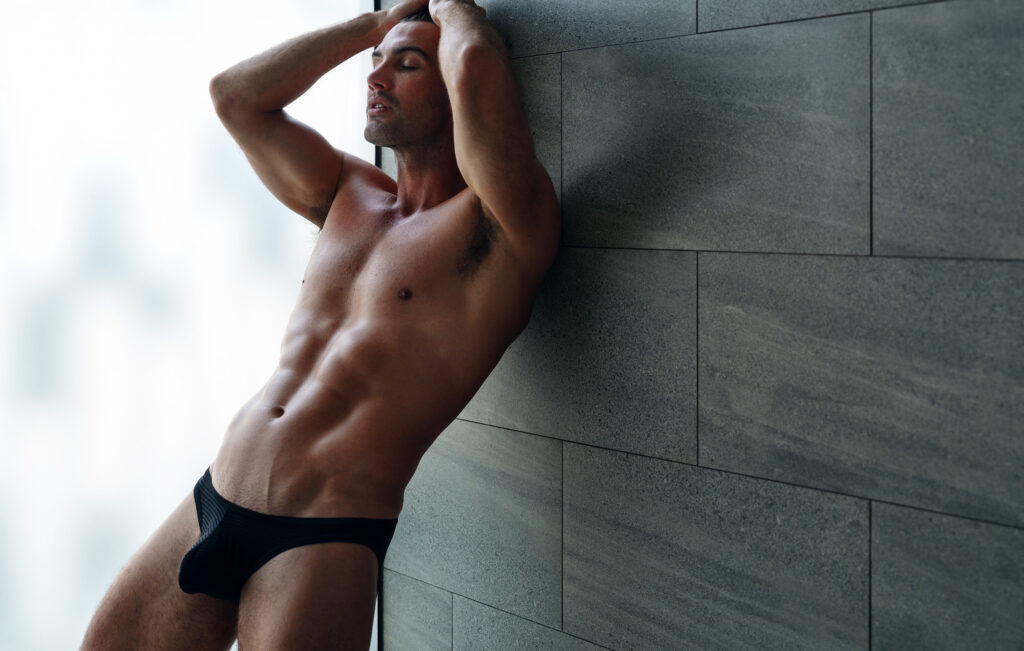
Men’s fashion gets talked about in terms of what leaves the house. The suit, the jacket, the shoes that get noticed across a room. What happens at home, in the hours after the door closes, gets far less attention, and a lot of men’s “loungewear” is whatever was already worn out and demoted. That habit quietly lowers the bar for the hours a man spends most, the ones with no audience and no pressure to perform. The wardrobe is judged, unfairly, by its public half, and the private half is left to fend for itself.
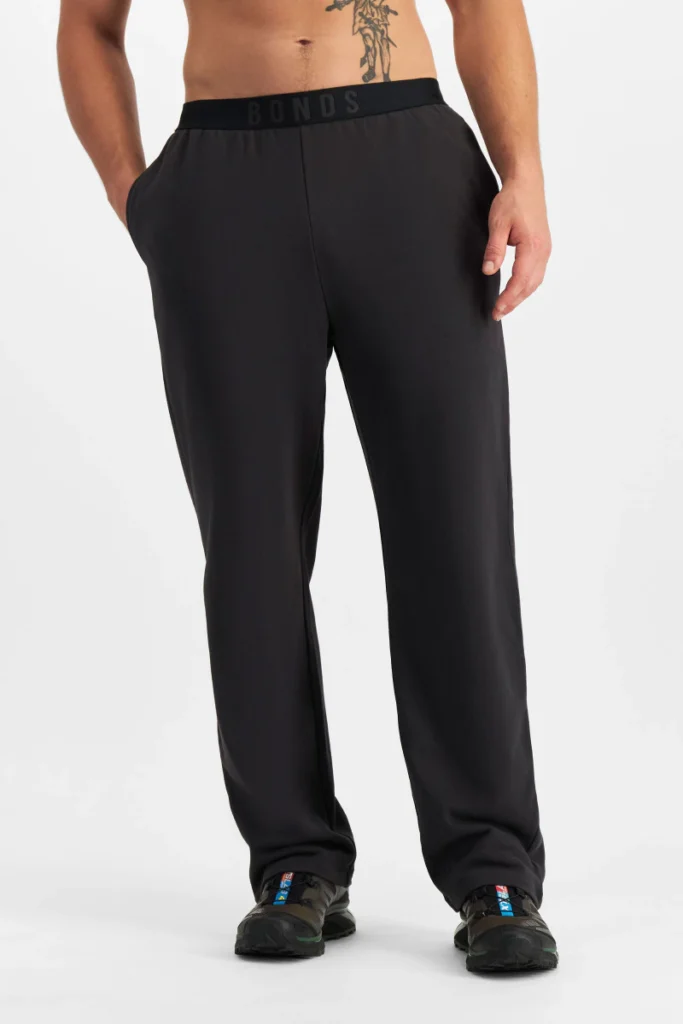
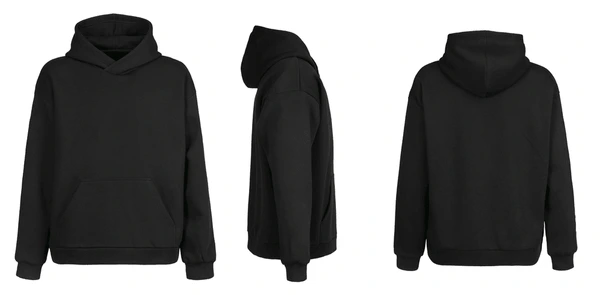
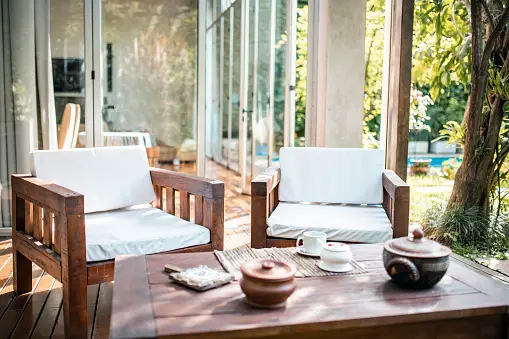
Dressing for home is not the same as dressing down. It is dressing for a different setting, one where comfort leads and appearance still matters. The clothes a man lives in after a long day should fit that life instead of apologizing for it. The seasons make the point for you. A warm room in summer and a cold one in winter change what feels right against the skin, and the answer is rarely the heavy fleece that gets dragged out by default.
The case for better sleepwear
The clothes worn to bed are on the body longer than almost anything else, yet they are bought with less thought than a single work shirt. Heavy cotton, old athletic gear, and synthetic sets that trap heat all do the same quiet damage. They hold warmth the body is trying to release and press where it wants to relax, then get blamed on a bad night that had other causes.
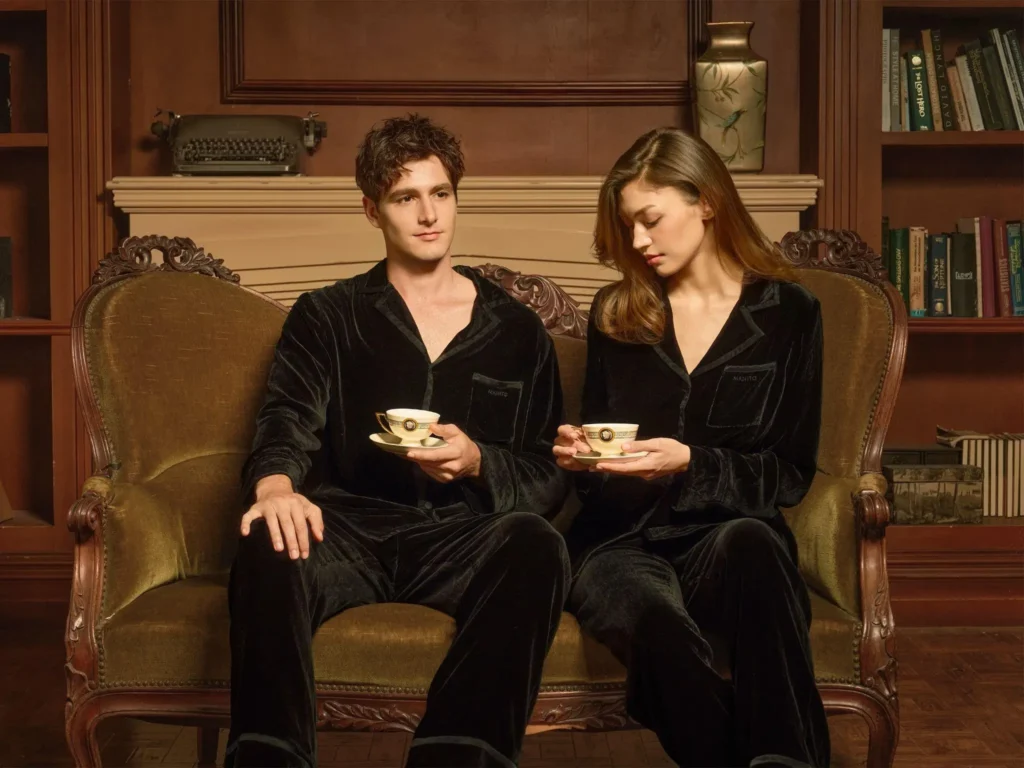
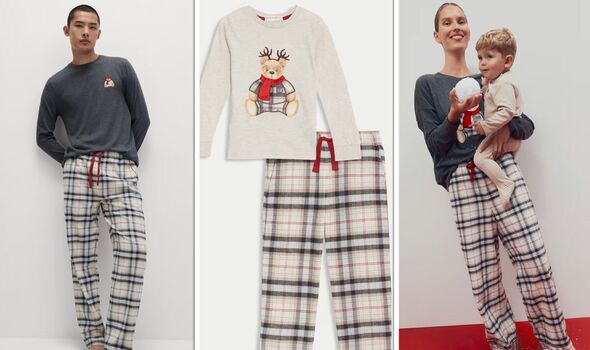
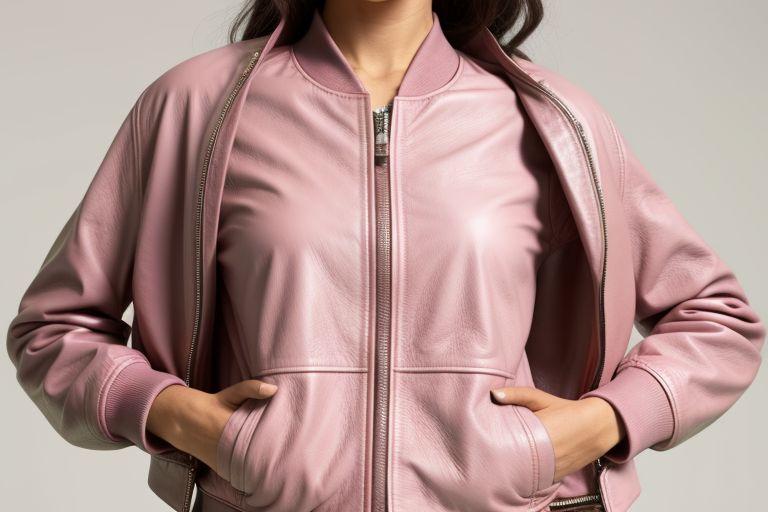
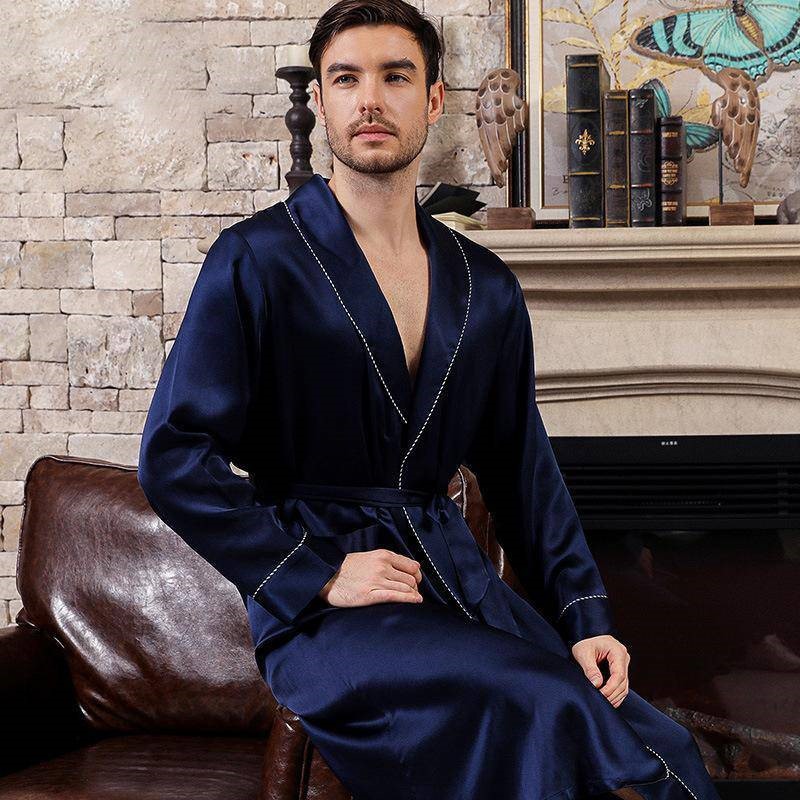
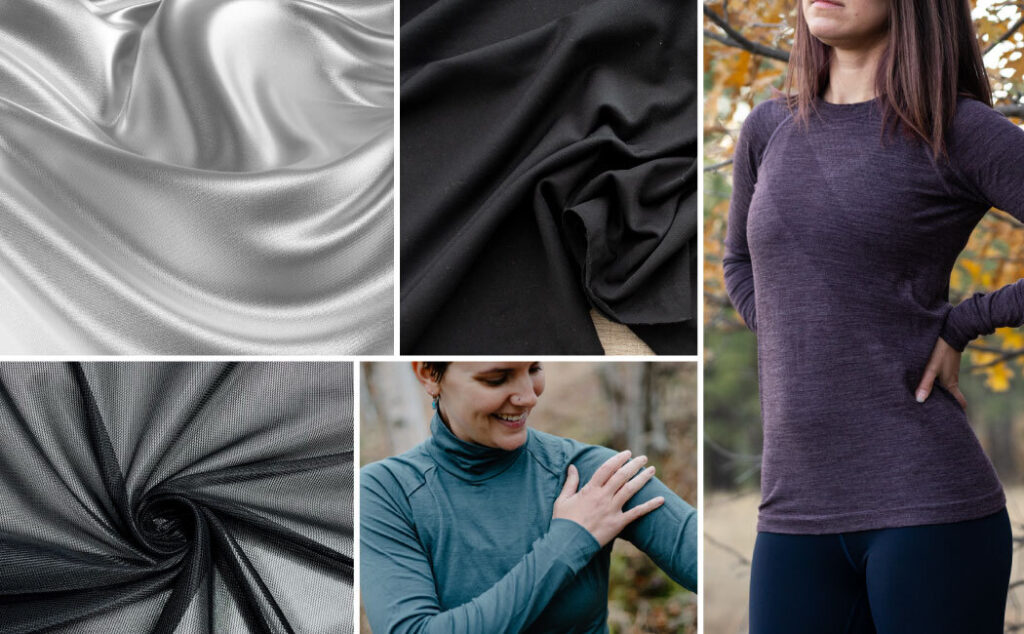
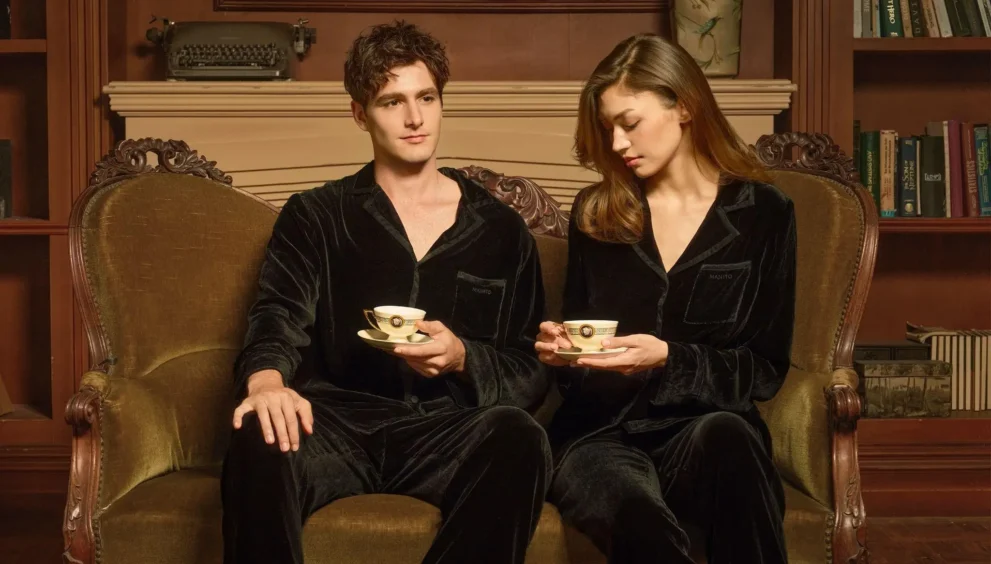
A pair of silk pajamas for men approaches the problem the way good daywear would. The fabric is light against the skin and breathes through a warm room instead of sealing it in. The cut moves with the body rather than against it, so the clothes disappear once you lie down, which is the test sleepwear should pass and rarely does. A man who tries it tends to stop reaching for the old standby, not because he was told to, but because the difference is there every night.
A useful way to frame the cost is cost per wear. A cheap pair worn twice a week for years ends up more expensive than a considered pair worn every night, once the math includes how often it is actually on the body. The expensive option is often the economical one, and the comfortable one as well. There is also a style dividend. Clothes that look intentional at home change how a slow morning feels and how a video call from the bedroom reads. None of it is about performance. It is about treating the unseen hours as hours worth getting right.
The room matters too
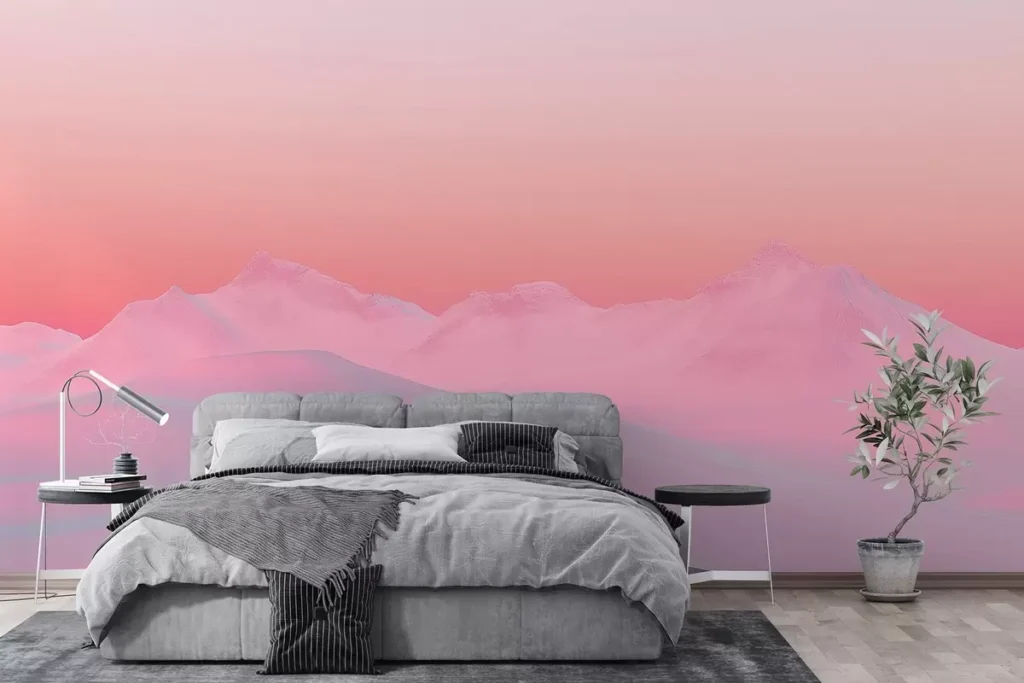
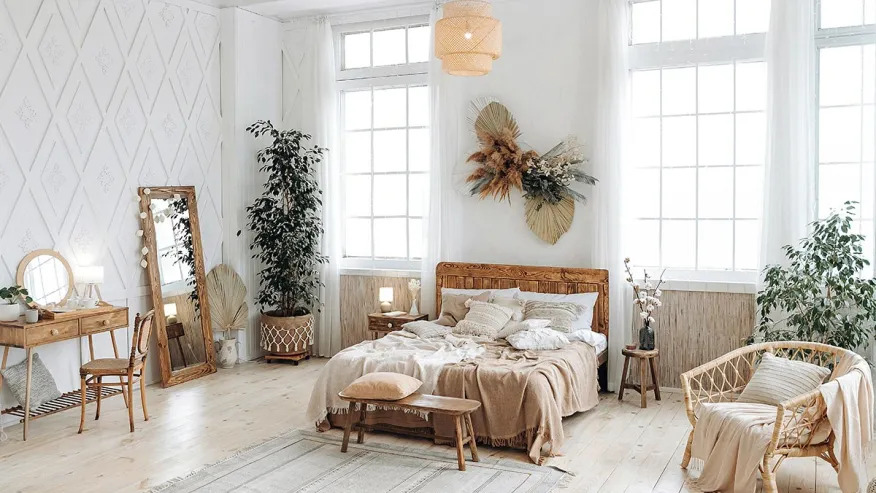
The bed is the other half of the same equation, and it is the half many people stop thinking about once they own one. A heavy, synthetic setup fights the body through the night, holding warmth in the wrong places and turning a warm evening into a sweaty one. Cotton is dependable but asks for constant washing and ironing to keep its look, which means the bed looks tired by the time the day is.
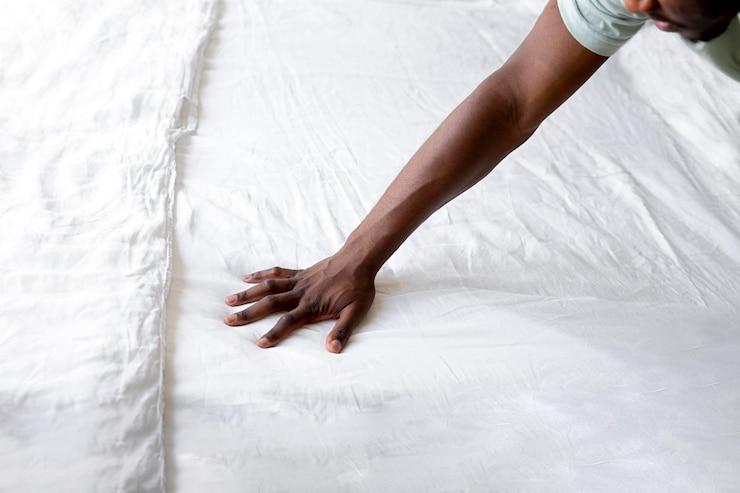
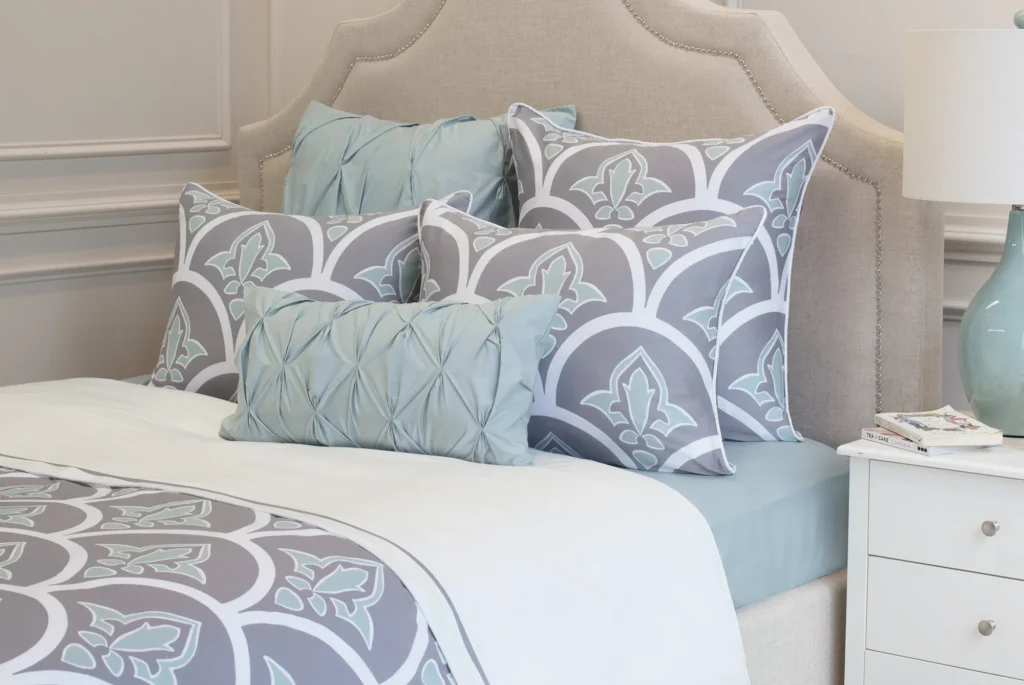
A set of silk bedding meets the room the way the pajamas meet the body. The smooth surface stays cool against the skin and keeps its appearance without the upkeep cotton demands. In a bedroom that doubles as an office or a living space, a bed that looks made even when it is not is a small mercy. The room reads as calm instead of chaotic, and the person in it feels the difference before naming it.
Durability closes the argument. A carefully made silk set, washed with a little care, outlasts several rounds of cotton and does not date itself the way a patterned synthetic will. The higher cost spreads across years, which favors the patient buyer and spares the linen closet the churn. Care is simple, cool water and a gentle cycle keep the fabric in good shape, and the small effort pays back every night.
Where to start
The change does not require a full wardrobe or a remodel. Start with the two things that touch the body for the longest stretches of the day, the bed and the clothes worn to it. Replace the worn standby with something considered. Let the rest of the drawer catch up when it earns the attention.
The payoff shows up in small ways first. A cooler night, a calmer morning, one fewer thing to explain when the doorbell rings. None of it is dramatic, and that is the point. The clothes a man lives in after hours are not a statement. They are a baseline, and a better baseline quietly raises everything built on top of it.
The hardest part is often the first step. Silk sounds like a special occasion fabric, which is exactly why it works at home, where nothing is a special occasion. Treated as everyday wear rather than event wear, it stops being fragile in the mind and starts being practical in the routine. Men’s loungewear stops being an afterthought the moment it is chosen on purpose, and the home hours are the majority of them.