





























































































































































































































































































































































































































































































































































































































































































































































































































































































































































































































































































































































































































































































































































































































































































































































































































































































































































































































































































































































































































































































































































































Raising Your Deductible in Texas: When It Saves Money and When It Backfires

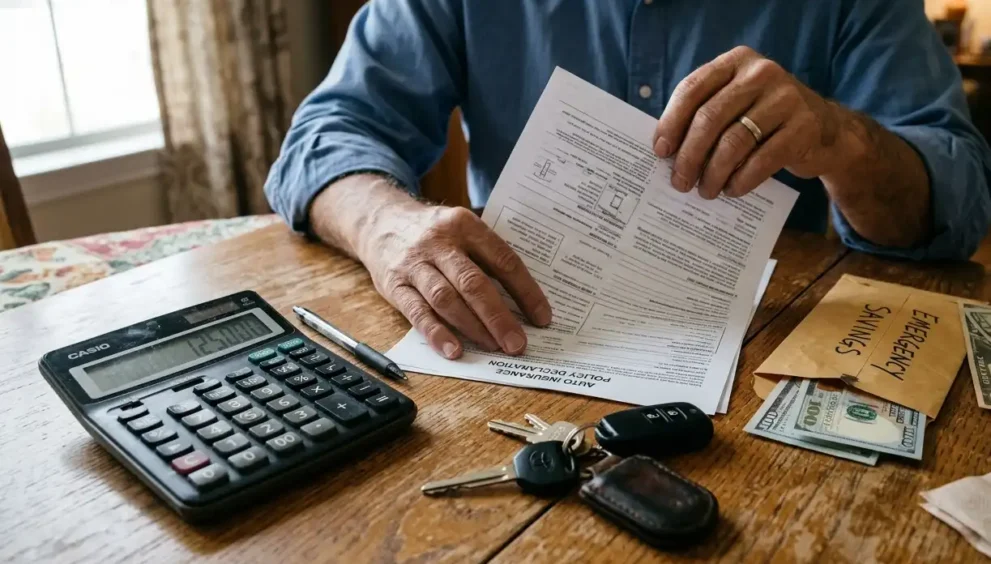
You’re staring at a renewal notice, and someone online or at the DMV told you the fastest way to shave dollars off it is to raise your deductible. It’s true, up to a point. It’s also one of the more commonly mishandled pieces of insurance advice in a state that gets hit with more hailstorms than anywhere else in the country.
Whether raising your deductible helps or hurts depends entirely on what’s actually sitting in your bank account and where in Texas you’re driving.
What a Deductible Actually Does
Your deductible is the amount you pay out of pocket before your insurance covers the rest of a claim. It applies to collision, comprehensive, and uninsured motorist property damage claims, according to the Texas Department of Insurance’s auto insurance guide, which walks through how deductibles work under a standard Texas policy. It does not apply to your liability coverage, the part of your policy required by law at 30/60/25 under Tex. Transp. Code §601.072. Liability has no deductible because it pays for damage you cause to someone else, not repairs to your own car.
A higher deductible means a lower monthly premium, because you’re agreeing to absorb more of the cost yourself before your insurer steps in. A lower deductible means a higher premium, because the insurer is taking on more of that risk.
How Much You Actually Save
Rate studies generally put the savings from moving a deductible from $500 to $1,000 somewhere in the range of 10% to 15% on the comprehensive and collision portion of your premium, though the exact number depends heavily on your insurer, your vehicle, and your driving history. The relationship isn’t linear. Going from $1,000 to $2,000 tends to save proportionally less than the first jump did, since you’re already absorbing a large share of the risk yourself at $1,000.
Run the actual numbers before assuming this is worth it. If raising your deductible from $500 to $1,000 saves you $20 a month, that’s $240 a year, and it would take roughly two years of savings to cover the extra $500 you’d owe if you filed a single claim. If it only saves you $8 a month, the math barely works even over several years.
When Raising Your Deductible Makes Sense
A higher deductible is a reasonable move if several things are true at once. You have at least the full deductible amount sitting in accessible savings, separate from your regular emergency fund, so a claim doesn’t wipe out money you need for something else. You have a clean driving history and don’t expect to file often. Your car is paid off, so a lender isn’t dictating your coverage terms. And your monthly budget has room to absorb a larger out-of-pocket cost without real financial strain if a claim does happen.
Under those conditions, a $1,000 or even $2,000 deductible can genuinely lower your total cost over several years, especially if you rarely file claims to begin with.
When It Backfires
This is where a lot of advice gets oversimplified. Raising your deductible to save $15 a month is a bad trade if you don’t actually have the higher deductible amount available when you need it. A driver who raises their deductible from $500 to $1,000 to save $200 a year, then can’t come up with $1,000 after a fender bender, hasn’t saved money. They’ve just delayed a problem and made it bigger.
Texas Hail Makes This a Bigger Risk Than in Most States
Texas leads the nation in hail activity, with more major hail events recorded here than any other state in recent years, according to Insurance Information Institute data. The corridor running from the Panhandle through Dallas-Fort Worth and down into the Hill Country sits directly in what meteorologists call Hail Alley, and a single spring storm can produce tens of thousands of vehicle damage claims across North Texas in one afternoon. The Insurance Council of Texas has estimated that hail causes billions of dollars in vehicle damage statewide every year.
Hail damage is a comprehensive claim, not a collision claim, and it’s genuinely common here in a way it simply isn’t in most of the country. If you live in the DFW metroplex, Central Texas, or anywhere along the I-35 corridor and you’ve set your comprehensive deductible to $2,000 to save a few dollars a month, a single bad hailstorm can leave you paying that full amount out of pocket for dent repair or a cracked windshield. This is one of the clearest cases where a lower deductible, not a higher one, is the financially sound choice for a lot of Texas drivers.
Windshields Are Their Own Trap
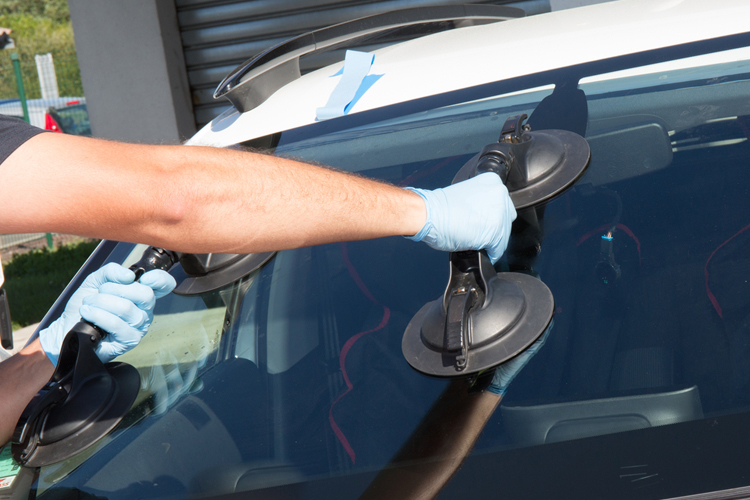
Texas has no law requiring insurers to waive your deductible for windshield replacement, unlike a handful of other states. Without a glass endorsement, a cracked windshield gets billed against your regular comprehensive deductible. If your deductible is $500 and a replacement costs $450, your insurance pays nothing and you cover the whole thing yourself. Given how often windshields take hits from highway debris and hail in Texas, it’s worth asking your insurer specifically about a full glass coverage endorsement, which typically costs $20 to $50 a year and waives the deductible for glass claims separately from the rest of your comprehensive coverage. This matters more if you’ve raised your general deductible to a higher level, since a high comprehensive deductible without a glass waiver means you’re paying full price for most windshield repairs.
Financed or Leased Vehicles Complicate the Decision
If your car is financed or leased, your lender or leasing company may set limits on how high your deductible can go, since they have a financial interest in the vehicle getting repaired properly after a claim. Check your loan or lease terms before assuming you’re free to raise your deductible as high as an insurer will allow.
Households With Multiple or Newer Drivers
If you have a teen driver on your policy, or your household includes someone still building driving experience, claim frequency tends to run higher than for an experienced solo driver. A high deductible works best when you’re confident you won’t be filing often. That confidence is harder to justify with a new driver logging miles on the same policy.
A Middle Path Worth Considering
You don’t have to choose between the cheapest possible premium and the safest possible cushion. A $500 or $750 deductible often strikes a reasonable balance for Texas drivers, particularly those in hail-prone areas, giving you a real premium reduction from the $250 level without the full exposure of $1,500 or $2,000 if a storm rolls through. Pair that with a glass coverage endorsement if you’re anywhere near the DFW area or the I-35 corridor, and you’ve covered the two most common ways Texas weather turns into an insurance claim.
Before You Change Anything
Get quotes at your current deductible and at the level you’re considering, then compare the actual dollar difference, not just the percentage. Confirm you have the higher deductible amount available in savings if you’re raising it. And if you’re shopping around anyway, it’s worth comparing more than one insurer’s numbers rather than adjusting the deductible on your existing policy in isolation, since cheap car insurance Texas quotes can vary enough between companies that a different insurer at your current deductible sometimes beats a higher deductible with the one you’re already using.
The Bottom Line
Raising your deductible is a real way to lower your premium, but only if you can actually afford the deductible you’re raising it to. In a state that sees more hail damage than anywhere else in the country, that math deserves more scrutiny than it usually gets.