
































































































































































































































































































































































































































































































































































































































































































































































































































































































































































































































































































































































































































































































































































































































































































































































































































































































































































































































































































































































































































































































































































The Role of AI in Making Slot Games More User-Friendly


Ever notice how some slot games feel easy to read, quick to learn, and less frustrating to use? A lot of that comes from AI working behind the scenes to make the experience clearer, faster, and more responsive to what players actually do.
AI helps developers study how people interact with menus, symbols, buttons, and bonus features. That data can then shape layouts, tutorials, pacing, and support tools so the game feels more natural instead of confusing or cluttered.
The result is not about changing what a slot game is. It is about removing friction, helping players understand features sooner, and making common actions feel smoother from the first spin to the last session.
How AI Improves First-Time Use
AI can make the first few minutes of play easier by spotting where new users usually hesitate.
Smarter Onboarding
Many players leave quickly if a game throws too much information at them at once. AI can track where people pause, skip, or tap the wrong area, then help developers shorten instructions and place help prompts at the exact moment they are needed. That means fewer walls of text and more useful guidance tied to real behavior.
Clearer Screen Layouts
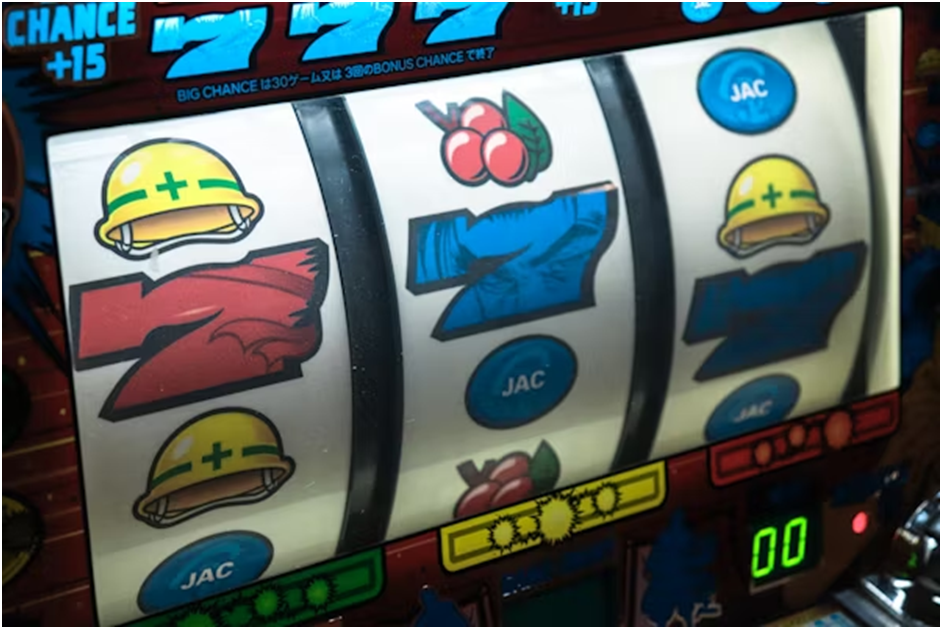
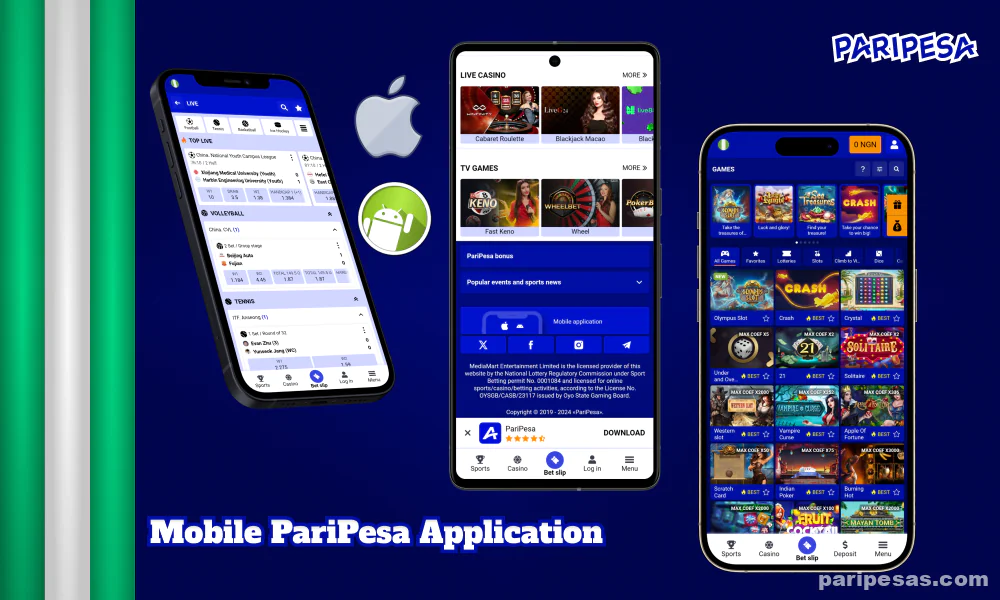
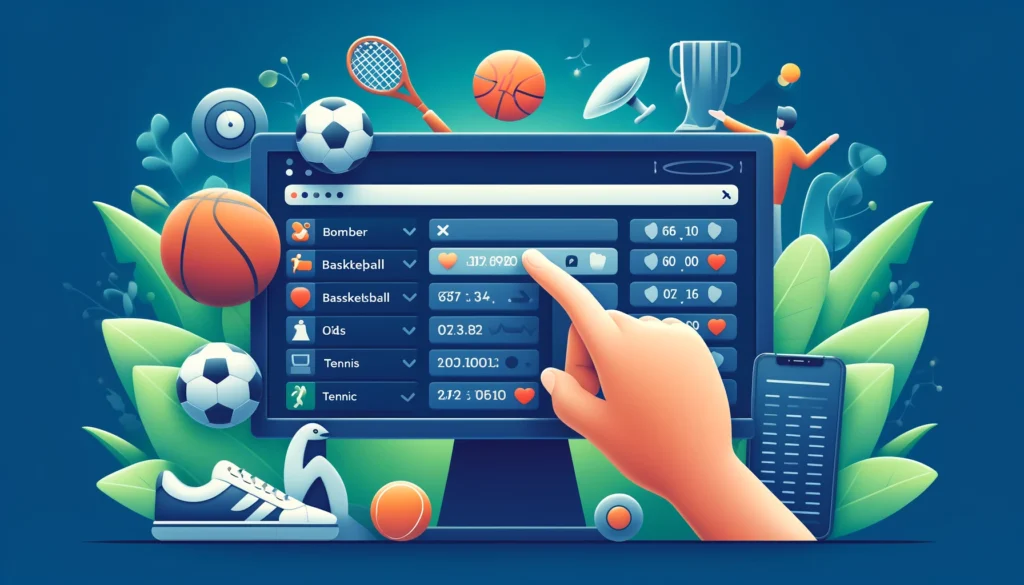
Screen design matters a lot in a slot online setting because players need to identify reels, paylines, stake controls, and bonus indicators without hunting for them. AI testing can compare different button sizes, color contrast levels, and icon placements to see which version leads to fewer mistakes and faster understanding.
Better Pacing For New Players
Some users want quick action, while others need a slower start. AI can help tune the speed of tutorials, intro popups, and early feature reveals so the opening session feels less rushed. That makes the learning curve feel lighter without stripping away useful detail.
How AI Personalizes The Interface
AI also helps adapt the interface to match different player habits.
Menus That Reflect Real Use
If players often return to the same settings, paytable section, or auto-play options, AI can help identify those patterns. Developers can then move the most-used controls into easier positions. That reduces unnecessary taps and keeps useful options close at hand.
Adaptive Information Display
Not every player wants the same amount of information on screen. Some prefer a cleaner view, while others want detailed payout data and feature reminders. AI can support interfaces that adjust what they highlight based on how often a player checks certain details. This makes the screen feel more relevant without adding clutter.
More Comfortable Session Flow
AI can detect where players slow down, reopen instructions, or change settings often. Those signals can point to parts of the interface that feel awkward. Once fixed, the overall flow becomes easier to follow, and common actions start to feel more natural.
How AI Supports Accessibility
User-friendly design also means making slot games easier to use for people with different needs.
Improved Readability
AI tools can test text size, contrast, symbol clarity, and background effects to find combinations that are easier to read. That matters in any slot because tiny labels or flashy overlays can make key information harder to catch. Better readability helps players understand the game without strain.
Assistance For Different Interaction Styles
Some players tap quickly, some pause often, and some need larger touch targets. AI analysis can reveal those patterns and guide adjustments such as bigger buttons, simpler animation timing, or clearer confirmation steps. These changes help more people use the game comfortably on different screen sizes.
Reduced Cognitive Load
Busy screens can make a game feel harder than it really is. AI can help identify which animations, alerts, or visual effects distract from useful information. By trimming those distractions, developers can make the experience feel calmer and easier to process.
How AI Helps Explain Features Better
Complex features become more approachable when AI helps present them at the right time.
Context-Aware Tips
Static help menus often go unread because they appear too early or feel too broad. AI can support prompts that appear only after a player reaches a feature for the first time or shows signs of confusion. A short tip during a bonus round is often more useful than a long explanation before play starts.
More Accurate Help Content
Developers can use AI to review player behavior and support requests, then update help text to answer the questions people actually have. That leads to explanations that are shorter, clearer, and tied to real misunderstandings instead of guesses.
Less Trial And Error
Players enjoy games more when they do not have to learn every feature by mistake. AI can highlight where users misread symbols, misunderstand multipliers, or miss feature triggers. Those insights can lead to clearer labels and more direct visual cues.
How AI Improves Ongoing Usability
User-friendliness is not fixed after launch, and AI helps refine it over time.
Faster Detection Of Friction Points
AI can review large amounts of interaction data and spot patterns humans might miss. If many players exit after opening a certain menu or hesitate before confirming an action, that can signal a usability problem. Catching those issues early makes updates more focused.
Testing Small Changes Efficiently
Even minor tweaks can have a big effect on comfort. AI helps compare alternate versions of button labels, sound cues, icon styles, and animation lengths to see which one reduces confusion. That lets teams improve the experience based on evidence instead of guesswork.
Support That Feels More Relevant
AI can also improve customer support tools inside a game by pointing players to the most likely answer based on what they were doing. If someone pauses during a bonus feature or changes settings repeatedly, the help system can surface the right explanation faster. That saves time and lowers frustration.
Why AI Matters For User-Friendly Slot Design
AI works best here as a practical design tool. It helps developers see where people get stuck, what they ignore, and what helps them move forward with less effort. Those insights can shape cleaner interfaces, clearer instructions, and smoother interaction from start to finish.
For players, the benefit is simple. A more user-friendly slot game is easier to understand, easier to control, and easier to enjoy without confusion getting in the way. AI does not replace good design, but it gives designers better information to make that design more useful for real people.