
































































































































































































































































































































































































































































































































































































































































































































































































































































































































































































































































































































































































































































































































































































































































































































































































































































































































































Top Tips for Effective Car Paint Repair to Restore Your Vehicle’s Shine

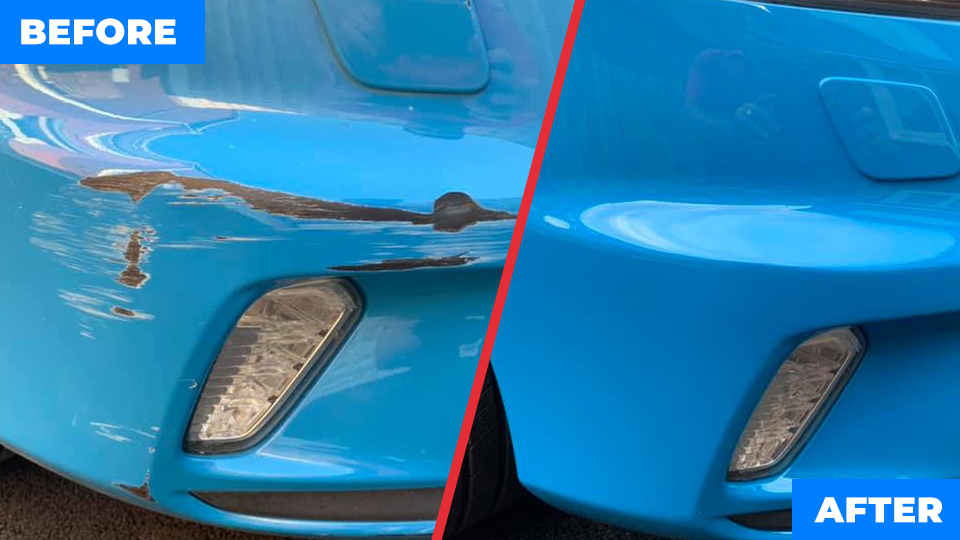
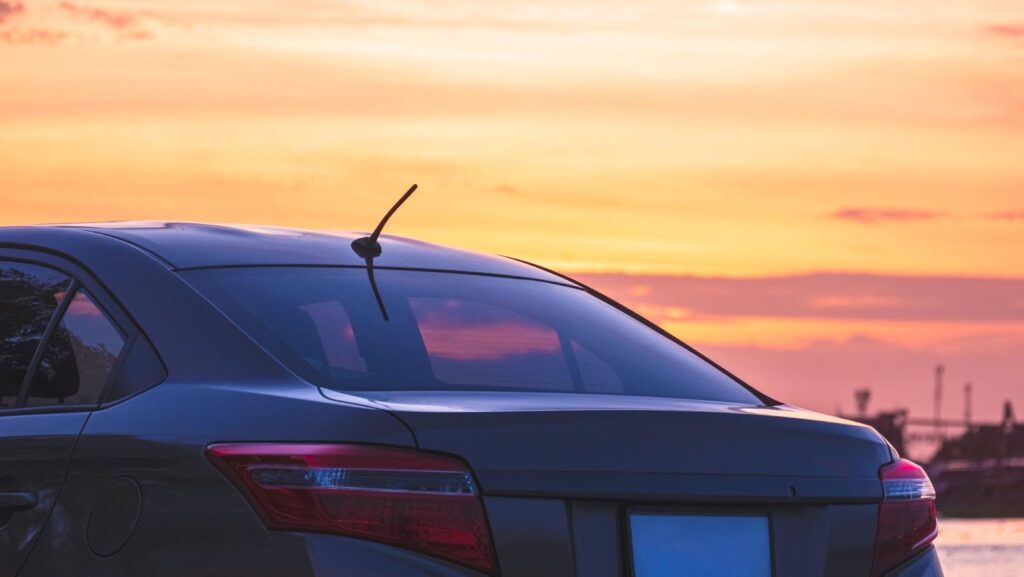
Maintaining the shine of your vehicle involves understanding car paint repair. While it might sound simple, the process requires attention to detail and knowledge of the appropriate methods and materials. Following proper techniques can help preserve the integrity and appearance of your vehicle’s paintwork, ultimately protecting your investment.
Understanding Car Paint Layers
The initial step in effective car paint repair is grasping the structure of automotive paint. Vehicle paint generally consists of several layers, including the primer, the basecoat, and the clear coat. The primer acts as a preparatory coat, serving as a foundation for the paint. The basecoat is the layer of coloured paint, and the clear coat provides gloss and protection. Each layer requires specific care during repairs.
Common Causes of Paint Damage
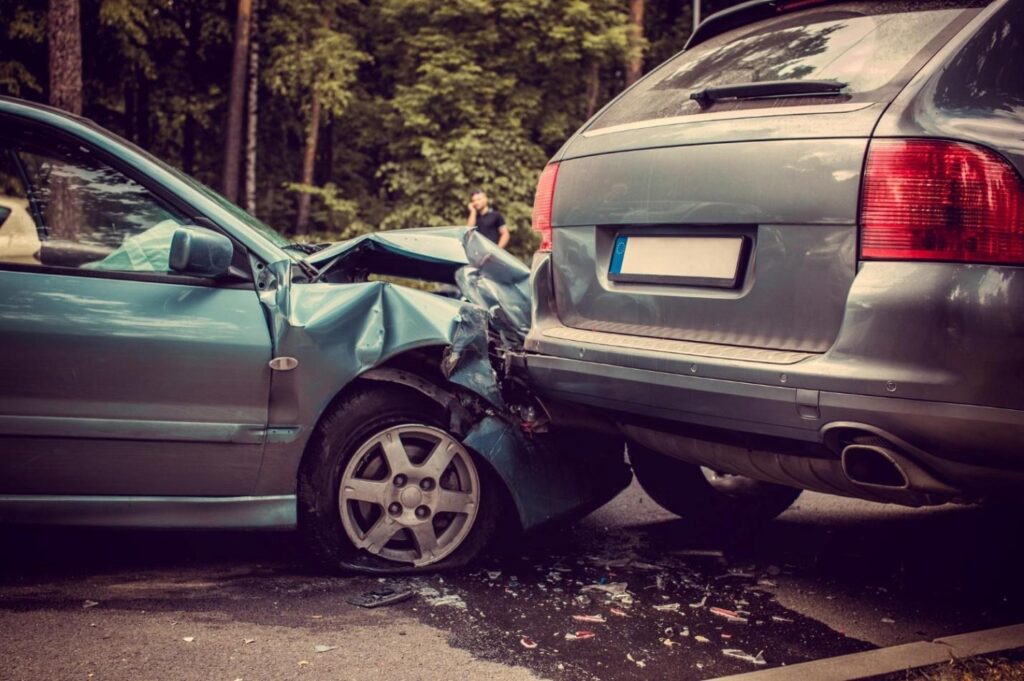
Car paint can get damaged due to various factors, including environmental elements, minor accidents, and improper washing techniques. Common culprits are UV rays, bird droppings, and road debris, which can dull or scratch the paint surface. Additionally, using abrasive cleaning materials can exacerbate these issues.
Assessing the Damage
Before attempting car paint repair, it’s essential to assess the extent of the damage. Minor scratches may only require polishing and touch-up paint, whilst deeper scratches or dents could need more comprehensive treatment such as repainting the affected area. Accurately identifying the damage will guide the repair method required.
Choosing the Right Materials
Selecting appropriate materials is crucial for successful car paint repair. Choosing the wrong type of paint or tools can lead to further damage or ineffective repairs. Always use high-quality automotive paint and matching products to ensure consistency with the existing paintwork. Gathering the right materials before starting will streamline the repair process.
Preparing the Surface
Surface preparation is a critical step in car paint repair. Begin by thoroughly washing the vehicle to remove any dirt or residue. Sanding the damaged area is necessary to create a smooth base for the new paint. Using progressively finer sandpaper can aid in achieving a uniform surface, which will contribute to a professional finish.
Applying the Primer
Once the surface is prepped, applying a primer is essential. The primer ensures paint adhesion and improves the durability of the paint job. Ensure even coverage over the sanded area and allow sufficient drying time. This step lays the groundwork for a successful paint application.
Painting the Vehicle
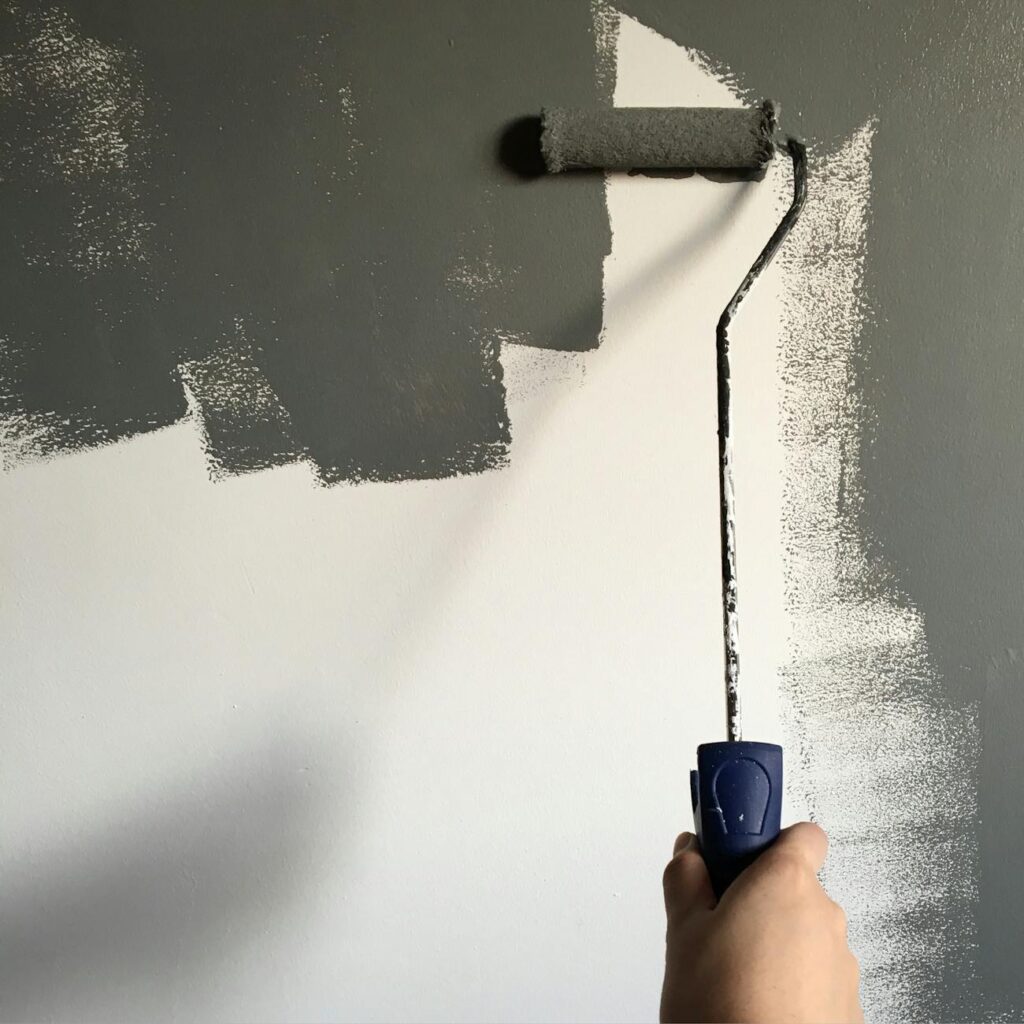
The next step in car paint repair involves applying the basecoat. This is where colour matching is critical. Applying several thin layers rather than one thick layer will prevent drips and ensures an even colour depth. Allowing sufficient drying time between coats is also important.
Applying the Clear Coat
The final paint application step is the clear coat. This layer adds shine and protection to the paintwork. As with the basecoat, apply multiple thin layers of clear coat, letting each dry completely before the next application. This approach minimises the risk of runs and bubbles, resulting in a smooth, glossy finish.
Polishing and Buffing
Once the clear coat is adequately cured, polishing and buffing the area can enhance the shine and smoothness of the repair. Using a quality automotive polish helps achieve a factory-like finish. The process involves carefully using a buffing wheel and polishing agents to increase the gloss and blend the repair seamlessly with the surrounding paint.
Preserving the Paint Finish
After completing repairs, preserving the new paint finish is crucial. Regular washing with a gentle automotive detergent and applying wax or sealant periodically can help maintain the gloss and protect against environmental damage. Monitoring and addressing any potential issues early will prolong the life of your vehicle’s paint.
When to Seek Professional Help
Some car paint repairs may be beyond the scope of a DIY job. Severe damage or extensive area repairs may require the expertise of a professional service. Knowing when to consult a specialist can save time and ensure the quality of the repair.
Cost Considerations
The cost of car paint repair varies based on the damage severity and repair method. Simple touch-ups are less costly, while extensive repairs require more investment. Factor in the cost of materials, labour, and potential professional services when budgeting for repairs.
Environmental Impacts of Paint Repair
Car paint repair may affect the environment due to the use of chemicals and solvents. Being mindful of waste disposal and selecting eco-friendly products can mitigate environmental impact. Understanding the environmental aspects of repairs contributes to responsible vehicle maintenance.
Conclusion
Effective car paint repair requires knowledge of materials and techniques, along with proper execution. Addressing car paint issues not only improves your vehicle’s appearance but also enhances its market value and longevity. By following these tips and considering professional help when necessary, one can ensure their vehicle remains in top condition.