











































































































































































































































































































































































































































































































































































































































































































































































































































































































































































































































































































































































































































































































































































































































































































































































































































































































































































































































































































































































































































How to Choose Work Boots for Cold, Wet, and Slippery Winter Conditions

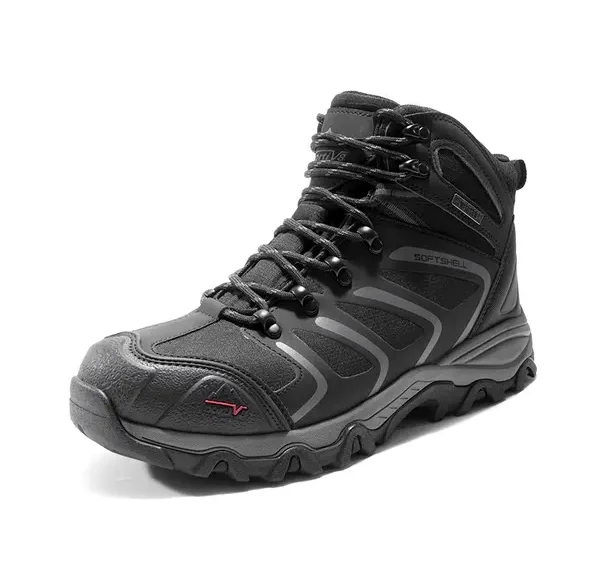
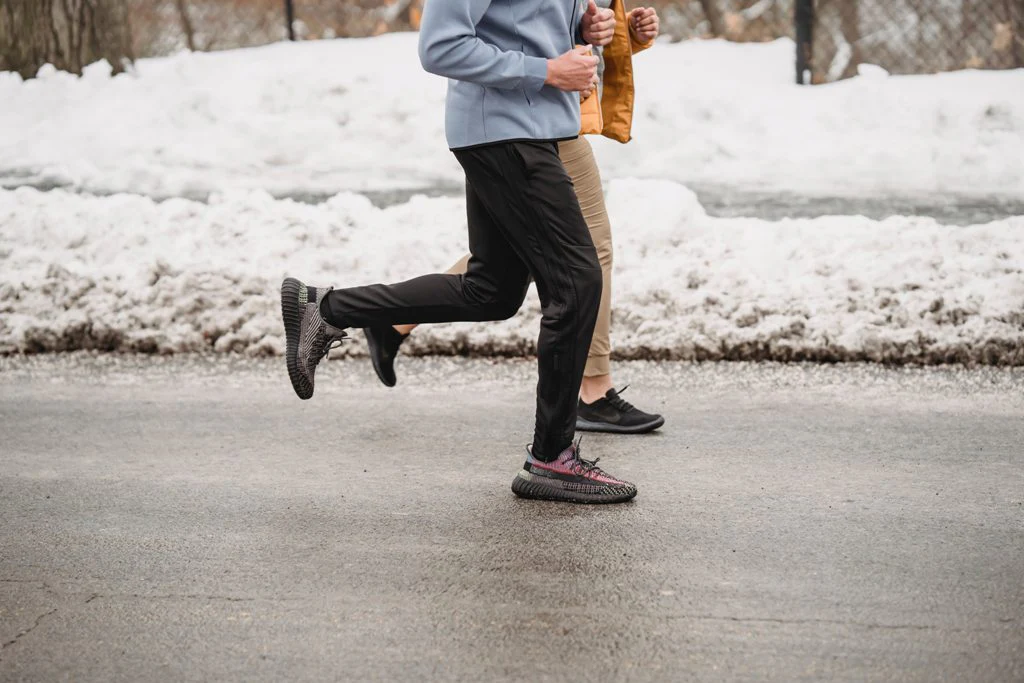
Winter makes demanding jobs even harder. Snow and freezing rain can soak footwear, while slush keeps feet constantly wet. Icy surfaces also reduce traction and increase slip risk. Meanwhile, low temperatures can make long outdoor shifts uncomfortable.
The right waterproof work boots can help manage these conditions, but waterproofing alone is not enough. A winter-ready boot should balance moisture protection with insulation, traction, support, and any safety features required for the job.
Why Do Winter Conditions Change What You Need From Work Boots?
Winter puts work boots under extra pressure. Cold affects comfort, while snow and slush can soak unsuitable footwear during long shifts. However, staying warm and dry is only part of the equation.
Workers exposed to impact, compression, or other foot hazards may also need certified protective footwear. Therefore, winter work boots should provide weather protection without compromising job-specific safety requirements.
What Should You Look for in Winter Work Boots?
The best choice depends on where you work and what you do during a typical shift. Focus on the following features rather than judging a boot by appearance or insulation alone.
- Start With Reliable Waterproof Protection
Water-resistant footwear can handle light moisture, but regular exposure to snow and slush calls for stronger protection. Waterproof construction is better suited to these conditions because it helps keep water out.
Look for waterproof membranes and sealed construction. A gusseted tongue can also limit water entering around the laces.
Breathability matters too. Active work generates sweat, so boots need to manage internal moisture while keeping outside water away. This balance helps feet stay dry and comfortable as temperatures drop.
- Choose Insulation Based on Your Working Conditions
More insulation does not always mean a better winter boot. Workers who stand outdoors for long periods may need extra warmth because they generate less body heat. More active workers may find heavy insulation uncomfortable.
Consider both the temperature and your activity level. The boots should also leave enough room for winter socks without feeling tight.
- Pay Close Attention to the Outsole and Tread
Winter traction requires more than a “slip-resistant” label. Check the tread pattern and outsole material.
Deep lugs can improve grip on snow and mud. Wider tread channels also help release slush before it packs into the outsole. Rubber compounds are commonly used for traction, although their performance can vary by surface and temperature.
No work boot can guarantee grip on smooth ice. When possible, clear or treat icy surfaces. Workers should also move carefully when traction is limited.
- Check Whether You Need a Safety Toe
Winter protection does not replace job-specific safety features. If your work involves impact or compression hazards, you may need safety-toe footwear.
Steel toes are common, while composite and other non-metallic options suit certain environments. Check your employer’s requirements and confirm any applicable American Society for Testing and Materials (ASTM) safety rating before choosing.
- Look for Support Without Excessive Rigidity
Frozen ground and compacted snow can create uneven walking surfaces. Your boots should therefore support the feet and ankles without restricting natural movement.
Some flexibility helps when walking or climbing. Cushioning can also improve comfort during long shifts. However, unnecessary weight may increase fatigue, so look for support without excessive bulk.
- Make Sure the Fit Works With Winter Socks
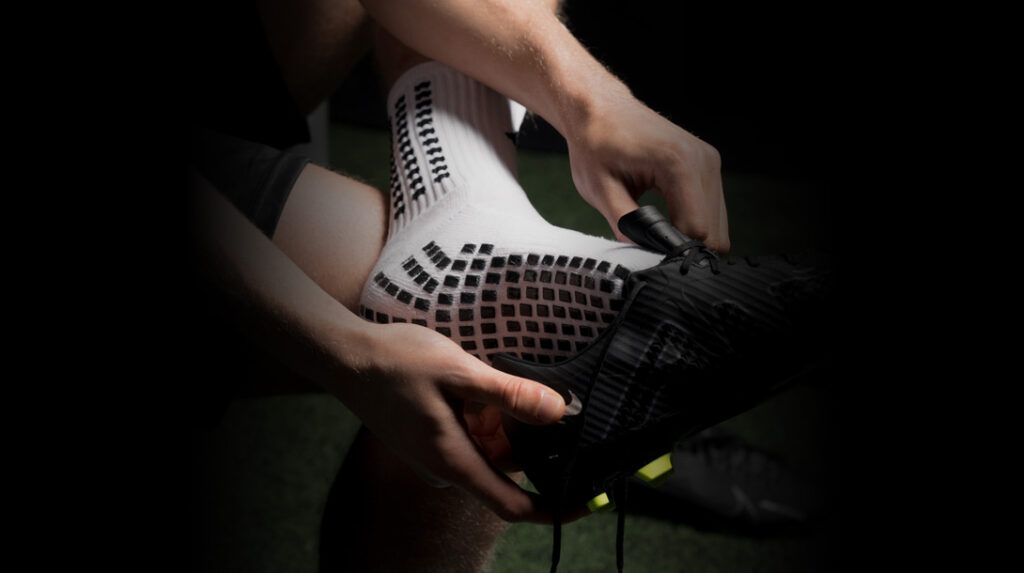
Winter socks take up extra space, so consider them when checking the fit. Your toes should have room to move without the heel slipping excessively.
Avoid boots that feel tight with your usual work socks. If the width feels restrictive, consider a wide-fit option rather than simply buying a longer size.
- Consider Boot Height for Snow, Slush, and Mud
Match the boot height to your level of exposure. Lower boots work well when you frequently move between indoor and outdoor areas. Taller shafts provide more coverage in deeper snow or slush.
The opening matters too. A secure collar and gusseted tongue can help keep moisture and debris outside.
- Do Not Forget Durability and Construction
Winter conditions can accelerate footwear wear. Moisture and road salt can be particularly demanding, while rough job-site surfaces add further abrasion.
Choose durable uppers with reinforcement in high-wear areas. Check the sole construction as well. Strong construction matters even more when you wear the boots every day throughout winter.
How Should Winter Work Boot Features Match the Job?
There is no single winter boot specification that suits every worker. Match the features to the conditions you encounter most often.
| Working condition | Features to prioritize |
| Snow-covered construction site | Waterproofing, aggressive tread, required safety toe |
| Wet outdoor utility work | Waterproof construction, traction, supportive fit |
| Cold warehouse/loading area | Moderate insulation, cushioning, slip resistance |
| Muddy winter job site | Deep tread, waterproof upper, easy-clean outsole |
| Long outdoor shifts | Insulation, moisture control, cushioning and support |
For example, someone working all day outdoors may prioritize warmth and waterproofing. A worker moving between a heated warehouse and an icy loading area may place greater emphasis on traction and moderate insulation.
Focus on real hazards instead of choosing the boot with the longest feature list.
What Common Mistakes Should You Avoid?
A few simple mistakes can make otherwise good boots unsuitable for winter work:
- Choosing based only on warmth: Insulation cannot replace waterproofing or traction.
- Confusing water resistance with waterproofing: Check the product specification carefully.
- Ignoring safety standards: Make sure the boots meet workplace requirements.
- Forgetting winter socks: Test fit with the socks you normally wear.
- Expecting complete protection from ice: Slip-resistant footwear cannot eliminate every slipping hazard.
- Buying unnecessarily heavy boots: Excess weight may increase fatigue during active shifts.
Conclusion
Choosing winter work boots means matching footwear to the actual working conditions. Waterproofing matters when snow and slush are unavoidable, while insulation should reflect both temperature and activity level. Traction matters most on wet or frozen surfaces.
Fit, support, and workplace safety requirements should also guide the final choice. Before buying, think through a normal shift. Consider how long you stay outdoors, what surfaces you walk across, and which hazards your job presents.
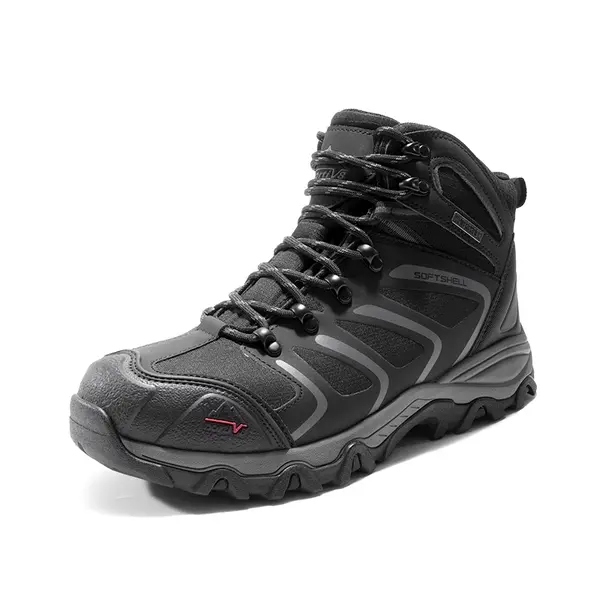
With these needs in mind, NORTIV 8 offers work boots with waterproof construction and traction-focused outsoles, along with safety-toe options and cushioned support. This range gives workers in construction, industrial settings, and outdoor jobs practical choices for different winter conditions.
Explore the NORTIV 8 work boot range and compare the features that best match your winter work environment.