











































































































































































































































































































































































































































































































































































































































































































































































































































































































































































































































































































































































































































































Runway Seating Went Minimal, and Show Producers Are Buying Differently

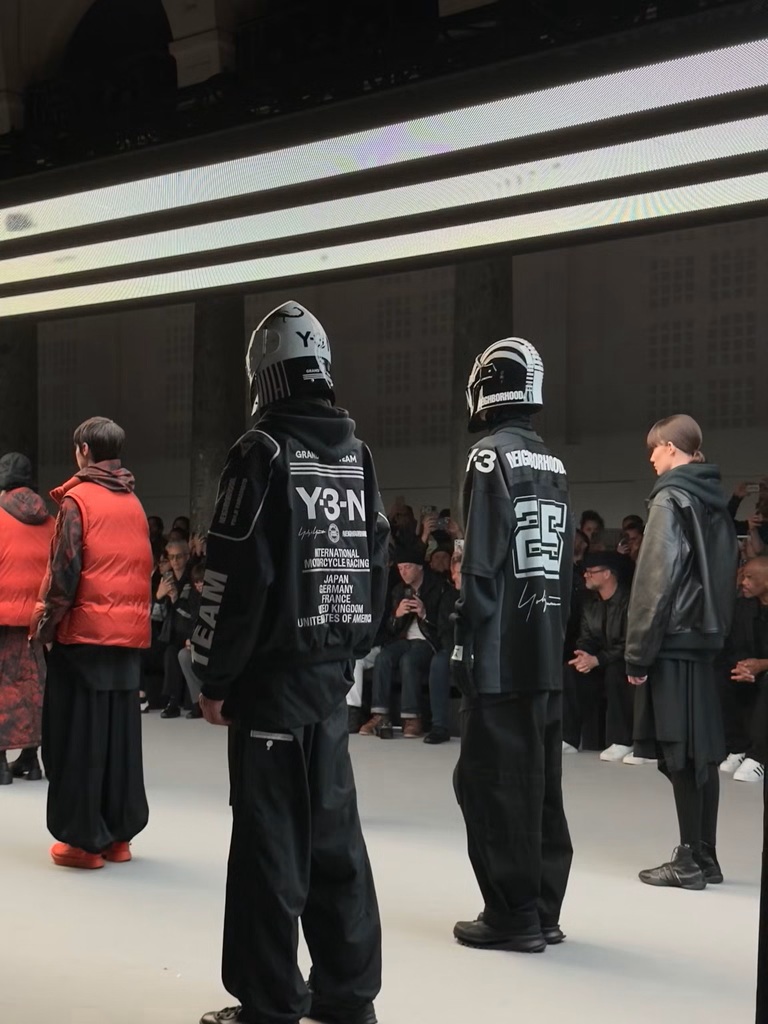
The front row used to be upholstered. Somewhere in the last decade that stopped being true, and the change happened so quietly that most people reading the coverage never registered it. What replaced the padded seat was thinner, lighter, usually dark, and almost aggressively plain, and it arrived because the shows themselves changed shape.
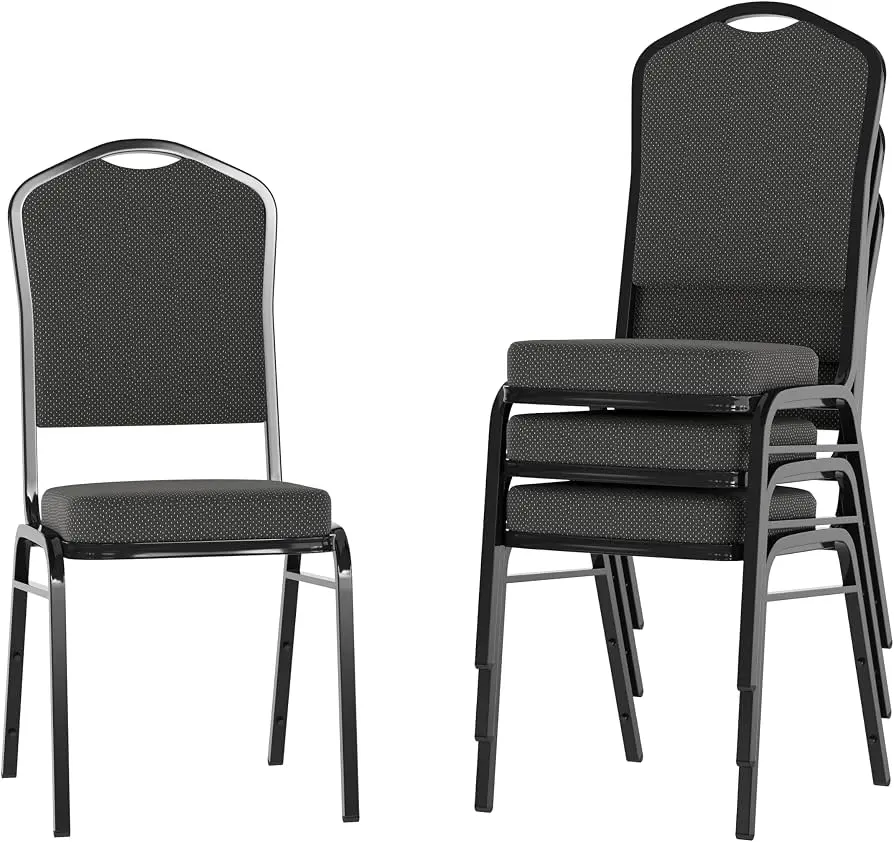
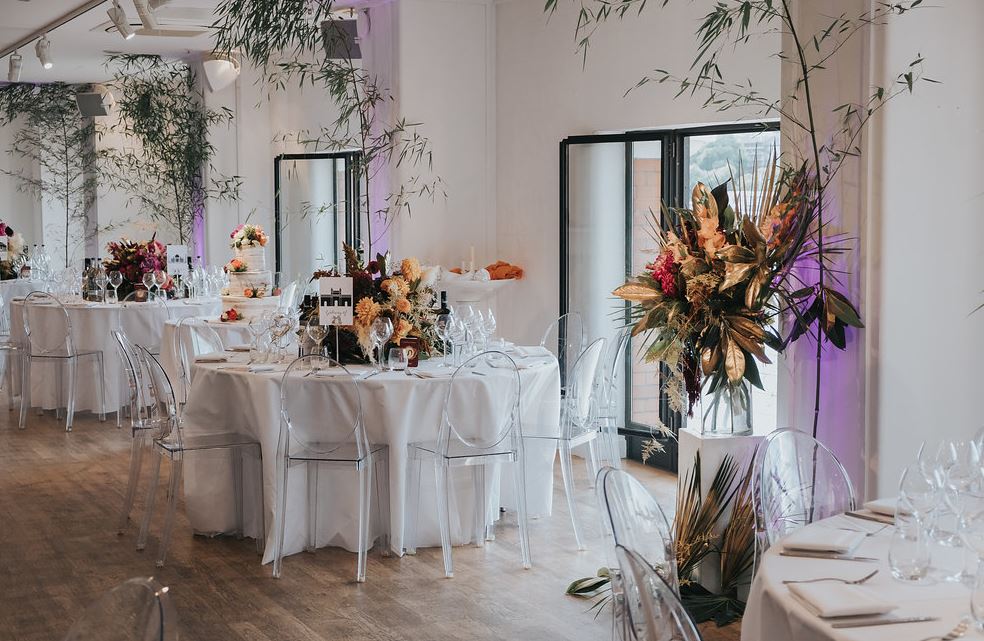
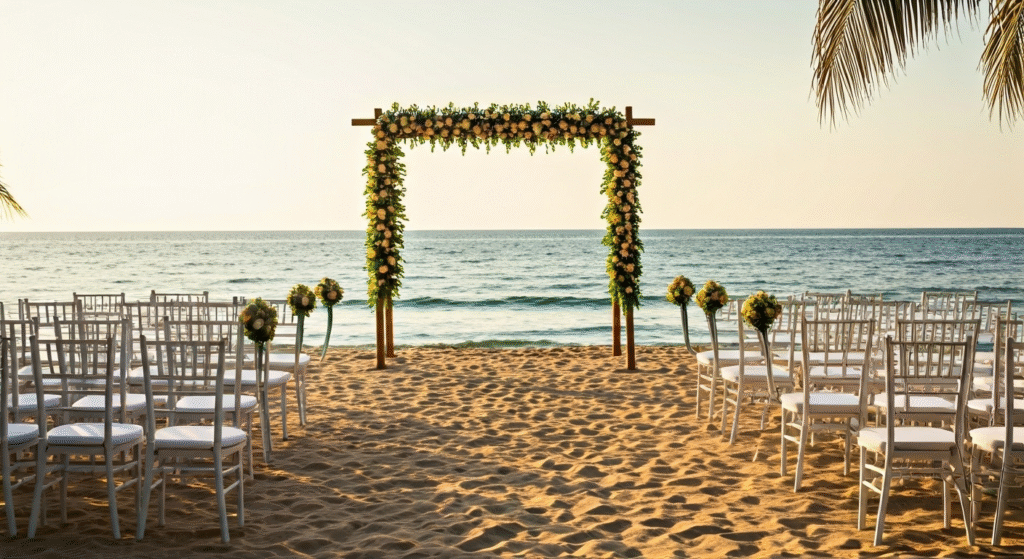
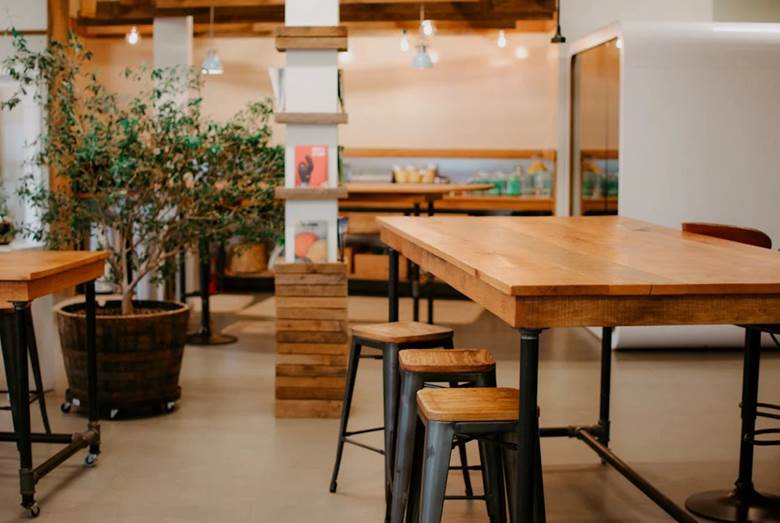
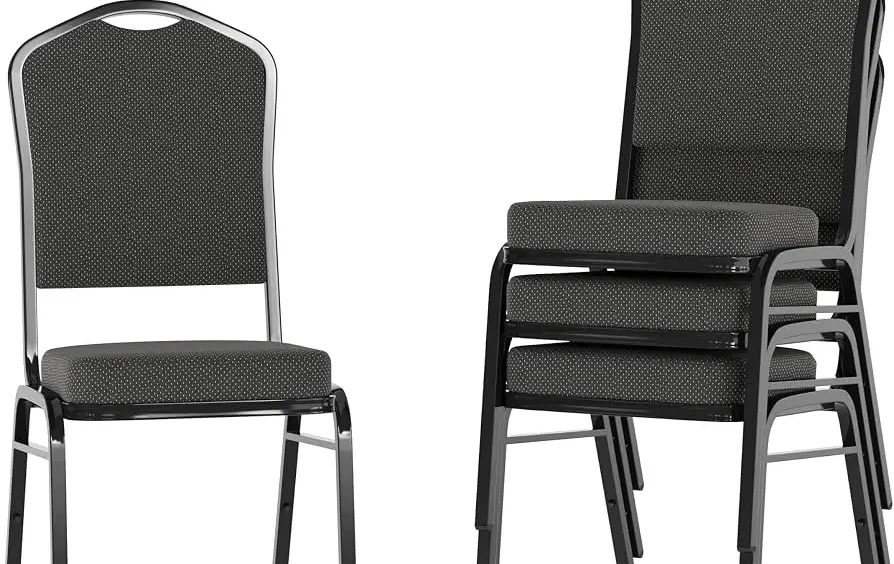
Producers who work several weeks a year have made a specific purchasing shift underneath that aesthetic. The seating that fills a venue now is far more likely to be commercial grade stackable banquet chairs in a neutral finish than anything bespoke. The reason isn’t budget in the way that word usually implies. It is that a show is now assembled and disassembled inside a window that keeps getting shorter, in venues that keep getting more temporary.
The Room Is Only a Show for Ninety Minutes
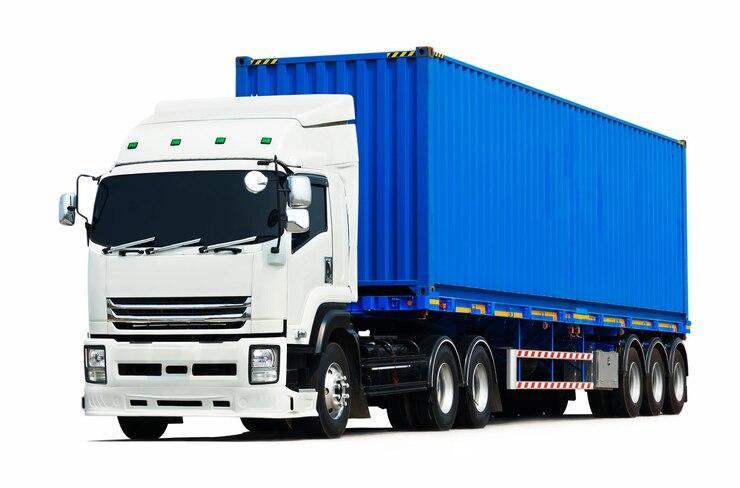
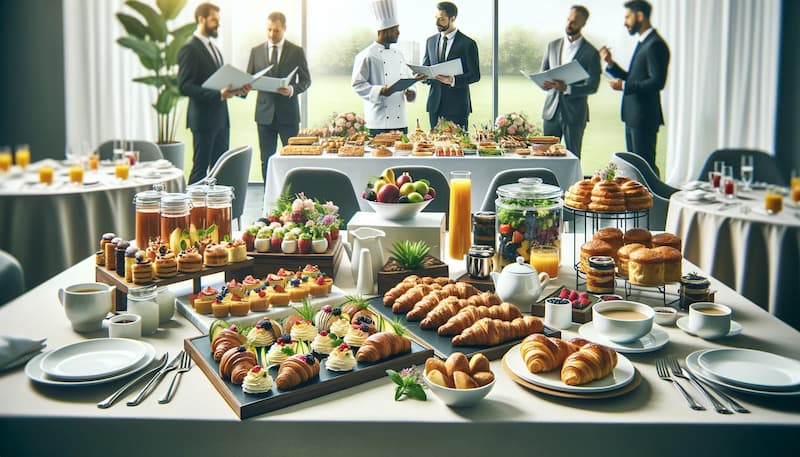
Walk into a venue at nine in the morning and it is a warehouse, a gallery, a car park, a decommissioned bank. The seating arrives on a truck. So does the runway, the lighting rig, the barrier, and the flowers.
By two in the afternoon it is a show. By eight that evening it is a warehouse again, and a different production has the keys tomorrow.
That cycle is the whole story. A chair that takes two people to move, or that has to be handled individually rather than in a stack, doesn’t survive contact with that schedule no matter how it photographs. The furniture has to be as fast to strike as it was to set, because the venue contract says so and the next booking is already loaded.
Minimalism Was a Consequence Before It Was a Choice
It’s tempting to read the plain seat as a design statement about restraint. Sometimes it is. More often it followed the logistics and got explained afterward.
A chair with no arms packs tighter in a row, which recovers seats along a barrier where every inch is contested. A chair with a flat back photographs as a dark line rather than a shape, which keeps the eye on the runway in a wide shot. A chair with no upholstery cannot show a mark from the last four venues it visited. Every one of those is a production decision that happens to read as taste.
The long history of fashion week is partly a history of venues getting stranger and turnovers getting tighter. The seating followed that curve rather than leading it.
What Producers Actually Specify Now
Ask a production manager what they look for and the answer’s unglamorous and consistent.
Weight comes first, because crews carry these across floors that trucks cannot reach. Stack height comes second, because storage in a temporary venue is a corner someone negotiated. Finish durability comes third, and it’s specifically about edges. The contact points where chairs touch each other in a stack are where a cheap coating chips, and a chipped coating shows in any photograph taken from floor level.
Uniformity matters more here than in almost any other seating market. A row of forty chairs where two are visibly a different shade is a row that gets reshot or reseated, and there is no time for either.
The Crew Is the Constraint Nobody Photographs
This is the part of the industry that doesn’t appear in the coverage.
A show gets built by people carrying things, quickly, often up stairs, frequently at night. Every pound in a chair is a pound somebody lifts several hundred times across a week of shows. Guidance on ergonomics in workplaces exists for exactly this pattern of repeated manual handling, and event build crews sit squarely inside it even though nobody thinks of a fashion show as an industrial setting.
Producers who have run enough weeks specify light seating for the same reason they specify wheeled cases. It isn’t comfort for the crew as a courtesy. It’s the difference between finishing the strike at eleven and finishing it at two.
The Economics Underneath the Aesthetics
There is a broader shift feeding this, and it is not confined to fashion.
The trade body that tracks business events reports global participation running above where it stood before the pandemic, with direct spending well past pre-2020 levels. More events, in more kinds of space, on shorter turnarounds. Fashion is a visible corner of a much larger movement toward temporary venues and reusable infrastructure, and the seating market responded to the whole of it rather than to one industry.
Which is why the chair under a front row now is often the same chair, from the same catalog, that will be under a corporate gala in the same city next week. It has simply been finished in black and lit differently.
What Changed in the Buying Conversation
Production companies used to rent almost everything. Many now own a base inventory and rent around the edges, and that shift changes what they ask for.
Ownership makes continuity matter. If a company owns three hundred chairs, the question of whether they can buy forty more in the same finish in two years stops being academic. It also makes stacking damage a real cost rather than the rental company’s problem, so frames get inspected for how they behave in a column and not only for how they look.
The pattern across producers who have made that shift is short:
- Weight a single person can carry two at a time
- Verified stack height that clears a temporary storage door
- A finish that survives contact points, checked at the edges
- Continuity of the model, confirmed in writing before the first order
Where the Look Goes Next
The plain seat has been dominant long enough that a correction is due, and there are signs of one. Color is creeping back at smaller shows. A few producers are using seating as a set element again rather than treating it as neutral infrastructure.
None of that will reverse the underlying logistics, though. Whatever the front row looks like in three seasons, it will still need to arrive on a truck, go up in four hours, come down in two, and survive being stacked in a corridor. The aesthetic can move. The constraint does not.
The Chair That Disappeared on Purpose
The most successful piece of furniture at a fashion show is the one nobody remembers. It held three hundred people at the right height, in the right density, without competing with the clothes, and then it left the building in an hour.
That is a strange kind of design brief, and it explains why the front row stopped looking like furniture and started looking like punctuation. The seat is not trying to be seen. It is trying to be structurally invisible while doing an enormous amount of physical work, which is roughly what the whole production around it is doing too.