


















































































































































































































































































































































































































































































































































































































































































































































































































































































































































































































































































































































































































































































































































































































































































































































































































































































































































































































































































The Rise of K-Beauty: Why Korean Beauty Products Are So Popular

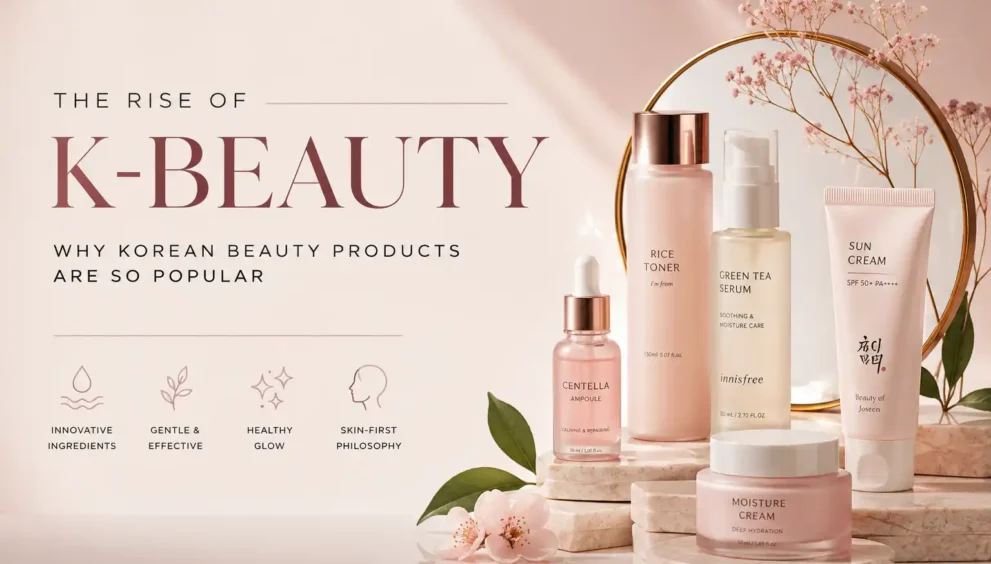
There was a time when Korean beauty felt like a niche corner of the beauty world. Today, it is almost impossible to scroll through a beauty feed without coming across a Korean serum, toner, mask, cleanser, or sunscreen.
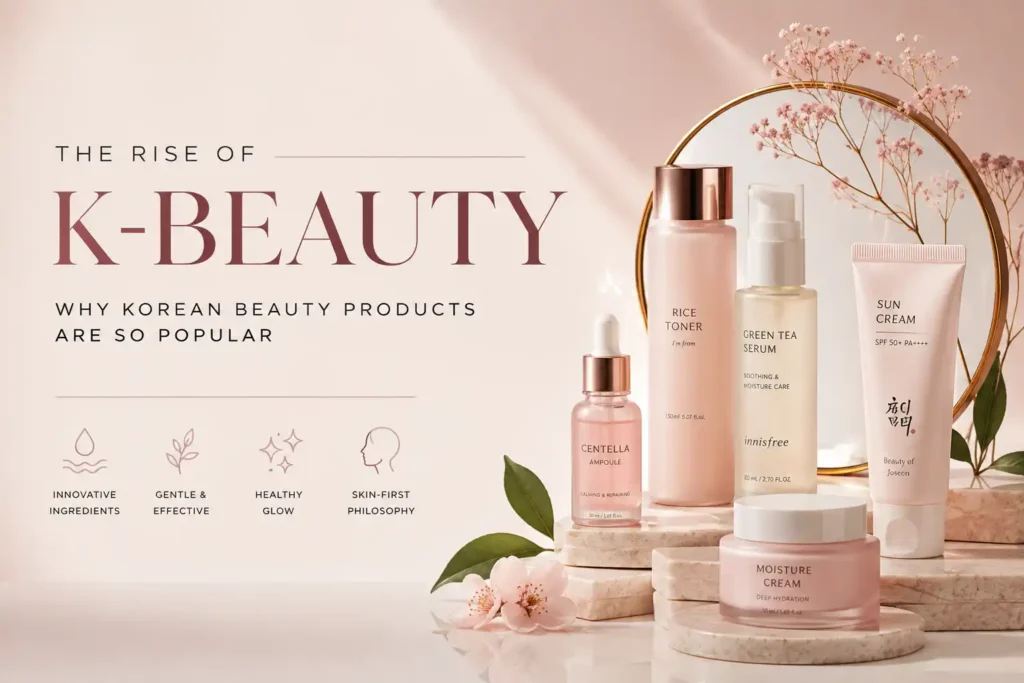
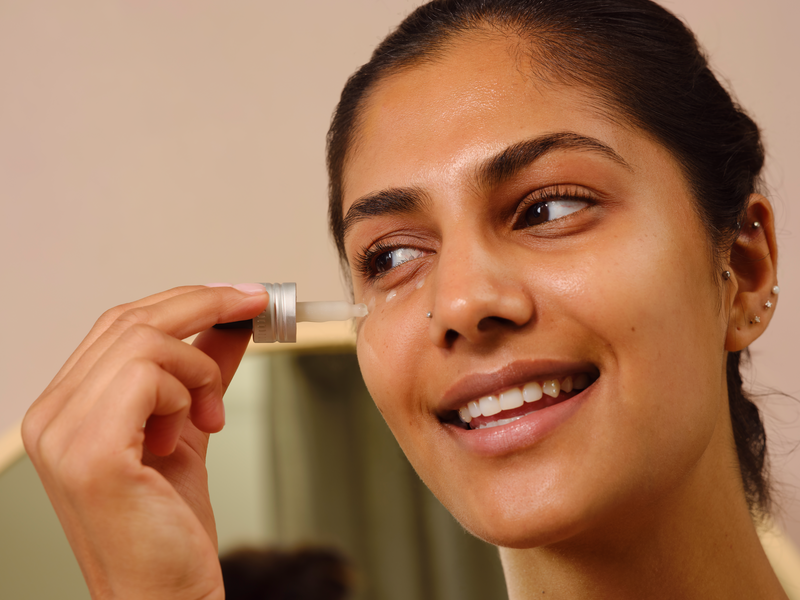
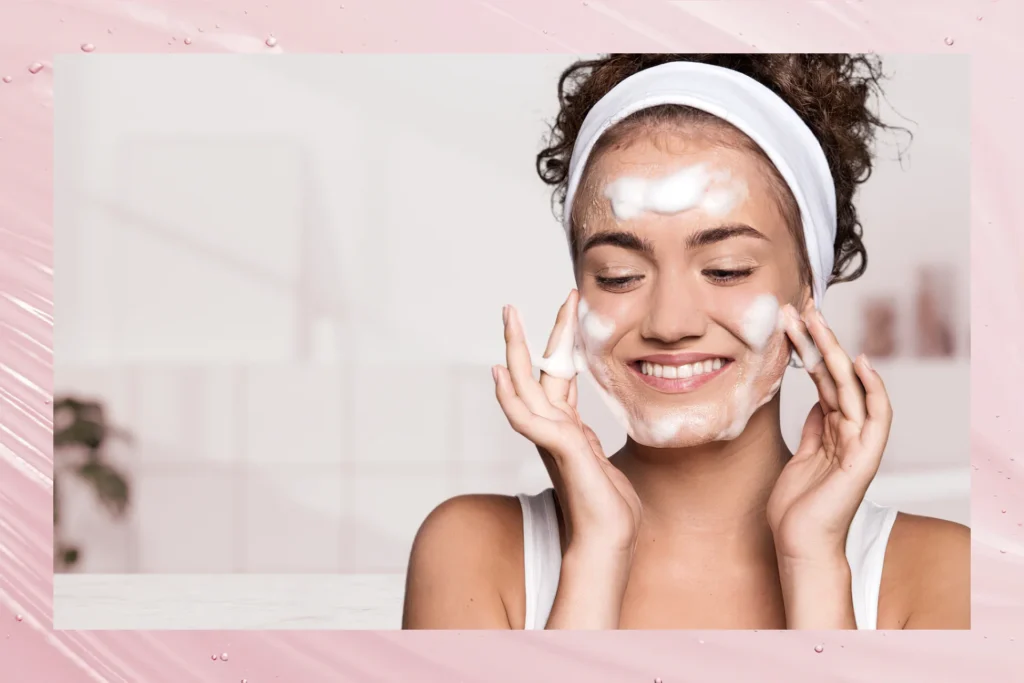
From the famous glass-skin look to snail mucin, centella, rice extracts, and the latest generation of skin-focused formulas, K-beauty has become a major influence on how people think about skincare.
But the real question is: why have Korean beauty products become so popular?
The answer goes beyond social media. K-beauty has succeeded because it combines thoughtful skincare philosophy, interesting ingredients, lightweight textures, innovative formulas, and a strong focus on maintaining healthy-looking skin rather than simply covering imperfections.
And in 2026, the movement is evolving again.
K-Beauty Is More Than a Trend
Korean beauty is often described as a trend, but its influence has lasted far longer than a typical beauty craze.
The global K-beauty movement has continued expanding through social media, beauty retailers, product reviews, and growing consumer interest in Korean skincare. Vogue’s 2026 K-beauty coverage describes the category as continuing to expand, with consumers becoming increasingly interested in understanding ingredients, formulas, and how products are actually used.
That shift is important.
People are no longer interested only in the idea of “glass skin.” They want to understand what goes into achieving healthier-looking skin and how individual products can fit into their everyday routines.
This has helped K-beauty move from a viral phenomenon into a genuine part of modern beauty culture.
What Makes Korean Beauty Different?
One of the biggest attractions of K-beauty is its philosophy.
Rather than treating skincare as something you use only when there is a visible problem, Korean beauty traditionally places greater emphasis on prevention, hydration, consistency, and maintaining the skin barrier.
That mindset has influenced consumers around the world.
Instead of asking, “What can I use to fix this quickly?” shoppers are increasingly asking, “How can I take better care of my skin every day?”
This is one reason Korean skincare can feel approachable. The focus is often on creating a routine that supports the skin over time rather than relying on one miracle product.
The Ingredients That Started Conversations
K-beauty has also introduced many consumers to ingredients they might not have encountered otherwise.
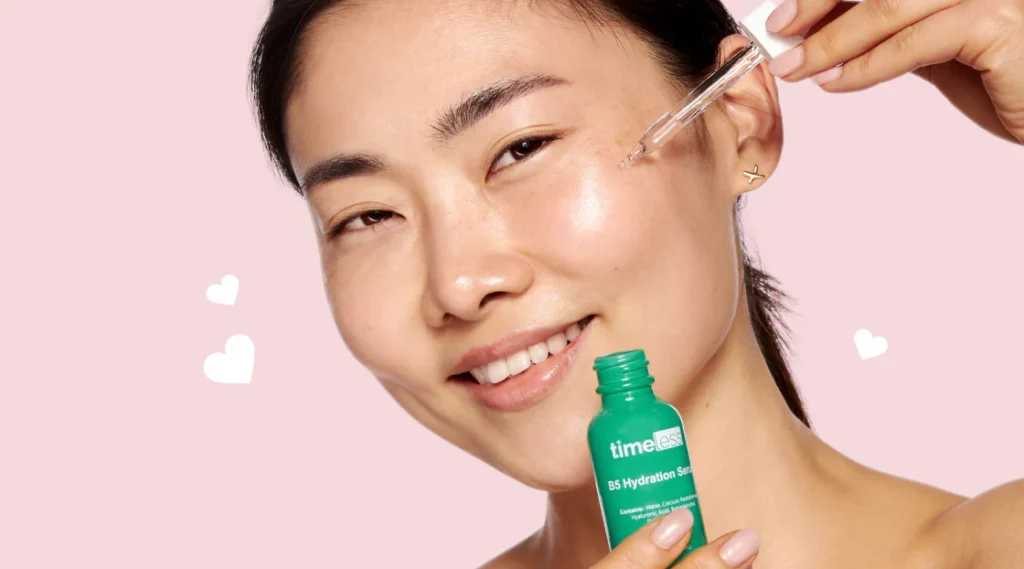
Snail mucin is one of the best-known examples. Centella asiatica, rice extract, ginseng, mugwort, green tea, and other botanical ingredients have also become familiar names in skincare conversations.
More recently, ingredients such as PDRN and exosome-based formulations have attracted attention as Korean beauty continues to explore more advanced cosmetic technologies. Current beauty coverage suggests that 2026 is seeing these treatment-inspired ingredients move further into consumer skincare.
The appeal is not simply that these ingredients sound innovative.
Consumers enjoy learning what different ingredients are designed to do and choosing products according to their own skincare goals.
That ingredient-focused approach has made beauty shopping feel more educational.
The End of the Complicated Routine?
Interestingly, the future of K-beauty may not involve more and more products.
The famous multi-step Korean skincare routine helped introduce consumers to essences, toners, ampoules, masks, and other categories. But modern K-beauty is increasingly moving toward smarter routines rather than endlessly adding steps.
Recent 2026 beauty coverage points toward streamlined routines, multifunctional products, barrier support, and more intentional skincare.
That is a refreshing change.
A good skincare routine does not need to occupy half the bathroom shelf. It needs to make sense for the person using it.
A cleanser, moisturizer, sunscreen, and one or two targeted products may be more useful than ten products that are used inconsistently.
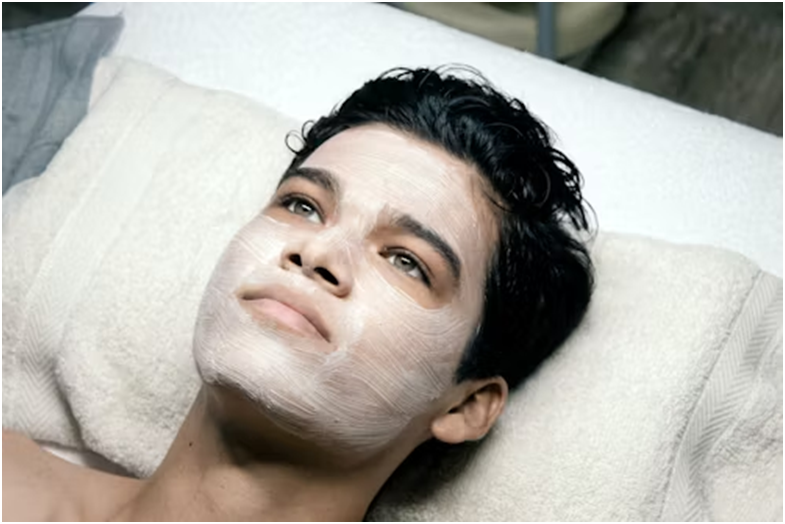
Glass Skin Is Evolving
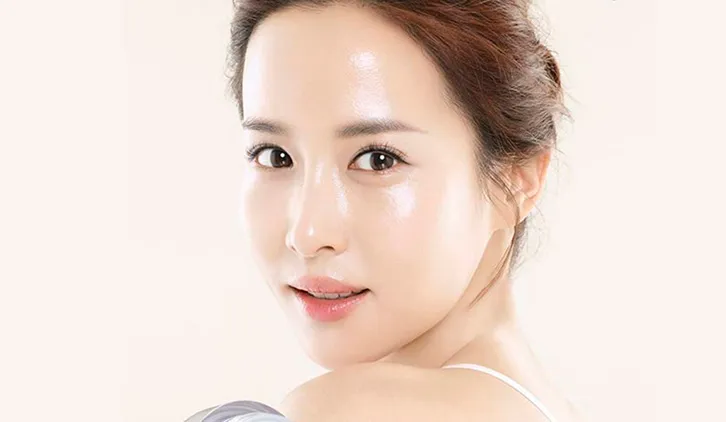
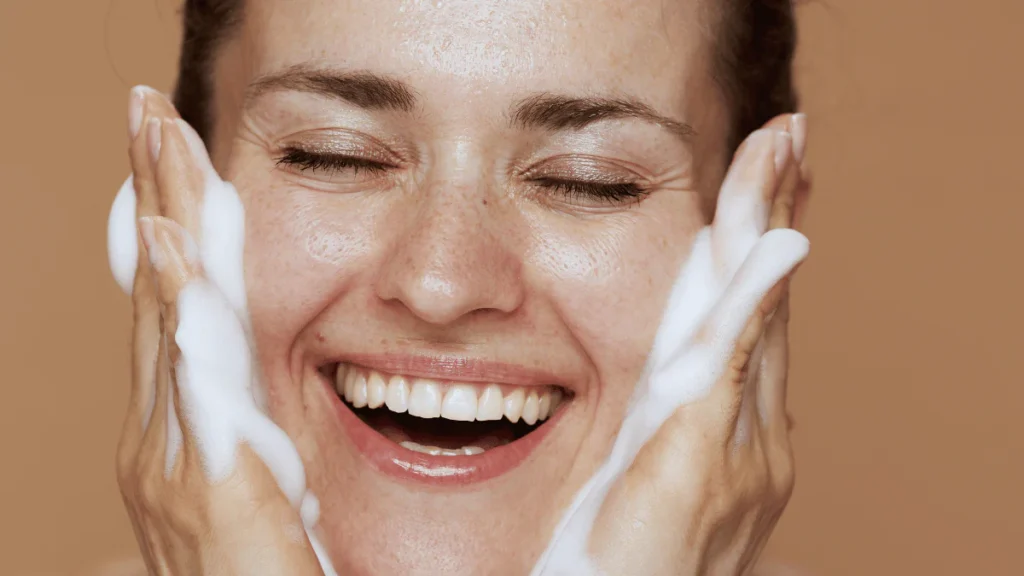
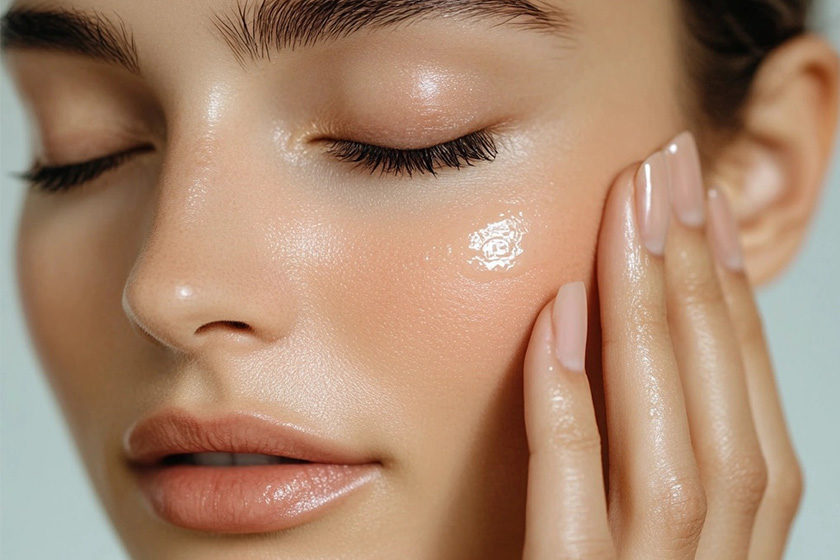
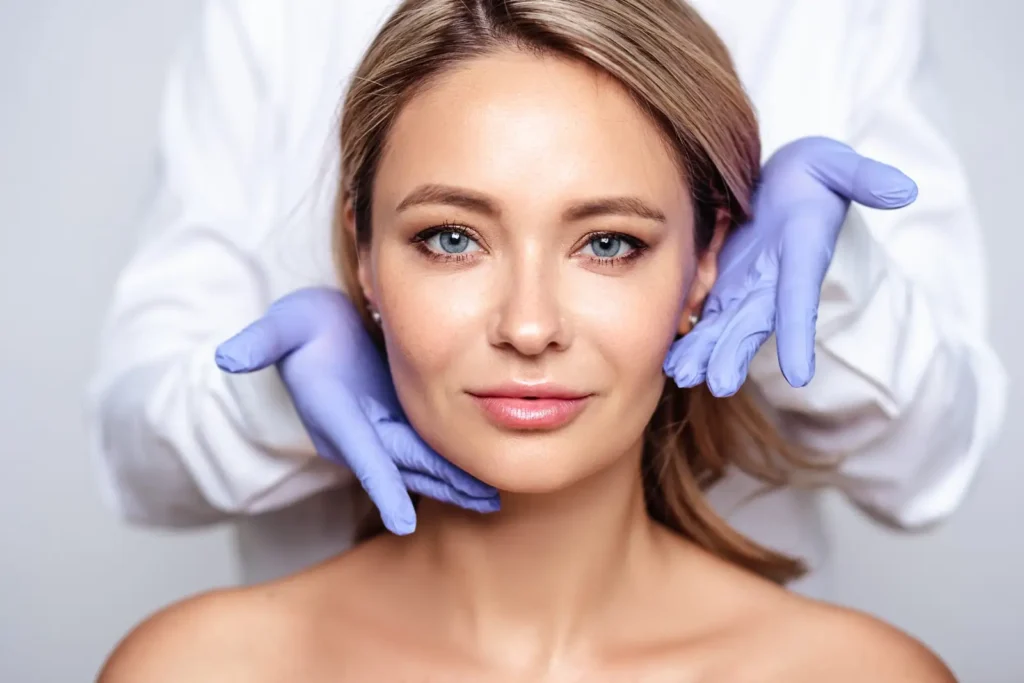
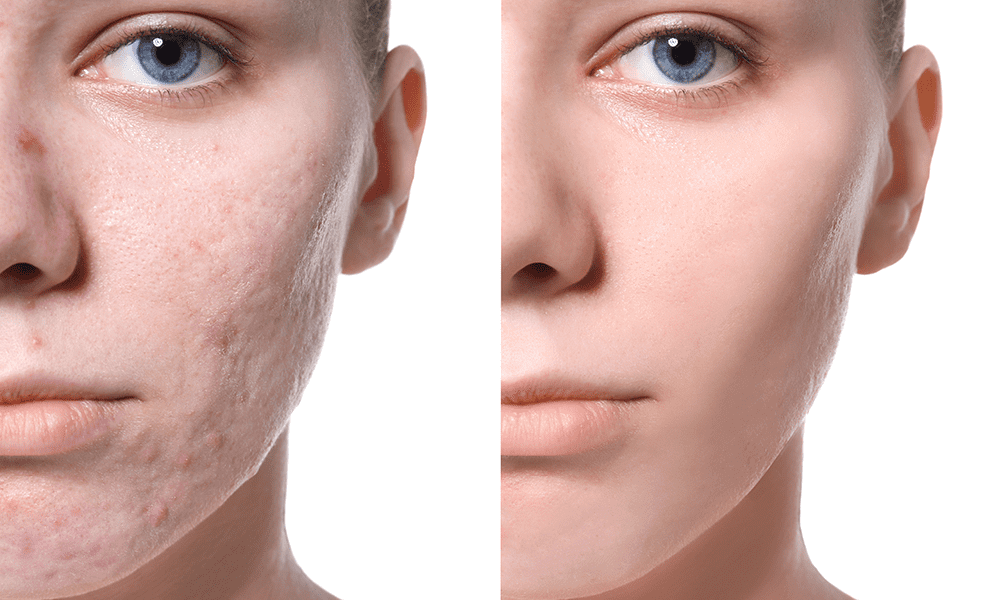
“Glass skin” helped introduce K-beauty to a global audience.
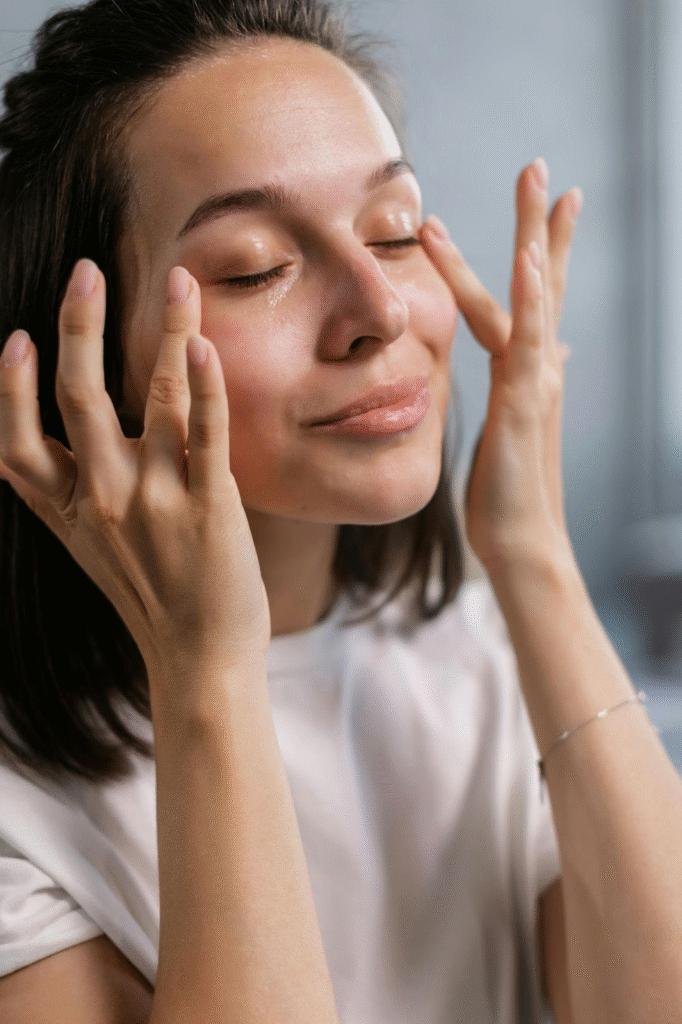
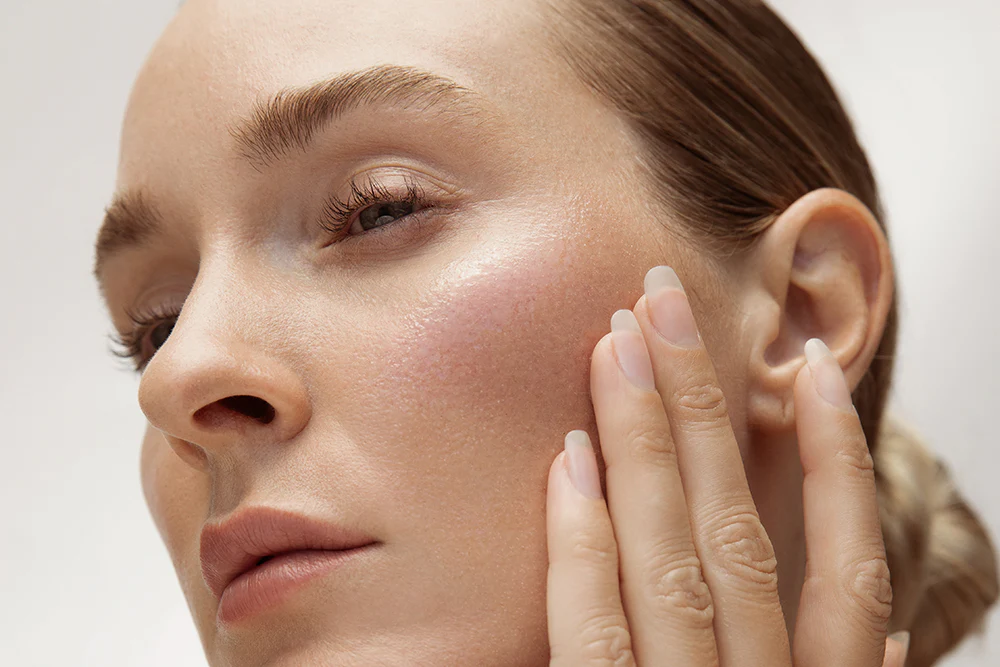
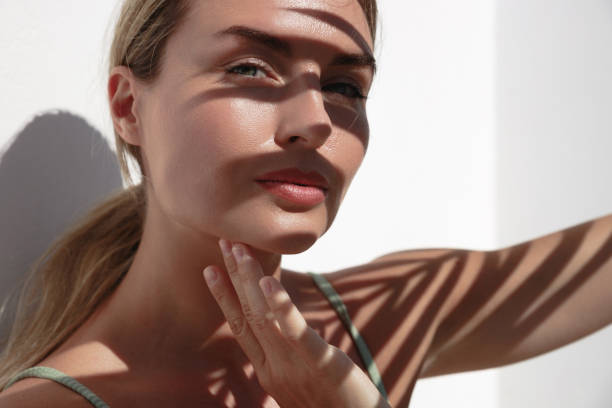
The phrase became associated with an exceptionally smooth, hydrated, luminous complexion. But today’s interpretation is becoming more realistic.
The focus is moving beyond simply making skin look shiny.
In 2026, there is growing interest in texture, skin comfort, hydration, elasticity, and a healthy-looking barrier. Vogue’s current K-beauty trend coverage describes this evolution as a move toward skin that looks fresh, supple, and refined rather than simply glossy.
This makes the trend much more accessible.
You do not need perfectly poreless skin to enjoy the philosophy behind glass skin. The goal can simply be skin that looks well cared for and comfortably hydrated.
K-Beauty Is Moving Beyond the Face
Another interesting development is the expansion of Korean beauty beyond traditional facial skincare.
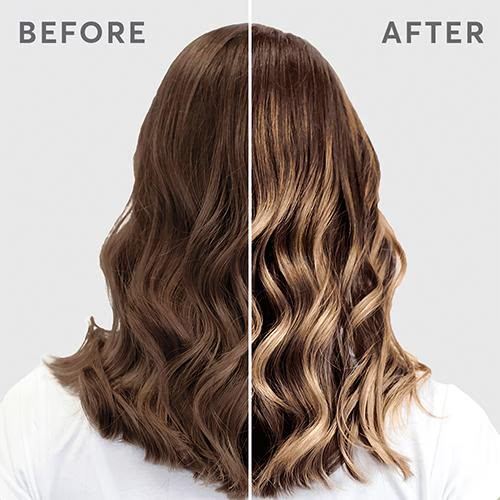
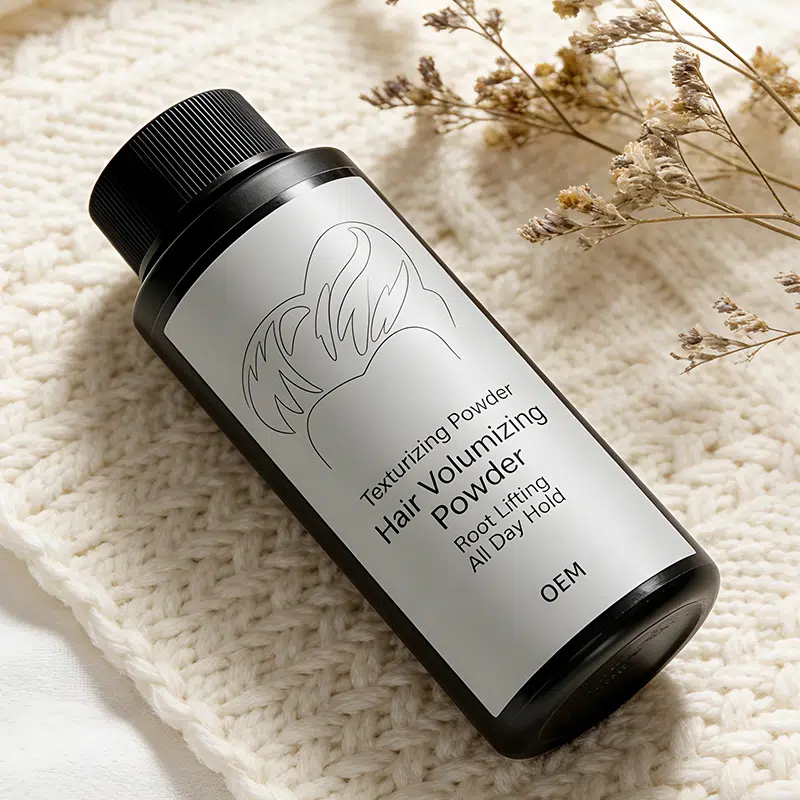
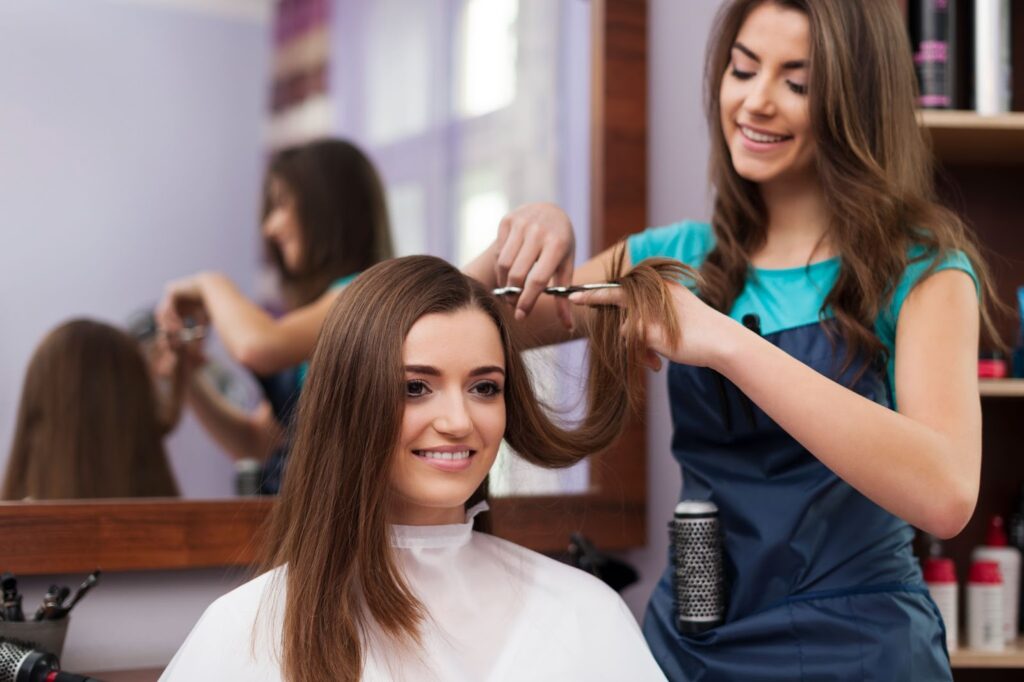
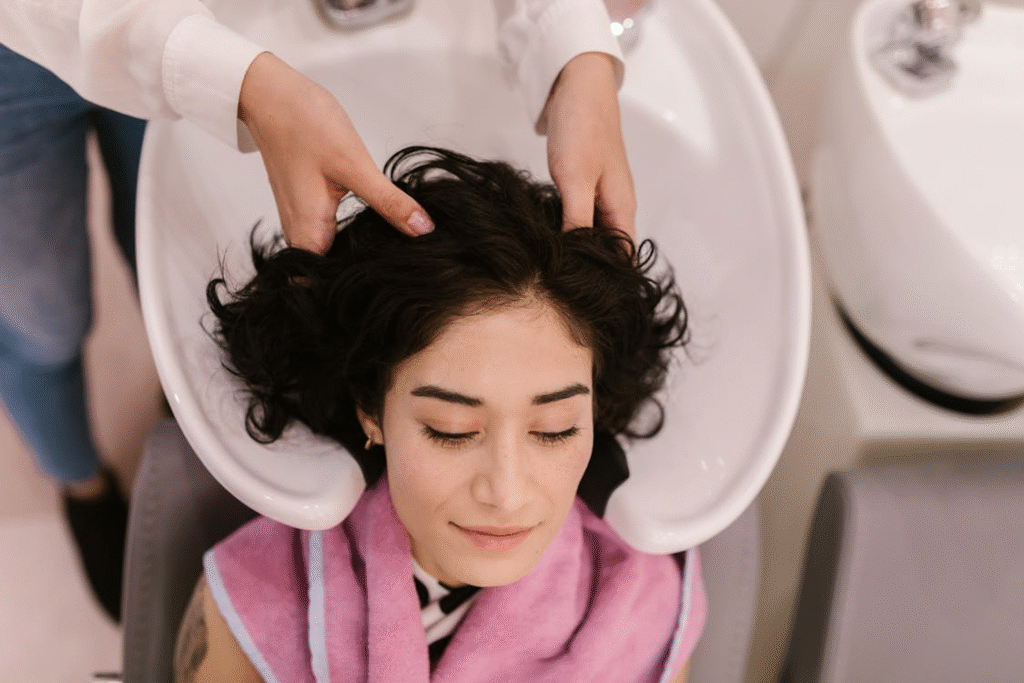
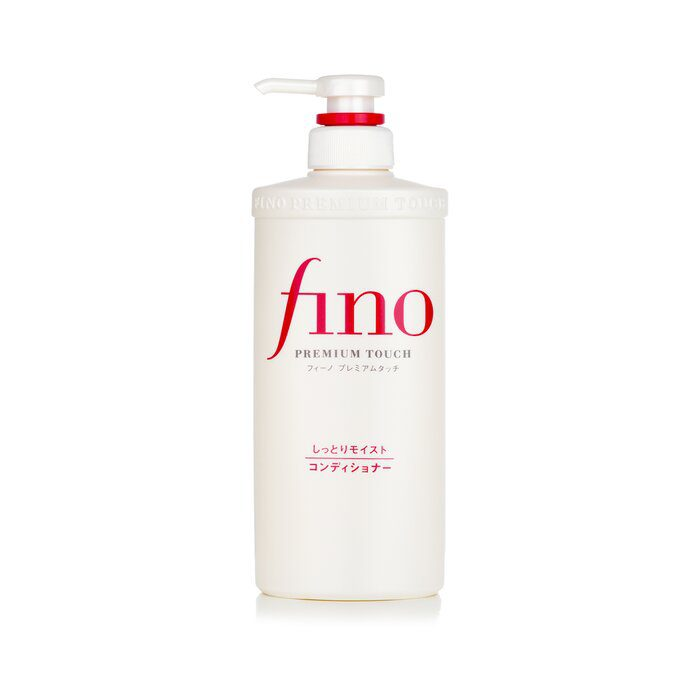
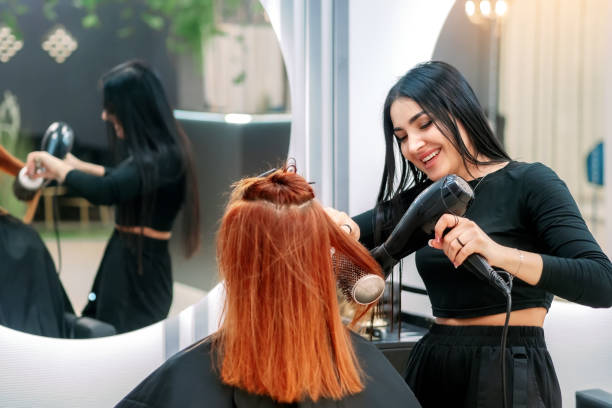
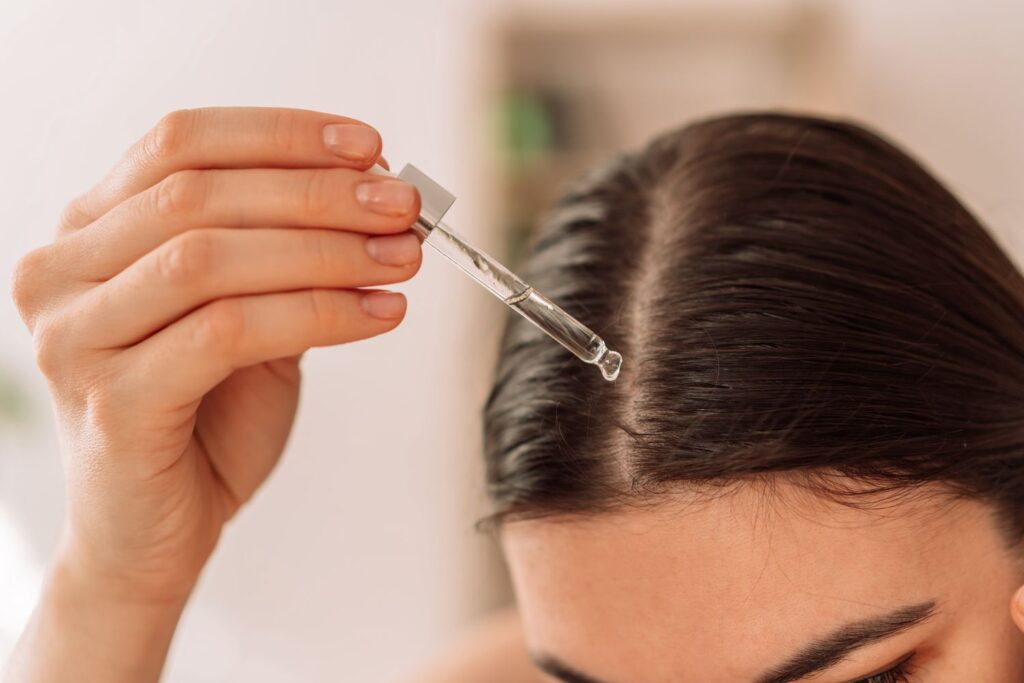
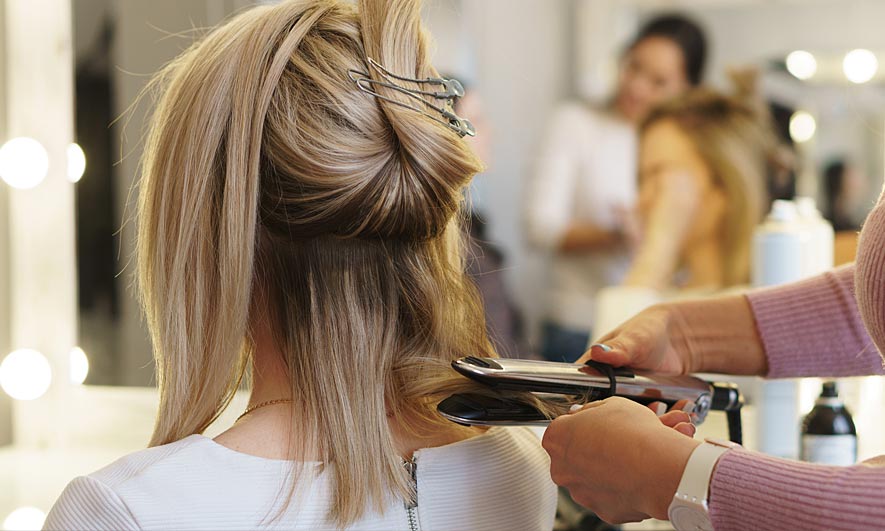
Haircare and scalp care are becoming increasingly important parts of the conversation. The same skin-first philosophy is being applied to the scalp, with greater attention to maintaining its condition as part of overall hair health.
This reflects a broader change in beauty culture.
Consumers are becoming less interested in quick cosmetic fixes and more interested in complete routines.
Skincare, haircare, body care, and even everyday wellness are increasingly viewed as connected parts of personal care.
Social Media Made K-Beauty Easier to Discover
There is no denying the role social media has played in K-beauty’s rise.
A product can go from relatively unknown to internationally recognized after appearing in a few viral videos. Tutorials also make unfamiliar products easier to understand.
Instead of simply seeing a bottle on a store shelf, consumers can watch someone demonstrate the texture, explain the ingredients, and show how the product fits into a routine.
This has made beauty discovery much more visual and interactive.
However, it has also created a new challenge.
Not every viral product deserves a place in everyone’s routine.
Popular Does Not Always Mean Suitable
This is perhaps one of the most important lessons for modern beauty shoppers.
A product can have millions of views and still not be the right choice for your skin.
Different people have different skin types, concerns, sensitivities, lifestyles, and preferences. A lightweight hydrating product may be perfect for one person but insufficient for another.
That is why the best K-beauty routine is not necessarily the one that is trending on social media.
It is the one that fits your skin.
Before purchasing a new product, it is worth looking at its ingredients, intended purpose, how it should be used, and how it fits into the rest of your routine.
Why Authenticity Matters
As Korean beauty becomes more popular, access to products has become easier—but choosing a reliable source has become increasingly important too.
Skincare is applied directly to the skin, so consumers want confidence that the products they receive are genuine and properly sourced.
This is particularly relevant for popular Korean brands that are widely sold online.
For UAE shoppers looking for authentic Korean skincare, Yesora Beauty offers a dedicated online destination focused on genuine Korean beauty products. The retailer states that its products are sourced through official brand distributors and trusted suppliers in Korea, with delivery available across the UAE.
That kind of transparency can make the online shopping experience more reassuring, especially for consumers who are exploring K-beauty for the first time.
K-Beauty and the Modern UAE Shopper
The global nature of K-beauty makes it particularly interesting for markets such as the UAE.
Consumers can discover a Korean skincare trend online and potentially find the corresponding products without needing to travel internationally.
Online beauty shopping also makes it easier to compare brands, explore ingredients, read product information, and build a routine around individual preferences.
For a beauty enthusiast, that means the journey can be much more personal.
Instead of purchasing whatever happens to be available locally, shoppers can research different Korean approaches and decide which products make sense for their own routine.
The Appeal of Korean Beauty Is Also About Experience
There is another reason K-beauty has become so successful: it makes skincare feel enjoyable.
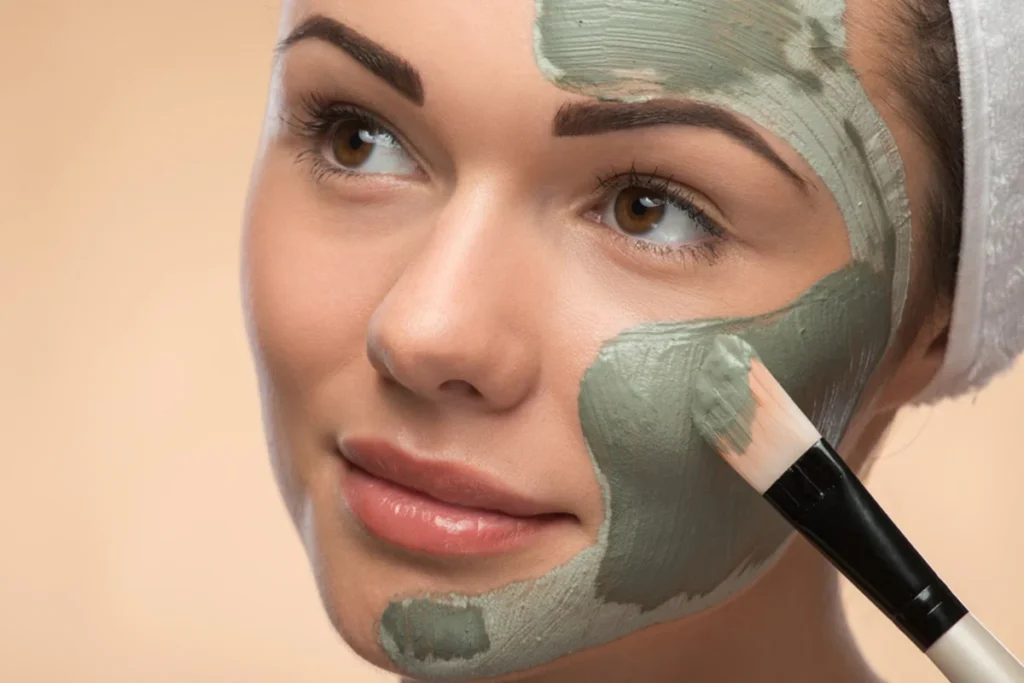
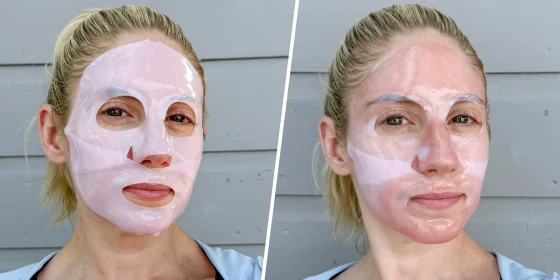
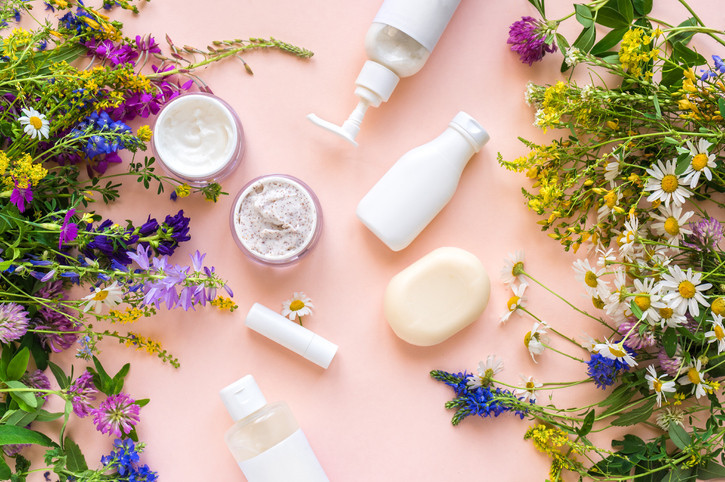
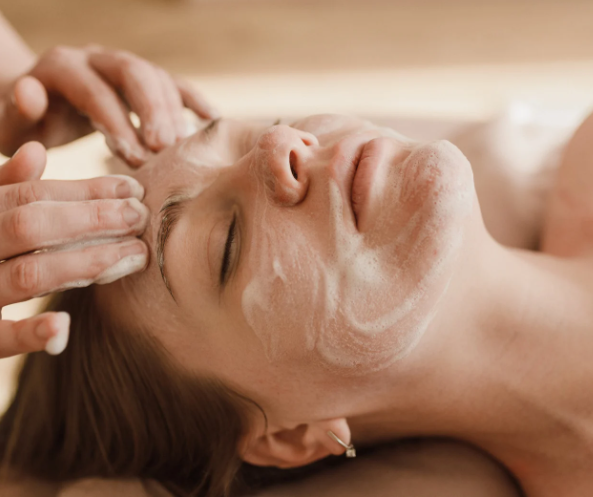
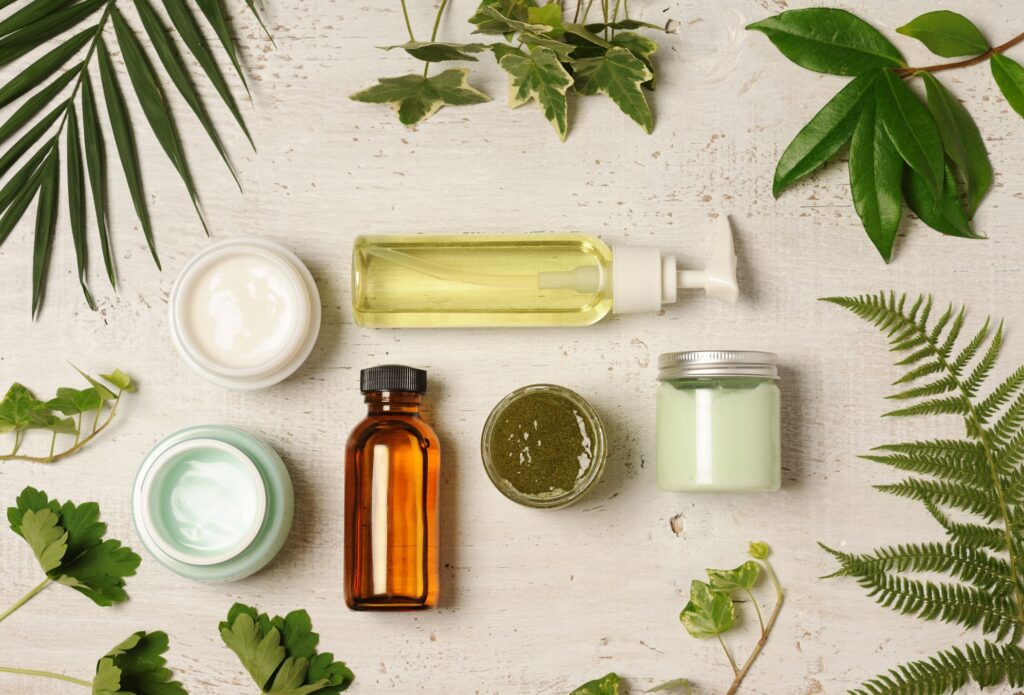
Textures are often a major part of the experience. Lightweight essences, creamy cleansers, gel moisturizers, sheet masks, ampoules, and innovative packaging make the process feel less like a chore.
This matters because consistency is easier when you actually enjoy using your products.
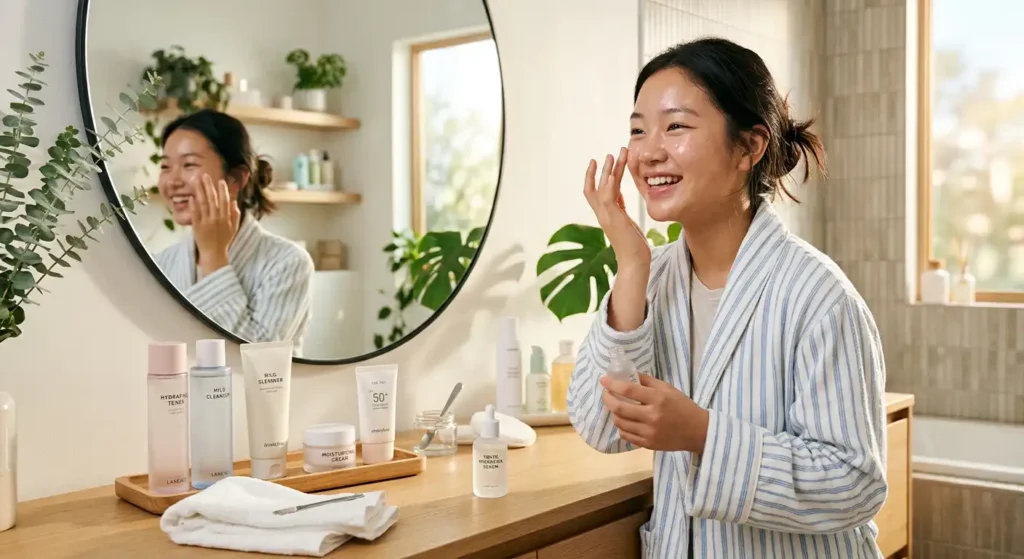
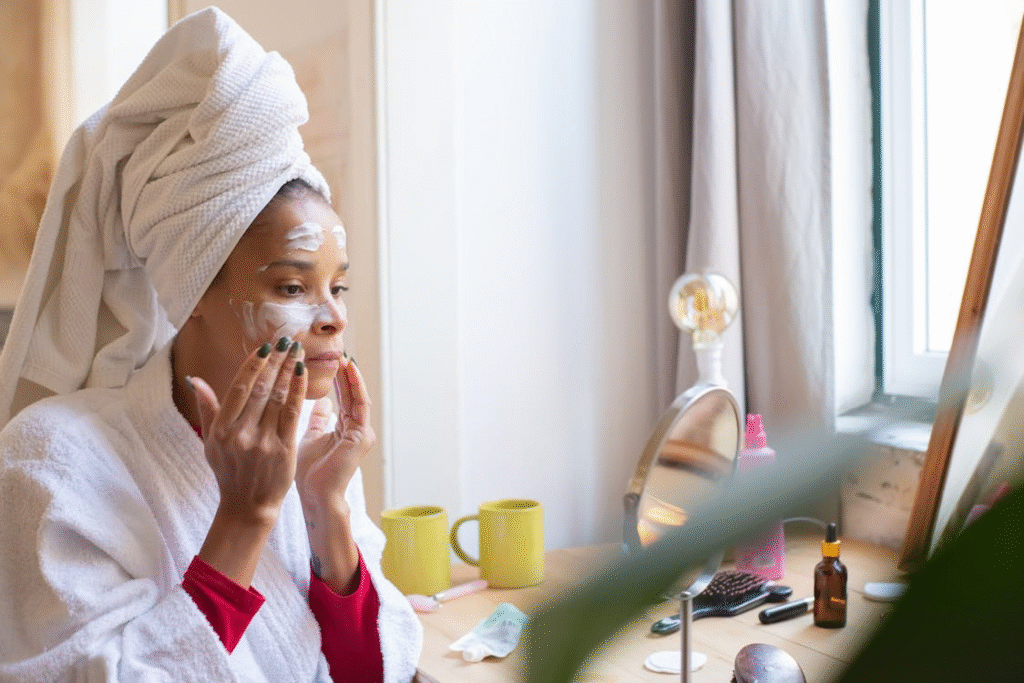
A skincare routine can become a small daily ritual rather than another task on a long to-do list.
That combination of function and experience is one of K-beauty’s strongest qualities.
What Should You Look for in K-Beauty?
With so many Korean beauty products available, choosing where to start can feel overwhelming.
A simple approach is to focus on the basics first.
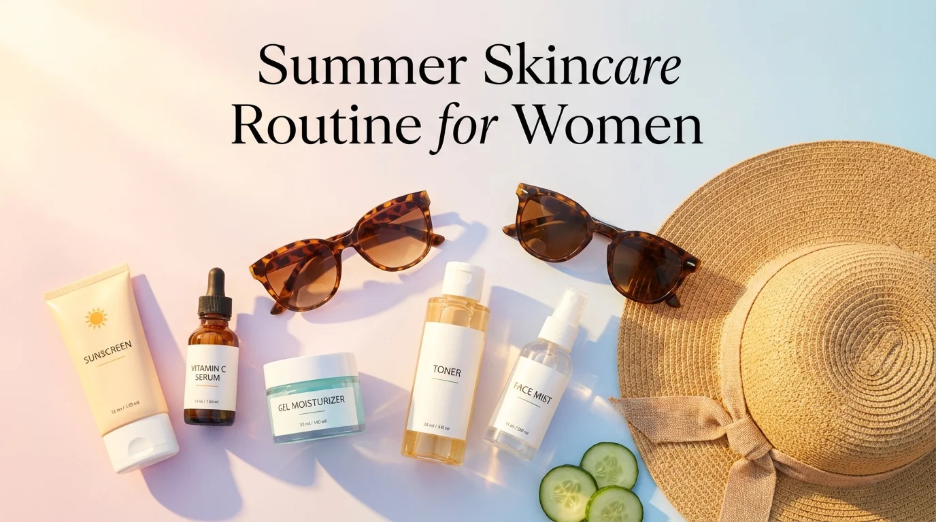
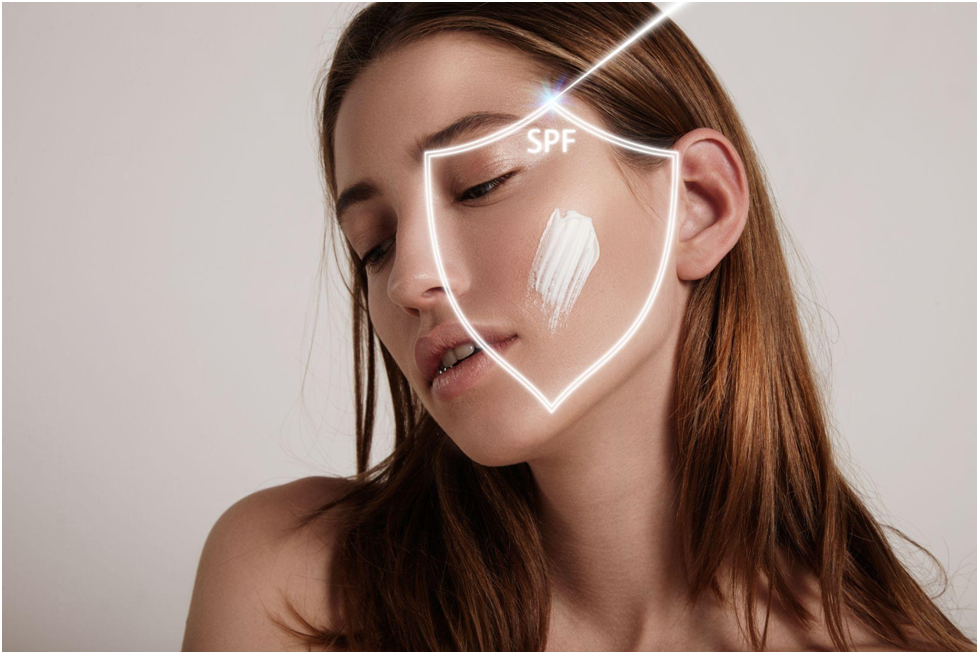
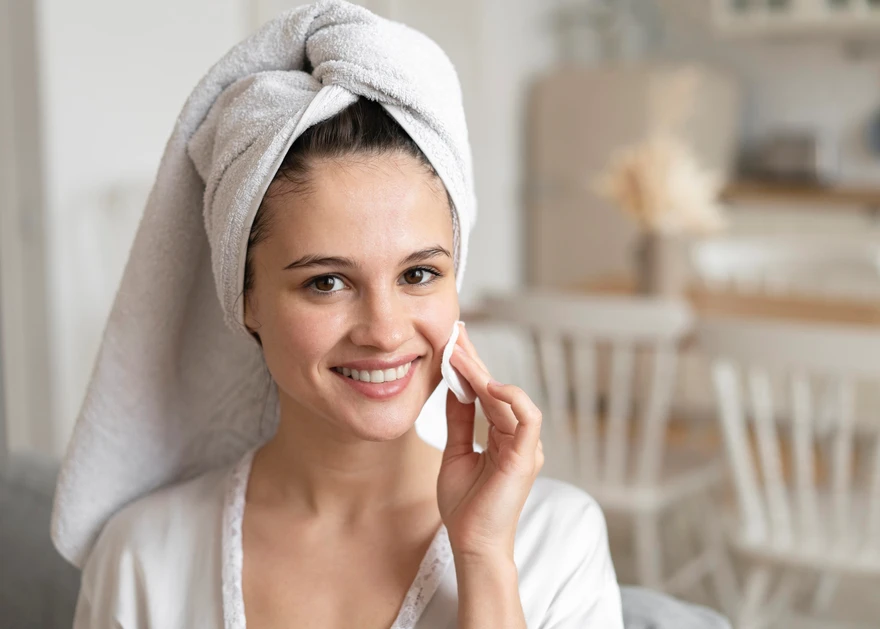
Start with a gentle cleanser, a moisturizer that suits your skin, and daily sunscreen. From there, consider whether you actually need a serum, essence, toner, or treatment product.
Then look at ingredients according to your personal needs.
For example, someone focused on hydration may approach product selection differently from someone primarily concerned with texture or sensitivity.
The goal is not to recreate every step of a traditional Korean routine.
The goal is to create a routine that works for you.
Why K-Beauty Is Here to Stay
The biggest reason for K-beauty’s continued popularity may be its ability to evolve.
The industry has moved from the original obsession with multi-step routines and glass skin toward more sophisticated conversations about barrier care, skin texture, scalp health, bioactive ingredients, and simplified routines.
That evolution keeps the category interesting.
There is always something new to discover, but the underlying philosophy remains familiar: understand your skin, care for it consistently, and choose products with a purpose.
Conclusion
K-beauty has grown from a niche beauty movement into a global influence because it offers more than attractive packaging and viral products. It has changed the way consumers think about skincare.
Its focus on hydration, ingredients, consistency, innovation, and healthy-looking skin has created a beauty philosophy that continues to adapt to modern lifestyles.
In 2026, the future of K-beauty appears to be less about following an endless list of steps and more about making smarter, more personalized choices.
Whether you are discovering Korean skincare for the first time or already have a favorite collection of cleansers, serums, masks, and moisturizers, the most important lesson remains simple: good beauty routines are personal.
The next K-beauty trend may come from Seoul, social media, or a completely unexpected ingredient—but the products that truly stay with us will be the ones that fit naturally into our everyday lives.