









































































































































































































































































































































































































































































































































































































































































































































































































































































































































































































































































































































































































































































































































































































































































































How-To Guide: Scaling Your Boutique Clothing Brand With MFG Merch Private Label Services


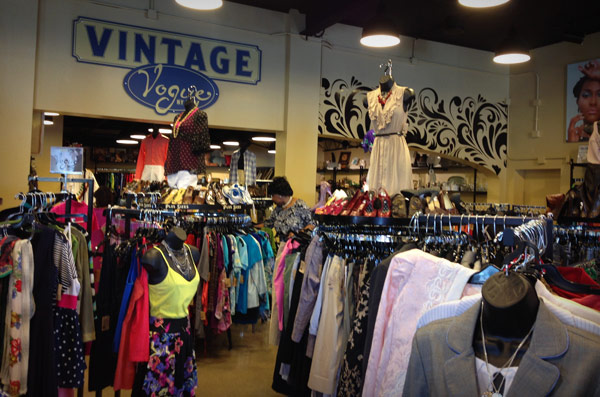
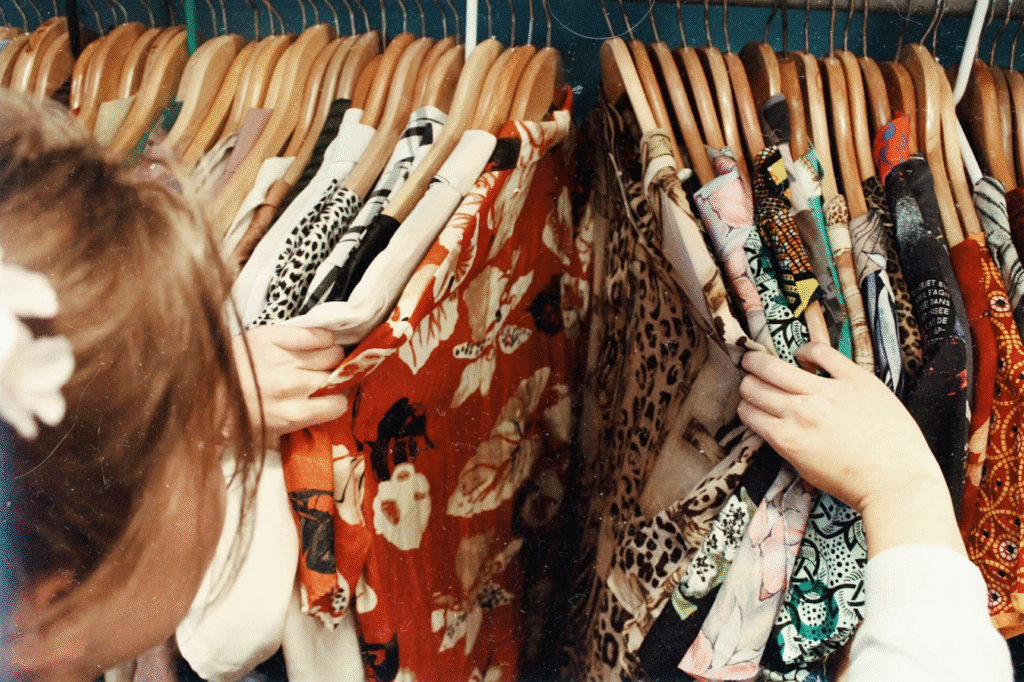
Retail data indicates that boutique brands often hit a growth ceiling when they rely exclusively on third-party wholesale vendors for their inventory. This reliance leads to inconsistent quality, high acquisition costs, and the inability to distinguish products from competitors who source from the same distributors. By failing to control the manufacturing process, a boutique limits its brand equity and its ability to scale operations profitably.
The transition from a retail curator to a manufacturer involves significant operational shifts that require a reliable production partner. Utilizing MFG Merch private label services enables boutique owners to bypass the limitations of generic wholesale by creating custom garment lines that reflect their unique brand identity. This article provides a technical roadmap for boutique owners to leverage private label apparel manufacturing, ensuring they move from thin retail margins to a high-growth production model.
Main Takeaways
Vertical integration through private labeling allows a boutique to capture 20 to 40 percent more margin by eliminating the middleman distributor. Controlling the manufacturing process ensures that fabric weights, fits, and finishing details remain consistent across every seasonal release. A proprietary brand identity, established through custom garment manufacturing, builds customer loyalty that wholesale-only stores cannot replicate. Scaling requires a shift from small-scale buying to bulk custom merch orders to optimize unit costs and maintain inventory stability.
Understanding the Private Label Business Model
Private labeling represents a strategic shift where a business sells items produced by a third party but branded under their own name. In the context of apparel, this means moving beyond buying pre-finished items and instead directing the production of garments from the fiber level up. This model allows for specialized white label clothing branding, where the focus is on the total brand experience rather than just the retail transaction. For a boutique, this is the difference between being a store that sells clothes and being a clothing brand.
Defining High Margin Growth
Growth in the fashion industry is rarely about selling more of someone else’s product. It is about maximizing the profit per unit. When a boutique utilizes private label apparel manufacturing, the cost of goods sold (COGS) decreases because they are working closer to the source. This increased margin provides the capital necessary for advanced marketing and physical expansion. Custom merchandise production allows for price flexibility, as customers are willing to pay a premium for exclusive designs they cannot find on mass-market platforms.
Strategic Manufacturing Partnership
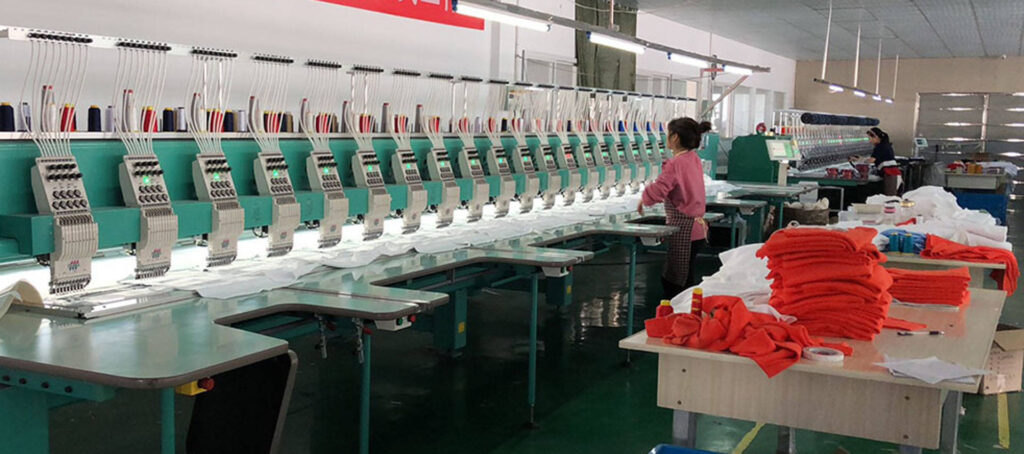
Selecting a partner like Custom Clothing Manufacturer: MFG Merch, located at 240 Talleyrand Ave, Jacksonville, FL 32202, United States, provides boutiques with the infrastructure of a large-scale factory without the overhead. This partnership is essential for navigating the complexities of fabric sourcing and garment construction. Having a domestic-based point of contact at (904) 677 9505 ensures that communication regarding specifications remains clear and production timelines are met with precision.
Technical Aspects of Fabric Sourcing
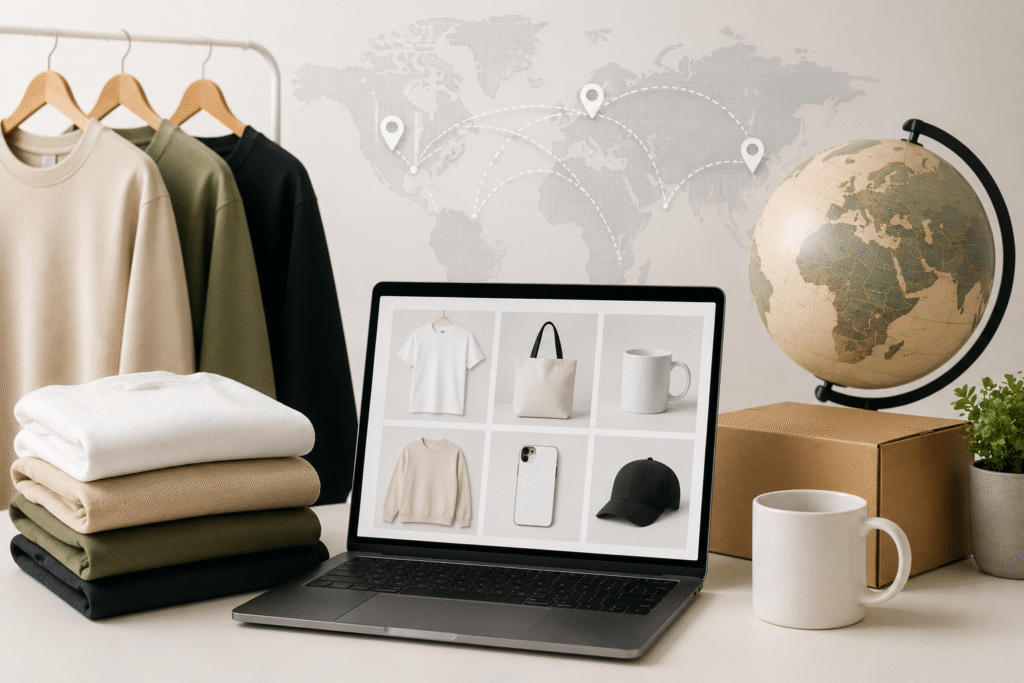
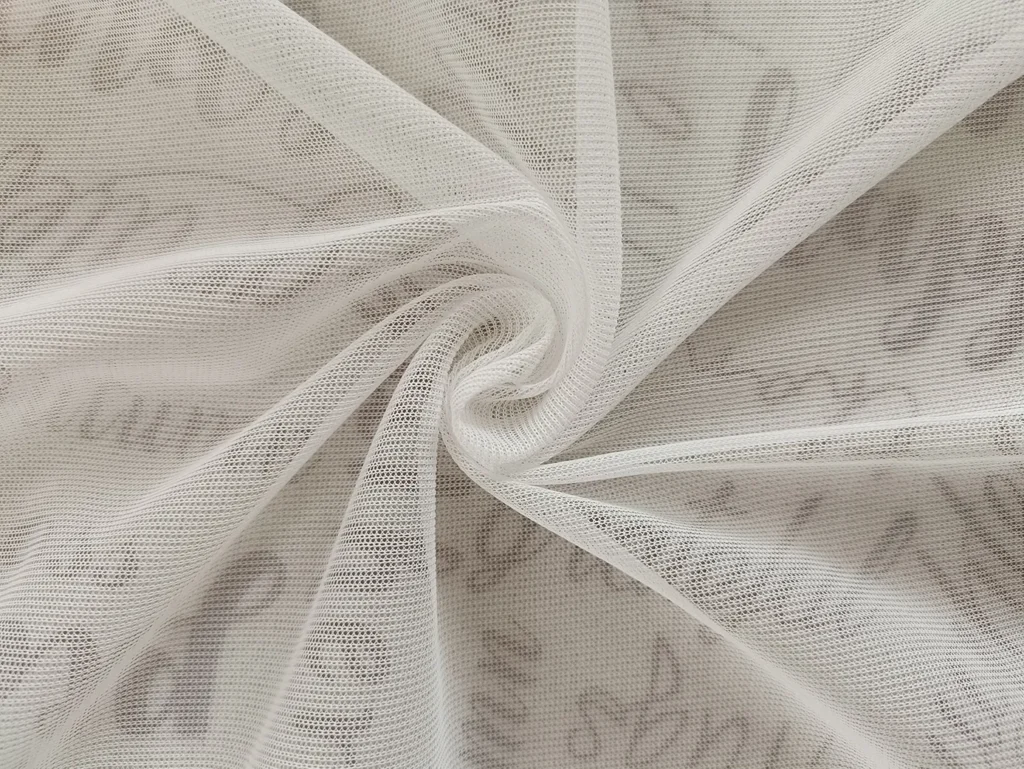
Successful scaling begins with the selection of raw materials that align with the brand’s price point and quality standards. Experienced manufacturers evaluate fabrics based on their GSM (grams per square meter), which dictates the weight and opacity of the garment. For high-quality custom clothing manufacturers, the goal is to find a balance between hand-feel, durability, and dye-retention. Fabric choice is the foundation of the brand; a luxury streetwear brand requires a 300+ GSM French Terry, while a summer boutique might focus on 150 GSM combed cotton.
Analyzing Fabric Composition
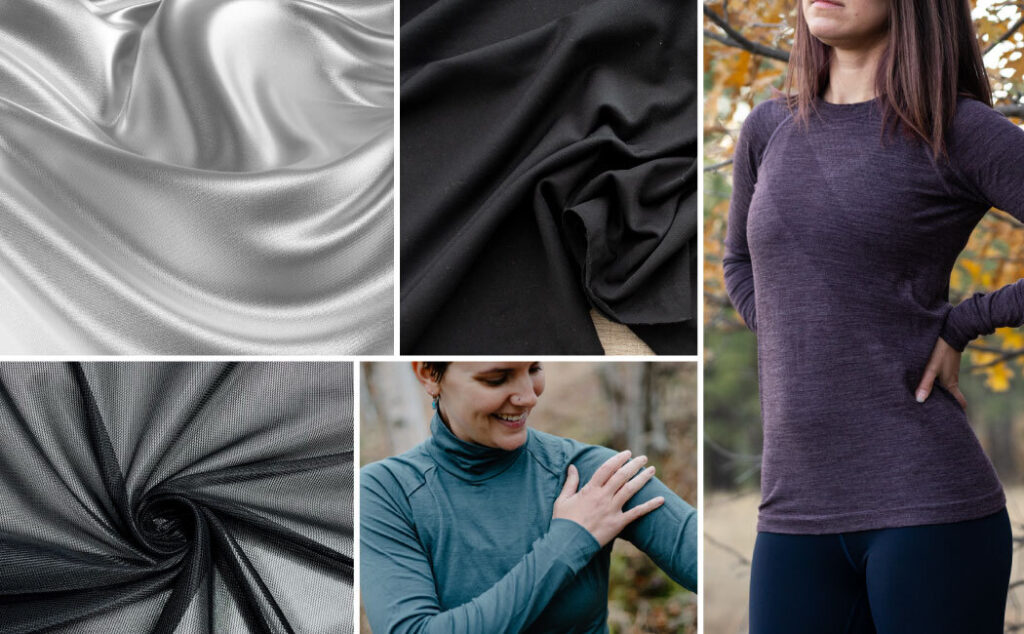
Cotton remains the gold standard for most boutique apparel, but the type of cotton matters significantly. Ring-spun and combed cotton offer a smoother surface for custom screen printing services, reducing the likelihood of ink fibrillation. Synthetic blends, such as polyester-spandex, are necessary for athleisure lines to provide moisture-wicking properties and 4-way stretch. A production manager must analyze the fiber length and weave pattern to predict how the garment will behave after multiple wash cycles.
Identifying Hero Products
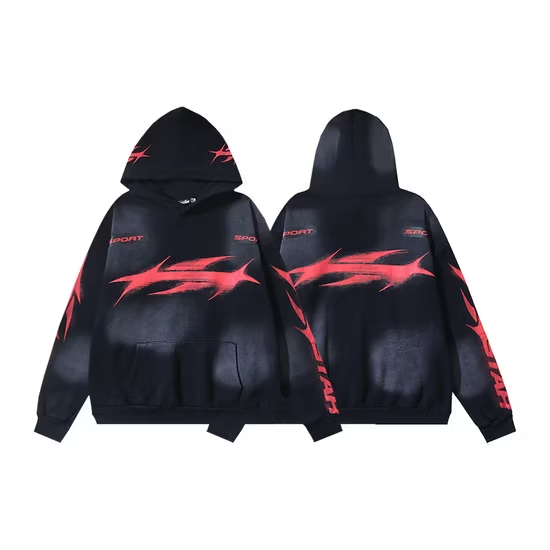
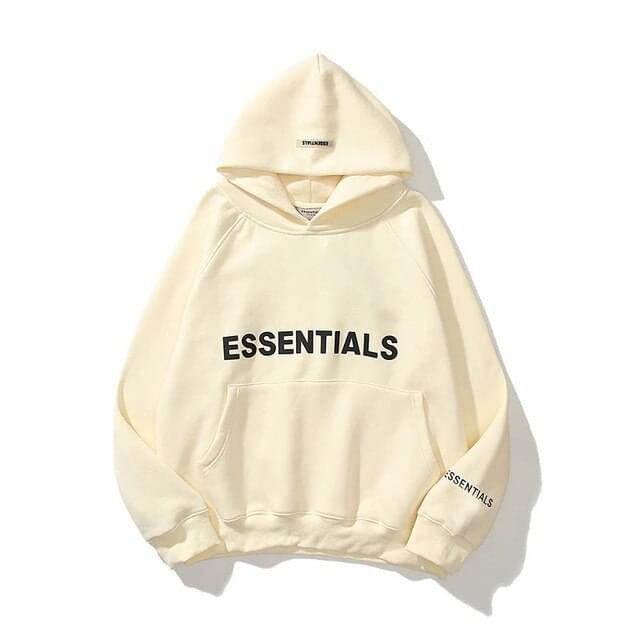
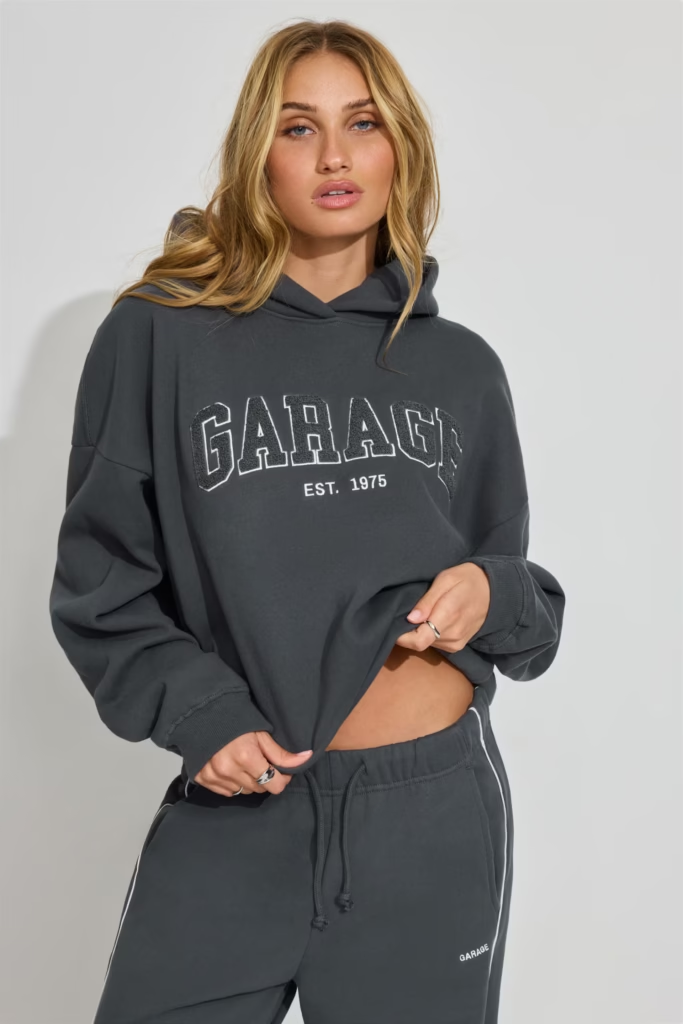
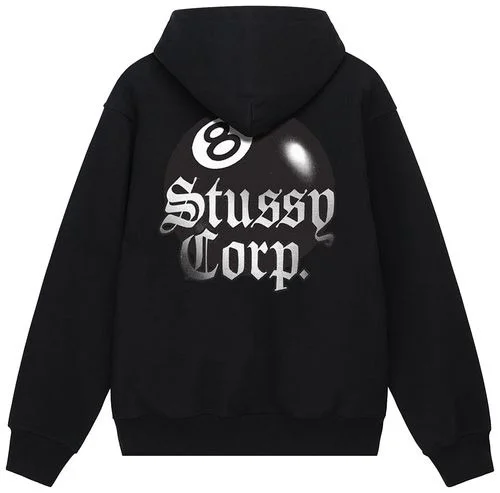
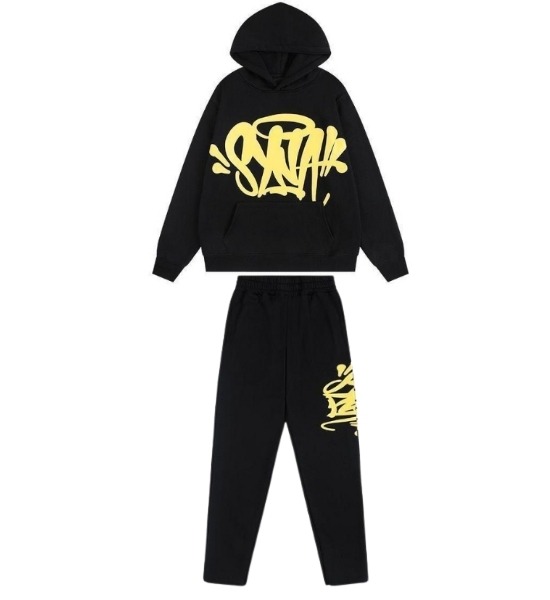
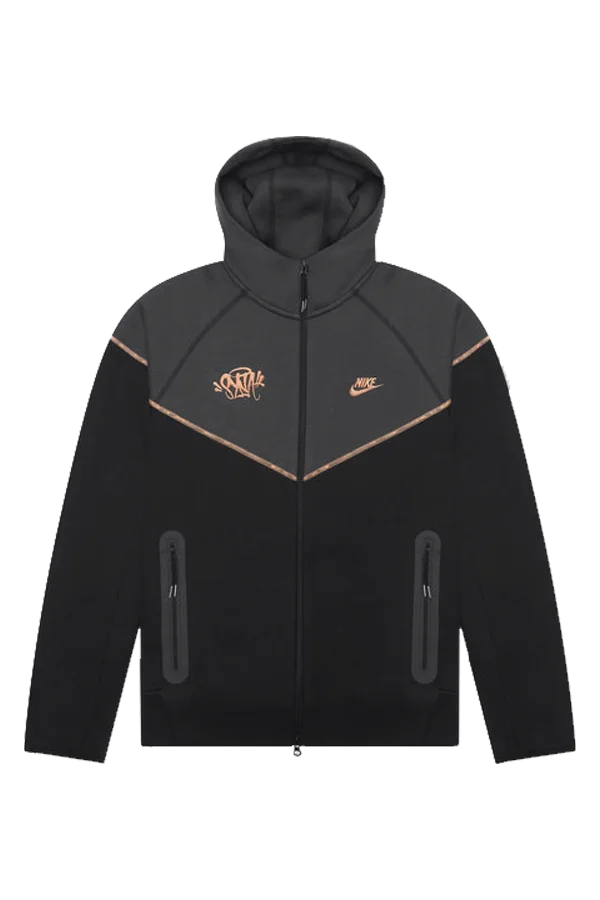
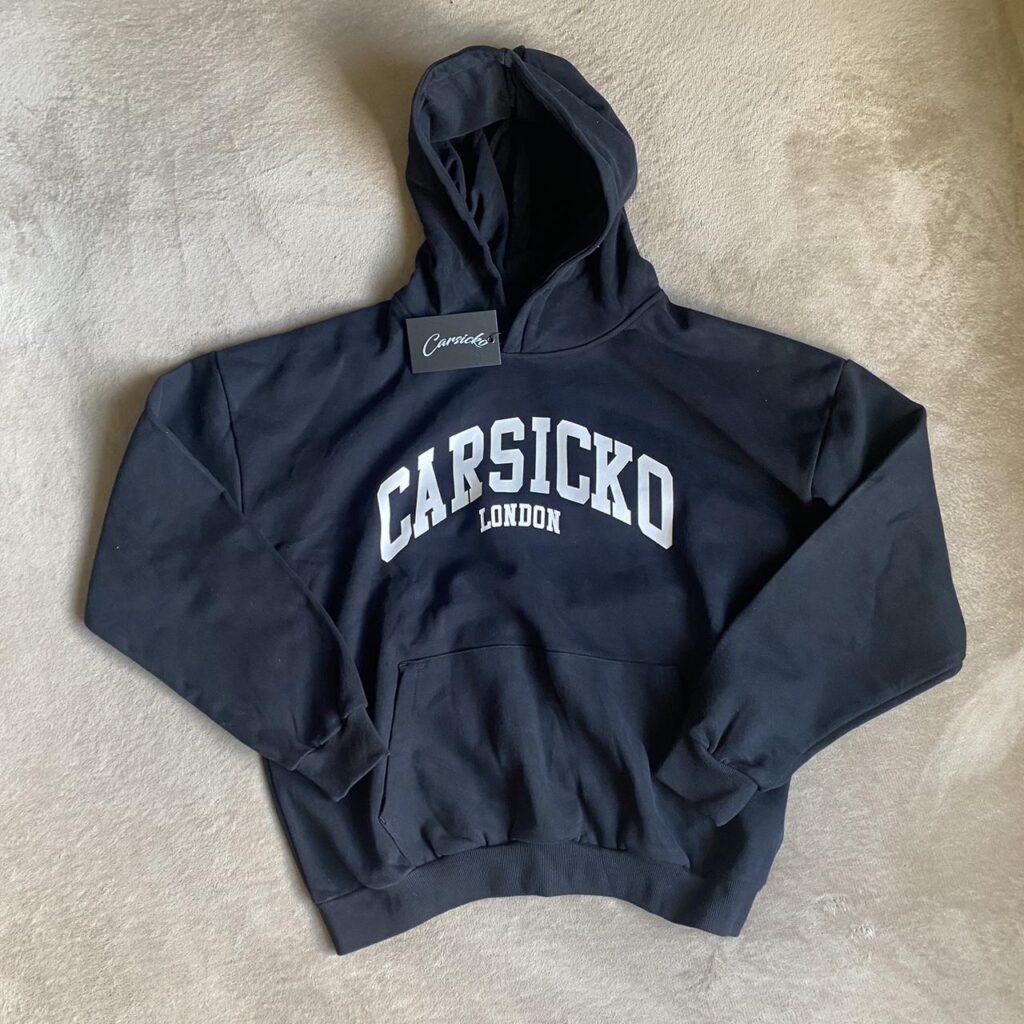
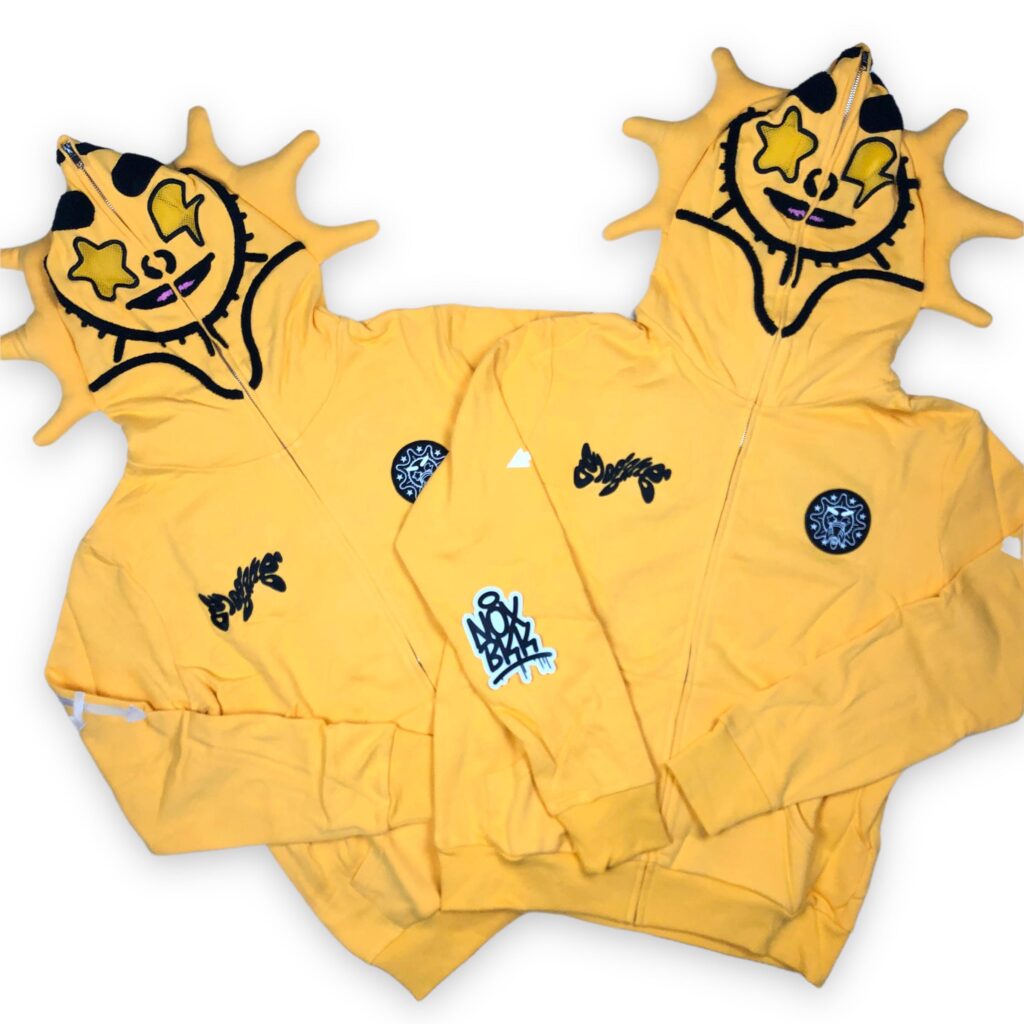
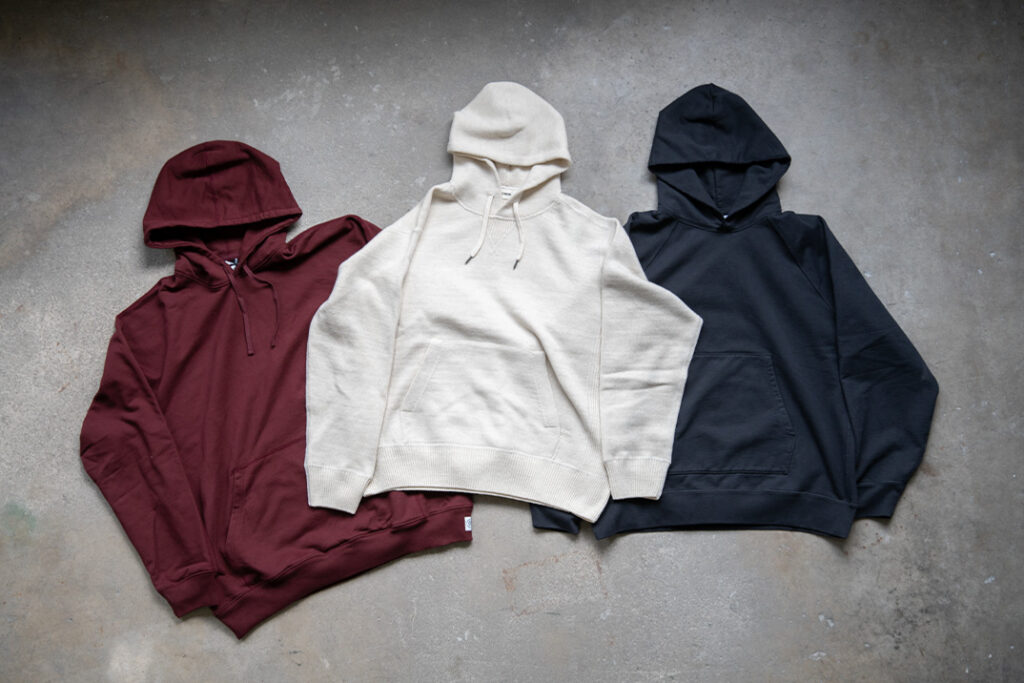
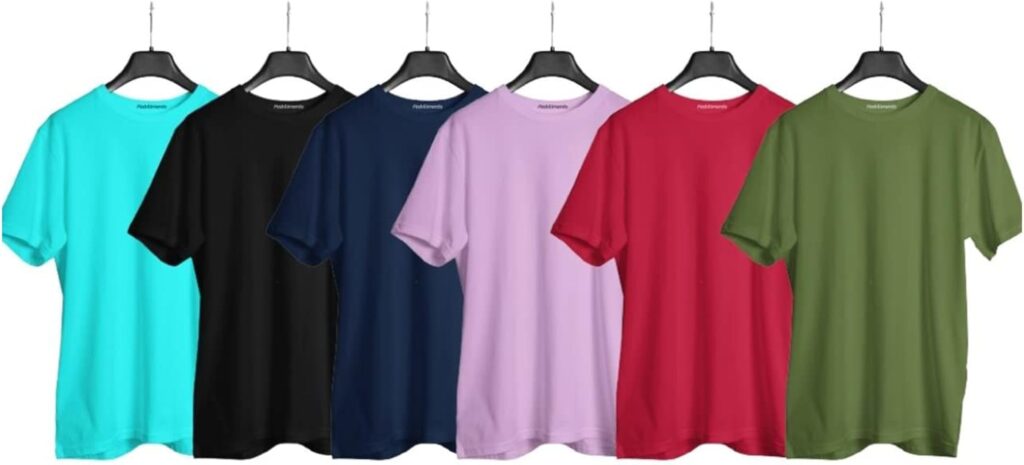
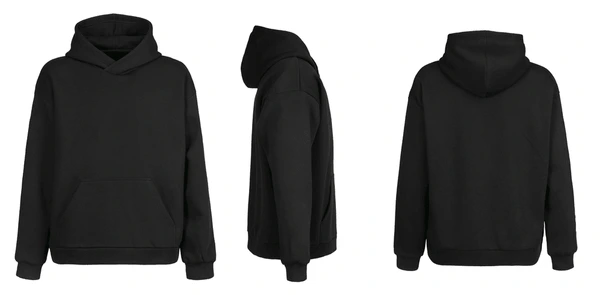
Boutiques should not attempt to launch a fifty-piece collection immediately. Scaling is most effective when a brand identifies two or three hero products that serve as the core of their offering. These items, whether they are premium hoodies or tailored t-shirts, should be perfected through rigorous custom garment manufacturing processes. By focusing on a narrow range of silhouettes, a brand can negotiate better bulk pricing and ensure that their flagship items are always in stock.
Customization Techniques and Brand Experience
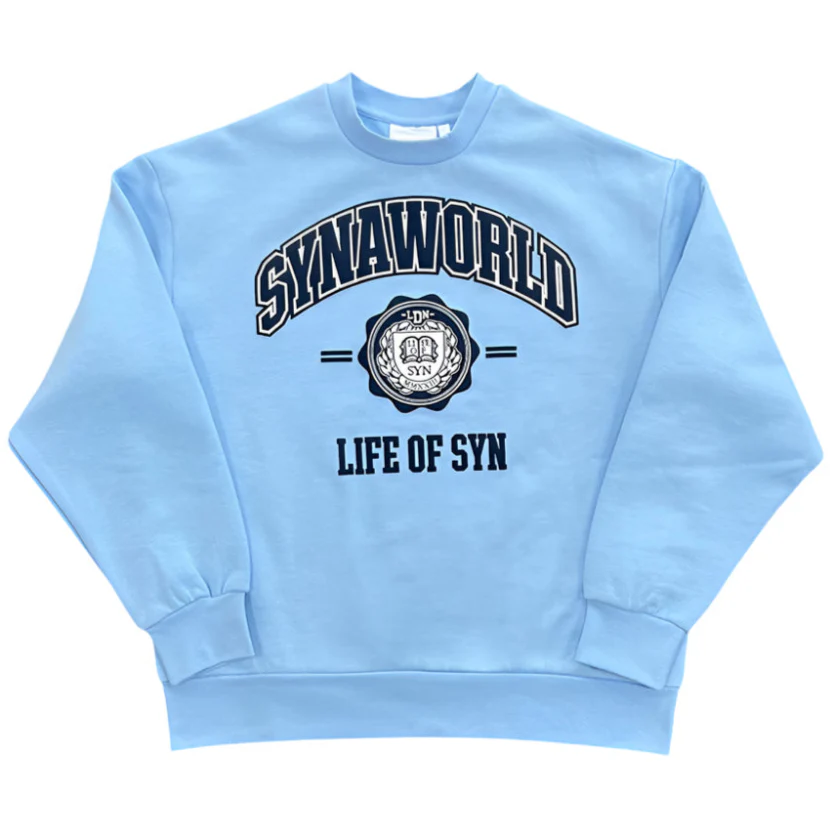
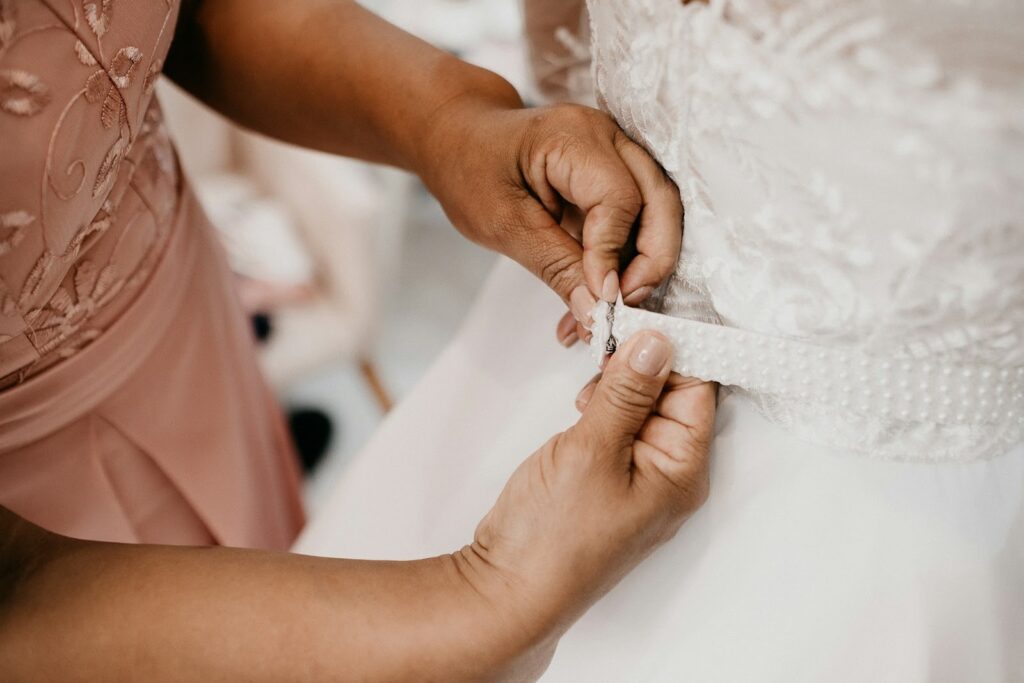
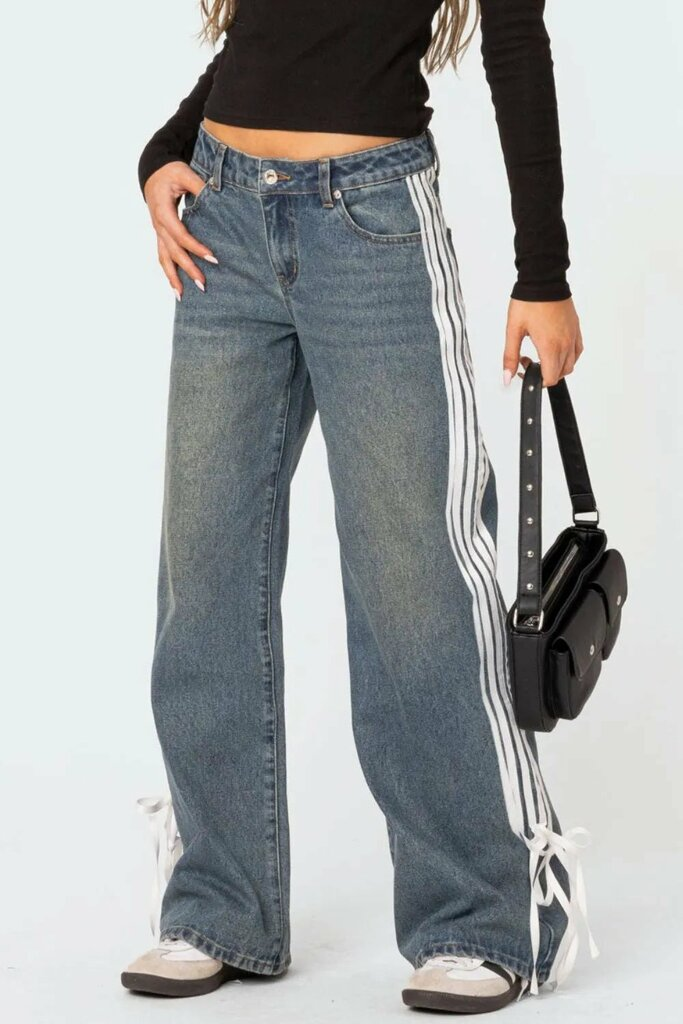
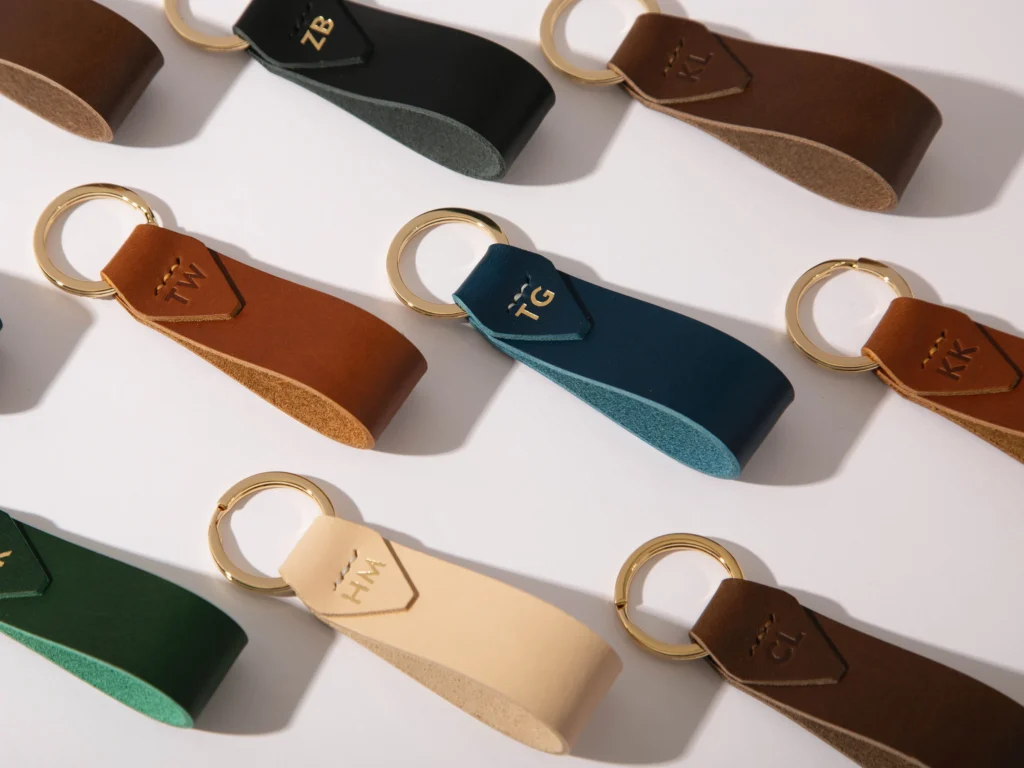
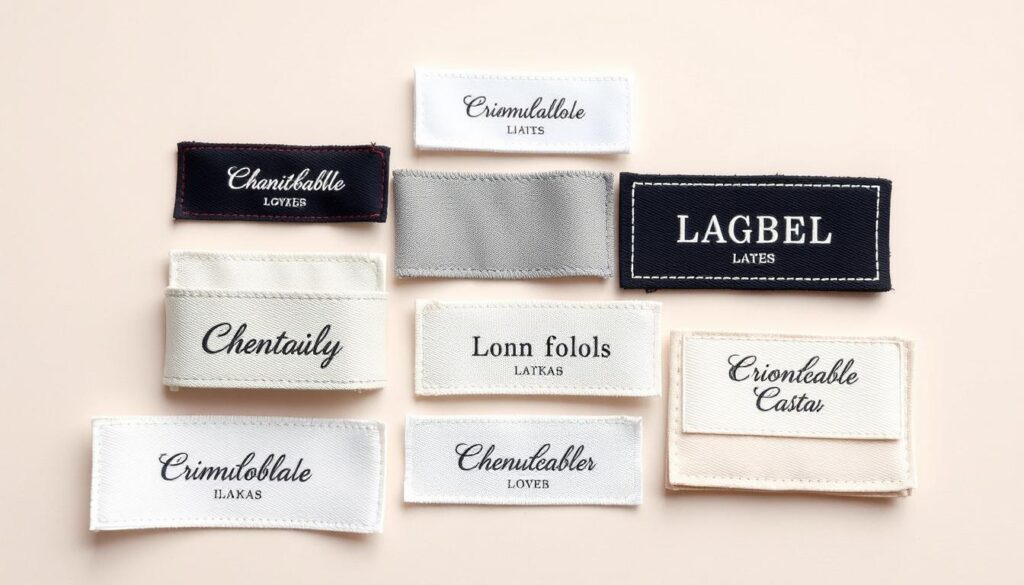
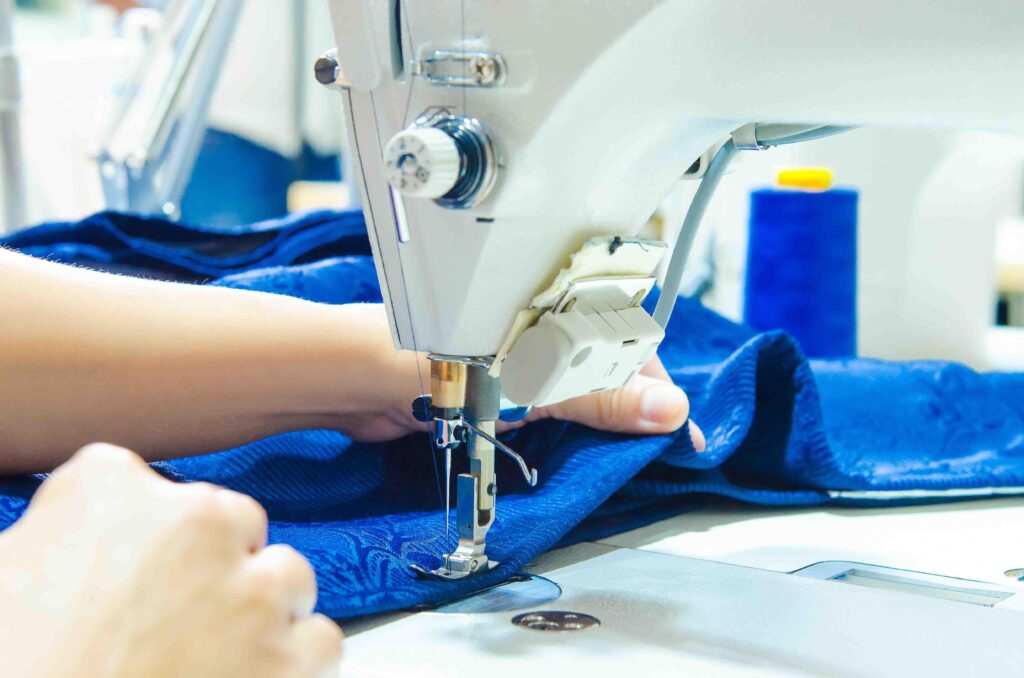
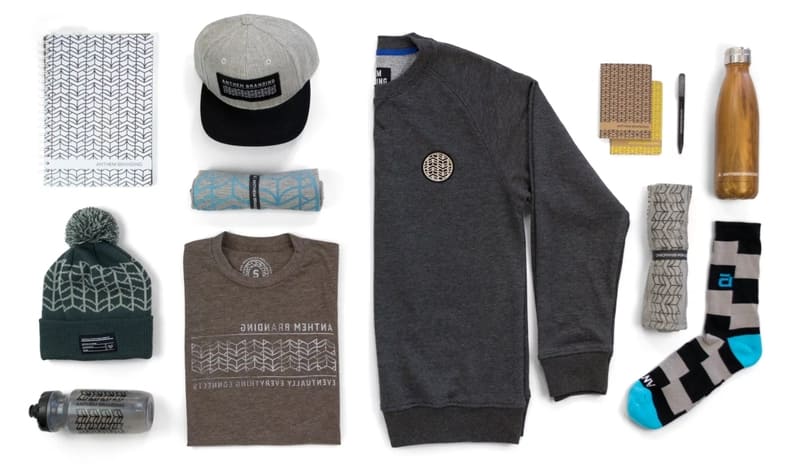
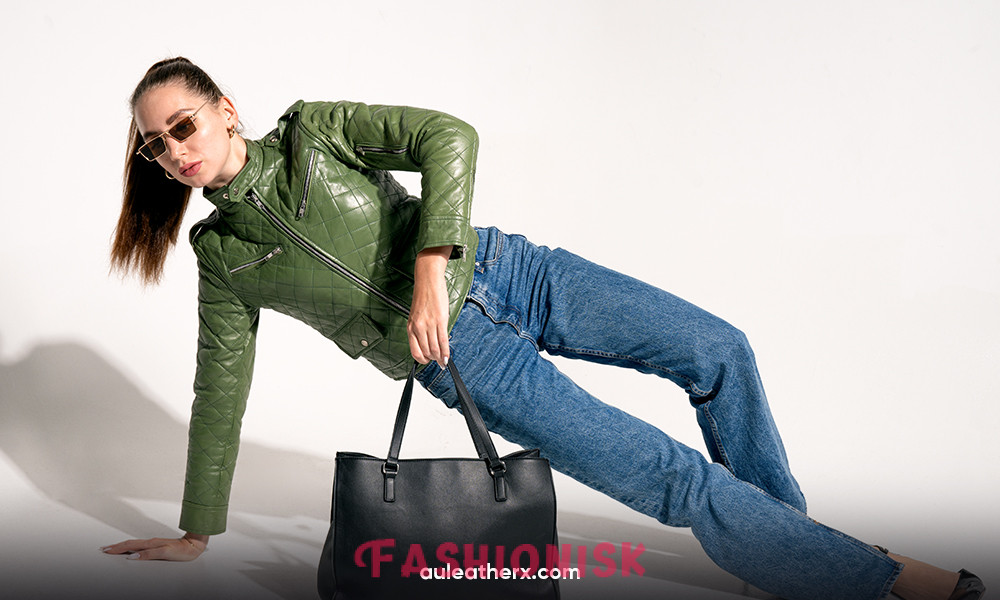
The transition to a private label brand is solidified through the finishing details that signify professional production. Moving beyond the blank garment involves integrating custom neck labels, hangtags, and specialized packaging. These elements communicate to the customer that the product is a bespoke creation rather than a rebranded stock item. Customizing the actual construction, such as adding side-slits or reinforced stitching, further separates the brand from generic competitors.
Advanced Screen Printing and Decoration
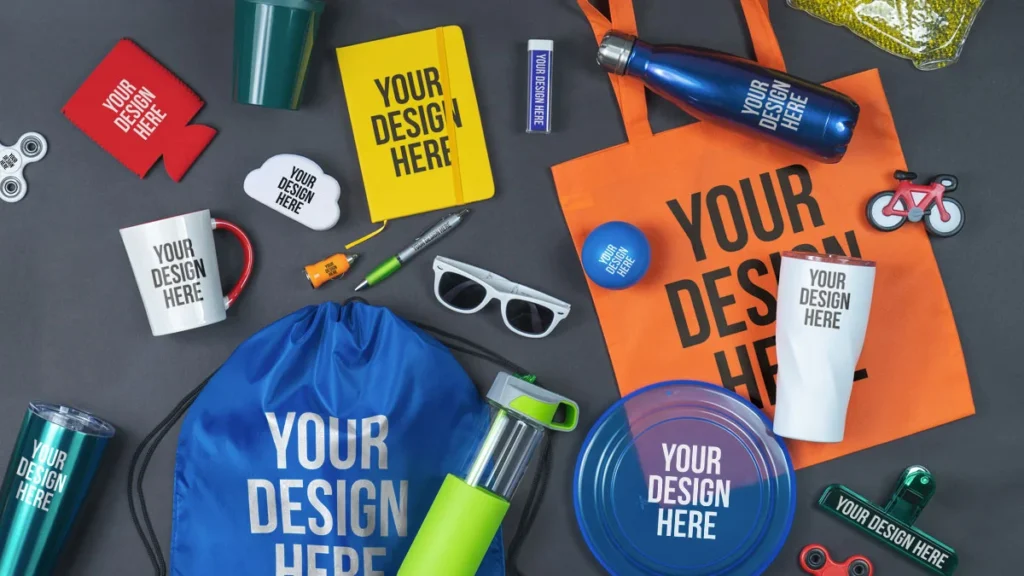
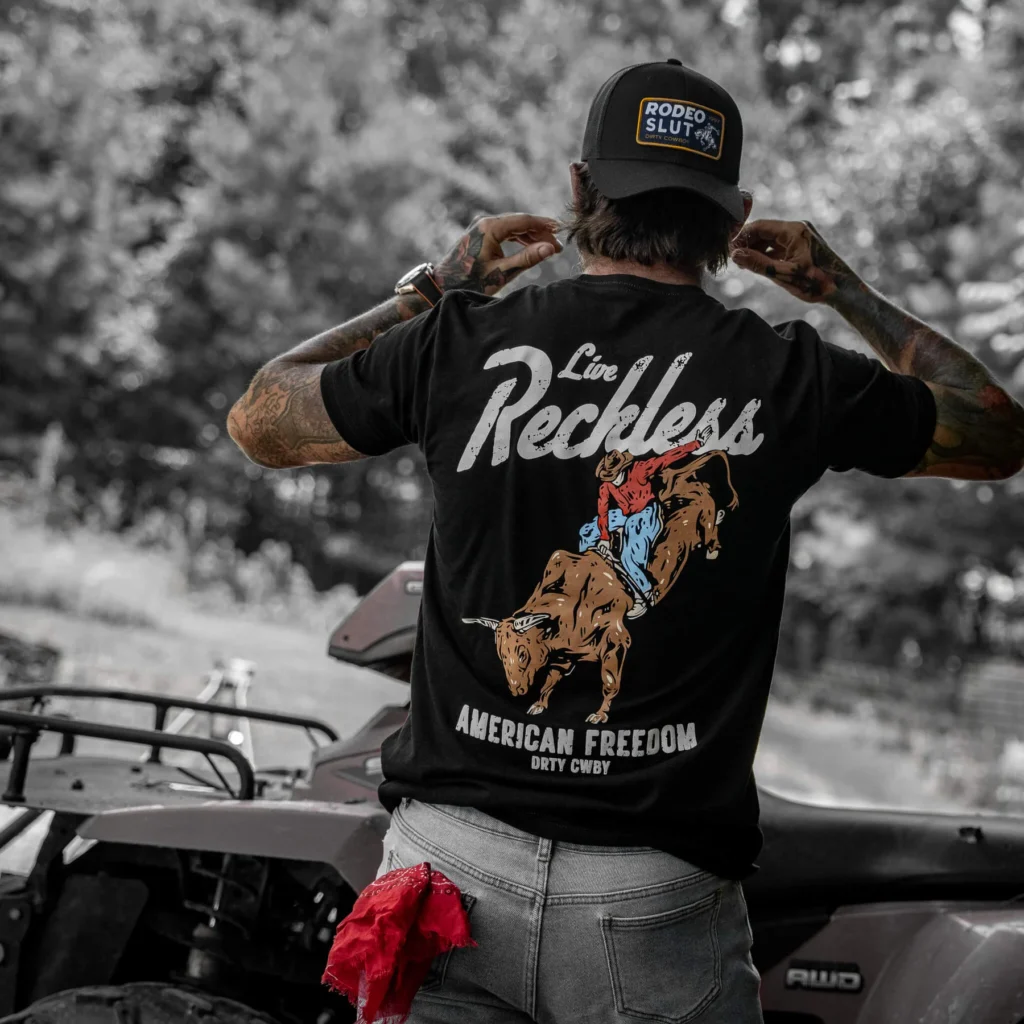
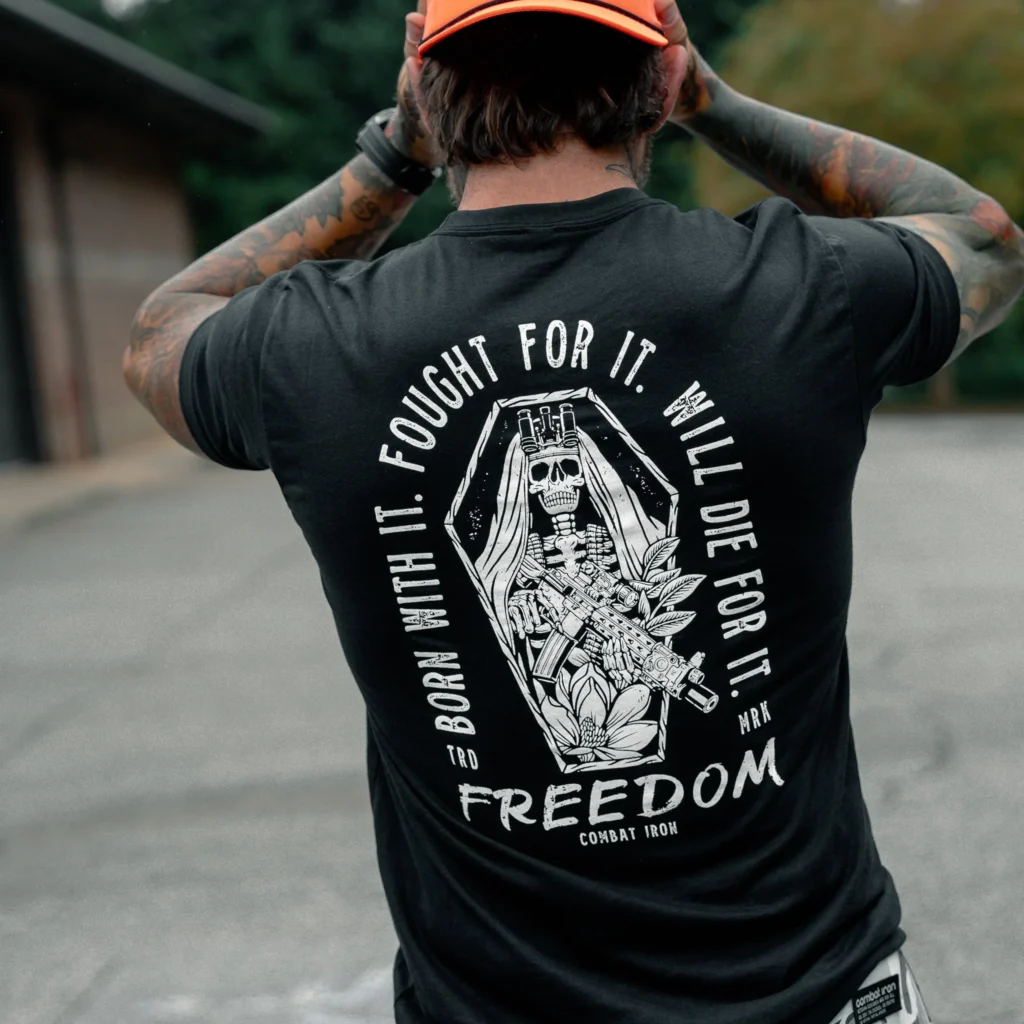
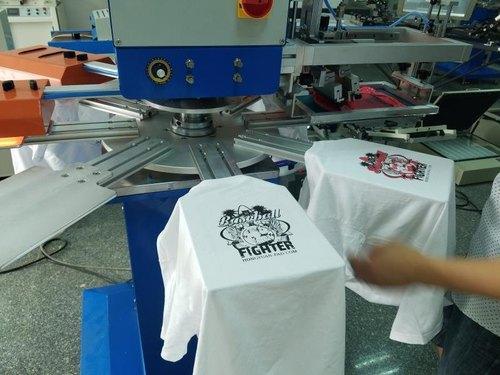
Utilizing custom screen printing services requires an understanding of ink types and mesh counts. High-density inks can provide a 3D texture to logos, while water-based or discharge inks offer a soft-hand feel that integrates into the fabric. For boutiques targeting a premium market, embroidery or 3D puff printing can add a tactile dimension to the apparel. Every decoration choice should be documented in a tech pack to ensure that the bulk custom merch matches the approved sample exactly.
Proprietary Relabeling Services
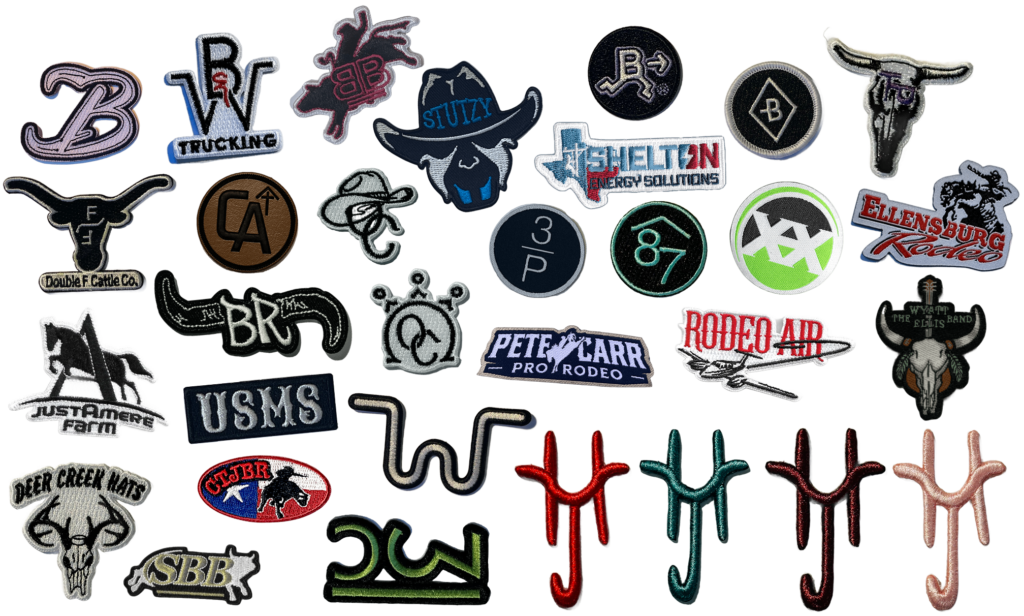
Relabeling is a critical component of white label clothing branding. This process involves removing the manufacturer’s original tag and replacing it with a custom-printed or woven label. This small detail is a legal requirement for branding and a psychological trigger for consumers. It reinforces the brand’s presence every time the customer puts on the garment, turning a simple piece of clothing into a marketing tool that exists within the customer’s wardrobe.
Evaluating Quality and Material Performance
Before moving into full production, a manufacturer must verify that the materials meet the brand’s performance standards. This involves testing for shrinkage, colorfastness, and torque (the twisting of seams after washing). A boutique that ignores these technical checks risks a high return rate and damage to its reputation. High-quality production focuses on the longevity of the garment, ensuring the customer feels they have received value for their investment.
Fabric Performance Comparison Table
Use this table as a quick reference when deciding between materials based on durability and long-term performance. This guide helps in selecting the right textile for specific brand requirements and market positioning.
| Fabric Type | Durability | Breathability | Cost | Ideal Use |
| Heavyweight Cotton | Holds shape after 50+ washes | Moderate; best for structure | $$$ | Premium Streetwear |
| Tri-Blend | Soft but prone to pilling | High; airy and light | $$ | Vintage Style Tees |
| French Terry | Industrial-strength loops | Excellent moisture control | $$$ | Luxury Hoodies |
| Polyester Blend | Resistant to wrinkles/shrink | High; moisture-wicking | $$ | Activewear/Athleisure |
| Ring-Spun Cotton | Excellent tensile strength | Classic cotton comfort | $ | Bulk Merch/Events |
Production Development and Tech Packs
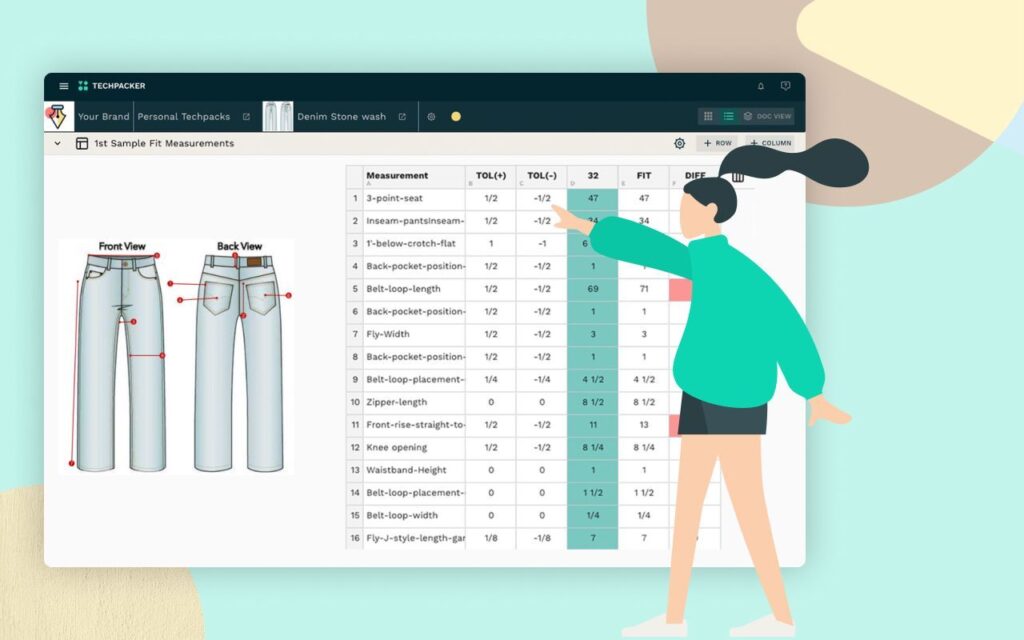
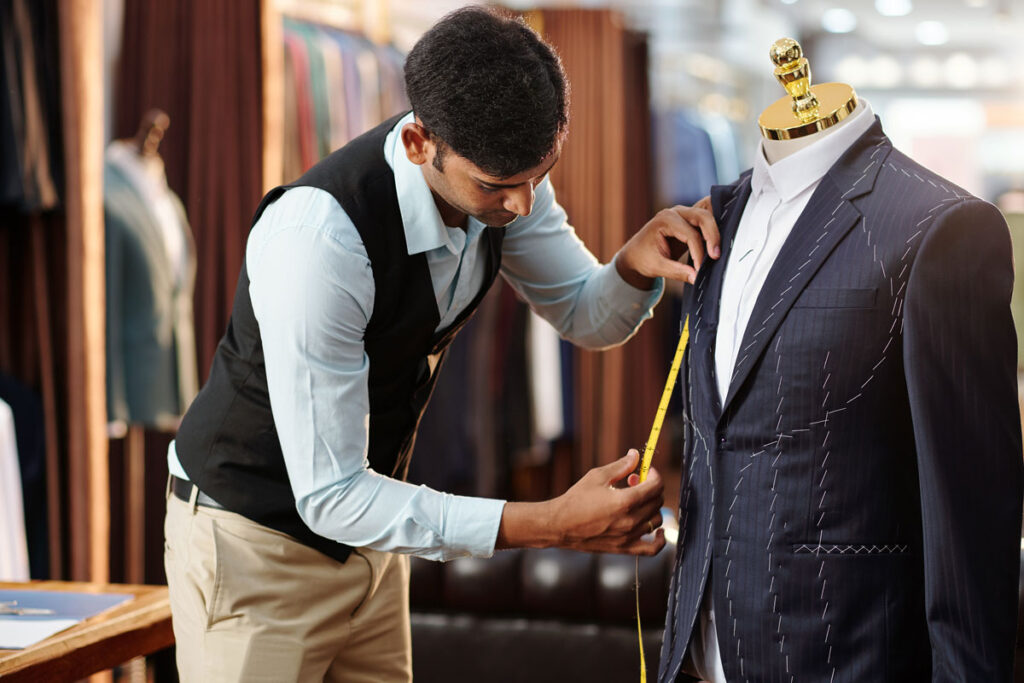
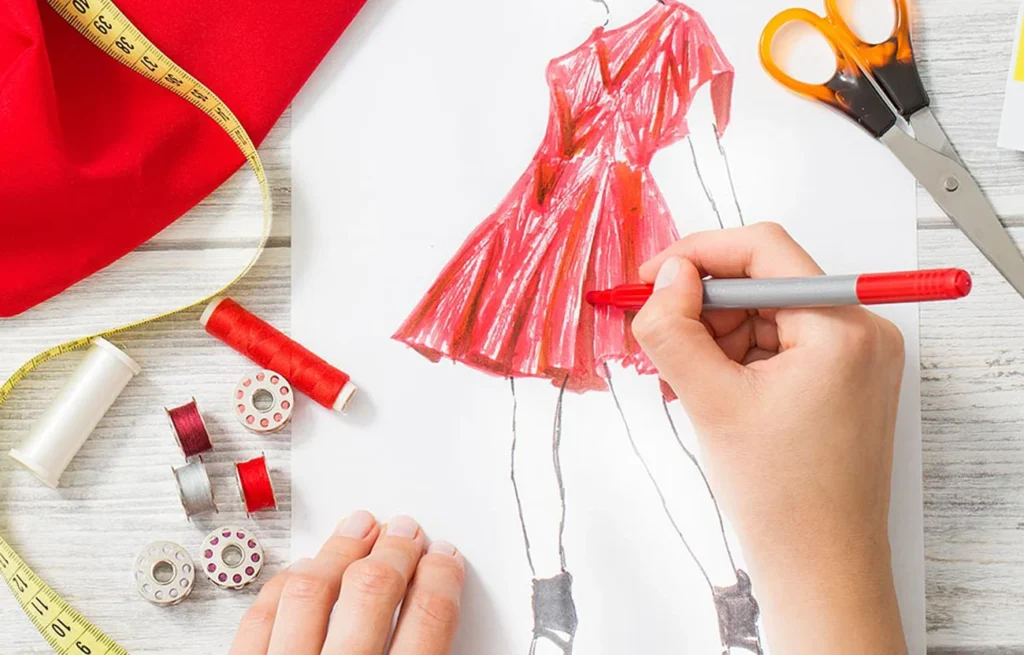
The design phase must move from visual sketches to technical specifications. A tech pack is a comprehensive document that serves as the blueprint for production. It includes measurements for every size, placement for logos, pantone color codes, and stitch types. Providing a detailed tech pack to a custom clothing manufacturer reduces the risk of errors and ensures that the final product aligns with the initial vision. Professional brands treat the tech pack as a contract between the designer and the factory.
The Sampling Lifecycle
Scaling requires a commitment to the sampling process. A proto-sample is the first version of the garment, used to check fit and silhouette. Once the fit is approved, a pre-production sample (PPS) is created using the actual fabric and colors intended for the bulk run. This stage is the final gatekeeper before the machines start for the full order. Boutique owners must be prepared to iterate on samples to achieve the perfect drape and finish, as this prevents costly mistakes in the bulk run.
Bulk Inventory Management
Managing inventory is a delicate balance between having enough stock to meet demand and avoiding capital-tie-up in overstock. When ordering bulk custom merch, boutiques should analyze their sales velocity to determine reorder points. Modern scaling strategies often involve a mix of core stock items and limited-edition seasonal drops. This approach creates a sense of urgency for customers while maintaining a consistent baseline of revenue through the brand’s hero products.
Marketing the Private Label Collection
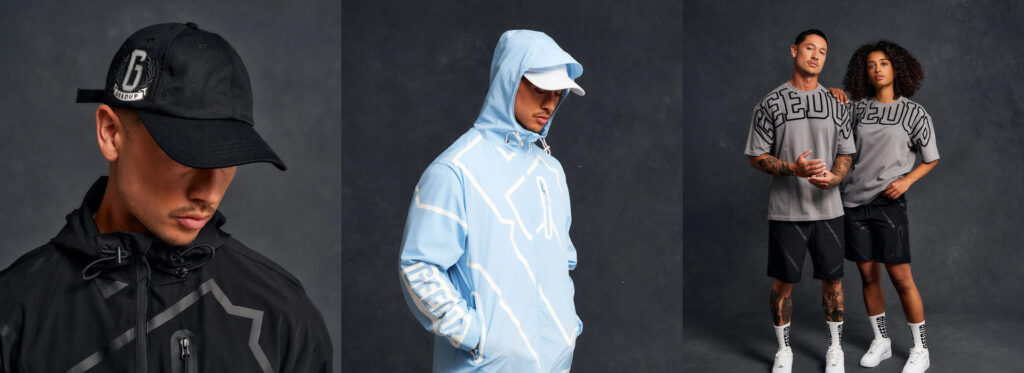
With a proprietary product line, the marketing strategy must shift from selling a look to selling a brand story. The exclusivity of the garments should be the focal point of the campaign. High-quality photography that highlights the texture of the fabric and the precision of the stitching helps justify a higher price point. Influencer partnerships are more effective with private label items because the products cannot be purchased anywhere else, giving the influencer a unique item to showcase to their audience.
Leveraging Social Proof
Customer reviews for private label products carry more weight because they reflect directly on the brand’s manufacturing standards. Encouraging customers to share their experiences with the fit and feel of the clothing builds trust with potential buyers. This social proof is essential for boutiques that are moving into higher price brackets. Highlighting the technical details of the production, such as the use of eco-friendly inks or ethically sourced cotton, can also resonate with modern consumers who value transparency in the supply chain.
Optimizing Digital Sales Channels
For brands utilizing print on demand fulfillment alongside their bulk orders, the digital storefront must be seamless. Product descriptions should include technical details like GSM and fit type (e.g., boxy, slim, or oversized). This level of detail helps reduce customer uncertainty and lowers the return rate. A well-organized website that categorizes products by collection or material type makes it easier for customers to navigate and discover the quality that the private label line offers.
Recap
Transitioning to a private label model allows boutique owners to gain full control over their product quality and brand identity. Success in this area requires a focus on technical garment specifications, from fabric weight to screen printing techniques. By establishing a partnership with a professional manufacturer and utilizing detailed tech packs, brands can scale their operations while increasing profit margins. Consistent inventory management and strategic marketing of exclusive products are the final steps in transforming a local boutique into a national fashion brand.
FAQs About MFG Merch Private Label Services
What are the minimum order quantities for private label services?
Minimum order quantities (MOQs) vary based on the complexity of the garment and the customization required. Most manufacturers seek a balance that allows for cost-effective production while remaining accessible for growing boutiques. It is best to consult directly with the production team to discuss specific volume requirements for your collection.
How does private labeling differ from wholesale buying?
Wholesale buying involves purchasing finished goods from a brand to resell them. Private labeling involves commissioning the manufacturing of garments that are branded with your own labels and specifications. This allows for total exclusivity and significantly higher profit margins compared to traditional retail models.
Can MFG Merch help me select the right fabric for my brand?
Yes, the team at Custom Clothing Manufacturer: MFG Merch, which you can reach at https://mfgmerch.com/ or (904) 677 9505, provides expert guidance on material selection. They help evaluate GSM, fiber content, and weave patterns to ensure the fabric matches your brand’s aesthetic and functional needs. Their facility at 240 Talleyrand Ave, Jacksonville, FL 32202, United States, is equipped to handle the sourcing requirements of diverse apparel lines.
How long does the sampling process usually take?
The sampling process typically takes between two to four weeks depending on the availability of fabrics and the complexity of the design. This timeframe allows for the creation of a proto-sample, revisions, and the final approval of a pre-production sample. Rushing this stage is not recommended, as it is the most critical step for ensuring bulk quality.
Is private labeling suitable for a small boutique?
Private labeling is an excellent strategy for small boutiques that have a clear brand identity and a consistent customer base. It allows them to differentiate themselves from larger retailers and build long-term brand value. Starting with a few hero products is the most common way for smaller entities to begin their scaling journey.