






































































































































































































































































































































































































































































































































































































































































































































































































































































































































































































































































































































































































































































































































































































































































































































































































































































































































































































































































































































































































































































Companies Like Printify: 7 Print-on-Demand Platforms Worth Switching To in 2026

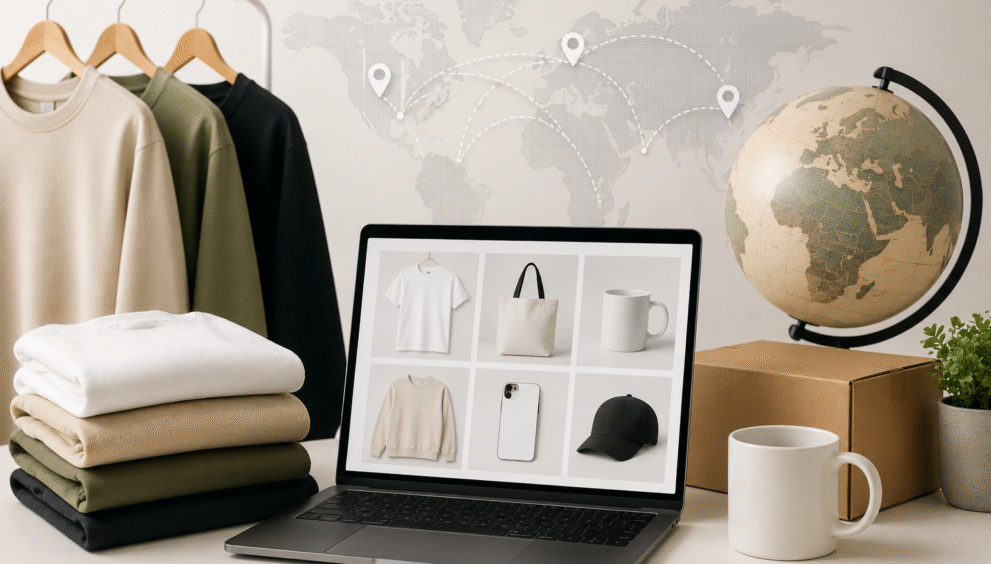
Printify built its reputation on a simple promise: connect sellers with a global network of print providers, keep the costs low, and let the marketplace do the rest. For many store owners, it was delivered. But as the print-on-demand industry has matured, so have the expectations placed on it.
Sellers are asking harder questions. Which platform gives me the most control over quality? Which one ships faster internationally? Which one actually supports custom branding without charging a premium for every small order? And perhaps most importantly: is Printify still the right choice, or are there better options out there now?
The honest answer is that the landscape has shifted. There are now several strong competitors offering features Printify doesn’t match in every area. Whether you’re launching a new store or thinking about switching, here’s a clear-eyed look at the platforms that genuinely compete.
Why Sellers Start Looking for Printify Alternatives
Understanding why people leave Printify is the best starting point for figuring out what to look for elsewhere. The platform’s core model, connecting you with third-party print providers rather than owning production in-house, creates inherent inconsistency. Quality depends on which provider is selected for any given order, and that varies by location, product type, and availability.
Shipping times are another common friction point. Because Printify routes orders through external providers, the platform has less direct control over fulfillment speed than competitors who own their own production facilities. For sellers running stores in multiple international markets, this becomes a real operational challenge.
Finally, branding options within Printify’s free tier are limited. Custom packing slips, labels, and inserts are available but require navigating a more fragmented supplier relationship rather than a unified brand experience from one provider.
None of this makes Printify a bad platform. It remains one of the most affordable entry points in the industry. But knowing its limitations helps you evaluate what matters most for your specific business model.
“The best print-on-demand platform isn’t the most popular one. It’s the one that aligns with your product quality standards, your target market, and the way your business is actually built.”
Quick Comparison: Top Companies Like Printify
| Platform | Best For | Free Plan | Key Strength |
| Printful | Quality-first sellers | Yes | In-house printing, premium branding |
| Gelato | Global/international stores | Yes | Local production in 32+ countries |
| SPOD | Fast turnaround sellers | Yes | 48-hour production guarantee |
| Gooten | Scaling brands | Yes | Enterprise automation |
| Redbubble | Artists and creators | Yes | Built-in marketplace traffic |
| Teespring (Spring) | Creator economy | Yes | Social platform integrations |
| TapStitch | Custom apparel brands | Yes | Design quality, flexible MOQ |
The Platforms Worth Knowing
1. Printful: The Quality Benchmark
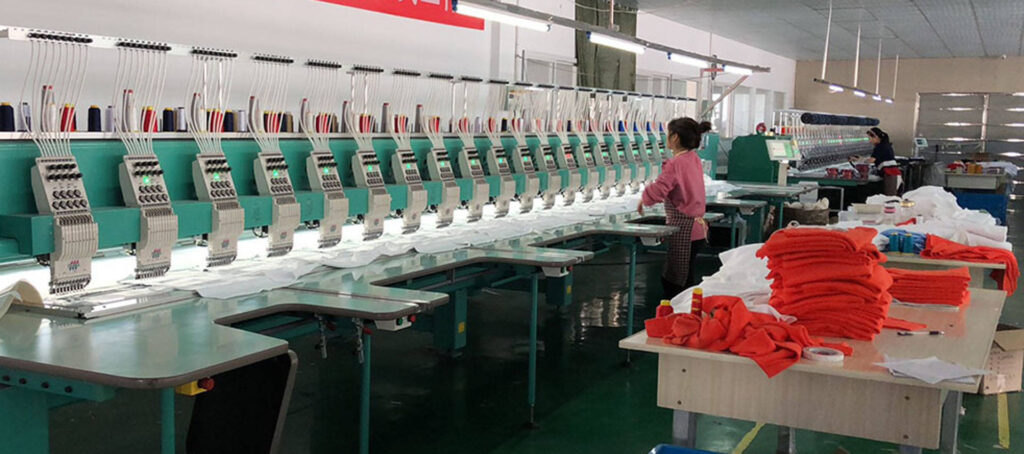
If you ask most experienced print-on-demand sellers which platform produces the most consistent output, Printful is the answer that comes up repeatedly. Unlike Printify, Printful owns its production facilities and operates fulfilment centres in the US, Europe, Mexico, and Japan. That vertical integration is what sets it apart.
The trade-off is price. Printful’s base costs are higher than Printify’s, which means thinner margins unless you price accordingly. But for sellers who have experienced the frustration of inconsistent quality from rotating print providers, the premium often feels justified. Custom branding including neck labels, packing inserts, and custom packaging is straightforward and doesn’t require dealing with multiple supplier relationships.
Printful integrates cleanly with Shopify, Etsy, WooCommerce, Wix, Squarespace, and most major e-commerce platforms. It’s the natural upgrade path for Printify users who’ve decided that consistency matters more than price.
2. Gelato: Built for International Sellers
Gelato takes a different approach to the same problem Printify is trying to solve. Rather than connecting sellers with print providers ad hoc, Gelato has built a curated network of production partners across more than 30 countries, with the explicit goal of printing as close to the end customer as possible.
For a store selling primarily to customers in Germany, Australia, or Brazil, this matters considerably. Orders get printed locally, which means faster delivery and lower shipping costs compared to a US-based fulfilment model. Gelato has also addressed one of Printify’s persistent weaknesses: intelligent order routing. The platform automatically sends orders to the best available local provider rather than requiring sellers to manage that manually.
Product range is narrower than Printify’s, focused primarily on apparel, wall art, and accessories. But for sellers whose catalogues fit within that scope, Gelato’s global fulfilment network is a genuine competitive advantage.
3. SPOD: When Turnaround Time Is Everything
SPOD (Spreadshirt Print-on-Demand) operates on a different competitive axis from most of its peers. Its headline claim is a 48-hour production time on most orders, which is significantly faster than the industry norm. The platform operates production facilities in the US and Europe, keeping fulfilment in-house rather than outsourcing to a provider network.
Pricing is competitive, particularly for sellers targeting US and European markets where SPOD’s facilities are located. The product range is more limited than Printify’s, but the apparel and accessory catalogue covers the most common seller needs. For store owners where delivery speed is a key part of their customer experience promise, SPOD is worth serious consideration.
4. Gooten: For Sellers Who Are Scaling
Gooten positions itself toward the enterprise end of the print-on-demand market. It’s not the most beginner-friendly option, but for established sellers managing high order volumes, its automation and routing capabilities are genuinely sophisticated.
The platform offers a large product catalogue, vendor management tools, and API access that allows for deeper integration with custom storefronts and back-end systems. If you’ve outgrown the standard integrations and need something more configurable, Gooten fills a gap that most consumer-facing platforms don’t address.
5. Redbubble: A Different Model Entirely
Redbubble isn’t a fulfilment platform in the same sense as Printify. It’s an artist marketplace where your designs are listed alongside work from other creators, and Redbubble handles everything from printing to customer service. You don’t need a separate store, and you don’t need to drive traffic yourself.
The appeal is obvious for artists and designers who want passive income without the overhead of running an e-commerce operation. The limitation is equally clear: you have minimal control over pricing, branding, or customer relationships. Redbubble is a powerful discovery channel, not a business infrastructure.
6. Spring (formerly Teespring): Creator-First
Spring has repositioned itself as a platform built for content creators and social media audiences. Its integrations with YouTube, Instagram, and TikTok allow creators to sell merchandise directly to their followers with minimal friction. The product range covers standard creator merchandise: t-shirts, hoodies, mugs, phone cases, and similar items.
For someone with an established online audience who wants to monetize without building a full e-commerce stack, Spring is a genuinely useful tool. For sellers building a standalone brand, the creator-platform positioning can feel limiting.
7. TapStitch: Custom Apparel with Fewer Compromises
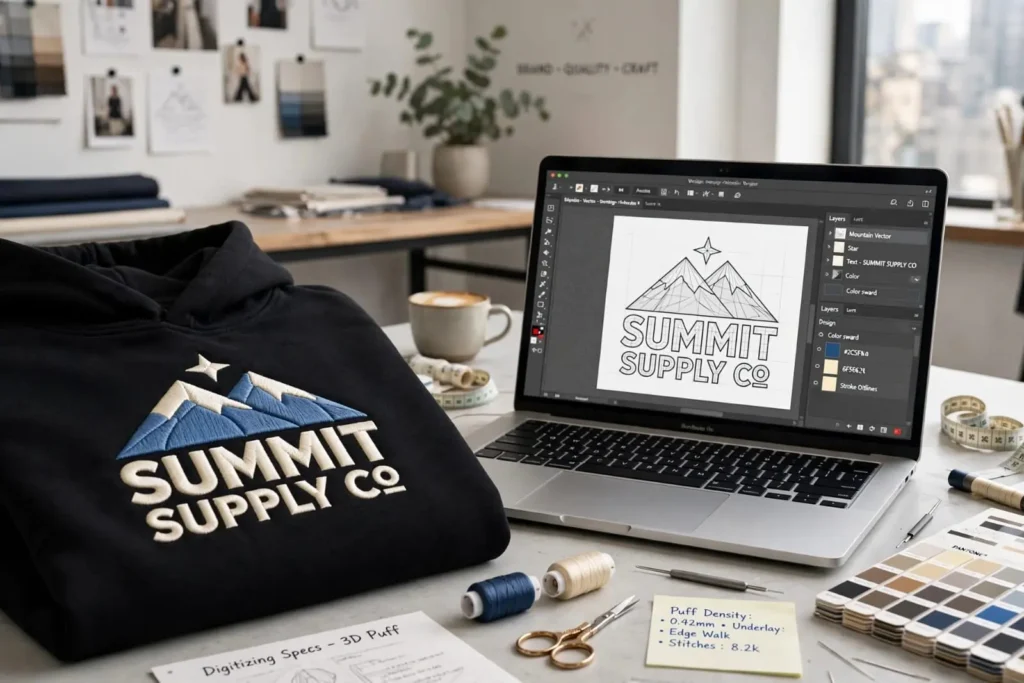
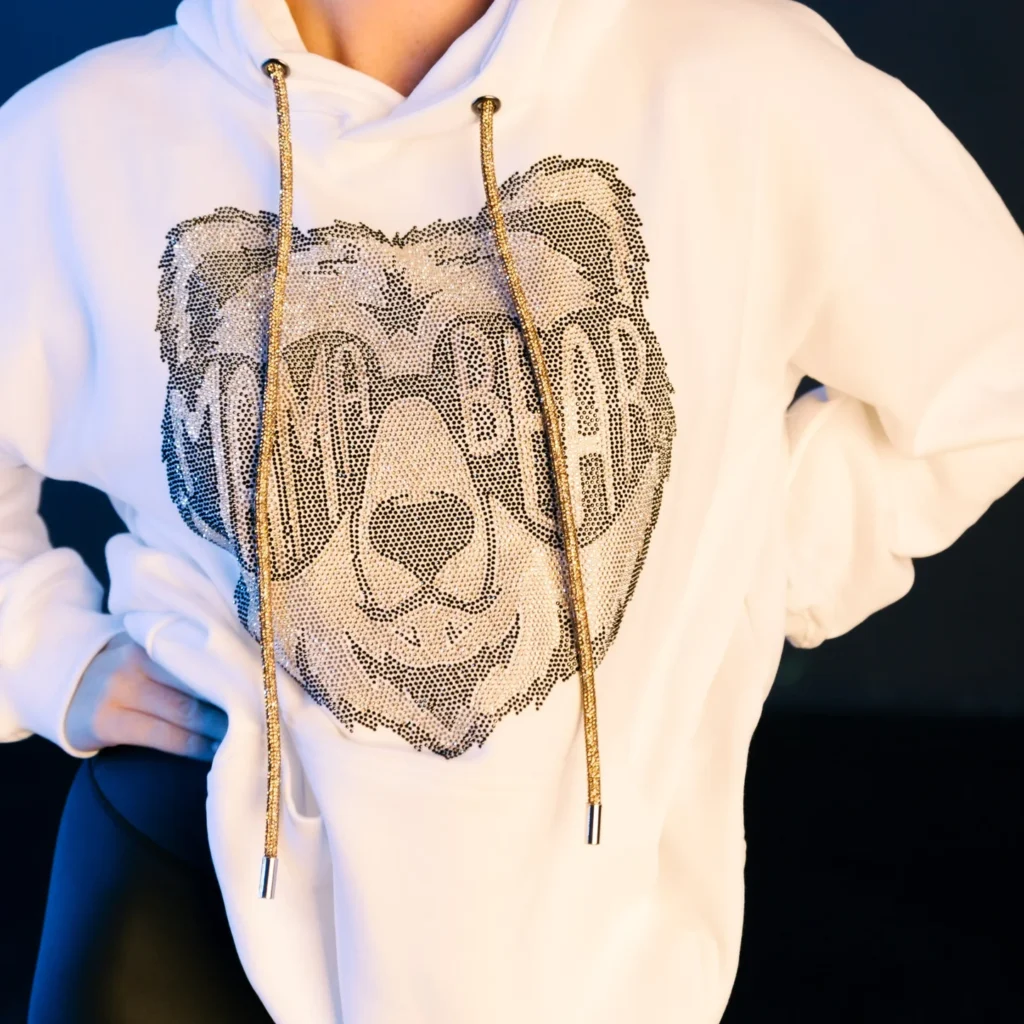
Among the best print-on-demand sites that have gained traction in recent years, TapStitch stands out for its focus on custom apparel and its approach to order flexibility. The platform is designed for sellers who want more control over how their products are produced and presented, without being forced into minimum order quantities that don’t suit an on-demand model.
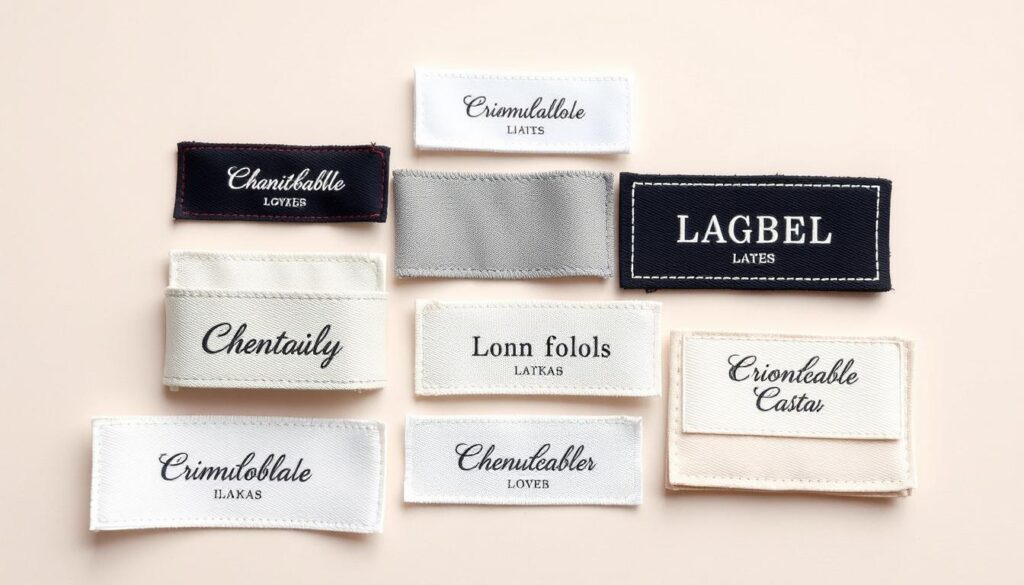
Where many platforms treat branding as an add-on, TapStitch builds it into the core experience. Custom labels, packaging options, and product personalisation are part of the standard workflow rather than premium features. This makes it particularly well-suited for brand-first sellers who care about how their products arrive in a customer’s hands, not just whether the print quality passes a basic test.
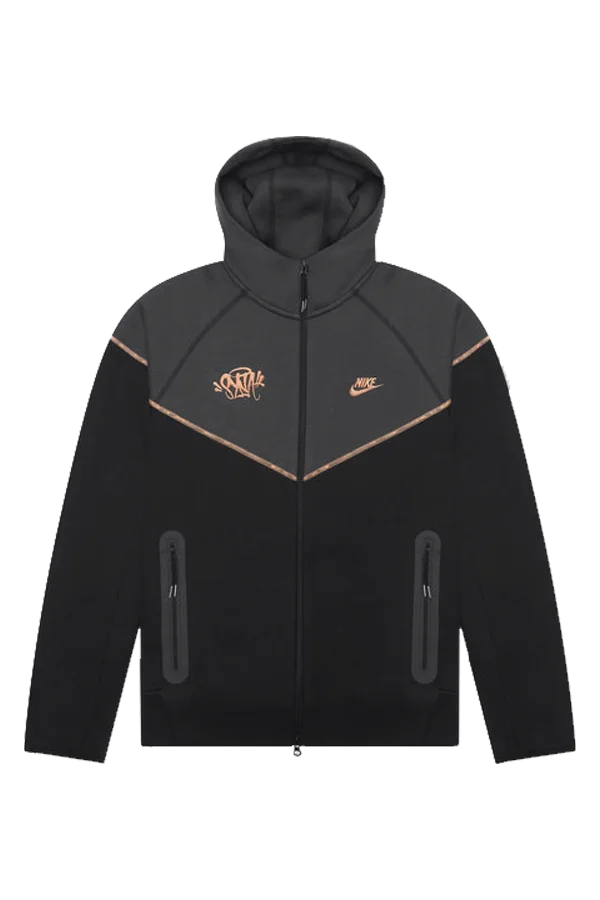
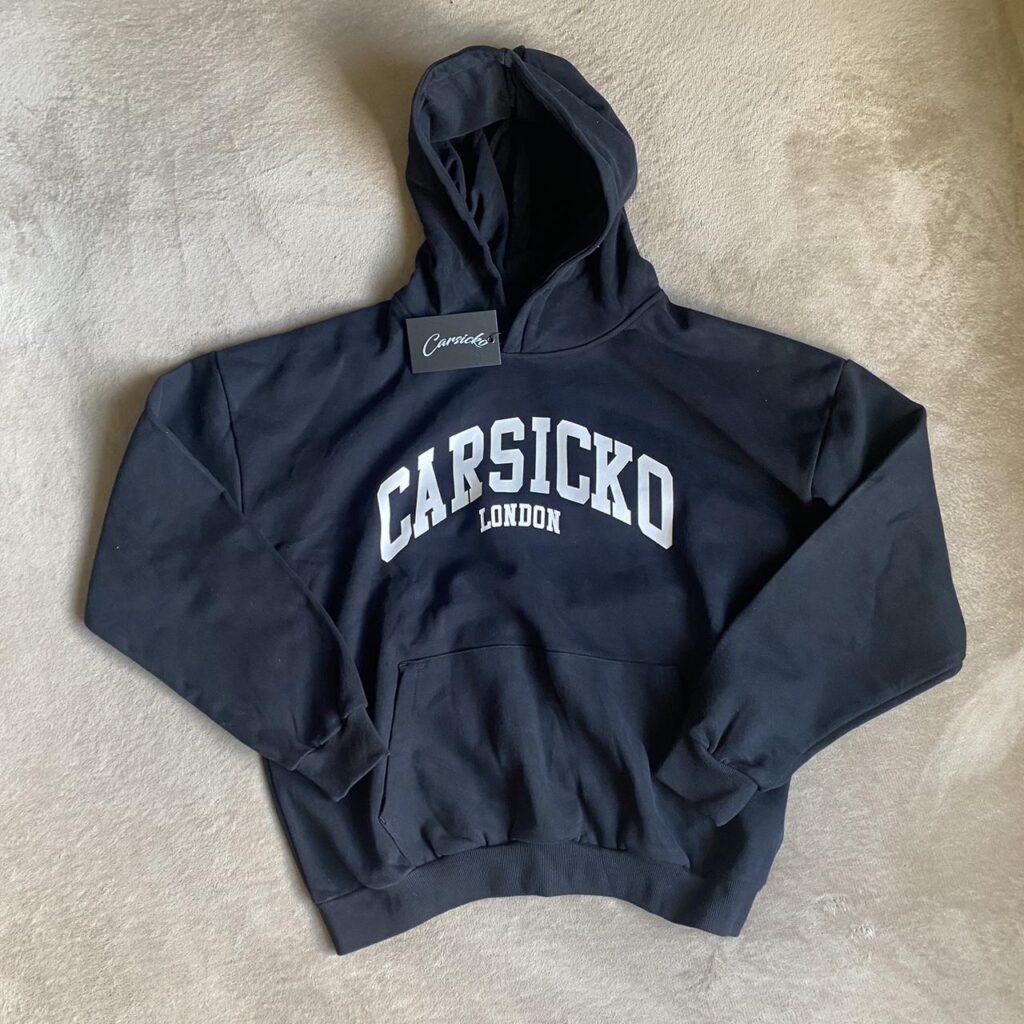
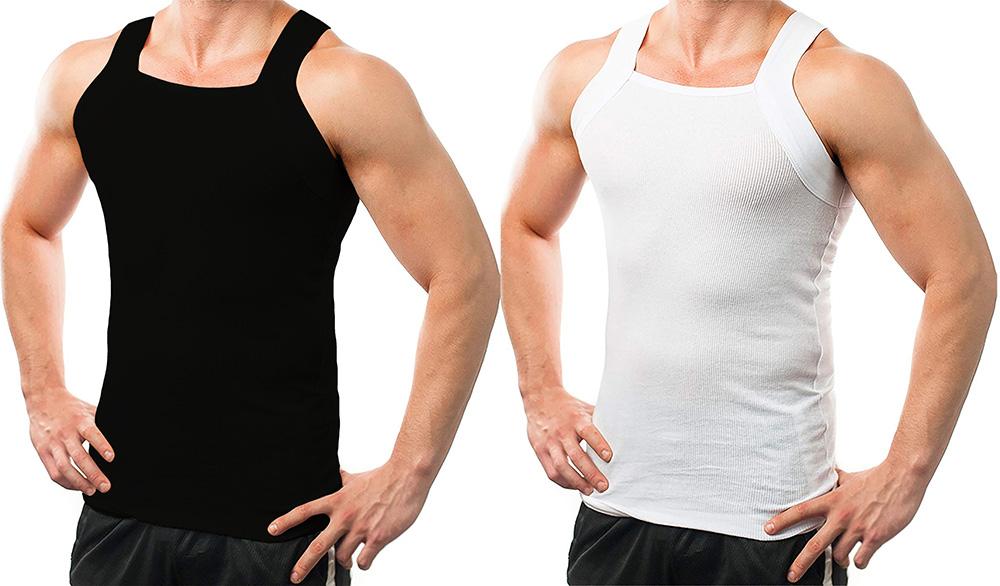
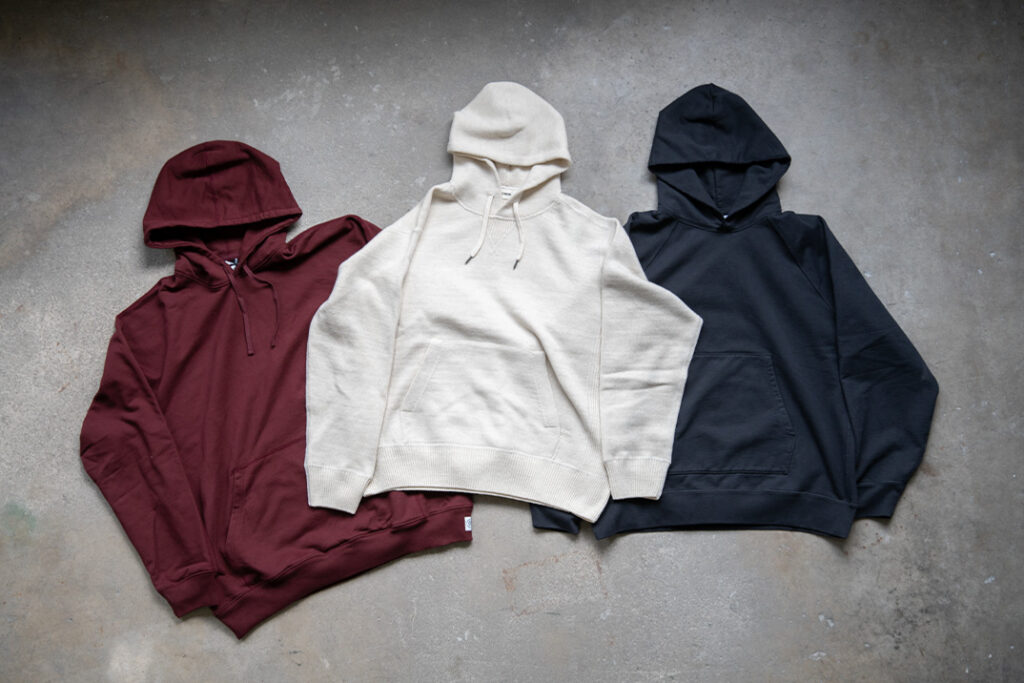
The platform handles apparel categories including hoodies, t-shirts, sweatshirts, and accessories, with production quality that competes with Printful’s in-house facilities. For sellers whose product line centres on clothing, it’s worth placing TapStitch in direct comparison with the more established platforms before committing.
How to Choose the Right Platform for Your Store
The comparison table earlier gives you a quick reference, but the real decision comes down to four questions that only you can answer.
Where are your customers located?
If most of your orders ship to one country or region, a platform with local production in that area (Gelato, SPOD) will give you a structural shipping advantage. If your customer base is genuinely global, you need a platform with either a wide international network or the flexibility to route orders intelligently.
How important is brand consistency to you?
If you’re building a brand where the unboxing experience matters, including custom packaging, labels, and inserts, then platforms that own their production facilities will serve you better. Printful and TapStitch both handle this well. Platforms built on third-party provider networks offer less control at that level.
What’s your margin tolerance?
Higher base costs from quality-first platforms like Printful mean you need to price higher to maintain healthy margins. If you’re competing on price in a crowded niche, Printify or SPOD’s more competitive base costs may be necessary. Know your numbers before you commit to a platform.
What does your product catalogue actually require?
Some platforms excel at apparel but have weak offerings in home decor, accessories, or speciality items. Others are the reverse. Map your product roadmap against each platform’s catalogue before making a long-term decision. Switching platforms mid-business is more disruptive than choosing carefully at the start.
Things People Overlook When Switching Platforms
The technical migration from one print-on-demand platform to another is straightforward. The less obvious costs are worth thinking through before you commit.
- Mock-up recreation: Every product listing that uses platform-generated mock-ups will need to be rebuilt. Budget time for this.
- Pricing recalibration: Base costs differ between platforms. Your current pricing may not maintain the same margins on a new platform.
- Supplier relationship history: On Printify, your quality history with specific providers doesn’t transfer. You’re starting fresh.
- Integration testing: Even if both platforms support Shopify, the way they handle order sync, fulfilment status updates, and returns may differ.
- Customer communication: If you have existing customers, think about how to communicate any changes to delivery times or packaging during a transition period.
The Market in 2026: What Has Actually Changed
The print-on-demand industry has matured considerably over the past three years. Early-stage differentiation based on product catalogue size has given way to competition on quality consistency, international fulfilment, and the ability to support genuine brand building rather than generic dropshipping.
Buyers have also become more discerning. Customers who receive a product that looks different from the mock-up, or arrives in generic packaging with no brand identity, are more likely to leave a negative review and less likely to return. This shift in customer expectations has moved quality and branding from nice-to-have features to operational necessities for serious sellers.
The platforms that are gaining ground in 2026 are those that have invested in owned production capacity, faster logistics, and tools that help sellers build recognisable brands rather than anonymous storefronts. That trend points toward Printful, Gelato, and newer entrants like TapStitch as the platforms best positioned for sellers who are building for the long term.
Final Thoughts
The search for companies like Printify isn’t really about finding a replica of what Printify does. It’s about identifying which platform’s specific strengths align with what your business actually needs. Printful wins on quality consistency. Gelato wins on international fulfilment. SPOD wins on speed. TapStitch wins on brand-first custom apparel.
Printify isn’t going anywhere, and for many sellers it remains a solid and cost-effective choice. But the competition has closed the gap significantly, and in several specific categories, it has already been surpassed. Knowing which category matters most to your business is the decision that determines which platform deserves your commitment.
Evaluate based on your actual requirements, run a small test order from your shortlisted platforms, and make the switch based on what you experience rather than what the marketing says. The best platform is the one that makes your specific business run better.