



























































































































































































































































































































































































































































































































































































































































































































































































































































































































































































































































































































































































































































































































































































































































































































































































The Role of Branding in Dubai’s Evolving Fashion and Lifestyle Industry


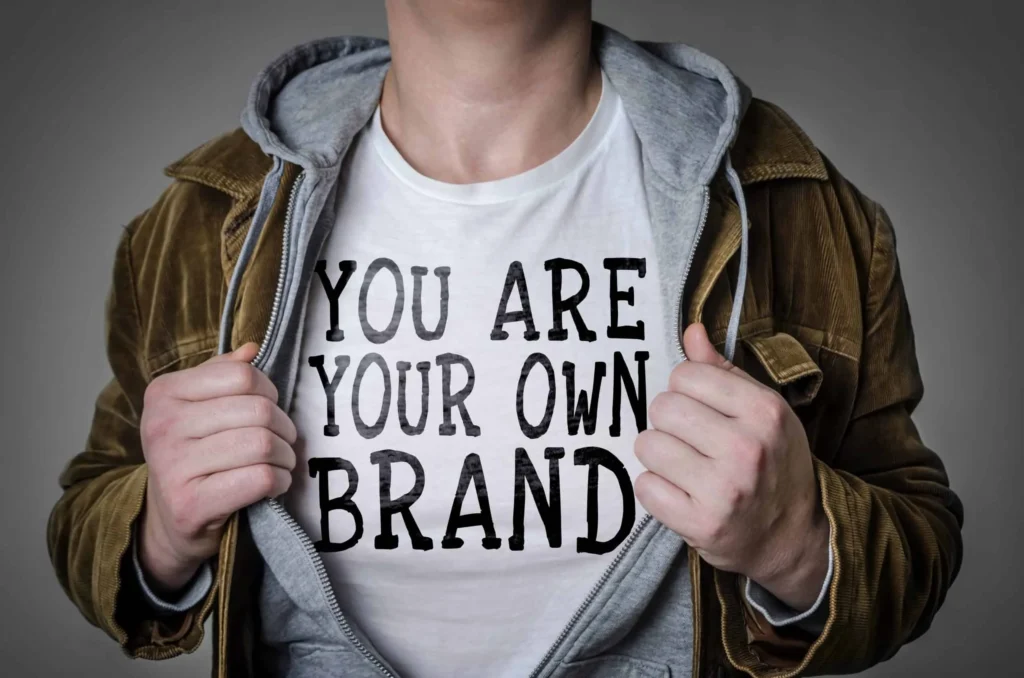
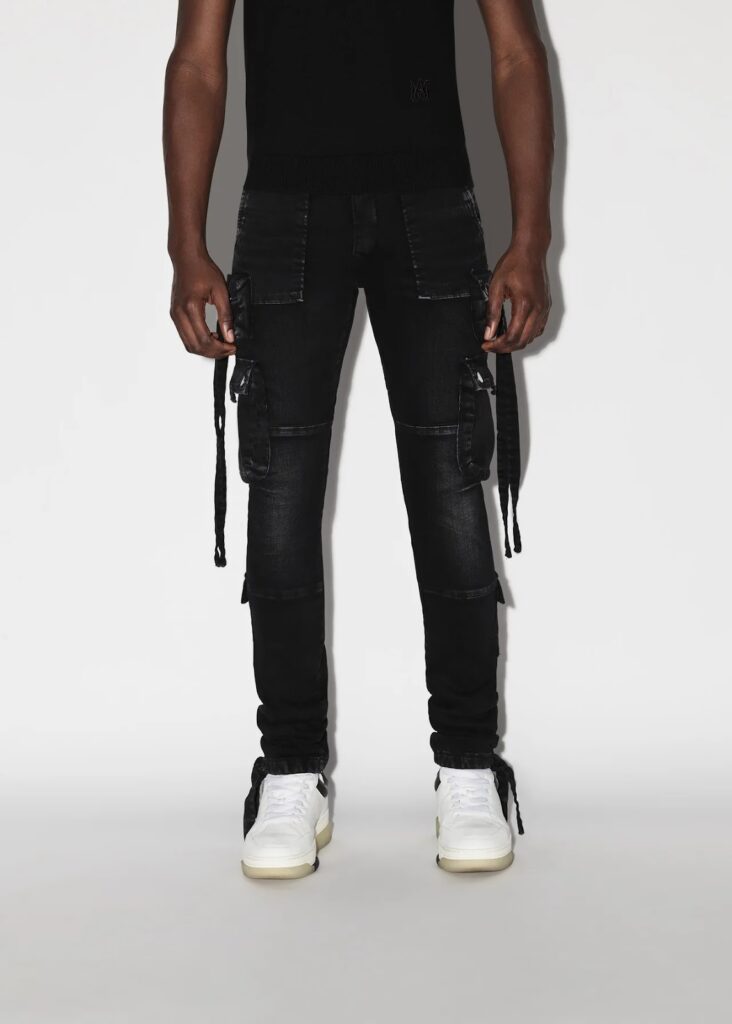
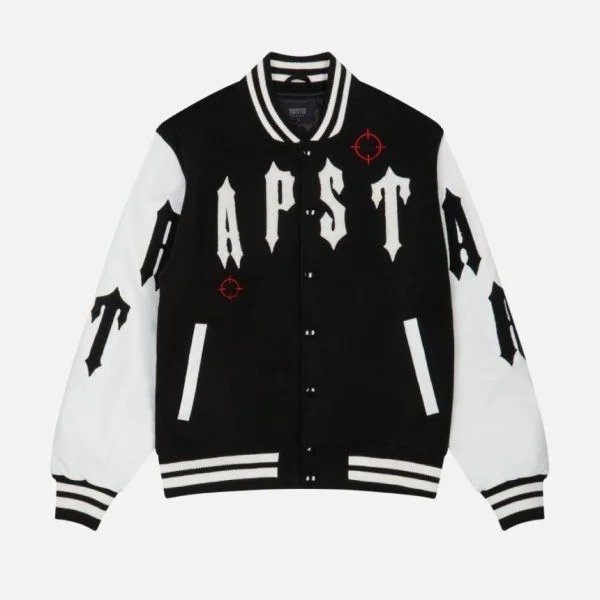
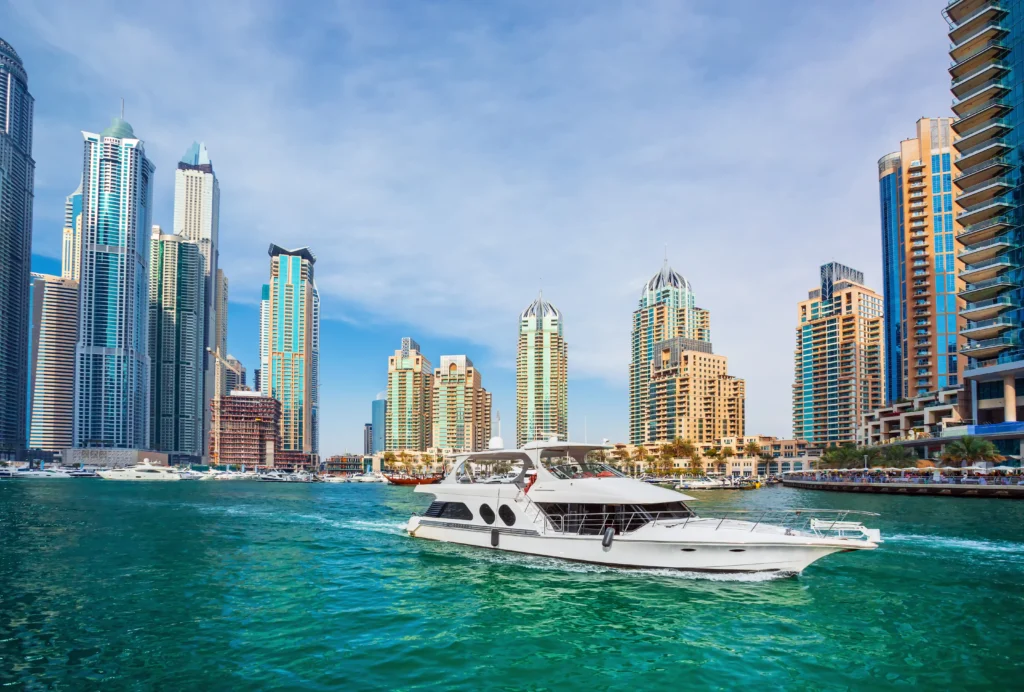
The global fashion industry thrives on identity, storytelling, and perception. In emerging style capitals such as Dubai, branding has become more than a visual exercise — it is a strategic foundation for growth. The rising demand for professional expertise in Branding in Dubai reflects the city’s transformation into a competitive hub for fashion, luxury retail, and lifestyle innovation.
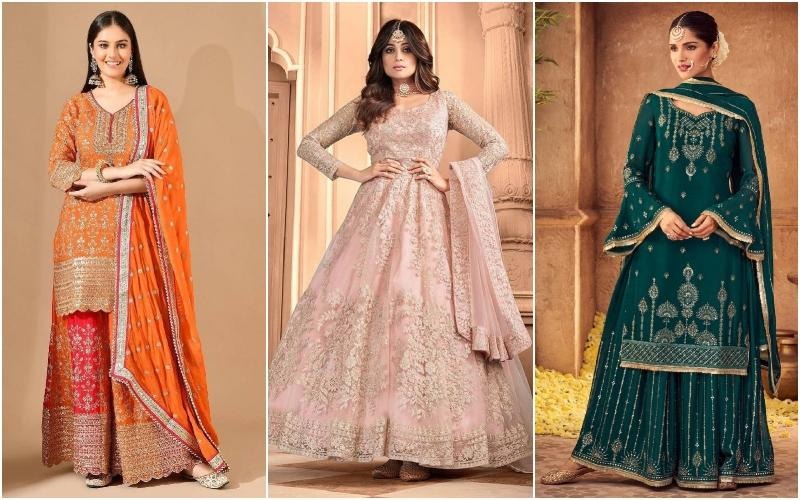
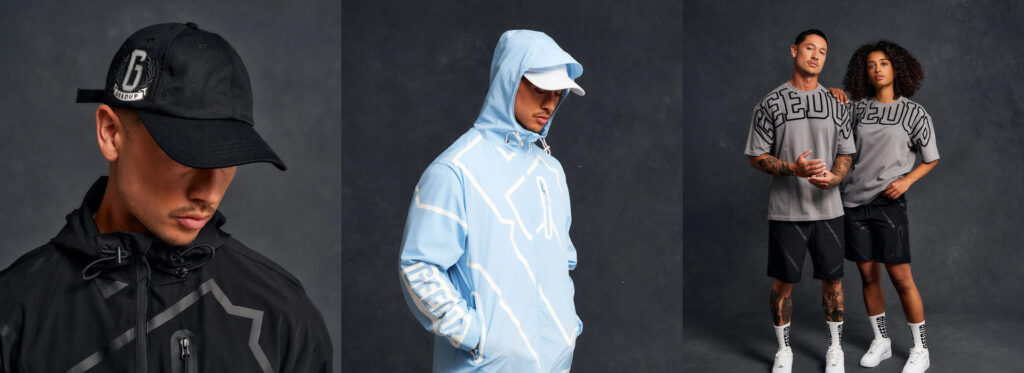
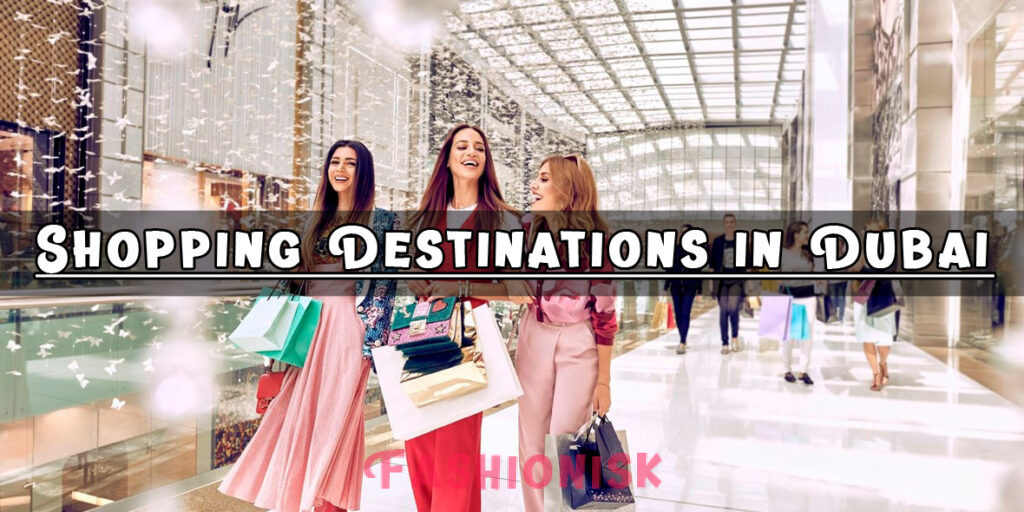
Dubai’s fashion ecosystem blends international luxury houses, regional designers, e-commerce platforms, and concept stores. In this dynamic environment, branding defines how labels differentiate themselves, connect with multicultural audiences, and build long-term market value.
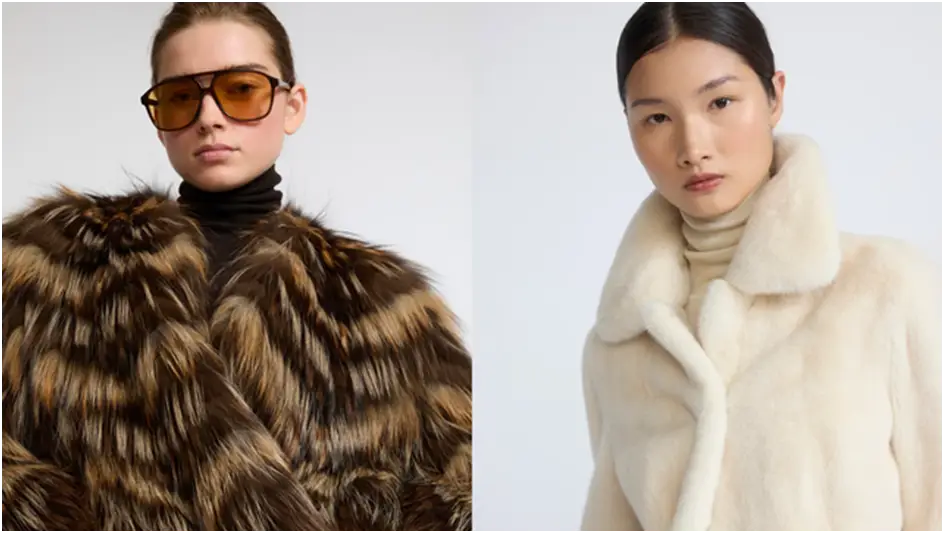
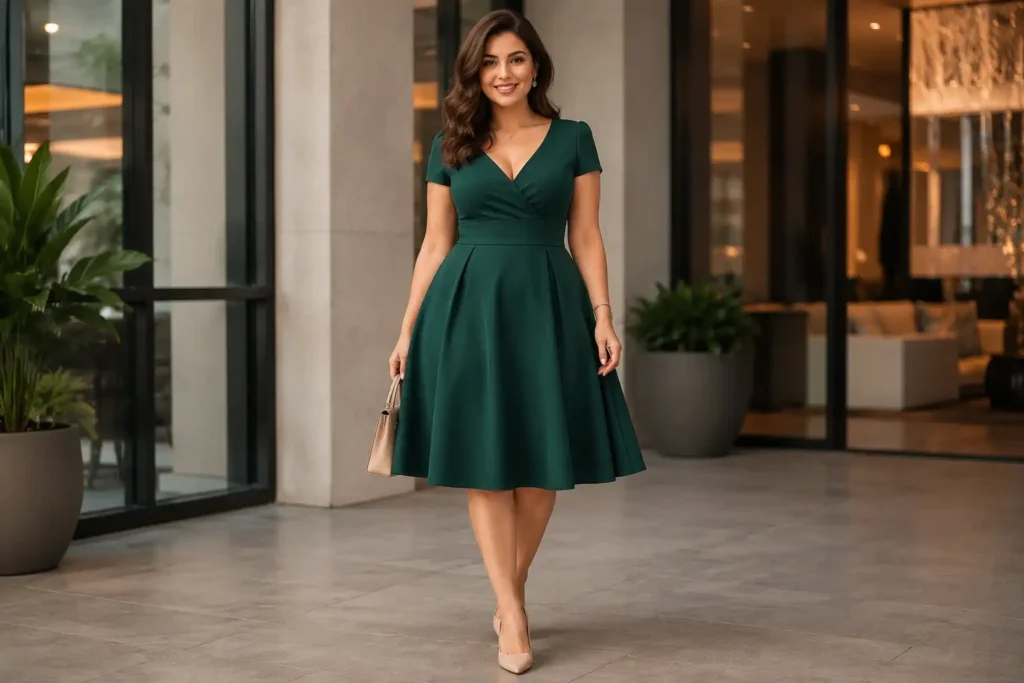
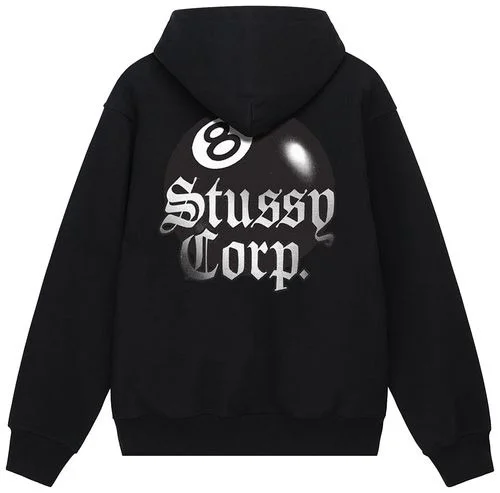
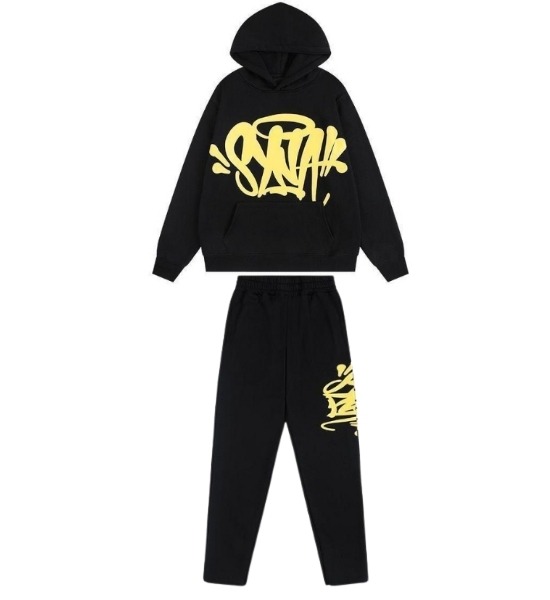
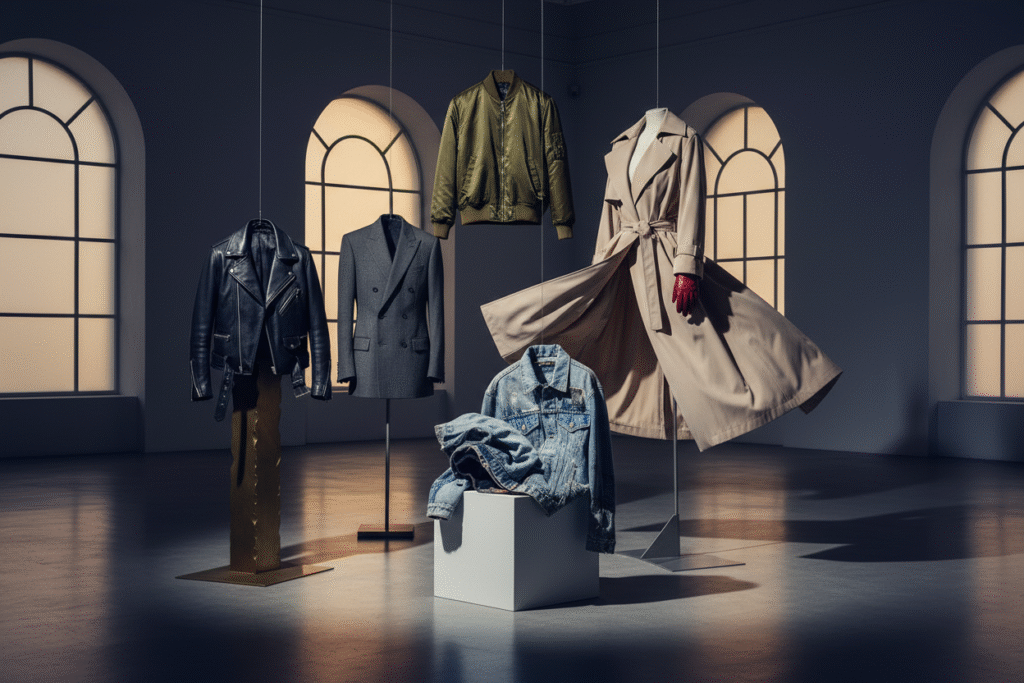
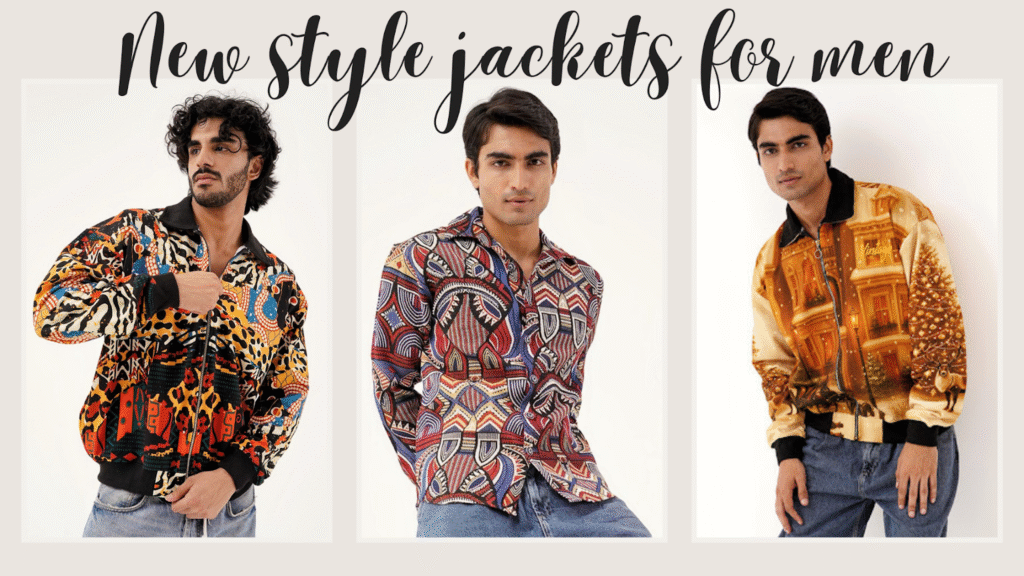
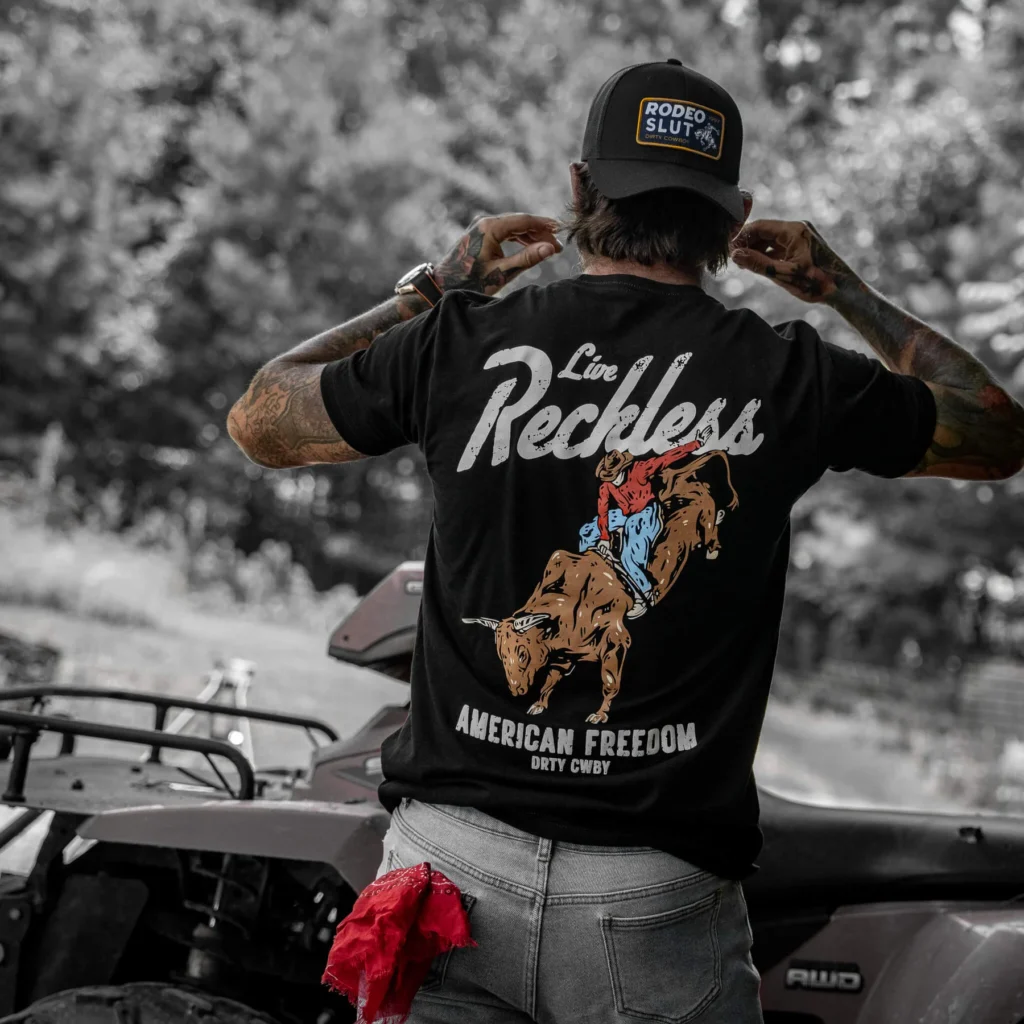
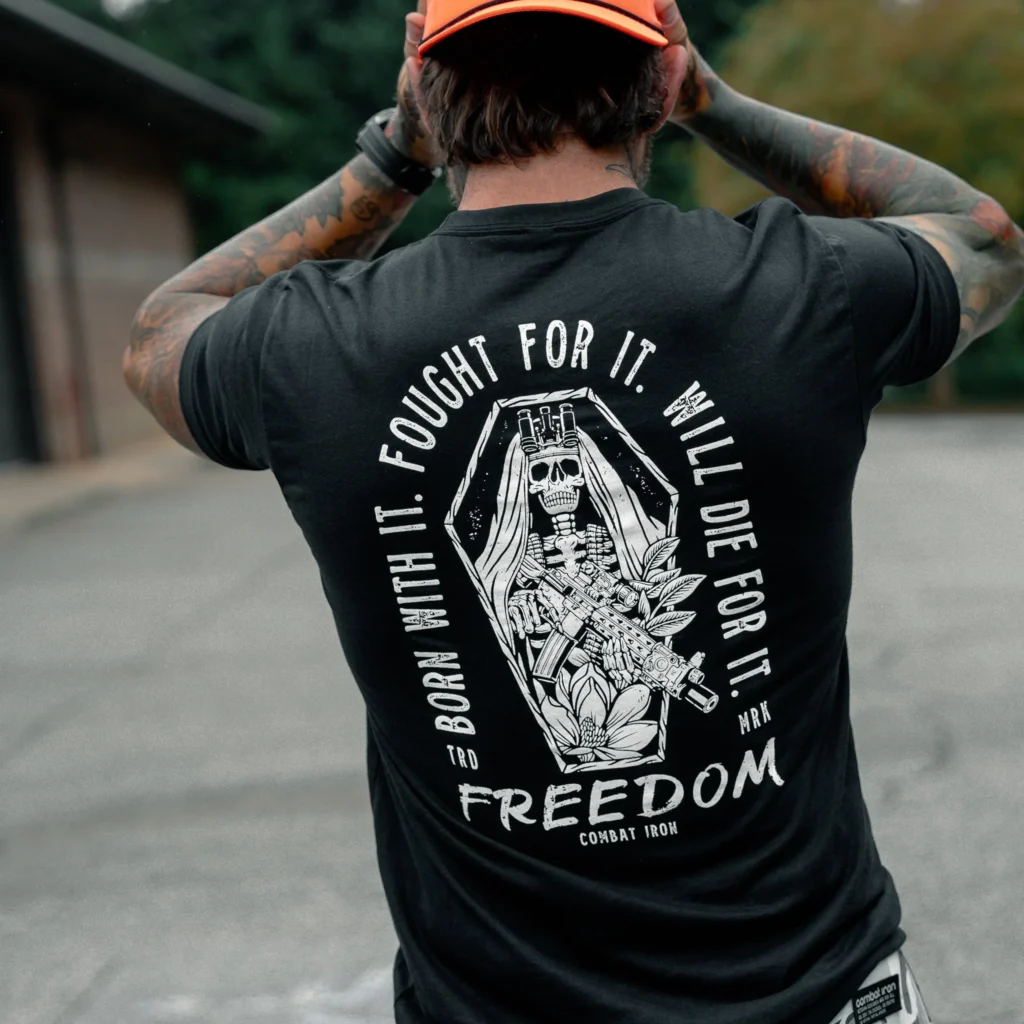
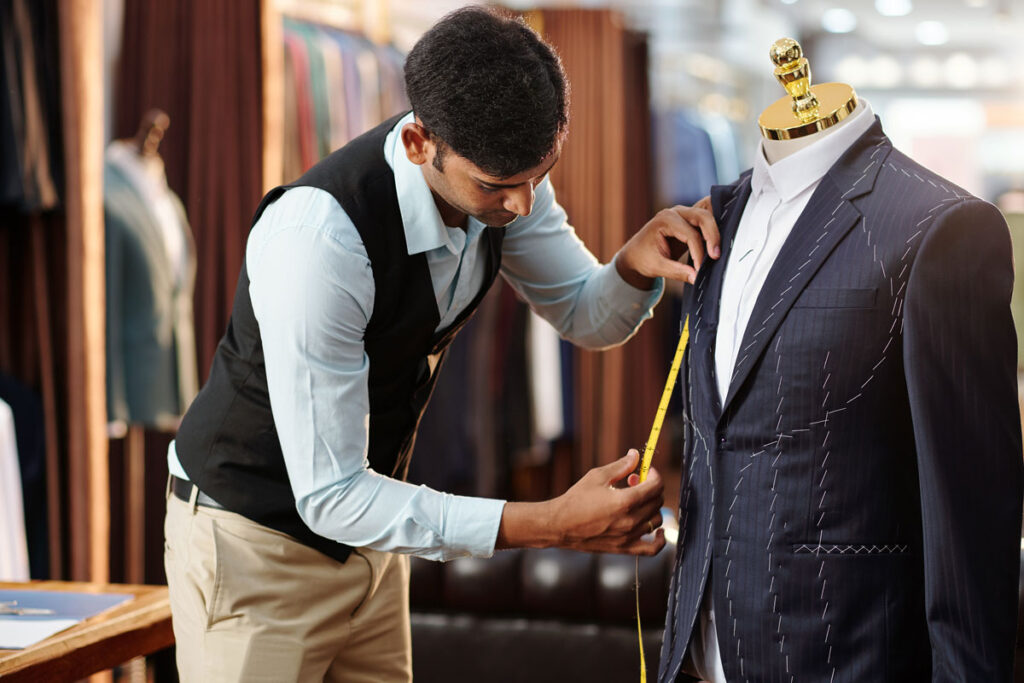
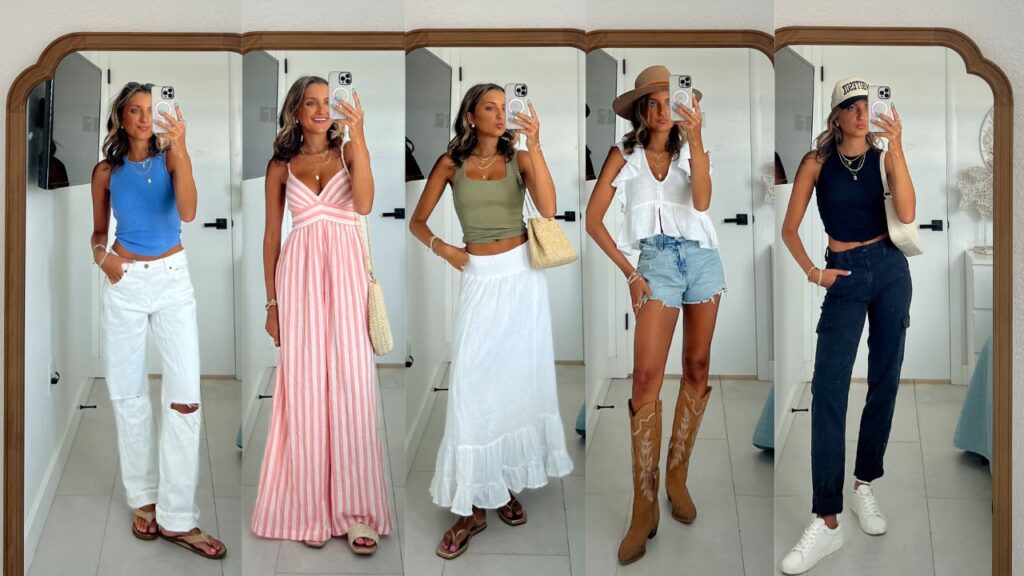
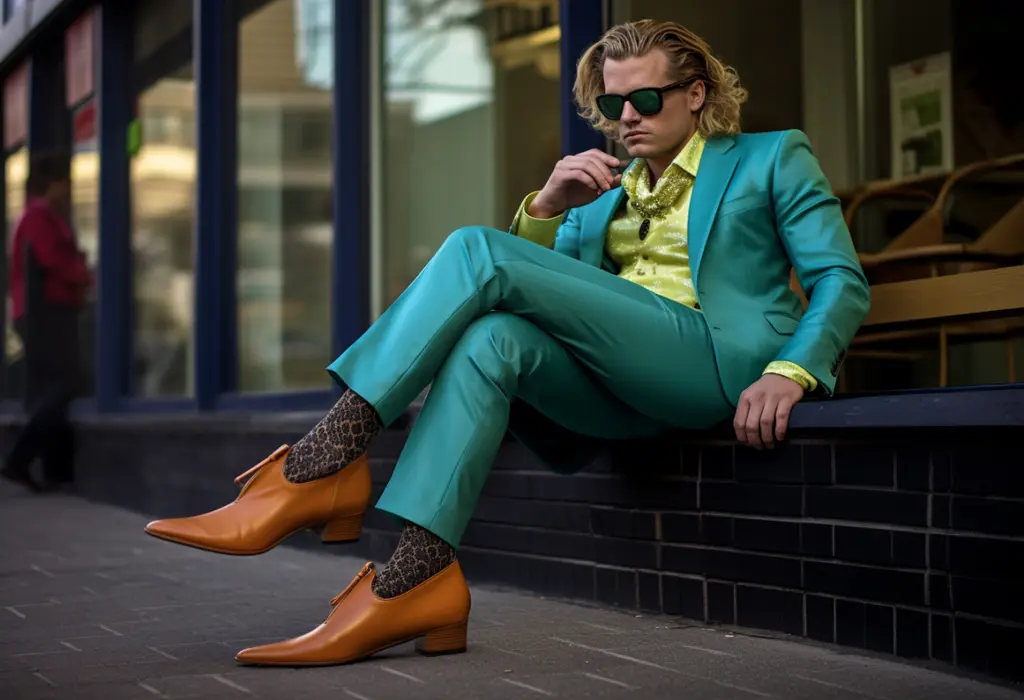
Fashion as a Brand-Driven Industry
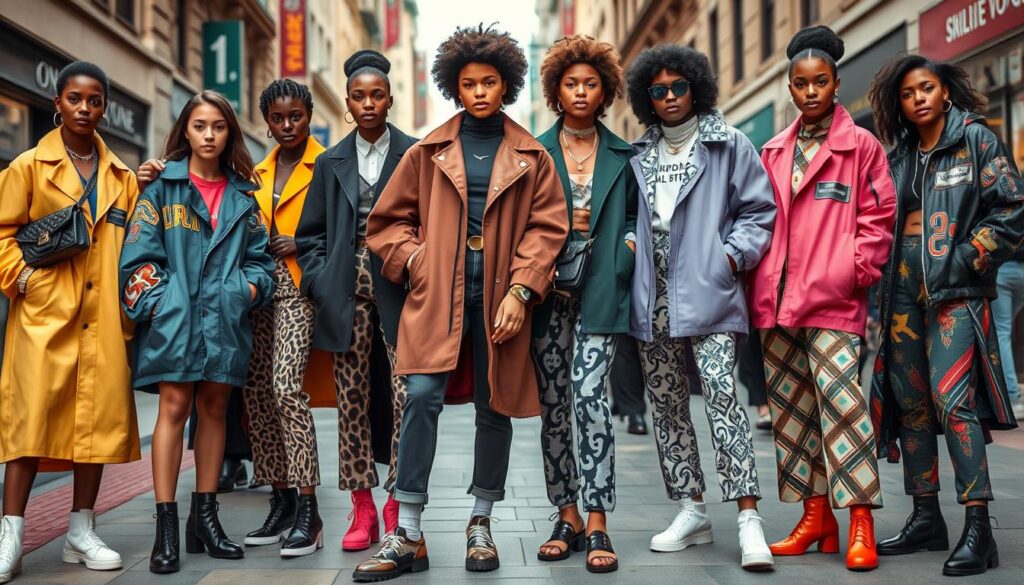
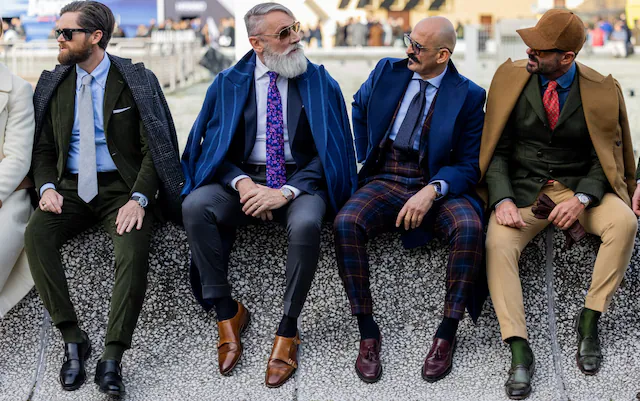
Fashion is inherently brand-oriented. Consumers rarely purchase clothing based solely on fabric or price. Instead, they respond to:
- Visual identity
- Brand philosophy
- Cultural relevance
- Social influence
- Perceived exclusivity
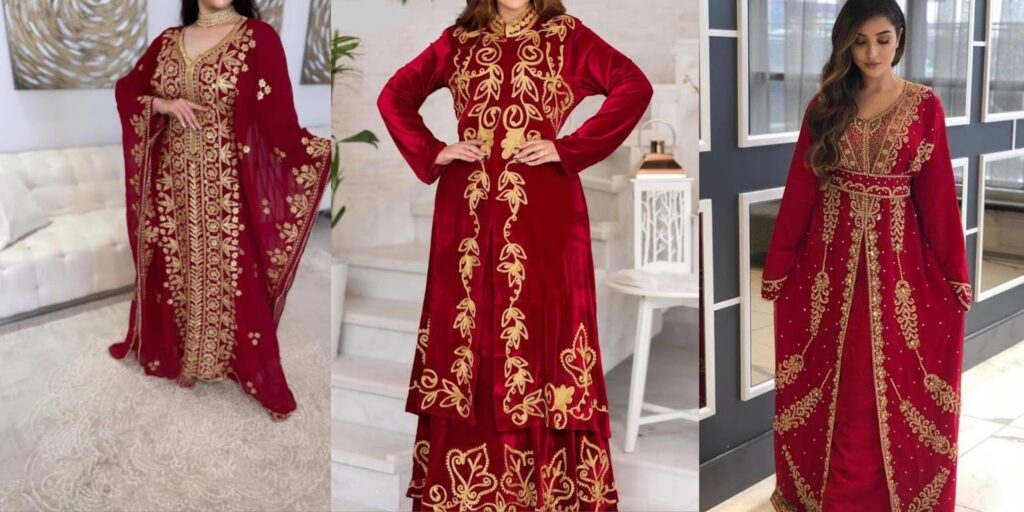
In Dubai, where fashion intersects with luxury, tourism, and global business, these elements carry even greater weight. A strong brand presence helps fashion labels communicate credibility and aspiration in a highly saturated market.
Dubai as a Strategic Fashion Hub
Dubai’s geographic and economic positioning connects European fashion houses, Asian manufacturers, and Middle Eastern consumers. The city hosts international fashion events, attracts global investors, and supports a rapidly growing e-commerce sector.
For emerging designers and established retailers alike, branding plays a critical role in:
- Entering new regional markets
- Positioning collections at premium levels
- Communicating sustainability initiatives
- Adapting to culturally diverse audiences
Unlike purely trend-driven markets, Dubai emphasizes presentation, luxury perception, and refined visual systems. This makes strategic branding essential rather than optional.
The Intersection of Fashion Media and Branding
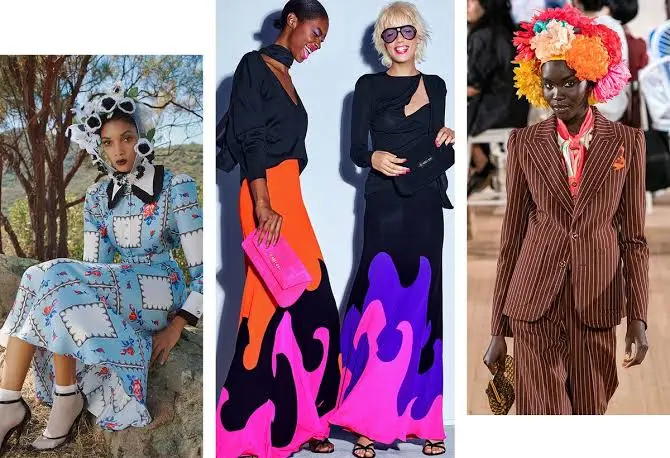
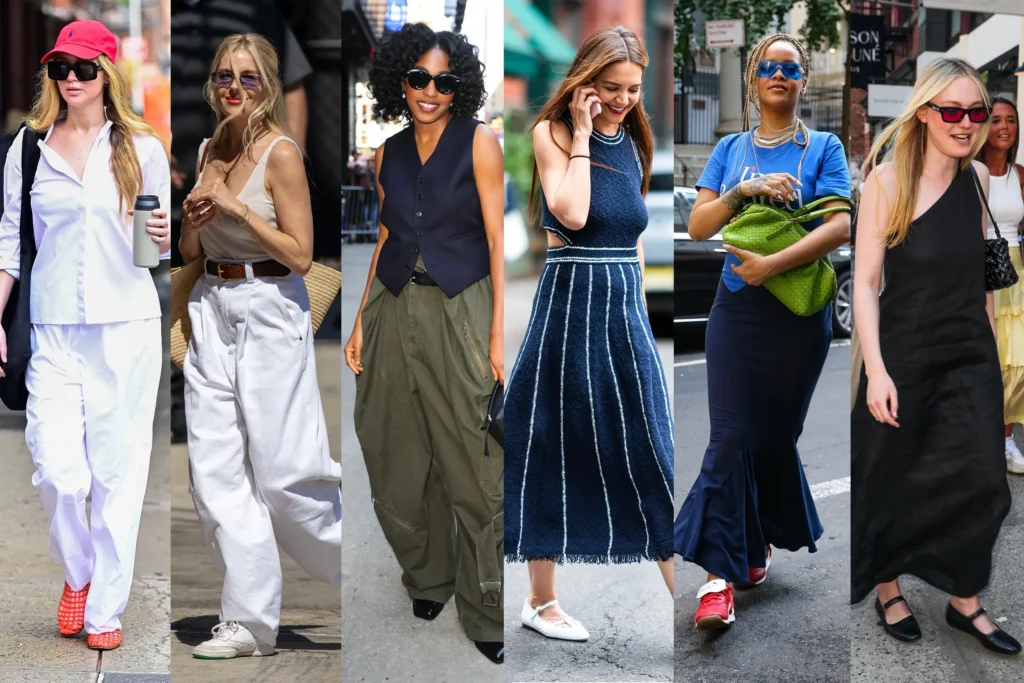
Fashion-focused platforms highlight trends, designers, and lifestyle movements. Behind each feature lies a carefully constructed brand narrative. Editorial exposure may attract attention, but consistent branding ensures recognition and retention.
For fashion businesses, this includes:
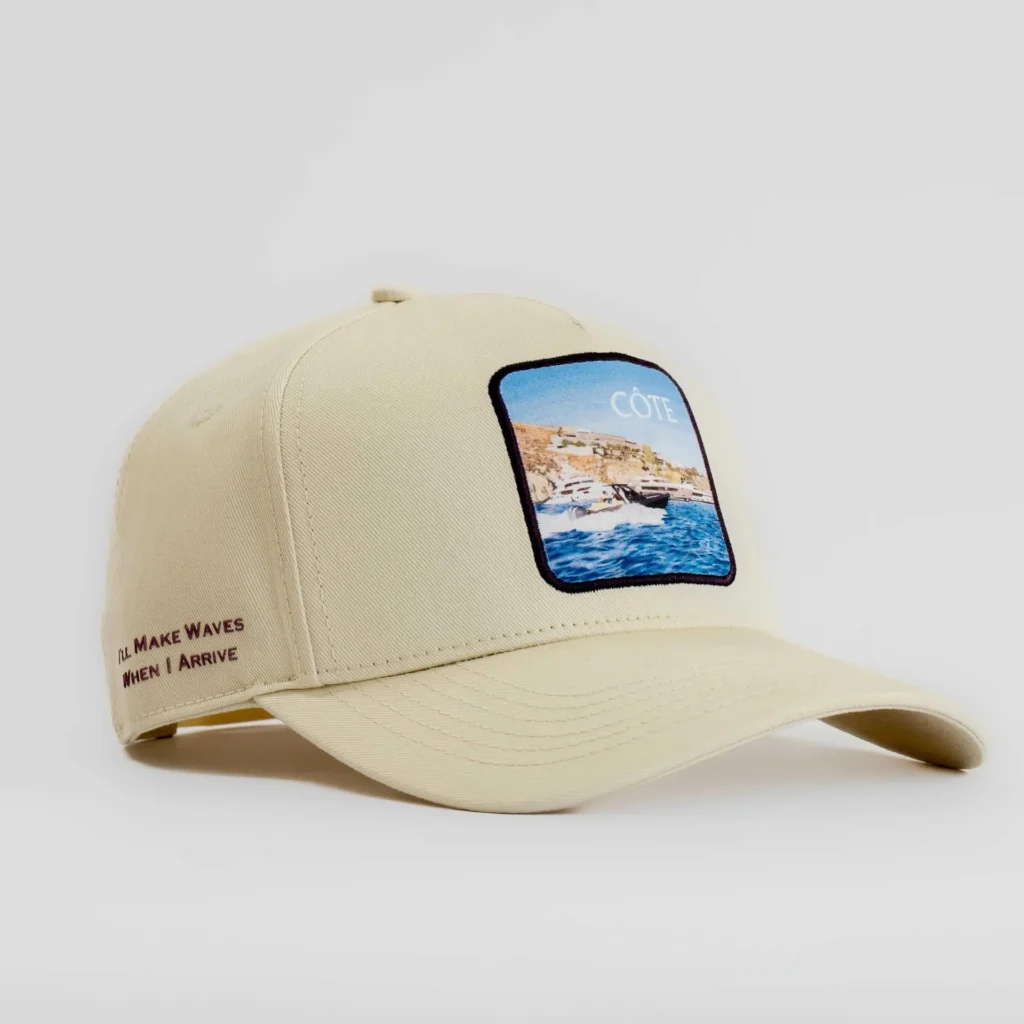
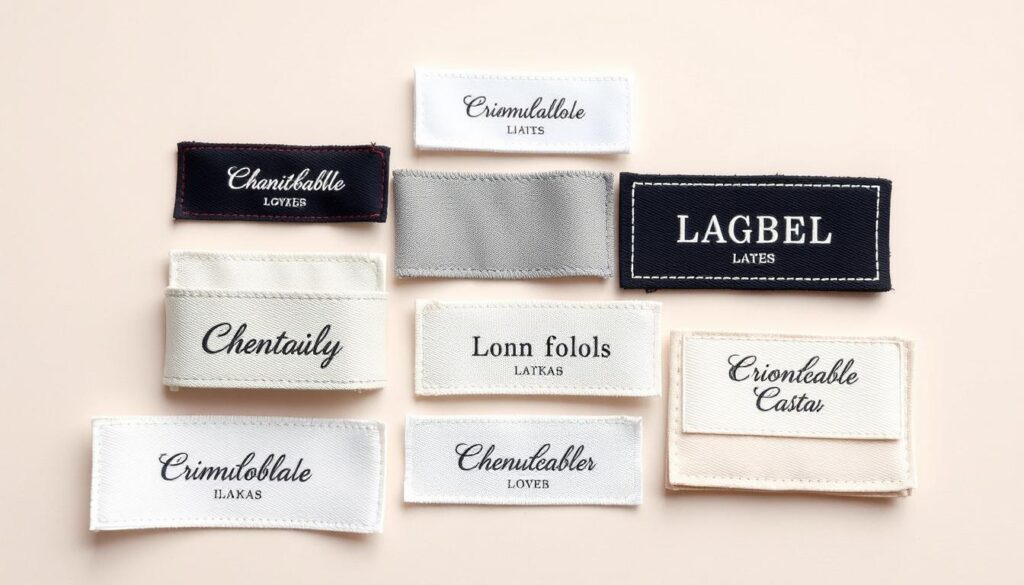
- Cohesive logo and visual systems
- Defined tone of voice
- Consistent social media aesthetics
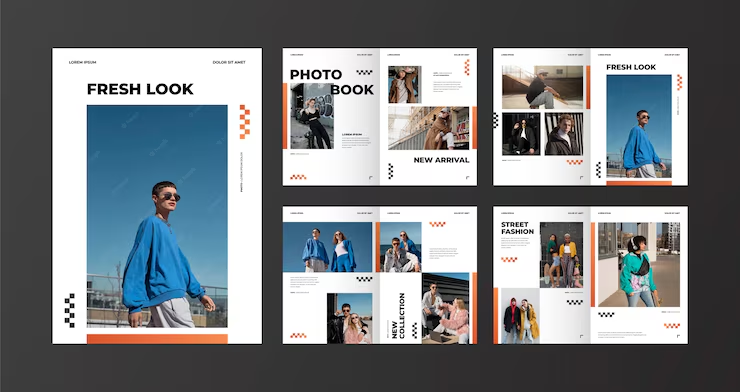
- High-quality campaign visuals
- Clear positioning within the market
When branding aligns with editorial visibility, brands build authority rather than short-term hype.

Digital Transformation and Brand Visibility
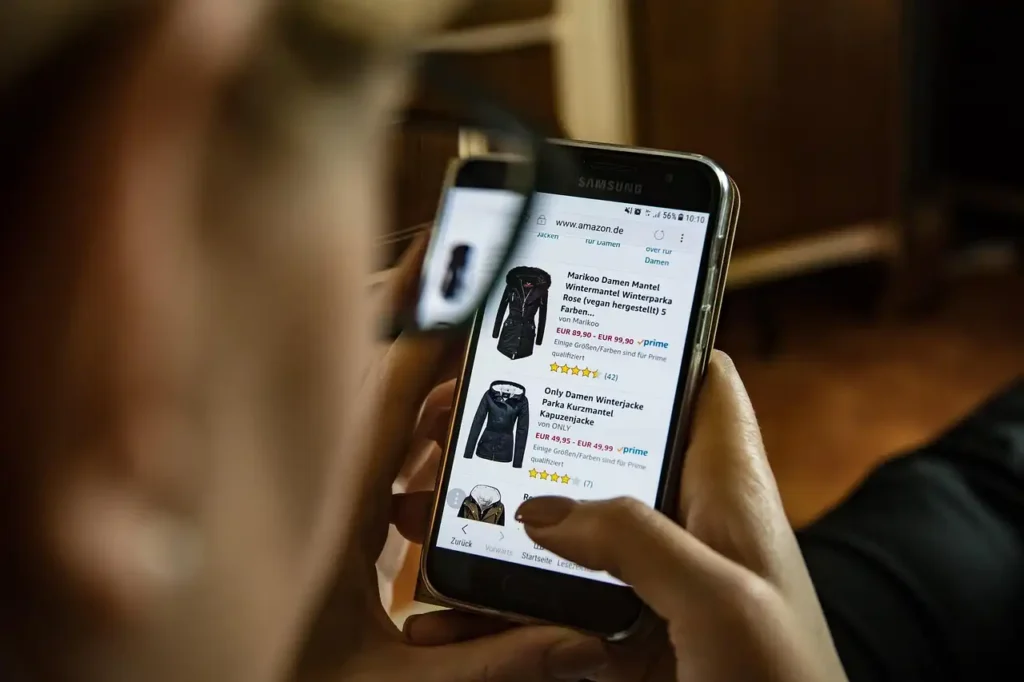
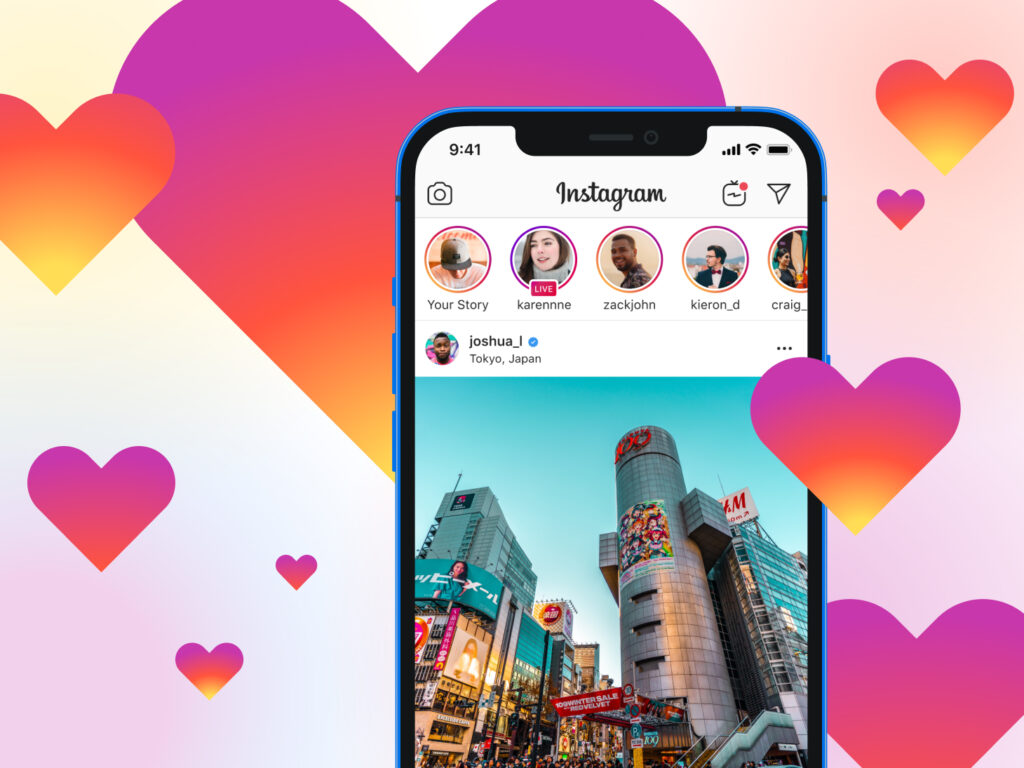
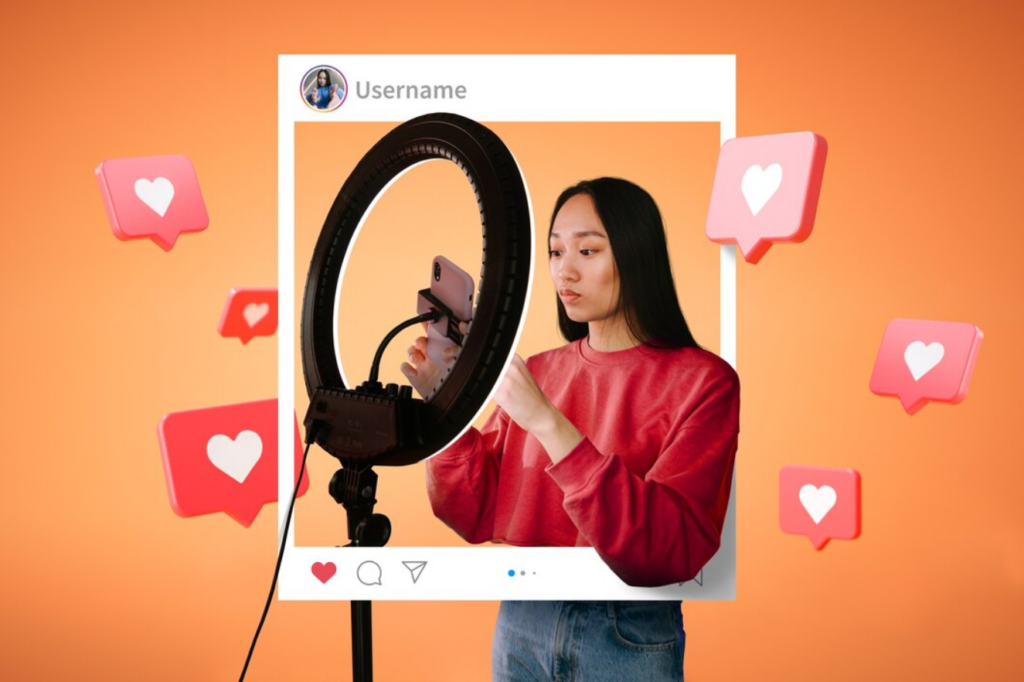
Dubai’s fashion consumers are digitally connected and globally aware. Instagram-driven discovery, influencer collaborations, and online retail experiences shape purchasing behavior.
In this digital ecosystem, branding supports:
- Search engine discoverability
- Recognizable visual language across platforms
- Consistent storytelling in paid and organic campaigns
- Stronger engagement metrics
SEO-optimized branding strategies ensure that fashion brands are not only visually appealing but also searchable and discoverable in competitive online spaces.
Luxury Perception and Cultural Sensitivity
One of the defining characteristics of Dubai’s fashion market is its multicultural audience. Branding must balance global appeal with regional sensitivity.
Successful brands operating in Dubai often:
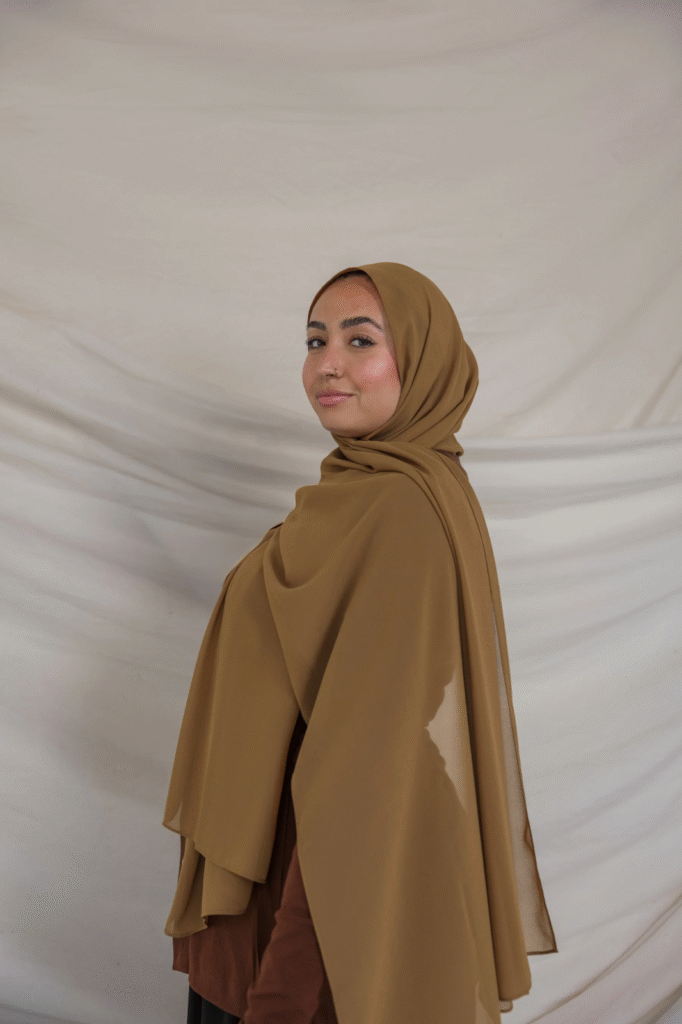
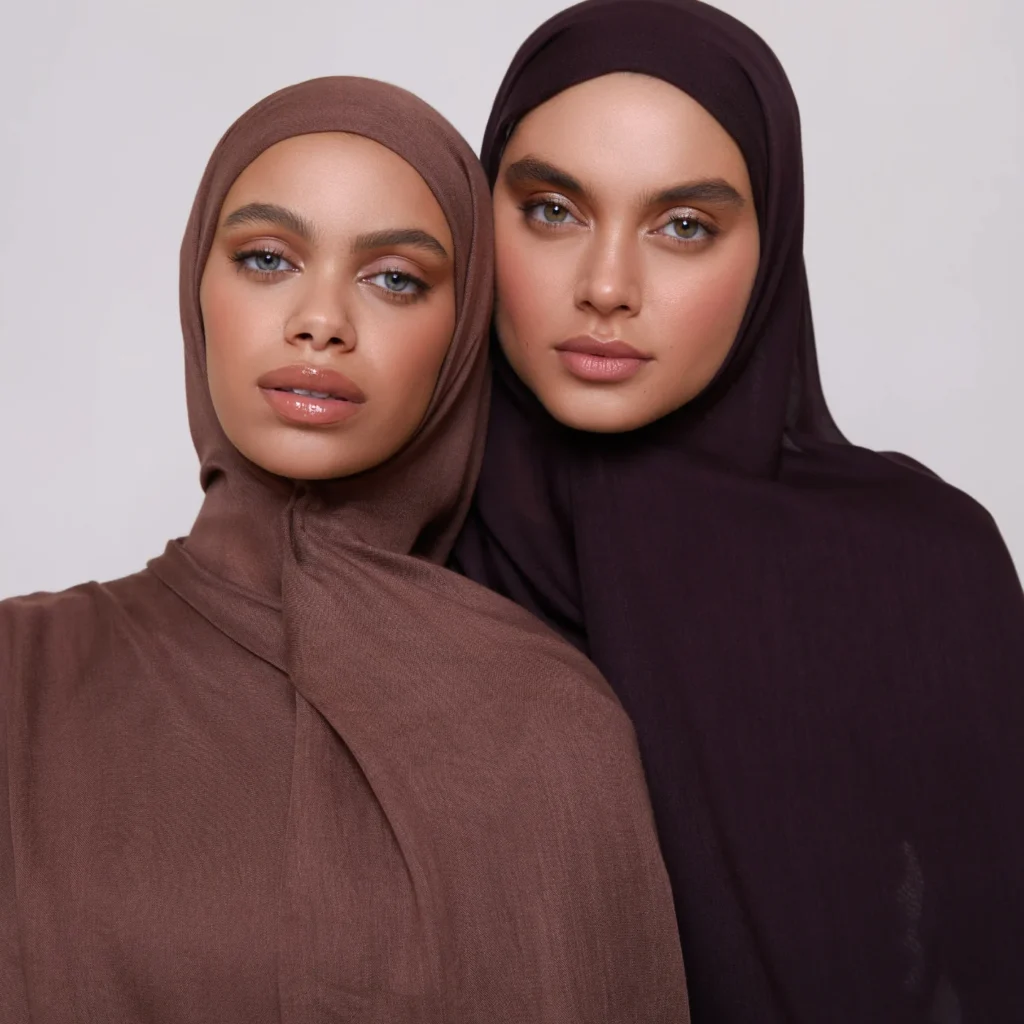
- Integrate modest fashion considerations where relevant
- Reflect premium positioning through design and communication
- Adapt messaging for diverse demographics
- Maintain international quality standards
A structured branding approach helps ensure coherence across these dimensions.
Sustainability and Future-Focused Branding
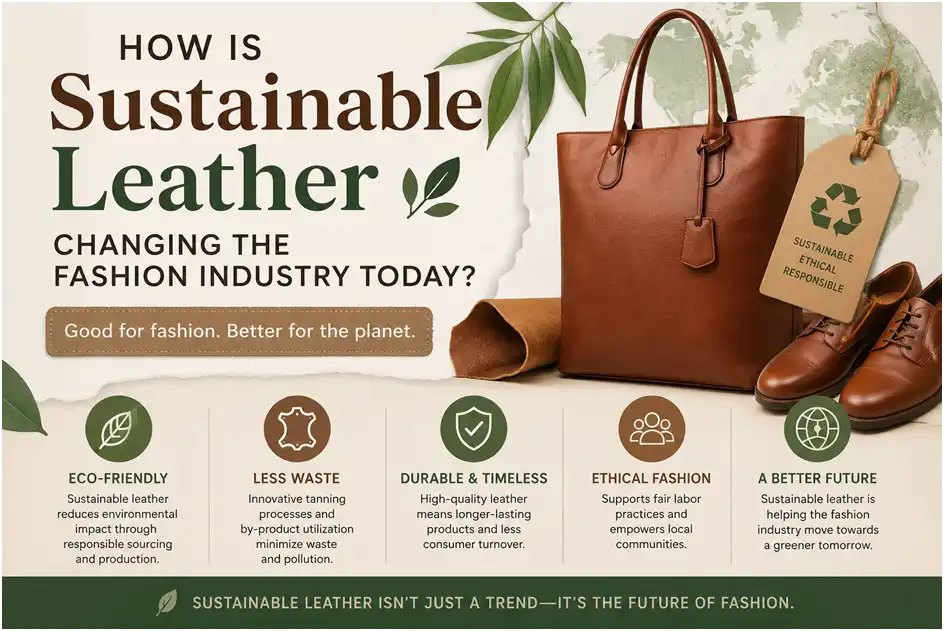
Sustainability has become a central narrative in global fashion. In Dubai, environmentally conscious collections and ethical sourcing initiatives are increasingly influencing consumer preferences.
However, sustainability requires clear communication. Branding translates production values into recognizable identity. It enables fashion companies to articulate:
- Responsible sourcing practices
- Transparent supply chains
- Ethical production standards
- Long-term environmental commitments
Without cohesive branding, these initiatives risk remaining invisible.
Branding as Long-Term Fashion Infrastructure
While fashion is often associated with seasonal change, branding provides continuity. Collections evolve, trends shift, and consumer tastes adapt — but brand identity ensures stability.
For fashion businesses in Dubai, branding functions as infrastructure that supports:
- Market expansion
- Investor confidence
- Retail partnerships
- Customer loyalty
It transforms creative output into structured market presence.
Conclusion
Dubai’s fashion and lifestyle sector continues to grow in sophistication and global influence. In this environment, branding is not merely a design decision — it is a strategic business asset.
Strong brand identity shapes perception, supports digital visibility, and reinforces competitive positioning. As Dubai strengthens its role as a regional fashion capital, structured and professional branding remains a key driver of sustainable industry growth.