






















































































































































































































































































































































































































































































































































































































































































































































































































































































































































































































































































































































































































































































































































































































































































































































































































































































Moisture and Structural Stress in Wisconsin Siding Systems

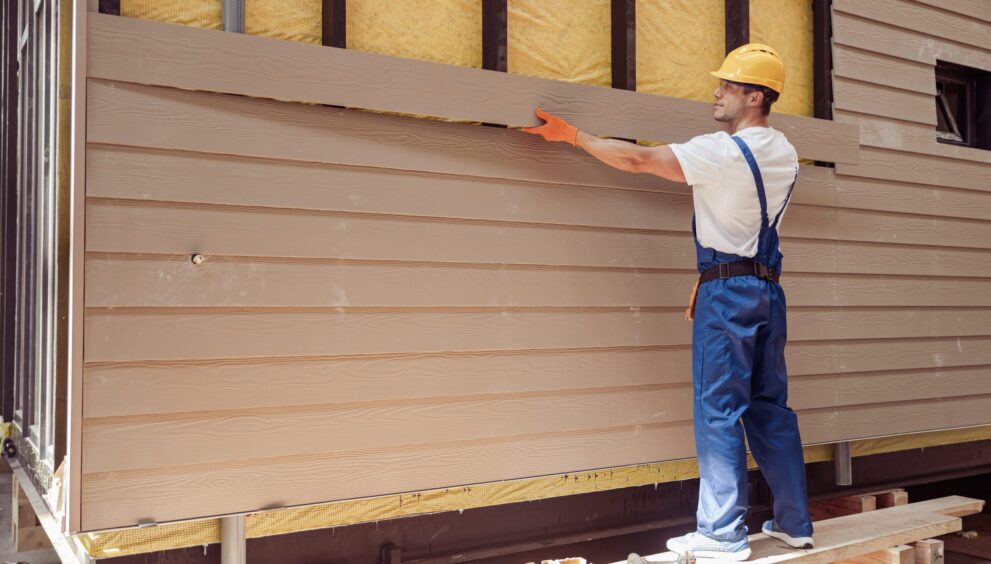
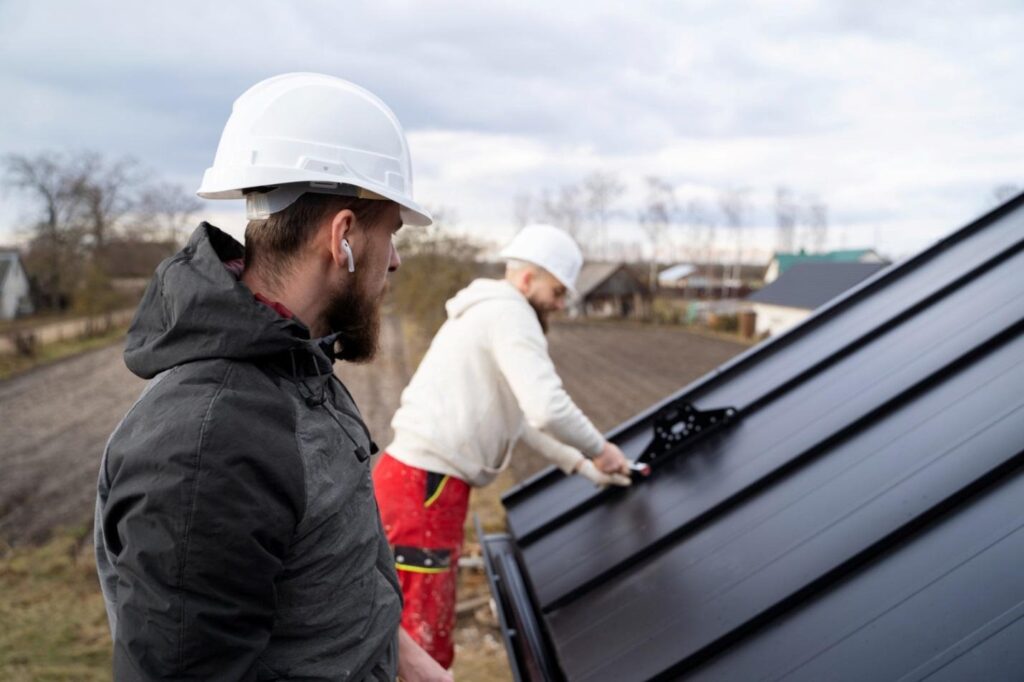
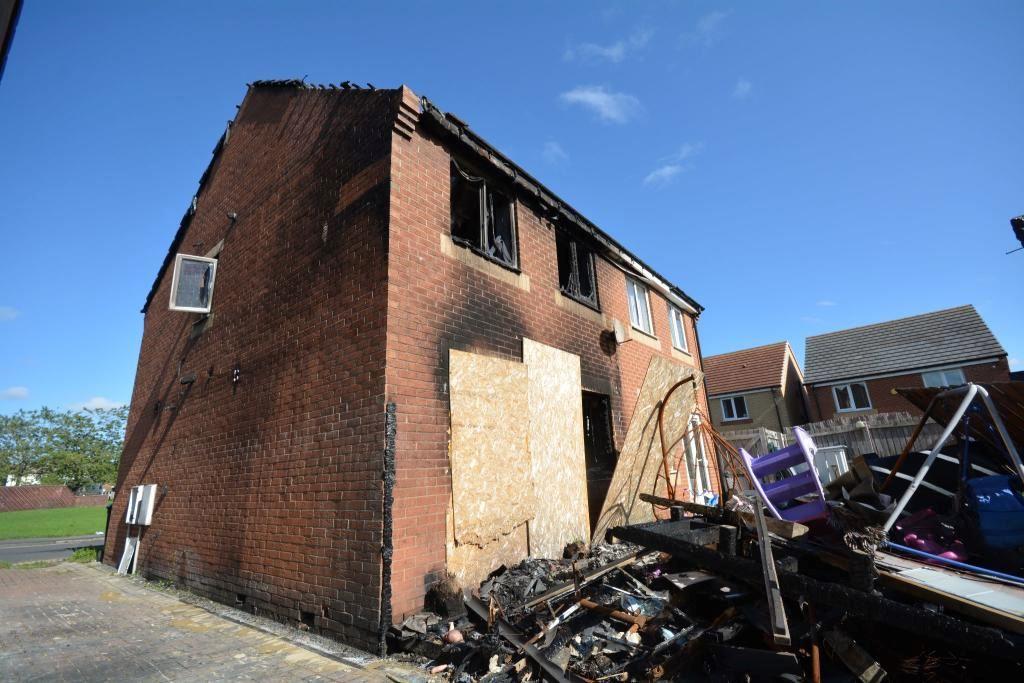
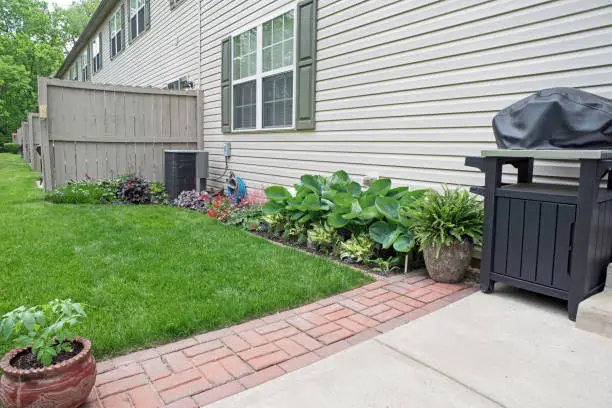
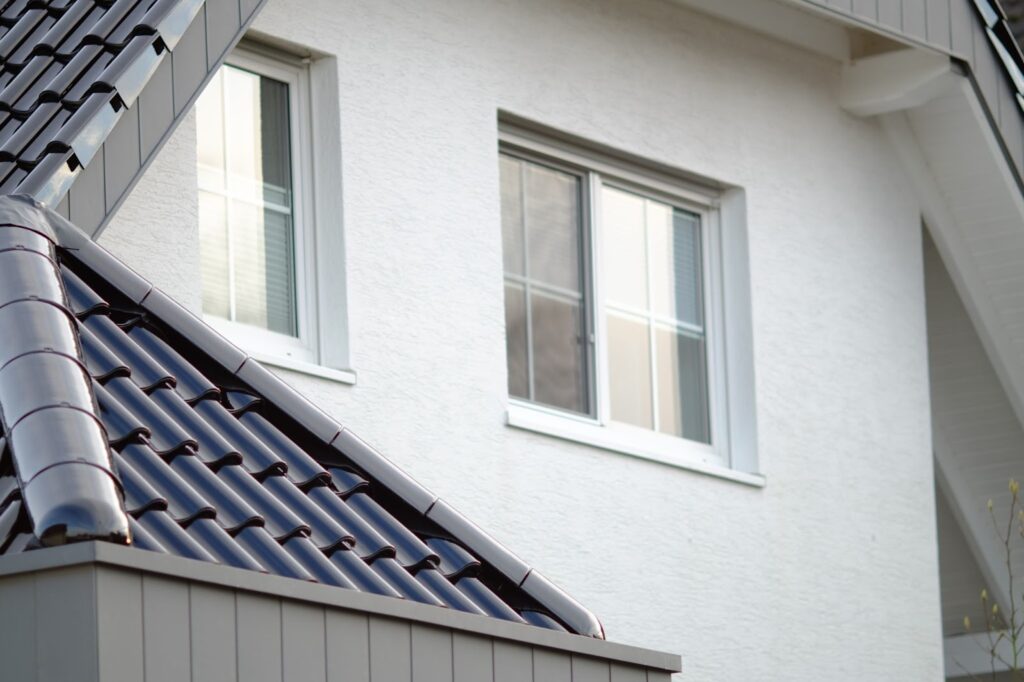
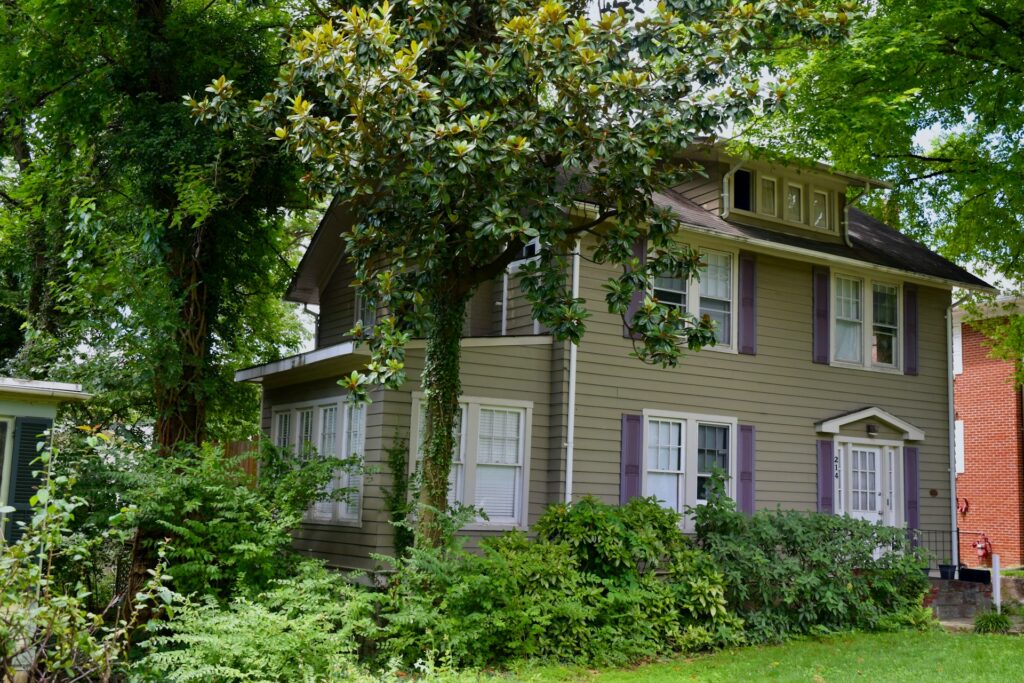
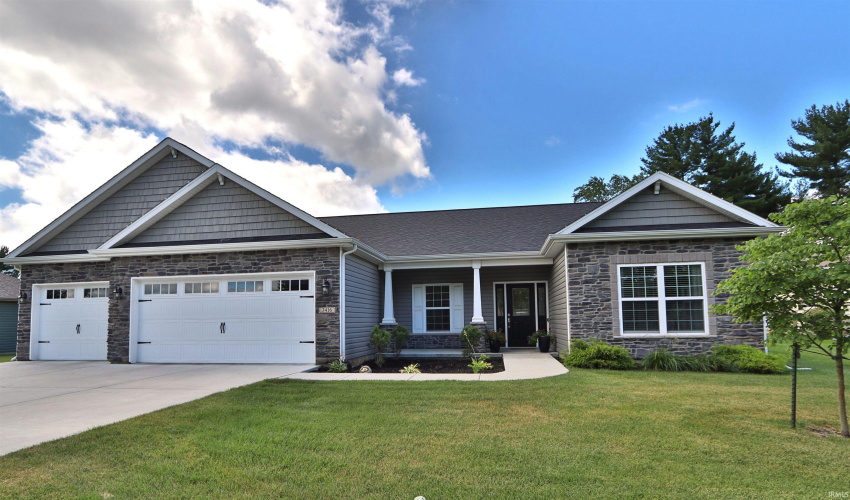
Exterior siding in Wisconsin deals with constant environmental pressure that shifts with every season. Snow, wind, and humidity cycles all influence how materials expand, contract, and eventually weaken. When these forces combine over time, small vulnerabilities can develop into noticeable exterior damage. This is where siding repair in Wisconsin becomes a practical necessity rather than a cosmetic fix.
Field experience shows that siding issues rarely appear suddenly. They develop gradually as moisture, temperature change, and structural movement interact across different parts of the home. Krumm Exteriors approaches these conditions by focusing on how long-term exposure shapes failure patterns rather than treating each visible defect in isolation.
Moisture Pathways Behind Exterior Surfaces
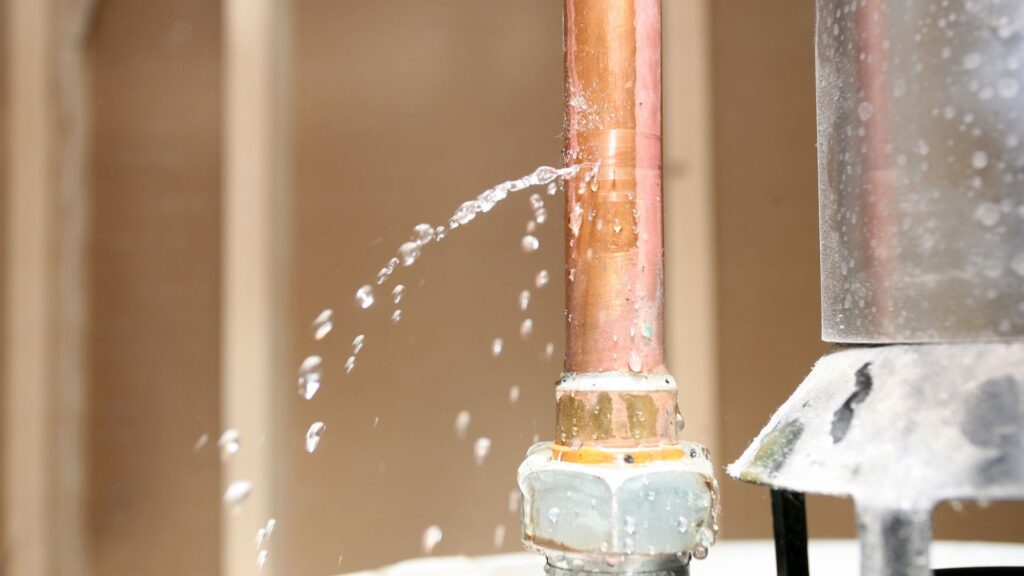
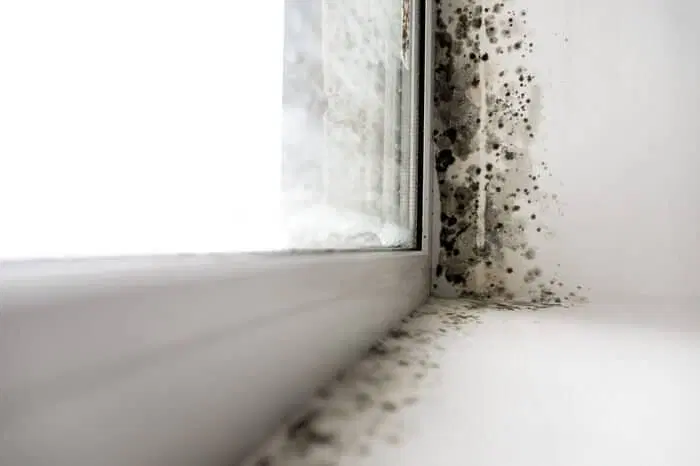
Moisture is one of the most persistent challenges affecting siding systems in Wisconsin. It does not always enter through obvious openings. Instead, it often moves through small gaps created by aging seals, loose panels, or subtle shifts in structural alignment. Once inside, it can travel behind siding layers and remain hidden for long periods.
This trapped moisture creates conditions that weaken both siding and the materials beneath it. Wood sheathing can soften, insulation can lose effectiveness, and fasteners may begin to corrode. These issues often remain unnoticed until surface damage becomes visible.
In many cases, siding repair in Wisconsin is prompted by moisture that has been building behind exterior surfaces for months or even seasons. Krumm Exteriors evaluates these conditions by tracing how water moves through wall systems rather than focusing only on where it becomes visible.
Freeze-Thaw Cycles and Material Stress
Wisconsin weather introduces repeated freeze-thaw cycles that place siding under continuous stress. Water that enters small openings freezes and expands, pushing materials apart and widening gaps. When temperatures rise, that same water melts and spreads further into the structure.
This cycle repeats throughout winter and early spring, gradually weakening siding panels and their connections. Over time, even durable materials begin to shift or warp under repeated expansion and contraction. These changes often lead to misalignment, cracking, or separation at seams.
Krumm Exteriors often evaluates siding performance with this cycle in mind, recognizing that visible damage is often the final stage of a longer process of internal stress.
Identifying Early Warning Signs
Early indicators of siding problems are often subtle. Slight color variation, uneven panel alignment, or small gaps around windows can suggest underlying movement or moisture intrusion. In some cases, exterior walls may feel colder indoors, signaling reduced insulation performance behind the siding.
These early signs are important because they often appear long before structural damage becomes visible. Addressing them early reduces the scope of necessary repairs and helps prevent further deterioration.
Siding repair in Wisconsin is often more effective when these early indicators are addressed before seasonal weather changes intensify existing weaknesses. Krumm Exteriors emphasizes careful observation of these subtle shifts during inspections to catch issues before they expand.
Repair Approaches for Long-Term Stability
Effective siding repair involves more than replacing damaged sections. The underlying cause of failure must also be addressed to prevent recurring issues. This may include correcting moisture pathways, reinforcing structural backing, or improving drainage around exterior walls.
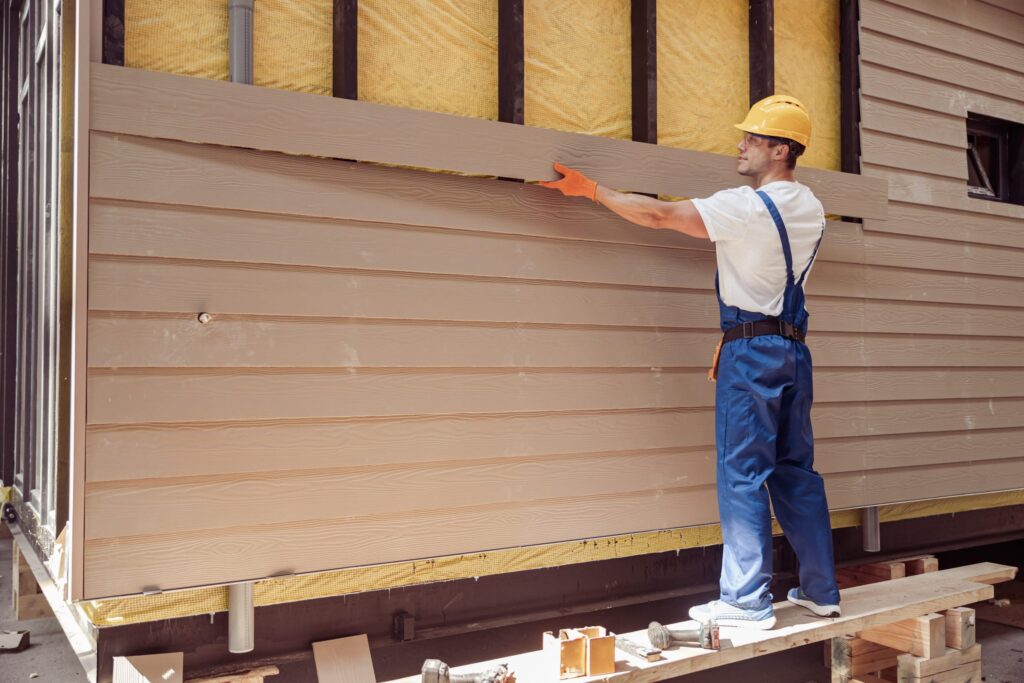
Matching new materials with existing siding is also important for maintaining consistent protection. Improper integration can create weak points where future damage is more likely to occur. Repairs that consider both structural and environmental factors tend to last longer under Wisconsin’s changing weather conditions.
Krumm Exteriors applies repair methods that focus on restoring full system integrity rather than isolated surface fixes. This approach helps ensure that repaired areas remain stable through future seasonal cycles.
Material Performance in Regional Conditions
Different siding materials respond differently to Wisconsin’s climate. Vinyl can expand and contract with temperature shifts, while wood requires careful moisture management to prevent rot and warping. Fiber cement offers strong durability but still depends on proper installation and sealing.
Understanding how each material behaves under local conditions helps guide repair decisions. Material compatibility is especially important when replacing only portions of a siding system. Inconsistent performance between old and new sections can create uneven stress distribution.
Krumm Exteriors evaluates material behavior as part of the repair process, ensuring that replacements align with both structural needs and environmental demands.
Preventing Future Exterior Damage
Preventive maintenance plays a key role in reducing siding failure over time. Regular inspections help identify early-stage issues before they develop into larger structural concerns. Keeping gutters clear, sealing gaps around windows, and monitoring high-exposure areas all contribute to long-term stability.
Proper ventilation inside the home also supports exterior performance by reducing trapped moisture that can migrate into wall systems. Seasonal checks are especially valuable after winter, when freeze-thaw cycles are most active.
Consistent maintenance reduces the frequency of major siding repair in Wisconsin and helps extend the lifespan of exterior materials. Krumm Exteriors encourages a steady maintenance rhythm that aligns with seasonal transitions and weather patterns.
Conclusion
Siding systems in Wisconsin operate under constant environmental pressure that gradually influences their performance and durability. Moisture movement, freeze-thaw cycles, and structural shifts all contribute to long-term wear that often appears slowly before becoming visible.
When these patterns are understood and addressed early, siding systems remain more stable and reliable across changing seasons. Careful inspection, thoughtful repair strategies, and consistent maintenance work together to protect homes from ongoing environmental stress and reduce the need for repeated exterior repairs.