








































































































































































































































































































































































































































































































































































































































































































































































































































































































































































































































































































































































































































































































































































































































































































































































































































































































































































































































































































How do adaptive lenses work?

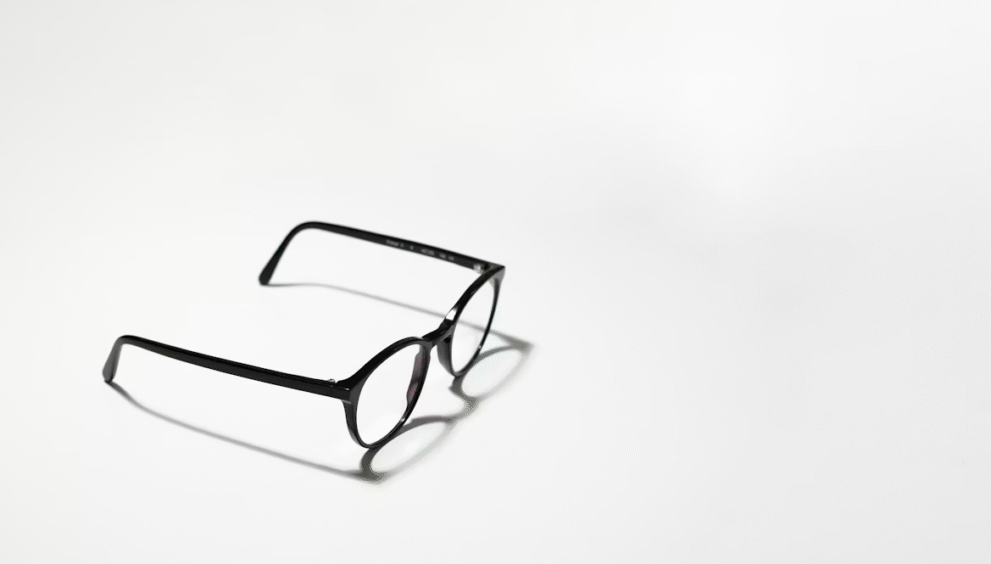
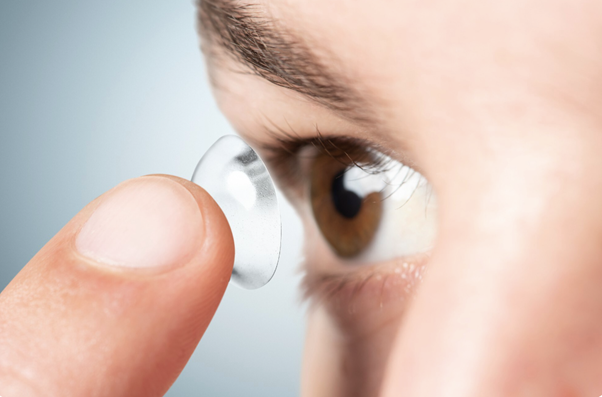
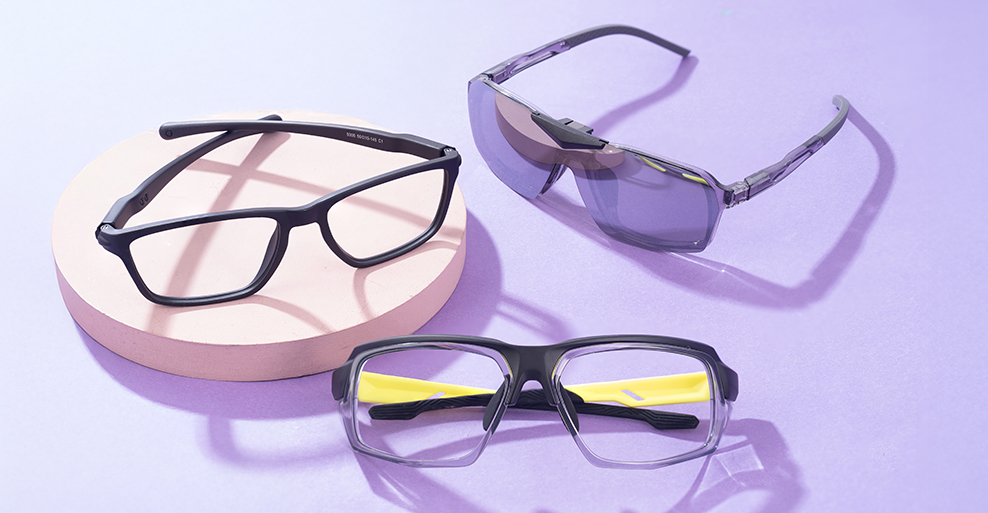
There is a particular moment, stepping out of a dim café into sharp afternoon light, when ordinary lenses reveal their limits. You squint, hesitate, and wish your glasses would keep up. Adaptive lenses were designed precisely for that in-between space, shifting with the light so the wearer does not have to.
Most of us know them by another name: photochromic lenses. The best known examples include Transitions lenses, which popularised the technology in everyday spectacles. But the principle is shared across brands and manufacturers. The question, put simply, is how do adaptive lenses work?
The chemistry behind the change
At the heart of adaptive lenses is a chemical reaction triggered by ultraviolet light. The lens material contains special photochromic molecules. Indoors, where UV levels are low, these molecules remain in a stable, almost invisible state. The lenses appear clear.
Step outside and the chemistry shifts. Ultraviolet rays activate the molecules, causing them to change structure. As they do, they begin to absorb portions of visible light, which makes the lenses darken. When UV exposure drops, the molecules gradually revert to their original form and the lenses fade back to clear.
It sounds dramatic, but the transition is subtle and continuous. There is no mechanical movement, no electronic component. The adjustment is molecular, happening across the surface of the lens.
Why UV light matters
One common misunderstanding is that adaptive lenses respond simply to brightness. In fact, it is UV radiation that drives the change. This explains why they may not darken as effectively inside a car. Modern windscreens typically block most ultraviolet light, even if the day appears dazzlingly bright.
Temperature also plays a part. In colder conditions, the darkening effect can become more pronounced and linger slightly longer. On a hot summer day, lenses may lighten more quickly. These nuances are not flaws, but reflections of the underlying chemistry.
Materials and modern refinements
Early versions of adaptive lenses were made primarily from glass and relied on silver halide crystals embedded within the material. Contemporary lenses are more often crafted from lightweight plastics, with photochromic compounds integrated into or layered onto the lens surface.
Manufacturers have refined the technology considerably over the past two decades. Modern adaptive lenses tend to change more quickly and return to clear with less delay than earlier iterations. Some are designed to adapt behind car windscreens by responding to visible light as well as UV, addressing a long-standing frustration for drivers.
There are also subtle variations in colour. While grey and brown remain common, newer options include softer tones that alter contrast and depth perception in different ways. The choice is less about fashion than about visual comfort and how the eye processes changing environments.
Everyday practicality
For people who move frequently between indoors and outdoors, adaptive lenses remove a small but persistent inconvenience. There is no need to switch between prescription glasses and sunglasses, nor to carry an extra case.
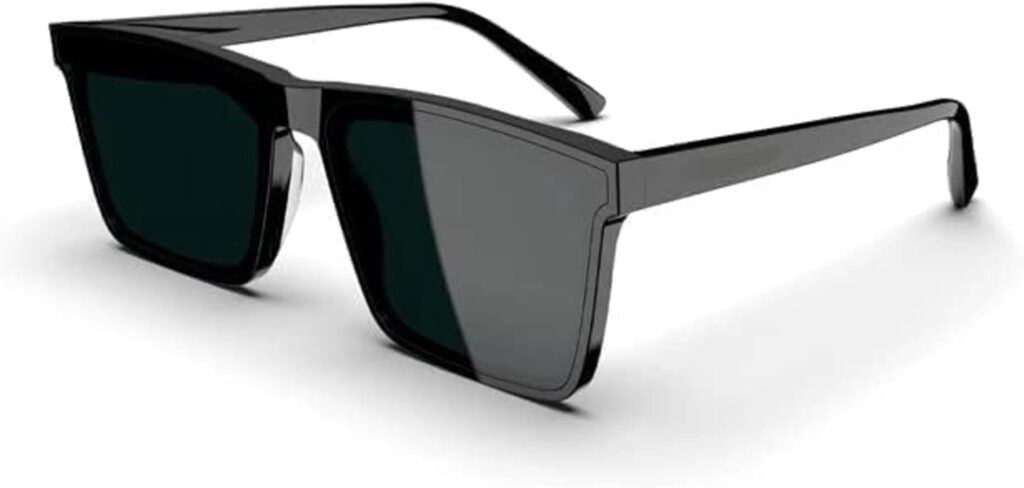
That said, they are not identical to dedicated sunglasses. In very intense sunlight, particularly at the beach or on snow, a pair of polarised sunglasses can still offer stronger glare reduction. Adaptive lenses are a compromise in the most literal sense: an accommodation between two lighting conditions.
They also retain a faint residual tint indoors for some wearers, particularly with older lens types. For many, this is barely perceptible. For others, especially those sensitive to colour shifts, it can take a little getting used to.
A quiet piece of engineering
So how do adaptive lenses work? Through a controlled chemical response to ultraviolet light, adjusting their tint according to the environment. It is a restrained piece of engineering, less dramatic than it first appears, but quietly effective.
There is something reassuring about the simplicity of the idea. No batteries, no settings, no visible mechanism. Just a material responding to the light around it, returning to clarity when the moment passes.