

















































































































































































































































































































































































































































































































































































































































































































































































































































































































































































































































































































































































































































































































































































































Hair Transplant in Turkey: DHI vs Sapphire FUE Explained

For over a decade, Turkey has served as the global epicenter for hair restoration, attracting hundreds of thousands of international patients each year. What began as a niche market for affordable medical travel has evolved into a sophisticated industry led by some of the world’s most experienced surgeons.
If you have spent any time researching a hair transplant, you have likely encountered two acronyms that dominate the conversation: Sapphire FUE and DHI. Choosing between them can feel like navigating a maze of medical jargon.
This guide aims to demystify these techniques, providing an objective comparison to help you decide which path is right for your journey toward a fuller head of hair.
Why Turkey Became a Global Leader in Hair Transplant
Turkey’s dominance in the field of hair restoration is no accident. It is the result of a “perfect storm” of high surgical volume, government support, and specialized medical infrastructure.
- Unmatched Experience: Turkish surgeons often perform more procedures in a month than many Western counterparts do in a year. This high volume leads to a refined “muscle memory” for hairline design and graft placement.
- Technological Integration: While some countries still rely on traditional steel blades, Sapphire FUE Turkey clinics have made advanced materials the standard.
- All-Inclusive Ecosystem: The concept of the “hair transplant package” was perfected here. These typically include 5-star accommodation, VIP transfers, and comprehensive aftercare, making the process seamless for international patients.
- Cost-Efficiency: The hair transplant cost Turkey remains significantly lower than in the US or UK, not due to lower quality, but because of lower labor costs and favorable exchange rates.
Overview of Modern Hair Transplant Techniques
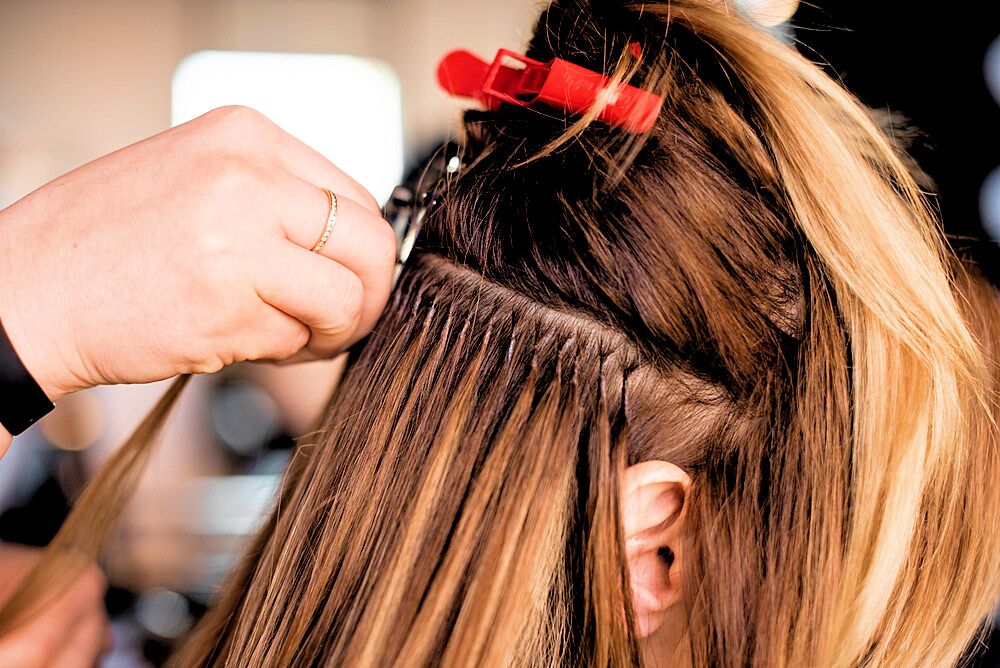
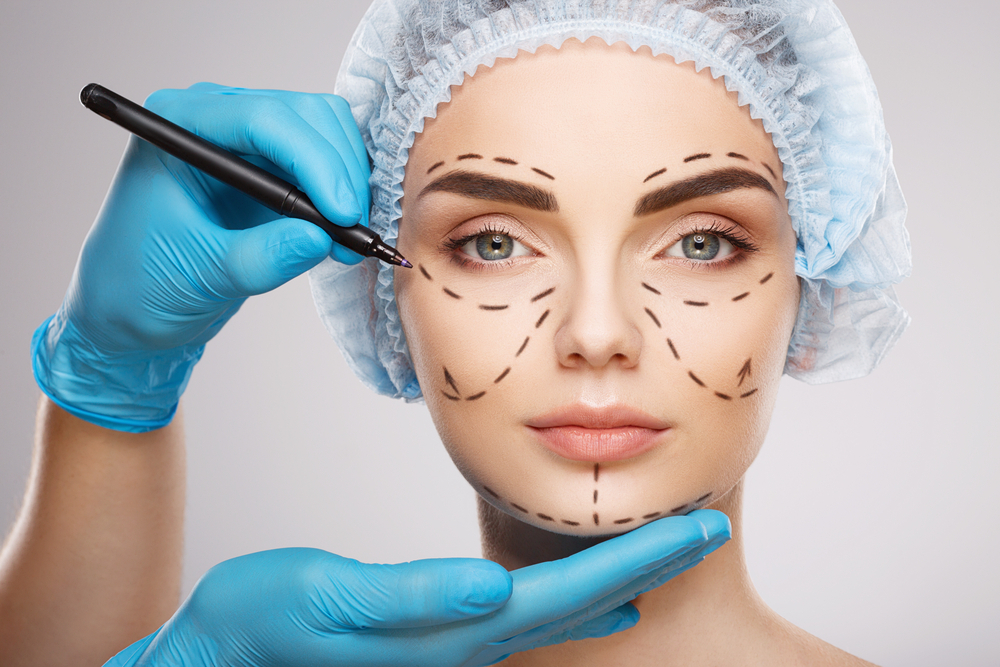
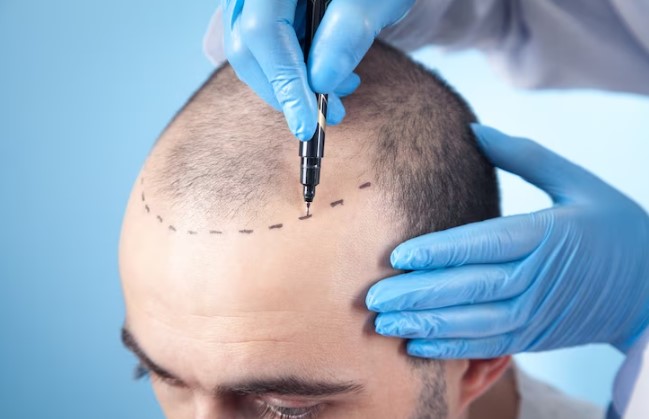
Modern hair restoration has moved far beyond the “hair plugs” of the 1990s. Today, the focus is on Follicular Unit Extraction (FUE). This is a minimally invasive procedure where individual hair follicles (grafts) are extracted from a donor area, usually the back of the head, and moved to thinning areas.
Under the umbrella of FUE, two primary “gold standard” methods have emerged: Sapphire FUE and Direct Hair Implantation (DHI). While they share the same extraction phase, they differ fundamentally in how the hair is implanted.
What is Sapphire FUE Turkey?
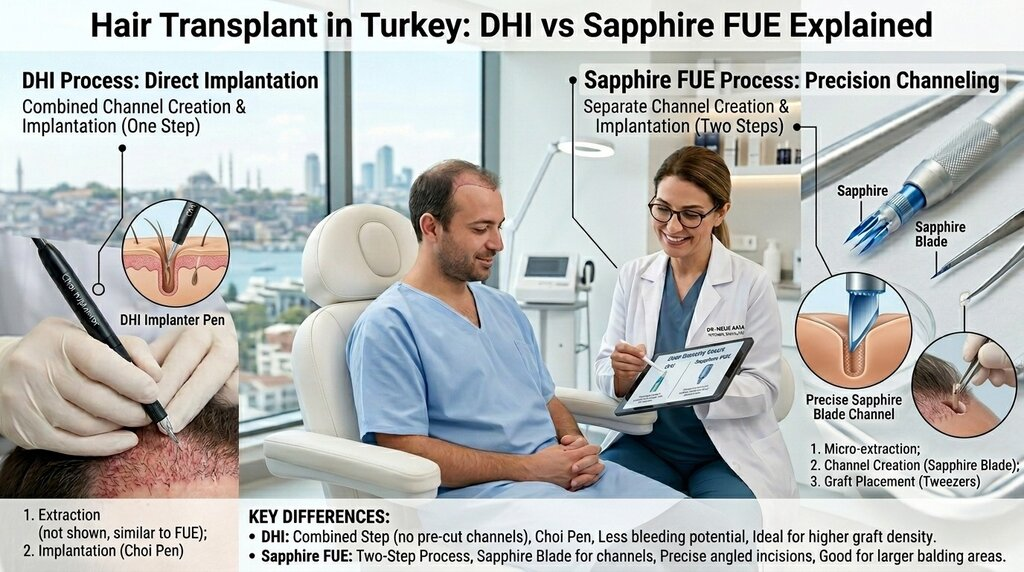
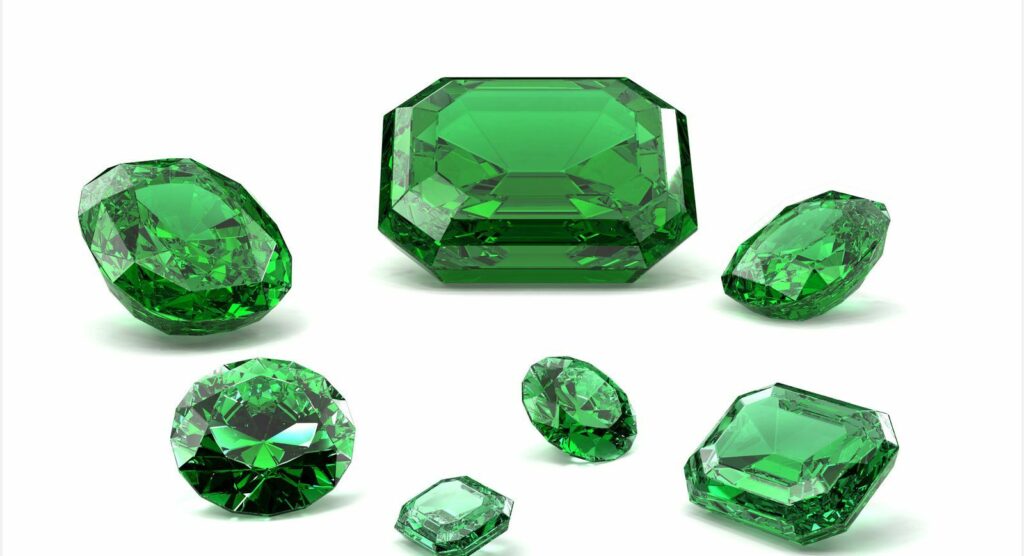
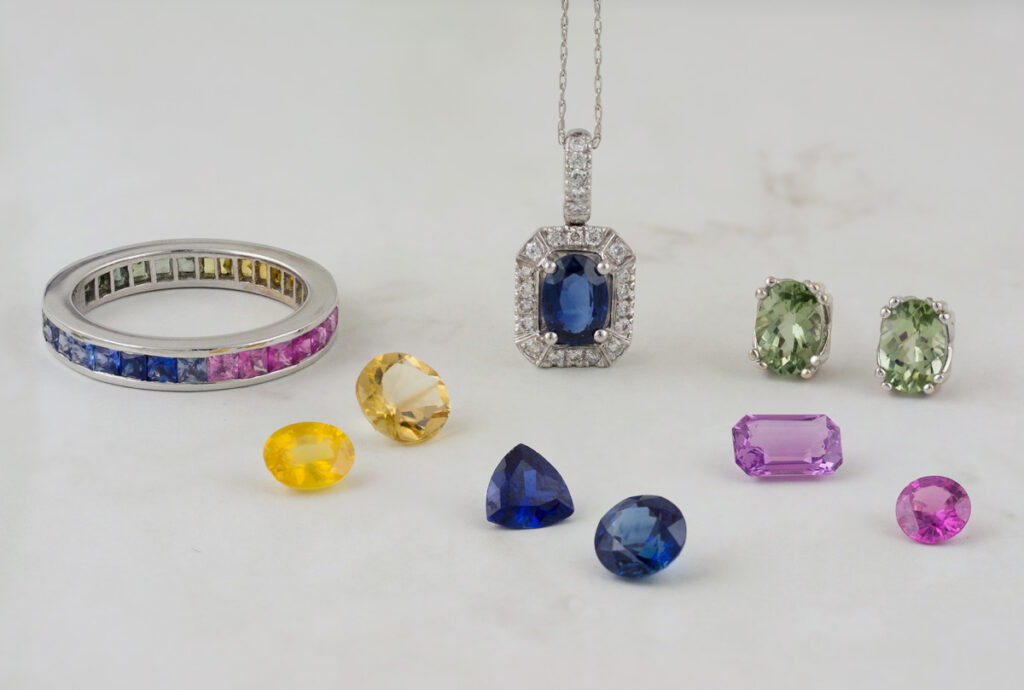
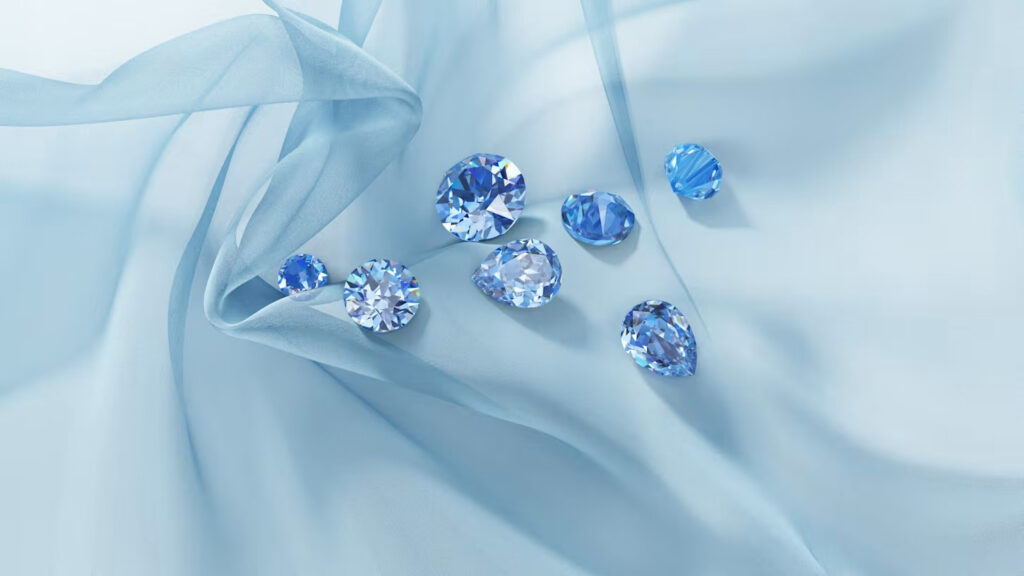
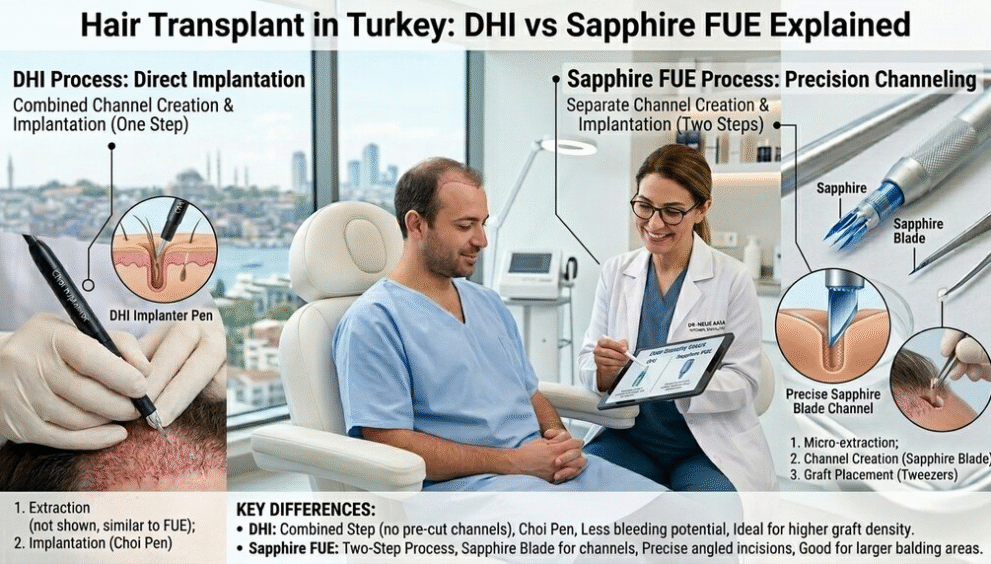
Sapphire FUE Turkey is an evolution of the traditional FUE method. The “Sapphire” refers to the blades used to create the micro-channels where the hair will be placed. Unlike surgical steel, sapphire is a gemstone that can be honed to a much sharper, smoother edge.
The Procedure
- Extraction: Grafts are removed using a micro-motor tool.
- Channel Opening: The surgeon uses sapphire blades to open thousands of tiny incisions.
- Implantation: The extracted grafts are manually placed into these channels using forceps.
Advantages and Disadvantages
- Pros: The sapphire blades are V-shaped, allowing for smaller, more precise incisions. This leads to less tissue trauma, reduced scabbing, and a faster healing process. It is also ideal for achieving high density over large areas.
- Cons: It requires a high level of surgeon skill to ensure the angle and depth are consistent across thousands of manual incisions.
Ideal Candidates
Sapphire FUE is typically recommended for patients with extensive hair loss (Norwood Scale 4 or higher) who require a high number of grafts (3,000 to 5,000+) to cover large balding areas in a single session
What is DHI Hair Transplant?
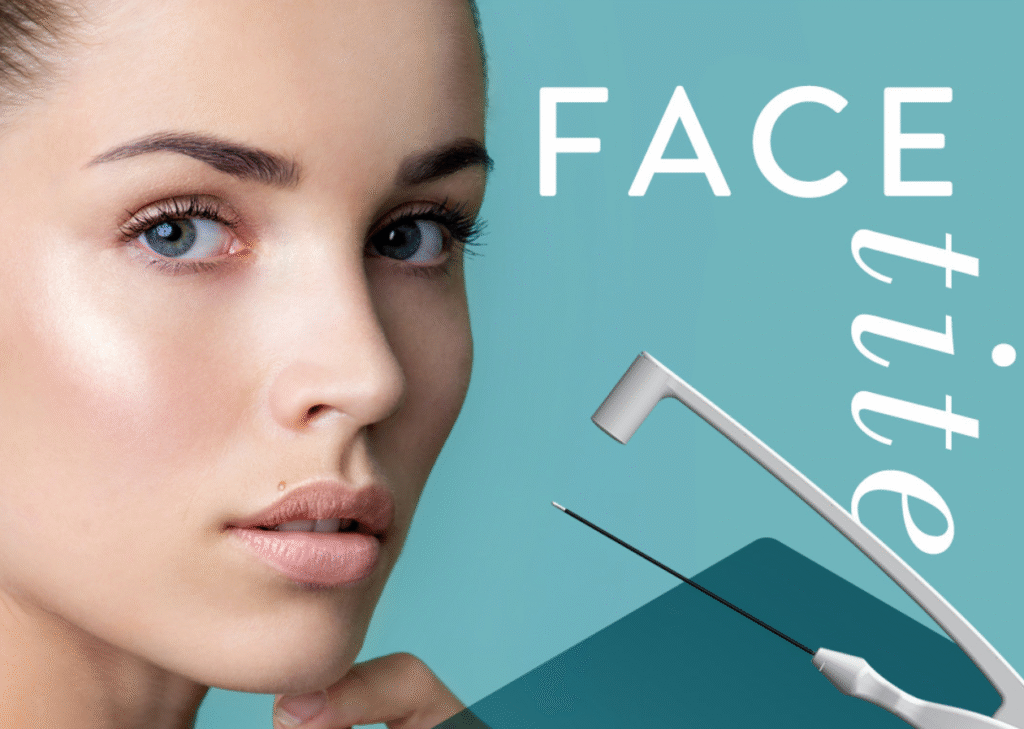
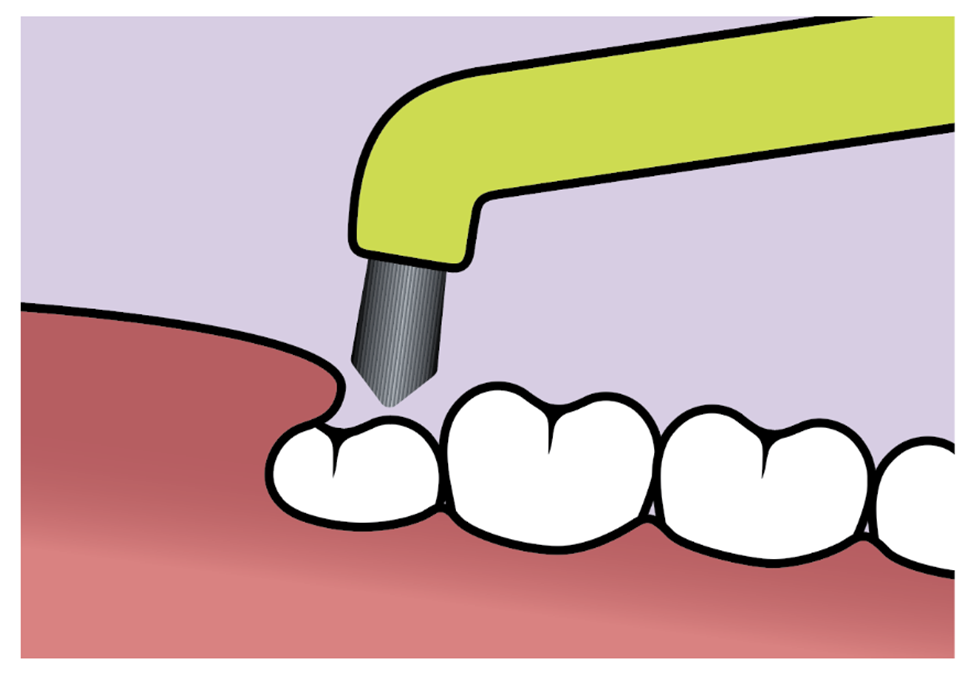
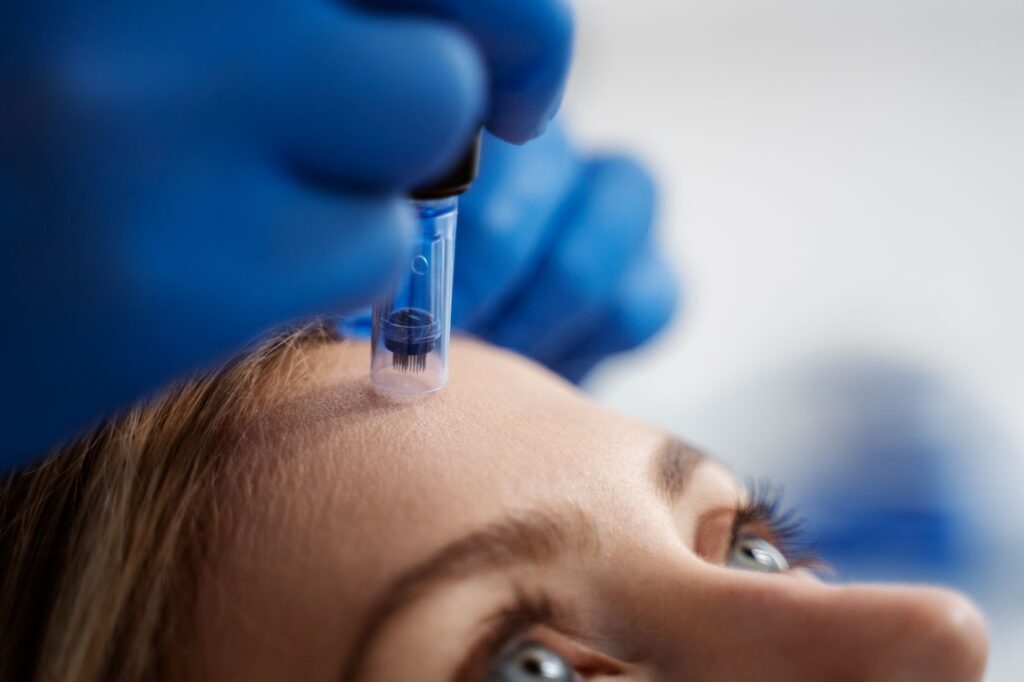
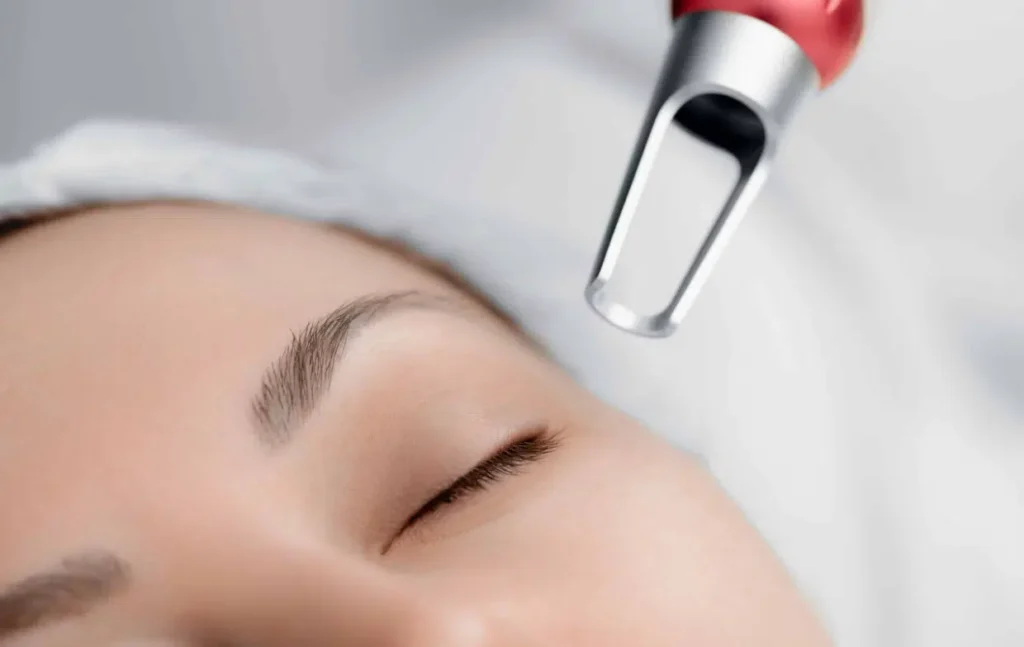
DHI hair transplant is often marketed as the most advanced technique available. Its hallmark is the use of the Choi Implanter Pen, a specialized tool that eliminates the need for a separate “channel opening” stage.
The Procedure
- Extraction: Similar to FUE, follicles are harvested individually.
- Loading: The grafts are loaded into the hollow needle of the Choi pen.
- Direct Implantation: The surgeon uses the pen to simultaneously open the channel and insert the graft.
Advantages and Disadvantages
- Pros: DHI hair transplant in Turkey offers extreme precision in controlling the angle and direction of hair growth. Because the grafts spend less time outside the body, survival rates can be slightly higher. It also allows for “unshaven” transplants in some cases.
- Cons: It is a more time-consuming and labor-intensive process. Because of the technical demands, it is usually more expensive than other methods.
Ideal Candidates
DHI is perfect for patients looking to lower their hairline, fill in temple peaks, or increase density in specific thinning spots without shaving their entire head. It is generally preferred for procedures requiring fewer than 2.500 – 3.000 grafts.
Key Differences: DHI Hair Transplant vs FUE Hair Transplant
While both produce excellent results, the choice often comes down to the specific needs of your scalp.
| Feature | Sapphire FUE | DHI Hair Transplant |
| Incision Tool | Sapphire Gemstone Blades | Choi Implanter Pen |
| Process | Three stages (Extract, Open, Plant) | Two stages (Extract, Direct Plant) |
| Max Grafts | Up to 5,000+ in one session | Typically up to 2,500–3,000 |
| Shaving | Usually requires a full shave | Can be done with partial/no shave |
| Hairline Precision | Excellent | Superior / High Artistry |
| Cost | More affordable | Higher premium |
Recovery Time Comparison
One of the biggest concerns for patients traveling for a hair transplant in Turkey is how soon they can return to work.
- Days 1 to 3: Both techniques involve some swelling and redness. You will have your first “medical wash” at the clinic.
- Days 4 to 10: Tiny scabs will form. With Sapphire FUE, these scabs are often smaller due to the clean cuts of the gemstone. In DHI, scabbing may be even more minimal because there is less overall trauma to the recipient area.
- Week 2: Most scabs will have fallen off. The donor area (where the hair was taken) usually heals faster than the recipient area.
In general, most patients feel comfortable appearing in public after 7 to 10 days.
Results and Natural Density Expectations
Regardless of the technique, the “final look” takes time. You will experience “shock loss” (temporary shedding) around the one-month mark. This is normal. New growth begins at three months, with the final results appearing between 12 and 18 months.
Sapphire FUE is known for “dense packing,” where the sharp blades allow channels to be placed very close together. DHI is renowned for “natural angulation,” ensuring that the hair grows at the exact degree required to mimic your original hair flow.
Hair Transplant Cost Turkey: Pricing and Transparency
In 2026, the hair transplant cost Turkey remains the best value in the world. However, price should not be your only metric.
- Standard Sapphire FUE: Typically ranges from $2.200 to $3.000.
- DHI Hair Transplant: Typically ranges from $2.600 to $4.000.
What affects the price?
- Graft Count: Some clinics offer “unlimited grafts,” while premium clinics charge based on the complexity of the case.
- Surgeon Involvement: Expect to pay more for a procedure where a world-renowned surgeon performs the incisions personally, rather than a team of technicians.
- Hospital Standards: A JCI-accredited hospital environment will cost more than a small private clinic but offers significantly higher safety standards.
Choosing the Right Technique for Your Goals
There is no “best” technique, only the best technique for you.
- Choose Sapphire FUE if: You have a large area of baldness to cover (Stage 5+ on the Norwood Scale), you are on a budget, and you want a proven, efficient method for high-volume graft survival.
- Choose DHI if: You are primarily concerned about your hairline, you have thinning (rather than total baldness) and want to protect existing hair, or you strongly prefer not to shave your head.
Common Misconceptions About DHI and Sapphire FUE
- “DHI is always better than FUE“: Not necessarily. For someone needing 5,000 grafts, DHI might take too long, potentially keeping grafts out of the body for too long. In this case, Sapphire FUE is medically superior.
- “Sapphire blades are just a marketing gimmick.” Incorrect. Clinical studies show that the smoothness of sapphire reduces the vibration during channel opening, which significantly lowers the risk of tissue tearing and scarring.
- “Turkey is only popular because it’s cheap“: While cost is a factor, the primary driver is the concentration of specialized expertise. Many Western doctors now travel to Istanbul to learn these specific techniques.
Importance of Surgeon Expertise and Clinic Standards
The tool (the sapphire blade or the Choi pen) is only as good as the hand that holds it. When choosing a clinic for your hair transplant in Turkey, look for:
- ABHRS or ISHRS Membership: This indicates the surgeon is part of an internationally recognized board.
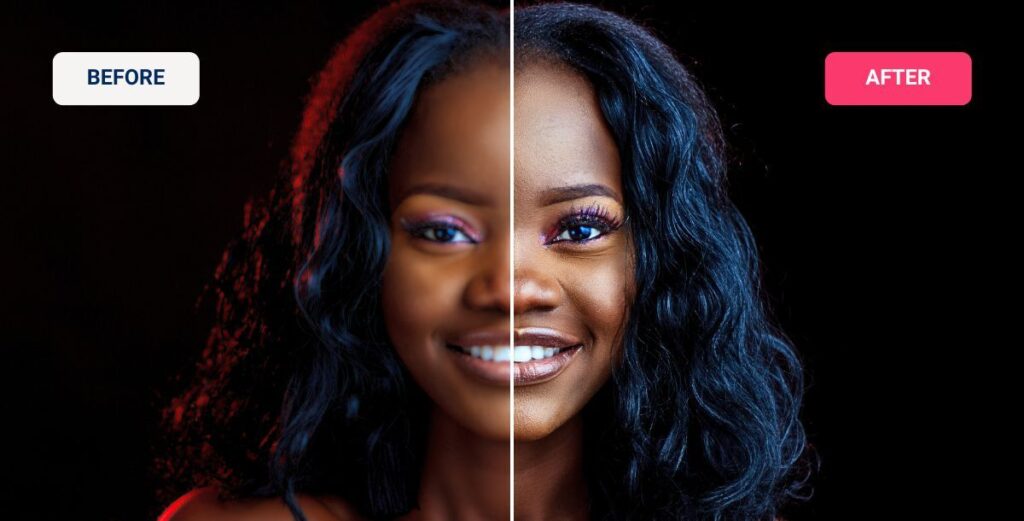
- Real Patient Photos: Look for “before and after” shots that show a clear, natural hairline transition, not just “more hair.”
- Communication: A reputable clinic will provide a medical assessment before you even book your flight.
Final Guidance for International Patients
A hair transplant is a permanent change to your appearance. While the journey to Turkey offers a unique opportunity for high-quality restoration at an accessible price, it requires due diligence.
Don’t be swayed by the lowest possible price. Instead, focus on the technique that aligns with your hair loss stage and the surgeon whose aesthetic style matches your goals. Whether you choose the broad-coverage efficiency of FUE hair transplant in Turkey with Sapphire blades or the surgical artistry of DHI hair transplant, Turkey provides a level of care that is difficult to match elsewhere.
The confidence that comes from a restored hairline is life-changing. By understanding the nuances of these modern techniques, you are already halfway to a successful result.