























































































































































































































































































































































































































































































































































































































































































































































































































































































































































































































































































































































































































































































































































































































































































































































































How to Teach Personal Hygiene with Sensitivity and Respect

Talking about personal hygiene can be incredibly tricky. It’s one of those subjects that everyone knows is important, yet the moment you have to bring it up, the air in the room seems to get a bit heavy. Whether you are a parent, a carer, or someone working in education, approaching the topic of washing, brushing, and general cleanliness requires a delicate touch. It’s not just about rules or health; it is deeply tied to dignity and self-esteem.
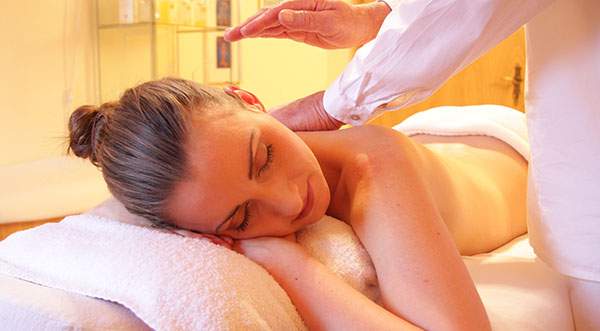
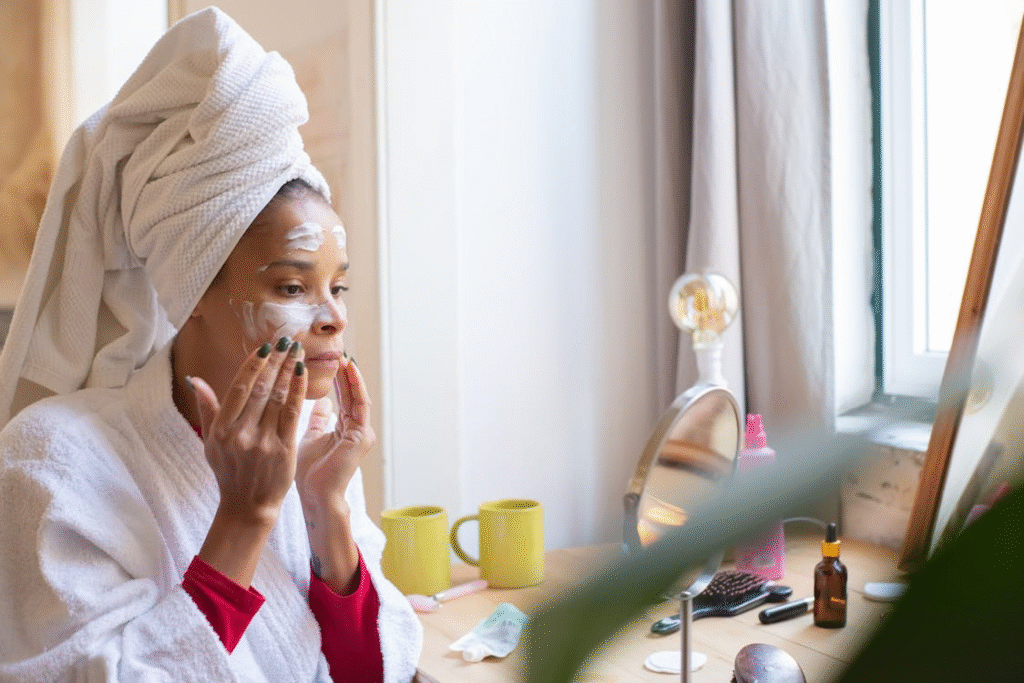
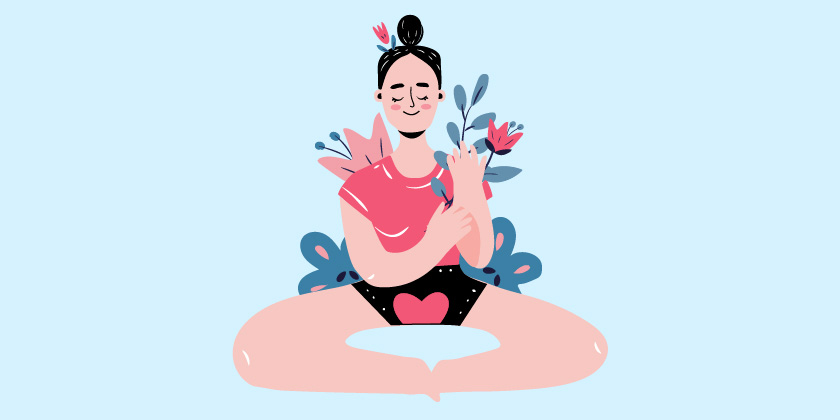
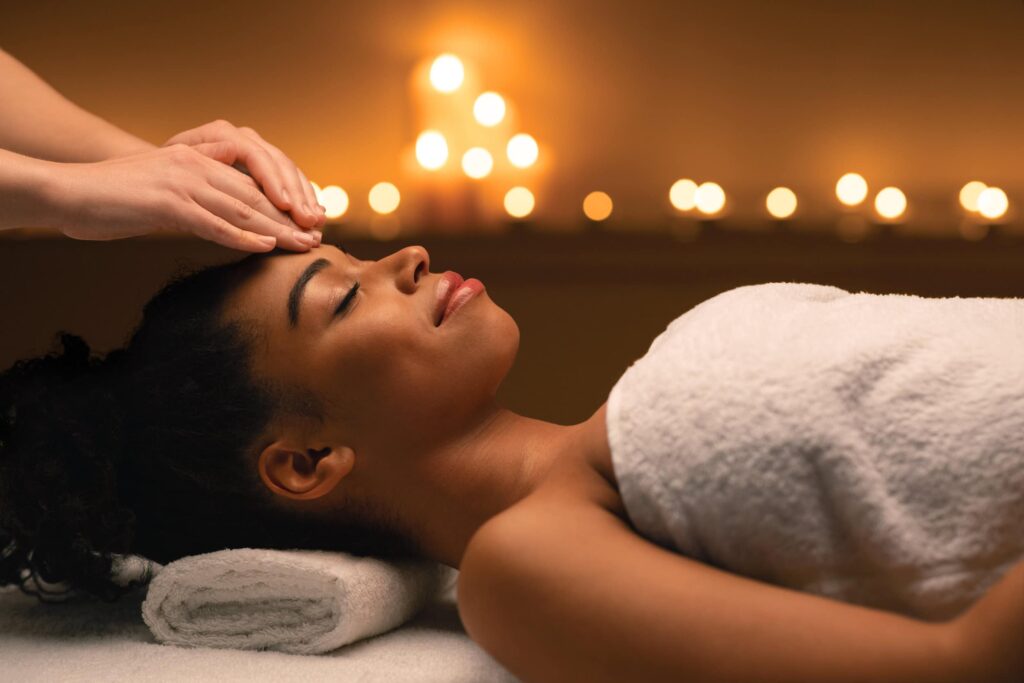
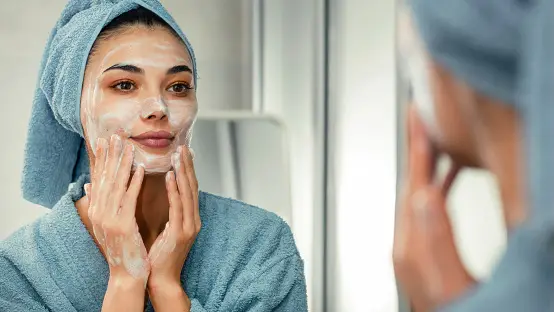
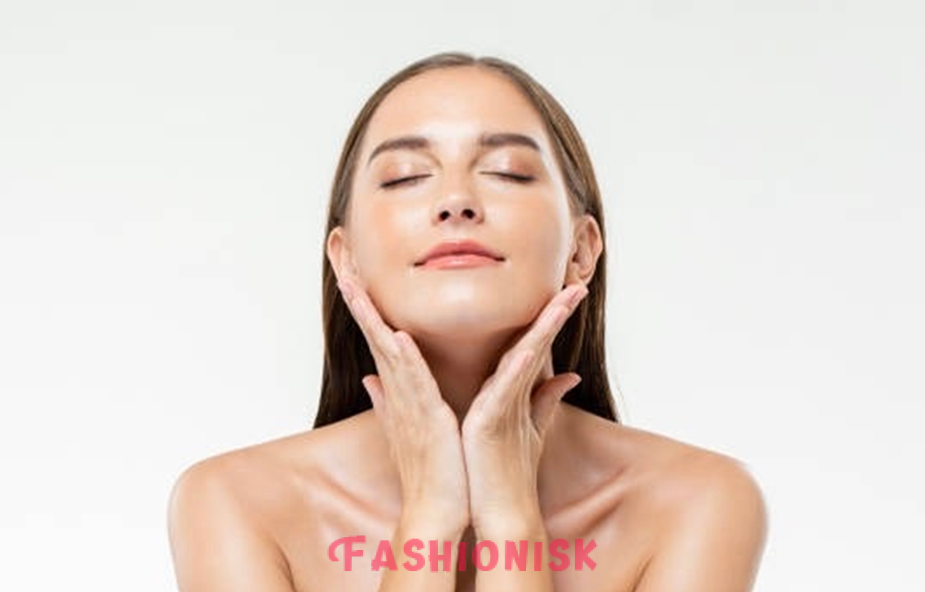
Reframe the Routine as Self-care
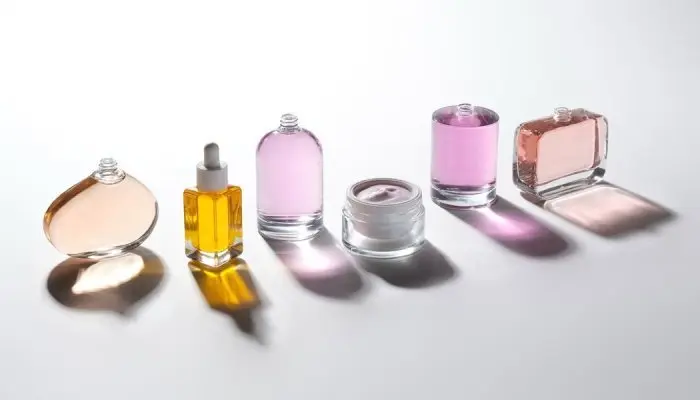
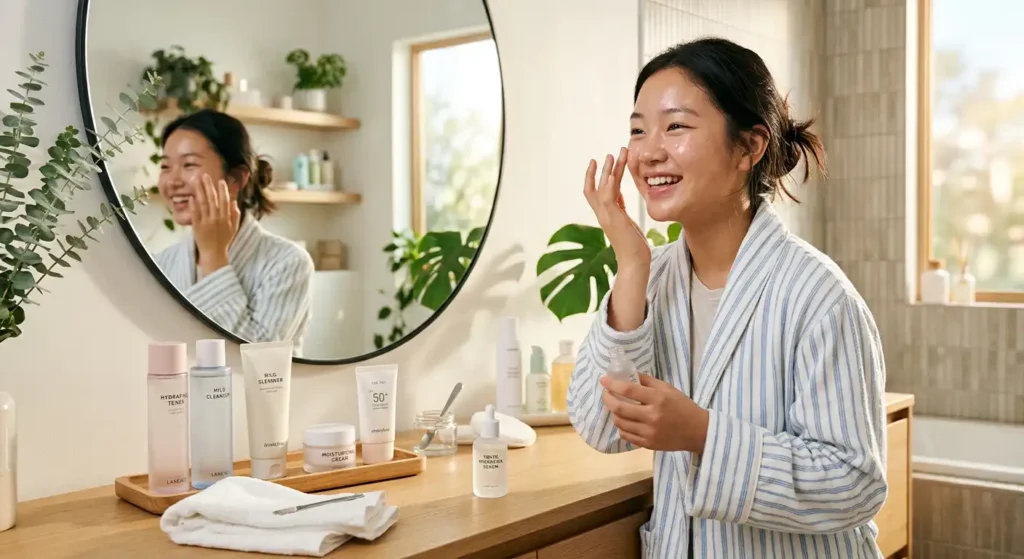
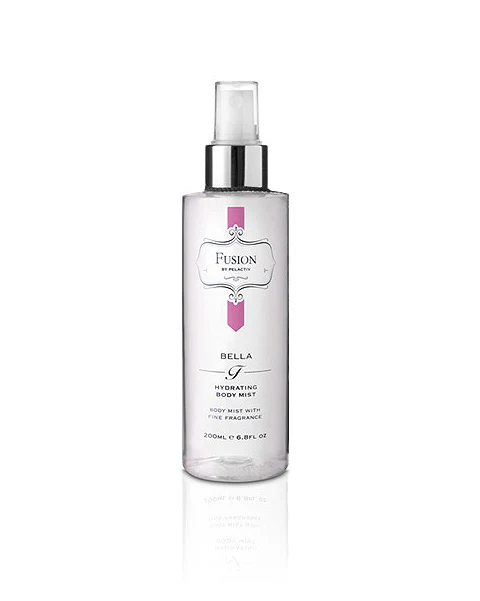
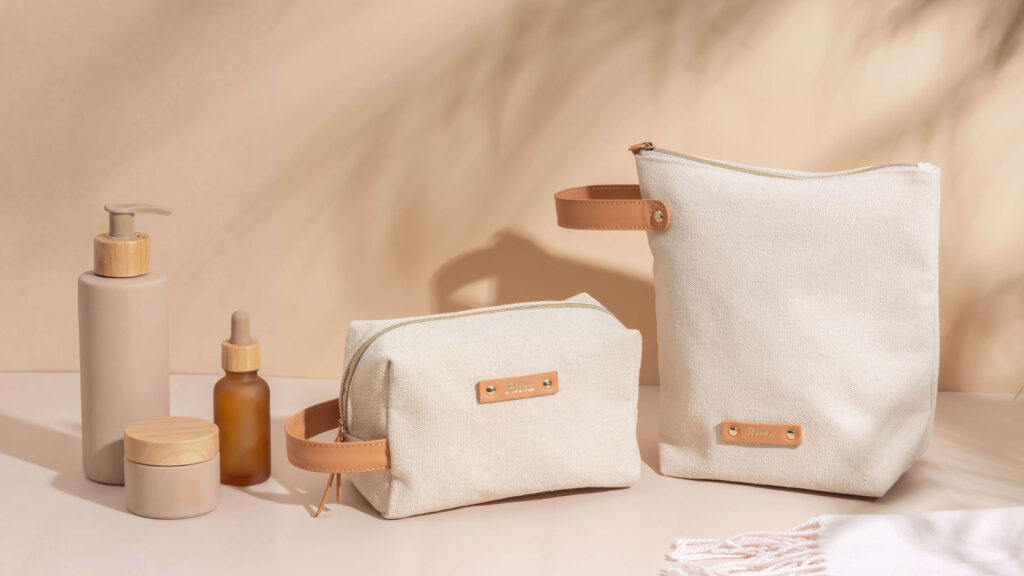
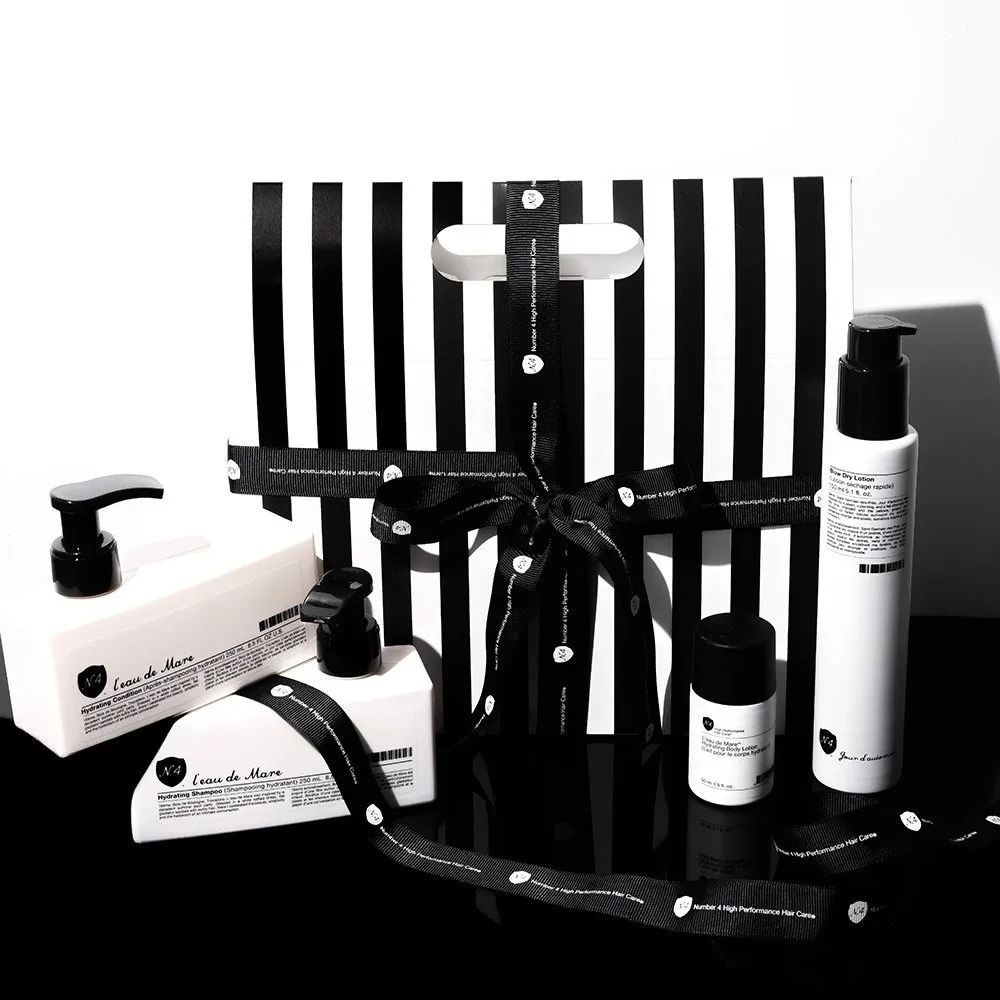
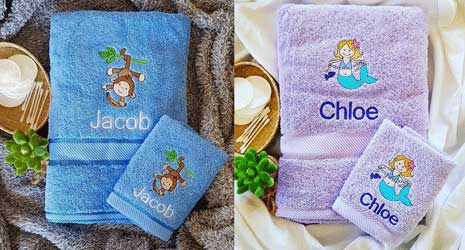
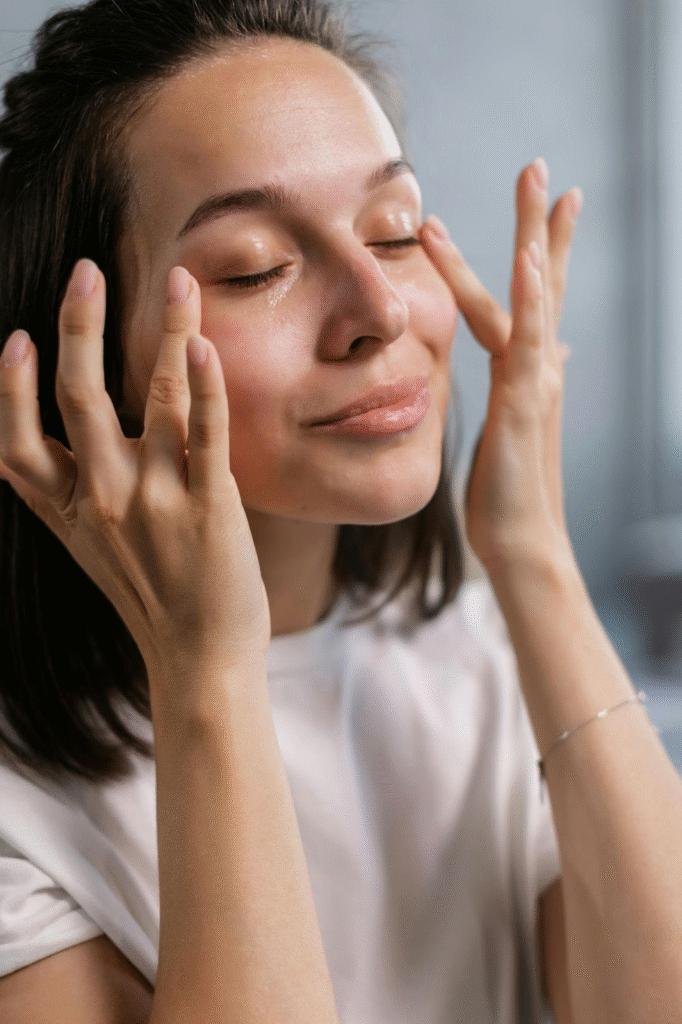
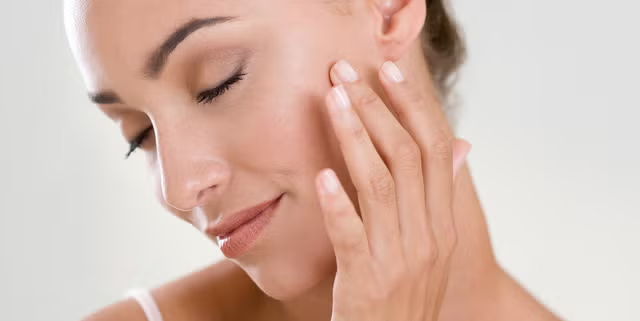
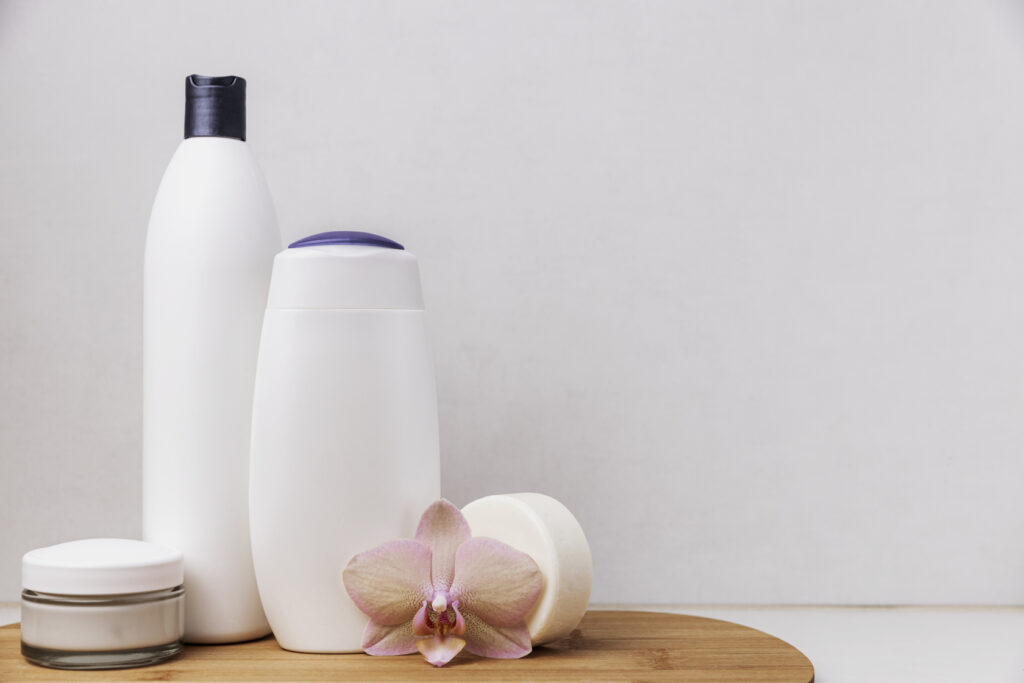
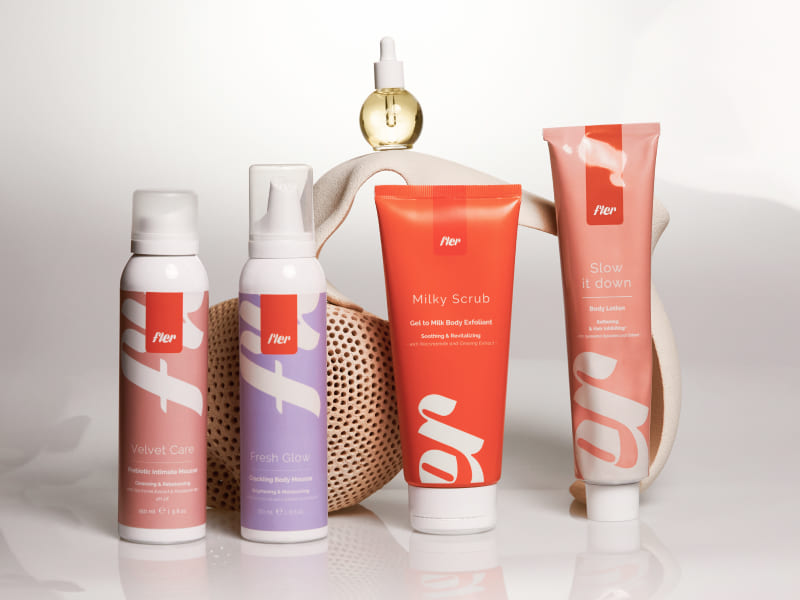
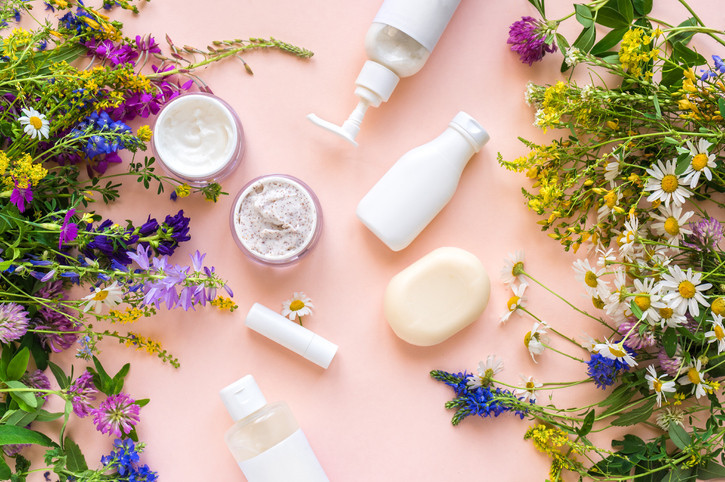
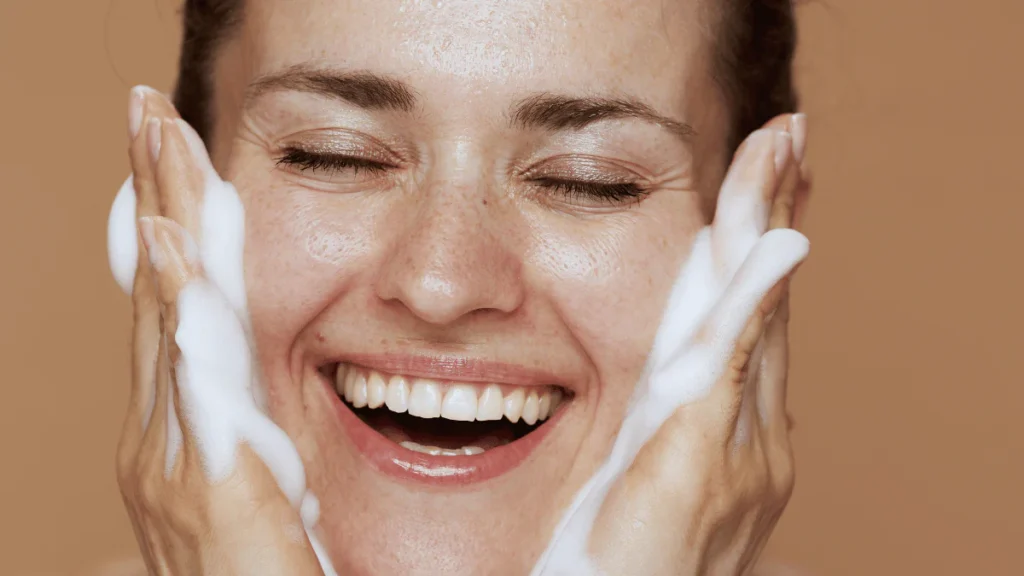
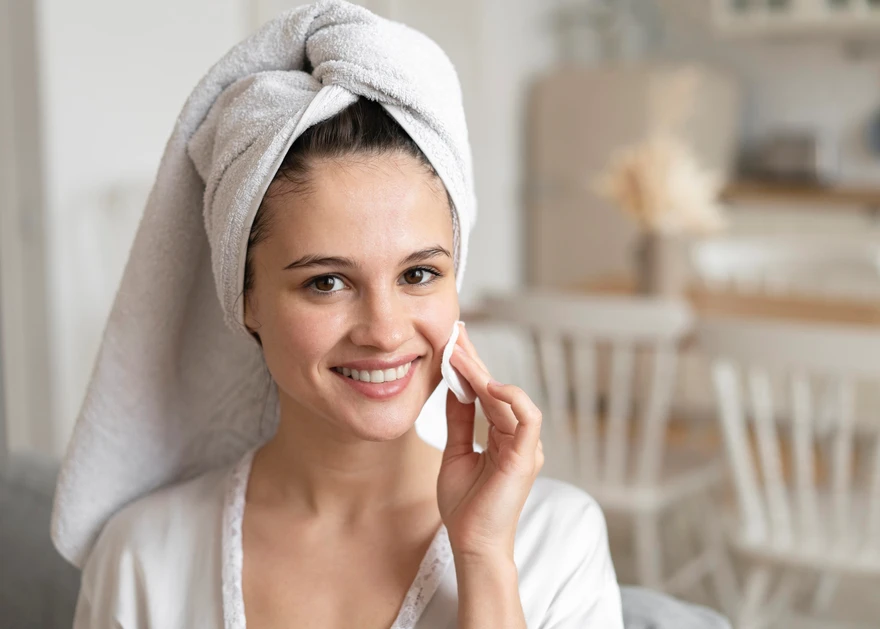
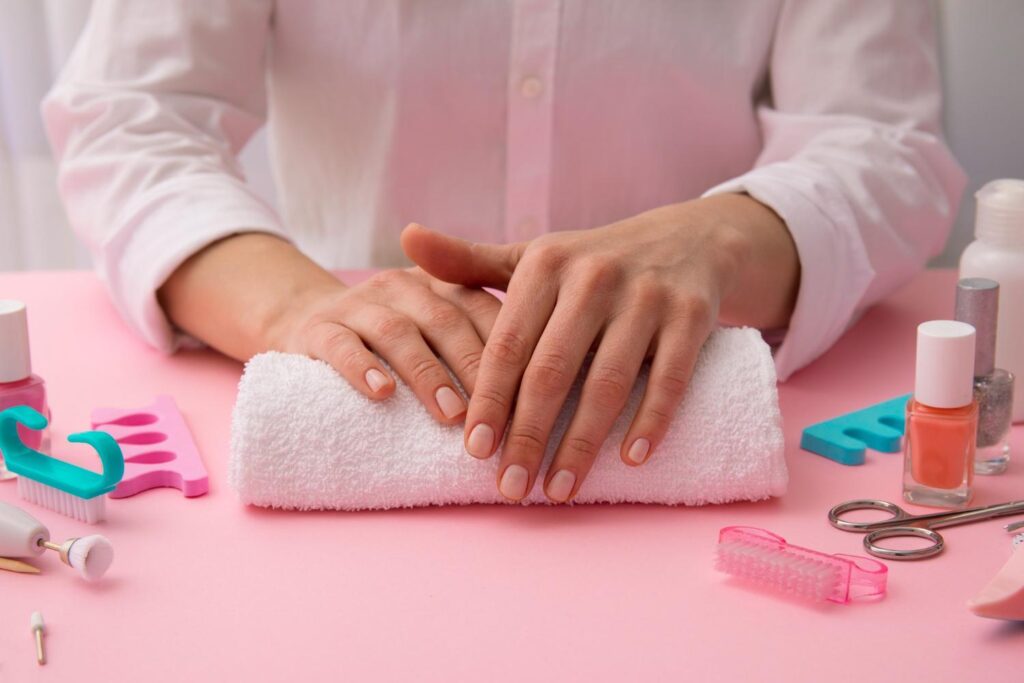
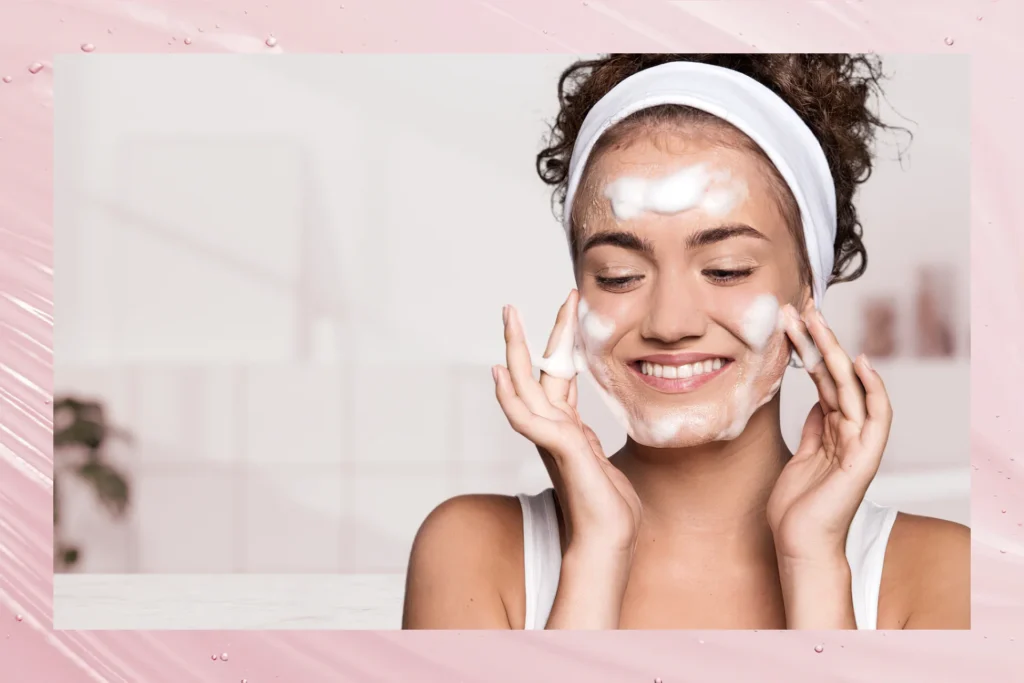
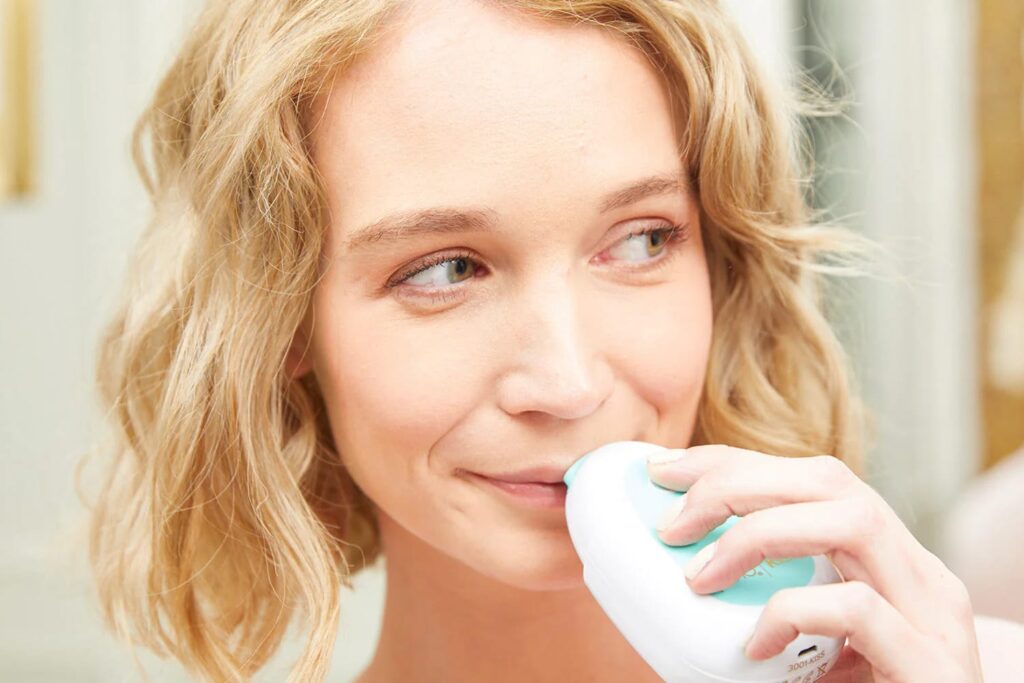
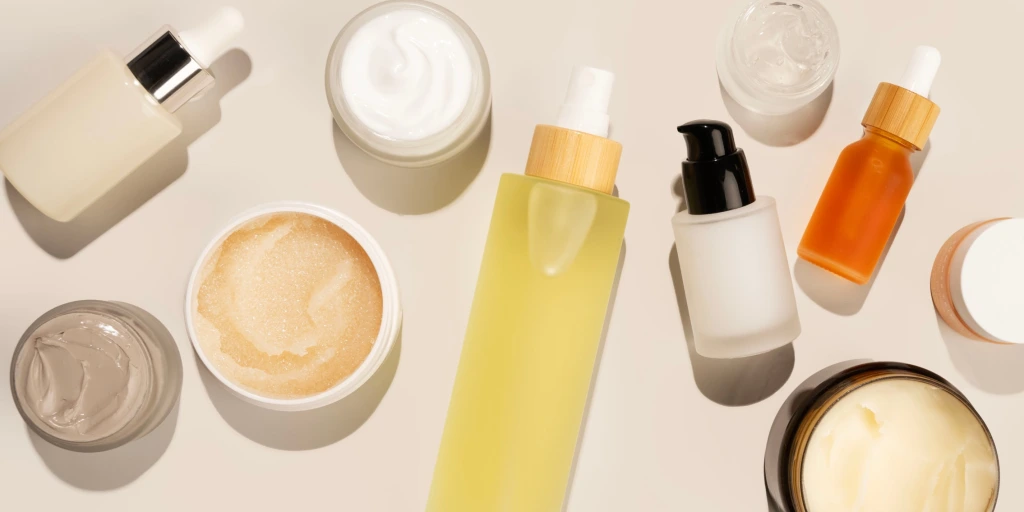
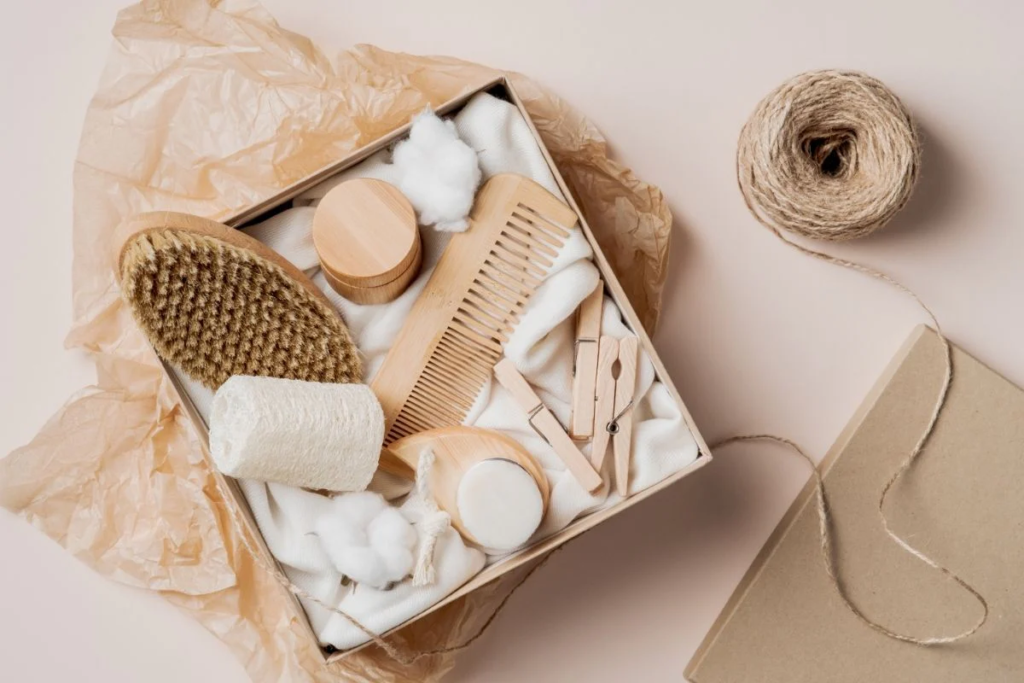
The first thing to remember is that hygiene habits are often learned behaviours, and not everyone has had the same start in life. A child or young person might simply not know the routine that seems so obvious to others. Instead of making it a lecture, which rarely works anyway, it’s often better to frame it as self-care. It’s about feeling good, smelling fresh, and taking pride in oneself, rather than just scrubbing away dirt. You might find that buying nice-smelling shower gels or funky toothbrushes makes the whole process feel less like a chore and more like a treat.
Consider Sensory Sensitivities
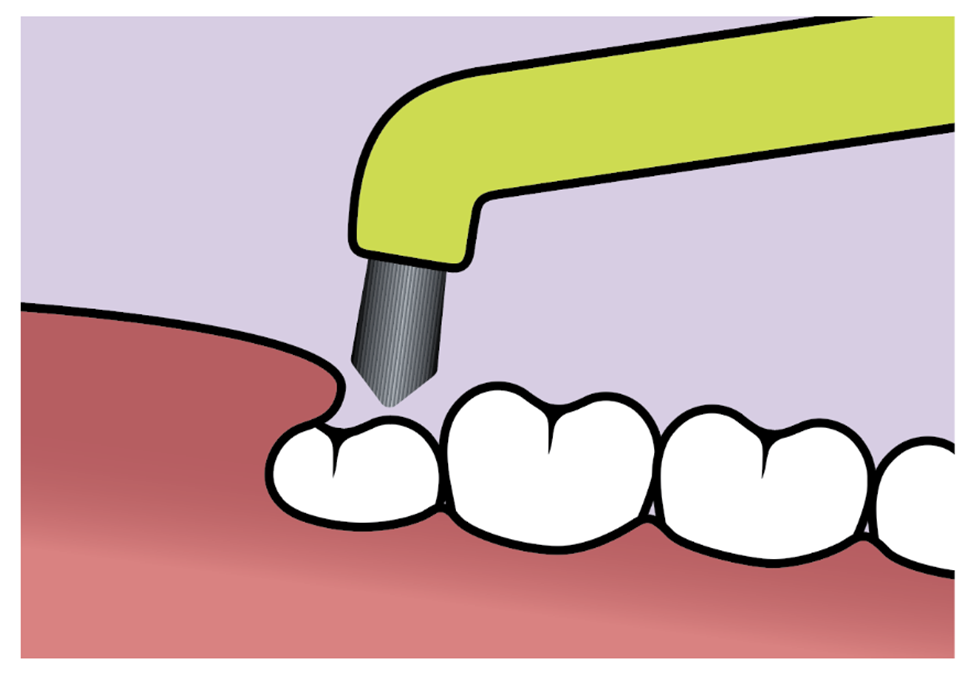
Sometimes, the resistance to hygiene isn’t about laziness at all. It can be sensory. The feeling of water, the texture of toothpaste, or the noise of a shower can be overwhelming for some. If you notice a young person struggling, it’s worth asking gentle questions to see if there’s a specific barrier getting in the way. Maybe a flannel wash is easier to cope with than a full shower, or perhaps switching to an unflavoured toothpaste could make mornings less of a battle. Small adjustments can make a massive difference to their comfort levels.
Patience is Key in New Environments
Patience is particularly relevant for families involved in short term fostering with agencies like ISP Fostering, where children might arrive with very different routines or perhaps no routine at all. In these situations, patience is absolutely key. A child who has moved homes might feel insecure, and criticising their appearance or smell can feel like a personal attack. It’s far better to model the behaviour you want to see. You could say, “I’m just going to freshen up before dinner because it helps me relax,” which sets a standard without pointing a finger.
Keep it Casual and Private
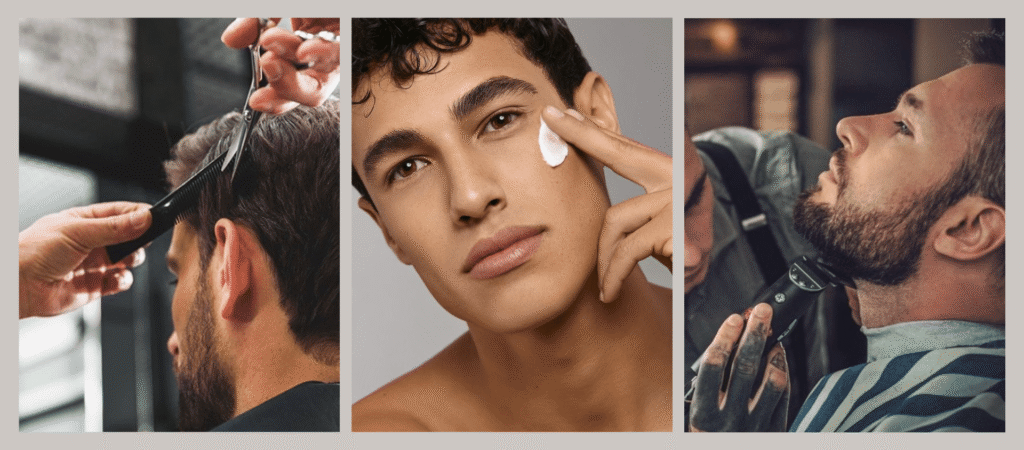
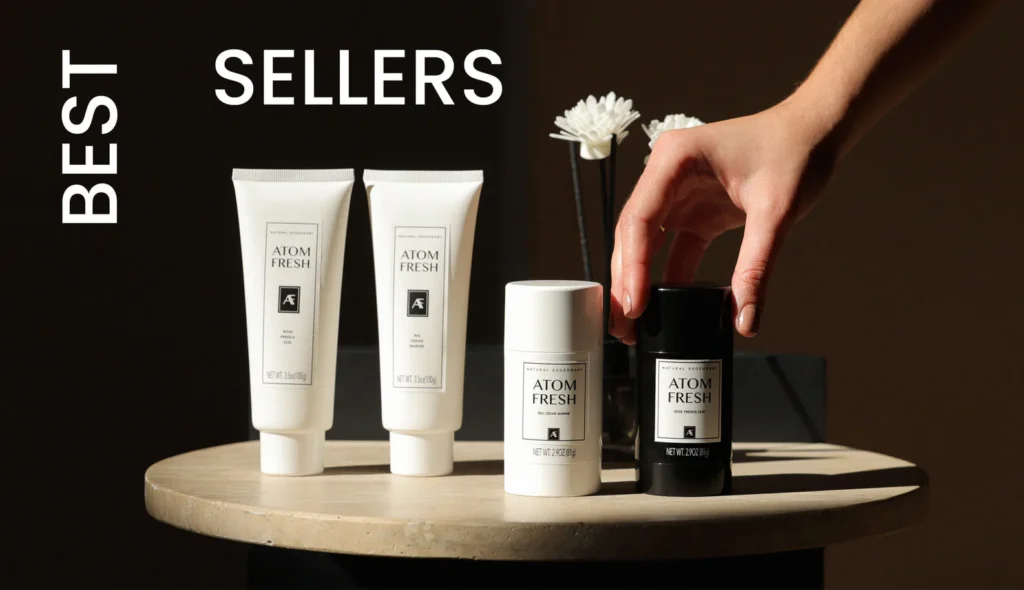
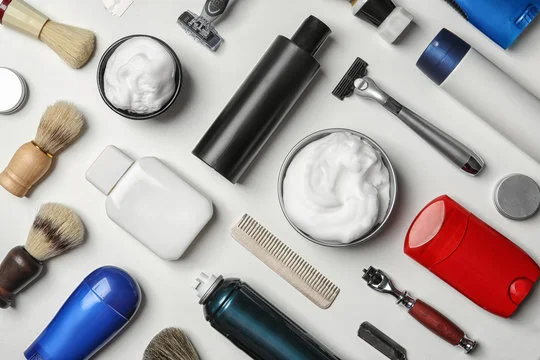
Privacy is another huge factor. As children grow into teenagers, their bodies change, and they become acutely aware of themselves. Handing a teenager a deodorant stick quietly and with a smile is usually much more effective than making a public announcement about body odour. It respects their growing need for independence and saves them from embarrassment.
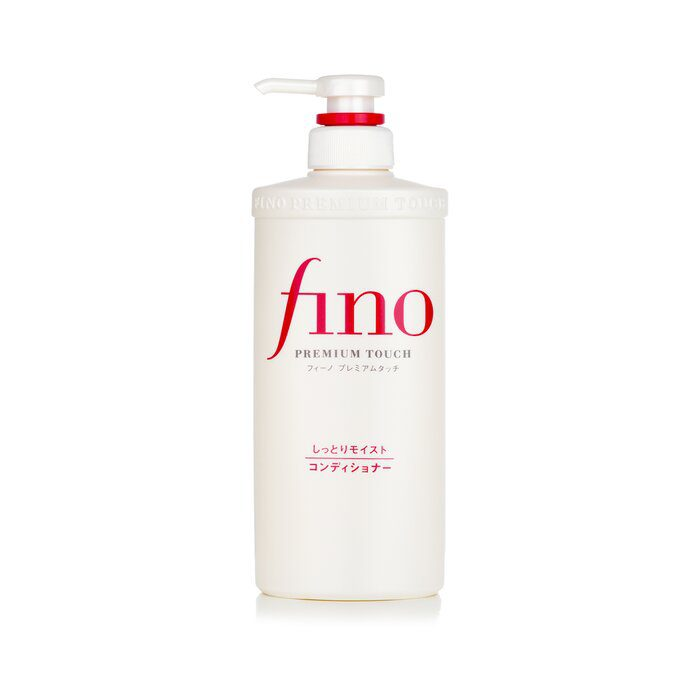
Also, try to keep the conversation ongoing but casual. It doesn’t need to be a “Big Talk” where everyone sits down at the table. Chatting while you’re sorting laundry or walking past the bathroom aisle in the supermarket takes the pressure off. You can mention things in passing, such as, “Oh, we need more shampoo, do you want to pick one out?” This gives them agency and ownership over their own hygiene.
Kindness is the most effective tool you have. If a young person feels safe and supported, they are much more likely to listen to advice. It’s about helping them understand that looking after their body is a way of respecting themselves, and that is a lesson that lasts a lifetime.