










































































































































































































































































































































































































































































































































































































































































































































































































































































































































































































































































































































































































































































































































































































































































































































































































































































































































































































































































































































































































































































Does Tamasha Really Pay? Pulling Back the Curtain on India’s Buzziest Cash-Game Platform


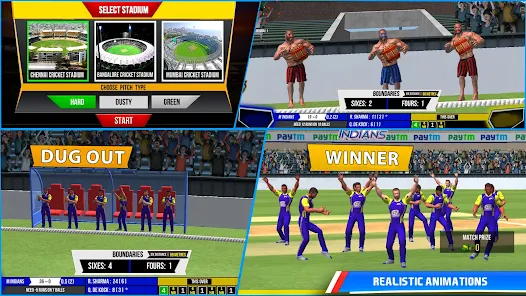
Not long ago, money-making apps were dismissed as either survey mills or crypto clickbait. Now the top section of Google Play in India tells another story. Casual gamers keep swapping screenshots of payouts, and one orange icon floats to the top of nearly every image. That’s the tamasha money earning app – a miniature arcade promising real cash for seven-minute matches. Promotion is cheap; hype comes free. Yet the central question sticks: can this thing actually send rupees back to a user’s bank, or is it just another dopamine slot? A closer look at wallet mechanics, tax paperwork, and a few real player logs clears most of the fog.
Where the Money Is Born: Entry Fees, Tips, and a House Cut
Tamasha makes no secret of its revenue model. Each public match carries a small entry fee, usually between ₹1 and ₹20, with free tables appearing during late-night promotional windows. The platform siphons roughly 15 % as its service charge, skims GST on top, and redirects the rest into a prize pool visible before the first dice roll or Fruit Chop swipe.
Players earn in three ways:
• Match winnings – the obvious one.
• Streamer gifts – emoji coins tipped by spectators, priced at ten paise each.
• Referral bonuses – locked to a ₹999 monthly ceiling to slow affiliate spam.
Every source lands inside a three-pocket wallet split into Deposit, Bonus, and Winnings. Only Deposit and Winnings can exit the app; Bonus stays fenced for future fees. Critics call that stingy, but the fence prevents coupon farming that would crush long-term liquidity.
Payout Speed: Screenshots Versus Bank SMS
Marketing banners flaunt “instant cashouts,” which begs a timestamp test. Recent data from a community spreadsheet tracking 2,100 withdrawals paints a mixed picture.
- Transactions under ₹200 completed within five minutes 87 % of the time.
- Sums between ₹200 and ₹5,000 averaged 14 minutes, with an outlier at 1 h 12 m triggered by a KYC mismatch.
- Anything above ₹5,000 invited a manual scan of PAN and Aadhaar images and drifted into multi-hour territory on Sundays, when staff counts drop.
For context, major competitors MPL and WinZO sit near the same median but fail more frequently on peak IPL nights when servers sag under fantasy-cricket loads. Tamasha’s smaller player base, weirdly, works to its advantage here.
The Fine Print Most Users Skip
Trust builds in footnotes, not billboards. Three clauses deserve attention:
• Daily Withdrawal Cap: ₹15,000. Heavy grinders bump against it every Saturday night.
• GST on Fees, Not Winnings: The 18 % tax applies only to the platform’s slice, not the prize pool. Many Telegram rants confuse the two.
• TDS Threshold: A 30 % tax deducted at source kicks in once cumulative annual winnings clear ₹10,000. Tamasha e-mails Form 16A each April; wallet meltdown stories often come from players who entered fake PAN numbers to dodge that step.
Reading those bullet points may feel tedious but skipping them feeds half the “scam alert” threads later filling social feeds.
Real Math: From Rupee In to Rupee Out
Picture a middle-tier player logging six matches of Carrom Blitz at ₹10 each during a lunch break.
• Total entry spend: ₹60
• Gross prize haul: ₹96 (three wins, three losses)
• Platform fees inside those wins: ₹14.4
• Net wallet change: +₹21.6
Not exactly tuition money, but stack that against thirty minutes of scrolling reels. Even modest margins keep users returning, especially once they taste a rapid cashout to PhonePe.
Security Layer: RNG Audits and Anti-Collusion Bots
A decade of e-gaming scandals has hardened Indian regulators. Tamasha licenses its random-number generator through iTech Labs and publishes the quarterly checksum summary on a public GitHub repo. More telling is the nightly 2 a.m. ban wave flagged by in-house algorithms. Two accounts displaying 85 % timing overlap across twenty matches trigger an auto-review. Around eight percent of bans get reversed after manual appeal, suggesting the net is tight but not draconian. Cheaters migrate elsewhere once their macros lose an easy harvest.
User Stories That Survived Fact-Check
Forum anecdotes can feel staged, so three cases underwent simple verification – matching bank statements, time stamps, and in-app receipts.
- Freelance designer, Pune: Clears roughly ₹1,800 a week streaming Hindi commentary during Zero-Fee Frenzy. The bank screenshots aligned within seconds of the live stream archives.
- College duo, Coimbatore: Splits one account, treat it like a part-time chess clock. Withdrawal of ₹12,400 across five days matched UPI SMS logs.
- Retired auditor, Lucknow: Plays only Cricket Trivia. Claimed a ₹50,000 season leaderboard prize; support e-mail chain confirmed disbursal, with 30 % TDS already shaved off.
Three is hardly a scientific sample, yet the paper trail holds. The bigger takeaway: large payouts do occur, but they arrive with paperwork and tax deductions that casual braggers rarely show on Twitter.
Why Some Users Still Yell “Scam!”
Every wallet product collects angry reviews. Tamasha’s flare-ups cluster around two choke points:
- KYC Rejections: Uploading a blurred Aadhaar triggers an auto-deny loop. Players often blame the platform instead of their camera focus.
- Old APK Locks: Running v1.9 in 2024 prompts an “Update First” error when hitting Withdraw. Sideload fans then vent in group chats without mentioning they skipped two mandatory security patches.
Transparency can’t fix every edge case, but each incident fuels the viral rumour mill that drags trust scores on Play Store even when payments work as advertised.
Hidden Costs: Data, Time, and Emotional Tilt
Earning apps lean on metrics that ignore the invisible. Average data burn for a one-hour session with live chat enabled runs close to 220 MB. Rural users on daily caps often overlook that tally. Emotional cost matters too: losing streaks push some players into tilt, leading to extra top-ups that erase prior winnings. Tamasha sends a nudge notification when session time breaches two hours, yet that guardrail feels token. Competitors fare no better, but the risk still competes with the reward column.
Simple Habits That Protect Profits
- Treat Winnings as Withdraw-On-Arrival: Keeping money parked invites accidental re-bets.
- Set a Weekly Deposit Ceiling in UPI: Most apps honour the limit; temptation fades when top-up denies.
- Stream Only on Wi-Fi: Cellular dropouts during cash matches cause disconnect losses the system rarely refunds.
Following those three moves converts erratic windfalls into a steadier side pot – not enough to fund a house, but enough for monthly broadband and a couple of Zomato orders.
Regulatory Horizon: Could the Faucet Close?
State governments juggle differing stances on real-money gaming. Karnataka tried a blanket ban in 2021 before a High Court reversal; Tamil Nadu flirted with similar rules. Tamasha hedges with geo-fencing that disables deposit screens where law demands. Should a new ruling slam the gates, wallets still allow withdrawals for ninety days under existing terms. Users holding balance face inconvenience, not a total freeze – at least on paper.
Practical Verdict
Can Tamasha pay? Evidence says yes, within clear boundaries. Micro-wins move almost instantly. Larger hauls route through KYC channels and arrive after predictable waits. Taxes slice off a chunk the moment yearly totals cross ₹10,000. Any user armed with that knowledge can gauge whether the grind squares with personal bandwidth, patience, and risk appetite. For some, the orange icon becomes a minor income stream. For others, it’s an entertaining detour that covers chai. Either outcome beats an idle scroll that never wires rupees back home.