






























































































































































































































































































































































































































































































































































































































































































































































































































































































































































































































































































































































































































































































































































































































































































































































































































































































How Poor Packing Damages Valuables

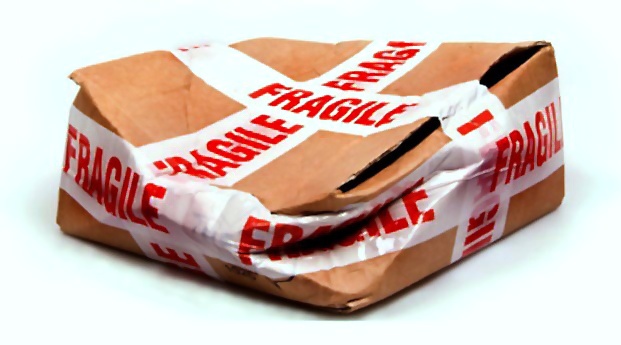
We have all seen the classic movie trope where a removals van hits a tiny bump, and the sound of shattering porcelain echoes through the street.
While it makes for a great laugh on screen, it’s a total nightmare when that box actually contains your great-grandmother’s favourite teapot.
Proper packing is essentially an insurance policy for your sanity, ensuring your belongings arrive at your new home in one piece rather than a thousand.
Let’s walk through the common pitfalls of poor packing so you can avoid a domestic disaster and keep your valuables smiling.
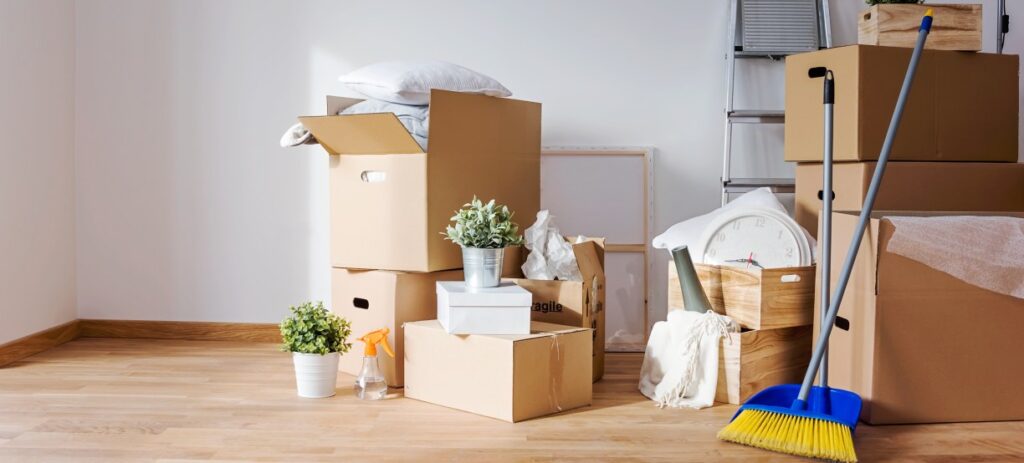
Using the Wrong Boxes
Many people assume a box is just a box, but grabbing soggy vegetable crates from behind the local supermarket is a recipe for heartbreak.
These flimsy containers lack the structural integrity to survive being stacked in a moving vehicle, often collapsing under the slightest weight.
If you use thin, single-walled boxes for heavy items like books, the bottom is likely to give way before you even reach the front door.
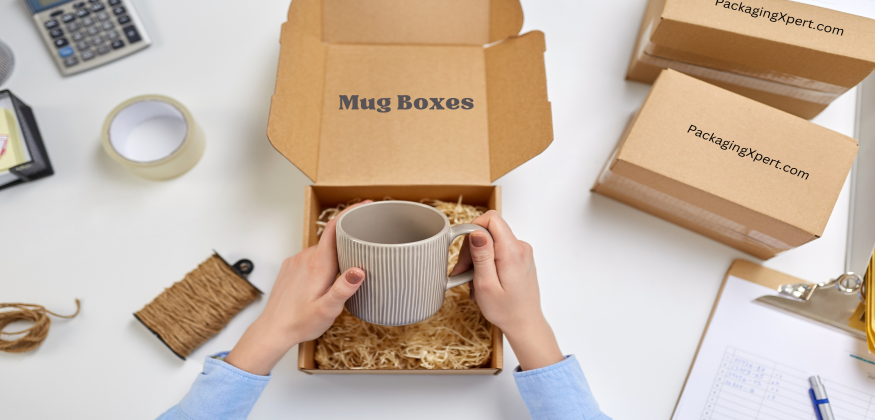
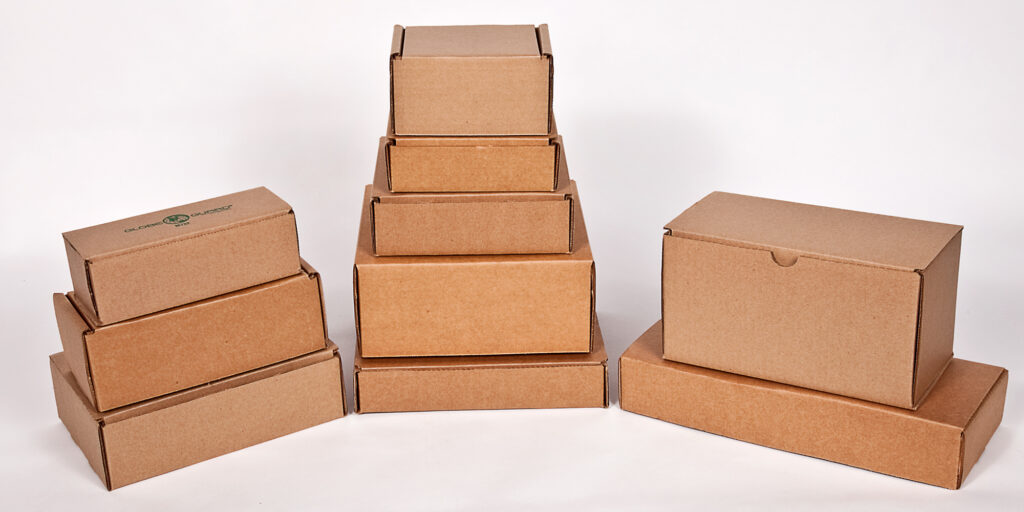
You might think you are saving a few quid by recycling old delivery cartons, but the cost of replacing your broken belongings is much higher. Invest in double-walled corrugated cardboard to give your items the rigid protection they need during their journey.
Alternatively, you can use professional removal boxes. These are designed with reinforced walls specifically to handle the pressures of transit and vertical stacking.
Not Protecting Fragile Items Properly
You might think that wrapping a glass vase in a single sheet of old newspaper is enough, but newsprint is surprisingly thin and offers zero cushioning.
Fragile items need a buffer zone that can absorb vibrations and the occasional inevitable knock during the move. Bubble wrap is your best friend here, as those tiny pockets of air act as a suspension system for your glassware.
Make sure that you’re generous with the padding; you want to ensure that no two glass surfaces are actually touching each other inside the box.
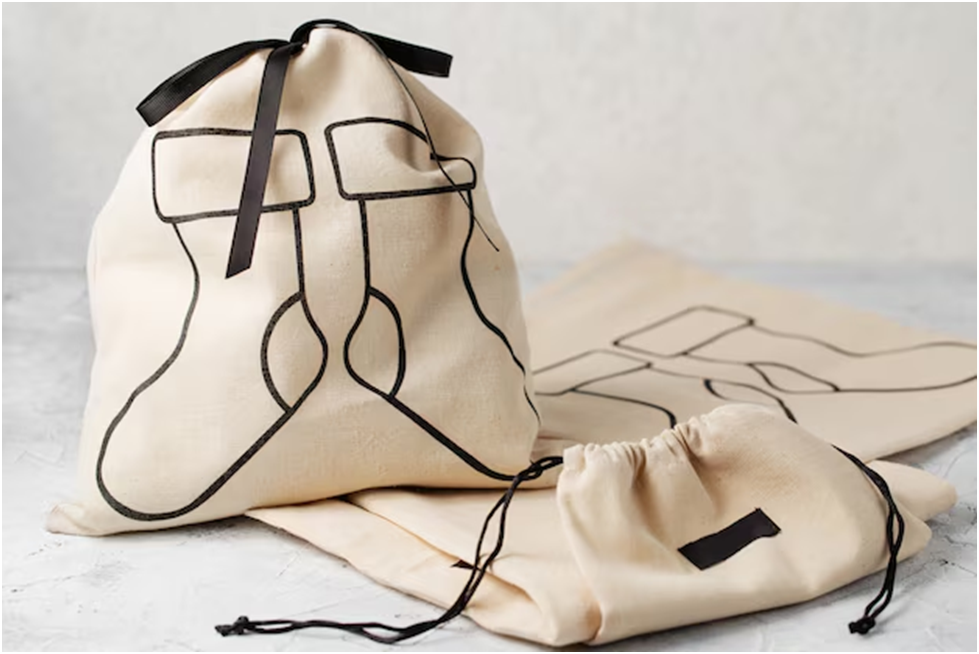
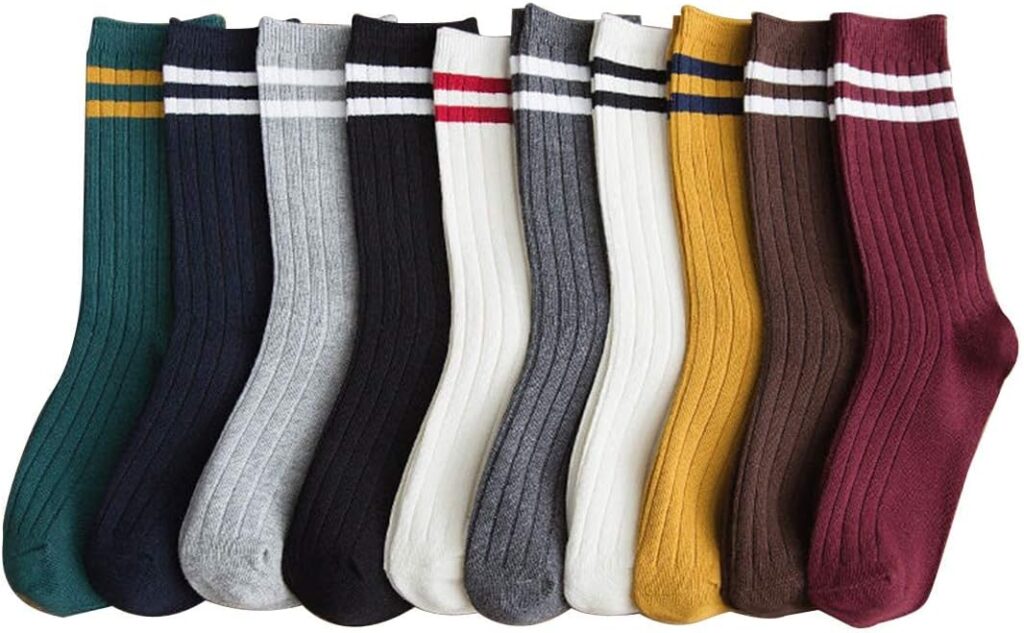
You should also fill any remaining gaps with packing peanuts or even clean socks and towels to stop items from rattling around.
A snug fit is the goal, because movement is the primary cause of chips, cracks, and complete decorative catastrophes.
Overpacking and Underpacking
There is a tempting urge to cram every single heavy book you own into one giant box to save space, but this is a recipe for disaster.
An overpacked box is not only a health and safety risk for your back, but the seams are likely to burst at the most inconvenient moment. The weight should be distributed so that the box remains manageable and doesn’t lose its shape during the heavy lifting.
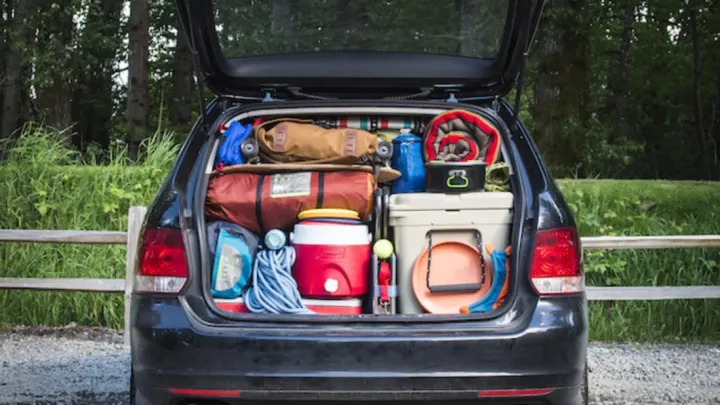
Underpacking is equally risky because empty space allows the contents to shift and slide with every turn the van takes.
If a box is half-empty, the top will likely cave in when another box is placed on it, crushing whatever is hidden inside.
Aim for a sweet spot where the box is firm but not bulging, using crumpled paper to fill any empty space.
Poor Labelling Might Lead to Damage
If you don’t label your boxes clearly, the person carrying them won’t know which ones contain your indestructible plastic tubs and which hold your fragile wine glasses.
In the hustle of the moving day, a box without a ‘Fragile’ or ‘This Way Up’ sign is treated like a sturdy block of wood.
This lack of communication leads to heavy boxes being stacked on top of delicate ones, which never ends well for the items at the bottom. Use a thick, dark marker to write on at least two sides of every box so the instructions are visible from any angle.
Mentioning the room destination is helpful, but highlighting the delicate nature of the contents is what actually prevents the accidental crushing of your valuables. Clear labels help everyone handle your possessions with the specific level of care they require.
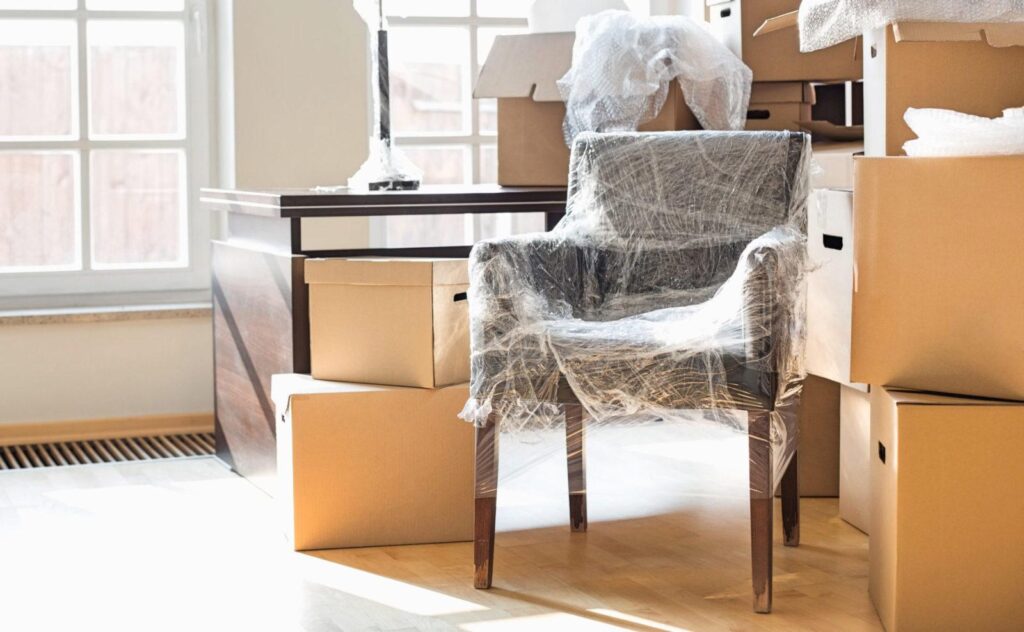
Ignoring Furniture Protection
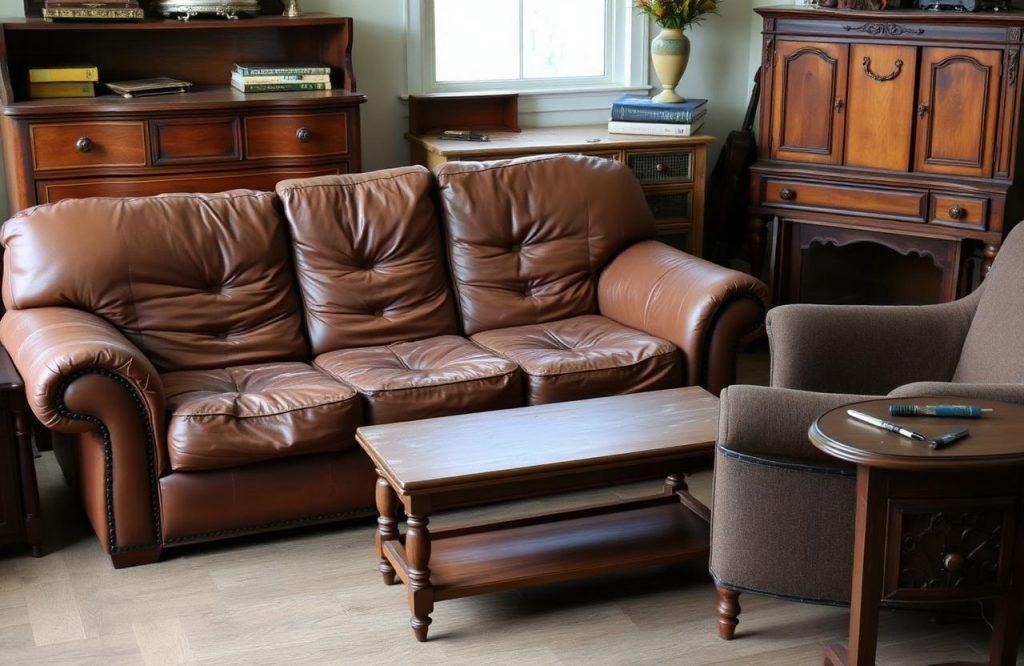
Large furniture often feels invincible, but polished wood and soft fabrics are incredibly vulnerable to scratches and snags. Dragging a mahogany dining table through a narrow hallway without protection is a sure-fire way to leave permanent scars on the finish.
Even a minor scuff can ruin the aesthetic of a piece you’ve spent years caring for and polishing.
Heavy-duty moving blankets should be draped over large items and secured with stretch wrap to create a protective padded layer.
This prevents the damage that occurs when two pieces of furniture rub against each other in the back of a moving van.
Don’t forget to remove or secure loose parts like drawers and shelves, as these can fly open and cause havoc mid-transit.
Electronics Are Often Packed Wrong
Smart televisions and computers are marvels of engineering, but they’re surprisingly delicate when it comes to static and pressure.
Throwing a flat-screen TV into the back of a car without a box is asking for a cracked screen or a fried internal circuit. The original packaging is always the best option, but if you’ve binned that, you’ll need a specialised electronics box.
Avoid using standard plastic bags to wrap cables, as these can build up static electricity that damages sensitive components. Anti-static bubble wrap is a much safer choice for wrapping your monitors and towers before they are tucked away.
Always keep screens upright; laying a large TV flat on its face during a drive is a common mistake that leads to expensive screen failure.
Rushing the Packing Process
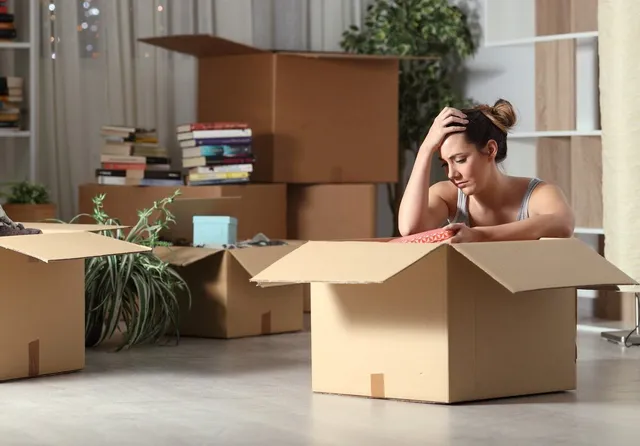
The greatest enemy of your valuables is the ‘last-minute panic,’ where everything gets thrown into bags and boxes without a second thought.
When you are tired and stressed, you’re more likely to cut corners, forget the padding, or tape the bottoms of boxes poorly.
Haste truly does make waste, and it usually results in a pile of broken glass at the other end.
Start your packing weeks in advance, focusing on one room at a time so you can maintain a high standard of care. If you find yourself overwhelmed by the sheer volume of items you have, don’t be afraid to call in the professionals.
Removals experts have the experience in removal logistics to handle the heavy lifting and technical packing that ensures your items survive the trip.
Conclusion
Moving house is always going to be a bit of a whirlwind, but it shouldn’t be a destructive one.
Take a few extra minutes to wrap that vase or double-tape that box, and you’ll be saving yourself from a lot of future heartache.
Think of it as a gift to your future self, who will be very happy to enjoy a cup of tea in a house full of intact furniture!