





























































































































































































































































































































































































































































































































































































































































































































































































































































































































































































































































































































































































































































































































Custom T-Shirts: How to Get the Design, Fabric, and Print Right the First Time

Most people ordering custom t-shirts for the first time focus almost entirely on the design.
That makes sense.
The graphic is the exciting part.
But the design is only one piece of what makes a shirt look and feel good once it’s actually printed.
Fabric weight, print method, colour matching, and file setup all play a role, and getting any one of them wrong can turn a great design into a disappointing product.
With so many platforms for custom tee printing available today, the options can feel overwhelming, so this guide walks through the decisions that actually matter, helping you avoid the common mistakes and end up with shirts worth wearing.
Start with the Right File Format
Your design might look sharp on a laptop screen, but that doesn’t mean it’s print-ready.
Vector files typically in .AI, .EPS, or. SVG format scales to any size without losing quality.
That’s critical when you’re printing across different shirt sizes, because a design stretched from a small to a 3XL needs to hold up.
Raster images (JPEGs, PNGs) can work, but only if the resolution sits at 300 DPI or higher at the exact print dimensions.
A 72 DPI web graphic will look pixelated and washed out on fabric, every single time.
If your designer hands you a file with embedded fonts, ask for the outlined version.
Fonts that aren’t converted to outlines can shift or substitute during the printing process, and you won’t catch it until the shirts are done.
Colour profiles matter too. CMYK is the standard for print work, while RGB is for screens.
Submitting an RGB file to a printer can produce colours that look noticeably duller than expected, particularly with blues and greens.
Choosing the Right Fabric and Shirt Weight
The blank tee you print on shapes the entire feel of the finished product.
A lightweight 4.2 oz shirt from a brand like Bella+Canvas 3001 feels soft and fits slim, popular for retail-style merch.
A heavier 6.1 oz Gildan 5000 is boxier and more durable, which works well for event giveaways and workwear.
These aren’t interchangeable choices.
Picking the wrong blank for the audience makes the shirt feel cheap or uncomfortable, regardless of what’s printed on it.
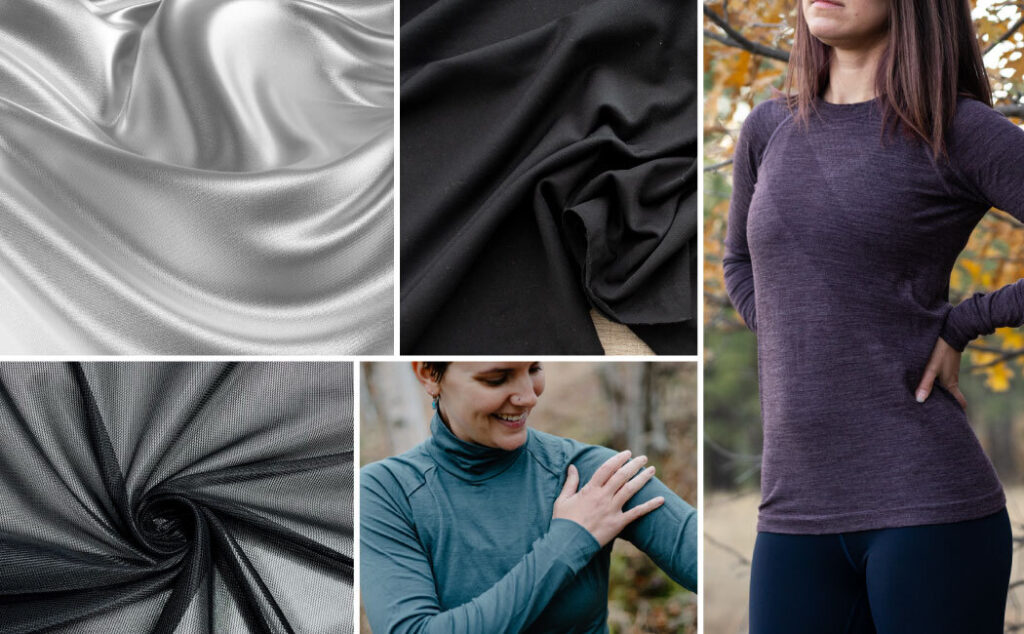
Cotton and polyester blends each have tradeoffs.
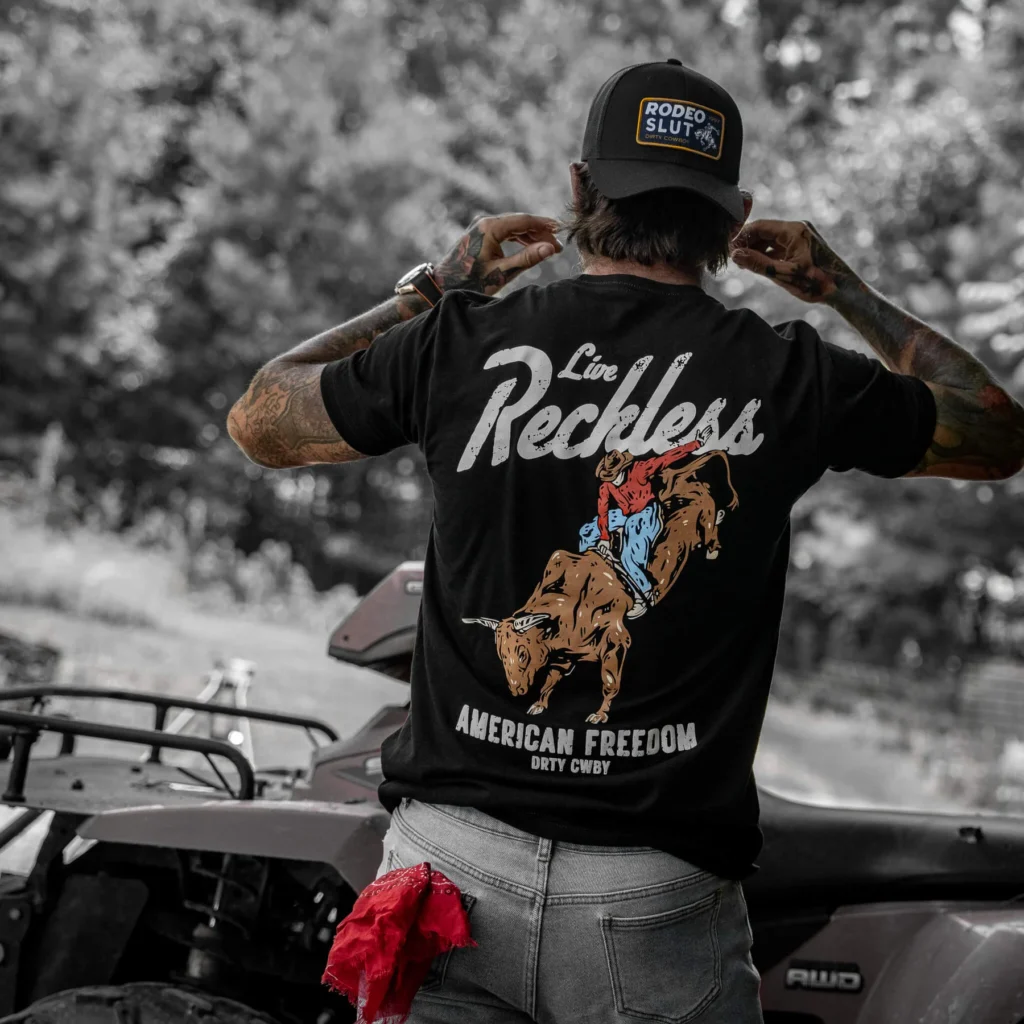
100% ring-spun cotton is the go-to for screen printing because ink adheres well and the hand feel is classic.
Tri-blends (cotton, polyester, rayon) drape nicely and feel premium, but they can be tricky with certain print methods.
Polyester-heavy shirts tend to resist water-based inks and may require speciality treatments like a discharge underbase.
If you’re ordering for athletes or outdoor staff, moisture-wicking polyester is practical, just confirm the printer can handle that fabric before committing.
Understanding Print Methods
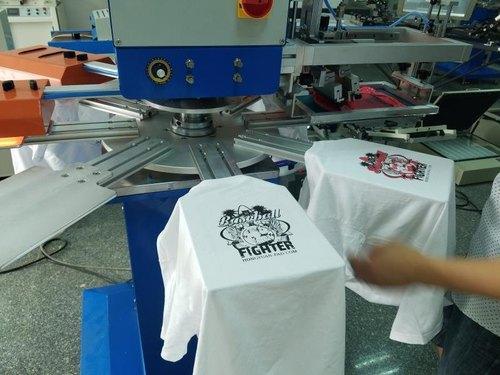
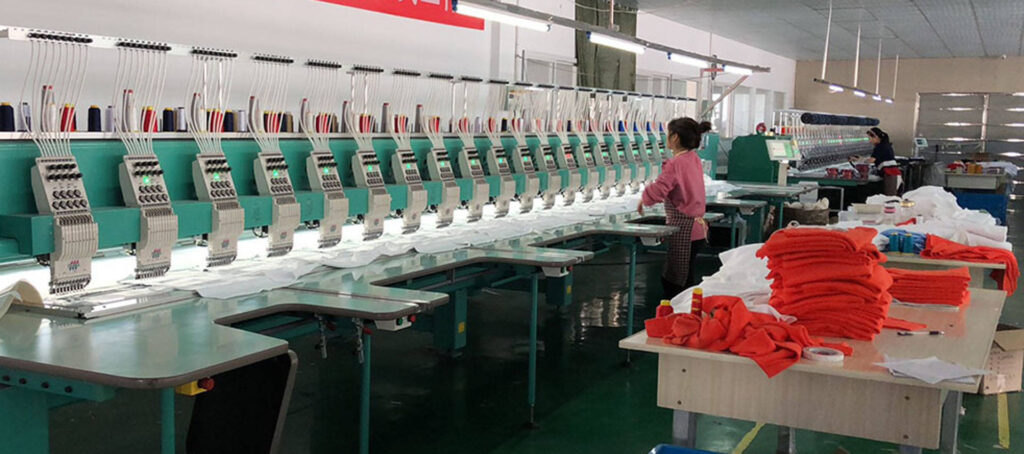
Screen printing remains the industry standard for bulk custom t-shirt orders.
Each colour requires a separate screen, so a four-colour design means four screens, four setups, and a higher setup cost.
That cost gets distributed across the run once you’re past 50 or 100 units, the per-shirt price drops significantly.
For single-colour logos on dark garments, screen printing delivers a thick, vibrant ink deposit that holds up through hundreds of wash cycles.
Direct-to-garment (DTG) printing works more like an inkjet printer, spraying directly onto the shirt.
It handles complex, multi-colour artwork and photographic images well, without the setup costs of screen printing.
The catch: per-unit cost stays relatively flat whether you’re ordering 10 or 500, which makes DTG better suited for small runs, limited editions, and one-off designs.
The feel of DTG prints is softer and thinner than screen print, which some people prefer and others don’t.
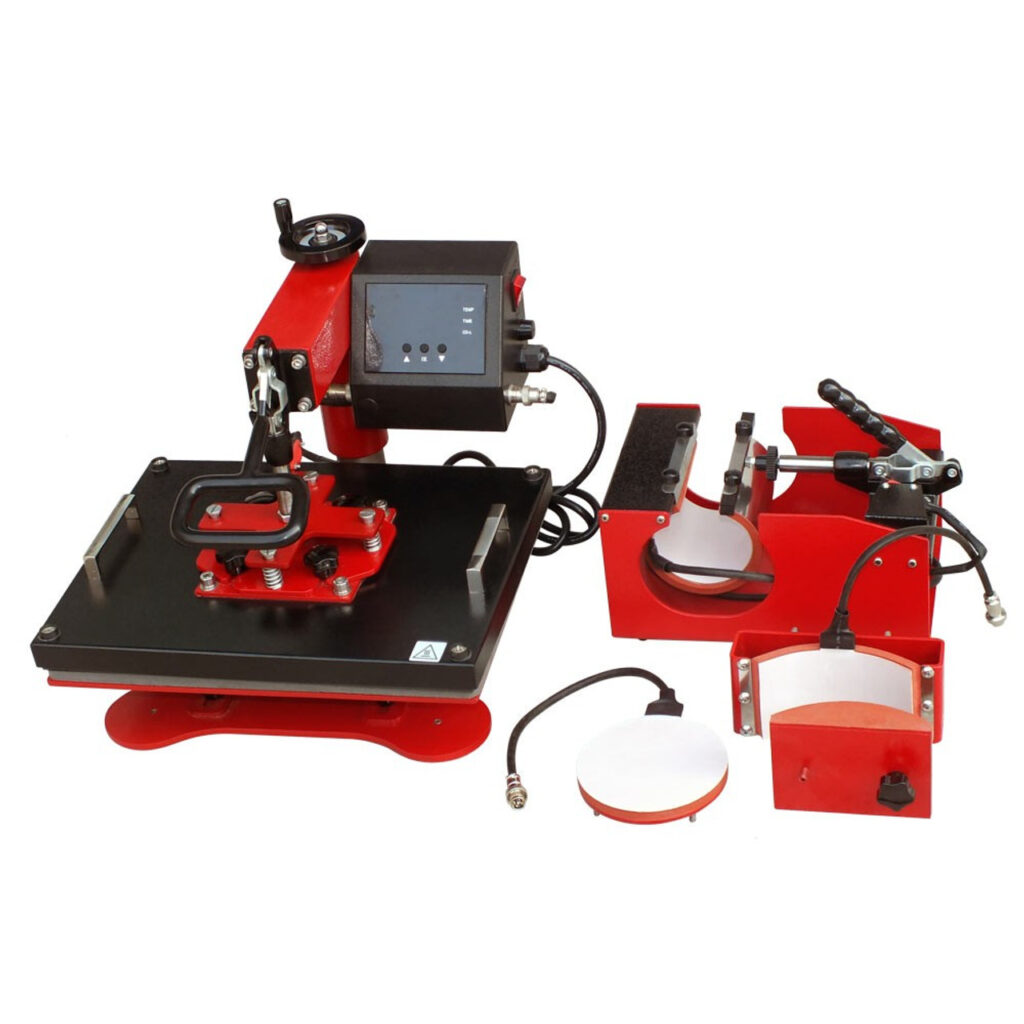
Heat transfer vinyl (HTV) and sublimation round out the main options.
HTV works well for names and numbers, think sports jerseys and personalised gifts, but it doesn’t scale efficiently for large designs.
Sublimation produces vivid all-over prints, though it only works on white or light-coloured polyester garments.
Knowing which method fits your project before you request quotes saves time and prevents mismatched expectations.
Getting Colour Accuracy Right
Colour on a screen and colour on fabric are two different things.
If your brand uses specific Pantone (PMS) colours, include those codes with your order.
Screen printers can mix Pantone-matched ink to hit your exact shade.
Without PMS codes, you’re relying on the printer’s interpretation of a digital file, and that’s where mismatches happen, especially with reds and oranges that tend to shift depending on the ink brand and mesh count.
DTG printing doesn’t use Pantone mixing, so colour accuracy depends on the printer’s ICC profile and colour management software.
Ask for a test print if the exact colour is non-negotiable.
A single sample shirt costs a fraction of reprinting a bad batch, and it gives you a chance to check placement, sizing, and overall look on the actual garment before the full run ships.
Where You Order Makes a Difference
Local print shops and online services each have strengths.
A local screen printer gives you the ability to inspect blanks in person, approve colour proofs face to face, and pick up orders without shipping delays.
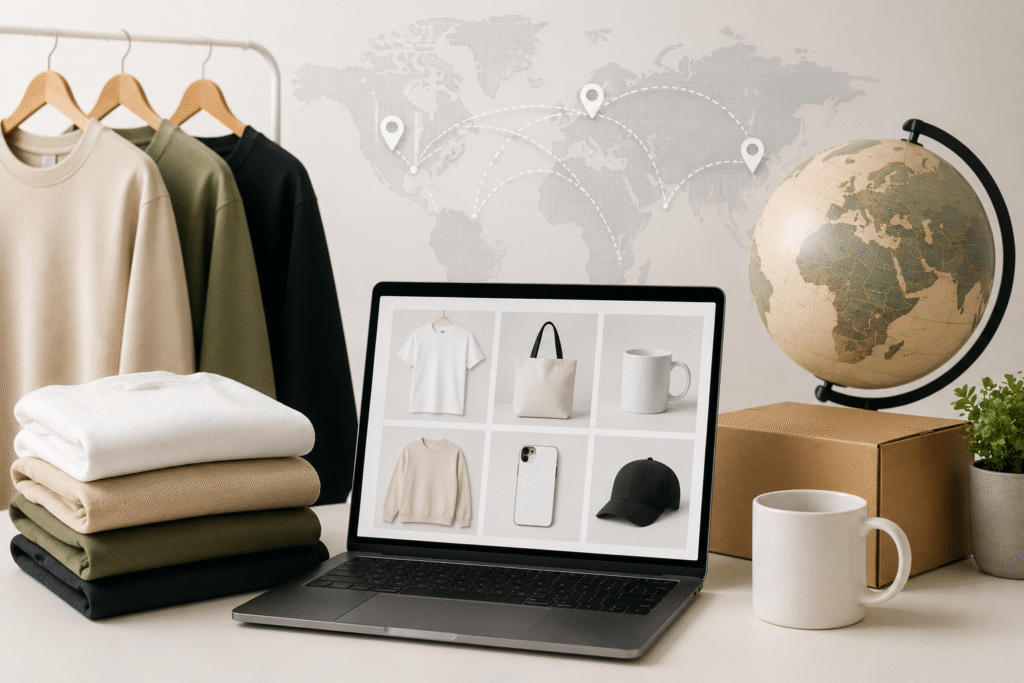
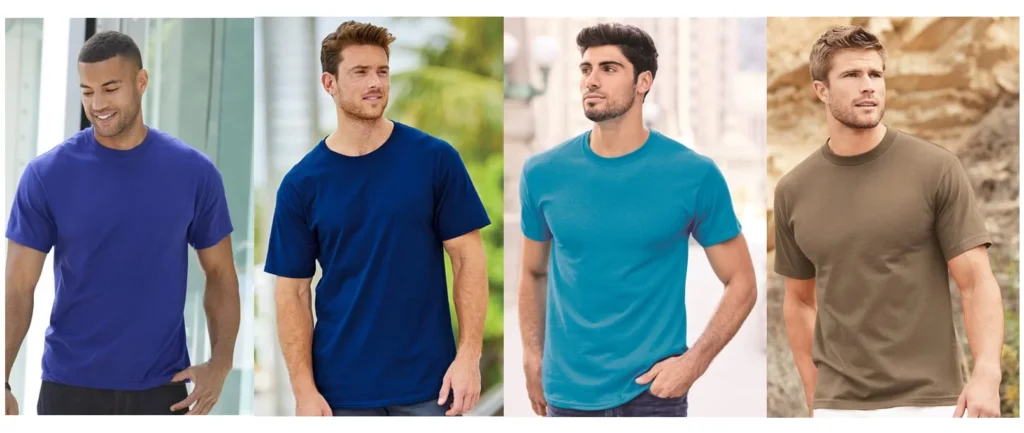
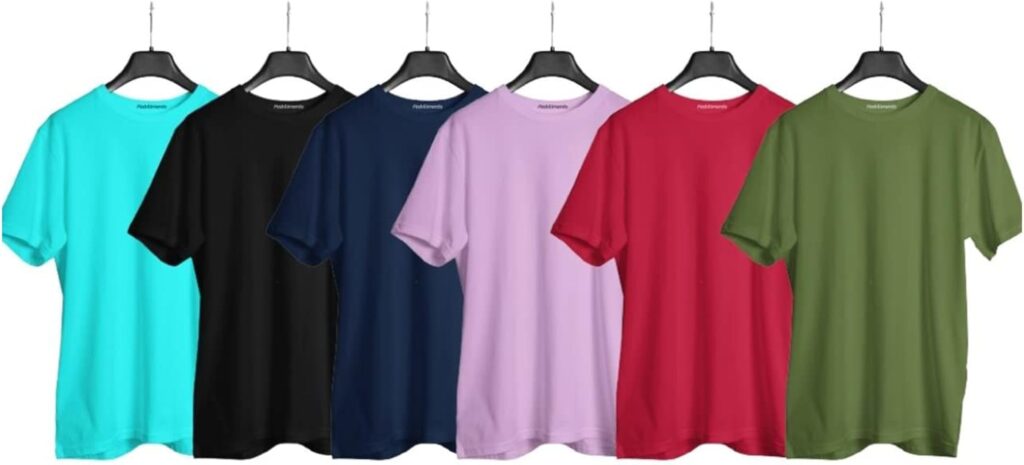
For straightforward jobs, a stack of crew-neck tees with a one-colour front logo is hard to beat.
For more complex projects, especially those involving print-on-demand fulfilment or direct-to-consumer shipping, online services open up options that most local shops can’t match.
Services like Printful, Printify, and Gooten integrate with Shopify and Etsy storefronts, handle production and shipping on your behalf, and let you launch a merch line without holding inventory.
The tradeoff is less control over quality consistency and longer turnaround times per order compared to a single dedicated print shop.
Design Placement and Sizing
Standard front-centre placement works for most logos, but the print area on a t-shirt is smaller than people assume.
A typical adult shirt offers roughly 12 by 14 inches of usable print space on the front.
Going edge-to-edge requires speciality equipment and usually costs more.
Left-chest prints common for corporate and employee uniforms generally stay within a 3.5 by 3.5-inch area.
Sizing a design across a range from Small to 3XL creates a subtle problem.
A graphic that looks balanced on a Medium shirt can appear tiny on a 2XL.
Some printers offer scaled artwork, where the design increases proportionally with the garment size.
It adds complexity to the production setup, but the result looks intentional rather than one-size-forced-on-all.
Ask your printer whether they offer this many at no extra charge if you mention it upfront.
Ordering Quantity, Turnaround, and Cost
Screen printing has a minimum order quantity for a reason: the setup process (burning screens, mixing inks, aligning registration) takes time regardless of whether you’re printing 12 shirts or 1,200.
Most shops set minimums between 24 and 48 pieces per design.
Below that, DTG or heat press methods are usually more cost-effective.
Turnaround times vary wildly.
A local shop running a simple one-colour job might deliver in five business days.
A multi-location DTG order with individual customisation could take two to three weeks.
Rush fees exist at most printers and typically add 20–50% to the total.
Planning ahead, even by a week, can save a meaningful chunk of your budget.
If you’re ordering for an event with a hard deadline, confirm the ship date in writing before you approve the proof.
Mistakes That Cost You Money
A few recurring errors account for most custom t-shirt disappointments:
- Submitting low-resolution artwork and expecting the printer to “clean it up.” Printers can make minor adjustments, but they can’t add detail that isn’t in the original file. Garbage in, garbage out.
- Skipping the proof approval step. Digital proofs exist to catch spelling mistakes, placement errors, and colour issues before ink hits fabric. Rushing past this step is the single most common cause of wasted orders.
- Ordering the wrong blank shirt because it was cheaper per unit. A $2.50 tee that nobody wants to wear is more expensive than a $4.00 tee that people actually keep. Especially for promotional giveaways and branded merchandise, the shirt itself is part of the message.
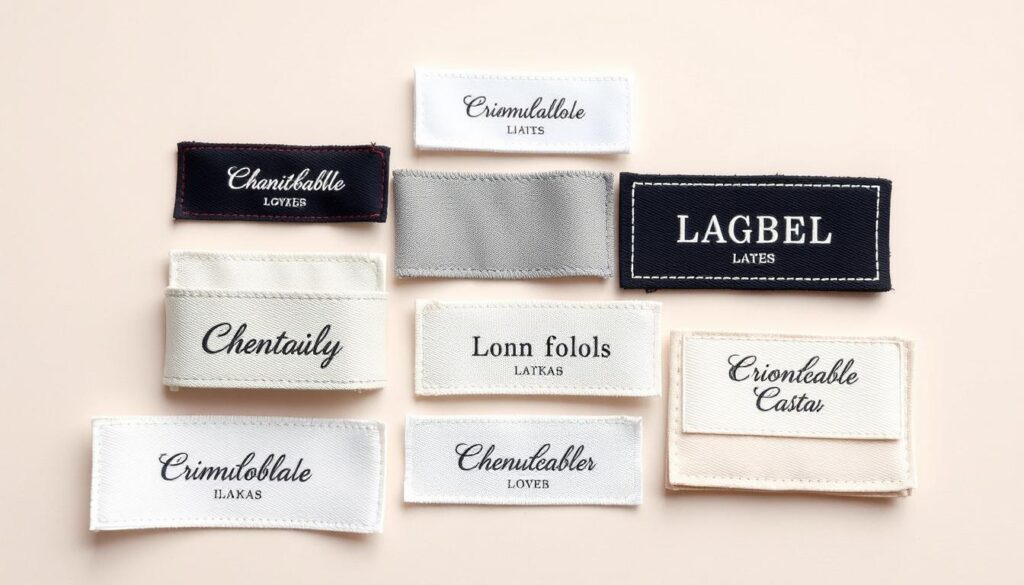
- Ignoring wash instructions on your care labels. Screen-printed shirts should be washed inside out on cold. DTG prints degrade faster in hot water and tumble drying. If your customers don’t know this, they’ll blame the print quality when the graphic cracks after five washes.
Getting It Right Comes Down to Preparation
Custom t-shirts aren’t complicated, but they do punish shortcuts.
The difference between a professional result and a mediocre one usually comes down to file preparation, fabric selection, and clear communication with your printer.
Spend the extra time getting your artwork to spec, order a sample before committing to a full run, and choose the print method that actually matches your quantity and budget.
The shirts that end up in the back of someone’s closet are rarely the ones where someone took an extra day to get the details right.