

























































































































































































































































































































































































































































































































































































































































































































































































































































































































































































































































































































































































































































































































































































































































































































































































































































Wigs Today: What’s Changed, What Matters, and How to Choose the Right One


Wigs have come a long way from what they used to be.
What was once associated mostly with stage use or medical necessity is now a mainstream beauty choice. People wear wigs for convenience, styling flexibility, protective styling, or simply to change their look without commitment.
But with so many options available, choosing the right wig can feel overwhelming—especially if you’re new to it.
Here’s what actually matters when it comes to modern wigs, and how to find one that works in real life not just in photos.
Why wigs are more popular than ever
There are a few reasons wigs have become part of everyday beauty routines:
- Versatility – you can switch between lengths, colors, and styles instantly
- Hair protection – less heat and chemical damage to your natural hair
- Convenience – pre-styled options save time
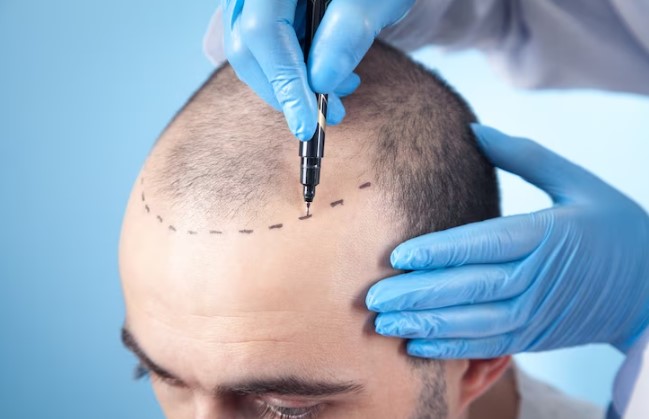
- Confidence – especially for those dealing with thinning or hair loss
At the same time, social media has raised expectations. People want wigs that don’t just look good—they want them to look undetectable.
Human hair vs synthetic: what’s the real difference?
This is usually the first decision.
- Look and move more naturally
- Can be styled with heat tools
- Last longer with proper care
- Require more maintenance
Synthetic wigs:
- Hold their style (no need to restyle often)
- More affordable
- Less versatile in terms of heat styling
- Shorter lifespan
If your priority is realism and flexibility, human hair is usually the better option. If you want something low-maintenance and budget-friendly, synthetic can still work well.
The importance of cap construction
Most people focus on the hair—but the cap is just as important.
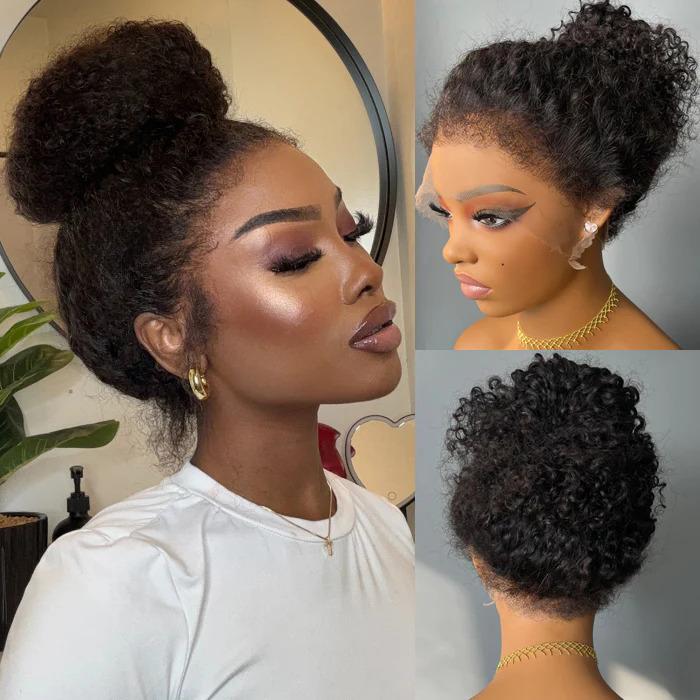
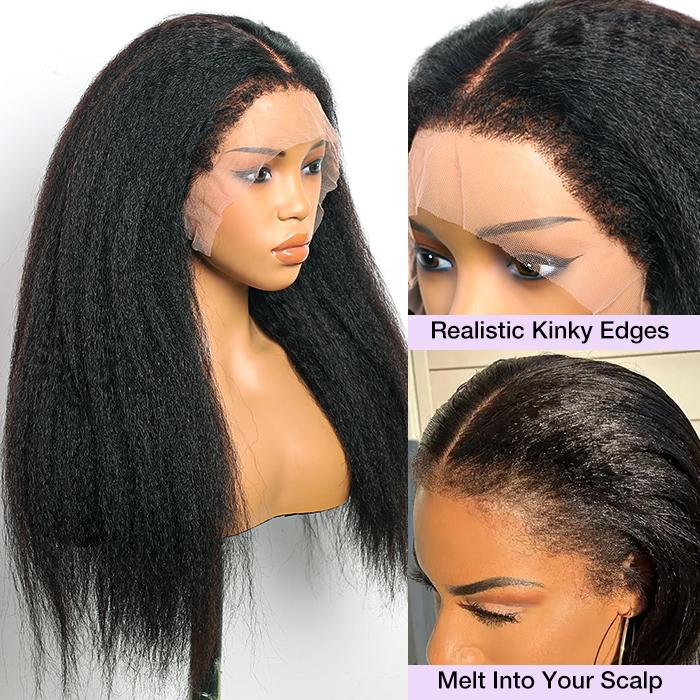
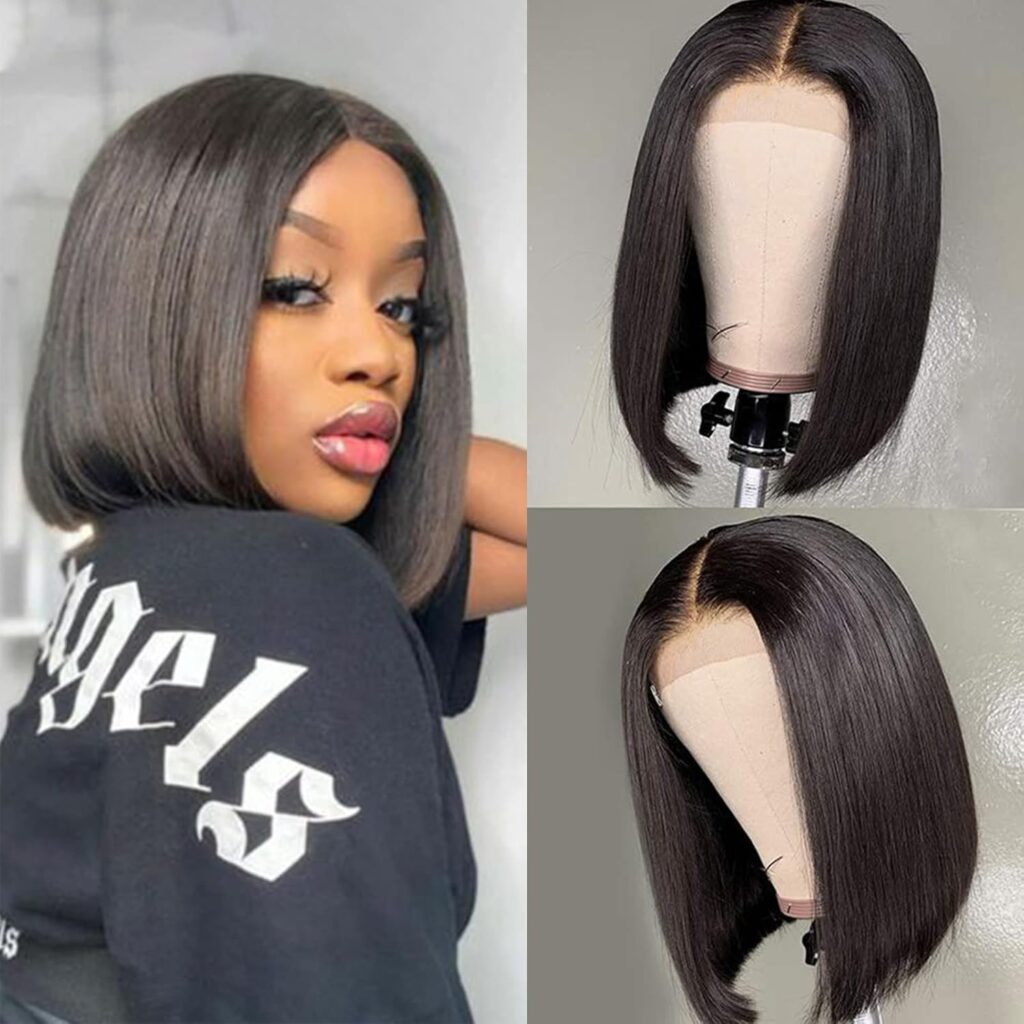
- Lace front – creates a natural-looking hairline
- Monofilament top – mimics the appearance of a real scalp
- Glueless caps – easier to wear, especially for beginners
- Full lace – offers maximum styling flexibility but requires more effort
A well-constructed cap is often what separates a wig that looks “good” from one that looks real.
What makes a wig look natural
After testing and wearing different wigs, a few details consistently make the biggest difference:
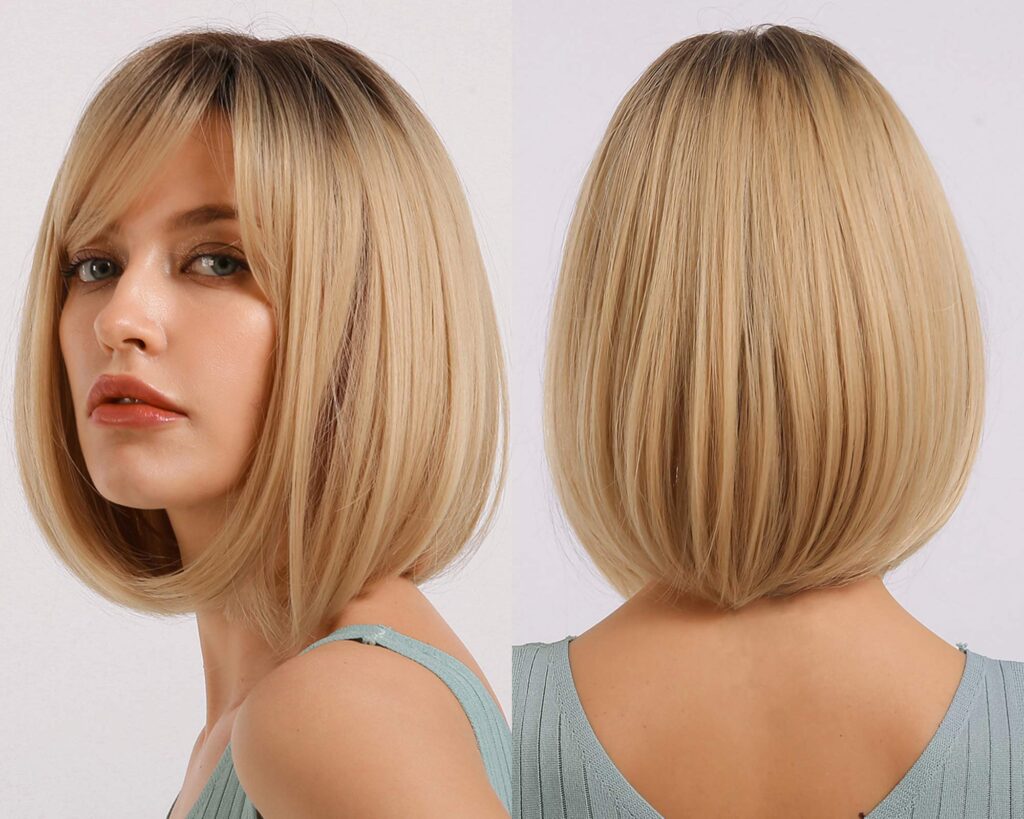
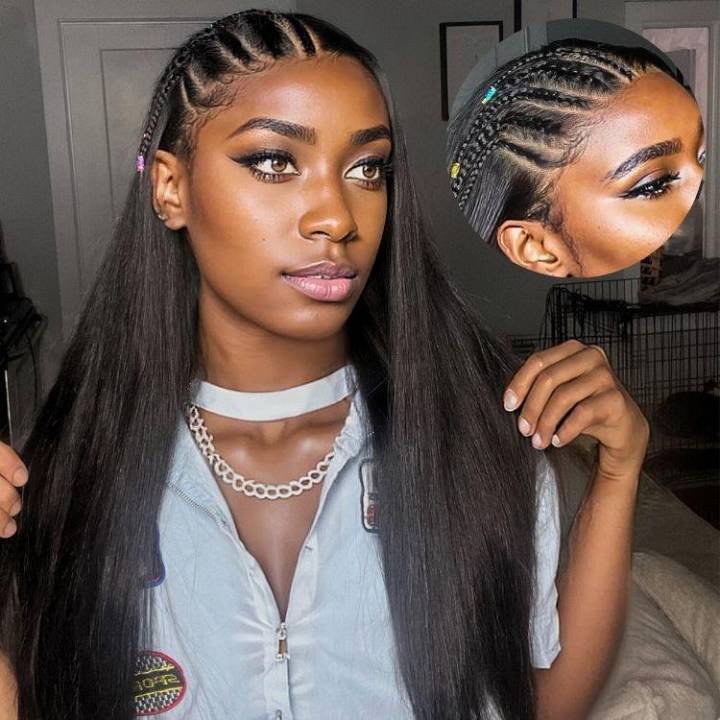
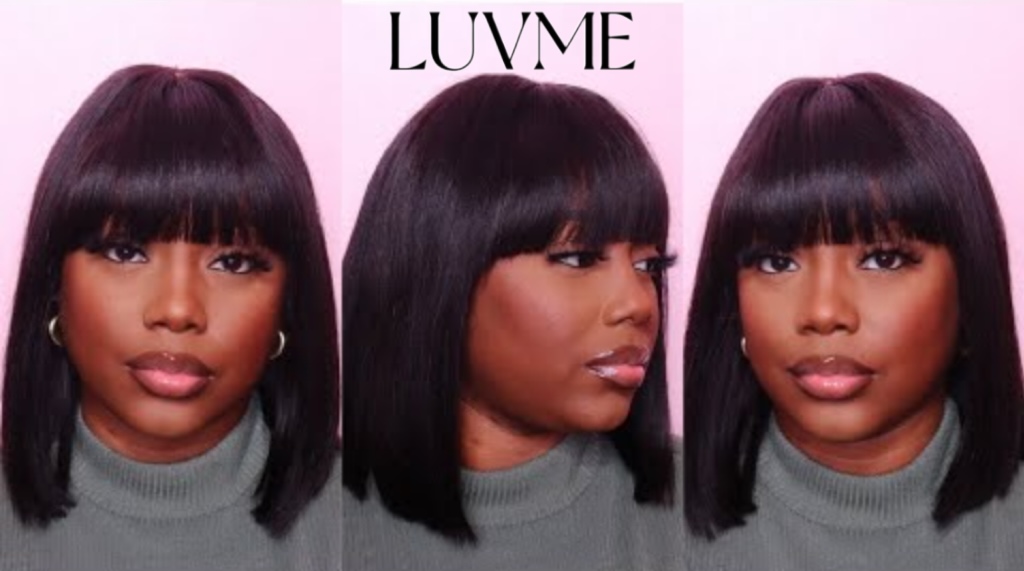
- The hairline should look soft and slightly irregular—not perfectly straight
- Density should match natural hair, not exceed it
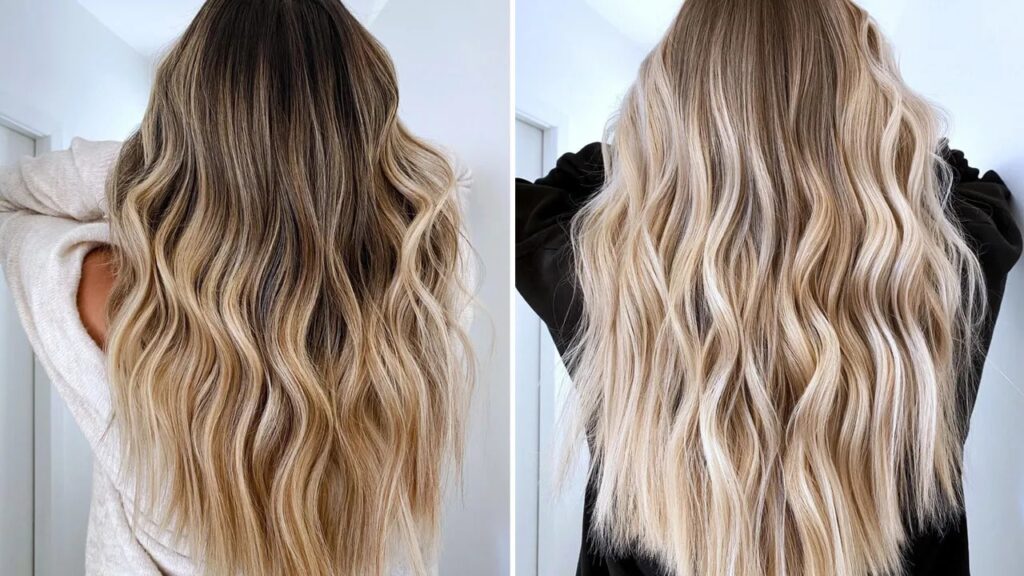
- Color should have dimension (not flat or overly uniform)
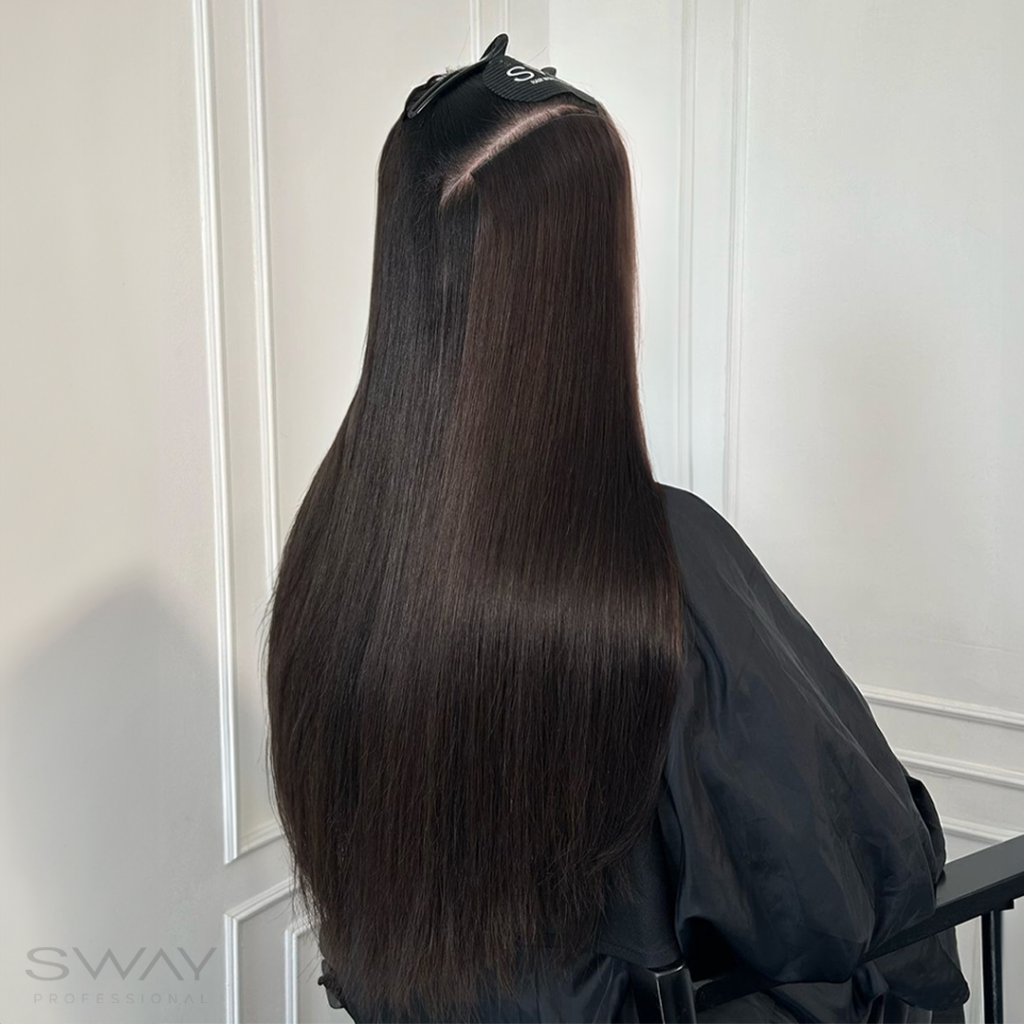
- The hair should move naturally, not feel stiff or overly shiny
In many cases, subtlety is what makes a wig convincing.
Comfort matters more than you think
A wig might look amazing—but if it’s uncomfortable, you won’t wear it.
Things to consider:
- Breathability of the cap
- Weight (especially for longer wigs)
- Secure fit without tightness
- How it feels after several hours
The best wigs are the ones you forget you’re wearing.
Styling and maintenance
Even the best wigs need proper care.
- Use gentle, sulfate-free products
- Avoid excessive heat styling
- Store properly to maintain shape
- Brush carefully to prevent shedding
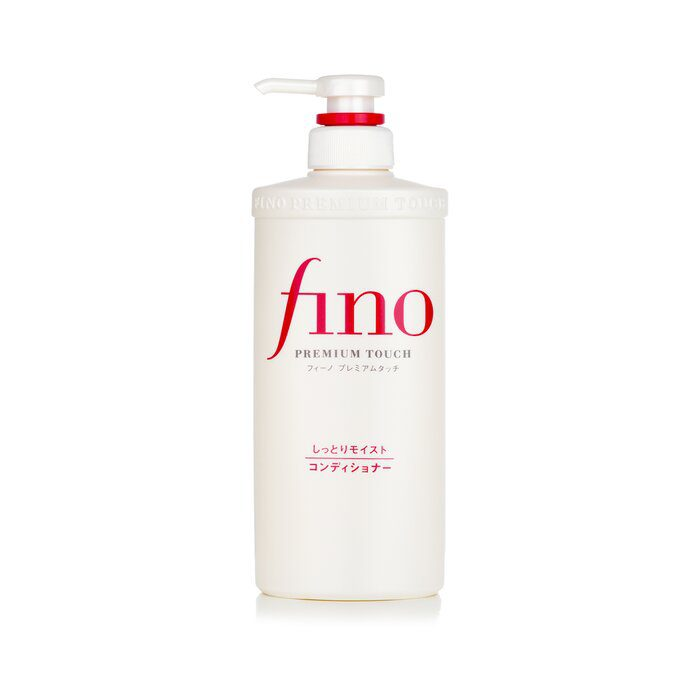
Human hair wigs, in particular, benefit from regular conditioning to maintain softness.
Finding the right wig for you
There’s no single “best” wig—it depends on your lifestyle and expectations.
- If you want low effort → go for pre-styled or glueless options
- If you want maximum realism → invest in a good human hair wig
- If you want variety → consider having more than one style
It’s less about finding the perfect wig, and more about finding one that fits how you actually live.
Final thoughts
Wigs today are no longer just a solution—they’re a choice.
The right one can simplify your routine, protect your natural hair, and give you flexibility that traditional styling can’t. But the difference between a wig that looks good and one that feels right comes down to the details: comfort, realism, and how well it fits into your daily life.
In the end, the best wig isn’t the most expensive or the most dramatic—it’s the one you actually want to wear.