












































































































































































































































































































































































































































































































































































































































































































































































































































































































































































































































































































































































































































































































Why I Switched from Hard Structured Bags to Soft Tote Bags (And My Shoulders Finally Stopped Hurting)

One woman’s journey from rigid, uncomfortable bags to the ease of soft canvas totes
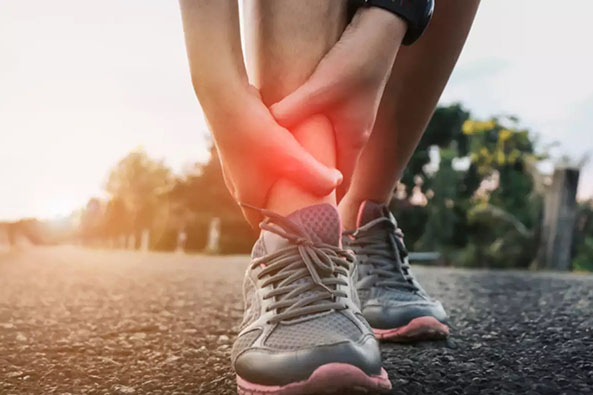
I need to tell you about my shoulder.
My right shoulder, specifically. The one that’s been aching for two years.
I blamed my laptop. My posture. My desk setup. My pillow. Everything except the actual culprit.
My bag.
Not just any bag. My “professional-looking” structured tote bag that I carried every single day for work.
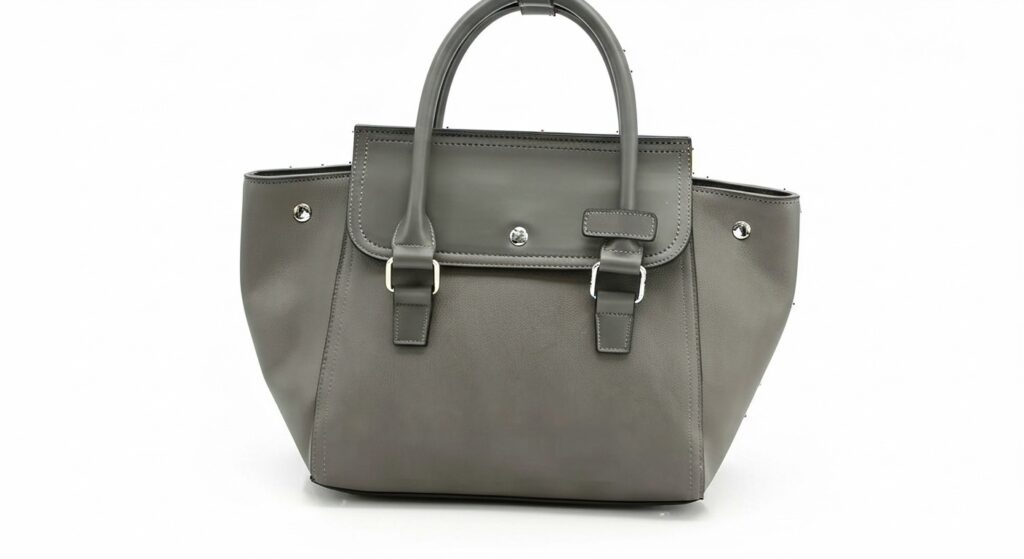
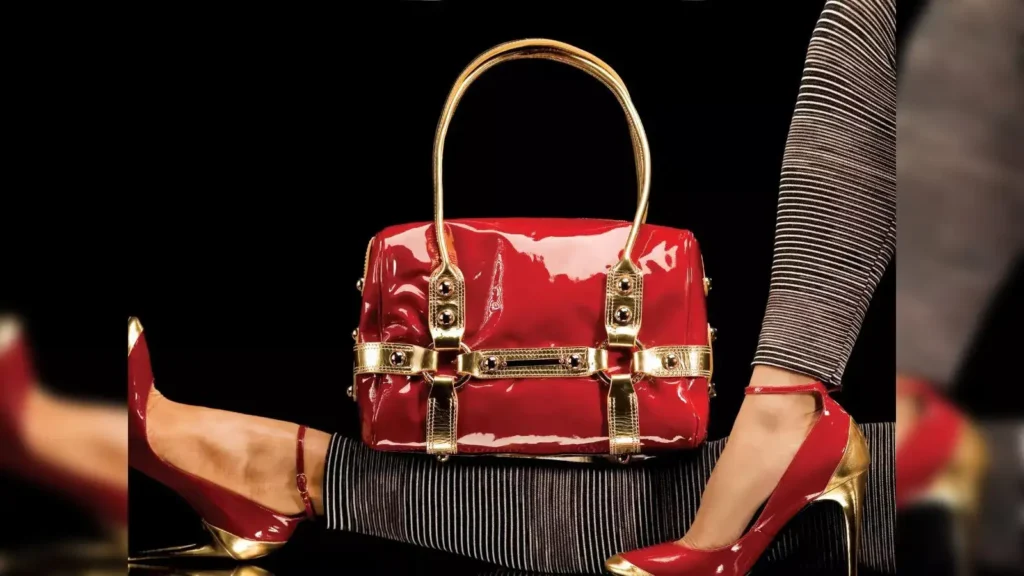
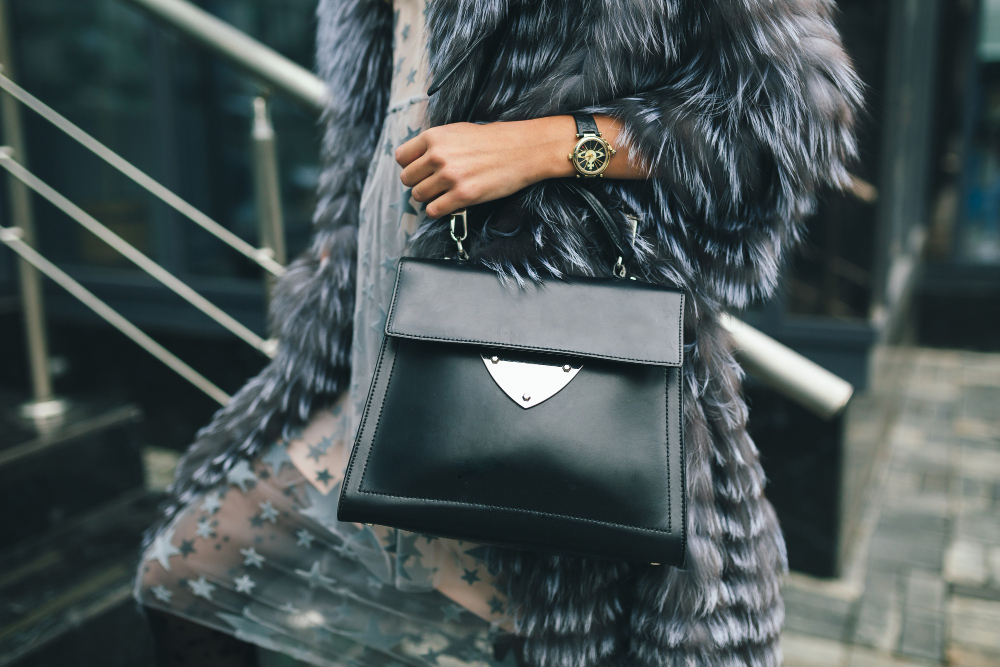
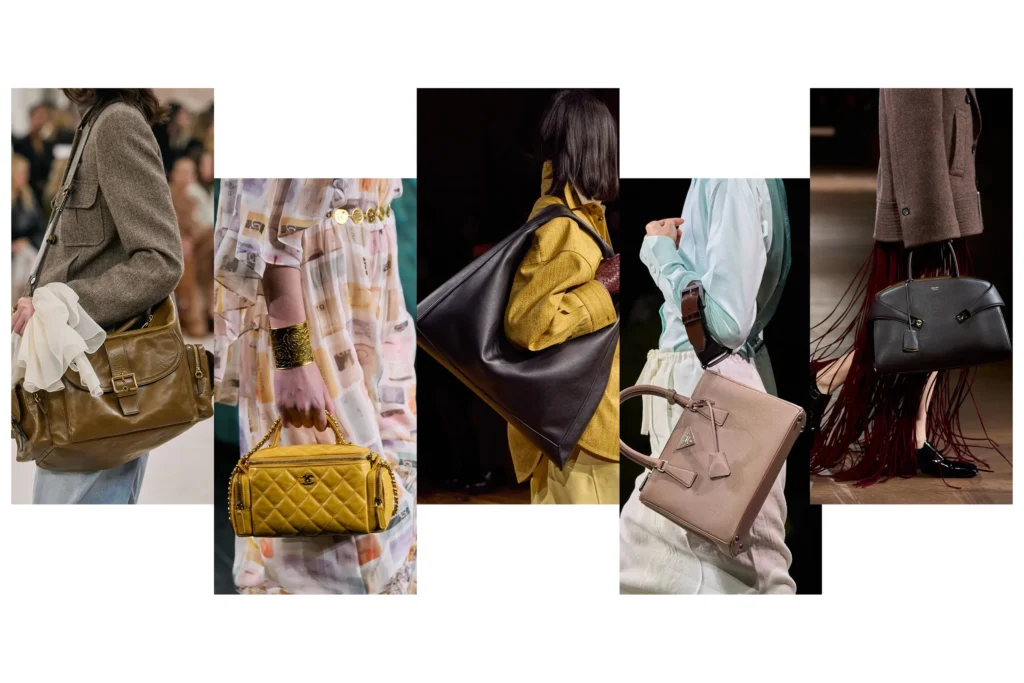
You know the type: Rigid. Boxy. Stands upright on its own. Looks polished in photos. Feels like carrying a small suitcase.
I thought that’s what a “good” bag was supposed to be. Structured. Professional. Put-together.
Turns out, I was wrong.
This is the story of how switching to a soft tote bag fixed my shoulder pain, simplified my life, and changed how I think about what makes a bag actually “good.”
The Structured Bag Trap (And How It Fooled Me)
Three years ago, I bought what I thought was the perfect work bag.
A structured tote bag. Faux leather. Very professional-looking. The kind you see in “workwear essentials” articles.
The selling points:
- Stands upright on its own
- Maintains shape when empty
- Looks polished and professional
- “Investment piece”
What nobody mentioned:
- Heavy even when empty
- Rigid edges dig into your side
- Doesn’t conform to your body
- Gets heavier as the day goes on
- Can’t fold or compress when not in use
I carried that bag every day for eighteen months.
And every evening, my right shoulder ached.
The Day I Realized My Bag Was Hurting Me
I was at a friend’s wedding in Goa.
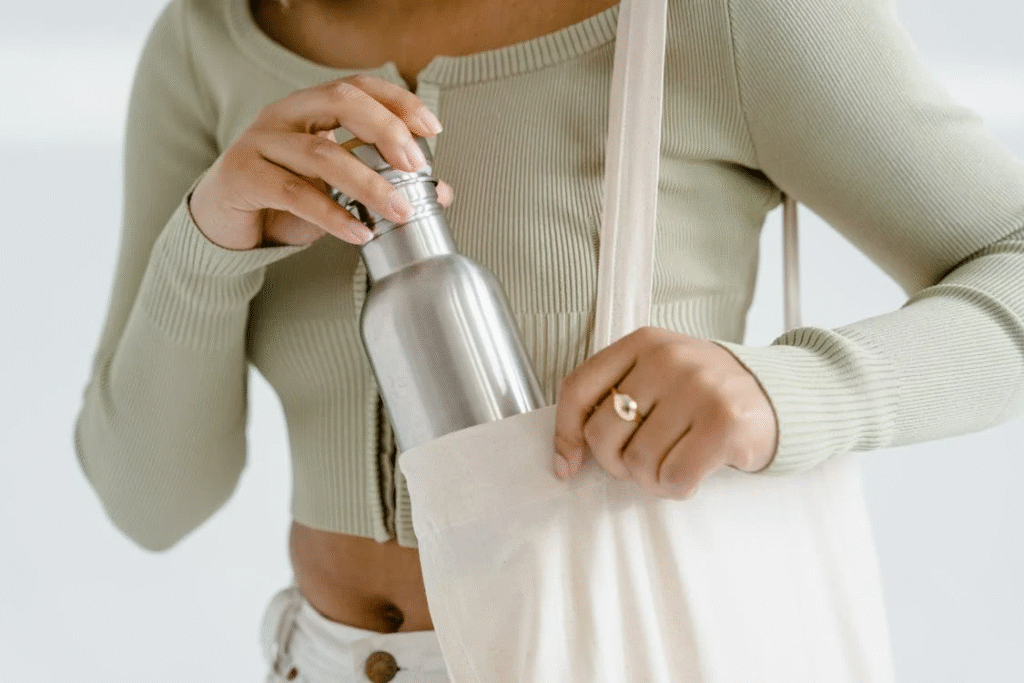
I packed a smaller bag for the weekend. A soft canvas tote I’d gotten as a freebie at some event. Nothing fancy. Just some soft cotton canvas.
Three days of carrying that tote, laptop, books, water bottle, the usual and something weird happened.
My shoulder didn’t hurt.
Not once.
I got back to Mumbai. I switched back to my structured bag for work.
By Tuesday afternoon, the ache was back.
That’s when I connected the dots.
What Makes Structured Bags So Uncomfortable (That Nobody Tells You)
I started researching. Turns out, there’s actual science behind why structured bags cause pain.
1. The Weight of Structure
Structured bags need internal framework to hold their shape:
- Cardboard inserts
- Plastic reinforcement
- Metal frames
- Thick, stiff materials
Empty weight: 600-900 grams
Soft tote bags are just fabric:
- Canvas or cotton
- No rigid framework
- Minimal hardware
Empty weight: 200-400 grams
Before you even put anything inside, you’re carrying an extra 300-500 grams.
That might not sound like much. But carry it 8 hours a day, 5 days a week? Your shoulder notices.
2. The Pressure Point Problem
Structured bags have rigid edges that create pressure points:
- Hard corners dig into your side
- Stiff base doesn’t conform to body
- Rigid straps don’t mold to shoulder
Result: Weight concentrates on small areas of your shoulder and body.
Soft tote bags conform to your body:
- No hard edges
- Material molds around contents
- Straps settle naturally on shoulder
Result: Weight distributes more evenly.
Same weight, less pain.
3. The Center of Gravity Issue
Structured bags maintain their shape when loaded:
- Weight sits away from your body
- Creates pulling force
- Shoulder compensates by tensing
Soft tote bags collapse inward when carried:
- Weight sits closer to your body
- Less pulling force
- Natural center of gravity
Physics 101: The closer the weight to your body, the easier it is to carry.
4. The Flexibility Factor
Structured bags can’t compress:
- Same volume empty or full
- Takes up constant space
- Awkward in crowded spaces (trains, buses, elevators)
- Can’t squeeze through tight spots
Soft tote bags compress and expand:
- Small when carrying less
- Expands when you need more room
- Easy to navigate crowded spaces
My 30-Day Soft Tote Bag Experiment
After my Goa revelation, I decided to try something.
For 30 days: Only soft tote bags. No structured bags.
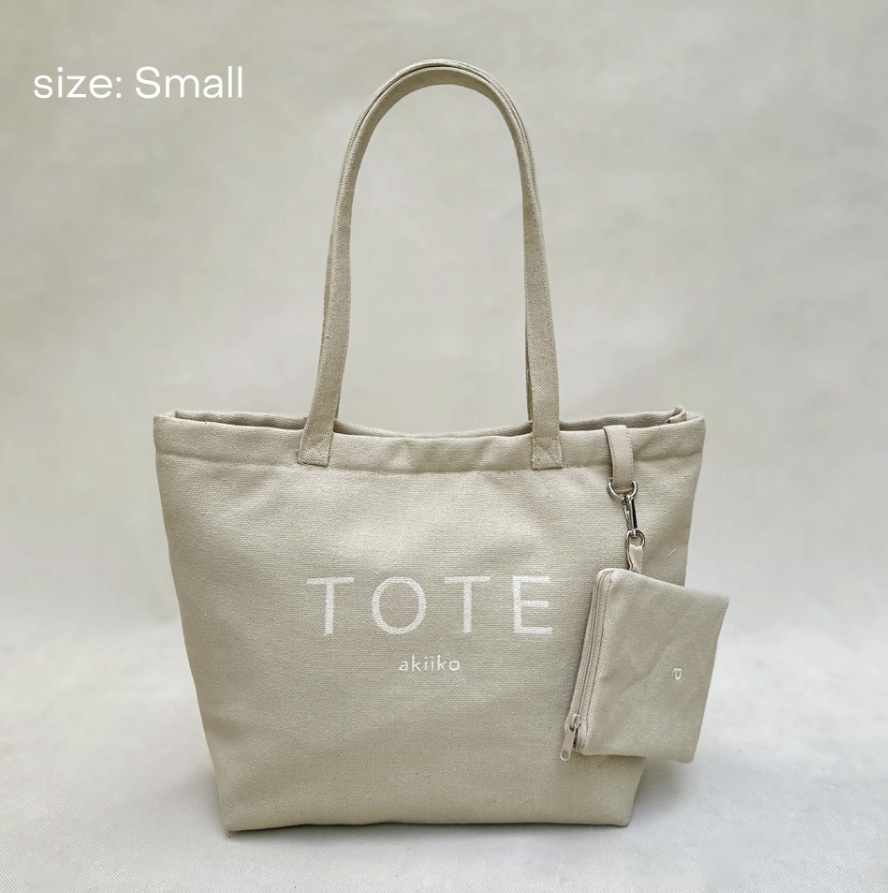
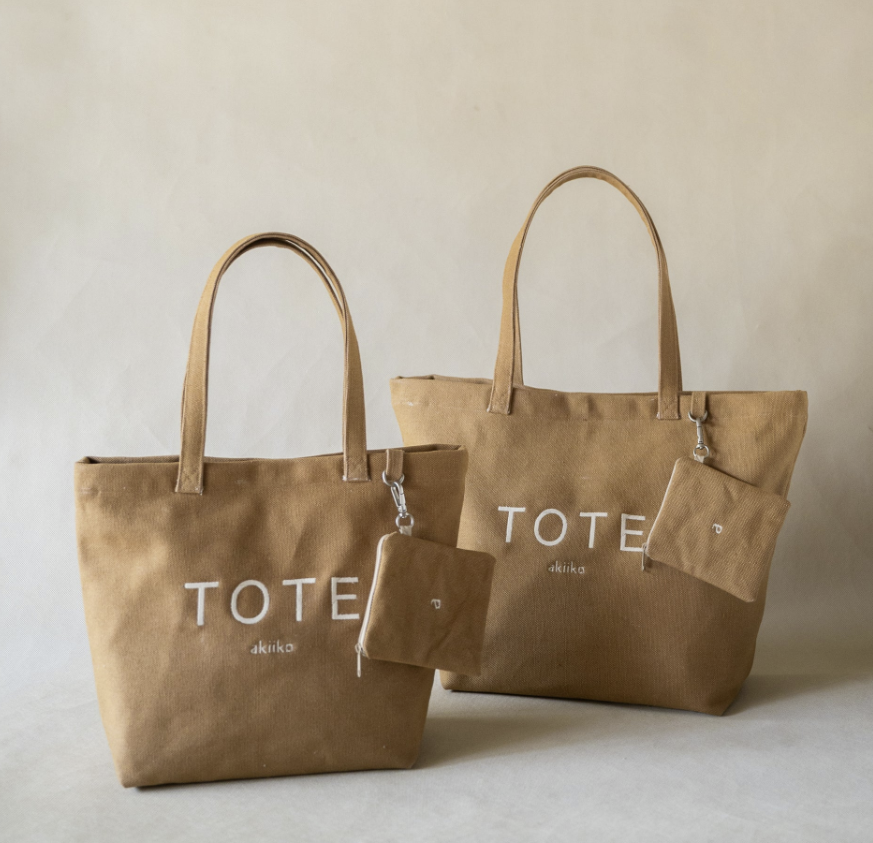
I found akiiko, an Indian brand making premium canvas tote bags. Soft, unstructured, but quality materials.
Ordered three different styles to test:
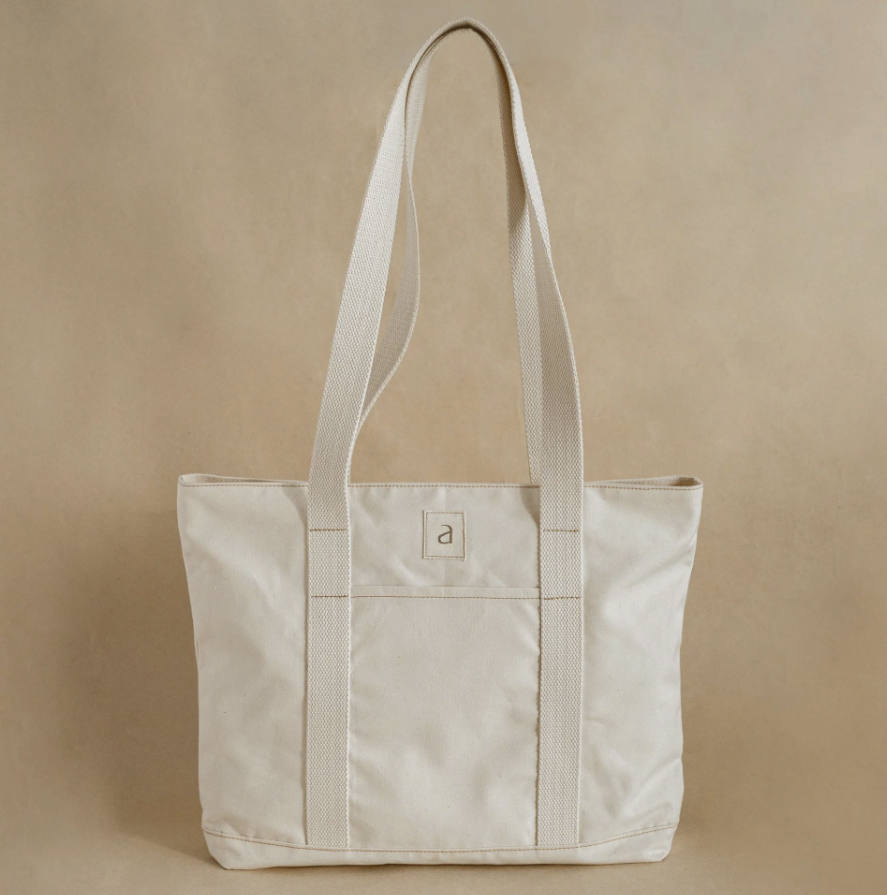
- Grain Curve Canvas Tote (₹2,800) – Textured canvas, soft structure
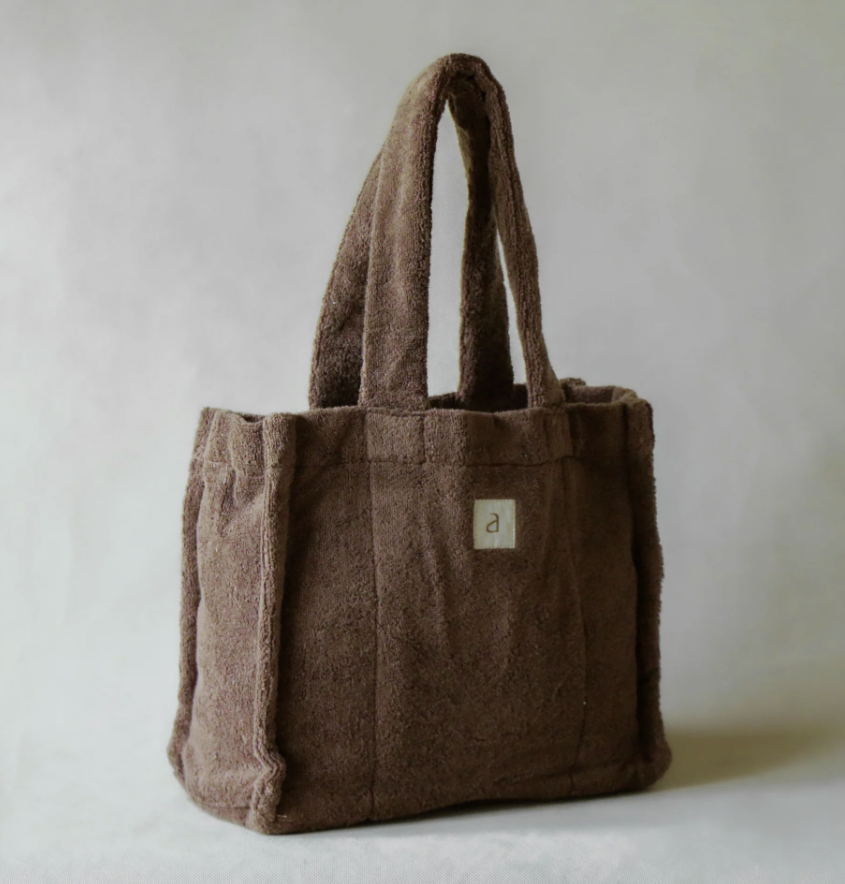
- Cloud tote (Rs2599) – Cloud cotton, even softer
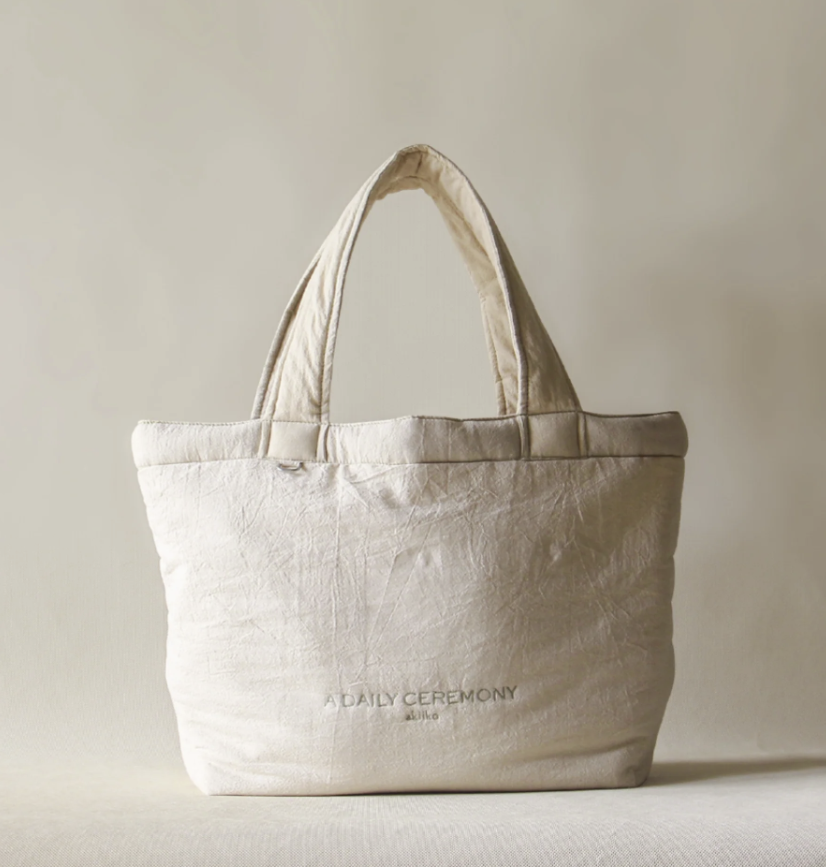
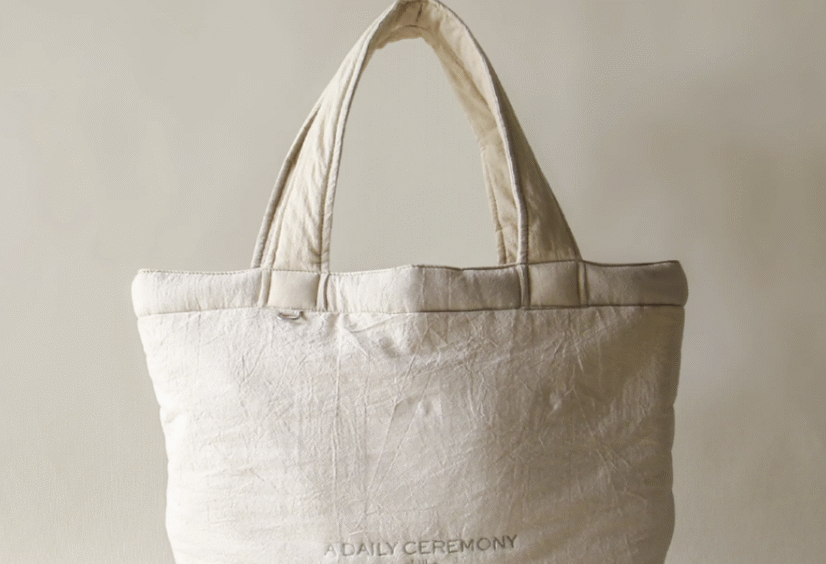
- Crinkle ceremony totes (₹2899-3299) – crinkle cotton, most flexible
All soft. All unstructured. All designed to carry daily essentials without the rigid framework.
Week 1: The Adjustment Period
Day 1 felt weird.
The soft tote bag didn’t stand up on the floor. It slouched. It looked… casual?
Part of me worried: “Does this look unprofessional?”
Day 3: Forgot about appearances. Shoulder felt better.
No aching by evening. Could carry the bag for hours without discomfort.
Day 5: Realized how much lighter it was.
Even when packed full (laptop, notebook, lunch, water bottle, cosmetics bag), the soft tote felt manageable.
My structured bag with the same contents? Felt like carrying bricks.
Day 7: The unexpected benefit.
On the train during rush hour, the soft tote compressed easily. I could hold it against my body without it jabbing other passengers or me.
My structured bag? Took up space like a person.
Week 2-3: The Conversion
By week two, I was sold.
Things I noticed:
Comfort
- No shoulder pain (this alone was huge)
- Could switch shoulders easily (soft straps conformed to both)
- Didn’t feel heavy even after 8-hour days
Practicality
- Fit under my desk at work (structured bag sat awkwardly beside)
- Easy to pack in luggage when traveling
- Compressed when not full (took less closet space)
Versatility
- Looked appropriate at work
- Also looked fine running errands
- Didn’t look “too formal” on weekends
- Fit more contexts than my structured bag
Ease
- Could shove it in my gym locker
- Fit in overhead compartments easily
- Didn’t knock things over when set down
- Easy to grab and go
Week 4: The Test
Week four, I had three back-to-back work trips.
Delhi. Bangalore. Pune.
Packed my soft canvas tote as my personal item for flights.
What I carried:
- 15″ laptop
- Chargers and cables
- Two notebooks
- Water bottle
- Snacks
- Book
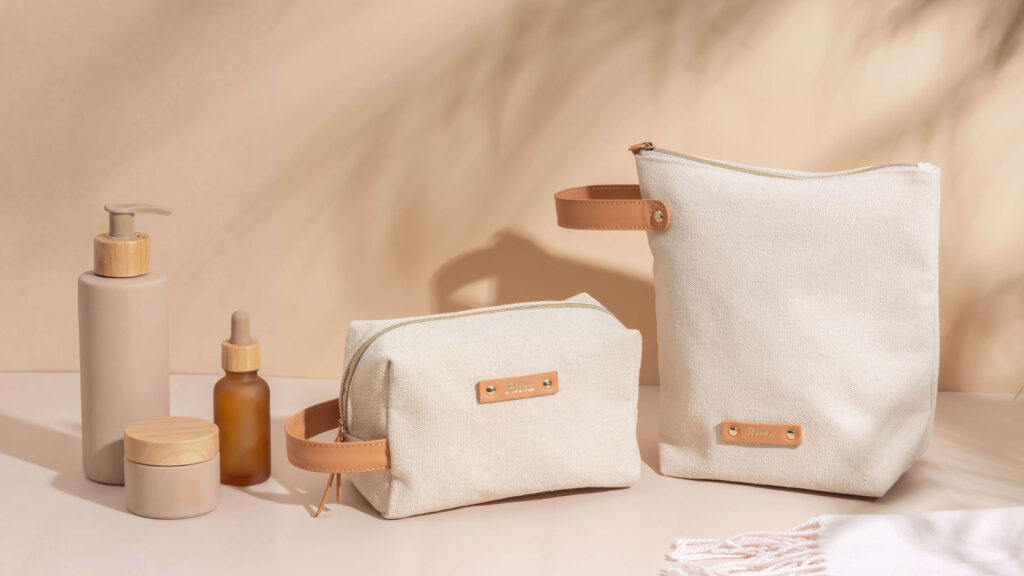
- Cosmetics pouch
- Change of clothes (just in case)
The experience:
On flights: Compressed easily under the seat. No awkward angles trying to fit a rigid bag into a small space.
In hotels: Threw it in the closet. Didn’t take up shelf space like structured bags.
During meetings: Looked perfectly professional. Nobody cared that it was soft.
Traveling between cities: Shoulders never hurt, even carrying it through airports.
The verdict: Soft tote bags are better for travel. Not just “good enough.” Actually better.
What I Learned About “Professional” Bags
Here’s the thing nobody tells you:
Structured bags look professional in photos. Soft bags work professionally in real life.
The “structured = professional” myth comes from:
- Fashion magazines (photographed empty)
- Luxury brand marketing (image over function)
- Old corporate norms (appearance over comfort)
But in actual professional settings?
Nobody cares if your bag stands up on its own.
They care if you’re on time, prepared, organized.
A soft canvas tote bag that gets you through the day comfortably serves you better than a structured bag that looks good but hurts your shoulder.
The Types of Tote Bags (And Why Soft Wins)
After my experiment, I researched the different tote bag categories.
1. Structured Tote Bags
Materials: Faux leather, rigid fabrics, internal framework
Pros:
- Polished appearance
- Protects contents (rigid walls)
- Stands upright
Cons:
- Heavy (even when empty)
- Uncomfortable for long periods
- Doesn’t compress
- More expensive
- Can’t adapt to different loads
Best for: Very occasional use, photo shoots, when you need rigid protection for fragile items
Not ideal for: Daily commute, extended carrying, travel, changing needs throughout day
2. Soft Canvas Tote Bags ⭐
Materials: Cotton canvas, linen, soft cotton
Pros:
- Lightweight (200-400g empty)
- Comfortable for all-day carry
- Compresses when less full
- Expands when you need room
- Conforms to body shape
- Durable (canvas is incredibly strong)
- Machine washable (many types)
- Better price point
- Versatile styling
Cons:
- Doesn’t stand upright when empty
- Can look wrinkled if not cared for
- Needs interior pockets for organization (thankfully, good brands include these)
Best for: Daily use, commuting, work, errands, travel, gym, everything
This is what I switched to. This is what fixed my shoulder.
3. Nylon/Synthetic Soft Totes
Materials: Polyester, nylon, synthetic fabrics
Pros:
- Very lightweight
- Water-resistant
- Inexpensive
Cons:
- Less durable than canvas
- Can look cheap
- Not environmentally friendly
- Tears more easily
Best for: Beach bags, gym bags, situations where bag might get wet or dirty
4. Leather Soft Totes
Materials: Genuine leather, supple and unstructured
Pros:
- Luxurious feel
- Ages beautifully
- Very durable
- Soft and comfortable
Cons:
- Expensive (₹10,000-50,000+)
- Requires maintenance
- Heavy compared to canvas
- Not practical for most people’s budgets
Best for: Special occasions, when you want luxury, if budget allows
Why Canvas Tote Bags Are the Sweet Spot
After trying all types, here’s why I landed on canvas:
Durability
Canvas is incredibly strong.
It’s the same material used for:
- Sails on boats
- Military tents
- Artist canvases
- Industrial tarps
If it can handle ocean winds and weather, it can handle your laptop and lunch.
My canvas tote bags? Six months of daily use, still perfect. No tears, no fraying, no weakness.
Weight
Canvas is light but substantial.
- Heavy enough to feel quality
- Light enough to not tire your shoulder
- Perfect balance
My canvas tote: 350 grams empty My old structured bag: 800 grams empty
450 grams difference = carrying an extra large phone + charger + book before even adding my actual stuff.
Comfort
Canvas softens with use.
New canvas: Slightly stiff, holds shape After 10 uses: Softens, molds to your shoulder After 50 uses: Perfect—soft but still strong
It’s like breaking in jeans. Gets better over time.
Versatility
Canvas looks good everywhere:
✓ Office meetings (professional enough) ✓ Coffee shops (casual enough) ✓ Grocery shopping (practical) ✓ Weekend trips (travel-friendly) ✓ Gym (durable enough)
One bag, multiple contexts. This is actually what “investment piece” should mean.
Maintenance
Canvas is easy to care for.
- Most canvas: Spot clean with damp cloth
- Some canvas: Machine washable
- Spills: Wipe off, doesn’t stain like leather
- Scratches: Literally impossible to scratch canvas
My structured faux leather bag? Scratched in week two. Looked worn by month six.
My canvas tote? Looks better now than when new. That broken-in, lived-in quality.
Price
Quality canvas totes: ₹2,500-3,500
Quality structured bags: ₹5,000-15,000+
Same functionality. Better comfort. Half the price (or less).
Environment
Canvas is:
- Natural material (cotton)
- Biodegradable
- Long-lasting (reduces waste)
- Often made from sustainable sources
Vs. synthetic structured bags:
- Plastic-based materials
- Non-biodegradable
- Shorter lifespan
- Petroleum products
Not to get preachy, but if you’re carrying something daily for years, choosing canvas feels better.
What to Look for in a Soft Tote Bag
Not all soft tote bags are created equal.
After buying (and returning) several, here’s what actually matters:
1. Canvas Weight
Too light: Flimsy, tears easily, looks cheap Too heavy: Uncomfortable, defeats the purpose
Sweet spot: 16oz-24oz canvas
This is heavy enough to be durable, light enough to be comfortable.
My akiiko totes? 24oz canvas. Perfect weight. Feels substantial without being heavy.
2. Strap Construction
Bad straps:
- Thin (cuts into shoulder)
- Unpadded (uncomfortable after 30 minutes)
- Short (can’t fit over winter coats)
- Single-stitched attachment (tears off under weight)
Good straps:
- Wide (2-3 inches minimum)
- Soft material (doesn’t dig in)
- Long enough (adjustable length is even better)
- Reinforced stitching (multiple rows at attachment points)
This is where cheap tote bags fail. Straps break or hurt.
Quality soft tote bags invest in strap construction.
3. Interior Organization
The big mistake with soft tote bags: One giant void inside.
The solution: Interior pockets.
What you need:
- 2-3 open pockets (phone, keys, small items)
- 1 zippered pocket (wallet, important items)
- Laptop sleeve or padded section (if carrying electronics)
My Grain Curve tote has 4 interior pockets. My keys have a home. My phone has a spot. I’m not digging through a black hole.
This is crucial. Don’t buy a soft tote bag without interior organization.
4. Base Reinforcement
Challenge with soft bags: Bottom can sag or wear.
Solution: Reinforced base.
Look for:
- Double-layer canvas at bottom
- Reinforced stitching
- Slightly firmer material at base
This prevents the bottom from sagging or wearing through when you set the bag down repeatedly.